
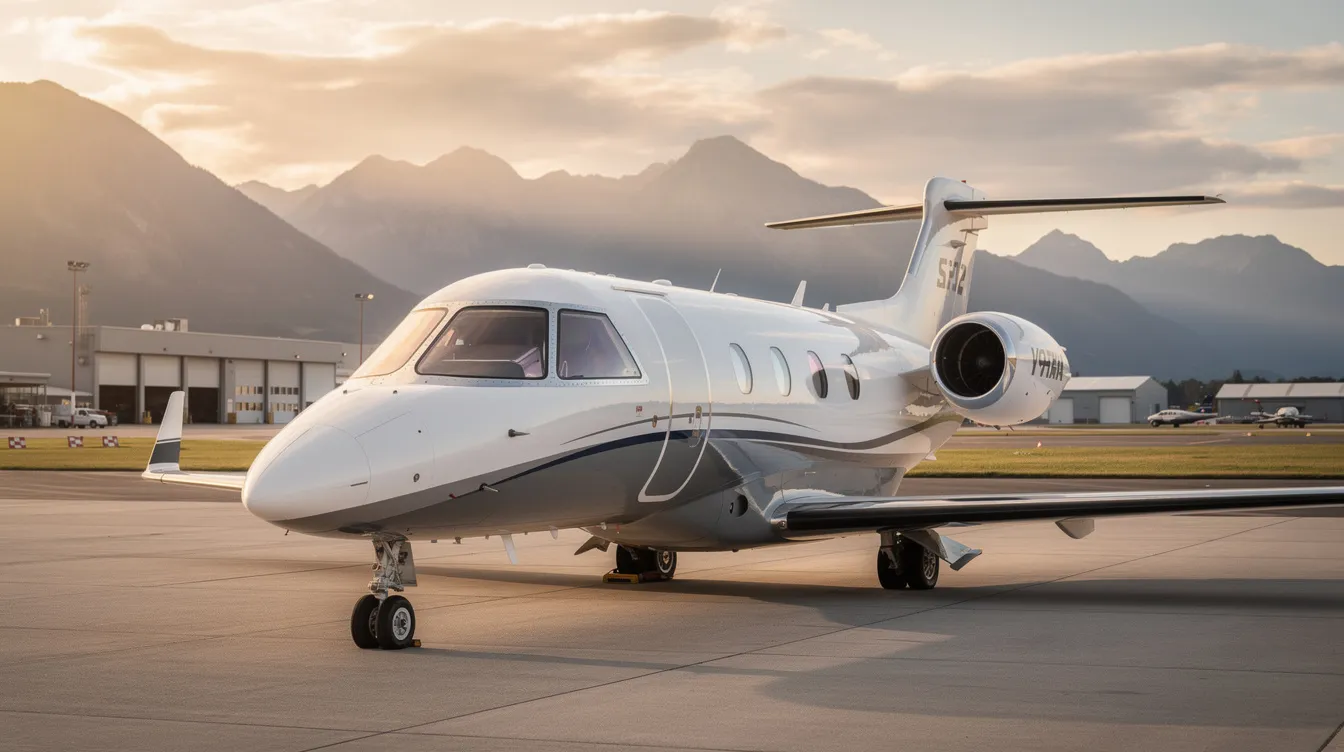
For the discerning traveler in 2027, the Cirrus Vision Jet represents something more than a compact aircraft - it is a precisely engineered tool that turns regional travel into a strategic advantage. This guide covers everything about Cirrus Vision Jet seats, including layouts, comfort, and best uses. Here is everything you need to know about its seats, configurations, and how to match the right layout to your next mission.
This article is designed for private travelers, business executives, and families considering the Cirrus Vision Jet for regional travel, helping you understand how its seating options can optimize your comfort and mission flexibility.
Overview of the Cirrus Vision Jet Cabin & Seating Concept
The Cirrus Vision Jet was not designed to compete with large-cabin jets. It was built to eliminate the friction of commercial aviation on routes where a bigger aircraft is unnecessary - and where every minute saved compounds into hours reclaimed each quarter. For high-net-worth and business travelers flying regional hops of 200–800 nautical miles, the Vision Jet turns what would be a half-day ordeal of TSA lines, connections, and ground transport from a hub airport into a streamlined two-to-three-hour door-to-door experience using smaller, closer airports.
The Cirrus Vision Jet - formerly the Cirrus Vision SF50 - is a single-engine, very light jet designed for single-pilot operation. Produced by Cirrus Aircraft out of Duluth, Minnesota, it is optimized for three to five passengers in real-world use, though it can accommodate up to seven people depending on configuration. It has a maximum cruising speed of 300 KTAS (with a maximum cruise speed of 305 knots in optimal conditions), a service ceiling of 31,000 feet, and a range of 461 nautical miles at maximum payload. For takeoff, it requires just 2,036 feet at sea level, and the landing distance for the Vision Jet is 1,628 feet - numbers that open the door to hundreds of smaller regional airports that commercial carriers simply cannot reach.
The cabin measures 11.5 feet long, 5.1 feet wide, and 4.1 feet high. Those are compact dimensions by any measure, but the cabin volume of the Vision Jet reaches up to 237 cubic feet - and generous headroom and shoulder room are provided by the carbon-fiber fuselage, which allows for thinner structural walls and more usable interior space than a comparable metal airframe. The cabin width of the Vision Jet is just over 5 feet, offering more shoulder room than many people expect from a light jet designed around efficiency.
This article focuses specifically on Cirrus Vision Jet seats: layout options, comfort levels, the best seating configurations for different missions, and how BlackJet clients typically use the aircraft through our Jet Card and on-demand charter programs as part of our broader premium private jet card services.
Unlike larger light jets, the Vision Jet compensates for its smaller footprint with clever seat design, panoramic windows that flood the cabin with natural light, and a quiet, pressurized cabin. For travelers who acknowledge that not every trip demands a midsize jet, the Vision Jet positions itself as an efficient alternative to both turboprops and commercial first class on regional routes - faster than the former, more private and flexible than the latter.
BlackJet selectively includes the Cirrus Vision Jet in its network for specific mission profiles: short regional business trips, family weekends within about 600–800 nautical miles, and situations where cost-efficiency matters without sacrificing safety or comfort, especially for clients exploring budget-friendly private aircraft options. Every Vision Jet flight arranged through BlackJet is backed by our proprietary safety certification, carbon-neutral operations, and a team that helps fit the right aircraft to the right mission.
Cirrus Vision Jet Seating Layouts & Configurations
The Vision Jet features a three-row cabin arrangement with adjustable seating configurations, but the key insight for travelers is this: the cabin is modular and built around real-world use rather than theoretical maximum occupancy. Seating arrangements include executive, family, and mixed utility configurations. The seating plan is completely customizable for passengers.
Here is how the layouts break down in practice:
Standard Configuration (3+2)
The typical setup includes two pilot seats up front (the aircraft is certified for single-pilot operation, though BlackJet flights use professional captains) plus three main cabin seats, aligning it with other affordable single-pilot jet options. This yields the most comfortable arrangement for adults, with two seats in the second row and one in the third row, or a club-style arrangement with facing seats, which is appealing even for travelers who normally buy individual seats on private jets.
Optional 6th and 7th Seats
Customers can upgrade to include 6th and 7th seats in the rear third row. These are smaller seats - best suited for children (with a weight limit of approximately 90 lbs each in the G2 models) or for short-duration trips. When not in use, they fold or remove entirely to expand baggage capacity or legroom. This is a lot of flexibility for a cabin this size.
Modular Track System
Every passenger seat in the Vision Jet is mounted on a modular track system. This means the seats attach to a system designed to support flexible cabin layouts. The system is central to how the aircraft operates in charter and Jet Card programs. The Vision Jet is notable for its quick-release seating system, which allows for easy configuration changes: every seat in the Vision Jet can be quickly removed or reconfigured without tools, letting operators shift between maximum capacity and maximum comfort depending on the mission.
Seating capacity varies by generation in the Vision Jet:
Generation | Max Occupants | Adults | Children | Key Change |
|---|---|---|---|---|
G2 / G2+ | 7 | 5 | 2 | Jump seats in row 3 |
G3 (2026+) | 7 | 6 | 1 | Redesigned bench in row 3 |
The G2 and G2+ Vision Jet models can accommodate up to five adults and two children. The G3 Vision Jet seats up to six adults and one child, thanks to a wider rear bench that replaced the smaller jump seats. The G3 model of the Vision Jet includes a redesigned third-row bench to enhance comfort, adding approximately two inches of legroom for rear passengers and incorporating footwells that earlier versions lacked.
The aircraft includes modular seating for five adults as a baseline, with the rear seats as optional additions. The Vision Jet can accommodate up to 7 people in its maximum-density layout, though for comfort on anything beyond a one-hour leg, fewer occupants is the continuing recommendation from experienced operators.
The Vision Jet does not include an onboard lavatory - a deliberate design decision to maximize passenger and cargo space in a cabin of this size. For the regional missions the aircraft excels at (typically under 2.5 hours), this is a reasonable trade-off that most people agree makes sense and fits neatly into broader conversations about the cheapest private jet options.
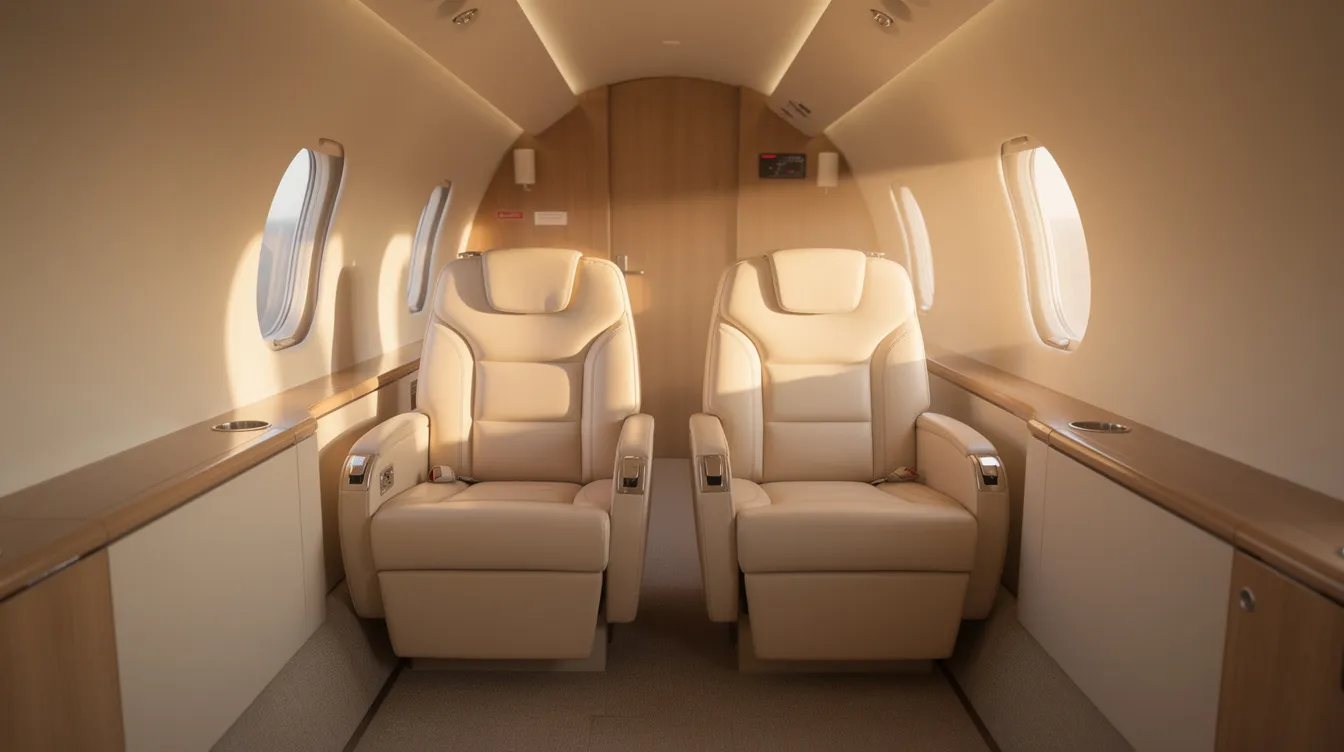
The Cirrus Vision Jet's large aft left-side door with integrated airstair impacts boarding flow: passengers step up and into the aisle, then settle into their chosen seat. The cabin height encourages semi-reclined, ergonomically contoured seating rather than full stand-up movement - which is exactly why seat design (bolstering, lumbar support, headrests) matters more here than sheer cabin volume.
Example Use Case: A founder flying from Dallas Love Field to Santa Fe with two colleagues - three adults seated in the main cabin, no rear jump seats installed. The result: extra room for laptops and presentations on the center console, a quiet environment for discussion, and arrival at a small airport minutes from downtown Santa Fe. It is the kind of trip where the Vision Jet's layout flexibility outperforms any commercial alternative.
Seat Dimensions, Comfort Features & Materials
While the Vision Jet is compact, Cirrus focused heavily on making each individual seat feel premium for the short flights of one to three hours that define the aircraft's sweet spot. The development of these seats has been a priority across every generation of the aircraft, mirroring the Vision Jet’s role in many analyses of 2 million-dollar private jet options.
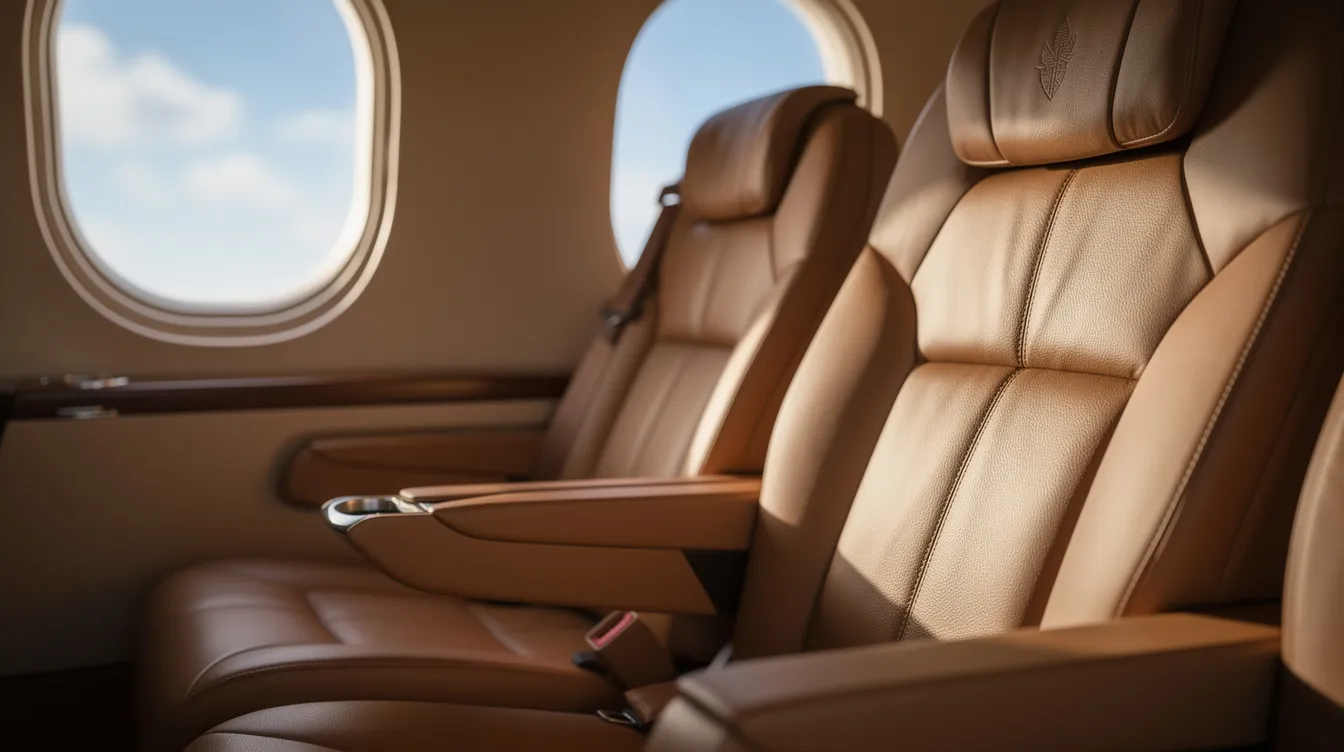
The Vision Jet features premium leather seats with ergonomic design for comfort. Standard materials include high-density foam cushioning, adjustable headrests, and stitched finishes that align with a luxury automotive feel rather than a typical small aircraft aesthetic. With the G2 and later models, Cirrus unveiled upgraded upholstery options including Alcantara-trimmed headrests and optional carbon-fiber accents at higher trim levels. Shoulder room is generous relative to the aircraft's class - the 5.1-foot cabin beam provides space comparable to a wider domestic first-class seat, and legroom varies depending on the fore-aft rail position of each seat.
Integrated amenities at or near each seat include:
Personal air vents, and the aircraft features climate control options for passenger comfort
Dedicated reading lights at each position
Panoramic windows provide natural light and unobstructed views in the Vision Jet, with each window aligned to a specific seating position.n
Multiple USB-A and USB-C ports for device charging
Tray tables (sidewall-deployed in the G3) for laptops and catering
Device mount locations including cold-shoe mounts in the G3 for tablets
The G2 and G2+ versions brought meaningful improvements to cabin noise levels and environmental controls. At FL200 (20,000 feet), cabin noise measures approximately 81–85 dBA depending on seat location; at FL310, readings drop to 80–82 dBA - quieter than most turboprops and workable for calls via headset or quiet conversation. The interior refinements across generations have made the seating progressively more suitable for laptop work, calls, and relaxed family travel.
The low, rear-mounted single engine (a Williams FJ33-5A turbofan) minimizes vibration in the main seating area, which is a meaningful comfort advantage on legs of one to two hours. Compared to many turboprops flying similar routes, the reduced vibration translates directly to less fatigue - something frequent flyers notice immediately. The carbon-fiber fuselage also plays a role here, with structural insulation engineered to dampen structure-borne noise.
The Vision Jet offers a diverse range of seating configurations to accommodate different travel needs, but across all of them, the per-seat comfort level holds up well for its class. This is not a prototype concept - it is a refined, delivered, and produced aircraft now in its third generation.
Family, Business & Mixed-Use Seating Scenarios
In practice, seating configurations in the Vision Jet are mission-driven, just as jet cards for frequent flyers are structured around predictable usage patterns rather than one-off trips. BlackJet advisors help clients choose the right layout for each trip, matching passenger count, luggage needs, and flight duration to the optimal arrangement, similar to how the top private jet companies frame aircraft selection around traveler profiles. Here are the most common scenarios:
Family Weekend
Two parents seated in the main second-row seats, two or three children using the rear jump seats (G2/G2+) or the redesigned bench (G3). Stroller and bags stored aft. The large panoramic windows reduce motion discomfort for young passengers - there is a lot of natural light and clear sightlines that help kids stay settled. Supervision is easy given the compact cabin, and the low vibration from the rear-mounted engine keeps the ride smooth. A family of four flying to a ski weekend in Aspen fits this profile perfectly.
Executive Day Trip
One or two executives in the main cabin with one seat kept deliberately empty for spreading out documents, laptops, and in-flight catering, a setup that often pairs well with a jet card cost-per-hour strategy for predictable budgeting. The noise level is manageable with a good aviation headset, and privacy is absolute - no seatmates, no overhead announcements, no lack of personal space. For a founder flying a 90-minute leg to a board meeting, this is where the Vision Jet delivers an experience that commercial first class cannot match on time, convenience, or focus.
Hybrid Leisure & Work
Three adults and one child, where one rear seat is removed to create baggage space for golf clubs, ski bags, or luggage that would not fit in the standard cargo area, which is the kind of mission that benefits from understanding jet card pricing structures ahead of time. The G3's improved device mounts and tray tables support productivity for the adults while the child settles into the remaining rear seat. This balances comfort and utility without requiring a step up to a larger jet.
For trips over approximately 2.5 to 3 hours, BlackJet typically recommends limiting Vision Jet seating to three or four adults for optimal comfort. Heavier passenger loads or longer ranges may be better served by stepping up to a larger light jet or small business jet within our network, or in some cases to 50-passenger private jet charters for sizable groups.
Safety, Accessibility & How Vision Jet Seating Fits into BlackJet Programs
Seat design in the Cirrus Vision Jet is not an afterthought bolted onto a completed airframe - it is tightly integrated with the aircraft's safety architecture. This is one of the reasons BlackJet prioritizes the Vision Jet for certain mission profiles: the safety features built into every seat and the cabin structure exceed what many comparable small private aircraft offer, even among leading private jet companies.
Restraints & Crashworthiness
All seats in the main cabin are equipped with three-point harnesses. The forward crew seats feature enhanced restraint systems with optional airbag seatbelts, engineered to meet FAA crashworthiness standards. Beneath each seat, energy-absorbing honeycomb bases are designed to crush in a controlled manner during hard landings or parachute-assisted descents - a design requirement driven by the aircraft's signature safety feature.
It features the Cirrus Airframe Parachute System (CAPS), a whole-airframe parachute that can lower the entire aircraft to the ground in an emergency. This system is unique among jets in its class, and the seat structures are specifically engineered to handle the deceleration forces of a parachute deployment. The Cirrus Vision Jet has a maximum ramp weight of 6,040 pounds, and every element of the cabin - seats, harnesses, structural mounts - is certified to perform within that weight envelope under emergency conditions.
The maiden flight of the original Vision Jet prototype marked the beginning of a development journey that prioritized safety at every stage, helping it earn a place among the best and cheapest single-pilot jets. While development slowed at points due to funding challenges (Cirrus was receiving deposits starting well before certification), the continuing investment in safety systems - from CAPS to the Safe Return autoland feature in G2+ and G3 models - has set standards that the broader industry must now acknowledge.
Egress & Accessibility
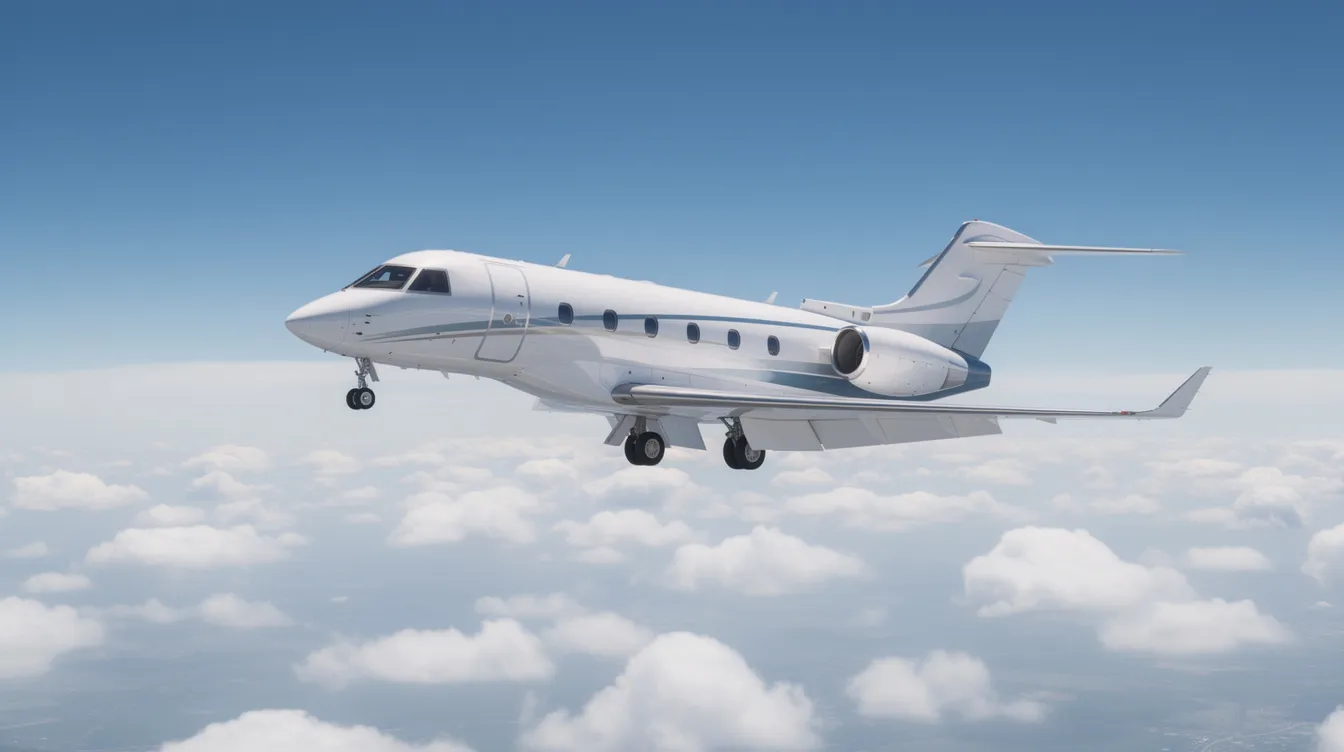
The seating layout supports rapid egress via the main door, with clear pathways from each seat to the aft left-side exit. This matters in emergency planning and for passengers who value a visible safety plan - particularly those flying with children or elderly parents.
Accessibility considerations include:
Low step-in height at the airstair door
Handholds near the entrance for stability during boarding
Ability for crew to pre-position specific seats for passengers who need extra assistance (limited mobility, joint issues, elderly family members)
Middle-row seating recommended for those with accessibility needs, as it offers the easiest entry and exit path
The wingspan and overall dimensions of the aircraft allow it to operate from airports with narrower taxiways, but the cabin door and airstair design ensure that boarding remains comfortable even at smaller facilities without jet bridges.
Weight, Balance & Operational Safety
BlackJet screens operators and pilots for type-specific training on the Cirrus Vision Jet, including regular checks on safety protocols and weight-and-balance calculations that take seat occupancy into account, which complements our emphasis on transparent jet card membership pricing. This is not a formality - it directly affects performance. The Cirrus Vision Jet's maximum payload capacity is 1,040 pounds, and with full fuel (approximately 2,000 lbs usable), the remaining payload margin requires careful modeling, especially when carrying five or more passengers.
The avionics suite (Garmin Perspective Touch+ in G3) includes integrated weight-and-balance tools that model whether the cabin configuration and passenger load fall within the safe flight envelope. For example, a flight with five adults and luggage may require reduced fuel (and therefore reduced range), while three adults with full fuel can reach the aircraft's maximum range comfortably. The thrust from the single Williams turbofan is optimized for the aircraft's certified weight range, and exceeding payload limits is never an option BlackJet operators accept.
How BlackJet Members Use the Vision Jet
Members booking a Vision Jet through BlackJet's Jet Card program can specify passenger count and preferred seating style - more legroom versus maximum seats - and our team configures the aircraft accordingly where the operator offers modular options. This is how it works in practice:
Before the flight: Client provides passenger count, approximate weights, and luggage details, a level of planning that aligns well with committing to a 100-hour jet card program. BlackJet's operations team models the mission - including airport runway length, weather conditions, and fuel requirements - and recommends the optimal seat configuration, which is particularly valuable for clients evaluating a 50-hour jet card cost against projected usage.
Configuration changes: Because of the quick-release seating system, operators can remove or reposition seats with reasonable notice (typically 24–48 hours before departure), a flexibility that pairs naturally with a 25-hour jet card structure. This flexibility is a core advantage of the Vision Jet in charter and Jet Card operations, especially for members using the BlackJet 25+ Hour Jet Card across different cabin classes.
Sustainability: All Vision Jet flights arranged by BlackJet are carbon-neutral by default in 2027, with offsets calculated per occupied seat-mile, which also appeals to travelers considering unlimited private jet flight memberships. This means the actual seating layout and occupancy directly influence our sustainability modeling - flying with fewer empty seats improves per-passenger efficiency and can even intersect with strategies to maximize jet card tax deductions.
For those evaluating the price of the Cirrus Vision Jet relative to other options in the single-engine private jet category, the aircraft's combination of low operating costs, safety features, and cabin flexibility makes it a compelling choice for the missions it was built to serve: efficient regional flying where time, privacy, and comfort matter more than cabin size.
Frequently Asked Questions About Cirrus Vision Jet Seats
How many seats does a Cirrus Vision Jet have?
The Vision Jet can accommodate up to seven people, depending on its generation and cabin configuration. G2 and G2+ models can carry up to five adults and two children, while the G3 is configured for up to six adults and one child. Actual passenger capacity depends on weight, baggage, and flight conditions.
Are Cirrus Vision Jet seats removable?
Yes. Passenger seats are mounted on modular tracks, and the quick-release system allows seats to be removed or repositioned without tools. Operators can configure the cabin for executive travel, family trips, or additional baggage space, subject to aircraft availability and planning.
Is the Vision Jet comfortable for adults?
Its premium leather seats, climate control, panoramic windows, and compact cabin make the Vision Jet well suited to regional flights. The cabin is about 5.1 feet wide and 4.1 feet high, so passengers should expect a more intimate environment than in a midsize jet. For longer trips or a full adult passenger load, a larger aircraft may be more comfortable.
Does the Cirrus Vision Jet have a bathroom?
No. The Vision Jet does not have an onboard lavatory; the design prioritizes passenger and cargo space in a compact cabin. It is generally best suited to shorter regional journeys.
How should travelers choose a Vision Jet seating layout?
Start with passenger count, luggage volume, trip duration, and passenger needs. A family may prefer the maximum-seat layout, while a business traveler might remove a seat for more room or baggage capacity. An aircraft mock-up can help visualize cabin dimensions and seating before a decision, but the operator should confirm the exact configuration available for the flight.
How does BlackJet help members book the right configuration?
BlackJet members can share passenger and baggage requirements with an advisor, who can help match the mission to an appropriate aircraft and seating plan. Jet Card access offers an alternative to owning a jet for travelers who value flexible private aviation, with safety screening and carbon-neutral flights built into BlackJet’s program.
Conclusion: Choosing the Right Cirrus Vision Jet Seats
The Cirrus Vision Jet’s modular seating makes it adaptable to regional business trips, family weekends, and mixed work-and-leisure travel. Its three-row cabin can be configured for up to seven occupants, but the most suitable layout depends on the aircraft generation, passenger comfort, luggage, weight limits, and flight distance. For a short trip with a full group, the extra seats may be useful; for longer legs, fewer passengers can create more room to relax and work. Explore private plane layout options to see how cabin arrangements can shape the experience.
Before booking, confirm the exact aircraft configuration with the operator and consider whether the Vision Jet’s range, compact cabin, and lack of an onboard lavatory fit your itinerary. BlackJet advisors can help compare available aircraft and recommend a seating plan that aligns with your passenger count and mission. With a Jet Card program, travelers can access private aviation without owning an aircraft, supported by careful private aviation safety protocols and carbon-neutral flights. For longer journeys, compare the Vision Jet with larger light jet options before selecting an aircraft.
Elevate your travel - effortlessly. The Cirrus Vision Jet is one of several aircraft categories available through BlackJet, and our advisors are here to help match each mission - passenger count, seating needs, range, and luggage - to the ideal aircraft. Whether you need the efficient Vision Jet for a quick regional hop or a larger cabin for a longer journey, BlackJet delivers seamless private flight with rigorous safety, carbon-neutral performance, and unmatched flexibility.
Explore BlackJet's Jet Card program and discover how refined, purposeful travel becomes your new standard.