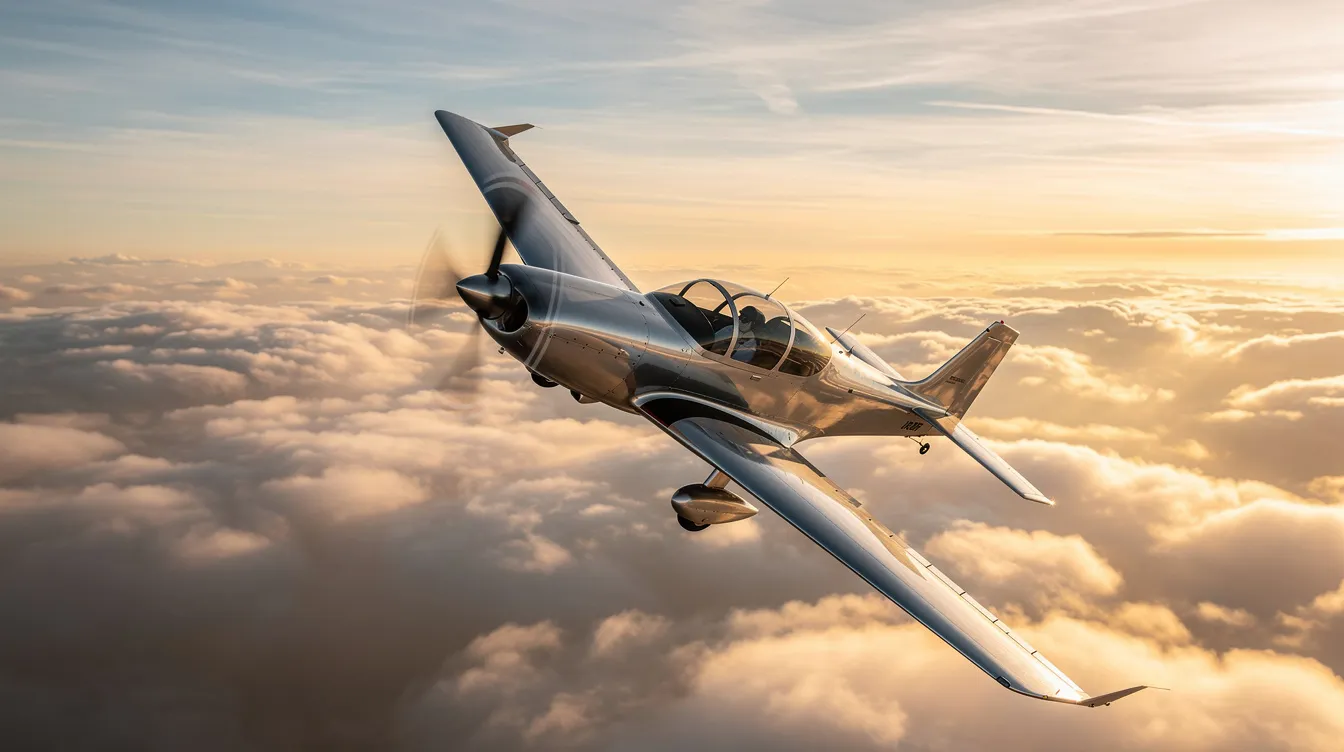
Speed is not an abstraction for executives and high-net-worth travelers. It is a strategic lever. Every knot of cruise speed translates directly into minutes reclaimed, meetings made possible, and same-day itineraries that commercial schedules would stretch across two days. The fastest sport aircraft and single-engine planes in production today deliver performance that would have seemed impossible a generation ago-and understanding where that performance comes from can reshape how you think about travel.
This guide is designed for business executives, high-net-worth travelers, and aviation enthusiasts seeking to understand the fastest sport and single-engine aircraft available today, how they compare to private jets, and how speed can transform your travel experience.
This guide breaks down the standout models, the engineering behind their speed, and the practical question of when to fly one versus accessing even greater performance through a private aviation membership such as BlackJet’s premium private jet card programs.
Key Takeaways: Fastest Sport and Single Engine Aircraft at a Glance
For business executives and discerning travelers, the speed of a personal aircraft is not vanity-it is arithmetic. A 600-nautical-mile trip in a high-cruise turboprop saves hours of door-to-door travel compared with commercial connections or slower aircraft. That margin can mean fitting a second city into your day, or turning an overnight trip into a comfortable out-and-back.
Here are the fastest single-engine plane types across major categories:
Mooney M20V Acclaim Ultra - the fastest single-engine piston aircraft in certified general aviation at approximately 242 KTAS
Epic E1000 GX - the fastest single-engine turboprop, reaching about 333 KTAS at altitude
Cirrus Vision Jet SF50 - the only FAA-certified single-engine jet in full production, cruising at approximately 311 KTAS
RISEN SuperVeloce - holder of an FAI ultralight class record of 428.18 km/h (roughly 231.2 knots), set in January 2023
A critical distinction: top speed (the maximum an airplane can sustain in level flight) grabs headlines, but cruise speed-the velocity at which pilots routinely fly for range and fuel efficiency-determines actual trip time. For real-world planning, cruise speed matters far more than peak figures.
Key takeaways:
The Mooney M20V Acclaim Ultra tops piston singles at 242 KTAS, making it the benchmark for the fastest single-engine plane in its class.
Fast turboprops like the Epic E1000 GX and Daher TBM 960 exceed 330 knots in cruise speed, narrowing the gap to light jets.
Ultralight and sport designs such as the RISEN SV 916 Turbo push aerodynamic boundaries, achieving record speeds that influence the broader aviation world.
Light and midsize business jets still cruise 400+ KTAS with significantly longer range and larger cabins, making them the choice for multi-city, long-distance missions.
While BlackJet's Jet Card members typically fly multi-engine private jets, the engineering principles behind the fastest sport aircraft-clean aerodynamics, powerful engines, and optimized weight-are the same forces that drive performance across every aircraft type in private aviation.
What Makes a Sport Aircraft "Fast"?
The term "sport aircraft" spans a wide spectrum: Light Sport Aircraft, experimental builds, ultralights, and high-performance certified single-engine planes used for recreation and fast personal travel. What unites them is a focus on performance per dollar and per pound.
Understanding speed requires a few core concepts:
Top speed (Vh): The maximum speed an aircraft can sustain in level flight at full or maximum continuous power. It is a ceiling, not a cruising norm.
Cruise speed: The speed a pilot selects for efficient, sustainable travel-balancing fuel burn, engine longevity, and comfort. This is what determines how long your trip actually takes.
Vne (never exceed speed): The structural red line. Exceed it, and airframe integrity is at risk.
Pilots and travelers care primarily about cruise speed for long distances because that is where hours are won or lost. Consider two aircraft with similar top speeds near 242 KTAS: the Mooney Acclaim Ultra can sustain near that figure at high altitude, while another design might only reach it briefly before settling to a lower cruise. Over a 600 nm leg, even a 30-knot difference in cruise speed adds roughly 40 minutes to the flight.
Aerodynamic design is a major factor in achieving higher speeds: clean airframes, retractable landing gear that reduces aerodynamic drag, laminar-flow wings, and lightweight composite materials that enhance speed and climb performance all play a role. Modern cockpits use advanced avionics to enhance flying precision, letting pilots extract maximum performance safely.
Certified aircraft from manufacturers like Mooney, Cirrus, and Piper balance speed with strict safety and certification standards, while some ultralights push limits under different regulatory frameworks.
Fastest Single Engine Piston Aircraft: Where Speed Meets Practicality
Single-engine piston aircraft are the gateway to fast personal aviation for owner pilots and select niche charter operations. They bridge weekend flying and serious business travel, offering meaningful speed at a fraction of jet operating costs. Piston aircraft use reciprocating engines similar to cars, but the best designs extract remarkable performance from that familiar technology.
Here are the leading piston singles ranked by approximate cruise and top speed:
Aircraft | Cruise Speed (KTAS) | Top Speed (KTAS) | Engine Type |
|---|
Mooney M20V Acclaim Ultra | ~242 | ~242 | Turbocharged piston |
Cessna TTx / Columbia 400 | ~235 | ~235 | Turbocharged piston |
Cirrus SR22T | ~213 | ~220 | Turbocharged piston |
Piper M350 | ~213 | ~215 | Turbocharged piston |
Mooney Ovation Ultra | ~197 | ~200 | Normally aspirated |
Beechcraft Bonanza G36 | ~176 | ~176 | Normally aspirated |
Fast single-engine planes cruise at speeds over 200 knots thanks to turbocharged engines, precise aerodynamic design, and-in most cases-retractable gear. The Cirrus SR22T has a range of approximately 1,021 nautical miles, while the Piper M350 cruises at about 213 KTAS with a pressurized cabin for added comfort. The Cessna TTx can cruise at approximately 235 KTAS, placing it among the fastest in its category, a testament to the Columbia airframe lineage later produced under Textron Aviation.
Owner pilots use these planes for 300–700 nm trips-New York to Chicago, Paris to Nice, Sydney to Melbourne-often beating commercial door-to-door time on short routes. For many budding aviators, the most affordable private plane options in this segment balance acquisition cost with sufficient speed for regional missions. The Beechcraft Bonanza G36 has a top speed of about 176 knots, making it a solid performer among normally aspirated Cirrus and Bonanza competitors, though slower than turbocharged rivals; in practice, useful load shapes passenger, baggage, and fuel planning, and a heavier load can trim climb and cruise performance.
For travelers who need even more speed, multi-city days, and professional crews, BlackJet clients typically step above piston singles into turbine and jet categories through Jet Card programs-but the same speed principles apply.
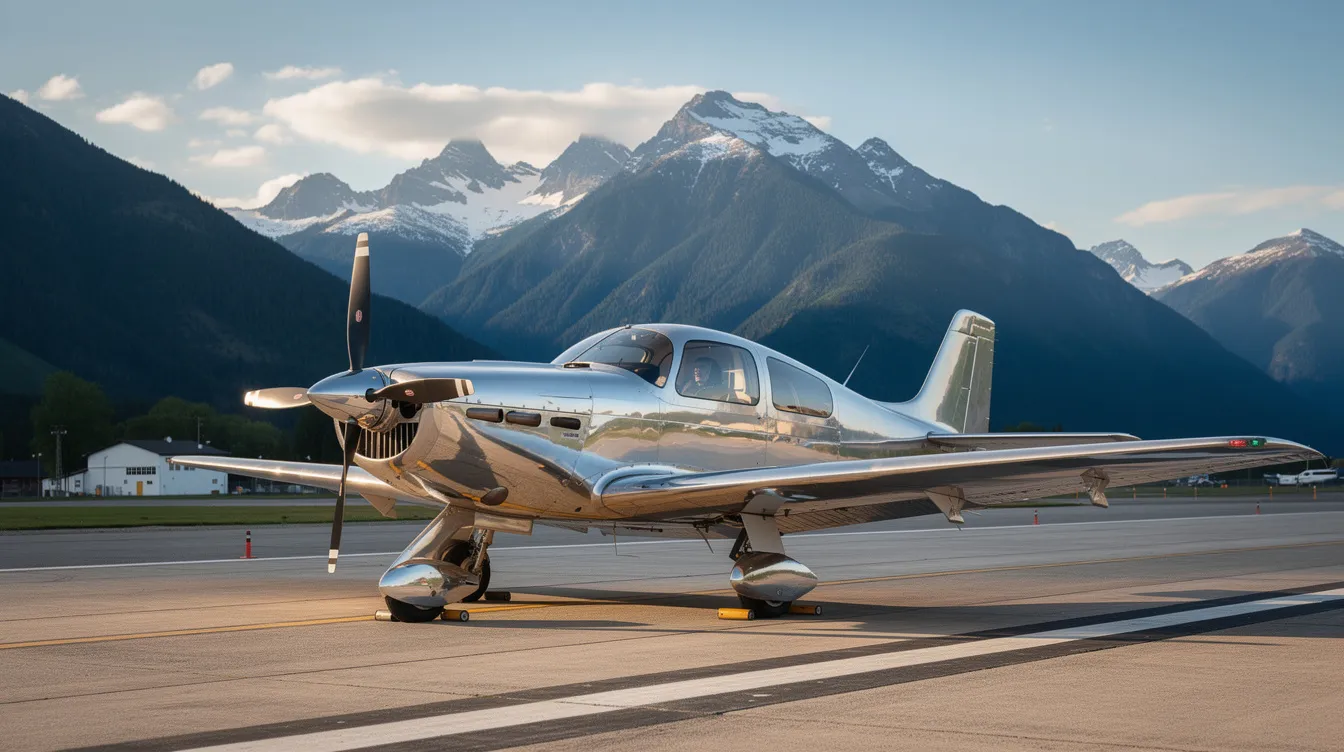
Mooney M20V Acclaim Ultra: Fastest Single Engine Piston Aircraft
The Mooney M20V Acclaim Ultra is the benchmark for the fastest single-engine piston aircraft in certified general aviation. No other production piston single has matched its sustained cruise performance in level flight.
Key facts:
Debuted in 2016 as an evolution of the storied Mooney M20 series
Powered by a turbocharged Continental TSIO-550-G piston engine producing approximately 280 hp
The Mooney Acclaim Ultra reaches about 242 knots-both its certified top speed and typical high cruise at altitude
Service ceiling of approximately 25,000 feet; range up to roughly 1,275 nm with long-range tanks
What makes the Acclaim Ultra the fastest? Its aerodynamic design is relentless: a slender fuselage, tightly faired retractable gear, sealed control-surface gaps, and a composite cabin shell over a steel roll frame minimize every source of drag. A three-blade Hartzell scimitar propeller converts the engine's power efficiently at speed.
Mooney's Kerrville, Texas factory paused production in 2019. As of the mid-2020s, the Acclaim Ultra remains primarily available on the used market, with prices typically in the $700,000–$900,000 range depending on condition and equipped avionics. Intermittent talk of production restarts continues, but no large-scale new aircraft deliveries have materialized.
Typical mission profile: 1–3 passengers, fast business or personal runs of 600–800 nm, trading comfortable cabin volume for pure speed and efficiency. When evaluating the Mooney against other top small private aircraft, buyers often weigh its pure speed advantage against cabin size and ownership costs. The airplane rewards pilots who prioritize arriving in less time over spacious seating.
Mooney Ovation Ultra: Normally Aspirated Speed Champion
The Mooney Ovation Ultra holds a distinct position as the fastest normally aspirated single-engine piston aircraft of its production era. For pilots who want speed without the complexity and maintenance burden of turbocharging, it delivers remarkable single-engine performance.
Core specifications:
Continental IO-550 engine producing approximately 315 hp (normally aspirated)
Cruise speed near 197 KTAS at optimal altitude
Shares the same M20 family airframe and aerodynamic design philosophy as its turbocharged sibling, the Acclaim Ultra
Without a turbo system, the Ovation Ultra offers easier handling of engine management, lower maintenance costs, and simpler training. The trade-off is reduced power at higher altitudes-performance is best below FL200, where the normally aspirated engine still produces useful output.
The typical use case suits regional business and leisure trips where altitudes under 20,000 feet are common, and simplicity is prized over absolute altitude and top speed. For aviation enthusiasts who dream of owning a fast, uncomplicated piston single, the Ovation Ultra remains a compelling choice.
Like the Acclaim Ultra, new production of the Mooney Ovation Ultra was impacted by the 2019 factory closure, keeping it mostly in the high-end used market.
Fastest Single-Engine Turboprops: Sport Performance with Jet-Like Speed
Single-engine turboprops combine turbine power with single-engine efficiency, creating some of the fastest single-engine aircraft available to civilians. Turboprop engines drive a propeller for greater efficiency compared to pure jets at these speed ranges, while delivering near-jet cruise speeds with superior runway performance.
Leading fast single-engine turboprops:
Aircraft | Cruise Speed (KTAS) | Range (nm) | Seats |
|---|
Epic E1000 GX | ~333 | ~1,560 | 6–7 |
Daher TBM 960 | ~326 | ~1,730 | 6 |
Daher TBM 940/930 | ~320–330 | ~1,680 | 6 |
Pilatus PC-12 NGX | ~290 | ~1,800 | 9–10 |
The Epic E1000 GX is the fastest single-engine turboprop, reaching about 333 KTAS at altitude. It achieves this through a combination of powerful engines (a Pratt & Whitney PT6A-67A producing over 1,200 shp), sleek aerodynamic design built entirely from carbon composite construction that minimizes structural weight for better performance, and a pressurized cabin suitable for high-altitude cruise near FL340.
The Daher TBM 960 features the latest Pratt & Whitney PT6E-66XT with electronic engine and propeller control, a five-blade composite Raptor propeller, and advanced avionics that reduce pilot workload. Fast turboprops can exceed 330 knots in cruise speed, making them competitive with many light jets for regional missions while accessing shorter runways.
These aircraft are commonly found in private aviation fleets and are often available to BlackJet-type customers via charter or Jet Card programs, with speed and runway performance particularly suited for smaller airports and operating economics that rival the cheapest private aircraft options when used efficiently.
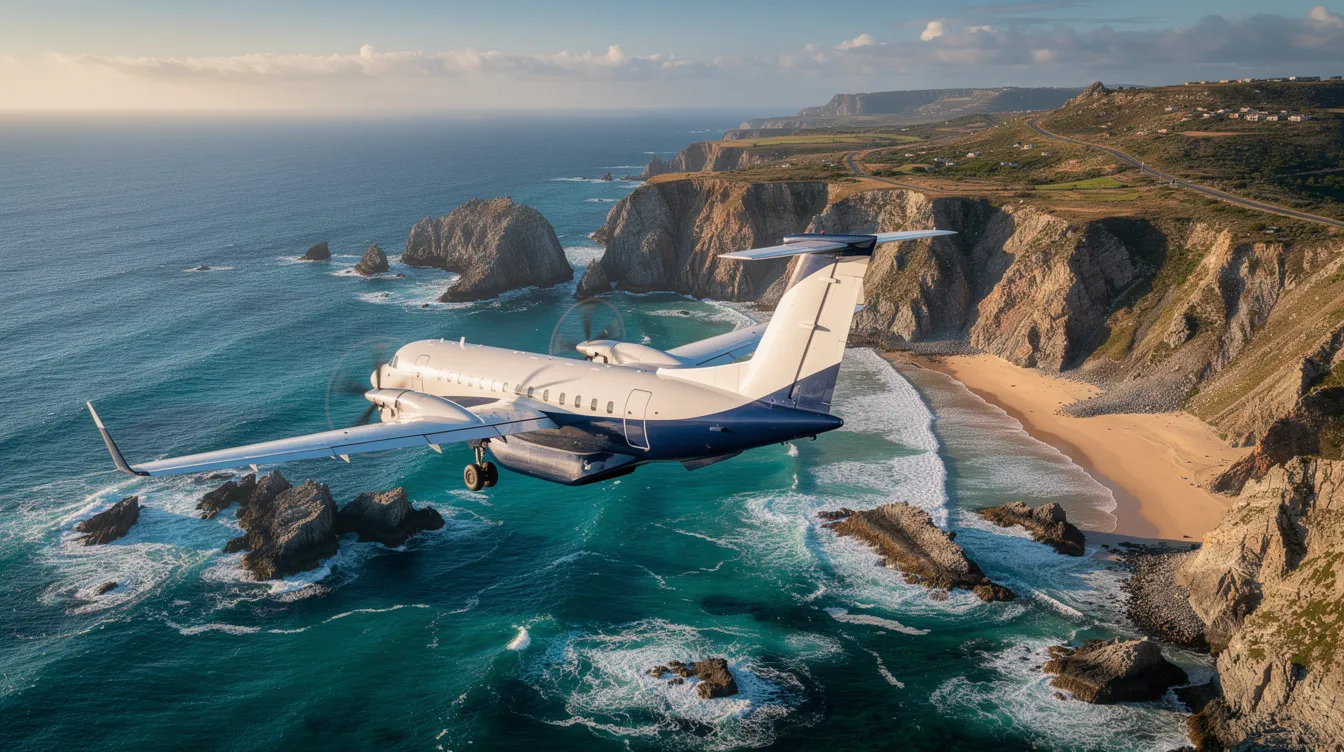
Single-Engine Jets: Where Sport Flying Meets True Jet Performance
Single-engine jets represent the pinnacle of one-engine civil aviation, sitting above piston and turboprop single-engine planes in speed and altitude capability. Single-engine jets use jet engines for higher speeds than propeller-driven designs can typically achieve.
The standout in this category is the Cirrus Vision Jet SF50, often featured among the best small private aircraft for owner-operators stepping into jet performance:
The only FAA-certified single-engine jet currently in full production
Typical cruise of approximately 311 KTAS with a certified ceiling of FL310
Seats up to 7 occupants (2–5 adults comfortably) with a flexible cabin layout
Equipped with unique safety features including the Cirrus Airframe Parachute System-a whole-airframe parachute that provides a last-resort option in emergencies, enhancing the aircraft's overall safety profile
Interestingly, certain single-engine turboprops- particularly the Epic E1000 GX at 333 KTAS-can match or exceed the Vision Jet's cruise speed. However, jets still offer a smoother ride at higher altitudes and jet-class climb performance that gets above weather and turbulence faster.
Use cases for the Vision Jet include owner pilots stepping up from an SR22T or Mooney, and niche charter missions where a single-engine jet offers fast regional hops at lower operating cost than many twin-engine jets.
BlackJet typically provides access to multi-engine light, midsize, and long-range private jets for higher speeds (400+ KTAS) and longer range, with many options comparable to the best long-range private jets for sale, but the technology and safety expectations are cut from the same cloth.
Fastest Sport and Ultralight Aircraft: Risen and the New Speed Frontier
In the sport and ultralight world, speed records are set under different regulatory categories-but the engineering on display is no less remarkable. These are the fastest sport aircraft in their class, built to prove what aerodynamic design can achieve at minimal weight.
The RISEN SuperVeloce / SV 916 stands out:
Developed by Porto Aviation Group in Italy
Set an FAI absolute speed record in its ultralight class at 428.18 km/h (approximately 231.2 knots) on January 22, 2023
Typical cruise speeds above 400 km/h with Rotax 916 or 915-series engines-modern fuel-injected powerplants optimized for high speed in an ultralight configuration
Custom-designed with a full composite airframe, retractable landing gear, and an advanced laminar-flow wing that minimizes drag to extraordinary levels
While these aircraft represent the pinnacle of the fastest sport aircraft in their category, they are usually flown by highly experienced pilots under experimental or ultralight rules and are not mainstream charter options. Payload is limited, cabin comfort is minimal, and regulatory restrictions often prevent IFR or night flight.
BlackJet's emphasis remains on certified, professionally crewed aircraft for members-but the same relentless drive for aerodynamic efficiency and speed is visible across all high-performance aviation segments, from ultralights to heavy jets.
How Aerodynamic Design and Powertrain Create the Fastest Single-Engine Planes
Aerodynamics and engine power are the twin pillars of speed in any high-speed aircraft. Personal aircraft can achieve high speeds through low aerodynamic drag and efficient propulsion systems working in concert. Top performance in private jets is achieved through aerodynamic design and efficient engines-and the same principles apply to every category below them.
Drag reduction features that increase cruise speed:
Smooth composite surfaces with flush rivets and sealed control gaps
Tightly faired retractable landing gear (retractable landing gear reduces aerodynamic drag for higher speeds compared to fixed-gear designs)
Thin, high-aspect-ratio wings optimized for cruise
Low frontal area and carefully shaped fuselages (the Mooney line is a textbook example)
Engine and propeller choices:
Turbocharged engines in piston singles (Acclaim Ultra, SR22T, M350) that maintain power at altitude-turbocharging allows piston planes to maintain maximum horsepower at altitude, enabling flight in thinner air where drag is lower
Turbine powerplants like the Pratt & Whitney PT6 family deliver huge power-to-weight ratios for turboprops
Multi-blade composite propellers with swept tips that reduce noise and transonic losses
Carbon composite construction minimizes structural weight for better performance across all these aircraft types. Every pound saved translates to either more speed, more payload, or more range-usually a carefully calibrated mix of all three.
While single-engine aircraft optimize for speed, they must still respect structural Vne limits and safety margins. This mirrors how BlackJet curates only safety-certified aircraft in its Jet Card fleet-performance is never pursued at the expense of safety.
Cruise Speed vs Top Speed: What Really Saves You Time
Top speeds generate search interest and magazine covers. Cruise speed and real-world operations determine whether you actually arrive in less time.
Here are practical cruise speeds by category:
Aircraft Category | Typical Cruise Speed |
|---|
High-performance piston singles | 180–240 KTAS |
Single-engine turboprops | 270–330 KTAS |
Single-engine jets | ~300–320 KTAS |
Light/midsize jets (BlackJet network) | 400–460 KTAS |
A simple numeric scenario over a 600 nm trip:
Piston single cruising at 200 KTAS → approximately 3.0 hours en route
Single-engine turboprop cruising at 325 KTAS → approximately 1.85 hours
Light jet cruising at 430 KTAS → approximately 1.4 hours
The turboprop saves over an hour compared to the piston single. The jet shaves another 25 minutes on top of that. Over a multi-leg day-say, three cities-those margins compound dramatically. Add headwinds, and faster aircraft suffer proportionally less: a 50-knot headwind costs the 200 KTAS airplane 25% of its ground speed but only 12% of the jet's.
BlackJet optimizes total door-to-door time-including airport access, ground handling, and cruise speed-by matching members with the right aircraft type for each mission. Sometimes that means a turboprop for a short hop; other times a midsize jet for a longer leg. Understanding the main types of private jets helps align cabin size, speed, and range with each itinerary. The goal is not chasing the highest published top speed but minimizing the hours between throttle-up and your destination.
How Fast Sport and Single Engine Aircraft Compare to Private Jets
Many readers weighing their options want to understand exactly where a fast single-engine plane sits relative to a private jet in speed, comfort, and mission fit.
Head-to-head comparisons:
Speed: Fastest single-engine turboprops and jets cruise at 300–333 KTAS. Light and midsize jets in BlackJet's network cruise at 400–460 KTAS-a 20–40% advantage.
Range: Turboprops typically cover 1,300–1,800 nm. Jets easily reach 2,000–3,500+ nm for long distances without fuel stops.
Cabin: A Mooney or SR22T cabin is compact. Jets offer stand-up or near-stand-up height, dedicated workspace, more luggage capacity, and a more comfortable cabin overall.
Example: 900 nm trip (New York to Dallas)
A Mooney Acclaim Ultra cruising at roughly 220 KTAS (with realistic fuel and weight considerations) takes approximately 4–4.5 hours. A light jet from BlackJet's network at 420 KTAS completes the same leg in about 2.1 hours-arriving rested rather than fatigued, with room for colleagues, luggage, and a proper workspace en route.
Safety and redundancy differ fundamentally: single-engine aircraft carry inherent risk if the engine fails; multi-engine jets provide continued flight capability. For travelers focused on performance and comfort, the top private jets in the world illustrate what’s possible at the highest end of the market. BlackJet's charter and Jet Card flights use professional crews and audited safety standards.
Who each option suits: Travelers evaluating the cheapest private jet options often start with VLJs and efficient turboprops before considering larger cabins.
Single-engine aircraft for hands-on pilots and aviation enthusiasts who fly themselves, often choosing from small private aircraft tailored to personal missions
Private jets via BlackJet for non-pilots and executives focused purely on efficient, premium travel in less time.
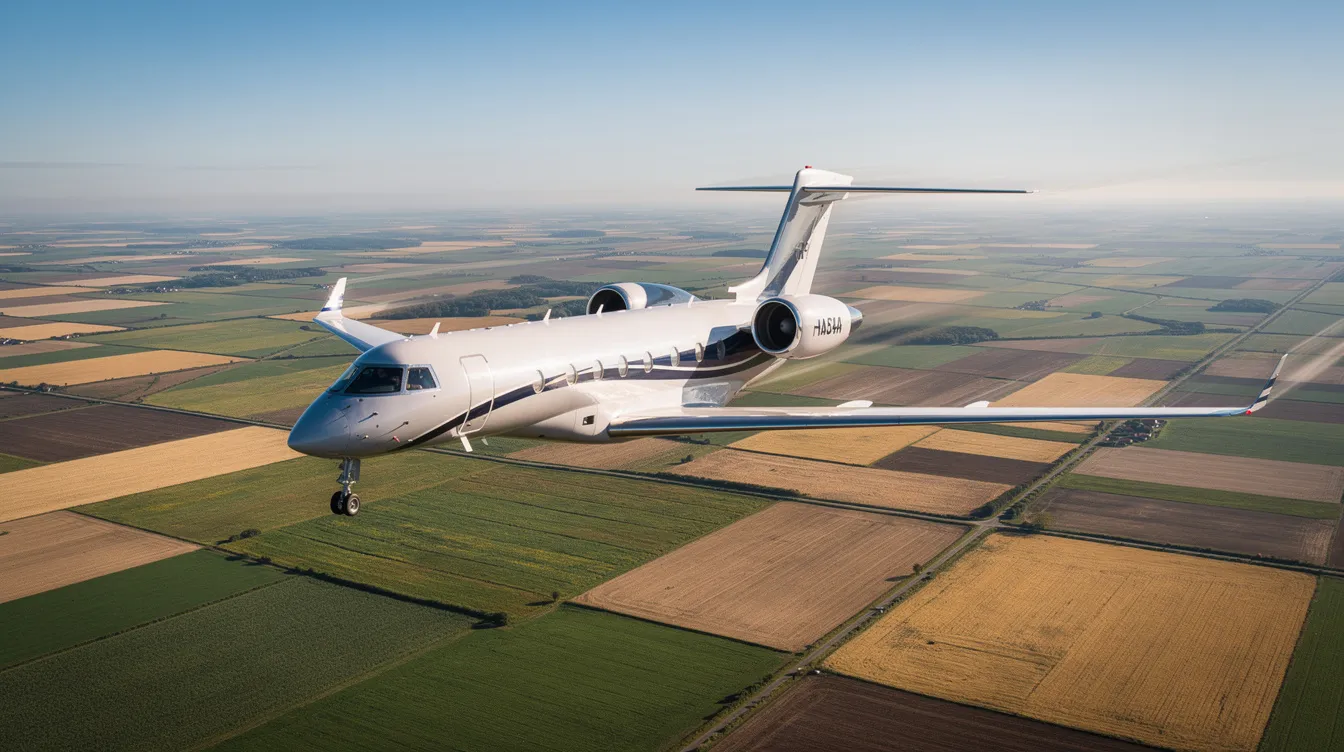
Ownership vs On-Demand Access: When a Fast Single Engine Plane Makes Sense
This is where the decision becomes practical: buy a fast single-engine plane, or access comparable-or superior-speed through charter or a Jet Card?
Ownership costs for piston singles sit far below the capital requirements of VIP airliner-style solutions configured for up to 50 private passengers. They also differ dramatically from the economics of large-group charters on aircraft built for around 30 passengers. Compared with the expense of operating jets sized for 20 or more passengers, fast single-engine aircraft can look cost-effective for solo executives and small teams. While some travelers ultimately graduate to large-cabin aircraft similar to the largest private jets on the market, many start by carefully modeling the economics of smaller, fast single-engine aircraft.
Purchase price: a used Mooney Acclaim Ultra runs approximately $700,000–$900,000; a new Cirrus SR22T or Piper M350 falls in the $800,000–$1.2 million range, and ownership planning also means making sure people, bags, and fuel fit within useful load limits
Annual fixed costs: hangar fees, insurance, inspections, engine overhaul reserves (piston engine TBO is typically around 2,000 hours)
Pilot training and currency: high-performance endorsements, instrument proficiency, altitude physiology awareness
For turboprops and single-engine jets: acquisition climbs to $2–6 million+, with turbine maintenance, specialized crew training, and higher insurance premiums. The carrying costs rise proportionally, and some buyers ultimately consider private jets for sale under 10 million when their mission profile outgrows single-engine performance.
On-demand charter and Jet Card models offer a different calculus: frequent flyers can use comprehensive jet card cost guides to understand how pricing, fees, and guarantees compare with outright ownership.
No capital outlay or depreciation
Pay only for hours flown, with options like a 50-hour jet card program providing predictable access without long-term ownership risk.
Access multiple aircraft categories under one program-turboprops, light, midsize, and large jets
Chartering fast aircraft offers flexibility without ownership costs; chartering avoids costs like maintenance and hangar fees entirely.y
Platforms like Jettly and others provide access to fast aircraft on demand, though a private aviation company like BlackJet offers Jet Card programs for prepaid access with verified safety and service standards
Scenario: An entrepreneur making 15–25 trips per year across different cities. Some legs are 300 nm; others stretch past 1,000 nm. Owning a single-engine plane that suits the short hops may be unsuitable for longer missions. For very frequent travelers, a 100-hour jet card cost breakdown can clarify whether prepaying for a larger block of time beats ad hoc charter. BlackJet's Jet Card membership lets this traveler select the right aircraft for each mission without the burden of ownership-true flexibility.
Safety, Certification, and Sustainability in High-Speed Private Aviation
In any fastest sport aircraft conversation, safety and sustainability deserve equal weight with speed-especially for premium travelers whose time and well-being are non-negotiable.
Safety frameworks for single-engine aircraft:
FAA and EASA certification govern aircraft like the Mooney Acclaim Ultra, Mooney Ovation Ultra, Cirrus SR22T, and Piper M350
Pilots require high-performance endorsements and, for pressurized aircraft, specific altitude training
Modern avionics in these aircraft-glass cockpits, autopilots, terrain awareness-significantly improve the safety profile of high-speed flight
For private jet operators, including those serving BlackJet's Jet Card members: safety data shows that private jets maintain an excellent safety record thanks to rigorous standards and oversight.
Operators are subject to even stricter commercial standards, including audited maintenance programs, dual-pilot crews on most flights, and proprietary safety certification.
Private jet customers often seek flexibility, privacy, safety, and luxury-and rigorous safety programs underpin all of those expectations.s
Sustainability: beyond speed and comfort, many owners now look at private jets under 10 million that blend efficiency, modern avionics, and lower operating costs with more sustainable performance profiles.
Modern aerodynamic design and engine efficiency in single-engine planes lower fuel burn per mile-every drag reduction and weight saving contributes, especially in the most budget-friendly private aircraft segments.
BlackJet is committed to carbon-neutral flights through verified offsets on all Jet Card hours, at no additional cost to members.
Carbon offset and sustainability are increasingly important considerations across private aviation, from ultralight to heavy jet
While aviation enthusiasts may pursue personal records in the world's fastest sport aircraft, BlackJet focuses on safely maximizing speed, reliability, and carbon-neutral performance across a diverse fleet.
How BlackJet Helps You Capture the Benefits of Speed
Speed is a strategic asset. It is the ability to visit multiple cities in a day, protect personal time, and compress business cycles into hours rather than days.
Here is how BlackJet operationalizes that advantage:
Jet Card programs (25-hour, 50-hour, and beyond) give prepaid access to multiple aircraft categories so you always fly an optimally fast aircraft for each route-no single aircraft limits your options
24/7 digital booking and real-time flight support via a mobile booking platform minimizes time wasted on logistics-your flight is confirmed while you are still planning your agenda
A curated fleet of fast turboprops and jets chosen for speed, safety certifications, and comfort-not a random marketplace, but a vetted network
Example: A BlackJet member departs London early for a morning board meeting in Zürich, flies on to Milan for afternoon site visits, and returns home the same evening. That itinerary is impractical via commercial airlines and exhausting in a small single-engine plane. With BlackJet, it is routine.
While this article showcases the world's fastest sport and single-engine aircraft, BlackJet's value lies in making that speed and flexibility effortless, professionally managed, and carbon neutral.
Elevate your travel-effortlessly. Explore BlackJet's Jet Card programs and discover how refined, efficient travel becomes your new standard.
Frequently Asked Questions About Fast Sport and Single Engine Aircraft
Below are answers to the most common questions about the fastest single-engine planes, cruise speed, charter access, and safety in high-performance aviation.
Which is truly the fastest single-engine plane I can realistically fly or charter? For piston singles, the Mooney M20V Acclaim Ultra cruises at 242 KTAS. Among turboprops, the Epic E1000 GX leads at approximately 333 KTAS. The Cirrus Vision Jet cruises around 311 KTAS. Charter fleets lean toward turboprops and jets because of payload, range, and regulatory suitability, though some buyers are also drawn to affordable private plane models for their history and operating economics.
Can I charter a Mooney Acclaim Ultra or similar single-engine piston aircraft? Availability is limited. Fewer operators offer piston singles for charter due to insurance requirements, maintenance constraints, and payload limitations. Fleets overwhelmingly favor turboprops and jets for their speed, cabin size, operational reliability, and useful load limits.
How do cruise speed and headwinds affect real-world trip time? Ground speed equals cruise speed minus headwind (or plus tailwind). A turboprop cruising at 300 KTAS into a 50-knot headwind has a ground speed of 250 knots-adding roughly 24 minutes to a 600 nm leg compared with still air. Faster aircraft and higher altitude capability reduce this penalty.
Are fast single-engine planes as safe as private jets? Certified aircraft meet rigorous regulatory safety standards regardless of engine count. However, single-engine designs inherently have fewer redundancy options if the engine fails. Even aircraft praised for easy handling still require advanced proficiency in high-performance operations. Features like the Cirrus Airframe Parachute System add meaningful safeguards. BlackJet ensures professional crews and audited operators for all Jet Card flights.
When would I choose a fast single-engine turboprop instead of a jet? Turboprops excel when runways are short, airports are small, mission distances are under about 1,500 nm, and per-hour cost matters. Their powerful engines and efficient propeller systems make them ideal for regional travel where a jet's speed advantage is modest relative to the total trip time, especially when paired with a well-structured jet card cost model that keeps budgeting predictable.
Where can I get personalized guidance? Contact BlackJet's team to discuss specific routes and travel profiles. They can map your mission requirements-distance, timing, number of seats, departure airports-to recommend the right aircraft category within BlackJet's membership programs and help you compare the best jet card options for frequent flyers.
Conclusion: Speed as a Strategic Advantage in Private Aviation
The fastest sport and single-engine aircraft represent more than engineering marvels; they are transformative tools for the discerning traveler. Whether it’s the Mooney M20V Acclaim Ultra pushing the limits of piston performance, the Epic E1000 GX redefining turboprop speed, or the RISEN SuperVeloce setting ultralight records, these aircraft embody the fusion of technology, aerodynamics, and innovation.
For executives and high-net-worth individuals, speed translates directly into regained time—time that can be reinvested in business, family, or leisure. While the fastest single-engine planes deliver remarkable cruise speeds, private jets accessed through programs like BlackJet’s Jet Card elevate this advantage further with enhanced range, cabin comfort, and professional service.
Choosing between ownership and on-demand access hinges on mission frequency, flexibility needs, and cost considerations. Jet Card programs offer a seamless way to leverage the fastest aircraft for each journey without the complexities of ownership, all underpinned by rigorous safety certification and sustainability commitments.
Ultimately, understanding the nuances of speed, safety, and operational efficiency empowers travelers to make informed decisions that elevate their travel experience. BlackJet invites you to explore how curated access to premier private aviation can reshape your approach to time and travel—turning speed from a luxury into a strategic advantage.
Elevate your travel—effortlessly. Discover BlackJet’s Jet Card programs and unlock the full potential of private flight on your terms.


 Sign up with google
 Sign up with Apple