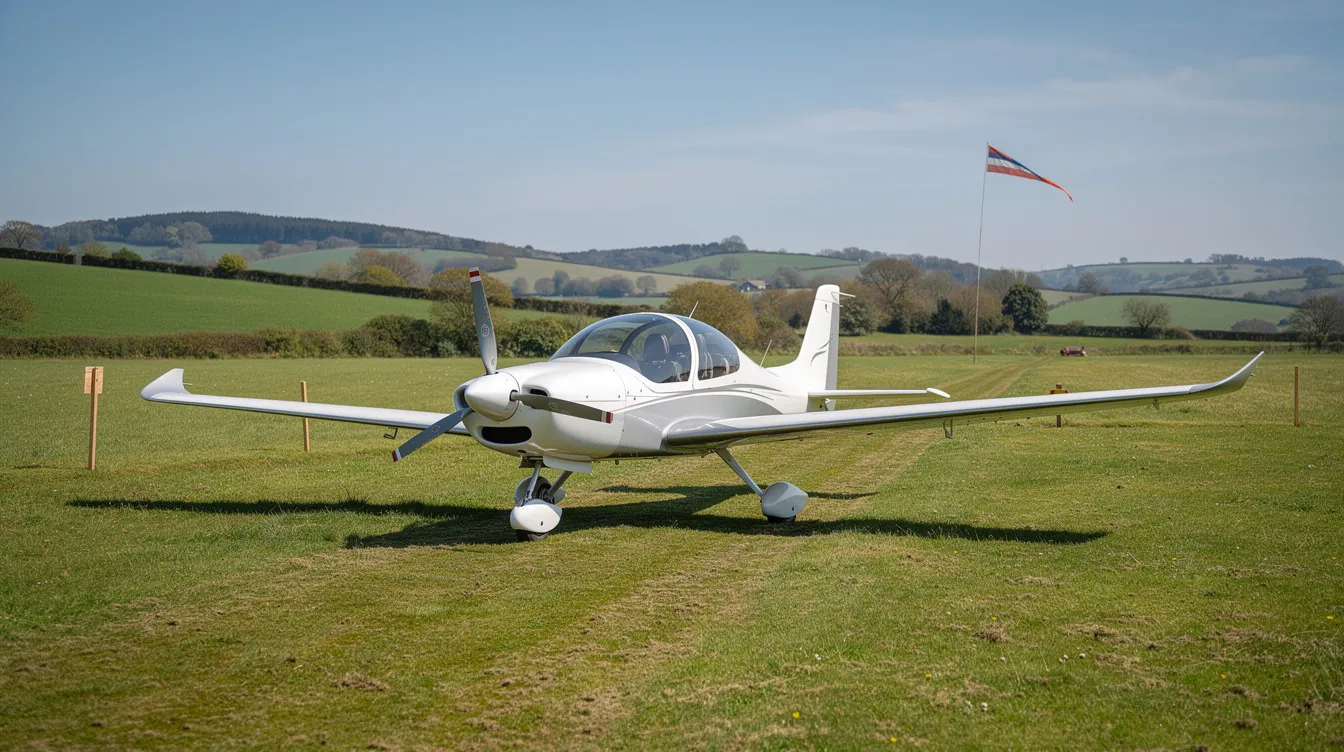
The light sport aircraft category has undergone its most significant transformation in two decades. With the FAA's MOSAIC final rule reshaping what counts as a light sport airplane—and who can fly one—2026 is the year that recreational flying and serious aviation strategy converge for high-net-worth travelers, executives, and anyone building a personal travel portfolio.
This guide breaks down the current regulations, training pathways, aircraft types, and practical limits of light sport aviation. At BlackJet, we specialize in jet cards and private jet access, but many of our clients start their aviation journey as sport pilots or LSA owners. Understanding where light sport flying excels—and where it falls short—helps you make sharper decisions about every mile you fly.
Why Light Sport Aviation Matters For Serious Travelers In 2026
The Value of Light Sport for Personal and Business Travel
Light sport aircraft represent the most accessible entry point into aviation for those who value schedule control and regional flexibility. While commercial airlines funnel you through hub airports on someone else's timetable, an LSA lets you depart from small airfields near second homes, business hubs, or vacation properties on your own terms.
The numbers tell the story. A sport pilot certificate requires a minimum of 20 flight hours—compared to 40 or more for a private pilot certificate—and the aircraft themselves burn just 5 to 12 gallons of fuel per hour. For a weekend trip to a ranch 150 nautical miles away, a light sport aircraft eliminates the two-hour security line, the layover, and the rental car drive from the nearest commercial airport.
But light sport has limits. Speed, range, weather capability, and passenger count create a natural ceiling. That is precisely where a jet card fills the gap: prepaid hours on professionally crewed jets for the trips that demand more reach, more passengers, or more resilience against weather.
What Counts As A Light Sport Aircraft (LSA) After MOSAIC?
The Modernization of Special Airworthiness Certification (MOSAIC) rules have expanded light sport aircraft criteria, creating two parallel frameworks you need to understand: airworthiness certification under 14 CFR 21.190 and new Part 22, and sport pilot operational privileges under 14 CFR 61.316.
For the light sport aircraft category (airworthiness), key criteria as of 24 July 2026 include:
Up to four seats (including the pilot)
Maximum stall speed (VS0, flaps down) of 61 knots CAS
Maximum speed in level flight up to 250 knots CAS
Unpressurized cabin
Non-turbine engine(s)
Fixed landing gear or simple retractable gear compliant with Part 22.100
Fixed pitch, ground adjustable propeller, or automated controllable-pitch propellers permitted
Light-sport aircraft must meet specific performance limits and safety requirements set by the FAA, and are built to meet specific weight and performance limits defined by consensus standards (ASTM F3815-26a and related documents).
The distinction matters: a light sport aircraft LSA certified under the airworthiness rules is not automatically flyable by every sport pilot. A sport pilot may only operate aircraft meeting the separate performance criteria in § 61.316, including a clean stall speed (VS1) not exceeding 59 knots CAS.
Typical compliant airframes include modern composite sport aircraft, legacy two-seat trainers, and selected four-seat types like many Cessna 172 and Piper PA-28 variants that fall inside the performance envelope.
Light sport aircraft include not only airplanes but also powered parachutes, weight-shift-control aircraft, gliders, and gyroplanes. This article focuses on airplanes most relevant to private aviation clients, though the regulatory framework applies across all these types.
Old Vs New Light Sport Aircraft Rules: What Changed In 2025–2026
Two dates anchor the rule change:
Milestone | Date | What Changed |
|---|
Sport pilot privilege expansion (14 CFR 61.316) | October 22, 2025 | Performance-based criteria replace old aircraft-definition limits for pilot operation.s |
New airworthiness standards (Part 22) | July 24, 2026 | Light sport category aircraft certification moves to Part 22; LSA definition removed from § 1.1 |
MOSAIC was published in the Federal Register on July 24, 2023, as a proposed rule, with the final rule issued in 2025.
Under the pre-MOSAIC light sport aircraft rules, an LSA had to meet rigid specifications:
Maximum gross weight: 1,320 pounds (1,430 pounds for seaplanes)
Two seats maximum and one engine
Maximum stall speed: 45 knots
Maximum speed in level flight: 120 knots CAS
Fixed landing gear and fixed pitch or ground adjustable propeller only
The 1,320 lb weight limit for LSAs was removed under MOSAIC. Expanded rules in MOSAIC allow for more aircraft configurations and greater performance, shifting the framework from prescriptive weight and configuration limits to performance-based metrics. MOSAIC allows LSAs to have up to four seats, and MOSAIC rules permit qualification for certain aircraft with retractable landing gear and variable-pitch propellers—provided pilots obtain the necessary endorsements under § 61.331.
Maintenance rules, registration, and original certification for existing LSAs did not change retroactively. What changed is how pilot privileges are determined: a sport pilot can now fly some larger, heavier powered aircraft as long as VS1 stays at or below 59 knots CAS and the aircraft meets the remaining criteria.
Sport Pilot Certificate Vs Private Pilot: Which Path Fits You?
Both the sport pilot certificate and the private pilot certificate are popular among BlackJet clients who want hands-on recreational flying for short trips while relying on jet cards for longer itineraries.
A sport pilot certificate is required to fly an LSA, and for many owners this starts with evaluating affordable light aircraft options for budget-friendly flying. Here is what each path requires:
Requirement | Sport Pilot | Private Pilot |
|---|
Minimum flight time | 20 hours (15 dual, 5 solo) | 40 hours (often 55–70 in practice) |
Medical certification | Valid U.S. driver's license under 14 CFR 61.23(c)(1) | Third-class medical or BasicMed |
Passenger limit | One passenger (two occupants total) | Multiple passengers, depending on aircraft |
Weather privileges | Day visual flight rules only (night requires endorsement) | Day and night VFR; IFR with instrument rating |
Aircraft scope | Aircraft meeting § 61.316 performance limits | Broader range of aircraft categories |
Light-sport aircraft simplify pilot licensing requirements. Operational privileges for sport pilots include carrying one passenger and sharing operating expenses, but LSA pilots cannot fly for compensation or hire under standard privileges. For travelers who ultimately want predictable, prepaid access to larger aircraft, understanding jet card membership pricing and structures helps frame how LSA flying and private jet access can complement each other. Night operations in light-sport aircraft require specific training and endorsements added under MOSAIC.
The sport pilot route offers lower cost, a faster timeline, and simpler aircraft—ideal for weekend trips to nearby properties, flying clubs, and those who treat flying as recreation rather than transportation infrastructure.
The private pilot certificate provides flexibility to use faster, heavier aircraft, better synergy with BlackJet-style private jet operations, and the ability to act as PIC in a broader range of categories. For a few pilots who plan to advance to instrument ratings or multi-engine flying, the private certificate is the stronger foundation.
Types Of Light Sport Aircraft: Landplanes, Seaplanes, And Kit-Built Options
LSA includes both factory-built and kit-built aircraft. Factory-built aircraft are manufactured and assembled by a certified company and delivered ready to fly, while kit-built aircraft are sold as kits to be assembled by the owner or builder, often in accordance with the FAA's 51% rule. LSA can include powered parachutes and weight-shift-control aircraft, in addition to airplanes, gliders, and gyroplanes.
Light sport aircraft typically use more straightforward designs and technologies than traditional aircraft, which contributes to their appeal.
Landplanes
Common landplane LSAs include two-seat to four-seat composite or metal airplanes with fixed gear, well-equipped glass cockpits featuring premium avionics, and efficient airframes designed for sport flying, initial flight training, and short regional hops. The Jabiru J-230D is a notable light sport aircraft model in this category, known for its composite construction and touring capability.
LSAs are well suited for recreational flying and short-distance travel. Light sport aircraft provide a more accessible entry point into aviation than general aviation aircraft, and they sit alongside affordable private plane options for budding aviators that bridge the gap between recreational flying and more capable personal transportation. Manufacturers continue to push boundaries with custom-designed airframes that leverage the expanded specifications under MOSAIC.
Seaplanes
Light sport aircraft include planes, gliders, and gyroplanes, and LSA can include powered parachutes and weight-shift-control aircraft—though for private aviation clients, the airplane subcategory remains most relevant.
Kit-Built Options
LSA includes both factory-built and kit-built aircraft. Factory-built aircraft are delivered ready to fly, while kit-built aircraft are assembled by the owner from a kit, often allowing for customization and potentially lower acquisition costs. This distinction is important for those considering hands-on aviation projects or unique airframe configurations.
Seaplane LSAs And Adventure Flying
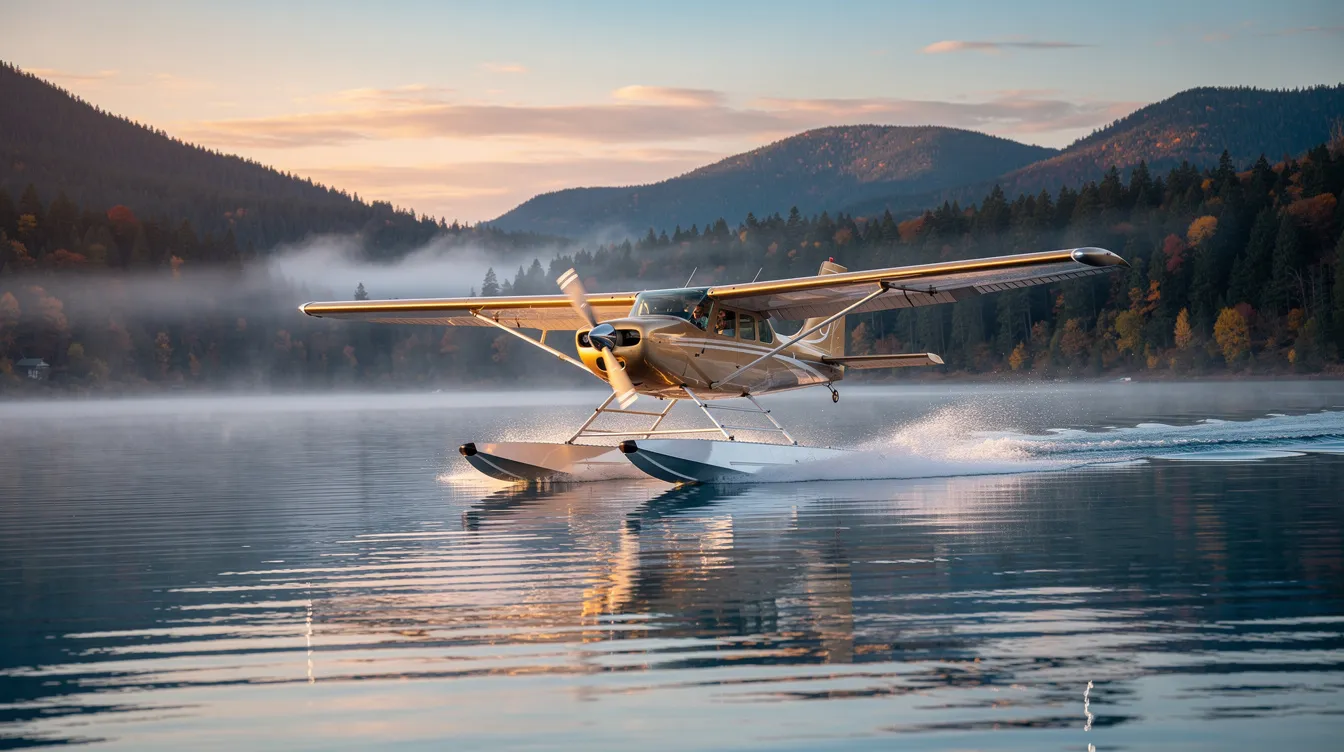
Few experiences in aviation match the freedom of departing directly from water. Light sport seaplanes operate from lakes, rivers, and coastal inlets with short water runs, offering unique access to remote destinations that have no paved runway.
Under pre-MOSAIC rules, seaplane LSAs could have a gross weight of 1,430 pounds—slightly more than the 1,320-pound landplane limit—to account for hull and float weight. MOSAIC's shift to performance-based criteria gives designers more flexibility today, though seaplanes still tend to cruise slower due to aerodynamic drag from floats or hull configurations.
Notable LSA seaplane models include the Super Petrel XP (a Brazilian-designed amphibious biplane) and concepts from Vickers Aviation, alongside the high-profile Icon A5. These aircraft appeal to owners with lakeside or coastal properties who want direct water access for weekend retreats.
A practical scenario: a BlackJet 25-hour jet card delivers a family to a regional airport, and a locally based LSA seaplane handles the final 30-minute hop to a lakeside home. Each leg uses the right tool for the distance.
Kit-Built And E-LSA: Hands-On Aviation For Enthusiasts
Kit-built aircraft and experimental light sport (E-LSA) designs represent the hands-on end of the LSA world. For pilots who want maximum involvement in assembly and customization, building an airplane from a kit is both a project and a pathway to ownership at a potentially lower cost.
The regulatory distinction is important:
S-LSA (special light sport aircraft): factory-built, certificated for training, aircraft rental, and commercial use
E-LSA (experimental light sport aircraft): includes converted or kit-built designs that meet LSA requirements but carry experimental airworthiness certificates
Special light sport aircraft can be used commercially, while experimental light sport aircraft cannot be used commercially—a critical difference for anyone considering flight school partnerships or leasing arrangements.
Building a kit-built aircraft involves assembling an airframe following manufacturer instructions, complying with the FAA's 51% rule where applicable, and arranging inspections and airworthiness certification. Pros include lower acquisition cost and deep customization. Cons include significant time investment, responsibility for build quality, and more nuanced insurance and resale considerations.
Some BlackJet members maintain kit-built LSAs as personal hangar projects—pure recreation—while delegating all serious cross-country flying and business travel to our professionally crewed premium private jet card programs fleet.
Flight Training In Light Sport Aircraft: From First Lesson To Confident Pilot
LSAs have become premier training platforms for a reason: simple systems, low fuel burn, modern avionics, and forgiving handling characteristics make them ideal for building foundational skills. Flying light-sport aircraft can reduce training costs significantly compared to traditional aircraft.
Pilots must have a minimum of 20 flight hours to obtain a sport pilot certificate. A typical sport pilot training syllabus includes:
Ground school: aerodynamics, regulations, weather, navigation
Dual instruction: pattern work, basic maneuvers, slow flight, stalls
Cross-country training: navigation, flight planning, fuel management
Emergency procedures: engine-out practice, go-arounds, forced landings
Supervised solo: building confidence and PIC decision-making
Practical test preparation: checkride readiness with a designated examiner
FAA-approved training devices (similar to Redbird MCX simulators) reinforce radio work, emergency scenarios, and instrument interpretation—skills transferable to both LSA and the full spectrum of private jet types for every traveler.
The sport pilot certificate can be a stepping stone: hours logged in light sport flight training often count toward a private pilot certificate and advanced ratings. Time-constrained professionals can structure training blocks around business schedules, then leverage BlackJet for essential travel while building hours locally.
Safety, Technology, And Sustainability In Modern LSAs
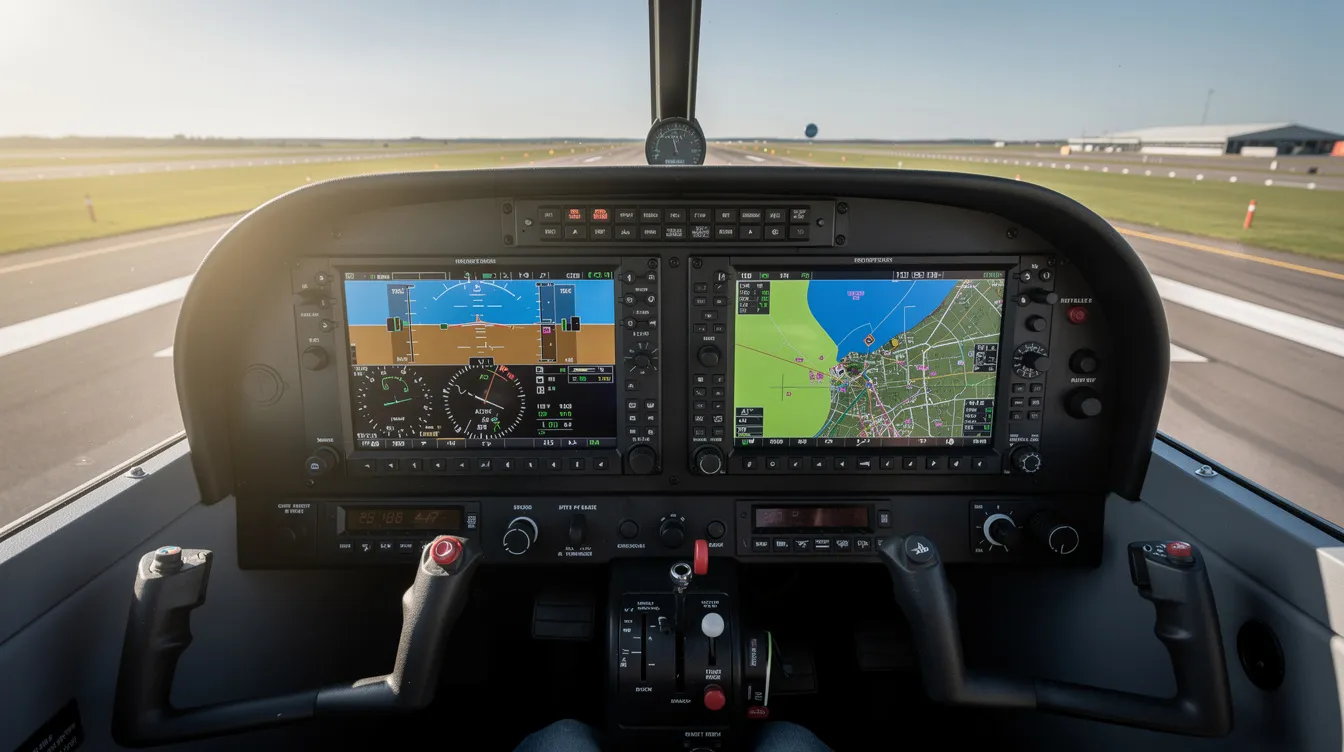
Today's light sport aircraft incorporate safety and technology features once reserved for larger general aviation and business aircraft. A well-equipped modern LSA may include:
Whole-airframe ballistic parachute systems
Advanced engine monitoring with real-time diagnostics
Synthetic vision and terrain awareness (ADS-B In/Out)
Traffic advisory systems
Envelope-protection autopilots
Premium avionics suites like the Garmin G3X and Dynon SkyView give LSA pilots glass-cockpit situational awareness that parallels what you find in many light jets and midsize business jets.
On sustainability, fuel efficiency in light-sport aircraft is typically higher than in traditional general aviation planes—burning 5 to 8 gallons per hour versus 10 to 15 for legacy trainers. The emergence of electric and hybrid powerplant projects under the expanded light sport category promises further gains, with MOSAIC's regulatory framework now permitting these propulsion types for new LSA certification.
This aligns with BlackJet's carbon-neutral offset strategy on jet operations. Whether you fly an efficient LSA on weekends or a private jet for business, responsible aviation means matching the right aircraft to the right mission—and offsetting what cannot yet be eliminated.
As with BlackJet's proprietary safety and auditing standards, LSA safety depends on rigorous maintenance, adherence to consensus standards under Part 22, and disciplined pilot training.
Where Light Sport Stops Making Sense: When To Choose A Private Jet Instead
Owning or renting an LSA is practical for a specific range of missions. Beyond that range, the calculus shifts decisively toward private jets.
Inherent limitations of LSAs and sport pilot operations include:
Weather: day visual flight rules only for most sport pilots; no IFR capability
Passengers: LSA can only carry one passenger under sport pilot privileges
Speed: most LSAs cruise between 90 and 130 knots—roughly one-third the speed of a light jet
Range: limited fuel capacity means frequent stops on longer routes
Baggage: useful load constraints leave little room beyond pilot, passenger, and fuel
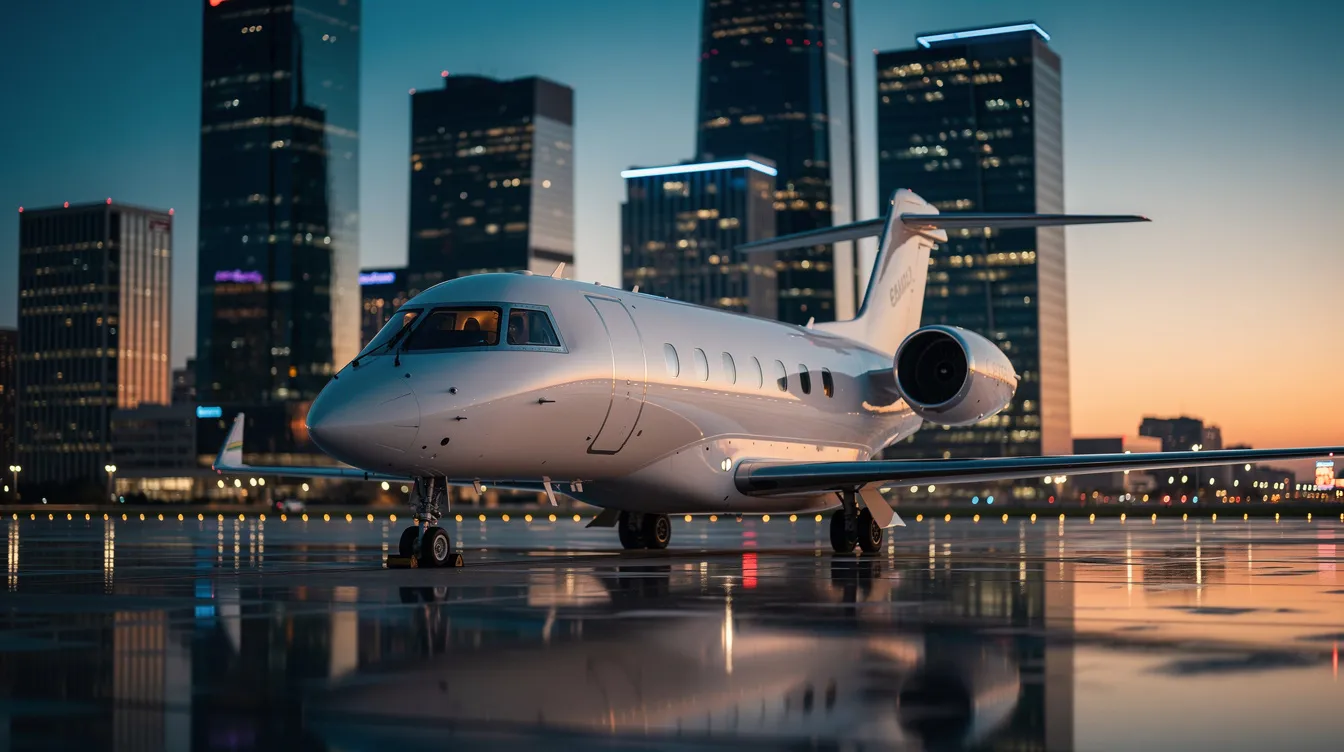
Compare that with jets available through BlackJet's jet card programs: non-stop transcontinental range, cabins for multiple passengers with full luggage, the ability to operate in instrument conditions, and productive cabin time for work or rest—a profile that aligns closely with the best jet card solutions for frequent flyers.
A scenario comparison makes it concrete: a 200 nm Saturday morning hop to a ranch is an ideal LSA mission—fun, efficient, and personal. A New York–to–London board meeting the following Tuesday demands a professionally crewed jet with intercontinental range, cabin service, and guaranteed scheduling—the same design priorities that define the top private jets in the world for luxury and performance. These are not competing choices. They are complementary layers.
Insurance, Ownership, And Operating Costs: LSA Vs Private Aircraft
LSA Cost Breakdown
While LSAs can be relatively affordable to buy and operate, they carry regulatory, insurance, and maintenance obligations that sophisticated travelers should evaluate carefully.
Typical cost elements for owning an LSA provide a useful contrast to the fee structures and hourly rates outlined in comprehensive guides to jet card pricing, costs, and benefits:
Cost Category | Approximate Range |
|---|
Purchase price (used two-seat LSA) | $80,000–$200,000 |
Purchase price (new four-seat eligible) | $150,000–$400,000+ |
Annual insurance | $1,500–$5,000+ |
Hangar or tie-down | $2,400–$12,000/year |
Annual maintenance | $2,000–$6,000 |
Fuel (per hour) | $30–$70 |
Insurance underwriters scrutinize the pilot certificate level a pilot holds, recent flight time, aircraft category (standard, S-LSA, or E-LSA), and whether operations include seaplane or experimental aircraft activity. Kit-built or E-LSA airframes typically attract higher premiums.
Jet Card Cost Structure
Compare that with a BlackJet jet card structure: hours are prepaid across multiple cabin classes, and maintenance, crew, insurance, and regulatory compliance are fully handled by the provider. Whether you are considering a focused 100-hour jet card cost and value analysis or a smaller commitment, the trade-off is simplicity over direct ownership. No hangar lease, no annual inspection scheduling, no insurance renewal negotiation.
The smartest approach treats LSAs as complementary assets—similar to owning a sports car for weekend drives—while using a jet card as the backbone of domestic and international travel strategy, much as you might compare them with the cheapest private aircraft options for budget-conscious flyers.
International Perspectives On Light Sport Aircraft
Light sport aircraft rules differ across jurisdictions, which matters for globally mobile travelers who own aircraft in more than one country or plan to train abroad.
In Europe, EASA maintains separate categories including Very Light Aircraft (VLA) and its own LSA framework, with different maximum takeoff weight thresholds and stall speed limits. Australia has its own recreational aviation categories with distinct weight and performance specifications. Pilot privileges—sport pilot versus private pilot—do not automatically transfer between countries; licensing validations or conversions are typically required.
The U.S. MOSAIC framework is influencing broader international conversations around performance-based regulations and emerging technologies like electric trainers and rotorcraft. Several countries are studying whether to adopt similar approaches rather than prescriptive weight and configuration limits, just as global travelers increasingly explore the cheapest private jet options and entry-level programs to broaden access to private aviation.
BlackJet operates as a globally oriented partner. While we do not train sport pilots, our clients frequently coordinate personal flying in one region with jet card access across continents—using BlackJet's technology platform to book seamlessly regardless of where their LSA sits, or to secure individual seats on private jets when a full-aircraft charter is unnecessary.
FAQs: Light Sport Aircraft, Sport Pilots, And BlackJet's Role
What aircraft can a sport pilot fly after the 2025–2026 rule change?
A sport pilot may operate airplanes with a clean stall speed (VS1) of 59 knots CAS or less, up to four seats, an unpressurized cabin, a non-turbine powerplant, and fixed or retractable gear (with endorsement). The aircraft does not need to be certificated in the LSA category—it simply needs to meet § 61.316 performance criteria.
Can I use my sport pilot certificate to act as PIC in a four-seat airplane?
Yes, provided the airplane meets all § 61.316 requirements. However, you may still only carry one passenger regardless of available seats.
What is the difference between S-LSA and E-LSA?
An S-LSA is factory-built and carries a special airworthiness certificate, allowing use for training, rental, and commercial operations. An E-LSA carries an experimental certificate, permitting personal use but not commercial operations.
Do I need a pilot certificate to benefit from BlackJet's jet card programs?
No. BlackJet provides fully crewed private jet access. You are a passenger, not the pilot. Our jet card programs handle crew, safety certification, scheduling, and carbon offsetting so you can focus on your destination.
How do LSAs fit into a broader travel strategy?
Own or rent an LSA for local recreational flying and short hops. Use BlackJet for cross-country, cross-border, and weather-sensitive trips where speed, range, and passenger capacity matter.
Are LSA operations safe?
Modern LSAs equipped with ballistic parachutes, glass cockpits, and ADS-B systems offer robust safety margins when combined with disciplined training and adherence to FAA consensus standards. Similarly, BlackJet clients benefit from independent safety auditing on every flight in our network.
How BlackJet Complements Your Light Sport Flying
BlackJet serves as the seamless bridge between personal light sport flying and fully crewed, carbon-neutral private jet travel. When your LSA gets you to the lake house, BlackJet gets you to the boardroom—or the air show in Oshkosh, or the client dinner in London.
A BlackJet jet card gives you prepaid flight hours across multiple cabin classes, on-demand booking via our mobile platform, and real-time support from our operations team, whether you start with a 50-hour jet card cost and value framework or scale into larger programs. No ownership burden, no crew management, no maintenance calendar. Every flight in our network meets rigorous safety certification standards and includes automatic carbon offsetting at no additional cost.
Picture this: Saturday morning, you fly your LSA from a suburban airfield to a resort 100 miles away. Monday evening, you open the BlackJet app and book a midsize jet from a nearby private jet center or explore buying a premium private jet in the UK to reach an international board meeting the next morning. Two different aircraft, two different missions, one cohesive aviation life.
The modern, tech-forward ethos of light sport aviation—efficient, personal, intentional—aligns naturally with BlackJet's approach to private jet access. Both reject the inefficiency of commercial air travel. Both put you in control—whether you're optimizing solo hops or evaluating private jets configured for 30 passengers for larger team movements.
Elevate your travel—effortlessly. Light sport flying gives you freedom in the air on your terms. BlackJet gives you reach, reliability, and refinement for everything beyond—from large-group private jets for up to 50 passengers to tailored private jet charters in Karachi and private jet services in Lahore. Explore our Jet Card programs and discover how private flight becomes your new standard.


 Sign up with google
 Sign up with Apple