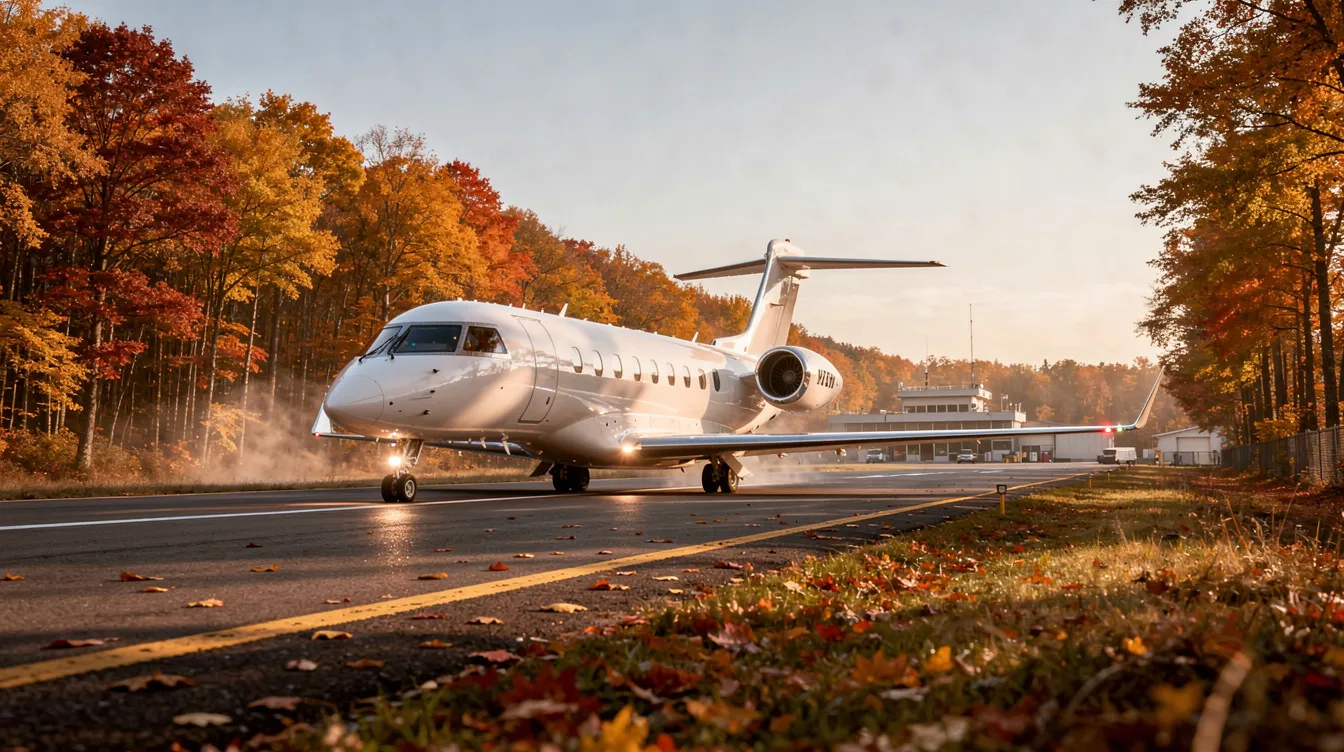
A Minneapolis private jet charter with BlackJet turns a two-hour airport ordeal into a 15-minute drive-up departure, giving travelers back time that commercial aviation quietly consumes. For Minneapolis executives, frequent business flyers, and high-net-worth leisure travelers who want private, flexible access without owning an aircraft, it offers a faster, more discreet, and more comfortable way to fly from Twin Cities-area airports. This guide explains the practical advantages of private jet charter in Minneapolis, which local airports and routes make the most sense, how BlackJet’s Jet Card compares with on-demand charter, and what to expect from booking, safety standards, and carbon-neutral flying.
Strategic advantages of Minneapolis private jet access
A Monday morning business hop from Minneapolis to Chicago illustrates the math. Commercial travel through Minneapolis-St. Paul International requires arriving 90 minutes early, clearing security lines, and navigating the terminal. Door-to-gate often costs three hours before the plane even pushes back. A private jet departing Flying Cloud Airport in Eden Prairie puts that same executive airborne within 25 minutes of leaving downtown, saving 1.5 to 2 hours each way. On longer routes like Denver, the gap widens to 3 or 4 hours once layovers and baggage claim are factored in.
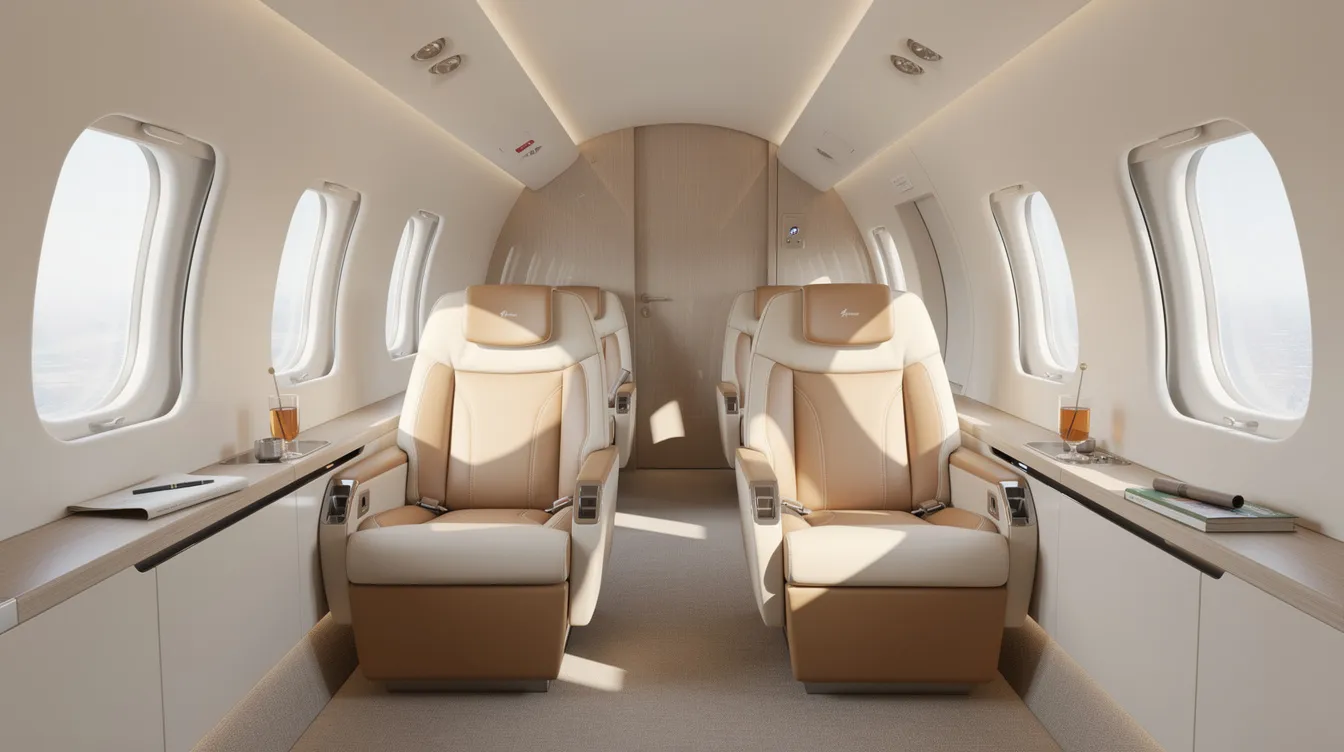
Private jet charters eliminate long layovers and security lines entirely. There is no TSA queue, no boarding group, no overhead bin negotiation. Private jets offer cabins equipped for confidential discussions and productivity, and they provide greater privacy and a higher level of comfort compared to commercial flights, especially when you weigh whether chartering a private jet is worth it compared to commercial travel. Charter services operate on schedules that cater to traveler needs, not airline timetables.
BlackJet's Jet Card model, available in 25-hour and 50-hour blocks, gives Minneapolis, MN travelers guaranteed aircraft access without the capital commitment or liability chain of fractional ownership. Every flight is carbon neutral at no extra cost, and every operator is safety-certified through independent auditing.

Minneapolis–St. Paul private aviation airports and access
The twin cities region is served by a dense network of general aviation airports managed by the Metropolitan Airports Commission, making point-to-point private flights efficient across all four seasons. Private aviation in the Minneapolis area includes multiple airports and services, each suited to different missions.
Flying Cloud Airport (KFCM) is located in Eden Prairie, Minnesota, about 20 to 30 minutes southwest of downtown Minneapolis. Originally built in 1941 for Navy pilot training, Flying Cloud Airport is now dedicated to general and executive aviation, logging 132,744 operations in 2024. Elliott Aviation and other FBO providers on the field handle fueling, de-icing, and ground services. BlackJet Members often choose this cloud airport for west- and southbound departures toward Dallas, Phoenix, or Aspen.
St. Paul Downtown Airport (STP) sits on the Mississippi River, 15 to 20 minutes from downtown st paul. Its 6,941-foot runway, the longest among MAC's reliever fields, accommodates larger aircraft. St. paul downtown airport is also available for private jet charters serving legislative sessions, events near the Guthrie Theater and the arts district, or meetings in Lowertown.
Anoka County–Blaine Airport (ANE) serves the Minneapolis area from the north, roughly 30 minutes from downtown. Its quieter ramp environment suits clients based in Blaine or Coon Rapids, or those connecting to lake properties. Anoka County Blaine Airport handles 65,000 to 70,000 annual operations.
Minneapolis–St. Paul International (MSP) is the main airport and primary international commercial hub. BlackJet coordinates private jet charter via MSP's dedicated general aviation facilities when customs or extended runways are required for long-haul missions. Note that Rochester International Airport, located near Minneapolis to the southeast, offers an additional option for southern Minnesota travelers.
Minneapolis offers robust private jet charter operations and fleet management across these locations, and BlackJet's team helps Members select the optimal field based on meeting location, ground traffic, aircraft size, and destination. For travelers evaluating budgets, understanding how much it costs to charter a small private plane can clarify which routes and aircraft classes make the most sense. Private jets provide convenient access to various Minneapolis-area airports, removing the friction of a single congested terminal.
Popular Minneapolis private jet charter routes and use cases
Most BlackJet flights from Minneapolis mn fall under three hours of block time, making same-day round trips practical. Charter flights allow travel on your own schedule, and private aviation allows easy access to regional and remote locations across the upper Midwest and beyond; understanding how much it costs to rent a private jet on these legs helps travelers match aircraft and routes to their budgets.
Business routes: Minneapolis to Chicago Midway takes about one hour. Minneapolis to Teterboro (New York) runs roughly 2.5 hours. Denver and Toronto each land under 2.5 hours. Executives use Jet Cards for recurring board meetings, turning what commercial schedules force into overnight trips into a single-day circuit, and tools that break down private jet charter pricing and its key cost drivers help corporate teams budget for these recurring missions while comparing leading providers like NetJets Jet Card programs and costs. Consider a medical device CEO visiting Milwaukee at 9 AM, Chicago at noon, and returning to MSP by 6 PM; commercial itineraries cannot replicate that.
Leisure routes: Popular destinations from Flying Cloud Airport and STP include Scottsdale, Naples, Bozeman, and Jackson Hole. Regional escapes to Duluth or Bayfield for Lake Superior weekends require only 90 minutes of flight time, a relaxed pace compared to five hours on I-35.
Lake home hops: Short charter flight legs from ane or FCM to smaller fields near Brainerd lakes, Alexandria, or International Falls let families depart Friday afternoon and return Sunday evening. A one way flight to Brainerd Lakes Regional replaces a 3-to-4-hour drive with a quick hop, turning the weekend into pleasure rather than highway fatigue.
Winter reliability matters in Minnesota. BlackJet coordinates de-icing at FCM, stp, and ANE, and builds schedule padding into January and February departures to keep charter flight plans predictable. The travel experience stays stress-free even when the region drops below zero.
BlackJet Jet Card vs on-demand Minneapolis jet charter
BlackJet serves Minneapolis private travelers through a Jet Card system built for those who fly multiple times per year. The structure differs from ad-hoc brokers in cost predictability, aircraft quality, and service continuity; understanding Jet Card cost and membership pricing helps frequent flyers compare this model to alternatives.
Jet Card programs lock in fixed or capped hourly rates across 25-hour or 50-hour prepaid blocks. That rate holds through peak demand windows like Vikings home games or summer lake weekends, and a deeper dive into Jet Card pricing structures and fees can help Minneapolis flyers benchmark value alongside comparisons of the best Jet Cards for frequent flyers and their benefits. On-demand jet charter quotes, by contrast, fluctuate with date, repositioning cost, and aircraft availability at airports like Flying Cloud or MSP. Private jet charter prices vary based on multiple factors; hourly rates for private jets can range from roughly $4,000 per hour for on-demand midsize charters to $8,000 to $9,400 per hour for guaranteed-availability Jet Card access, and broader guides to private jet charter pricing and what drives total trip cost can clarify how those figures are built. Specific pricing for a trip requires details like dates, passengers, and aircraft class. Flight charges do not include taxes and additional fees.
Aircraft category choice within the Jet Card spans light jets (Phenom 300, Citation CJ series) for regional hops, midsize cabins (Citation XLS+) for comfort on two-hour legs, and large-cabin options (Challenger 350, Gulfstream G450) for cross-country or international range, mirroring the broader guide to private jet sizes and how to choose the right fit. Private jets can accommodate up to 16 passengers on large-cabin frames, and the convenience for groups traveling together can justify the cost versus booking multiple first-class commercial tickets; for these missions, guides to top 16-seat private jet options for comfort and convenience can shape aircraft selection, alongside overviews of the best private jets for groups of around 15 passengers, large-cabin options suited to 20-passenger travel, private jet solutions for parties of around 30 passengers, and specialized aircraft for private groups of up to 50 passengers.
BlackJet's 24/7 digital booking tools and direct messaging with the operations team let Members adjust departure times from Flying Cloud or St. Paul Downtown in response to meeting changes. Compared to jet ownership or fractional programs, there is no asset risk, no monthly management fee, and no capital tied up in a depreciating airframe. For clients flying 25 to 150 hours per year, the Jet Card delivers a consistent cabin class and service without the overhead, and resources that explain Jet Card cost per hour and pricing variables make it easier to benchmark that value.
Safety, certification, and sustainable flying from Minneapolis
Peace of mind is a baseline expectation, not a luxury add-on. BlackJet sources exclusively from FAA Part 135 certified operators, and prioritizes fleets carrying ARG/US or Wyvern ratings where applicable. Pilots meet strict duty-time limits and recurrent training requirements, echoing the safety and mission-fit focus emphasized in guides to selecting the best small private aircraft for different travel needs.
Every aircraft cleared to fly BlackJet Members is audited for maintenance records, insurance levels, and operational history. At MSP and Anoka County Blaine, 24/7 flight monitoring includes weather checks, contingency planning for diversions, and coordination with FBO teams for secure ground handling. This detail extends through the entire operations chain, from pre-departure de-icing to arrival, regardless of the specific type of private jet chosen for each mission.
BlackJet makes every flight carbon neutral as standard. Carbon offset projects fund verified reforestation and renewable energy initiatives, a measurable commitment for Minnesota-based companies with ESG reporting obligations. Looking ahead, BlackJet prioritizes operators investing in sustainable aviation fuel availability at key Twin Cities FBOs, a trend the city and region will see more of over the coming decades, even as demand grows for more affordable private jet options for new travelers.
Planning your Minneapolis private jet charter with BlackJet
The booking process begins with a consultation: your BlackJet team maps your typical routes, preferred aircraft size, and annual travel frequency, then recommends the appropriate Jet Card. For peak dates, Members should request flights one to two weeks in advance. Weekday business travel typically confirms within 24 to 48 hours.
On departure day, arriving 15 minutes before your scheduled flight at Flying Cloud Airport, St. Paul Downtown, Anoka County–Blaine, or MSP's private terminal is standard. Your team arranges parking or car services, handles luggage (including skis, golf clubs, or oversized gear), and manages catering. For international legs to Canada, valid passport and customs documentation are coordinated through MSP or STP's customs facilities. Winter gear is welcome in the cabin; runway de-icing is handled by ground ops. The story is simple: you show up, and BlackJet handles everything else.
Discover how a Jet Card reshapes your Minneapolis travel. Contact a 24/7 flight specialist or join BlackJet to explore private jet access built for the Twin Cities.
Frequently Asked Questions About Minneapolis Private Jet Charter
What airports can I use for private jet charters in Minneapolis?
Minneapolis private jet charters operate from several airports including Flying Cloud Airport (KFCM), St. Paul Downtown Airport (STP), Anoka County–Blaine Airport (ANE), and Minneapolis–St. Paul International Airport (MSP). Each offers unique advantages depending on your destination and travel needs.
How does BlackJet ensure safety for private jet charters in Minneapolis?
BlackJet exclusively partners with FAA Part 135 certified operators and prioritizes fleets with ARG/US or Wyvern safety ratings. All aircraft undergo rigorous audits for maintenance, insurance, and operational history, ensuring the highest standards for every flight.
What are the benefits of using a Jet Card versus on-demand charter in Minneapolis?
Jet Cards provide guaranteed aircraft access with fixed hourly rates, offering cost predictability and consistent service quality. On-demand charters may vary in price and availability. Jet Cards also eliminate capital commitments and provide seamless booking and flight support.
Can I fly carbon neutral when chartering a private jet from Minneapolis?
Yes, BlackJet includes carbon offsetting as a standard part of every flight. Offsets fund verified reforestation and renewable energy projects, allowing travelers to reduce their environmental impact without additional cost.
How far in advance should I book a Minneapolis private jet charter?
For typical weekday business travel, booking 24 to 48 hours in advance is sufficient. For peak travel dates or special events, it is recommended to request flights one to two weeks ahead to ensure availability and preferred aircraft.
Conclusion: Elevate Your Travel with Minneapolis Private Jet Charter
Choosing a Minneapolis private jet charter with BlackJet is more than a luxury—it’s a strategic advantage that transforms travel into a seamless, efficient, and personalized experience. With access to multiple Twin Cities airports, a committed team ready to assist around the clock, and a Jet Card program designed for flexibility and predictability, BlackJet empowers discerning travelers to reclaim their time and travel on their terms.
Safety, sustainability, and superior service are pillars of every journey, ensuring peace of mind alongside unparalleled comfort. Whether for business or leisure, contact BlackJet today to discover how premier private jet access can elevate your Minneapolis travel experience to new heights.


 Sign up with google
 Sign up with Apple