For the discerning traveler, private jet access is more than a luxury-it's a strategic advantage built on a precise regulatory foundation. That foundation is FAA Part 135. This guide is intended for private jet travelers, charter clients, and anyone interested in understanding how FAA Part 135 regulations impact private aviation.
Why Part 135 Matters for Discerning Private Flyers
Part 135 is the backbone of safe, legal on-demand private jet charter in the United States, overseen by the Federal Aviation Administration. Part 135 requires an Air Carrier Certificate from the FAA before any operator can fly persons for hire. It establishes minimum safety standards for charter flights and governs how air carrier operations are conducted for compensation. Part 135 applies to aircraft with 30 seats or fewer and requires an Air Carrier Certificate from the FAA before any operator can fly persons for hire.
A BlackJet member utilizing a 25-hour Jet Card under part 135 typically saves several hours per trip versus commercial first class, avoiding TSA lines, flying into closer reliever airports, and eliminating fixed schedules. FAA Part 135 sits within the broader federal aviation regulations, governing non-scheduled air transportation, including most charter flights and air taxi services. BlackJet's network uses only vetted Part 135 air carriers with additional independent safety audits, digital flight tracking, and carbon-neutral offsets applied automatically on every flight.
Understanding Part 135 helps travelers view the difference between casual private flying under Part 91 and fully regulated commercial charter operations intended to protect paying passengers.

Federal Aviation Regulations: Where Part 135 Fits
The "parts" are sections of Title 14 of the Code of Federal Regulations (14 CFR)-commonly called the federal aviation regulations. The FAA uses precise citations like "14 CFR Part 135" to avoid confusion with other federal regulations that share the FAR acronym.
Three core operational parts affect passenger travel:
Part 91 - General Operating and Flight Rules for Noncommercial Operations
Part 135 - commuter and on-demand operations (charter, air taxi)
Part 121 - scheduled airline operations
BlackJet's role is to assist members in navigating these rules effortlessly, determining the correct regulatory framework and safest available operator for each trip.
Defining FAR Part 135: Commuter and On‑Demand Operations
Under 14 CFR Part 135, commuter and on-demand operations are governed for aircraft with 30 or fewer passenger seats and payloads under 7,500 pounds in many common charter scenarios. This code covers ad hoc private jet charter, air taxi flights, and many helicopter services.
A FAR Part 135 operator must hold an Air Carrier Certificate, approved operations specifications (ops specs), and meet management requirements, forming the regulatory backbone behind BlackJet’s premium private jet card programs. Part 135 operators must have operations specifications (ops specs) that are approved by the FAA. Part 135 operations must follow strict safety protocols, including:
Mandatory 100-hour inspections and annual maintenance checks
Structured crew training and certification programs
Higher minimum insurance coverage than non-commercial flights
Crew rest and duty time limitations
Compliance with procedures for weather minimums and landing performance
When the same aircraft is repositioning empty, it may operate under Part 91. But once carrying a passenger or cargo for hire, Part 135 regulations and ops specs govern the flight-no exceptions.
What Are Eligible On‑Demand Operations Under Part 135?
"Eligible on-demand operations," found in 14 CFR 135.4, are a special category within part 135 allowing certain flexibilities when strict conditions are met. The Final Rule creating this category also introduced Subpart K to part 91, linking some fractional ownership and sophisticated on-demand operations under a combined regulatory framework.
Part 135 offers more flexibility than large airlines, allowing charter flights to use smaller airports and to match mission profiles with the best small private aircraft for each itinerary. Eligible on-demand operators may conduct instrument approaches at airports without on-site weather reporting, subject to performance and equipment criteria noted in their ops specs. These operations require at least two qualified pilots as flight crew, with enhanced training and manuals.
Example: Consider a winter evening approach into Aspen. A pilot command team with mountain operations experience, deicing resources, and ops specs authorizing high-altitude steep approaches can safely complete the landing. Without these provisions, such destinations would be unable to be served under Part 135 in restrictive weather circumstances.
Part 91 vs Part 135: Key Differences Private Travelers Should Know
Part 91 operations are noncommercial and prohibit compensation; an owner can fly their own jet for personal use under these less restrictive rules. Part 135 requires FAA certification for commercial flights conducted for paying passengers.
Factor | Part 91 | Part 135 |
|---|
Compensation allowed | No | Yes |
Pilot rest requirements | Pilots can operate without legally required rest periods | Strict pilot rest schedules and duty time limits |
Weather minimums | More flexible, pilot discretion | Stricter weather minimums, visibility, and ceiling requirements |
Passenger ID | No formal requirement for domestic legs | Passengers over 18 must show ID; operators must comply with TSA regulations for passenger identification |
Maintenance | Standard airworthiness | FAA-approved maintenance programs with mandatory inspections |
Operational control | Pilot-centric | The certificate holder maintains operational control in accordance with regulations |
Part 135 regulations limit flight and duty times to prevent pilot fatigue, a safety requirement that simply does not exist under Part 91 in most cases. BlackJet members fly under Part 135, ensuring commercial-level safety rather than informal Part 91 arrangements.
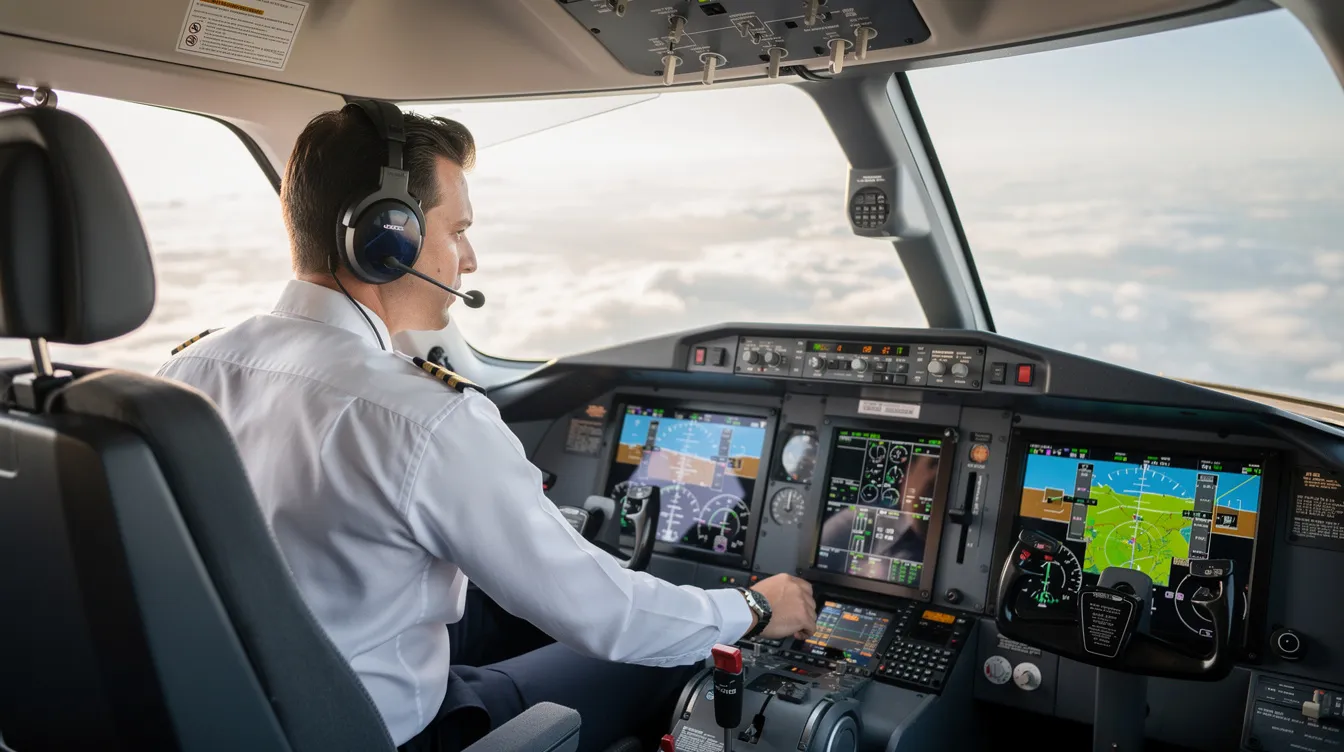
Operational Control, Ops Specs, and Safety Audits Under Part 135
Operational control under federal aviation regulations is the authority to initiate, conduct, and terminate a flight. Under Part 135, that control lies with the certificate holder, not just the pilot.
Part 135 operators must have FAA-approved operations specifications that define authorized aircraft types, airports, instrument approaches, and weather minimums. Two operators utilizing identical aircraft may have different landing and approach permissions based on their individual safety records and ops specs. This process of determining capabilities is important for travelers to understand.
Technology such as real-time flight-following and dispatch tools maintains continuous oversight. BlackJet only partners with Part 135 operators that meet or exceed third-party safety standards, such as ARGUS or Wyvern ratings, providing confidence beyond minimum requirements.
How Part 135 Enhances the BlackJet Experience
Part 135 regulations directly enable BlackJet's value proposition: safe, flexible, carbon-neutral private jet access through BlackJet’s 25+ Hour Jet Card and other Jet Cards. On-demand operations allow members to book short-notice trips, multi-city itineraries, and one-way flights that commercial airlines cannot provide, including options to buy a seat on a private jet when full-aircraft charter is not required.
BlackJet's digital booking platform leverages certified Part 135 operators across multiple aircraft categories-light, midsize, super-midsize, and large cabin jets-to match each mission's range and passenger profile, helping members navigate the broader private jet price list and cost landscape. Every flight is offset to carbon-neutral as standard, and BlackJet monitors operator compliance with maintenance intervals, crew currency, and safety audits, comparable to leading private jet companies for luxury travel and service.
Scenario: A client with a 50-hour Jet Card needs to fly from Los Angeles to Aspen in February. BlackJet selects a Part 135 operator with mountain airport experience, deicing policies, and winter operations procedures-all met and handled seamlessly so the member simply boards and flies.
Choosing Between Jet Cards, On‑Demand Charter, and Ownership Under Part 135 Rules
BlackJet's Jet Card programs share a middle ground between ad hoc charter and full aircraft ownership, all operating under the same Part 135 safety umbrella, and travelers can use them to understand jet card cost and membership pricing in a predictable way. Both one-off charters and Jet Card flights use part 135-certified operators, but Jet Cards provide predictable hourly rates, guaranteed availability windows, and defined cabin types.
Full ownership under Part 91 gives freedom and control but carries high fixed costs, which is why many frequent travelers instead analyze the 100-hour Jet Card cost as a scalable alternative. For travelers logging 25–75 hours per year, a Jet Card is often more cost-efficient when you evaluate the jet card cost per hour against alternatives like ad hoc charter or ownership. Owners who wish to charter their aircraft to third parties must either obtain their own certificate or contract with a Part 135 operator and should also consider how jet card tax deductions might factor into their overall aviation strategy. BlackJet manages this regulatory complexity so members interact only with simple booking tools, clear contracts, and consistent service, whether arranging light-jet hops or private jet solutions for up to 50 passengers.
Sustainability, Technology, and the Future of Part 135 Operations
Modern Part 135 operators increasingly integrate sustainability, advanced avionics, and digital tools, while travelers evaluate these offerings alongside jet card pricing structures and benefits. Efficient aircraft and optimized routing reduce fuel burn within Part 135 frameworks, complementing choices among the cheapest private aircraft and budget-friendly options that still meet safety and comfort expectations. BlackJet ensures all flights are carbon-neutral via verified offsets, with plans to incorporate sustainable aviation fuel as availability expands.
Real-time apps, electronic flight bags, and digital ops centers support better decision-making around weather, alternates, and performance under federal aviation regulations, especially for frequent flyers comparing the best jet cards for regular private travel. The FAA continues to share comments and policies on potential updates to Part 135, including enhanced data-driven safety management systems and advanced air mobility provisions, developments that will also shape emerging markets like private jet charters in Karachi.
FAQs: Part 135, Federal Regulations, and Your BlackJet Flights
Is my BlackJet flight operated under part 135 or part 91?
All paid BlackJet Jet Card flights are conducted under Part 135. Part 91 applies only to non-revenue repositioning legs.
How does Part 135 impact pilot rest and duty limits?
Part 135 requires strict pilot rest schedules for safety and limits maximum duty periods. Pilots under part 91 can operate without legally required rest periods-a key difference.
Do I need ID to fly?
Yes. Passengers over 18 must show ID on part 135 flights in accordance with TSA requirements.
Can I change my itinerary last minute?
Part 135 allows flexibility, but changes depend on operator ops specs, airport authorizations, and weather. BlackJet flight advisors can assist with questions on any MEL or equipment considerations.
Are there different rules for winter or night operations?
Part 135 operations must adhere to stricter weather minimums than Part 91, and ops specs may impose additional requirements for night or winter landing procedures.
For tailored guidance on regulatory, safety, or itinerary questions, speak directly with a BlackJet flight advisor.
Elevate Your Travel Under the Safety Umbrella of Part 135
Part 135 regulations create a rigorous framework for safe, flexible on-demand operations, and BlackJet intentionally operates within and above these standards. Safety through certified operators and audits, technology through digital booking and real-time support, and sustainability through carbon-neutral flights are not reserved for a select few. They are built into every Jet Card experience.
Elevate your travel effortlessly. Explore BlackJet's Jet Card programs and discover how expertly managed, part 135-compliant private aviation can transform your business and leisure travel.
Conclusion: The Strategic Advantage of Part 135 Private Jet Travel
FAA Part 135 regulations are more than legal requirements—they are the foundation of trusted, premier private jet access that delivers unmatched safety, flexibility, and convenience. For discerning travelers, understanding how Part 135 governs commercial charter operations provides clarity on why Jet Cards and on-demand private flights outperform other travel options.
By choosing part 135-certified operators through BlackJet’s Jet Card programs, members gain access to rigorously vetted aircraft and crews, proprietary safety audits, and operational control protocols that ensure every journey meets the highest federal aviation standards. This framework also enables seamless travel to more airports, last-minute itinerary changes, and specialized mission profiles that commercial airlines cannot match.
In addition, Part 135’s integration with advanced technology and sustainability initiatives—such as carbon-neutral flights—positions private aviation as a forward-looking, responsible choice. Whether flying for business or leisure, travelers enjoy peace of mind knowing their flights comply with Federal Aviation Administration mandates and industry-leading best practices.
Elevate your travel experience by embracing the strategic advantages of Part 135 private jet operations. Discover how BlackJet’s expertly managed Jet Card programs combine safety, certification, technology, and sustainability to redefine what private aviation can be.


 Sign up with google
 Sign up with Apple