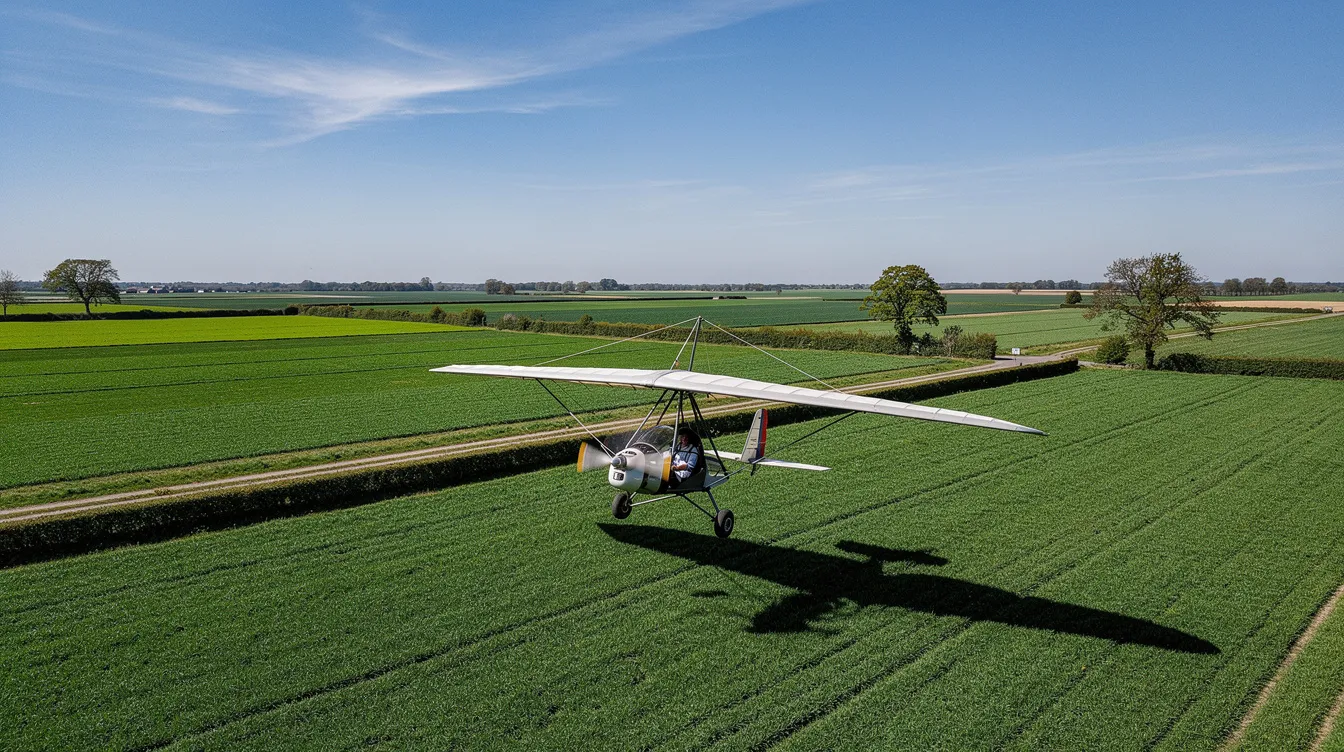
Flying your own aircraft without a pilot license is legal in the United States, but only under a narrow set of federal rules.
This guide is for aspiring pilots, aviation enthusiasts, and travelers interested in flying personal aircraft without a license or comparing ultralight flying to private jet travel. Understanding these rules is essential for anyone considering recreational flight or evaluating alternatives to traditional private aviation. Whether you dream of piloting your own ultralight, are curious about the latest electric eVTOLs, or want to see how hands-on flying compares to the comfort and range of BlackJet private jet travel, this article will help you navigate the legal, practical, and financial realities of license-free flight.
Quick Answer: When Can You Legally Fly Without a Pilot License?
Under U.S. federal aviation law, you can fly without a license to fly only if your aircraft qualifies as an ultralight vehicle under FAA Part 103 (14 CFR Part 103). No pilot license is required for ultralight aircraft under Part 103, but the aircraft must meet every one of the following criteria simultaneously. If it fails even one, standard pilot certificate and registration rules apply.
The aircraft must have only one seat; it is a single-occupant vehicle with no passengers permitted
Maximum empty weight of 254 pounds (excluding floats and safety devices like a ballistic parachute)
Fuel capacity of no more than 5 U.S. gallons
Maximum cruise speed of 55 knots, and the aircraft cannot exceed a top speed of 63 mph in level flight at full power
Power-off stall speed no greater than 24 knots
Used only for sport or recreational purposes; no commercial operations
Every other powered airplane, helicopter, or multi-seat aircraft requires at least a sport pilot certificate or private pilot license. BlackJet private jet flights, by contrast, are operated by professional crews holding Commercial or Airline Transport Pilot certificates, with each aircraft fully certified, registered, and maintained under strict FAA safety standards, even on entry-level and more affordable private jet options.
FAA Part 103: The Legal Path to Fly Without a Pilot's License
FAA Part 103 became effective in October 1982 and remains the governing regulation for ultralight vehicles in 2026. It was designed to give recreational pilots a way to fly without the overhead of certification, registration, or medical examinations, provided the vehicle stays within strict physical limits.
Here is the complete checklist for a powered ultralight under Part 103:
Single seat, single occupant only
Recreational flying or sport use exclusively; no commercial purpose
Ultralights must weigh under 254 pounds empty (floats and emergency devices like ballistic parachutes are excluded from this calculation)
Fuel capacity capped at 5 U.S. gallons
Maximum speed at full power in level flight: 55 knots / 63 mph
Power-off stall speed: 24 knots or less
No U.S. or foreign airworthiness certificate
For unpowered ultralights such as a hang glider, the maximum empty weight is 155 lb.
Under § 103.7, ultralight aircraft do not require registration or an airworthiness certificate. No medical certificate is needed. The FAA does, however, retain the right to inspect any ultralight vehicle to verify it qualifies.
While FAA Part 103 does not mandate formal flight training, professional instruction is heavily encouraged for ultralight flying for safety. Operating an ultralight without professional training is extremely dangerous, and the community treats ground school and dual instruction as a baseline expectation.
Personal Aircraft Types You Can Fly Without a License
Several categories of personal aircraft can qualify under Part 103 when built and configured within the weight limit, speed, and fuel constraints:
Powered fixed wings: traditional tube-and-fabric or all-metal single-seat planes with small engines
Powered parachutes: a fabric canopy with a motorized cart underneath
Powered paragliders (paramotors): a backpack motor paired with a paraglider wing
Amphibious ultralights: float-equipped fixed-wing or rotary designs for water and land operations
Gliders and unpowered ultralights: hang gliders under 155 lb empty weight
Single-seat eVTOL designs: emerging electric vertical-takeoff aircraft built to Part 103 specs
Not every small or homebuilt plane fits Part 103. The Phantom X1, for instance, weighs up to 350 lbs with a 40 hp engine, placing it outside Part 103 and into experimental or light sport aircraft territory, where a sport pilot certificate is required. Many ultralights marketed as "no license needed" are actually over the weight or speed limits. Each aircraft meets Part 103 only when the specific configuration stays within all defined thresholds.
Classic Part 103 Ultralight Planes: Real Models and Current Pricing
Powered fixed wings remain the most recognizable category of ultralight aviation. Here are four current models with 2024-2026 pricing:
Aerolite 103: A single-seat pusher ultralight with an empty weight around 235 lb. The Aerolite 103 kit starts at $19,450 without an engine. Fully assembled models with a Hirth F-33 engine run approximately $29,300; higher-output or electric packages reach $36,000-$40,000. Stall speed sits near 23 knots, cruise around 48 knots.
Kolb Firefly: A high-wing pusher designed to meet Part 103 at roughly 253 lb empty with a Rotax 447. The Kolb Firefly features quick-folding wings for compact storage, fitting on a standard trailer. Quick-build kits start around $17,000 (engine purchased separately). Used Fireflies in good condition list near $30,000.
Quicksilver MX 103: An open-cockpit classic descended from the early-1980s ultralight boom. The Quicksilver MX 103 is available fully assembled for under $18,900, making it one of the lowest-cost ready-to-fly Part 103 aircraft on the market.
Hummel Ultracruiser: An all-metal, low-wing Part 103 design. The Hummel Ultracruiser has an empty weight of 249 lbs. Kit tiers range from plans-only (a few hundred dollars) to the Hummel Ultracruiser full kit at $25,650. The enclosed cockpit variant adds weather protection but must stay within the 254-lb weight limit.
Prices shift with engine choice, avionics additions, and options like ballistic recovery parachutes. DIY ultralight aircraft kits across brands range from $10,000 to $50,000 depending on completeness and engine.
Amphibious Ultralights and Water-Capable Personal Aircraft
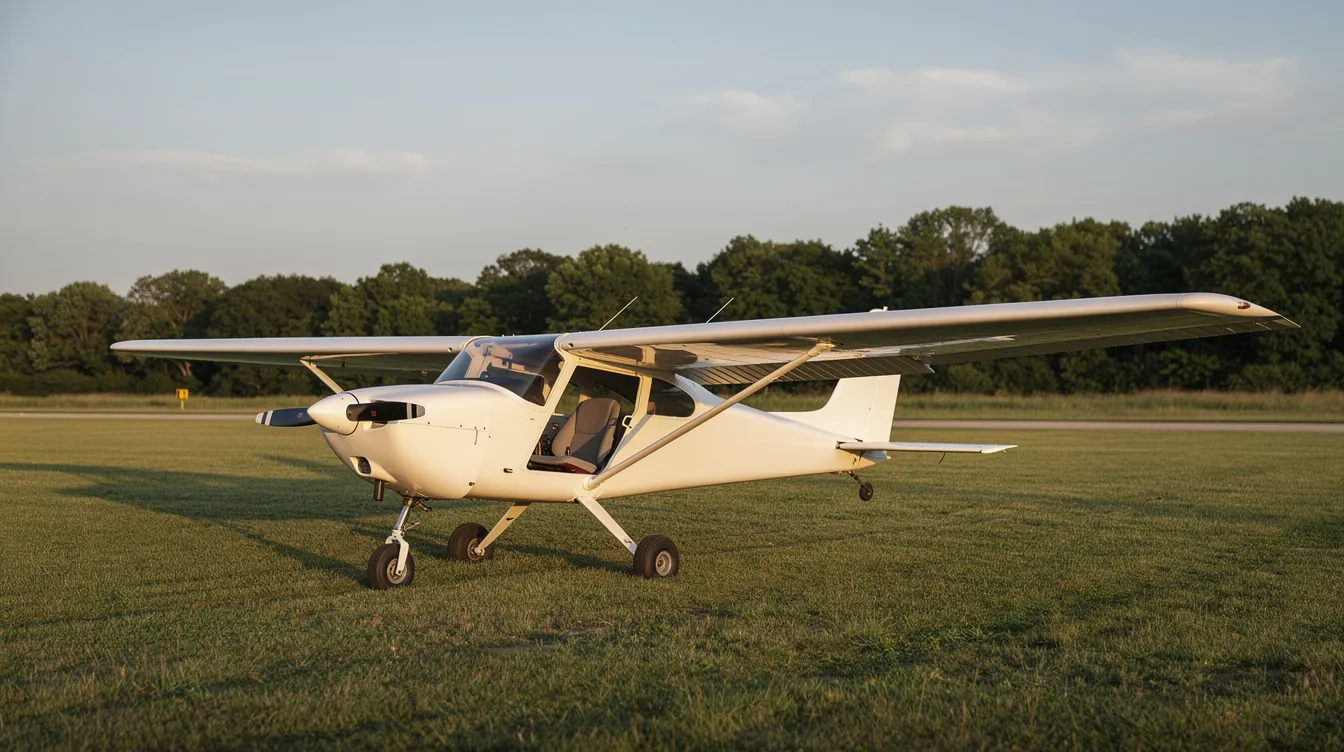
Amphibious ultralights are personal aircraft that can operate from both water and land. Part 103 excludes floats from the 254-lb maximum empty weight calculation, which opens a path for water-capable designs. In practice, structural reinforcements for float mounting often push extra weight past the threshold, and not all amphibious configurations remain license-free.
Mosquito XEL: The Mosquito XEL is the only Part 103 helicopter available. It is sold as a kit for approximately $58,000 and can be equipped with floats. Flight time is roughly 1 hour. When configured to Part 103 specs, it qualifies for operation without a license, but float-equipped versions require careful weight accounting.
Float-modified Kolb Firefly and similar designs: Some builders mount small floats on lightweight fixed-wing ultralights. Each configuration must be weighed on calibrated scales to confirm the aircraft meets Part 103 compliance once floats and reinforcements are installed.
Typical payload limits for Part 103 aircraft run 220-255 lb for pilot and gear. Ultralight pilots must remember the prohibition on flights over congested areas, which includes busy waterways and populated shorelines.
Next-Gen Personal eVTOLs: Electric Aircraft You May Fly Without a License
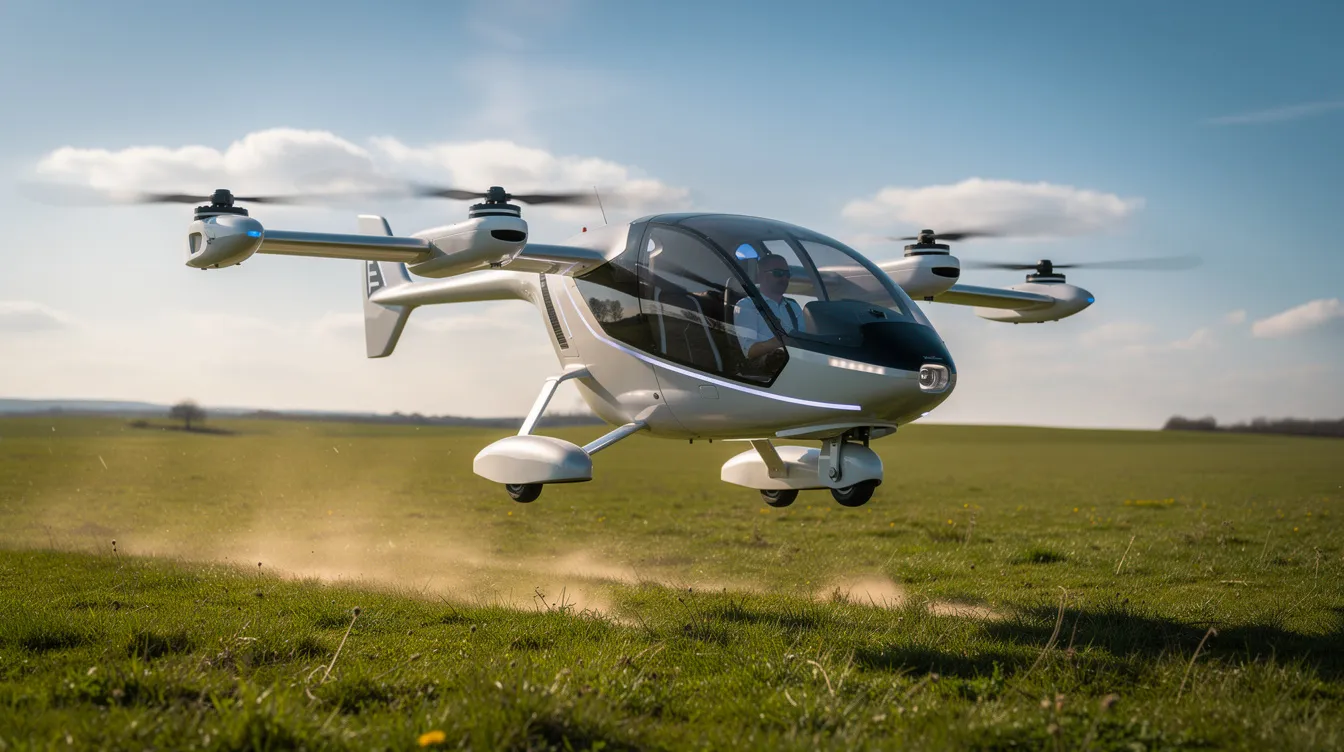
A new class of one-person electric vertical takeoff and landing aircraft targets FAA Part 103, aiming to let owners fly without a traditional pilot license. These machines differ from classic tube-and-fabric ultralights: they rely on flight computers, auto-stabilization, and redundant electric motors.
Jetson ONE: single-seat electric multicopter with about 20 minutes of flight time. Top speed is software-limitedto near 63 mph to stay within Part 103. Includes a ballistic parachute. Empty mass is approximately 121 lb (without pilot). Price is approximately $128,000. First production deliveries began in the mid-2020s.
RYSE Recon: Six-motor electric eVTOL with float-like landing pads. Endurance around 20 minutes, top speed roughly 63 mph, maximum altitude 400 ft. Retail price near $150,000. Designed for agricultural, inspection, and recreational use.
Zapata AirScoote: hybrid electric-combustion system with 12 propellers on 8 booms. Claimed flight time up to 2 hours, which would far exceed typical eVTOL endurance. U.S. launch target is later this year, with final price still to be determined.
Pivotal Helievolveded from the Blackfly prototype, which logged over 7,000 test flights since 2018. Roughly 8 kWh battery pack with 75-minute recharge on Level 2 charging. Approximate pricing is around $190,000.
Manufacturers design these aircraft to fit ultralight limits on weight, maximum speed, and energy capacity, but final regulatory treatment depends on exact configuration and FAA interpretation. Unlike traditional ultralights, these eVTOLs include emergency systems (auto-landing, ballistic parachutes) and onboard computers that add both safety and complexity.
Ultralight vs Light Sport vs Private Jets: What Changes When You Need a License
Ultralight aircraft, light sport aircraft, and private jets occupy three distinct regulatory tiers. Here is how they compare:
Category | Max Takeoff Weight | Seats | Speed Range | License Required | Registration |
|---|
Part 103 Ultralight | ~254 lb empty | 1 (single seat) | 50-63 mph | None | None |
Light Sport Aircraft | Up to 1,320 lb | Two seats | 100-140 mph | Sport Pilot Certificate (min ~20 hrs training) | Yes |
Private Jet (BlackJet) | 10,000-100,000+ lb | 4-19 | 400-600 mph | Commercial/ATP (professional crew) | Yes, full FAA certification |
Light sport aircraft require a pilot's license to operate; specifically, a sport pilot certificate calling for roughly 20 hours of flight training and a valid driver's license in lieu of a full medical certificate for most pilots. A private pilot license typically requires 40-70+ hours of pilot training and a full FAA medical.
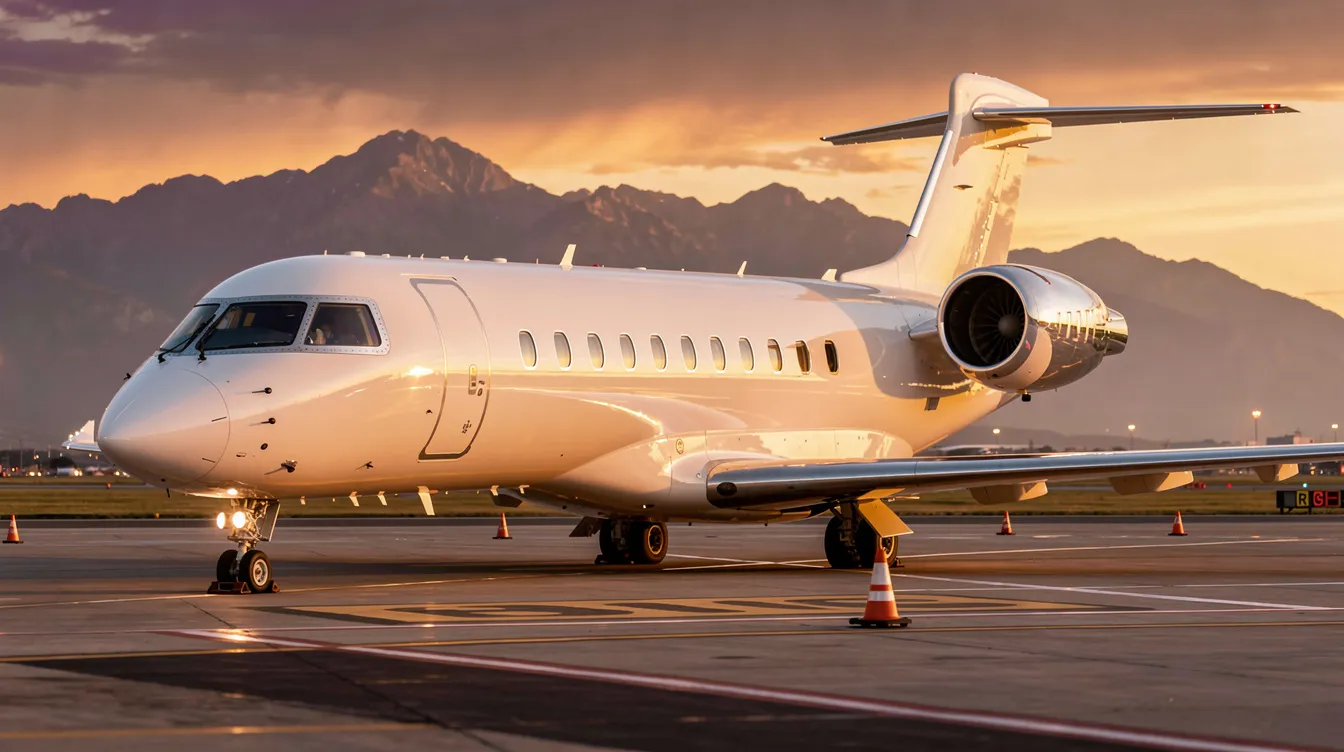
Private jets require professional pilots and rigorous safety audits, and the top tier of luxury private jets worldwide layer advanced avionics and cabin technology on top of those standards. They operate under Part 135 or Part 91 with maintenance programs, crew certification, and third-party oversight that ultralights do not have.
Most ultralights have a range of 50-150 miles per flight and typically cruise at 50-60 mph. A BlackJet light jet covers over 1,000 nautical miles at 400-500+ mph, carrying multiple passengers across cabin classes with full amenities.
Where, When, and How You Can Fly an Ultralight Without a License
Part 103 ultralight operations follow strict rules on location, timing, and conditions:
Where you can fly
Primarily Class G (uncontrolled airspace)
No operations in Class A, Class B, C, D, or surface-area Class E controlled airspace without prior ATC authorization, and pilots must also avoid restricted airspace
No flying over congested areas, busy towns, or open-air gatherings
Ultralight pilots must yield right-of-way to all other aircraft at all times
When you can fly
Ultralights can only be flown in day VFR conditions, between official sunrise and sunset
Civil twilight extension (30 minutes before sunrise or after sunset) is permitted only with an approved anti-collision light visible from 3 statute miles, and only in uncontrolled airspace
How you must fly
Ultralights must maintain visual contact with the ground while flying; visual reference to the surface is required at all times
VFR conditions only; no instrument flight
Check NOTAMs and Temporary Flight Restrictions before every flight, particularly near stadiums, major cities, or VIP movements, and verify local rules and airport-specific restrictions before operating from a given area or field
Ultralight aircraft can only be used for sport or recreational purposes; no cargo, no paying passengers
A typical ultralight operations scenario: you fly ultralights from a rural grass strip on a calm Saturday morning, stay below 1,000 feet AGL, avoid the nearby town, and return within an hour. That is the operational envelope Part 103 permits.
Training, Safety, and Why "No License" Doesn't Mean "No Preparation"
No pilot license is required for ultralight aircraft under FAA Part 103, but proper training separates safe ultralight pilots from statistics. The FAA's own advisory materials and organizations like the Experimental Aircraft Association (EAA) and U.S. Ultralight Association treat ground school, dual instruction, and mentorship as the baseline for anyone planning to fly an ultralight.
Typical training paths include:
Starting with dual instruction in a similar lightweight aircraft (often a two-seat trainer operating under a Letter of Deviation Authority, or LODA, where a certificated flight instructor provides hands-on lessons)
Mastering takeoffs, landings, pattern work, emergency procedures, and wind conditions management before transitioning to a solo Part 103 ultralight
Joining local EAA chapters or ultralight clubs for mentorship and safety seminars
Safety practices strongly recommended for all ultralight pilots:
Meticulous pre-flight inspections on owner-built aircraft
Conservative weather decision-making; many ultralights weigh so little that moderate turbulence or crosswinds exceed safe handling
Helmets, four-point harnesses, and optional ballistic parachutes for risk mitigation
BlackJet takes safety in a different direction: every private jet flight is backed by audited operators, professional crews, and third-party safety ratings, a framework that also underpins long-range private jets built for nonstop international trips. The contrast is stark, but both worlds reward preparation and respect for the rules.
Costs of License-Free Flying vs. Private Jet Access
Ultralight ownership costs break down as follows, and there are many affordable light aircraft options for budget-conscious pilots beyond strict Part 103 designs:
Entry-level used ultralights: under $10,000 in some cases for older, flyable airframes needing cosmetic or minor mechanical work, similar in spirit to other affordable small aircraft options for aspiring pilots
New kits: $15,000-$35,000 depending on completeness, plus engine and instruments; DIY ultralight aircraft kits span the full range
Factory-built, ready-to-fly models: roughly $18,900 (Quicksilver MX 103) to $40,000+ for premium configurations like an electric-powered Aerolite 103, which sits at the extreme low end compared with affordable private planes like VLJs and light jets
Ongoing costs: fuel burn of 1.5-3 gallons per hour (at current avgas or auto-fuel prices), 2-stroke or 4-stroke engine maintenance, hangar or trailer storage, and insurance where available (limited market for ultralight policies), all of which compare sharply with the economics of budget-friendly private aircraft ownership and access models
BlackJet 25+ Hour Jet Card membership works on a different economic model:
Many aviation enthusiasts keep ultralights for local recreational flying and rely on services like BlackJet’s premium private jet solutions for regional or international travel that would be impossible in a Part 103 aircraft with fewer hours of endurance and 50-150 miles of range.
How Ultralights and BlackJet Private Jets Complement Each Other
Picture an executive who spends Saturday mornings flying a Kolb Firefly from a grass strip near her weekend home, circling the lake at 500 feet AGL with the wind in her face. On Monday, she books a BlackJet midsize jet from Teterboro to Miami for a board meeting, arriving in under three hours with a full cabin, Wi-Fi, and a return flight scheduled for that evening.
These two forms of aviation serve different purposes that never overlap:
Ultralights deliver low-altitude, open-air, hands-on flying; they are personal, physical, and limited in scope, and they often appeal to the same pilots who consider cheap light aircraft for budget-friendly adventures
BlackJet provides high-speed, high-altitude access to distant cities, resorts, and financial centers with professional crews and certified aircraft, often delivered through carefully structured jet card programs for frequent flyers
BlackJet's 24/7 digital booking platform and real-time flight support handle complex itineraries that ultralight operations cannot touch, especially for travelers comparing different jet card pricing structures and benefits, whether you’re buying a single seat on a private jet or chartering the entire aircraft
Sustainability: BlackJet offsets every flight's carbon footprint at no extra cost, while ultralights already have modest fuel burn and electric options (Jetson ONE, Pivotal Helix) continue to emerge, and some travelers even explore unlimited private jet membership models to balance frequent flying with predictable costs
The two experiences complement rather than compete. One is about the joy of flight itself. The other is about what flight makes possible.
Key Legal Risks: What Happens If You Fly the Wrong Aircraft Without a License?
Flying a fully compliant Part 103 ultralight without a license is lawful. Flying any other civil aircraft without the appropriate pilot certificate is not.
Penalties for operating a non-qualifying aircraft without proper certification:
FAA civil penalties typically range from roughly $1,000 to tens of thousands of dollars per violation
Intentional or fraudulent misclassification (claiming a non-Part 103 aircraft is an ultralight) can trigger criminal charges, with potential fines into six figures and possible imprisonment
If the pilot holds other FAA certificates (Sport Pilot, Private, Commercial), those certificates may be suspended or revoked
Before flying any personal aircraft marketed as "no license required," independently verify:
The empty weight on calibrated scales (ultralights must weigh under 254 pounds to qualify)
Fuel capacity (no more than 5 gallons)
Maximum level-flight speed at full power with the installed engine and propeller
Stall speed at power-off (must not exceed 24 knots)
Consulting with experienced ultralight instructors, local EAA chapters, or an aviation attorney before flying a new aircraft is the safest path to confirm full Part 103 compliance.
Frequently Asked Questions About Personal Aircraft With No License
What planes can you fly without a pilot license? Only Part 103 ultralight vehicles qualify. Concrete examples include the Aerolite 103, Quicksilver MX 103, and the Kolb Firefly. Each must stay within 254 lb empty weight, 55 knots maximum speed, and 5 gallons fuel capacity. Ultralights have a maximum speed of 63 mph in level flight.
Do you need a license to fly an Aerolite 103 or Kolb Firefly? If built and equipped to remain under Part 103 limits, no pilot license, medical certificate, or aircraft registration is required. Ultralight aircraft do not require registration or airworthiness certificates when they meet Part 103 definitions.
Can you fly a helicopter without a pilot's license? Only the Mosquito XEL, which is the only Part 103 helicopter available, qualifies when configured within ultralight limits. All standard helicopters require at least a private pilot license with a rotorcraft rating.
How far and fast can you fly an ultralight compared with a light jet? Most ultralights have a range of 50-150 miles per flight at 50-60 mph. A BlackJet light jet covers over 1,000 nautical miles at 400-500+ mph with multiple passengers, in the same performance tier as many of the best small private aircraft for personal and business travel.
Can I use an ultralight instead of commercial or private air travel? Ultralights are for short-range, fair-weather recreational flying only. They cannot carry passengers (single occupant only), cannot fly at night, and cannot operate in most controlled airspace. Business and long-distance travel is better served by private jets or airlines. For time-sensitive, international, or multi-city travel, BlackJet Jet Card membership provides the speed, range, and comfort that ultralights cannot deliver, and many buyers compare it directly with NetJets jet card costs and programs.
Conclusion: Enjoying License-Free Flight While Elevating Your Travel With BlackJet
Personal ultralight aircraft and emerging electric eVTOLs offer a real, legal way to fly without a pilot license under FAA Part 103. The rules are specific: single seat, under 254 lb empty, 55 knots maximum speed, 5 gallons of fuel, daylight VFR conditions only, uncontrolled airspace. Respecting those limits keeps you legal and alive.
Ultralights provide immersive, low-altitude experiences that pair naturally with BlackJet's professionally operated, carbon-neutral private jet access for the travel that matters most. Whether you are 500 feet above a rural airfield or 45,000 feet aboard a chartered jet, aviation rewards those who respect its rules and invest in the right tools.
If you already love flight, whether from the open cockpit of an ultralight or as a frequent premium traveler, explore BlackJet Jet Card membership for the trips your ultralight cannot handle.


 Sign up with google
 Sign up with Apple