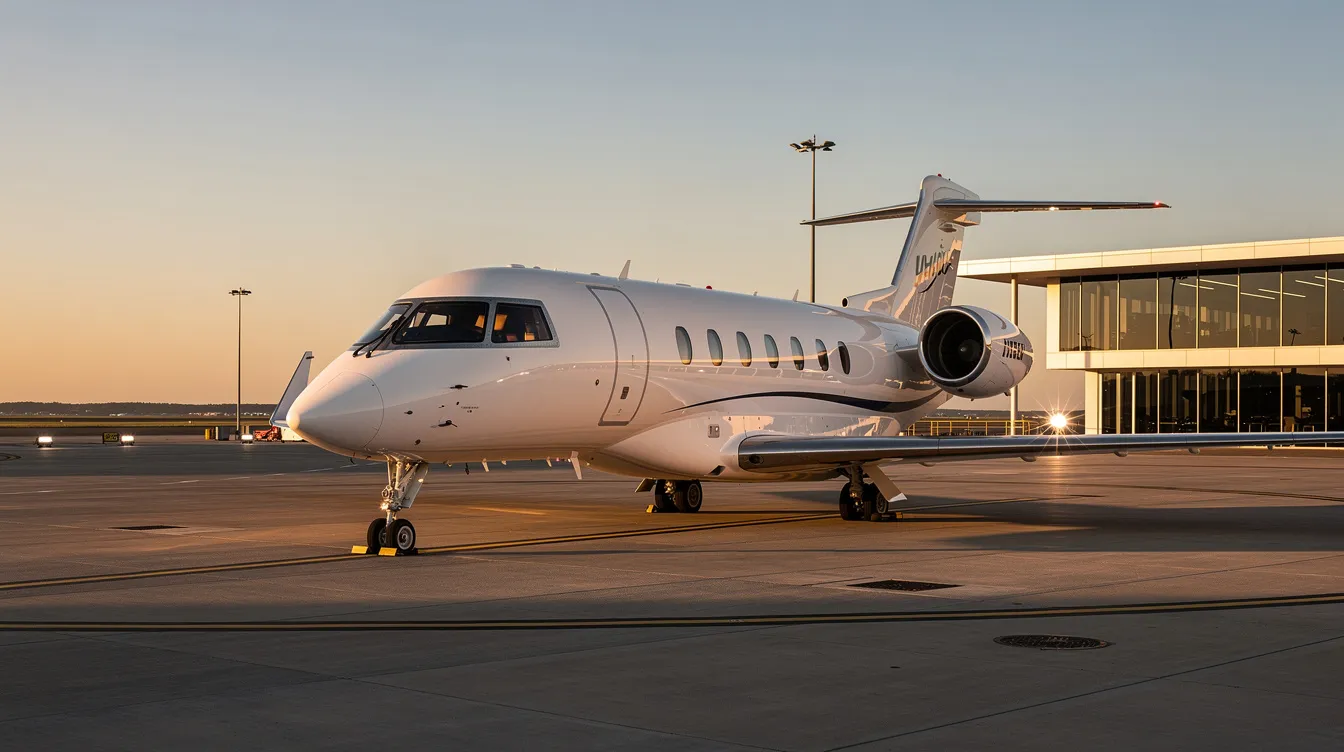
Private jet flight booking has transformed dramatically over the past decade. The private aviation market has experienced significant growth and evolution, driven by technological advancements and shifting consumer preferences that have made booking private jets faster, more flexible, and more accessible than ever before. What once required phone calls, fax machines, and days of back-and-forth negotiations now happens in minutes through streamlined digital platforms.
This guide is designed for business executives, frequent flyers, and first-time private jet travelers who want to understand the modern booking process and maximize the benefits of private aviation. Whether you’re a business executive needing to reach three cities in one day or a family planning a ski vacation, understanding how to book a private jet in 2026 puts you in control of your travel experience. The topic matters because private jet travel offers unmatched flexibility, efficiency, and comfort, making it an increasingly popular choice for discerning travelers seeking to optimize their time and travel experience.
Key Takeaways
Booking a private jet in 2026 can be completed in minutes via online platforms or mobile apps that provide instant pricing for thousands of aircraft worldwide. Over 80% of initial charter inquiries now occur digitally, with same-day bookings feasible within two to three hours for most domestic routes. Private jets can often be arranged at a moment's notice, offering unmatched flexibility and rapid response for travelers with time-sensitive needs. This efficiency has made private aviation accessible to a broader range of travelers, from frequent flyers to first-time charter clients.
Membership programs such as jet cards offer prepaid hours for guaranteed aircraft availability, providing frequent flyers with predictable costs and priority access. Additionally, empty-leg flights offer significant discounts—often 30-70% off standard rates—for travelers who are flexible with their travel plans, making private jet travel more affordable.
Travelers can often arrive at the airport just 15 to 30 minutes before departure when flying privately, significantly reducing wait times compared to commercial airline travel, which typically requires arriving two or more hours early. This advantage, combined with bypassing long security lines and crowded terminals, enhances the convenience and efficiency of private jet travel.
Private jets usually fly at altitudes up to 51,000 feet, minimizing turbulence and weather-related delays, which contribute to a smoother and more comfortable flight experience. This higher cruising capability compared to commercial aircraft is a key reason many travelers value the higher altitude at which private jets fly.
Travelers can choose from turboprops suited for short hops, such as Dallas to Houston (approximately 40 minutes at 280 knots), to ultra-long-range jets capable of flying nonstop from New York to Tokyo. The right aircraft depends on your specific route, passenger count, baggage requirements, and desired cabin comfort rather than simply selecting the most expensive option.
The core booking process follows a straightforward sequence: request a quote by submitting trip details, receive and compare aircraft options, select your preferred jet, confirm schedule and pricing, then finalize passenger manifests and payment. Most platforms allow this entire process to be completed online, though dedicated account managers remain available 24/7 for complex itineraries or first-time bookers who prefer personal guidance.
Typical charter costs in 2026 range from approximately $2,800 for a 40-minute light-jet flight to over $40,000 for heavy-jet transcontinental missions. Pricing depends on aircraft category, block hours (engine-running time), repositioning fees, and airport handling charges. Understanding these components helps you budget accurately and identify opportunities to reduce costs.
Flexible options, including on-demand charter, jet cards, and membership programs, allow frequent flyers to control cost, availability, and service level based on their travel patterns. On-demand works well for occasional travelers, while jet cards and memberships provide guaranteed availability and locked-in rates for those flying regularly throughout the year.
Now that you have an overview of the key benefits and options, let's dive into the step-by-step process of booking a private jet flight.
How Private Jet Flight Booking Works (Step-by-Step)
The private jet booking process typically involves a simple, four-stage procedure that includes inquiry, selection of quotes, booking, and receiving flight details. Below, we break down each step to help you navigate the process with confidence.
Step 1: Submit Trip Details
Consider a practical 2026 scenario: you need to book a private flight from Teterboro, New Jersey (KTEB) to Opa-Locka, Florida (KOPF) for a Friday afternoon departure with six passengers and golf equipment. This 1,080-nautical-mile route is ideal for a midsize jet like the Hawker 800XP or Citation Latitude. Using a charter platform or mobile app, you input your departure and arrival airports, date, passenger count, and any special requirements. Within seconds, you receive four to six aircraft options with detailed pricing.
Enter your origin, destination, travel dates, number of passengers, and any special cargo like skis or golf clubs.
Specifying flexibility of plus or minus two hours often unlocks better pricing and aircraft availability.
Step 2: Receive Aircraft Options and Quotes
The platform returns matching aircraft with all-in pricing.
For the KTEB-KOPF example, a Citation Latitude might quote $14,500 for 1.8 block hours, including a $1,200 fuel surcharge and $800 in handling fees.
Step 3: Select Your Aircraft
Review cabin configurations, amenities, and operator safety ratings.
Popular models of light jets include the Citation M2 and Phenom 100, while midsize options include the Citation Latitude and Hawker 800XP.
Most platforms display ARGUS or WYVERN safety audit ratings, helping you make informed decisions.
In addition, reputable platforms thoroughly vet and continuously monitor air carriers to ensure they comply with industry safety standards and certifications, ensuring you fly with trusted, reliable providers.
Step 4: Confirm the Schedule and Sign the Charter Agreement
Lock in your departure time and review the charter contract, which outlines cancellation windows (typically 24-72 hours for a full refund), payment terms, and operator responsibilities.
Step 5: Finalize Payment and Passenger Details
Wire transfer, ACH, or credit card payments are accepted, though wires are preferred for amounts exceeding $25,000 to avoid 3% card processing fees.
Submit passenger manifests, including names, weights for aircraft balance, and passport information for international legs.
Most private jet charter bookings today initiate online or via a mobile app, though you can also work with a dedicated team member by phone or email. Jet charter service platforms have aggregated over 10,000 operators, making it simple to compare options in one place.
Same-day bookings remain possible within two to three hours for approximately 70% of domestic routes under 500 nautical miles. However, complex international itineraries involving overflight permits and customs coordination benefit from 24-72 hours of lead time. Multi-leg trips, such as a business roadshow hitting New York, Chicago, and Los Angeles over consecutive days, require additional planning for crew rest and aircraft positioning.
Final travel details submitted before departure include:
Passenger names and identification
Catering preferences (from simple snacks at $50 per person to gourmet meals)
Ground transport requests at the origin and destination
Any pets or oversized baggage requiring special handling
Private jet charter services often provide personalized support, with dedicated account managers available 24/7 to assist with any inquiries or requests. Additionally, travelers can often bring more luggage on private jets than on commercial airlines, with allowances that vary by aircraft type. The booking process can also include additional services such as catering and ground transportation, enhancing the overall travel experience.
Now that you understand the booking process, let's explore how to choose the right aircraft for your trip.
Choosing the Right Private Aircraft for Your Trip
Selecting the best aircraft for your mission involves matching route length, passenger count, baggage requirements, and cabin comfort preferences rather than defaulting to a specific brand or the largest available jet. For corporate travel, business jets play a crucial role by providing executives and business teams with luxury, speed, and flexibility, allowing access to multiple airports and maximizing productivity and comfort. Understanding private jet sizes and how to find the right fit is essential, since a family of four flying from Boston to Nantucket has vastly different needs than a corporate team crossing the Atlantic for a board meeting.
Private jets are categorized by size and range into turboprops, light jets, midsize jets, super midsize jets, heavy jets, ultra-long-range jets, and executive airliners.
Turboprops
Example: King Air 350
Best for: Short sectors of 100-300 nautical miles
Capacity: Six to eight passengers
Range: 600 to 1,000 miles (approx. 1,800 nautical miles max)
Hourly rates: $2,500-$3,500
Advantages: Cost efficiency for regional trips, access to smaller runways, negligible speed difference on short flights
Light Jets
Examples: Citation M2, Phenom 100
Best for: Routes up to 1,500 nautical miles
Capacity: Four to seven passengers
Hourly rates: $4,000-$6,000
Advantages: Higher speeds than turboprops, efficient for short to medium routes
Midsize Jets
Examples: Citation Latitude, Hawker 800XP
Best for: Coast-to-coast flights (approx. 2,450 miles)
Capacity: Six to nine passengers
Hourly rates: $6,000-$9,000
Advantages: Workhorse category for domestic and short-international sectors
Super Midsize Jets
Example: Challenger 300
Best for: Balancing range and passenger capacity (up to 3,300 nautical miles)
Capacity: Eight to ten passengers
Hourly rates: $9,000-$12,000
Advantages: Bridge between midsize comfort and heavy jet capability
Heavy Jets
Example: Gulfstream G450
Best for: International travel (4,000+ nautical miles)
Capacity: 12-16 passengers
Hourly rates: $10,000-$15,000
Advantages: Extensive baggage capacity, multiple seating zones, stand-up cabins
Ultra-Long-Range Jets
Examples: Bombardier Global 6500, Gulfstream G600
Best for: Intercontinental travel (6,000+ nautical miles nonstop)
Hourly rates: $12,000-$18,000
Advantages: Nonstop flights such as New York to Tokyo or London to Los Angeles
Executive Airliners
Concrete sample missions illustrate appropriate aircraft matching:
Boston to Nantucket (30 nautical miles): King Air 350 turboprop avoids helicopter costs while landing on the island’s shorter runway
Los Angeles to Las Vegas (230 nautical miles): Light jet Citation CJ3+ provides speed and comfort for this popular corridor
Chicago to New York (710 nautical miles): Midsize jets like the Hawker 800XP balance cost and cabin space
London to Los Angeles (4,700 nautical miles): Ultra-long-range Global 6500 flies nonstop with nine passengers
Your booking specialist or flight advisor typically narrows aircraft types based on your stated budget, runway lengths at departure and arrival airports, and desired amenities. Some airports, such as Aspen’s 7,000-foot runway, limit operations to super-midsize or smaller aircraft regardless of passenger preferences.
Case Study: Family Vacation
A family of eight books a Denver to Aspen winter trip in 2026 on a Phenom 300 light jet. The $8,200 one-way charter accommodates ski equipment via an external cargo pod, avoiding commercial flight delays and connections through Denver International. Door-to-door travel time drops from five hours to under two.
Case Study: Multi-Stop Business Roadshow
An executive planning investor meetings across New York, Washington D.C., and Chicago books a light jet Eclipse 550 for the 130-nautical-mile New York to D.C. leg at $4,500, then upgrades to a midsize Lear 60 for the 600-nautical-mile D.C. to Chicago sector at $11,000. This multi-day itinerary accounts for crew rest requirements and overnight positioning costs of approximately $2,500, similar to the operational considerations that shape the features and ownership profile of a $20-million private jet.

With a clear understanding of aircraft categories and real-world examples, you’re ready to explore the costs and pricing structures involved in private jet travel.
How Much Does a Private Jet Flight Cost?
Private jet pricing is primarily determined by aircraft category, flight time measured in block hours, repositioning requirements (if the aircraft must ferry empty to your departure point), and airport handling fees, all of which are broken down in detail when you review a comprehensive private jet price list covering access models and costs. Aircraft charter offers a cost-effective and flexible alternative to ownership, allowing travelers to access a wide range of aircraft for leisure, corporate, or special missions, and helps travelers evaluate whether chartering a private jet is worth it compared to commercial flying. Understanding these components allows accurate budgeting and identifies opportunities to optimize charter costs, especially when you grasp how private jet charter pricing works.
Sample Pricing Scenarios
Concrete 2026 pricing examples across categories, and a broader look at how much it costs to charter smaller private planes and the factors that shape pricing, illustrate what you might expect when renting a private jet and the key cost considerations:
40-minute light jet hop (Dallas to Houston): Approximately $2,800 all-in, representing the minimum charge for most light aircraft
1.5-hour midsize jet flight (New York to Miami): $12,000-$16,000 including fuel, landing fees, and FBO handling
5.2-hour heavy jet coast-to-coast (New York to Los Angeles on a Gulfstream G450): $35,000-$45,000 one-way
Transatlantic ultra long range (New York to London, 7-8 hours): $70,000-$100,000 depending on aircraft and routing
These prices reflect “block time” billing—the duration from engine start to shutdown—rather than actual air time. Most operators impose minimum charges of 1.5-2 block hours even for brief flights.
Cost Components
An instant quote from an online cost calculator typically displays:
Base hourly aircraft rate ($4,000-$12,000 depending on category)
Fuel surcharges (15-25% of base rate, fluctuating with jet fuel prices around $6-8 per gallon in 2026)
Landing and handling fees ($200-$2,000 per stop)
Repositioning charges if the aircraft must fly empty to reach your departure airport
Overnight fees if crew rest is required ($2,000-$5,000)
De-icing charges in winter conditions ($1,000-$5,000)
Jet Cards and Memberships
Jet cards and membership programs offer fixed-price alternatives to variable charter rates. With a jet card, clients pre-purchase 25- or 50-hour blocks at locked-in rates—for example, $7,500 per hour for light-jet access, regardless of peak-period surcharges. This guarantees aircraft availability within 10-14 hours’ notice during busy periods when on-demand pricing can spike 40-50%, making it important to understand the best jet cards for frequent flyers and their benefits.
Membership structures layer initiation fees ($10,000-$100,000) and annual dues ($5,000-$50,000) onto hourly rates, in exchange for benefits such as:
Waived repositioning up to 100 miles
Priority booking during the December 2026 holiday surges
Complimentary de-icing
Dedicated concierge service
Budgeting Tips
Book round-trips to reduce or eliminate repositioning fees, saving 20-30% versus two one-way charters
Choose secondary airports with lower handling fees when possible (Fort Lauderdale over Miami saves approximately $500)
Maintain flexibility of plus or minus one hour on departure time to access better aircraft positioning and unlock $1,000-$3,000 in discounts
Compare quotes from multiple platforms to ensure competitive pricing across a diverse fleet of operators
With a clear understanding of costs and pricing structures, you can now evaluate which booking model best fits your travel needs.
On-Demand Charter vs. Jet Cards vs. Memberships
Three primary booking structures exist in private aviation, each suited to different travel patterns and priorities. Understanding the distinctions helps you select the most cost-effective solution for your flying frequency and flexibility requirements.
Definitions
On-demand charter: Refers to booking private flights as needed, without long-term commitment. You request a quote, book the flight, and pay only for what you use. This approach offers maximum flexibility and represents approximately 90% of the air charter market by transaction volume.
Broker: Brokers act as intermediaries, finding the best deals for private jet flights, comparing options across multiple operators, while operators manage their own fleet.
Membership programs: Membership programs, such as jet cards, offer prepaid hours for guaranteed aircraft availability, providing predictable costs and priority access.
On-Demand Charter
Operates as a pure pay-per-trip model with no deposits, subscriptions, or long-term commitments.
Request a quote, book the flight, and pay only for what you use.
Maximum flexibility; ideal for sporadic leisure travel.
Jet Cards
Involve pre-purchasing flight hours in blocks of typically 25 or 50 hours at fixed rates for specific aircraft categories, with some high-usage travelers considering 100-hour jet card programs and their total cost structure to lock in even more predictable pricing.
A 25-hour light jet card might cost $150,000-$187,500 ($6,000-$7,500 per hour effective rate), guaranteeing availability within 10-14 hours’ notice regardless of season.
Appeal to business executives and frequent flyers who log monthly trips and want predictable costs and guaranteed access during peak demand.
Unused hours may expire after 12-24 months, depending on the program, and cards typically lock you into a single provider’s global network.
Membership Programs
Combine initiation fees ($25,000-$1,000,000) and annual dues with benefits beyond simple hourly purchases.
Members often receive capped hourly rates, reduced or waived repositioning fees, priority access to aircraft during high-demand periods, complimentary de-icing, and concierge-level service with a dedicated team handling all logistics.
Programs like VistaJet’s membership offer locked-in super midsize rates for clients who commit to 50+ hours annually.
Suited for high-frequency travelers who log 50-100+ hours per year and value consistent service, priority treatment, and predictable annual aviation budgets.
The right structure depends on your flying frequency: on-demand for sporadic leisure travel, jet cards for regular monthly business trips, and memberships for executives treating private aviation as a core travel platform.
2026 trend: Hybrid “dynamic jet cards” blending on-demand pricing transparency with prepaid discount structures have grown 15% year-over-year, while traditional fractional ownership programs have declined approximately 5% as travelers increasingly prefer access over asset ownership.
With your preferred booking structure in mind, let’s look at the timeline and logistics for arranging your private jet flight.
Private Jet Flight Booking Timeline and Logistics
Understanding the typical booking process from initial inquiry through wheels-up helps ensure smooth execution, especially for first-time private jet travelers unfamiliar with private terminal operations.
Booking Timeline
T-72 hours: Submit your trip request with dates, city pairs, passenger count, and special requirements. Receive and compare quotes from multiple charter options.
T-48 hours: Select your preferred aircraft, confirm pricing, and sign the charter agreement electronically. Complete payment via wire, ACH, or credit card.
T-24 hours: Submit final passenger manifest including names, identification details, passport numbers for international flights, and any catering requests. Confirm ground transportation at both ends.
T-2 hours: Receive final operations confirmation, including FBO location, contact numbers, and any weather-related updates. Your flight details are locked in.
Departure day: Arrive at the private terminal 15-30 minutes before your scheduled departure time—a stark contrast to the two or more hours recommended for commercial airline travel with long security lines and gate walks.
FBO Experience
The arrival experience at an FBO (Fixed Base Operator) differs dramatically from commercial flights. The United States has approximately 5,000 FBO locations compared to 500 commercial airport terminals, providing access to more airports closer to your final destination.
Drive directly to the facility entrance.
Baggage handlers take your luggage curbside while you proceed to a comfortable lounge.
Security screening consists of a visual identification check rather than TSA-style procedures.
When the aircraft is ready, you walk directly to the plane and board via stairs—no jetbridges, no long terminal walks.
Multi-Leg Itineraries
Multi-leg itineraries require additional coordination. Consider a three-city business trip: San Francisco to Seattle, then to Denver, then back to San Francisco across consecutive days.
Day one covers SF to Seattle via light jet.
The aircraft positions overnight to Denver ($2,500 repositioning cost).
Day two flies from Seattle to Denver, followed by the return leg to San Francisco.
Crew duty limits under FAR 135.267 (14-hour maximum duty days) factor into routing decisions and may require overnight crew rest.
Last-Minute Changes
Minor time shifts within two hours typically incur no additional charges if crew duty limits allow.
Larger changes may trigger waiting-time fees ($1,000+ per hour), aircraft substitution, or repositioning charges.
Your flight advisor communicates any pricing impacts before confirming changes.

With logistics and timing in mind, it’s important to understand the safety, regulatory, and travel requirements for private jet flights.
Safety, Regulations, and Travel Requirements
Reputable private jet operators in the United States comply with FAA Part 135 certification requirements, which impose stricter standards than Part 91 private flight operations. European operators follow EASA regulations with similar rigor. These frameworks mandate regular aircraft inspections, pilot proficiency checks, and operational audits that exceed recreational flying requirements, and they also guide how pilots manage turbulence on private jets and the measures used to keep flights safe and comfortable.
Brokers and booking platforms vet operators through third-party safety audits conducted by organizations such as ARGUS and WYVERN. An ARGUS Platinum rating represents the industry gold standard, requiring operators to demonstrate excellence in pilot training, maintenance procedures, and safety management systems. Standard insurance coverage for charter operations includes $50-100 million hull coverage and $50 million liability protection.
Pilot experience on charter flights typically averages 5,000+ flight hours with extensive type-specific training. Before confirming any booking, reputable platforms verify operator certificates, insurance validity, maintenance records, and crew qualifications, reflecting the broader reality that private jets are extremely safe and tightly regulated.
International private travel in 2026 still requires standard documentation: valid passports for all passengers, appropriate visas where required, and compliance with customs and immigration procedures. However, processing often moves faster at private terminals with dedicated customs officers clearing passengers planeside rather than in crowded commercial facilities.
Regulated Items Requiring Advance Disclosure
Pets: Health certificates and vaccination records required for most destinations; rabies titer tests mandatory for EU entry; cleaning fees of approximately $500 may apply
Firearms: Must be declared during booking, transported unloaded in locked cases, and comply with the origin and destination jurisdictions
Special cargo: Medical equipment, musical instruments, and oversized sporting gear require advance notification for proper loading and securing
Sustainability Measures
Approximately 10% of charter flights now utilize Sustainable Aviation Fuel (SAF) where available, though SAF currently carries a 50% cost premium over conventional jet fuel.
Carbon offset programs under the Gold Standard (at $10 per ton of CO2) allow passengers to neutralize the emissions from their flights.
Many charter resources now include offset options directly in the booking process.
With safety and regulatory requirements addressed, let’s look at the most popular routes, aircraft, and use cases in 2026.
Popular Routes, Aircraft, and Use Cases in 2026
Certain routes and aircraft types see particularly heavy demand for both business and leisure travel in 2026. Understanding these patterns helps travelers set realistic expectations for availability and pricing throughout the year.
Business Routes
New York to Washington D.C. (130 nautical miles): Light jets dominate this 30-minute sector, with demand charter pricing around $4,000-$5,000. Business executives appreciate avoiding Amtrak delays and commercial airport congestion.
Los Angeles to San Francisco (300 nautical miles): Approximately 60 minutes by light jet at $6,500-$8,000. Tech executives and entertainment industry travelers drive steady demand.
London to Geneva (400 nautical miles): Popular for banking and wealth management clients, typically served by light or midsize jets.
Dubai to Riyadh (500 nautical miles): Growing demand from regional business activity, often using midsize jets for delegation travel.
Leisure Routes
New York to Aspen (1,500 nautical miles): Ski season drives heavy demand from November through March. Super midsize jets like the Praetor 500 handle this route in approximately four hours at $25,000-$30,000 one-way. Early booking is essential—December 2026 demand runs 60% above normal.
London to Nice (600 nautical miles): Summer 2026 sees consistent traffic for Côte d’Azur vacations. Light jets cover this 1.75-hour flight at approximately $12,000.
Miami to Nassau (180 nautical miles): Weekend getaways suit turboprops or light jets at $5,500-$7,500, providing access to Nassau’s smaller aircraft-friendly airport.
Popular Aircraft Models in 2026
Phenom 300: The most-flown light jet globally, with over 2,000 delivered, offering excellent range (2,000 nautical miles) and cabin comfort for its category
Praetor 500: Embraer’s super midsize with 3,300-nautical-mile range enables coast-to-coast U.S. flights without fuel stops
Citation Latitude: Midsize workhorse with stand-up cabin and flat-floor design, popular for corporate shuttle operations
Global 6500 and Gulfstream G600: Flagship ultra-long range jets for intercontinental missions, capable of 6,500+ nautical miles nonstop
Mini-Scenarios Illustrating Booking Variety
A group golf trip from Miami to Nassau books a turboprop at $5,500 total, accommodating eight passengers and clubs while landing at Lynden Pindling International’s shorter runway. The three hours saved versus commercial connections allow an afternoon round.
A tech investor launches a last-minute roadshow, booking a light jet from New York to Boston ($4,500), then repositioning to a midsize jet from Boston to Chicago to San Francisco ($28,000 combined). The flexible scheduling accommodates meeting times that shift throughout the day.
A family Christmas flight from New York to a winter resort in Vermont uses a heavy jet configured for 12 passengers across three generations. The $45,000 charter eliminates multiple commercial connections, baggage hassles, and weather-related delay risks that plague December commercial flights.
With these popular routes and aircraft in mind, let’s review practical tips for first-time private jet travelers.
Tips for a Smooth First-Time Private Jet Booking
If you’ve never experienced private jet travel, the process may seem unfamiliar despite its simplicity. A few practical preparations ensure your first charter runs as smoothly as possible.
Finalize your passenger list early. Aircraft weight and balance calculations require accurate passenger counts and approximate weights. Adding passengers at the last minute may require substituting aircraft if the original jet cannot accommodate the additional load. For international flights, submit passport details at least 24 hours before departure so eAPIS and customs filings can be completed.
Provide accurate weights for oversized baggage. Golf clubs, skis, musical instruments, and production equipment affect loading and center of gravity. Informing your booking specialist about specific items—especially anything over 100 pounds—prevents departure-day surprises. Some aircraft offer external cargo pods for bulky items that won’t fit in standard luggage compartments.
Clarify catering needs in advance. Most charter options include basic beverages and snacks. Premium catering—ranging from $50 per person for upgraded meals to $150+ for gourmet options—requires advance ordering through FBO partners. Dietary restrictions, kosher requirements, or specific wine preferences should be communicated at least 24 hours prior.
Confirm ground transportation at both ends. Your charter service can often arrange car service, but coordinating directly ensures that drivers know the FBO location (which is separate from the main commercial airport in many cities). Meeting passengers at a private plane arrival differs logistically from commercial terminal pickup.
Keep your phone available on departure day. Weather conditions, aircraft mechanical issues, or operational changes may require real-time communication. Your flight advisor or pilot may need to reach out to you for updates.
Basic etiquette matters. Arrive at the scheduled time—crews have duty limits, and significant delays may impact your return flight or subsequent passengers. If running late, inform the operator immediately so they can adjust. Understand that crew rest requirements (minimum 10 hours between duty periods) constrain how long aircraft can wait.
Ask about in-flight amenities. Approximately 90% of charter jets offer Wi-Fi, though connection fees of $1,000-$3,000 may apply on some aircraft. Electrical outlets, cabin temperature controls, and entertainment systems vary by jet. Pet policies, child seating arrangements, and lavatory facilities should be confirmed before booking if relevant to your travel plans.
Aviation experts and dedicated flight advisors handle 90% of booking logistics. Your job is simply to communicate your schedule and preferences clearly—the team manages aircraft selection, crew coordination, catering, ground transport, and regulatory compliance.
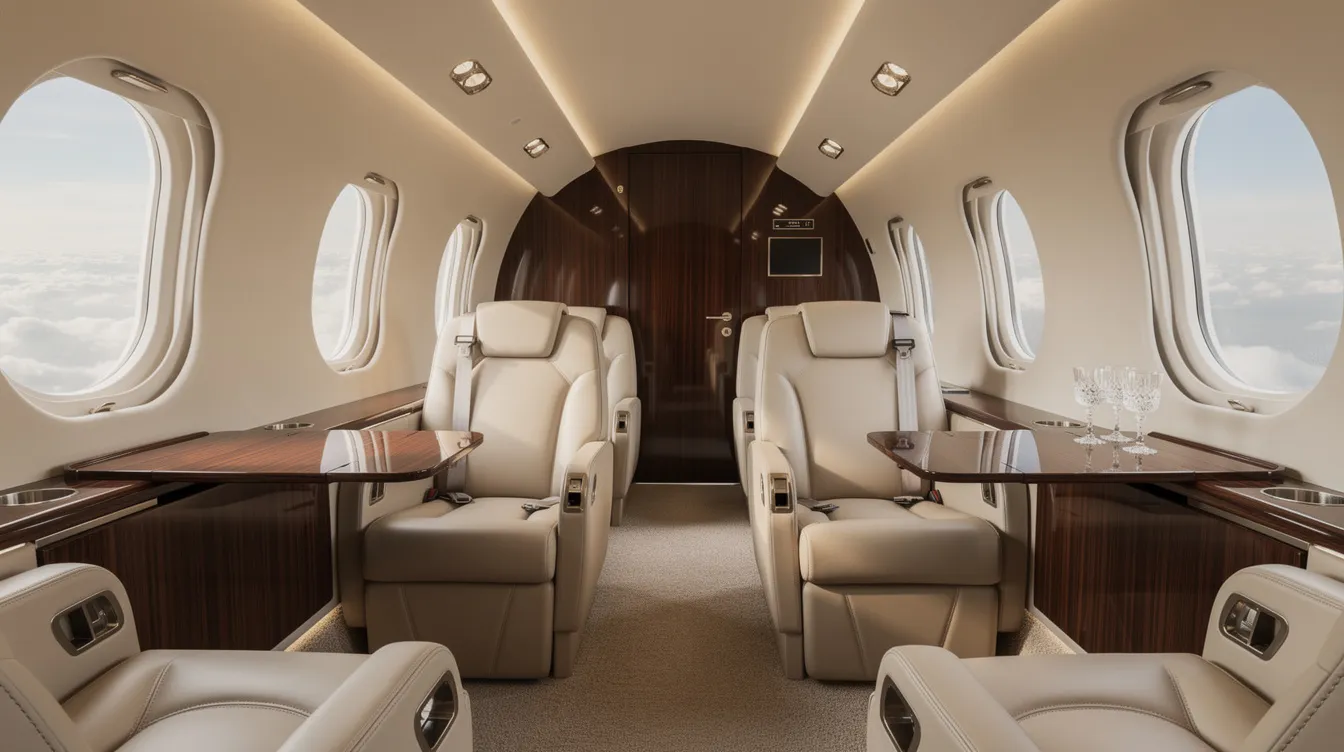
With these tips, you’re ready to book your first private jet flight with confidence. Next, let’s address some frequently asked questions.
FAQ
How far in advance should I book a private jet flight?
Many domestic private flights can be arranged within a few hours for same-day departure, particularly on light jets and midsize aircraft with favorable positioning. However, availability and pricing typically improve when booking 24-72 hours in advance, allowing access to better-positioned aircraft and avoiding rush surcharges.
Peak periods demand significantly more lead time. Christmas and New Year 2026, major sporting events like the Super Bowl, and summer holiday weekends in Europe often require booking several days or even weeks ahead to secure preferred aircraft. Complex international itineraries involving multiple legs, special permits, or overflight authorizations also benefit from extended planning windows—48-72 hours minimum for transatlantic routing.
Can I change my itinerary after I’ve confirmed the booking?
Itinerary changes are typically possible but may incur additional costs depending on their scope. Minor time adjustments of one to two hours can often be accommodated within existing crew duty limits at no charge. Larger changes affecting airport slots, requiring different aircraft types, or pushing crew beyond duty limits trigger rebooking fees, repositioning charges, or wait-time surcharges.
Contact your flight advisor immediately when plans change. Updated options and revised quotes can be provided within minutes for domestic adjustments. Some jet card and membership agreements include more flexible change and cancellation terms than ad hoc charter contracts—an important consideration for travelers whose schedules frequently shift.
What kind of identification or documents do I need to fly privately?
Domestic private flights in the United States require a government-issued photo ID such as a driver’s license or national ID card. The streamlined security process at private terminals involves visual identification verification rather than TSA screening.
International flights require valid passports and any applicable visas, just as with commercial air travel. Share passport details with your booking specialist early so customs and immigration information can be filed correctly through eAPIS (Electronic Advance Passenger Information System). Processing at private customs facilities typically moves faster than commercial terminals, but documentation requirements remain identical.
Are pets allowed on private jet flights, and what are the rules?
Most private jets welcome pets, making private charter an appealing alternative to commercial airlines, which have cargo holds and breed restrictions. However, policies vary by operator and sometimes by specific aircraft, so pet travel must be disclosed during booking.
Health certificates, vaccination records, and microchipping may be required depending on the destination. International trips to or from the United States or the European Union have specific veterinary documentation requirements, including rabies titer tests for entry into the EU. Cleaning fees of approximately $500 may apply, and pets are typically required to remain leashed, crated, or otherwise secured during taxi, takeoff, and landing.
What happens if my commercial connection or meeting runs late?
One of the many benefits of private charter over commercial flights is the scheduling flexibility it offers. Departure can often be delayed to accommodate late-arriving passengers within crew duty limits and airport slot constraints. Unlike fixed routes on commercial carriers with scheduled departure times that cannot change, your charter jet waits for you.
Keep your flight advisor up to date in real time so the crew and operator can adjust plans where possible. Text updates work well for minor delays. Significant delays or same-day schedule changes may incur additional waiting-time or repositioning charges—typically $1,000 or more per hour—which will be communicated before any changes are confirmed. Crew duty limits (14-hour maximum duty days under Part 135) represent the ultimate constraint on how long departure can be pushed.
With these FAQs addressed, let’s review important policies and services that support your private jet travel experience.
Charter Flight Cancellation and Refund Policies
Flexibility is a hallmark of private jet travel, and our private jet company is committed to accommodating our clients' changing needs. We recognize that even the best-laid travel plans can shift unexpectedly, whether due to business developments, personal emergencies, or unforeseen events. That’s why our charter flight cancellation and refund policies are designed for private jet travelers, offering both peace of mind and practical solutions.
When you need to cancel or adjust your flight, our dedicated team is available around the clock to guide you through the process. Depending on the notice period and the specific circumstances, we offer a full or partial refund, or a credit toward a future charter. Our policies are tailored to the unique requirements of private aviation, whether you’re flying on a light jet for a quick getaway or a heavy jet for a transcontinental journey.
We strive to make cancellations and changes as seamless as possible, minimizing disruption to your schedule. Our team will clearly explain any applicable fees or refund timelines, ensuring transparency at every step. With our client-focused approach, you can book your next private jet flight with confidence, knowing that your investment is protected and your needs are our top priority.
With cancellation and refund policies in mind, let's look at how insurance can further protect your private jet travel.
Charter Flight Insurance
Safety and security are at the core of every private jet charter experience. To further protect our private jet travelers, we offer comprehensive charter flight insurance options designed to cover a wide range of scenarios. Whether you’re flying for business or leisure, our insurance products provide an extra layer of assurance, so you can fly privately with complete peace of mind.
Our private jet charter services include access to insurance coverage for trip cancellations, delays, and interruptions, as well as protection against aircraft damage and passenger liability. These policies are crafted to address the unique risks associated with private aviation, ensuring that both you and your flight are safeguarded from unexpected events.
Our team of aviation experts will work closely with you to identify the most suitable insurance solutions for your specific needs. From single flights to ongoing charter arrangements, we’ll help you navigate the available options and select the coverage that best aligns with your travel profile. With our support, you can focus on enjoying your journey, confident that you’re protected every step of the way.
With insurance options explained, let's explore how our customer service enhances your private jet experience.
Charter Flight Customer Service
Exceptional customer service is the foundation of our private jet company. We understand that every private jet traveler has unique preferences and requirements, and our dedicated team is committed to delivering a personalized experience from start to finish. Whether you’re planning a short regional flight or an ultra-long-range international journey, we’re here to ensure every detail is handled with care.
Our team is available 24/7 to assist with all aspects of your charter, from selecting the perfect plane to arranging bespoke catering and in-flight amenities. We pride ourselves on our flexibility and responsiveness, adapting quickly to last-minute changes and special requests. No matter the length or complexity of your flight, our goal is to exceed your expectations and provide a seamless, stress-free experience.
From your initial inquiry to post-flight follow-up, you’ll benefit from the expertise and dedication of our staff. We believe that luxury air travel is about more than just the aircraft—it’s about the people who make your journey extraordinary. Trust our team to deliver operational excellence and personalized service on every charter, supported by BlackJet’s premium private jet cards and programs and the dedicated BlackJet 25+ Hour Jet Card for flexible, fixed-rate private jet access that aligns aircraft choice, membership options, and service levels with your travel profile.
With customer service as a foundation, let's see how technology and innovation are shaping the future of private jet charter.
Charter Flight Technology and Innovation
Innovation is at the heart of our private jet company’s approach to private aviation. We leverage cutting-edge technology to streamline every aspect of the charter process, making it easier and more cost-effective for you to fly privately. Our advanced online platforms provide instant pricing, real-time flight tracking, and seamless booking, giving you complete control over your travel experience.
We continually invest in the latest aircraft management systems and digital tools to enhance operational efficiency and transparency. Our commitment to technology extends to sustainability, with initiatives such as the adoption of sustainable aviation fuels and eco-friendly operational practices. These advancements not only improve the charter experience but also help reduce our environmental impact.
Whether you’re accustomed to commercial airline travel or new to private jet charter, our technology-driven solutions simplify the complexities of air travel. Our team is dedicated to staying ahead of industry trends, ensuring you always have access to the best aircraft, the most competitive pricing, and the highest standards of service in private aviation.
With technology and innovation driving improvements, let's examine our commitment to sustainability and the environment.
Charter Flight Sustainability and Environment
As a leader in private jet charter services, we are deeply committed to sustainability and environmental responsibility. Our private jet company actively pursues initiatives that reduce emissions, minimize waste, and promote eco-friendly practices throughout every stage of your flight, principles that also extend to our guidance for clients exploring premium private jets for sale in the UK and long-term ownership options.
We offer a range of sustainable options, including carbon offset programs and the use of sustainable aviation fuels, allowing our clients to make environmentally conscious choices without compromising on luxury or convenience. Our eco-friendly amenities and operational practices are designed to lessen our carbon footprint and support the long-term health of our planet.
By choosing our private jet charter services, you’re partnering with a company that values both exceptional travel experiences and environmental stewardship. We believe that luxury air travel and sustainability can go hand in hand, and we’re proud to provide charter solutions that help protect the skies for future generations. Fly with us and enjoy the confidence that comes from making a positive impact on the environment while experiencing the very best in private aviation.
Conclusion
Booking a private jet flight in 2026 offers unparalleled flexibility, convenience, and luxury, tailored to each traveler's unique needs. Whether you seek a quick regional hop or an ultra-long-range international journey, today’s private jet charter services provide instant pricing, diverse aircraft options, and dedicated support to ensure a seamless experience from start to finish. Platforms like BlackJet (https://www.blackjet.com/) complement these offerings by providing exclusive access to private jet seats at competitive prices, enhancing affordability and accessibility in the private aviation market.
As the industry continues to innovate, combining cutting-edge technology with a commitment to sustainability and customer service, private jet flight booking becomes more efficient and environmentally responsible. Embrace the future of private aviation with confidence, knowing you have the right aircraft, the best service, and the flexibility to fly your way—anywhere, anytime.


 Sign up with google
 Sign up with Apple