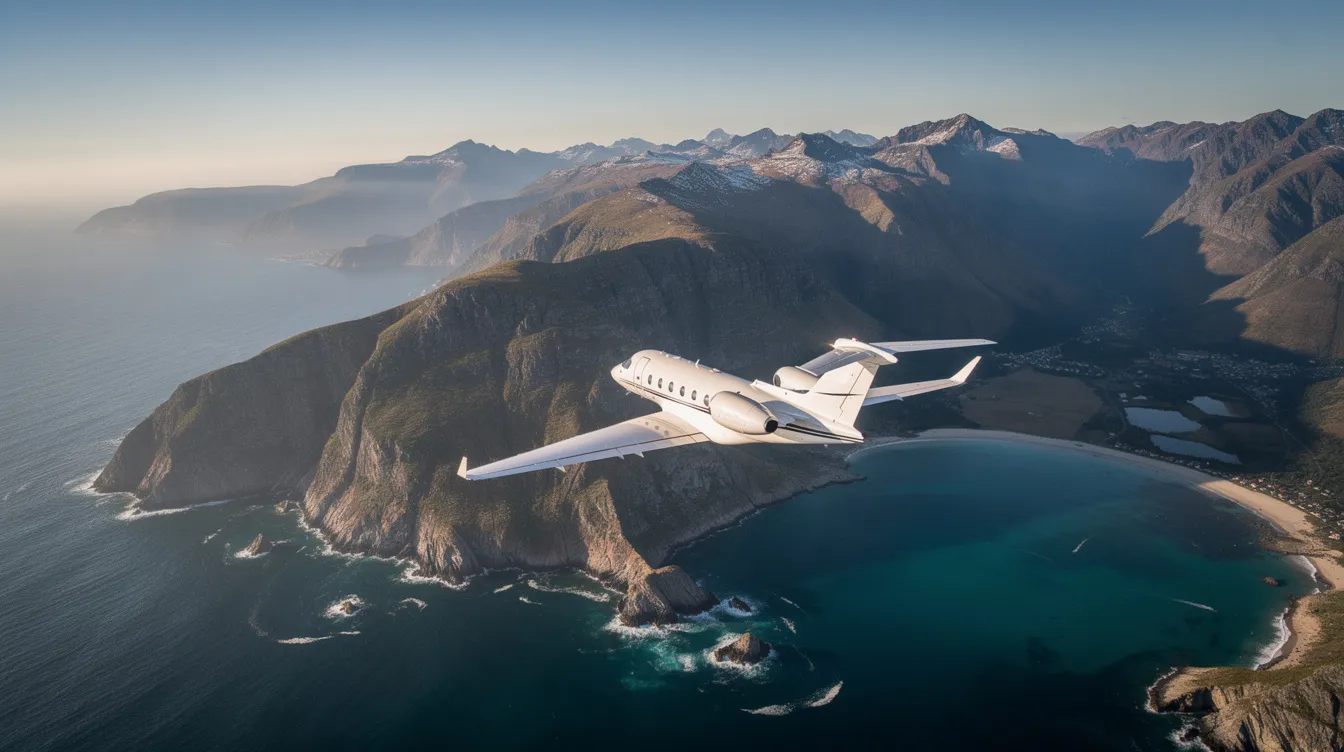
How much does it cost to fly on a private small jet in 2026? The answer depends on whether you charter, buy, or use a jet card-and the difference between those options can mean hundreds of thousands of dollars per year, as explored in detail in guides to small private jet charter costs. This guide breaks down every cost layer, from hourly charter rates and initial purchase price to ongoing costs, taxes, and hidden fees, so you can make a confident decision about flying privately.
Quick Answer: How Much Does a Small Private Jet Cost in 2026?
If you want fast numbers before diving into the details, here's what a private small jet price looks like right now.
2026 charter rates (per flight hour, U.S.):
Very light jets (e.g., Cirrus Vision Jet, Cessna Citation Mustang): about $2,800–$4,800 per flight hour
Light jets (e.g., Embraer Phenom 300E, Citation CJ3+): about $3,500–$5,000+ per hour
Premium turboprop aircraft (e.g., Pilatus PC-12, King Air 250): about $1,800–$3,000 per hour
2026 purchase prices:
Very Light Jets typically cost between $1.5 million and $3.5 million new; pre-owned units run $1.2M–$2.5M depending on age, hours, and condition
Popular light jets: about $9 million to $11 million or more new, with pre-owned models ranging from $3M–$8M
For perspective, a new Gulfstream G650ER costs up to $75 million-small jets offer an entirely different entry point
Ongoing ownership costs:
Operating costs include fixed costs such as crew salaries and hangar storage, typically running $200K–$500K per year
Variable costs add $500–$2,000 per flight hour depending on aircraft type and utilization
For most private jet travelers flying under 150 flight hours per year, chartering or a jet card program is financially smarter than private jet ownership. Jet card programs offer fixed hourly rates for frequent flyers, converting unpredictable spend into a known budget-without tying up millions in a depreciating asset.
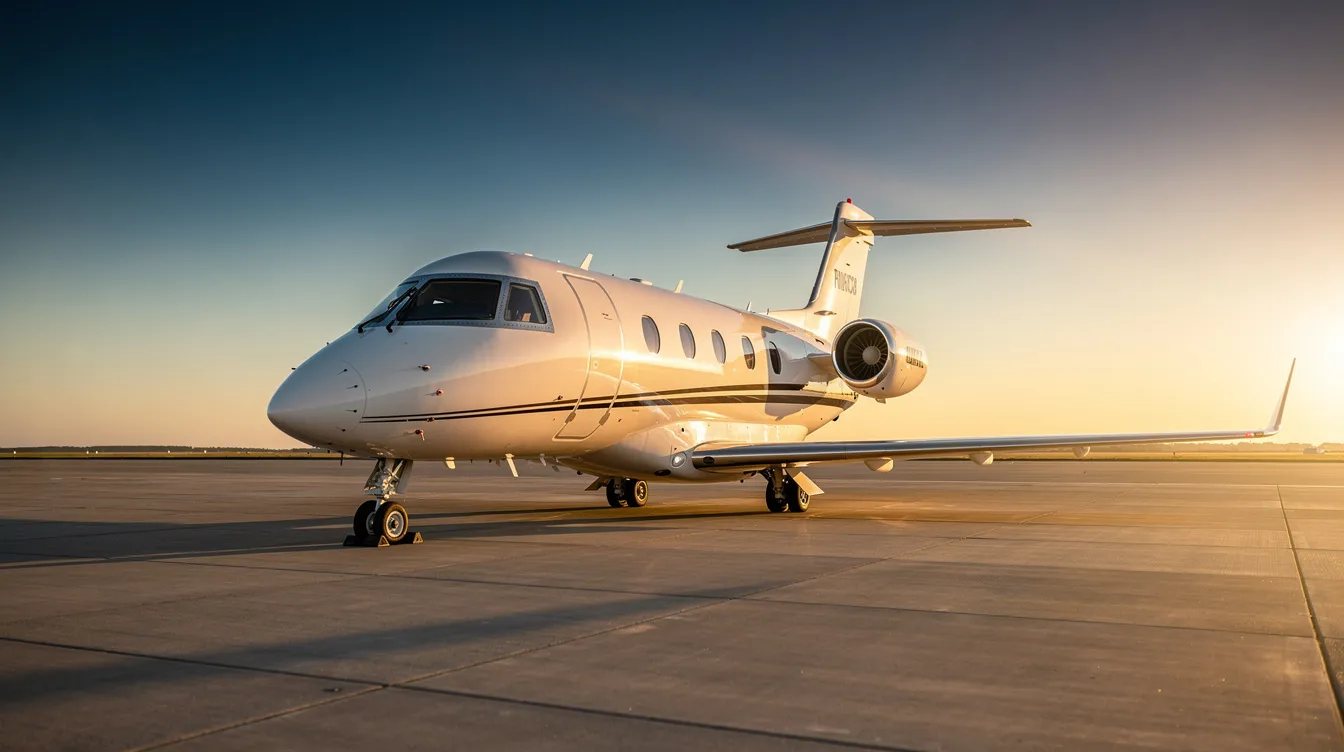
Why Private Small Jets Are a Strategic Advantage, Not Just a Luxury
Private jet travel is a productivity tool, not just a comfort upgrade. For executives, founders, and high-net-worth families, the value isn't the leather seat-it's the hours recovered and the meetings made possible.
Time-saved comparison, New York to Chicago: Commercial business class takes 5–7 hours door-to-door once you factor in security lines, boarding, taxi delays, and ground transportation. A light jet via BlackJet cuts that to roughly 3 hours door-to-door, including car-to-aircraft transfer at a smaller airport.
Day-return capability: A board meeting in another city no longer requires an overnight hotel stay. The cost of that avoided night-hotel, dinner, lost evening productivity, often offsets a meaningful portion of the higher-per-hour cost of private travel.
Privacy for sensitive work: Pre-IPO roadshows, M&A negotiations, and family relocations all benefit from the confidentiality of an entire aircraft reserved for your party alone.
BlackJet combines this strategic edge with audited safety standards and carbon-neutral flights at every tier, ensuring that the premium you pay delivers measurable value beyond speed, and its premium private jet card programs extend those benefits across multiple aircraft categories.
Private Small Jet Categories: VLJs vs Light Jets
The market for private jets is categorized into Very Light Jets and Light Jets. Understanding the distinction is essential because it directly shapes private jet pricing.
Very light jets (VLJs): Very Light Jets typically seat 2–5 passengers and range up to roughly 1,200 nautical miles. Examples include the Cirrus Vision Jet SF50, Cessna Citation Mustang, HondaJet HA-420, and Embraer Phenom 100EV. These are the most budget-friendly jets for owner-flown or short regional flights.
Light jets: Light jets can carry up to 8 passengers with a range of approximately 1,500–2,000+ nautical miles, offering more cabin space and higher cruise speeds. Key models include the Embraer Phenom 300E, Cessna Citation CJ3+/CJ4, and Learjet 45XR.
Premium turboprops for comparison: Turboprop aircraft are the most economical for short flights. The Pilatus PC-12 and King Air 250 can cut per-hour costs by 20–40% versus jets on sub-500-mile legs while still accessing smaller airports that jets cannot.
BlackJet Jet Card members can choose among these categories per trip rather than committing capital to a single owned private aircraft, making it easier to align each mission with the best small private aircraft for the job.
Initial Purchase Price of a Private Small Jet
The initial purchase price is only the starting point of private jet cost, but it sets the baseline for every financial comparison.
Typical 2026 new prices:
Cirrus Vision Jet SF50 G2+/G3: about $3.2M–$3.7M depending on options (AOPA)
HondaJet Elite II: roughly $5M–$7M
Embraer Phenom 100EV: about $4.5M–$5.2M
Embraer Phenom 300E (popular light jet): about $9.65M list price, placing Light Jets typically between $9 million and $11 million or more
Pre-owned price ranges (5–15-year-old aircraft): Buyers evaluating 2 million dollar private jet options will typically be looking at well-maintained pre-owned VLJs, light jets, or turboprops in this bracket.
Citation Mustang: approximately $1.3M–$2.3M
Early HondaJet HA-420: roughly $3.5M–$4.5M
Older Phenom 300: about $6M–$8M
Pre-owned models can cost 20% to 50% less than new models, depending on total time, avionics generation, and maintenance status.
A small private jet's price is influenced by age and condition-two aircraft of the same model can differ by over a million dollars based on engine hours, avionics upgrades, and inspection compliance. Buyers should plan an additional 10–15% of the purchase price for taxes, pre-buy inspections, initial upgrades, and closing costs.
Tying up $3M–$10M of capital-plus absorbing depreciation-is precisely why many BlackJet clients choose Jet Cards instead of attempting to own a private plane.
Operating Costs: What Ownership Really Costs Per Year and Per Hour
Ongoing costs are what make or break private jet ownership economics. The purchase is on day one; the bills arrive every month after.
Typical fixed annual costs for a small jet in 2026:
Hangar fees: $24,000–$60,000/year ($2,500+/month at airports like Teterboro)
Insurance: $30,000–$60,000/year
Crew costs (one or two pilots, salaries and benefits): $150,000–$300,000/year
Scheduled maintenance programs: $80,000–$200,000/year
Average annual fixed costs can be between $500,000 and $2 million when you include all categories for larger aircraft; for small jets specifically, $200K–$500K is more typical.
Annual operating costs for small planes can exceed $16,000 even at the most basic level (for very simple private plane usage), but realistic ownership of a jet-class aircraft is orders of magnitude higher.
Variable per flight hour costs:
Fuel costs: about $400–$1,000 per hour depending on aircraft and fuel prices
Maintenance reserves: roughly $200–$400 per hour for engine and airframe
Miscellaneous (catering, landing fees, navigation): $100–$300 per hour averaged
Concrete example: A Phenom 300 flying 300 flight hours per year may cost $700K–$1.2M annually in total cost, translating to roughly $2,300–$4,000 per flight hour all-in. Maintenance programs for jets can increase resale value but add to annual costs.
Compare that to a BlackJet Jet Card membership where you pay a known per-hour rate-typically $5,000–$7,000 on a light jet-with zero maintenance costs, hangar fees, or crew obligations.
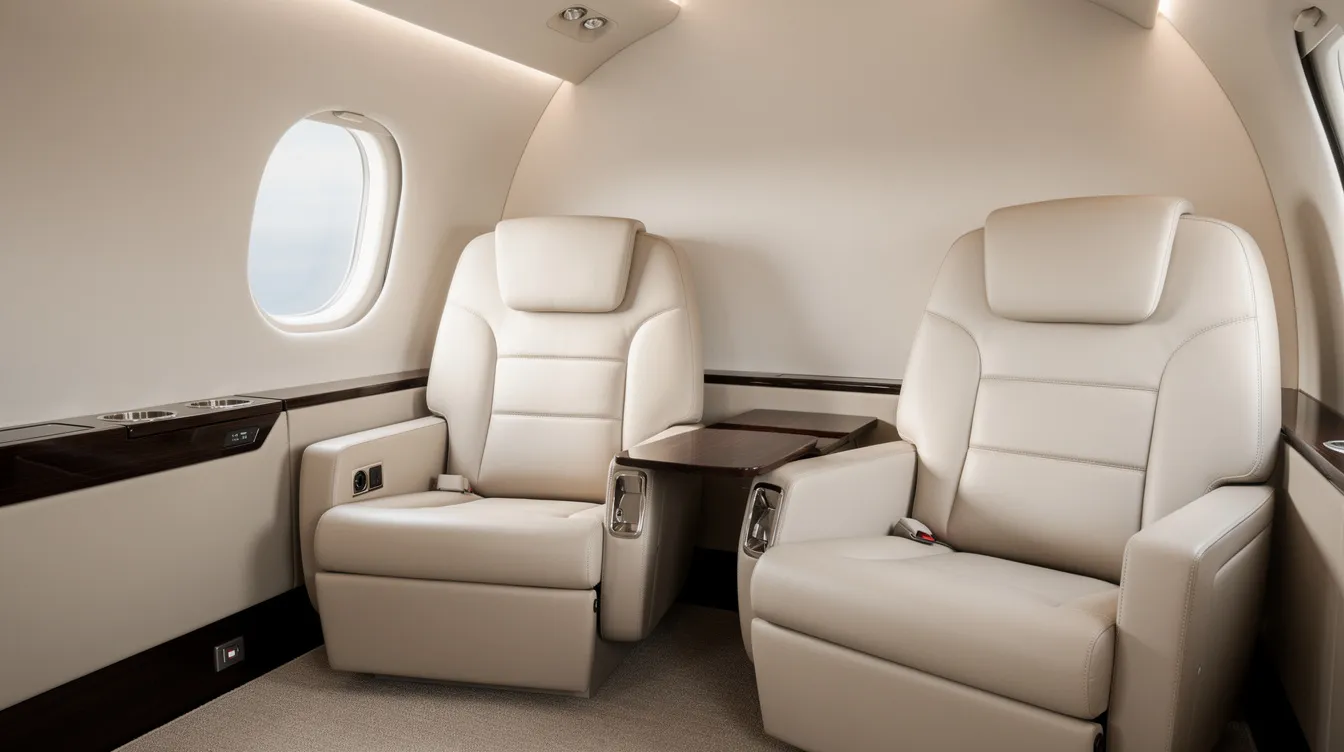
Key Factors That Drive the Price of Chartering a Small Jet
The private jet flight cost for each trip is a combination of the hourly charter rate and several trip-specific variables.
Flight time and flight distance: Air time is billed per hour; longer routes mean proportionally higher cost, though flight duration also affects crew duty limits and overnight requirements.
Aircraft category and age: A newer light jet with modern avionics commands higher charter rates than an older VLJ or turboprop aircraft.
Route and airport choices: Major hub FBOs versus regional airports can mean a difference of hundreds in landing fees and handling charges per stop.
Peak vs off-peak dates: Holiday weekends, major conventions, and seasonal demand spikes can push charter costs up 15–30%.
Aircraft positioning fees: If the jet must reposition (deadhead) to your departure point, that empty leg is often billed to you.
Private jet charter rates can exceed $15,000 per hour for larger aircraft. A federal excise tax of 7.5% is applied to most domestic charter flight invoices, adding meaningfully to the total cost.
BlackJet's Jet Card model converts many of these variables into predictable per-hour pricing with clear, itemized statements-so you know your final cost before you confirm.
Charter Price Examples: What You'll Pay Per Hour and Per Trip
Here are concrete 2026 charter examples for typical business and leisure itineraries. Chartering a private jet costs between $1,800 and $18,000 per hour depending on aircraft class, and the detailed cost to charter a small plane varies based on distance, aircraft age, and routing.
2026 hourly charter rates by category:
Premium turboprops (PC-12, King Air 250): turboprop charters start at around $2,000 per hour for standard operations, though basic turboprop charters start at around $1,000 per hour on older or smaller aircraft. Chartering a small private plane in the lightest piston or basic turboprop category can cost as little as $300 to $600 per hour.
Very light jets: approximately $2,800–$4,800 per hour
Light jets cost between $2,500 and $4,000 per hour to charter on average, though newer models push above $5,000
Heavy jet charters can cost up to $10,000 per hour, and heavy jet charter pricing can climb closer to $10,000 per hour for ultra-long-haul international flights
Scenario 1 – Same-day business trip, light jet: Los Angeles (VNY) to Las Vegas (HND), approximately 230 nm. About 2.0 billable flight hours plus landing fees and handling: total roughly $8,000–$12,000 all-in round trip. Split among 4–6 executives sharing the cabin, the per-person cost approaches premium commercial fare with far greater time savings.
Scenario 2 – Weekend leisure, turboprop or VLJ: New York (TEB) to Nantucket (ACK), 3–4 total flight hours for the round trip: approximately $7,000–$12,000 total depending on aircraft type and peak-season demand.
A BlackJet 25-hour light jet card locks in a fixed hourly rate for trips like these and eliminates ad hoc peak markups, making private jet charter cost predictable; for very frequent flyers, a 100-hour jet card cost analysis helps determine when scaling up block hours becomes more economical.
Comparing Options: Ownership vs On-Demand Charter vs Jet Cards
This is the decision that shapes your annual spend more than any single trip.
Full private jet ownership makes financial sense at typically 250–400+ flight hours per year on consistent routes. Owning a private jet typically requires 200+ flight hours annually to be cost-effective. The owner wants asset control, branding, or a bespoke interior. The tradeoff: capital risk, depreciation, and fixed costs, whether you fly or not.
On-demand charter suits occasional flyers under about 50–75 hours per year. You pay per trip with a wide aircraft selection, but pricing fluctuates and peak availability can be limited. Chartering a private jet remains the most flexible entry point to private aviation, and understanding whether chartering a private jet is worth it depends on how you value time savings, privacy, and schedule control.
Jet card programs (like BlackJet's) are ideal for 50–200 flight hours per year. Prepaid blocks-25-hour and 50-hour cards-offer fixed per-hour rates with guaranteed access and standardized safety.
Fractional ownership allows shares from 1/16th to 50% of a private aircraft, but still involves significant capital and ongoing costs. Leasing a private jet avoids high upfront costs and depreciation risks but locks you into specific terms, so some travelers instead focus on the cheapest private aircraft options or entry-level categories to keep budgets in check.
Annual spend comparison at 75 hours/year on a light jet:
Ownership: often $500K–$900K+ all-in (fixed costs dominate at low utilization)
On-demand charter: roughly $250K–$350K with variable pricing
Jet Card: approximately $300K–$400K with fixed rates, guaranteed availability, and premium service through a provider like BlackJet
For frequent flyers who value consistency over the lowest possible one-off pricing, jet cards represent the strategic middle ground between owning a private jet and ad hoc chartering.
Taxes, Fees, and Surcharges: Beyond the Base Hourly Rate
Base hourly charter rates are only part of the private jet cost. Taxes and fees can add 10–30% to the final cost.
U.S. federal excise tax: Federal Excise Tax is 7.5% on all domestic flights. An additional segment fee of roughly $4.50+ per passenger per flight leg also applies, and these are core components of private jet charter pricing that push the final invoice above the base hourly rate.
Landing fees and handling: Airport landing fees range from $100 to $1,500 per flight depending on airport size, traffic volume, and FBO services. Busy metro FBOs charge premium handling rates.
Crew overnight and per diem: Multi-day trips require hotel and meal coverage for pilots, typically $200–$400 per crew member per night.
Deicing, hangar, and winter protection: Northern airports in cold months add seasonal charges that can total $500–$2,000 per departure.
Fuel surcharges: When jet fuel prices spike above baseline assumptions, many charter operators apply fuel surcharges that increase the billable per-hour rate.
Reputable providers like BlackJet present these in transparent, itemized quotes before you confirm your charter flight, minimizing surprise line items and making private jet pricing straightforward.
Safety, Certification, and Technology: What You're Paying for Beyond the Cabin
Part of every private jet price funds robust safety infrastructure, maintenance oversight, and flight technology-not just the cabin experience.
Third-party safety ratings such as ARGUS, Wyvern, and IS-BAO certification separate rigorously audited operators from the rest. When choosing between private jets and Jet Card providers, these ratings should be non-negotiable. Learn more about how safety ratings protect you.
Modern avionics and safety technology on today's small jets include advanced autopilots, synthetic vision, and envelope protection systems (e.g., Garmin G3000/G5000 suites on newer Phenom and Citation models). Modernized avionics and upgraded features can significantly increase a jet's value-and your safety margin.
BlackJet curates operators and aircraft that meet or exceed industry safety benchmarks and conducts continuous oversight, ensuring that every private flight meets the same standard regardless of which operator provides the aircraft.
Digital booking tools provide 24/7 app and web access, real-time aircraft options, instant Jet Card balance visibility, and integrations like a private jet flight time calculator-bringing transparency and precision to every step of the booking process.
Sustainability and Small Jet Pricing: Carbon-Neutral without Compromise
Many clients now weigh environmental impact alongside private jet cost when choosing how to fly.
Smaller aircraft and turboprop aircraft can be more fuel-efficient on short regional flights than larger aircraft, reducing both fuel costs and emissions per passenger mile on the right routes.
Industry-wide, carbon offset and Sustainable Aviation Fuel (SAF) surcharges are increasingly common, typically adding $50–$200 per flight hour as a separate invoice line item.
BlackJet includes carbon-neutral private flights as a standard part of every Jet Card-300% carbon and emissions neutrality at no additional cost to the member. There's no bolt-on fee and no opt-in required. This positions BlackJet as the premier green private jet option for travelers who refuse to compromise on either performance or responsibility.
How to Reduce Your Private Small Jet Price without Downgrading the Experience
Smart strategies can lower your cost without sacrificing the quality of flying private.
Right-size the aircraft: Use very light jets or turboprop aircraft for up to 4 passengers on sub-500-mile legs instead of booking light jets or midsize jets. The savings on fuel costs and hourly rates can reach 30–40% per trip, especially if you focus on top affordable private planes that are optimized for short missions.
Fly flexible and off-peak: Shifting departure by a day or choosing Tuesday over Friday can sidestep peak demand surcharges. Scarcity pricing during holidays or major events inflates what you pay significantly.
Use regional airports: Flying into White Plains instead of JFK, or Burbank instead of LAX, trims landing fees, handling charges, and ground transfer time-sometimes by an hour or more.
Book empty leg flights: Empty leg flights can save up to 75% off regular charter costs when available. These are repositioning flights where the aircraft would otherwise fly empty, and they represent the single largest discount opportunity in on-demand charter for those focused on flying private as cheaply as possible.
Commit to a Jet Card: For frequent flyers logging 50+ hours per year, a Jet Card locks in predictable per-hour pricing and avoids last-minute charter premiums and aircraft positioning fees.
Consolidate trips: Combining meetings or leisure stops on the same routing spreads crew costs and fixed per-leg fees across more productive stops, lowering the effective cost per mission.
Frequently Asked Questions About Private Small Jet Prices
How much does it cost per hour to fly on a small private jet? In 2026, turboprop charters start at around $2,000 per hour, very light jets run $2,800–$4,800 per hour, and light jets typically range $3,500–$5,000+ per hour; broader analyses of how much to rent a private jet show that larger cabins can push hourly pricing toward $10,000 or more. These are per-aircraft prices, not per seat. For domestic flights on short-haul flights, a VLJ or turboprop offers the most cost-effective option and often overlaps with top affordable private plane choices for new entrants to private aviation. For long-haul flights or international flights, larger aircraft with more cabin space are required, and costs scale accordingly, especially when you step up to private jets for 20 passengers or more for group missions.
At what number of flight hours per year does private jet ownership make sense? Owning a private jet typically requires 200+ flight hours annually to be cost-effective. Below that threshold, fixed costs like crew salaries, hangar fees, insurance, and a monthly management fee drive per-hour costs to levels that exceed charter or Jet Card pricing. Most aircraft owners fly 250–400+ hours per year to justify the capital outlay.
Is a Jet Card cheaper than an on-demand charter? Jet Cards may carry a slightly higher per-hour rate than the cheapest ad hoc charter quotes, but they save money overall through consistency, guaranteed access, and minimized deadhead and positioning costs; understanding jet card pricing structures helps you compare programs accurately. With on-demand charter, pricing fluctuates based on demand, and peak-period markups can be steep. Jet card programs eliminate that unpredictability.
Can I write off private jet travel for business? Many domestic flights and international flights for legitimate business purposes are deductible operating expenses, and similar principles apply when evaluating private jet prices in rupees for Indian-based operations or cross-border missions. However, specific tax treatment varies by entity structure and use case-consult a CPA. BlackJet provides detailed invoices with flight distance, flight duration, and passenger information to support compliance.
What's the cheapest way to access private jets? For the most budget-conscious entry, consider turboprop aircraft or VLJ categories for short regional flights. Chartering a small private plane in the lightest category can cost $300 to $600 per hour for basic prop aircraft, while empty leg flights and buying a seat on a private jet via shared or semi-private models can save up to 75% on charter costs when timing aligns. Through BlackJet, starting with a smaller cabin category and a lower-hour Jet Card option offers the most accessible path to enjoy flying privately.
How do midsize jets and heavy jets compare to small jets on price? Midsize jets typically charter for $5,000–$8,000 per hour, while heavy jet charter rates can cost closer to $10,000 per hour. Small jets and VLJs offer more cabin space than commercial alternatives while keeping the private jet charter cost significantly below larger aircraft categories.
How BlackJet Jet Cards Redefine Small Jet Pricing
BlackJet delivers premier Jet Card access to light jets and other cabin classes with fixed pricing, safety-first operations, and carbon-neutral private flights-all without the burdens of private jet ownership, and ranks among the best jet card options for frequent flyers who value predictability and service.
Core Jet Card products: 25-hour and 50-hour Jet Cards with fixed hourly rates across VLJs, light jets, and larger cabins, complemented by the BlackJet 25+ Hour Jet Card for mid, super-mid, and large cabins. Hours never expire, unlike many competitor programs that impose 12–24-month usage windows.
Benefits vs ownership: No initial purchase price, no depreciation, no crew or hangar obligations. You pay only for actual flight hours on a pre-owned aircraft or new aircraft managed by vetted operators-without worrying about maintenance costs or monthly management fee obligations.
Benefits vs on-demand charter: Guaranteed availability, capped or no peak surcharges, standardized aircraft quality and safety checks, 24/7 support. Every larger aircraft or smaller aircraft meets BlackJet's proprietary certification standards.
Sample client scenario: A founder flying from NYC to Miami twice per month on an hour light jet card logs about 80 flight hours per year. Annual spend through BlackJet: approximately $560K–$600K with fixed rates and unlimited flight hours that never expire. Compare that to buying a VLJ at $3M+ plus $300K–$500K in annual costs, or ad hoc chartering at variable rates that spike during Miami's peak season. The Jet Card delivers predictable total cost, premium service, and zero asset risk.
Explore BlackJet Jet Cards and discover how prepaid private jet access can reshape your travel. Request a tailored cost comparison-ownership vs charter vs Jet Card-based on your expected yearly flight hours and preferred routes.
Conclusion: Choosing the Right Private Small Jet Strategy for Your Budget and Lifestyle
How much does it cost to fly on a private small jet? The answer always depends on aircraft type, annual usage, and whether you own your own private plane, charter, or use a Jet Card.
Chartering small jets runs roughly $1,800–$5,000 per hour in 2026 across turboprops, VLJs, and light jets.
Owning costs hundreds of thousands per year in ongoing costs even at moderate utilization, before you factor in depreciation on your own private jet.
Jet Cards convert unpredictable charter spend into pre-purchased flight hours at fixed charter rates.
The serious question isn't just about the sticker price per hour. Evaluate the total cost of time, flexibility, privacy, and reliability. Private aviation rewards those who match the right access model to their actual travel pattern—not those who chase the lowest hourly rate without considering the full picture.
Contact BlackJet for a personalized private jet cost plan and sample itineraries built around your real routes and flight hour expectations. The right strategy turns private travel from an expense into an advantage.


 Sign up with google
 Sign up with Apple