If you fly Alaska Airlines on West Coast regional routes, there is a good chance you will board an Embraer 175. Knowing exactly where to sit—and where not to—can make the difference between a productive flight and a forgettable one. This guide breaks down the seat map, highlights the best and worst seats, walks through the cabin experience in every class, and shows how private jet access through BlackJet compares for travelers ready to skip the seat selection game entirely.
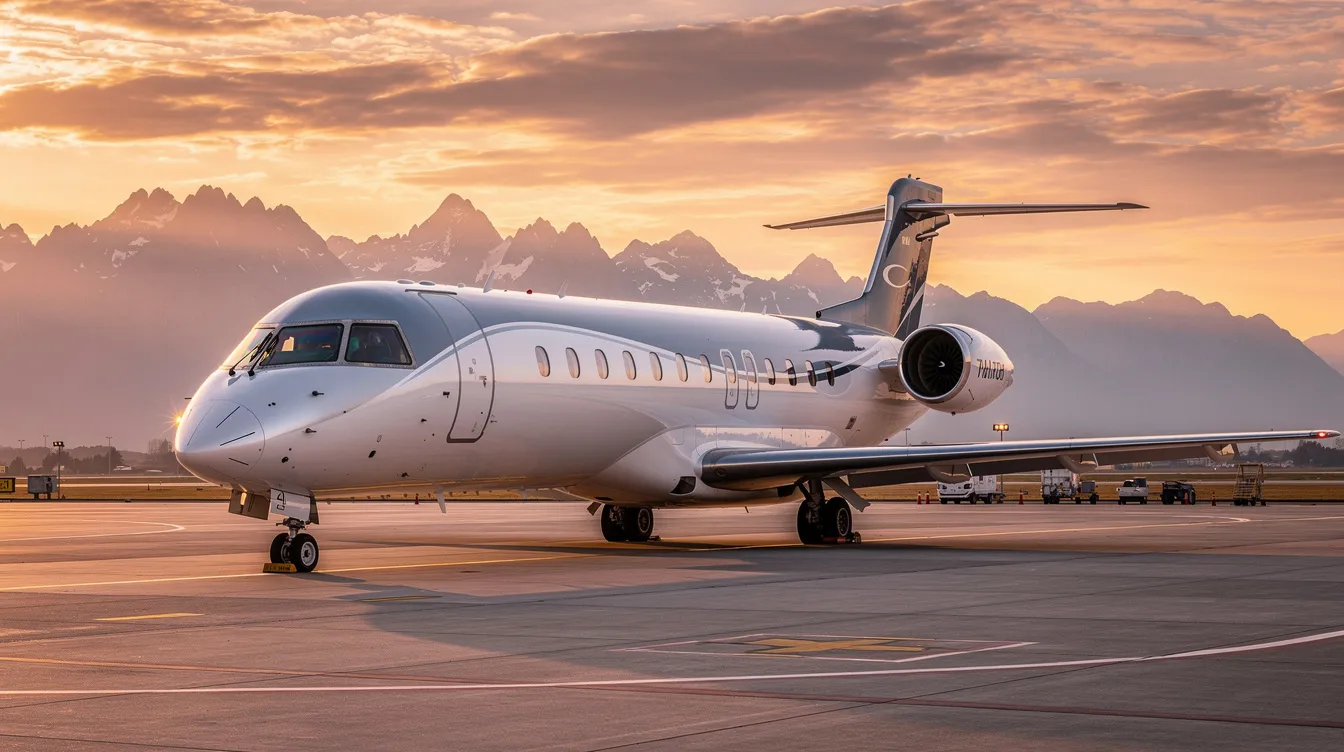
Alaska Airlines Embraer 175 Seat Map at a Glance
The Alaska Airlines Embraer 175 typically seats 76 passengers across three cabins. First class occupies rows 1 through 4 with 12 first class seats arranged in a 1x2 seat configuration—a single seat on the left side of the aisle and a pair on the right. Behind it, premium economy (marketed as Premium Class) fills rows 5 through 7 with 12 seats in a 2-2 layout. The remaining 52 economy seats run from rows 8 through 21, also in a 2-2 configuration. Combined, the Premium Class and Main Cabin of the E175 consist of 64 seats in a 2-2 layout.
The absence of middle seats is considered a major comfort advantage on the E175. Every seat on this plane is either a window or an aisle, which is a meaningful upgrade over the 3-3 narrowbodies passengers face on other airlines.
Here is a quick reference for seat dimensions by cabin:
Cabin | Seats | Layout | Pitch (Legroom) | Width |
|---|
First Class | 12 | 1-2 | 36–38 inches | ~20″ |
Premium Economy | 12 | 2-2 | 34 inches | ~18″ |
Economy Class | 52 | 2-2 | 30–32 inches | ~18.2″ |
Key Takeaways: Alaska Airlines Embraer ERJ 175 & Private Jet Alternatives
The Alaska Airlines Embraer 175 offers a comfortable regional flying experience with a 76-seat configuration across First Class, Premium Economy, and Economy cabins, featuring no middle seats and generous legroom compared to typical regional jets.
First Class on the E175 provides a 1x2 seating layout with direct aisle access, complimentary beverages including alcohol, light meal service on longer flights, Wi-Fi, and power outlets at every seat.
Premium Economy offers a valuable upgrade with 34 inches of legroom and early boarding, while Economy seats are wider than standard narrowbodies and arranged in a 2-2 layout for enhanced comfort.
Passengers should avoid seats like 6B due to aisle traffic and bulkhead seats in First Class due to lack of under-seat storage during takeoff and landing.
Compared to commercial flying, private jet access through BlackJet offers unmatched convenience, privacy, and customization, eliminating seat selection stress and airport hassles while ensuring rigorous safety standards.
Sustainability is a priority in both commercial and private aviation, with the Embraer 175’s fuel-efficient winglets and BlackJet’s carbon-neutral flight options through verified offsets.
For frequent travelers on West Coast regional routes, upgrading to a BlackJet Jet Card transforms travel from a seat map puzzle into effortless, premier access to multiple jet categories with real-time booking and support.
Main Cabin seats have a pitch of 30-32 inches, while first class seats offer 36-38 inches of legroom, and premium economy seats provide 34 inches of legroom. Economy class features 32 inches of legroom at the upper end of that range.
The Embraer E175 has two bathrooms for passenger convenience—one forward near the first class cabin and one aft near the last economy rows. The aircraft also carries two lavatories and a forward galley.
For a private jet traveler accustomed to a fully private cabin with no seat map to study at all, this layout is a reminder of the trade-offs commercial aviation requires—even in first class. But for those flying commercially, this regional jet is one of the more comfortable options in the sky.
Best & Worst Seats on the Alaska Airlines Embraer 175
Think of this as your SeatGuru-style cheat sheet: specific seat numbers worth targeting and ones to avoid on Alaska's Embraer 175.
Seats to Pick
1A (First Class, left side): First class solo travelers prefer the A-side single seats for privacy and access. Seat 1A gives you a row to yourself with immediate beverage service and no seatmate. The trade-off is proximity to the galley and curtain, which means more noise and light during service. Travelers who want to replicate that quiet, premium feel on their own schedule often look into buying a seat on a private jet as a next step.
Rows 3–4 in First Class: Quieter than the front row, still with generous recline and under-seat storage. Ideal for early morning flights like Seattle–San Diego or Los Angeles–Portland where rest matters.
Rows 5–7 (Premium Class): The sweet spot for value. You get extra legroom over economy, early boarding, and quick deplaning—enough room to work comfortably with a laptop open. A smart upgrade for frequent flyers who don't always need a first class cabin.
Seats to Avoid
Row 6B: Passengers recommend avoiding Row 6B due to aisle traffic during boarding. This seat faces heavy foot traffic and can feel exposed during the entire boarding process.
Bulkhead seats in First Class: These offer generous knee room but bulkhead seats in First Class have no under-seat storage during takeoff and landing. Tray tables fold out of the armrest, which reduces effective seat width.
Last rows (20–21): Limited recline, constant foot traffic to the aft lavatory, and galley noise make these the least desirable economy seats on the plane.
Window Alignment & Power
Certain rows experience misaligned window views that can require leaning forward—particularly in rows 7 through 9 and some mid-economy seats on the A and D sides. If you are a window lover, check the seat map on Alaska's website before confirming your seat.
Each first class seat has power outlets available, including AC power. Some premium economy and economy rows may share outlets or lack them entirely, which matters for laptop-heavy travelers on longer flights.
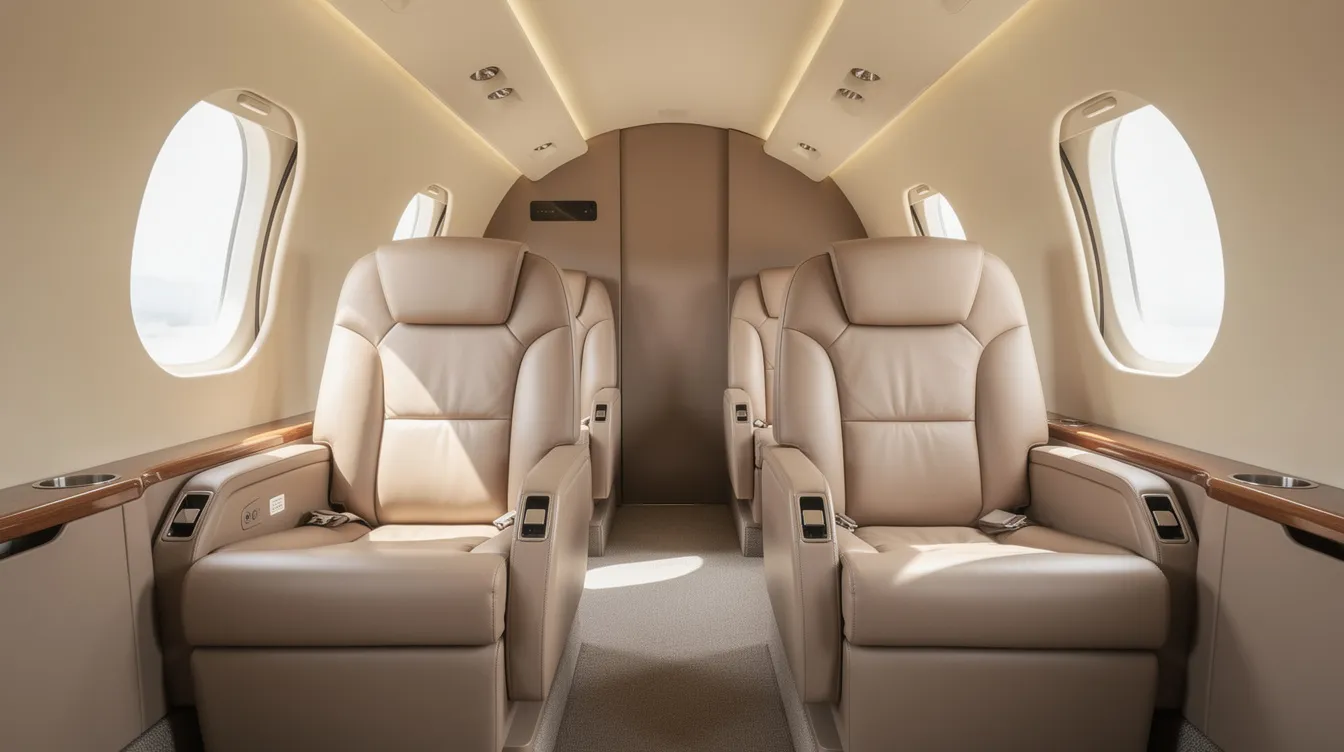
Cabin Experience: First Class, Premium Economy & Main Cabin
Below is a summary table of key amenities and differences between cabins for quick comparison:
Cabin | Seat Layout | Legroom (Pitch) | Seat Width | Amenities |
|---|
First Class | 1-2 | 36–38 inches | ~20″ | Priority boarding, complimentary checked bags, free alcohol, light meals, Wi-Fi, power outlets |
Premium Economy | 2-2 | 34 inches | ~18″ | Early boarding, extra legroom, complimentary drinks, Wi-Fi, some power outlets |
Main Cabin | 2-2 | 30–32 inches | ~18.2″ | Streaming entertainment, Wi-Fi, buy-on-board snacks, basic beverage service |
First Class Cabin
The first class cabin on the E175 has 12 seats in a 1x2 seating configuration. Priority boarding gets you settled quickly, and complimentary checked bags come with most first class fares. The Embraer E175 features a 1x2 seating configuration in First Class that ensures every passenger has direct aisle access or a private solo seat.
Service is a highlight. Alaska Airlines offers complimentary beverages in First Class, including alcohol. Passengers can expect a light meal service on flights over 670 miles—think warm nuts, chicken skewers, and seasonal snack boxes. The E175 includes Gogo Wi-Fi and power at each first class seat, so productivity is rarely an issue.
The cabin features Wi-Fi and streaming entertainment available through Alaska Beyond, accessible on personal devices. Overhead bins fit standard roll-aboards, and the forward lavatory is reserved primarily for first class use—the E175 has two bathrooms, one for each class.
Cons: No lie-flat option, no suite-style privacy, and limited recline compared to widebody aircraft. For a short regional hop, it is more than adequate. For anything beyond three hours, the limitations start to show.
Premium Economy (Premium Class)
Twelve seats behind first class with approximately 34 inches of pitch in a 2-2 layout. You get early boarding, complimentary drinks, and enough legroom to open a laptop without contorting. For regular West Coast business travelers—Seattle to San Francisco, Portland to Los Angeles—this is the class cabin that offers the best return on an upgrade dollar, though some eventually compare it with the cost to rent a private jet for maximum schedule control.
Main Cabin (Economy)
The main cabin holds 52 seats. E175 economy seats are 18.2 inches wide, wider than those on standard Boeing 737s, and the 2-2 layout means every economy cabin seat is an aisle or window. The aircraft offers streaming entertainment and Wi-Fi access in all rows, with buy-on-board snacks on longer flights and basic beverage service on shorter ones.
Users consistently praise the Embraer 175's larger windows and quieter cabin compared to CRJ regional jets. The community of frequent flyers tends to rate this aircraft among the best in the regional fleet. But the thin seat cushions in some rows and limited recline near the rear remain common complaints in every review.
How a Private Jet Compares
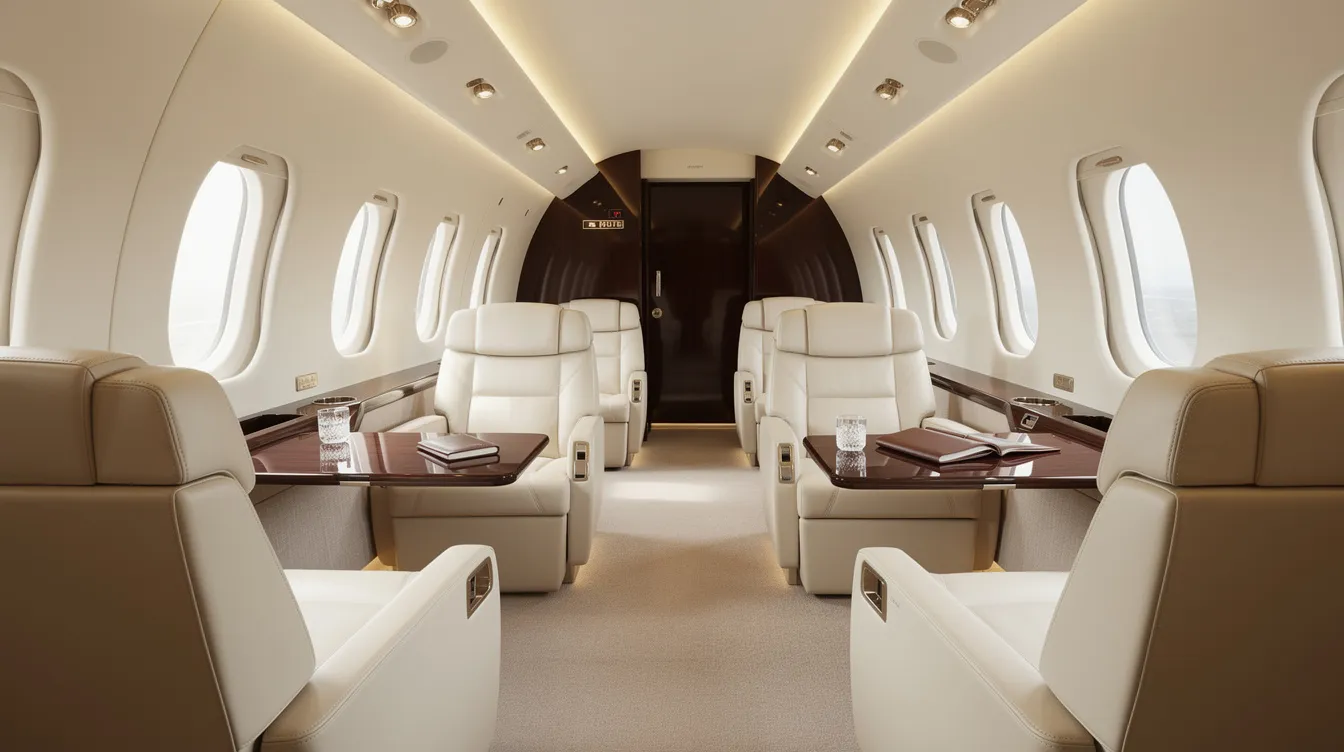
Contrast all of the above with a BlackJet premium private jet experience: fully private seating with no strangers, custom catering instead of a set meal trolley, total freedom in aircraft selection, and the ability to arrive at a private terminal minutes before departure. There is no seat map to study, no overhead bin to fit your bag into, and no galley noise to tolerate. For the owner of a BlackJet Jet Card, the question shifts from "which seat?" to "which aircraft?"
From Studying Seat Maps to Skipping Them: Private Jet Alternatives
BlackJet Jet Card Overview
If you have read this far, you already know the details of every row on Alaska's E175. But many frequent travelers eventually reach a point where optimizing a commercial seat map yields diminishing returns—and that is where private aviation enters the picture.
BlackJet's Jet Card model is straightforward: members pre-purchase 25 to 50 hours of flight time and gain access to multiple aircraft categories, with options like the BlackJet 25+ Hour Jet Card providing fixed-rate access to mid, super-mid, and large-cabin jets. A light jet charter covers short hops equivalent to Alaska's E175 routes, while midsize and large-cabin jets handle longer trips. Booking happens on demand through a 24/7 digital platform—no waiting for award availability, no upgrade lottery.
Time Savings and Convenience
The time savings are concrete. On a Seattle–San Francisco day trip, a commercial passenger faces 60 to 90 minutes of pre-departure airport time plus TSA screening. A BlackJet member arrives at a private FBO roughly 20 to 30 minutes before wheels-up, boards immediately, and lands closer to the final destination. Over a year of frequent regional travel, those hours compound into days reclaimed. For travelers flying often enough to justify membership, understanding jet card costs and membership pricing becomes part of the calculus.
Safety and Sustainability
Safety is non-negotiable. BlackJet ensures every operator meets rigorous third-party safety and maintenance standards, giving travelers at least the same level of confidence they expect from a major carrier—with far more privacy and control over the experience. For frequent flyers, choosing among the best jet cards for regular travelers also means weighing safety records and service guarantees alongside cost.
Sustainability matters too. The Embraer 175's newer winglets reduce fuel burn and CO₂ emissions by around 6.4 percent, a tangible step forward for commercial aviation. On the private side, BlackJet provides carbon-neutral flights through verified offset programs, ensuring that choosing to fly privately does not come at an outsized environmental cost, even when opting for more budget-friendly private aircraft options.
Choosing the Right Jet Card
The difference between commercial first class and private jet access is not just about a wider seat or a better meal. It is about reclaiming your schedule, eliminating friction at both ends of every flight, and replacing seat-selection anxiety with guaranteed access to a cabin that is entirely yours, often at an hourly rate that becomes predictable once you understand jet card cost per hour.
For those who have mastered the art of picking the right row on the Alaska Airlines Embraer ERJ 175, the next step may not be a better seat—it may be a different plane altogether. As you compare programs, a clear view of jet card pricing structures and benefits helps you choose the right fit. Explore how a BlackJet Jet Card can reshape your travel from a long exercise in seat map research into something far more effortless.
Frequently Asked Questions about Alaska Airlines Embraer ERJ 175 and Private Jet Alternatives
What makes the Alaska Airlines Embraer 175 a comfortable regional jet?
The Embraer 175 offers no middle seats, wider economy seats at 18.2 inches, generous legroom across cabins (up to 38 inches in first class), and two lavatories for passenger convenience. Its 1x2 first class layout and 2x2 economy seating provide a spacious feel uncommon in regional jets.
How does first class on the Embraer 175 compare to private jet travel?
While Alaska’s first class offers priority boarding, complimentary beverages including alcohol, Wi-Fi, and light meals, private jets provide fully private cabins, customized catering, flexible scheduling, and access to private terminals—eliminating seat selection stress and airport hassles. Understanding the broader private jet price list and cost options can clarify when upgrading to private aviation makes sense.
Are there any seats to avoid on the Embraer 175?
Yes. Passengers often avoid seat 6B due to aisle traffic during boarding, bulkhead seats in first class because of no under-seat storage during takeoff and landing, and the last rows (20–21) due to limited recline and proximity to lavatories and galleys.
How does BlackJet’s Jet Card program enhance travel compared to commercial flights?
BlackJet’s Jet Card offers prepaid access to multiple private jet categories with 24/7 digital booking and real-time support. Members experience time savings by arriving just 20–30 minutes before departure at private FBOs, bypassing TSA lines, and enjoying rigorous safety protocols and carbon-neutral flight options. For ultra-frequent users, guides to 100-hour jet card costs can help determine the most efficient commitment level.
Does Alaska Airlines offer Wi-Fi and power outlets on the Embraer 175?
Yes, the Embraer 175 features Gogo Wi-Fi and power outlets at every first class seat, allowing passengers to stay connected and productive during their flight. Travelers comparing commercial productivity with private options often factor in the economics of a 50-hour jet card and its value against their yearly flight time.
Conclusion: Elevate Your Travel Experience Beyond the Seat Map
The Alaska Airlines Embraer ERJ 175 offers a notably comfortable and efficient regional flight experience, with thoughtful cabin layouts, generous legroom, and amenities that exceed typical regional jets. Yet, for discerning travelers who prioritize time, privacy, and seamless luxury, the commercial flight experience—even in first class—can still feel limiting.
BlackJet’s private jet alternatives redefine what it means to fly. With exclusive Jet Card programs, members gain effortless access to a spectrum of aircraft, from light jets ideal for regional hops to larger cabins for extended travel. For those flying with bigger groups, understanding the cost of a 12-seater private jet can help match aircraft size to typical party size. This model eliminates the guesswork of seat selection, reduces airport wait times dramatically, and ensures every journey meets uncompromising safety and sustainability standards.
For frequent travelers on West Coast routes or beyond, upgrading to private jet access through BlackJet is not just a luxury—it’s a strategic advantage that elevates business and leisure travel alike. Those exploring entry points into private aviation often weigh the cheapest private jet options available alongside detailed jet card pricing guides and provider comparisons like NetJets jet card cost overviews or analyses of Flexjet jet card pricing and benefits. If your travel regularly involves larger groups, resources on 16-seat private jet options, the best private jet for 20 passengers, or even large private jets for up to 50 passengers can help you right-size the aircraft to your needs. And for travelers based in specific hubs, such as those considering private jet charters in Karachi, local charter solutions round out the picture.


 Sign up with google
 Sign up with Apple


