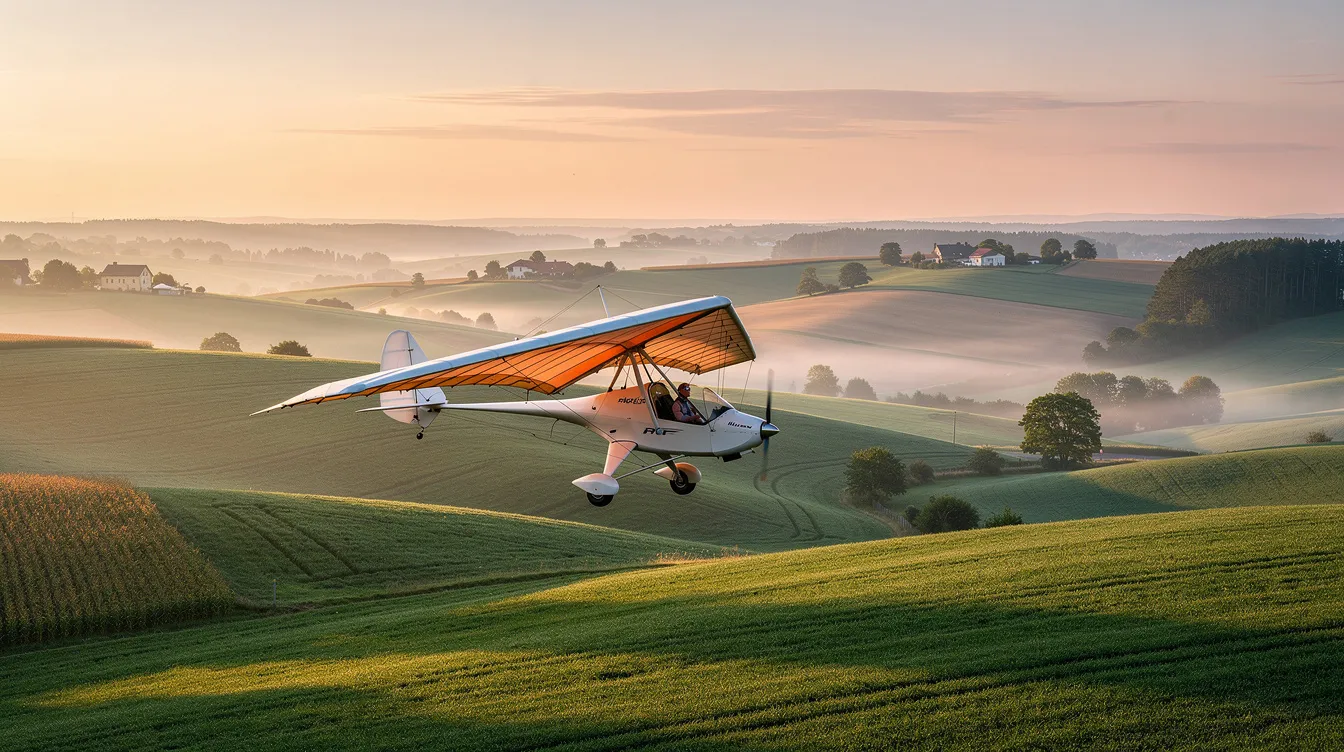
For aviation enthusiasts and discerning travelers alike, the sky offers two very different experiences. Ultralight flights deliver raw, visceral flying at treetop altitude, while private jet access transforms how executives and families move across continents. This guide breaks down the differences, from regulatory frameworks and aircraft types to costs, safety, and the moments when each option makes strategic sense.
This article is designed for aviation enthusiasts, hobbyists, and travelers considering their options. Understanding the differences between ultralight flights and private jet travel matters because it helps you choose the right aviation experience for your needs, budget, and goals—whether you seek the thrill of open-air flying or the efficiency and comfort of business-class travel.
Comparing Ultralight Flights and Private Jet Travel
Ultralight Flights vs. Private Jets: Which Aircraft Fits Your Mission?
Ultralight aviation and premium private jet travel exist at opposite ends of the aviation spectrum, yet both serve travelers who refuse to accept ordinary. Ultralight aircraft and light sport aircraft are purpose-built for short, low-altitude recreational hops where the journey itself is the destination. BlackJet, by contrast, focuses on business-class mission profiles that connect city pairs like New York–Miami, London–Nice, and Los Angeles–Aspen with speed and precision.
The performance gap is dramatic. A typical ultralight cruises at roughly 55–63 mph under FAA Part 103, while light and midsize business jets in the BlackJet fleet operate at 450–530 mph. Ultralight flights are usually single-seat recreational experiences. BlackJet Jet Card programs offer multi-cabin, multi-city itineraries designed for executives and families who need to carry passengers, luggage, and sometimes pets across time zones.
BlackJet provides carbon-neutral, safety-certified private jet flights on every trip. Ultralight aviation is a rewarding hobby; private jets are a strategic travel asset. Understanding both helps you decide where each fits in your life.
What Counts as an Ultralight Aircraft Under FAA Part 103?
Under U.S. regulations, FAA Part 103 defines ultralight vehicles as aircraft used solely for recreation or sport, occupied by only one person, and carrying no airworthiness certificate. Ultralight aircraft do not require registration or airworthiness certificates-a level of freedom unique in aviation.
The specific requirements are precise:
Parameter | FAA Part 103 Limit |
|---|
Empty weight | ≤ 254 pounds (powered) |
Fuel capacity | ≤ 5 U.S. gallons |
Top speed (level flight, full power) | ≤ 55 knots (63 mph) |
Stall speed (power off) | ≤ 24 knots (28 mph) |
Seats | Single seat only |
Ultralight aircraft must weigh under 254 pounds and cannot exceed a top speed of 63 mph. No pilot license is required for ultralight aircraft in the USA, and no written test is required for ultralight pilots. Aircraft exceeding these limits move into light sport aircraft or experimental categories, which demand registration and pilot certification.
Ultralight aviation usually operates in uncontrolled airspace (Class G), with restrictions near busy commercial hubs-the very airports where BlackJet clients typically depart and arrive. BlackJet does not operate ultralights, but many of our members begin their aviation passion in this segment before upgrading to light, midsize, and large-cabin jets.
Types of Ultralight and Microlight Aircraft
The world of ultralight and microlight aviation spans several distinct categories, each offering a different balance of simplicity, portability, and flight experience.
Fixed-wing ultralights are the most common Part 103 aircraft in the U.S.-tube-and-fabric or aluminum airframe designs with high wings, open cockpits, and minimal instrumentation. Models like the Aerolite 103 weigh roughly 235 pounds empty with a cruise speed around 45–63 mph. Ultralights can operate in smaller areas and land on shorter runways due to their lightweight design.
Weight-shift trikes (flex-wing microlights) let pilots control the aircraft by shifting their center of gravity relative to the wings rather than using conventional ailerons. These are popular for sightseeing and recreational flying in open terrain.
Powered parachutes and powered paragliders are slower, highly portable options favored for low-level photography and sensory immersion. Some motors are even backpackable.
Powered hang gliders and minimalistic single-seat designs emphasize simplicity and very low operating cost, sometimes burning under two gallons of fuel per hour.
Amphibious ultralights equipped with floats or hulls can land on water and land, though the extra weight of float gear often pushes these models past the 254-pound limit and into the light sport category.
Ultralight aircraft include powered parachutes and weight-shift trikes alongside fixed-wing designs, rotorcraft variants, gliders, and even autogyro configurations in some regulatory frameworks worldwide, similar in spirit to other budget-friendly light aircraft options that make personal flying more accessible.
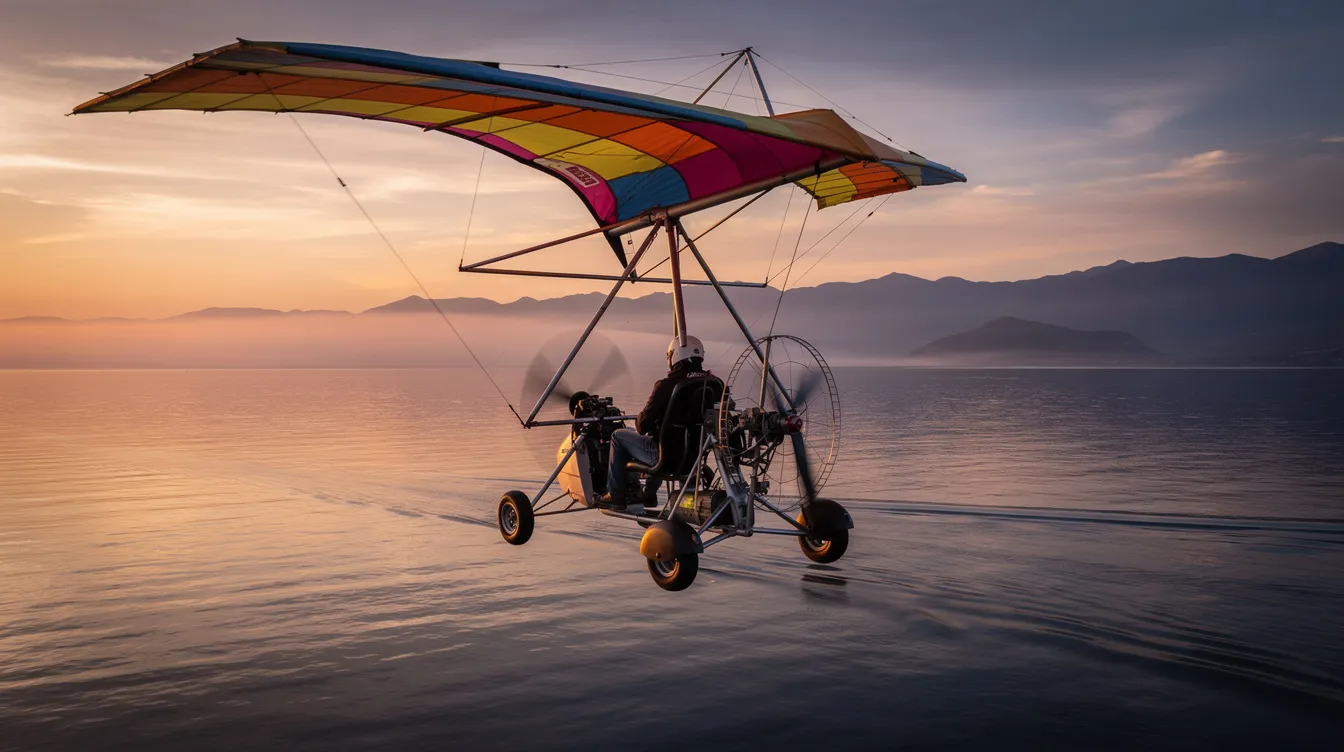
Ultralight Aviation vs. Light Sport Aircraft (LSA)
Many ultralight pilots eventually step up to light sport aircraft as their skills, mission needs, and desired features grow. The transition is natural: more speed, an enclosed cabin, avionics, and the ability to fly with a passenger.
Under FAA definitions, light sport aircraft allow a maximum takeoff weight of 1,320 pounds for landplanes, two seats, and cruise speeds up to 120 knots (about 138 mph), placing them at the smaller end of the spectrum when compared with other private jet sizes. LSA operations require a Sport Pilot certificate, which involves formal flight training, a flight instruction curriculum, and at least a driver's license equivalent medical certificate.
Contrast this with ultralight flying under FAA Part 103: no private pilot license, no N-number, no airworthiness certificate, and no minimum age requirement. Despite that freedom, pilot training is strongly encouraged by every reputable instructor and club.
Many modern LSAs offer enclosed cabins, solid avionics suites, and ranges of 400–700 miles, beginning to resemble the performance of certified small airplanes. Yet even the fastest LSA remains far from the range, comfort, and speed of a private jet.
A natural progression path emerges for those interested in aviation: discovery flights in ultralights, structured instruction and flight training in LSAs, and eventual utilization of private jet access for regional and international travel where time, safety, and productivity matter most, potentially starting with budget-friendly private aircraft and scaling up over time.
Costs: From Entry-Level Ultralights to Premium Private Jet Access
The cost profile of aviation changes radically as you move from recreational ultralight ownership to on-demand private jet usage, and there are also budget-friendly private aircraft options that sit between these extremes. Understanding where each option delivers value helps you allocate resources with precision.
Ultralight ownership:
Ultralight aircraft costs range from $5,000 to $20,000 for used models or basic kits
Ultralight aircraft can be built from DIY kits, and building a DIY ultralight can be more affordable than buying a factory-built model.
New factory-built ultralights often fall in the $20,000–$40,000 rang,e depending on configuration.
Ultralight flying costs are similar to owning a small boat, affordable enough for weekend fun with modest fuel and maintenance expenses.
Light sport aircraft: LSAs typically range from $80,000 to $200,000+, plus hangar, insurance, maintenance, and fuel-a more substantial capital commitment, especially when compared with other small private aircraft options that can fill similar regional missions.
Private jet ownership: Purchase prices start around $1.5 million for very light jets and climb past $20 million for large-cabin aircraft, as outlined in broader private jet price list overviews, though some travelers explore cheapest private jet options to reduce capital outlay. Annual fixed costs-crew, hangar, insurance, scheduled maintenance-often exceed $500,000, which is why many travelers prefer the flexibility of Jet Cards.
BlackJet's Jet Card model offers prepaid blocks of flight hours (25-hour and 50-hour programs) across multiple cabin classes with transparent hourly rates and no asset risk, following the same core principles explained in our guide to jet card pricing and complementary analyses like the 100-hour jet card cost guide. Travelers comparing on-demand charter to membership models often start by understanding how much it costs to rent a private jet. For executives, the value comparison is clear: ultralight flights provide low-cost local fun, while BlackJet delivers high-value time savings, recovering 4–6 productive hours on a New York–Chicago trip, without ownership complexity.
Safety, Training, and Regulation in Ultralight Flying
Safety in ultralight aviation depends heavily on pilot discipline, weather judgment, and diligent maintenance, because regulatory oversight is intentionally light. Pilot error is cited in 60% to 80% of ultralight accidents, underscoring why training is essential for all ultralight pilots-even when the law does not demand it.
Under FAA Part 103, there is no formal requirement for a license, medical certificate, or written exam. No minimum age is required for ultralight flying. Yet reputable instructors and clubs strongly recommend structured flight instruction before a first solo flight-a memorable milestone in any pilot's journey. Common training topics include:
Basic aerodynamics and stall awareness
Takeoff and landing techniques on short or rough strips
Emergency procedures and engine-out protocols
Local airspace rules and weather minima for lightweight aircraft
Restrictions: Ultralights are restricted to daytime flying and cannot operate over congested areas
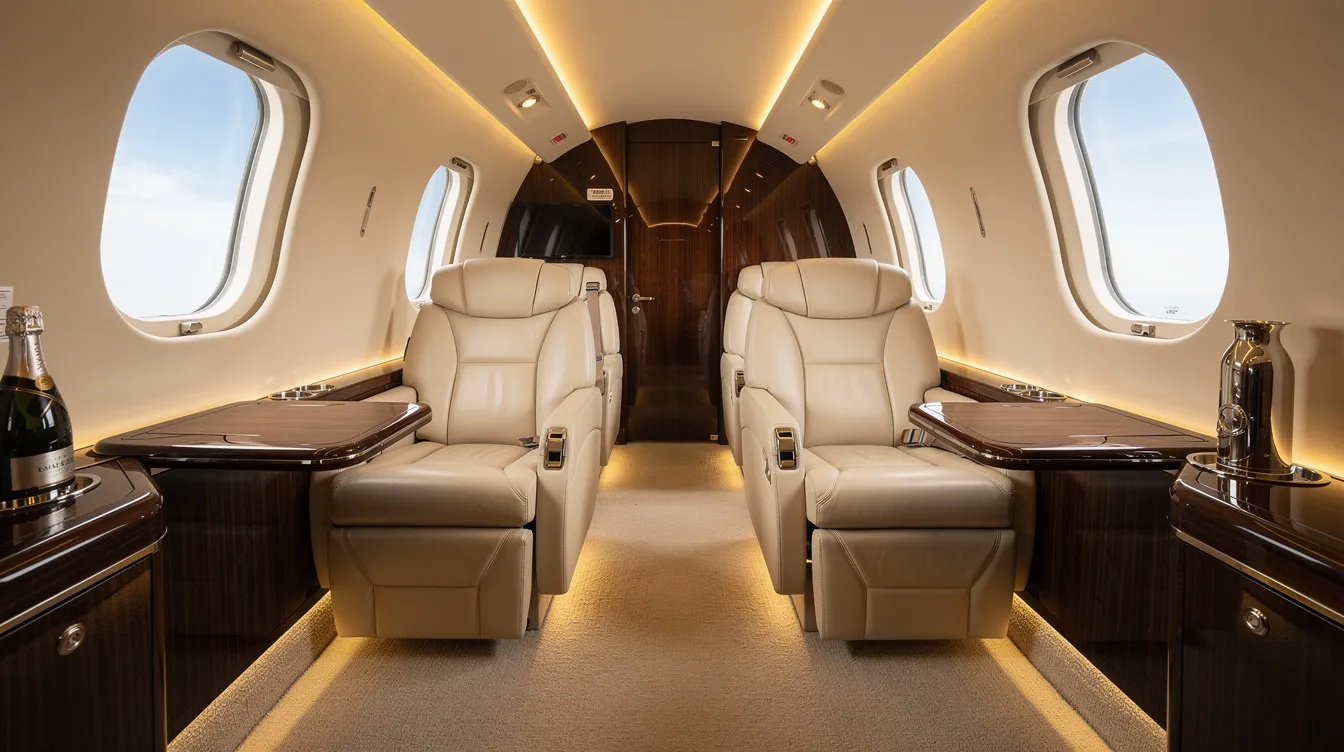
Contrast this with the rigorous safety framework BlackJet requires from its charter operators: third-party audits such as Wyvern Wingman certification, ATP-rated crews, and maintenance under Part 135 commercial standards, all of which contribute to the overall cost of operating private jets and pilots. Ultralight pilots fly VFR only, in daylight and good weather. BlackJet clients benefit from professionally flown IFR operations, redundancy, and robust dispatch service.
Many BlackJet members enjoy ultralight and microlight flying as a sport hobby but rely on professionally crewed jets for night operations, complex routes, or flying family and business associates.
Use Cases: When Ultralight Flights Make Sense-and When to Choose a Jet Card
Ultralight flight profiles and premium private jet itineraries serve fundamentally different purposes. Knowing when to fly ultralights versus when to book a Jet Card is the mark of a traveler who understands both the dream of open-air flying and the discipline of time management.
Ultralight scenarios:
A weekend pilot in central Florida flying a powered parachute at sunrise over farmland, embracing the pure fun of low-altitude immersion
A hobbyist in Arizona using a fixed-wing ultralight for short back-country strips within a 50–80-mile radius, operating from uncontrolled airspace.
BlackJet use cases: Frequent travelers who fly several times per month may also benefit from understanding jet card cost per hour when planning their annual travel budget.
A CEO flying from Los Angeles to San Francisco and back in one day for board meetings on a light jet seating 4–7 passengers
A family flying from London to Olbia with pets and luggage on a midsize or super-midsize jet, covering the journey in under three hours, might select a program after comparing the best jet cards for frequent flyers to match their travel style.e
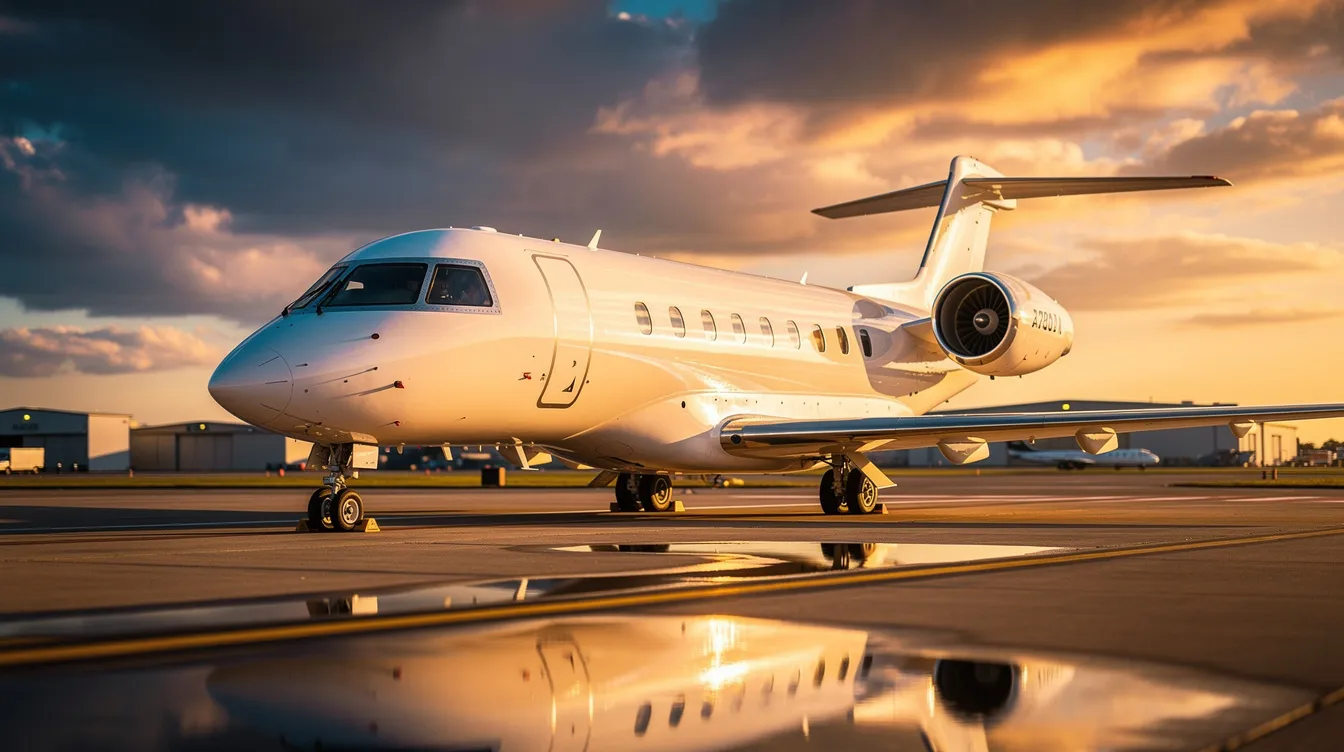
Ultralight and microlight flying is typically a solo or two-person leisure activity with limited payload and no ability to carry passengers beyond one additional seat in the LSA world. BlackJet's aircraft categories cover light jets through large-cabin jets for 10–14 passengers on intercontinental routes, mirroring the broader range of types of private jets available in the market. For clients who love aviation, owning or flying an ultralight feeds a personal passion, while keeping business and family travel on a predictable, professionally operated Jet Card platform keeps operations seamless.
Technology and Sustainability: From Efficient Ultralights to Carbon-Neutral Jet Cards
Ultralight aircraft and microlight aviation carry an inherent fuel efficiency advantage: small two-stroke or four-stroke engines burn just 2–4 gallons per hour, yielding low absolute fuel use for short local flights. That efficiency aligns with broader sustainability goals in the aviation world, but ultralights are not practical replacements for commercial or business aviation due to payload, range, performance, and weather limits.
BlackJet addresses sustainability at scale. Every jet flight is automatically carbon-neutral via verified offsets, without extra action or cost required from the client, while many travelers also look for strategies to fly private more affordably without compromising on comfort or responsibility. Learn more about our approach to sustainable private aviation.
BlackJet's technology platform-24/7 digital booking, optimized aircraft selection by route, and intelligent repositioning-helps reduce empty legs and unnecessary fuel burn across the fleet, whether you’re flying efficient light jets or some of the best private jets in the world. These sales of efficiency compound over thousands of annual flights.
Imagine spending a weekend flying an ultralight over rural Wisconsin, then booking a carbon-neutral BlackJet flight from Milwaukee to New York for Monday meetings. Passion and responsibility, aligned.
Frequently Asked Questions about Ultralight Flights and Private Jet Travel
Q: Do ultralight aircraft require a pilot's license?\
A: In the United States, ultralight aircraft under FAA Part 103 regulations do not require a pilot's license. However, pilot training is highly recommended for safety.
Q: What is the typical cost of owning an ultralight aircraft?\
A: Ultralight aircraft typically cost between $5,000 and $20,000 for used or kit-built models. New factory-built ultralights may range up to $40,000.
Q: Can ultralight aircraft carry passengers?\
A: No, ultralight aircraft under FAA Part 103 are limited to a single seat only. Carrying passengers requires stepping up to light sport aircraft or larger categories.
Q: How do ultralight flights compare to private jet travel in terms of speed?\
A: Ultralight aircraft cruise at about 55–63 mph, whereas private jets in the BlackJet fleet operate at speeds of 450–530 mph, offering much faster travel over longer distances.
Q: Are ultralight flights carbon neutral like BlackJet’s private jet services?\
A: Ultralight aircraft have inherently low fuel consumption due to their size, but they do not typically include carbon offset programs. BlackJet offers carbon-neutral flights through verified offsets at no extra cost.
Q: What safety measures exist for ultralight flying?\
A: Ultralight flying is lightly regulated with no formal licensing or medical requirements, but pilot error accounts for a majority of accidents. Training and adherence to safety protocols are essential. BlackJet private jets follow rigorous third-party safety certifications and professional crew standards.
Q: Can ultralight aircraft operate at night?\
A: No, ultralight flights are restricted to daytime operations under FAA Part 103 regulations.
Q: How can I get started with ultralight flying?\
A: Joining a local Experimental Aircraft Association (EAA) chapter, scheduling an introductory flight, and pursuing recommended training are excellent first steps.
Q: What are the benefits of a BlackJet Jet Card compared to owning a private jet?
A: Jet Cards provide prepaid access to a fleet of professionally crewed jets with no ownership costs, maintenance, or scheduling hassles. They offer flexibility, safety, and carbon-neutral travel for executives and families.
How to Get Started: From First Ultralight Flight to BlackJet Membership
Two parallel paths exist for the aviation-minded: entry into ultralight activity for personal enjoyment and entry into premium private jet access for strategic travel needs. Both are accessible, and neither requires sacrificing the other.
Starting in ultralights:
Find a local ultralight or microlight club-search for Experimental Aircraft Association (EAA) chapters in your area. EAA chapters offer mentorship for ultralight training, and EAA offers scholarships for ultralight flight training.
Schedule an introductory flight with a qualified instructor. Flight training for ultralights is highly recommended, despite it not being legally required. Your first solo flight is a memorable milestone in training.
Explore kits and used aircraft in the $5,000–$20,000 range to begin building experience affordably.
Exploring BlackJet: Travelers comparing providers often look at competitors such as NetJets by reviewing resources on NetJets jet card cost before choosing the right fit, especially when evaluating larger aircraft like those covered in 12-seater private jet cost guides.
Schedule a consultation to discuss your primary city pairs and travel frequency.
Review 25-hour and 50-hour Jet Card options and match aircraft categories-light, midsize, super-midsize, large cabin-to your mission.
Enjoy consistent aircraft access, 24/7 service, and carbon-neutral flights with no ownership burden by leveraging programs like the BlackJet 25+ Hour Jet Card for predictable, fixed-rate travel.
Whether you are drawn to the regulated simplicity of an experimental ultralight or the effortless precision of a professionally crewed jet, the sky rewards those who take the first step. If you already love flying-whether through ultralights, microlights, or light sport aircraft-consider elevating your travel strategy. Discover how BlackJet can reshape your journey for business and long-range leisure missions.
Conclusion: Choosing Your Flight Path
Ultralight flights and private jet travel each offer unique advantages tailored to distinct needs and aspirations. Ultralight aviation delivers an intimate, unpowered connection with the elements and the thrill of flight, ideal for recreation and personal exploration. In contrast, BlackJet’s private jet services provide a strategic, safe, and sustainable solution for high-net-worth travelers seeking efficiency, comfort, and global reach, as detailed in our guide to private jet travel.
By understanding the regulatory environment, cost implications, and operational differences, you can make an informed choice that aligns with your lifestyle and travel goals. Whether embracing the freedom of ultralight microlight aircraft or leveraging the sophistication of BlackJet’s carbon-neutral Jet Cards, the sky is yours to command—on your terms. Learn more about BlackJet’s Jet Card programs to discover how to elevate your travel experience.


 Sign up with google
 Sign up with Apple