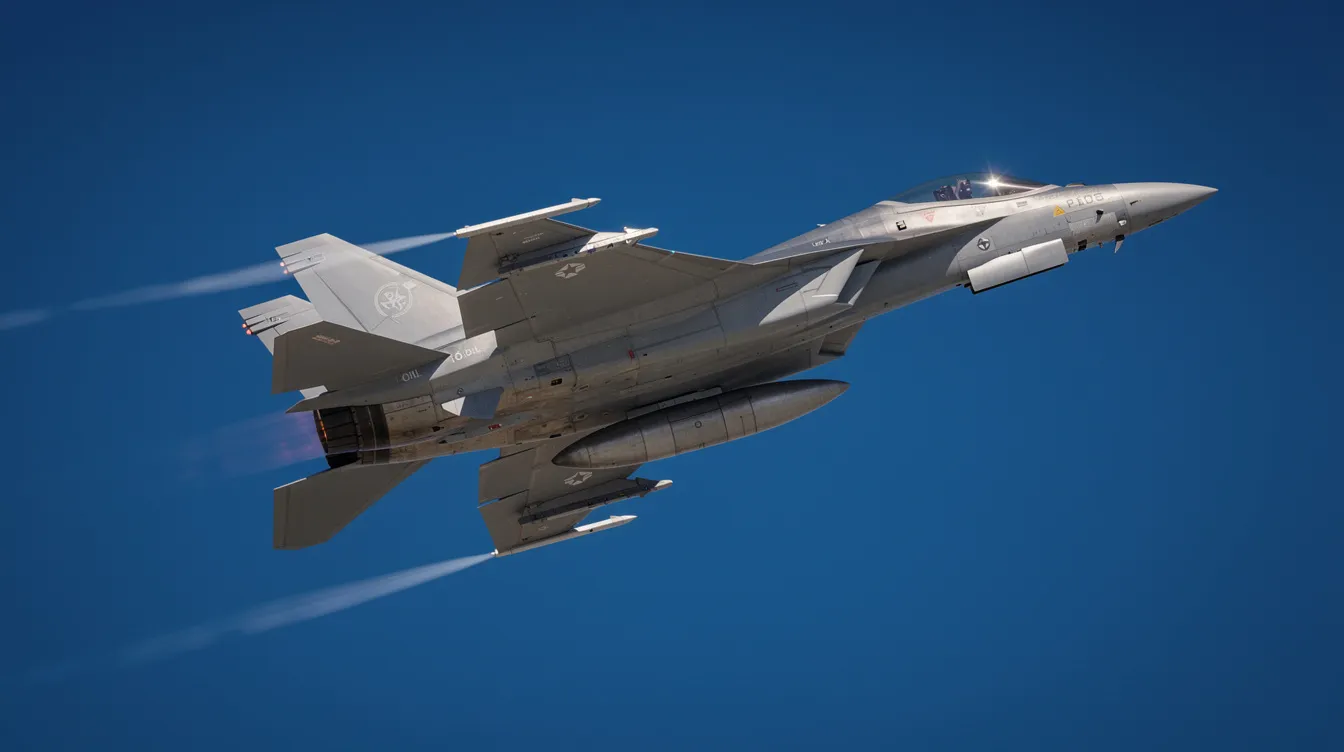
Fighter planes have shaped the outcome of every major conflict since World War I, and they continue to define how nations project power and protect their sovereignty. Understanding what a fighter plane is - from its origins as a machine-gun-armed biplane to today's radar-invisible fifth-generation jets - reveals how deeply aviation technology influences both military strategy and civilian flight. This guide covers the full arc: definitions, generational classifications, core technologies, and the surprising ways fighter aircraft and private jets share a technological lineage.
What Is a Fighter Plane? (Answer the Query Clearly and Early)
A fighter plane is a fast, highly maneuverable military airplane primarily designed for air-to-air combat. These fighter aircraft also perform tactical ground-attack missions, reconnaissance, and escort duties, but their defining purpose is to find, engage, and defeat enemy aircraft in the sky. Fighter planes are characterized by high speed and maneuverability, setting them apart from every other class of military or civilian aircraft. Whether called fighter jets, fighter planes, or simply fighters, these combat aircraft share a common DNA: speed, agility, and lethality.
Fighter planes differ from bombers in their focus on speed and agility rather than heavy payloads. They differ from transport aircraft, which prioritize cargo volume over performance, and from attack aircraft, which sacrifice some air-to-air capability for ground-strike specialization. Private jets, like those operated through BlackJet's Jet Card programs, sit at the opposite end of the spectrum entirely - optimized for passenger comfort, privacy, range, and efficiency rather than combat.
Core missions of fighter aircraft include:
Air superiority - defeating enemy fighters to control the skies
Interception - rapid response to incoming aerial threats
Escort - protecting bombers, transports, and other aircraft during operations
Precision strike - attacking ground targets with guided weapons
Reconnaissance - gathering intelligence from the air
Iconic examples span decades: the F-22 Raptor dominates air superiority, the F-35 Lightning II serves as the premier multirole platform, and the Eurofighter Typhoon anchors European defense. Fighter jets are designed for air combat and reconnaissance first, with everything else secondary to that core mission.
Why Fighter Aircraft Matter in Modern Warfare
Control of the skies has been strategically decisive in virtually every conflict since World War II. During World War I, the first dedicated fighter planes transformed air power from a novelty into a necessity. By World War II, air superiority over Europe, the Pacific, and North Africa directly determined whether ground forces could advance or retreat. Fighter planes are crucial for providing rapid responses to military threats, and that principle has only intensified in the jet age.
In the 1991 Gulf War, F-15C Eagles achieved air superiority within the first 48 hours of Operation Desert Storm, allowing coalition bombers and ground forces to operate virtually unopposed. F-16s performed multirole missions during the Balkans conflicts of the 1990s. In the 2020s, F-35 deployments with NATO air forces in Eastern Europe have reinforced deterrence against potential aggression. Fighter jets establish air superiority in military operations, and that superiority cascades through every branch of a nation's defense.
Key strategic impacts of fighter aircraft:
Enable freedom of maneuver for all military branches
Deter adversaries through visible, credible capability
Protect ground operations, supply lines, and civilian populations
Support rapid power projection across vast distances
Basic Characteristics of Fighter Jets
Modern fighter jets are engineered around a tight set of design priorities that distinguish them from every other type of aircraft. Fighter jets utilize advanced avionics and radar systems for detecting targets, and their airframes are built to sustain extreme physical loads during combat maneuvering.
High thrust-to-weight ratio - powerful engines relative to airframe weight allow rapid acceleration and steep climbs. Modern fighter jets can reach supersonic speeds, often exceeding Mach 2.
Agility and maneuverability - high maneuverability is essential for fighter planes to engage in dogfighting and evade missile threats. Designs use relaxed static stability and fly-by-wire controls to achieve turns exceeding 9g.
Advanced avionics - active electronically scanned array radar, infrared search and track sensors, electronic warfare suites, and secure data links like Link 16 give pilots comprehensive situational awareness.
Compact airframes - fighter jets typically seat 1-2 crew members, keeping the aircraft small and reducing radar signature.
Weapon systems - internal guns, short- and long-range air-to-air missiles, and precision-guided munitions. Stealth fighters carry weapons internally to preserve low observability.
Survivability - ejection seats, radar warning receivers, countermeasures (chaff and flares), and electronic jammers protect the crew.
Air superiority fighters like the F-15 and Su-27 prioritize defeating enemy fighters above all else, while multirole fighters such as the F-16, Rafale, and F-35 balance air combat with ground attack capability. The ability to sustain supersonic speeds in combat separates these machines from virtually any other aircraft category.
From Piston Fighters to Early Jet Fighters: A Short History
The story of fighter aircraft begins in World War I (1914–1918), when unarmed reconnaissance planes evolved into dedicated combat platforms. Early fighters like the Sopwith Camel and Fokker Dr.I were biplanes armed with light machine guns - sometimes just one or two synchronized to fire through the propeller arc. This synchronization gear was the innovation that created the first true fighter planes, turning scouts into hunters.
Between the wars, aircraft development accelerated. Monoplanes replaced biplanes, engines grew more powerful, and retractable landing gear improved speed. By World War II (1939–1945), piston engine fighters dominated the skies. The Supermarine Spitfire defended Britain, the Bf 109 served the Luftwaffe, and the P-51 Mustang escorted Allied bombers deep into Germany. These piston fighters were heavily armed, with machine guns and cannons, and represented the pinnacle of propeller-driven air combat. Night fighters equipped with early airborne radar, such as the Bristol Beaufighter, extended combat operations into darkness - a critical capability against enemy bombers.
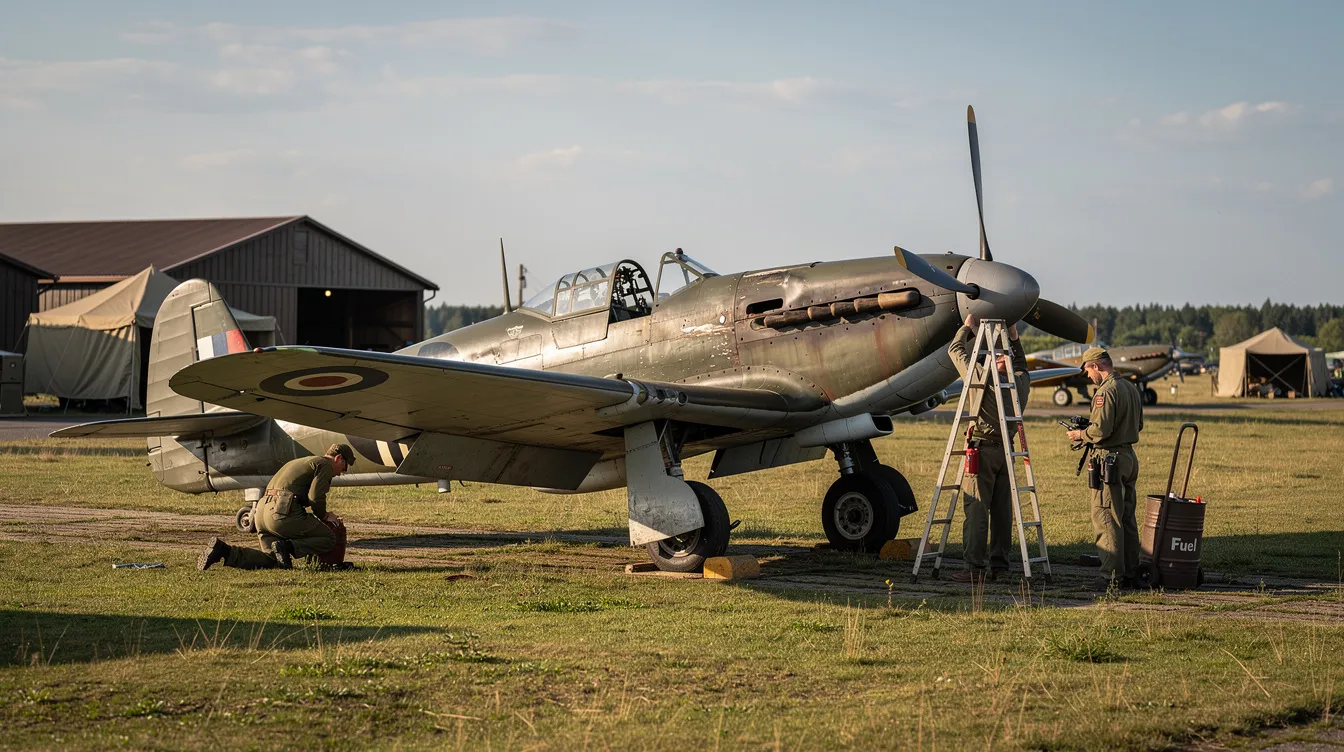
Fighter jets transitioned from piston engines to turbojets in the 1940s, and the leap was dramatic. The first operational jet fighter was the Me 262 in 1944, fielded by Germany late in the war. Britain's Gloster Meteor followed closely. These early jet fighters offered a massive speed advantage over piston fighters but suffered from unreliable engines and short operational life.
Key progression:
WWI (1914–1918): armed biplanes with machine guns; birth of air combat
Inter-war period: monoplanes, retractable gear, more powerful piston engines
WWII (1939–1945): monoplane piston fighters dominate; fighter bombers and long-range fighters extend operational reach
Late WWII / early Cold War (1944+): first jet aircraft enter service, beginning the jet age
Generations of Jet Fighter Aircraft: How Experts Classify Fighter Jets
Fighter aircraft can be classified into generations based on technological advances, from propulsion and avionics to stealth capabilities and networking. These generational labels are informal but widely used by defense analysts, historians, and air forces worldwide. Military aviation uses classifications for aircraft based on their roles and capabilities, and the generational framework helps make sense of more than 80 years of jet fighter aircraft evolution.
First generation (mid-1940s to mid-1950s): early subsonic jets with guns, minimal radar, basic avionics
Second generation (mid-1950s to early 1960s): supersonic capability, swept/delta wings, first air-to-air missiles
Third generation (1960s to ~1970s): improved avionics, multirole design, better missile reliability
Fourth generation (1970s to late 1980s): digital avionics, fly-by-wire, pulse-Doppler radar, true multirole platforms
4.5 generation (late 1980s to 2000s): upgraded fourth generation aircraft with AESA radar, partial stealth shaping, modern data links
Fifth generation (2005 to present): full stealth, sensor fusion, network-centric warfare, internal weapon bays
Some analysts debate where to draw the line between generations. Late-block F-16 variants, for example, are sometimes considered 4.5 generation fighter aircraft rather than pure fourth generation. The concept of a half-generation increment acknowledges that upgrades can push older airframes surprisingly close to next-generation performance without a full redesign.
First Generation Jet Fighters (Mid-1940s to Mid-1950s)
First generation fighters emerged in the 1940s and 1950s as the earliest expression of jet-powered air combat. These were subsonic or barely transonic jet fighters with simple avionics, gun-based armament, and no guided missiles. They relied on visual detection and close-range dogfighting tactics inherited from the propeller era.
Representative aircraft: Messerschmitt Me 262, Gloster Meteor, Lockheed P-80 Shooting Star, MiG-9, early F-86 Sabre
Wings: straight or lightly swept; no delta configurations yet
Radar: minimal or absent on most production aircraft
Engines: early turbojets with short service life and limited thrust
Armament: cannons and machine guns; no guided missiles
Operational context: late WWII aerial engagements and early Cold War patrols; the first jet-versus-jet conflict occurred during the Korean War, where F-86 Sabres clashed with MiG-15s
Second Generation Jet Fighters (Mid-1950s to Early 1960s)
Second-generation jet fighters broke the sound barrier as a matter of routine. Swept and delta wings paired with afterburning jet engines allowed these aircraft to reach and sustain supersonic speeds in a dash, a capability that transformed interception tactics during the Cold War. Second-generation fighters introduced air-to-air radar and missiles - both infrared and semi-active radar-guided - though guns remained as backup weapon systems for close-range engagements.
These generation fighter aircraft were primarily designed as interceptors and fighter-bombers, tasked with countering high-altitude enemy bombers carrying nuclear weapons. The Cold War's existential stakes drove rapid aircraft development across both superpowers.
Key aircraft: F-100 Super Sabre, F-104 Starfighter, MiG-19, early MiG-21, Dassault Mirage III
Propulsion: afterburning turbojets enabling supersonic dash
Sensors: onboard air-to-air radar (limited capability)
Weapons: first guided air-to-air missiles alongside cannons
Roles: interception of enemy bombers, limited ground attack, air defense
Third Generation Jet Fighters (1960s to Around 1970s)
Third generation jet fighters brought a meaningful shift toward multirole capability. Aircraft like the F-4 Phantom II, MiG-23, and Saab 37 Viggen could perform both air-to-air combat and air-to-ground missions, reducing the need for single-purpose fleets. Third-generation fighters featured improved avionics and multi-role capabilities that made them far more versatile than their predecessors.
The Vietnam War and Arab–Israeli wars heavily influenced this generation's development. Early combat experience revealed that missile reliability was lower than expected, leading to a renewed emphasis on close-in dogfighting and the establishment of programs like the US Navy's TOPGUN school for fighter pilots. Technology advances included Doppler radar, early look-down/shoot-down capability, and more capable analog flight-control systems.
Representative aircraft: F-4 Phantom II, MiG-23, Saab 37 Viggen, Mirage F1
Avionics: pulse-Doppler radar, improved electronic warfare beginnings
Missiles: more reliable beyond-visual-range weapons, though still inconsistent
Design: variable-geometry (swing) wings on some platforms
Training impact: conflicts drove creation of dedicated air combat training programs
Fourth Generation Jet Fighters (1970s to Late 1980s)
Fourth generation jet fighters represent a quantum leap in capability. Fourth-generation fighters introduced digital avionics and multirole capabilities, combined with fly-by-wire flight controls that allowed designers to build intentionally unstable airframes - aircraft that could not be flown without computers but offered extraordinary agility. Fourth-generation fighters emphasized digital avionics and fly-by-wire systems as their defining technological signature.
These fourth-generation fighters were optimized using energy-maneuverability theory, producing aircraft that could transition seamlessly between air superiority, ground attack, and reconnaissance in a single sortie. The F-15 Eagle, for example, was built with the motto "not a pound for air-to-ground" but eventually spawned the F-15E Strike Eagle variant for precision strike.
Key aircraft: F-15 Eagle, F-16 Fighting Falcon, Su-27, MiG-29, early Eurofighter Typhoon and Rafale designs
Avionics: pulse-Doppler radar, head-up displays, helmet-mounted sights
Controls: fly-by-wire enabling relaxed static stability
Weapons: all-aspect infrared missiles, beyond visual range radar-guided missiles, precision-guided munitions
Materials: increased use of composites for weight reduction and durability
Roles: true multirole - fourth generation aircraft could perform air superiority, strike, and reconnaissance from a single platform
Four and a Half Generation Jet Fighters (Late 1980s into the 1990s and 2000s)
The 4.5 generation represents a half-generation increment over standard fourth-generation designs. These upgraded generation jet fighters incorporate partial stealth shaping, radar-absorbent materials, and significantly enhanced avionics - most notably active electronically scanned array radar - without undergoing a complete airframe redesign for full low observability.
Examples: F/A-18E/F Super Hornet, Eurofighter Typhoon, Dassault Rafale, late-model F-16 (Block 70), Saab Gripen E
Radar: AESA radar offering superior range, reliability, and electronic warfare capability
Cockpit: glass cockpits with large multifunction displays replacing analog gauges
Data links: improved secure communications enabling better coordination across formations
Precision weapons: wide range of precision-guided air-to-ground munitions
Stealth: limited signature reduction through shaping and coatings, but not full stealth
Service life: many of these fourth-generation aircraft with upgrades remain frontline assets in the 2020s across dozens of air forces, thanks to their favorable cost-capability balance
Fifth Generation Jet Fighters (2005 to Present)
Fifth-generation jet fighters are designed from the ground up around stealth, sensor fusion, and network-centric warfare. These are not upgraded legacy airframes - they are new aircraft conceived to operate in contested environments where survival depends on remaining invisible to radar while processing vast quantities of sensor data in real time. Fifth-generation fighters like the F-22 Raptor feature stealth technology, and their design philosophy prioritizes information dominance as much as kinematic performance.
Fifth-generation fighters feature stealth technology for low radar visibility. The F-35, designated the joint strike fighter program's centerpiece, has a radar cross-section equivalent to a golf ball - making it nearly invisible to conventional radar systems at operational ranges. The F-22 Raptor can supercruise at Mach 1.8 without afterburners, allowing it to maintain supersonic flight without the fuel penalty and infrared signature of afterburner use. Fifth-generation fighters utilize advanced sensor fusion for situational awareness, combining data from radar, infrared sensors, electronic warfare systems, and off-board sources into a single coherent picture. Fifth-generation fighters are designed for network-centric operations, functioning as information nodes that share targeting data with fourth-generation fleets and ground-based command systems.
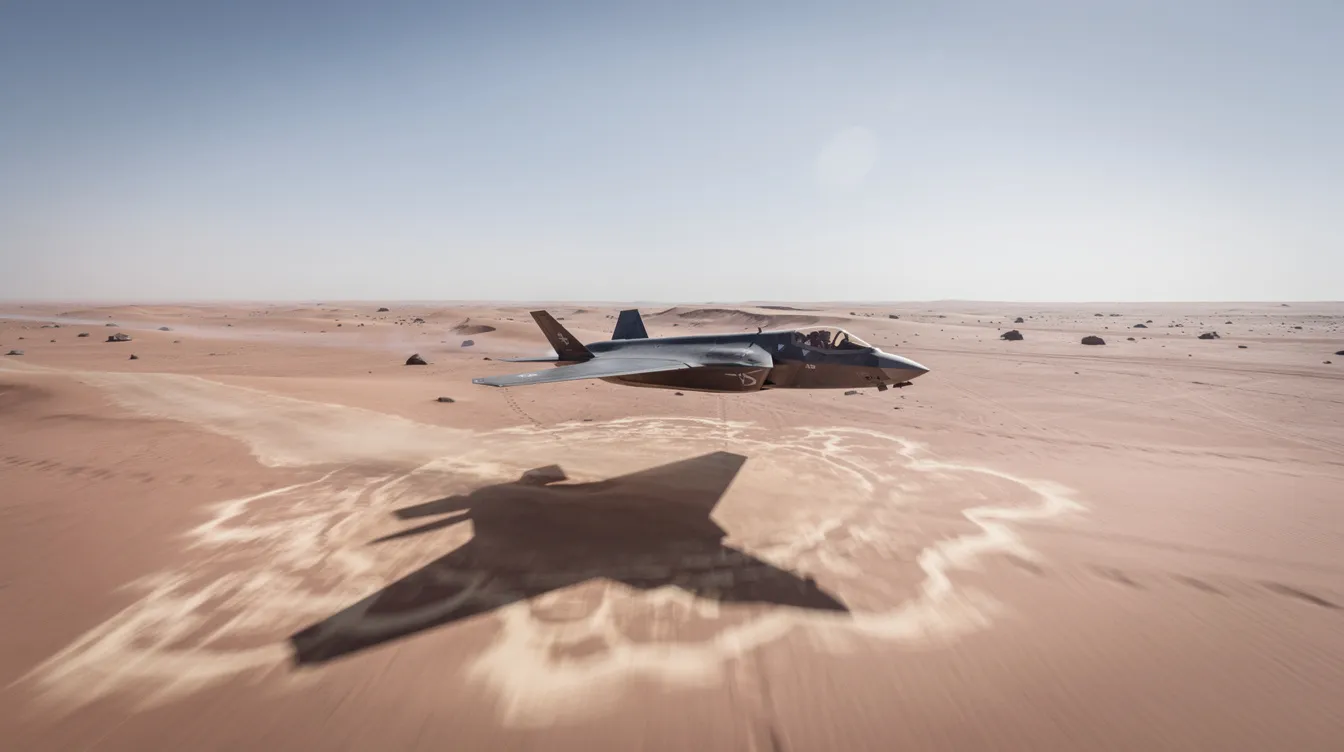
Flagship aircraft: F-22 Raptor (initial operational capability December 2005), F-35 Lightning II (operational mid-2010s), Chengdu J-20 (2017), Sukhoi Su-57 (2020)
Stealth: low radar cross-section through shaping, materials, and internal weapon bays
Sensors: distributed aperture systems, AESA radar, electro-optical targeting, IRST
Cockpit: helmet-mounted display replacing traditional HUD; 360-degree situational awareness
Software: millions of lines of code; software-defined capabilities allow upgrades without hardware changes
"First-look, first-shot, first-kill" concept: detecting and engaging enemy aircraft before being detected is the fundamental tactical advantage of fifth-generation jets
Published combat radius figures illustrate range differences among fifth-generation fighters: the F-35A offers approximately 1,093 km, the F-22 Raptor about 759 km, and the Chengdu J-20 claims roughly 2,000 km.
Emerging Sixth Generation Concepts and Future Fighter Jets
Sixth-generation fighters are currently under development with advanced technologies that could redefine air combat from the 2030s onward. While no sixth-generation fighter aircraft has entered service, several major aircraft programs are well underway.
US NGAD (Next Generation Air Dominance): a next-generation air dominance program aiming to replace the F-22 with a platform incorporating AI, advanced stealth, and optional manning
UK–Italy–Japan GCAP / Tempest: a multinational effort combining European and Asian defense expertise in a single new aircraft
Japan's F-X: building on the GCAP framework with indigenous sensor and stealth technology
Chinese and Russian projects: expected to follow, though details remain classified
Anticipated features include optionally manned operation, loyal wingman drones flying alongside piloted aircraft, AI-assisted decision-making, directed-energy weapons (lasers, high-power microwaves), hypersonic weapons integration, and deeper multi-domain integration across air, cyber, and space. The cost and industrial challenges of such aircraft programs are immense - the GCAP cooperation alone involves three nations balancing sovereign technology, export restrictions, and industrial workshare.
Key Roles of Fighter Aircraft: Air Superiority, Multirole, Interceptor, and Attack
Not all fighter jets fulfill the same mission. Military fighters are categorized by the roles they prioritize, even though modern designs increasingly blur these boundaries.
Air superiority fighters are primarily designed to establish control of the air by defeating enemy fighters. The F-22, F-15C, and Su-27 family exemplify this role - fast, agile, and loaded with air-to-air missiles to engage enemy aircraft at range or in close combat.
Multirole fighters handle air-to-air, air-to-ground, and reconnaissance in one airframe. The F-16, F-35, Rafale, and Eurofighter Typhoon can switch between missions depending on loadout and tasking. Such aircraft form the backbone of most modern air forces.
Interceptors are high-speed, fast-climbing jets designed to rapidly engage incoming enemy bombers or cruise missiles. Historical examples include the MiG-25 and F-106; the MiG-31 continues this role today.
Strike fighters and attack aircraft emphasize precision ground attack while retaining self-defense air-to-air capability. The F-15E Strike Eagle and F/A-18E/F Super Hornet perform deep strike and close air support alongside their air combat role.
Fighter jets perform interception missions against enemy aircraft. Fighter jets conduct ground attack missions alongside air-to-air combat. Fighter jets are equipped for reconnaissance missions to gather intelligence. Fighter jets can escort bombers during offensive operations. The overlap among these roles means that a single-generation fighter can appear in multiple categories depending on its configuration and mission.
How Fighter Jets Achieve Air Superiority in Practice
Air superiority is never the product of a single aircraft. It emerges from a layered system of technology, tactics, training, and support assets working in concert.
Consider a realistic scenario: a mixed package of F-35 fifth-generation jets penetrates contested airspace, using stealth capabilities to suppress enemy air defenses. Behind them, fourth-generation F-15s provide additional missile capacity and cover. An AWACS aircraft maintains the air picture from a safe distance, feeding targeting data to the entire formation. Tanker aircraft extend the package's range. Secure data links connect every element into a single command-and-control network.
Situational awareness: radar, infrared sensors, AWACS, and satellite feeds combine to create a comprehensive picture of the battlespace
Beyond visual range engagement: long-range radar-guided missiles allow pilots to engage enemy fighters before they can respond
Stealth and electronic warfare: reducing detection while degrading enemy sensor networks
Training: exercises like Red Flag simulate high-intensity combat, training fighter pilots from multiple nations to operate as a coalition
Command and control: robust networks ensure the right aircraft are in the right place at the right time
Technology Inside a Modern Fighter Jet
The technology packed into a modern fighter aircraft would have been unimaginable even two decades ago. Each major system cluster represents billions of dollars in research and decades of refinement.
Propulsion: afterburning turbofan engines deliver enormous thrust relative to aircraft weight. Some fighters feature thrust vectoring nozzles for extreme maneuverability at low speeds. Fifth-generation jets like the F-22 achieve supercruise - sustained supersonic flight without afterburners - conserving fuel and reducing infrared signature.
Radar: AESA radar systems electronically steer thousands of individual transmit/receive modules, providing long-range detection, tracking of multiple targets, electronic attack capability, and resistance to jamming.
Infrared and electro-optical sensors: infrared search and track systems detect heat signatures passively, without emitting radar energy that could reveal the fighter's position. Targeting pods provide high-resolution imagery for precision strikes against ground targets.
Electronic warfare: radar warning receivers alert pilots to threats; onboard jammers degrade enemy radar; towed decoys and expendable countermeasures (flares, chaff) defeat incoming missiles.
Cockpit: evolution from analog gauges to all-glass cockpits with large touchscreen displays. Fifth-generation cockpits like the F-35's rely on a helmet-mounted display that projects sensor data, targeting information, and a synthetic view of the environment directly onto the pilot's visor - providing 360-degree awareness without looking down at instruments.
Weapons and Mission Profiles of Fighter Planes
Fighter jets are equipped with missiles and bombs tailored to specific missions. The weapons carried define what a fighter can accomplish on any given sortie.
Air-to-air weapons:
Short-range infrared-guided missiles (e.g., AIM-9 Sidewinder) for close-range dogfighting
Medium- and long-range radar-guided air-to-air missiles (e.g., AIM-120 AMRAAM) for beyond visual range engagement
Internal cannons (20–30 mm) as a last-resort close-range weapon
Air-to-ground weapons:
Laser- and GPS-guided bombs (e.g., JDAM) for precision strikes on ground targets
Air-to-surface and stand-off missiles for attacking targets from outside enemy air defense range
Anti-ship missiles for maritime strike missions
Typical mission profiles:
Defensive counter-air - protecting friendly airspace from incursion
Offensive counter-air - striking enemy air assets on the ground or in the air
Escort - protecting bombers, transports, and other aircraft
Close air support - directly supporting ground forces in contact
Suppression of enemy air defenses (SEAD) - neutralizing radar and missile sites
Deep strike - attacking strategic targets far behind enemy lines
Stealth fighters like the F-35 often carry weapons internally to preserve low observability, switching to external pylons only when stealth is less critical to the mission.
Range, Endurance, and Long-Range Operations
Understanding the difference between combat radius and ferry range is essential for grasping how air forces plan operations. Combat radius is the distance a fighter can fly into hostile territory, conduct its mission, and return - typically measured with a standard weapons load. Ferry range is the maximum distance an aircraft can fly without weapons, often with external fuel tanks or aerial refueling support.
Factors affecting range: internal fuel capacity, engine efficiency, external tanks, weapons load, speed profile, and availability of tanker support
Long-range fighters: the J-20's claimed combat radius of approximately 2,000 km reflects China's need to project power across the vast Pacific; the F-35A's combat radius of roughly 1,093 km balances stealth with operational reach; the F-22's approximately 759 km radius prioritizes air superiority performance over deep penetration.
Conformal fuel tanks: bolt-on tanks that follow the aircraft's contour, extending range without significantly increasing drag (used on F-15E, some F-16 variants)
For private aviation, understanding the overall private jet price landscape serves a similar planning function, helping travelers match cost, range, and mission profile.
Private jets must also account for range, alternates, and international routing, but their priorities differ fundamentally. A long-range business jet might cruise at Mach 0.85 for over 5,500 nautical miles carrying passengers in comfort - no weapons, no combat maneuvering, and an entirely different payload calculation- and choosing among different private jet sizes ensures the aircraft is matched appropriately to passenger count and mission distance.
How Air Forces Deploy Fighter Jets in the Real World
Modern air forces organize fighter squadrons within larger wings or groups, integrating them with tankers, transports, command aircraft, and intelligence assets into a cohesive force structure. The way military fighters are deployed in peacetime and wartime reveals the operational discipline behind keeping complex fleets combat-ready.
Peacetime missions: quick reaction alert (QRA) keeps armed fighters on standby 24/7, ready to scramble within minutes. NATO's Baltic Air Policing rotates allied fighter squadrons to patrol the airspace of nations without their own fighter capability. Joint exercises like Red Flag and NATO's Air Defender sharpen coalition interoperability.
Wartime employment: air superiority sweeps clear the skies before other operations begin. Escort missions protect bombers and transport aircraft. Precision strike packages hit strategic targets. Close air support missions protect ground forces in contact with the enemy.
Logistics and maintenance: keeping fleets of fourth-generation and fifth-generation jet fighters combat-ready demands extensive parts inventories, trained ground crews, hardened base infrastructure, and constant software updates. A single F-35 requires dozens of maintenance hours for every flight hour.
Decommissioned Fighters, Testbeds, and Limited Civil Use
When fighter planes reach the end of their frontline service, they don't simply disappear. Some enter long-term storage at facilities like the US Air Force's 309th Aerospace Maintenance and Regeneration Group at Davis-Monthan Air Force Base. Others find new roles.
Aggressor squadrons: retired fighters serve as adversary trainers, simulating enemy tactics for active-duty pilots
Testbeds: older airframes become flying laboratories for testing new aircraft systems and technologies
Museum exhibits: iconic fighters from every era are preserved for public display and education
Limited civil use: some older jet aircraft and jet trainers (such as the L-39 Albatros and certain MiG-21 variants) are privately operated under strict regulations for training, airshow display, and adventure flights
These ex-military jets bear little resemblance to the private jets used for business and leisure travel. Their cockpits are cramped, maintenance costs are unpredictable, and creature comforts are nonexistent. However, understanding the lifecycle of military aircraft offers context for how defense technology eventually migrates into civil and business aviation - from composite materials to digital flight-control systems and a wide range of private jet types for different travelers.
Fighter Jets vs Private Jets: Different Missions, Shared Technology
The comparison between fighter jets and private jets highlights how aviation technology serves radically different purposes depending on the mission.
Feature | Fighter Jet | Private Jet |
|---|
Primary mission | Air combat, reconnaissance | Passenger transport |
Speed | Mach 1.5–2.5+ | Mach 0.80–0.93 |
Passengers | 1–2 crew | 4–18+ passengers |
Weapons | Missiles, bombs, cannons | No weapons systems |
Cabin | Cramped ejection-seat cockpit | Spacious, luxury-appointed cabin |
Range | 750–2,000 km combat radius | Up to 10,200 km (long-range models) |
Operating cost | Tens of thousands per flight hour | Variable; managed through Jet Cards |
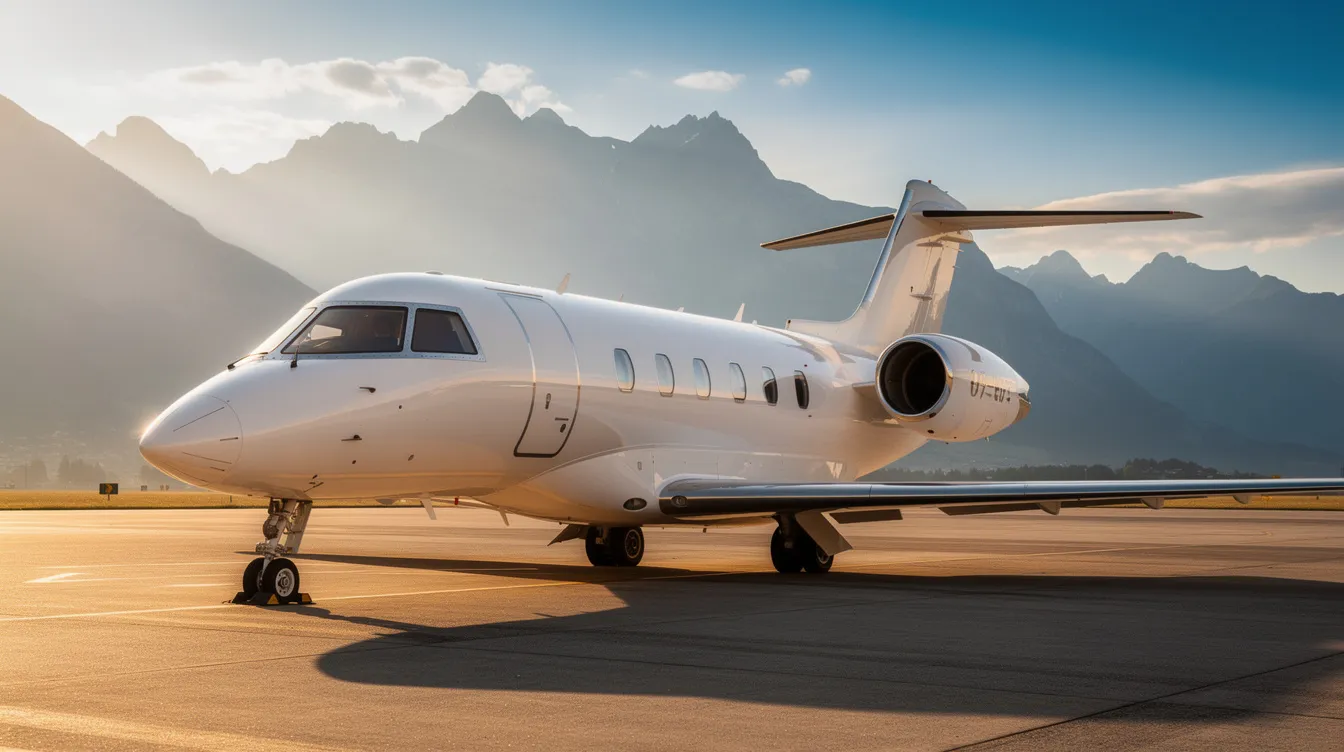
Private jets prioritize passenger comfort and efficiency. Private jets can accommodate 4-18+ passengers in configurations designed for work, rest, and luxury, while larger cabins can even support private jets configured for around 20 passengers. Private jets have no weapons systems - their "payload" is people, luggage, and the occasional case of champagne. Fighter jets are equipped with missiles and bombs.
Yet these two aircraft categories share more technology than most people realize. Advanced composites, efficient turbofan engines, digital avionics, and safety systems that often originate in military R&D eventually find their way into business aviation, including the world’s top luxury private jets that showcase these innovations. Many private jet pilots began their careers in air forces, bringing fighter-level discipline, crew resource management, and situational awareness to civilian operations.
How BlackJet Fits In: Private Aviation Inspired by High-Performance Flight
BlackJet draws from the same principles that make fighter aviation effective - precision, reliability, and strategic deployment of resources - and applies them to private travel. The result is an aviation experience built on discipline and performance rather than casual luxury.
Jet Card model: BlackJet's Jet Card programs, including 25-hour and 50-hour options, provide guaranteed access to a curated fleet of private jets. Guides to Jet Card pricing structures and benefits can clarify how these commitments compare with other access models. Think of it as the civilian equivalent of how an air force allocates fighter sorties to priority missions - your hours are reserved, and you deploy them when and where they matter most.
Safety certification: BlackJet partners with audited operators and experienced crews, applying rigorous safety standards that mirror the stringent protocols used by modern air forces for fighter operations.
Carbon-neutral flights: BlackJet's commitment to carbon-neutral performance reflects the aviation industry's broader push toward environmental responsibility - a priority shared by both civil and military aviation programs pursuing fuel efficiency and reduced emissions.
Real-time operational support: 24/7 support handles routing, scheduling, and last-minute changes with the responsiveness of a military flight operations center - adapted, of course, for the comfort and privacy of civilian travel.
Jet Cards vs Owning a Jet or Chartering Ad Hoc
A Jet Card is a prepaid block of flight hours that provides access to private aircraft without the capital commitment of ownership or the uncertainty of one-off charter. Resources that explain Jet Card costs and membership pricing help travelers understand how these programs are structured. BlackJet's membership-like programs offer a middle path that combines flexibility with predictability.
Ownership: requires purchasing or leasing an aircraft (often $10M+), employing crew, maintaining hangars, managing insurance, and absorbing depreciation. Suitable for those flying 400+ hours annually, but capital-intensive and operationally complex.
Ad hoc charter: offers one-time access to private jets but without guaranteed availability, consistent pricing, or a dedicated relationship with operators.
Jet Card (BlackJet): prepaid hours across multiple cabin classes, with fixed rates, guaranteed availability windows, and none of the burdens of ownership. For frequent flyers, comparisons of the best Jet Card programs and their benefits can help refine this choice. Ideal for clients flying regularly - whether between New York and London or Los Angeles and Aspen - who want premium access on their own terms.
Consider a business executive who travels between New York and London six times per year. Owning a transatlantic-capable jet involves millions in annual operating costs. Commercial first class involves airport queues, fixed schedules, and limited privacy. A BlackJet 25-hour Jet Card provides scheduled, flexible flights on appropriate aircraft with no long-term capital commitment - each hour deployed strategically, just as air forces carefully assign high-value fighter sorties to critical missions.
Safety, Certification, and Operational Discipline: Lessons from Fighter Aviation
Fighter pilots and air forces operate under strict checklists, recurrent training, and uncompromising safety protocols. The high-risk nature of combat flying demands nothing less. This culture of operational discipline translates directly into the standards that define exceptional private aviation.
BlackJet applies this philosophy through concrete practices, similar in spirit to how leading private jet companies balance safety and service:
Audited operators: every operator in BlackJet's network meets top-tier safety certifications, including independent audits similar in rigor to Wyvern Wingman ratings
Experienced crews: pilots with extensive flight hours, many with military backgrounds, bringing fighter-level discipline to every departure
Maintenance oversight: aircraft maintenance tracking and compliance verification ensure mechanical reliability before every flight
Weather decision-making: conservative go/no-go criteria mirror the risk management frameworks used by military operations centers
Crew duty-time management: fatigue is managed proactively, not reactively - a direct lesson from Air Force protocols where tired pilots don't fly
Safety is not an add-on or a marketing tagline at BlackJet. It is a non-negotiable pillar, the same way airworthiness is essential for any air force to sustain effective fighter operations.
Sustainability in Aviation: From Military Efficiency to BlackJet's Carbon-Neutral Flights
Both fighter aircraft programs and business aviation increasingly focus on fuel efficiency, emissions reduction, and advanced materials. In air forces, operational efficiency - optimized routing, reduced aerodynamic drag, modern engines burning kerosene more cleanly - directly translates to longer range, lower cost, and reduced logistical burden. The same physics applies to business jets: every kilogram of fuel saved is a kilogram less of carbon emitted.
BlackJet makes sustainability a standard feature rather than a premium add-on, echoing broader trends toward more economical and efficient private aircraft options:
Verified carbon offsets: every flight is carbon-neutral through rigorously verified offset programs
Sustainable aviation fuel (SAF) partnerships: as SAF availability expands, BlackJet integrates it into operations where feasible
Fleet efficiency: aircraft selection considers fuel burn per passenger-mile alongside cabin comfort and range
Alignment with client values: choosing a Jet Card program like BlackJet's allows individuals and corporations to align travel practices with sustainability goals without sacrificing time, comfort, or flexibility
Technology, Booking Experience, and Real-Time Support with BlackJet
Air forces deploy fighter jets using sophisticated mission planning software that matches aircraft type to mission requirements, calculates fuel loads, and coordinates with support assets. BlackJet's digital booking tools are the civilian parallel - purpose-built technology that makes private aviation effortless for the client while managing genuine complexity behind the scenes.
Digital booking platform: search, schedule, and manage flights 24/7 via mobile app or web, with real-time availability across cabin classes, whether you need a full aircraft or simply want to buy a seat on a private jet
Aircraft matching: the platform recommends aircraft by cabin type and range requirement, similar to how military planners match generation fighter aircraft to mission profiles, whether selecting among different private jet sizes or tailoring routes for specific regions such as private jet charters in Karachi
Real-time support: a dedicated team handles routing, slot times, FBO coordination, and last-minute changes with the responsiveness of a military flight operations center
Transparency: pricing, aircraft details, and scheduling are visible up front - no hidden costs, no surprises
FAQ: Common Questions About Fighter Planes and Private Jets
Below are answers to some of the most frequently asked questions about fighter aircraft and how they compare to private aviation.
How fast can modern fighter jets fly compared to airliners? Modern fighter jets can reach supersonic speeds well above Mach 2 - the F-22, for example, can supercruise at Mach 1.8 without afterburners. Commercial airliners typically cruise at Mach 0.78–0.85, while business jets range from Mach 0.80 to approximately Mach 0.93 on the fastest models like the Cessna Citation X+.
Can civilians own or fly fighter planes? Some older military fighters and jet trainers, such as the L-39 Albatros or demilitarized MiG-21 variants, can be privately owned and operated under strict regulatory oversight. However, weapons are removed, maintenance is specialized and expensive, and insurance requirements are significant. These are enthusiast aircraft - a world apart from the comfort and reliability of modern private jets or today’s most affordable private jet options.
What is the difference between air superiority and multirole fighters? Air superiority fighters like the F-22 and F-15C are optimized specifically to engage enemy aircraft and control the skies. Multirole fighters like the F-35 Lightning II, F-16, and Rafale can perform air-to-air combat, ground attack, and reconnaissance from a single airframe, making them more versatile but sometimes trading peak air-combat performance for flexibility.
How do fighter jets differ from the private jets available through BlackJet? A fighter plane is designed for air-to-air combat and tactical ground-attack missions. It seats 1–2 crew, carries weapons, and prioritizes speed and stealth. A private jet is designed for passenger travel - accommodating 4–18+ passengers in comfort, with no weapons systems, optimized for efficiency, range, and a premium cabin experience. Both rely on turbofan engines and advanced avionics, but their missions could not be more different, and the economics are framed in terms like Jet Card cost per flight hour rather than combat effectiveness.
What is the F-35 Lightning II's role as the Joint Strike Fighter? The F-35 program was originally designated the joint strike fighter because it was designed to serve the US Air Force, Navy, and Marine Corps - plus allied air forces - in a single multirole platform. It is a fifth-generation fighter aircraft with stealth capabilities, advanced sensor fusion, and network-centric operations capability, making it the most widely exported fifth-generation jet in the world, whereas private aviation focuses on questions like whether a 100-hour Jet Card program makes financial sense for a given travel profile.
Are fighter planes still relevant in the age of drones and missiles? Yes. While unmanned systems and long-range missiles are increasingly important, manned combat aircraft remain central to military strategy. They provide flexible, real-time decision-making in contested environments, serve as command nodes for drone wingmen, and deliver the kind of nuanced judgment that autonomous systems cannot yet replicate. Sixth-generation concepts will likely combine manned and unmanned elements into integrated packages.
Conclusion: The Evolving Role of Fighter Aircraft and the Future of Private Flight
From the fabric-and-wire biplanes of World War I to the radar-invisible fifth-generation jet fighters patrolling today's skies, fighter planes have been reinvented with each era. Early fighters relied on light machine guns and pilot eyesight. Modern fighter aircraft depend on stealth, sensor fusion, networked data links, and rigorous training more than raw speed alone. The trajectory continues: emerging sixth-generation concepts promise AI-augmented decision-making, loyal wingman drones, and directed-energy weapons that will redefine air dominance yet again.
While fighter jets defend national airspace and project military power, private jets serve a different but equally important purpose: giving individuals and executives the ability to move with precision, privacy, and control over their own time. The technology is shared - composites, turbofans, digital avionics - but the goals diverge. One protects nations. The other empowers personal and corporate mobility.
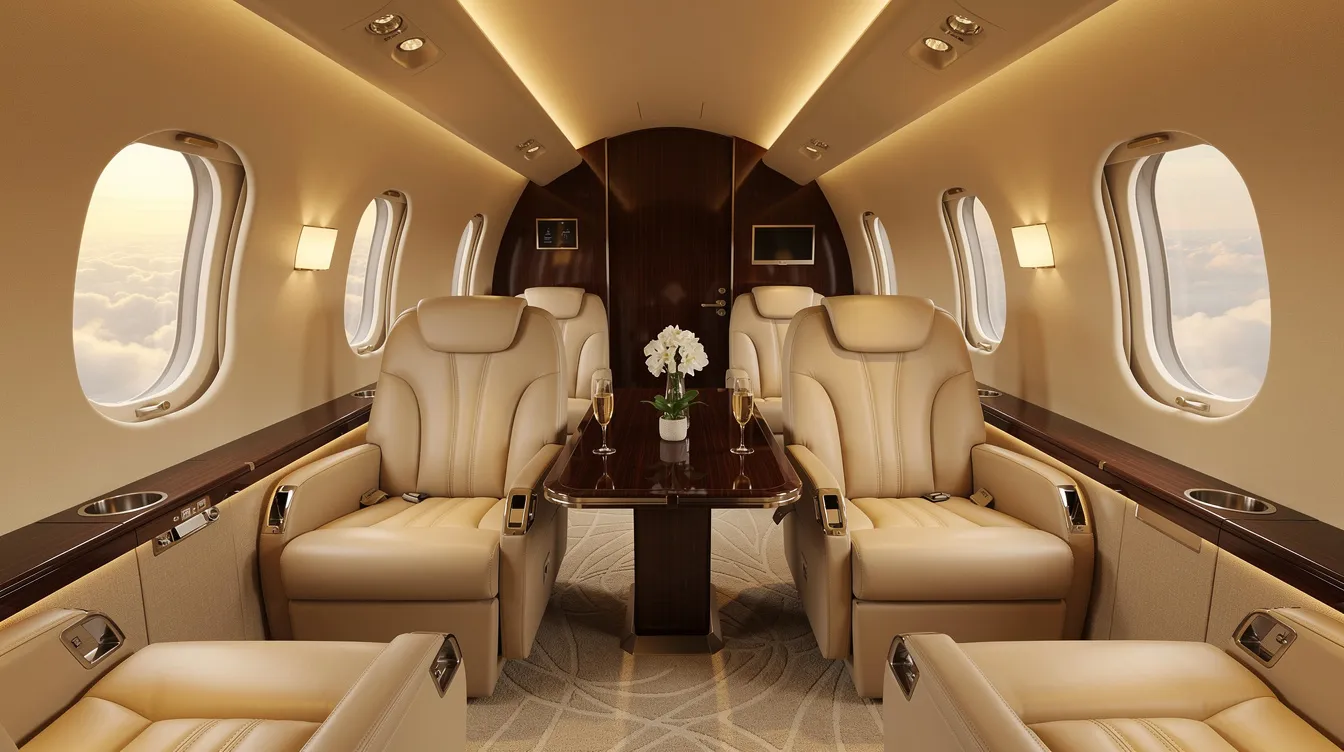
Elevate your travel - effortlessly. With BlackJet, private flight isn't reserved for a few - it's accessible on your terms through our Jet Card programs, complete with rigorous safety, carbon-neutral performance, and unmatched flexibility. Explore our offerings and discover how refined, high-performance travel becomes your new standard.
Join BlackJet's Jet Card program for seamless, premium private travel - safety, sustainability, and flexibility built in- and explore how options like a 50-hour Jet Card and its costs compare to alternatives such as Flexjet Jet Card pricing and features.


 Sign up with google
 Sign up with Apple