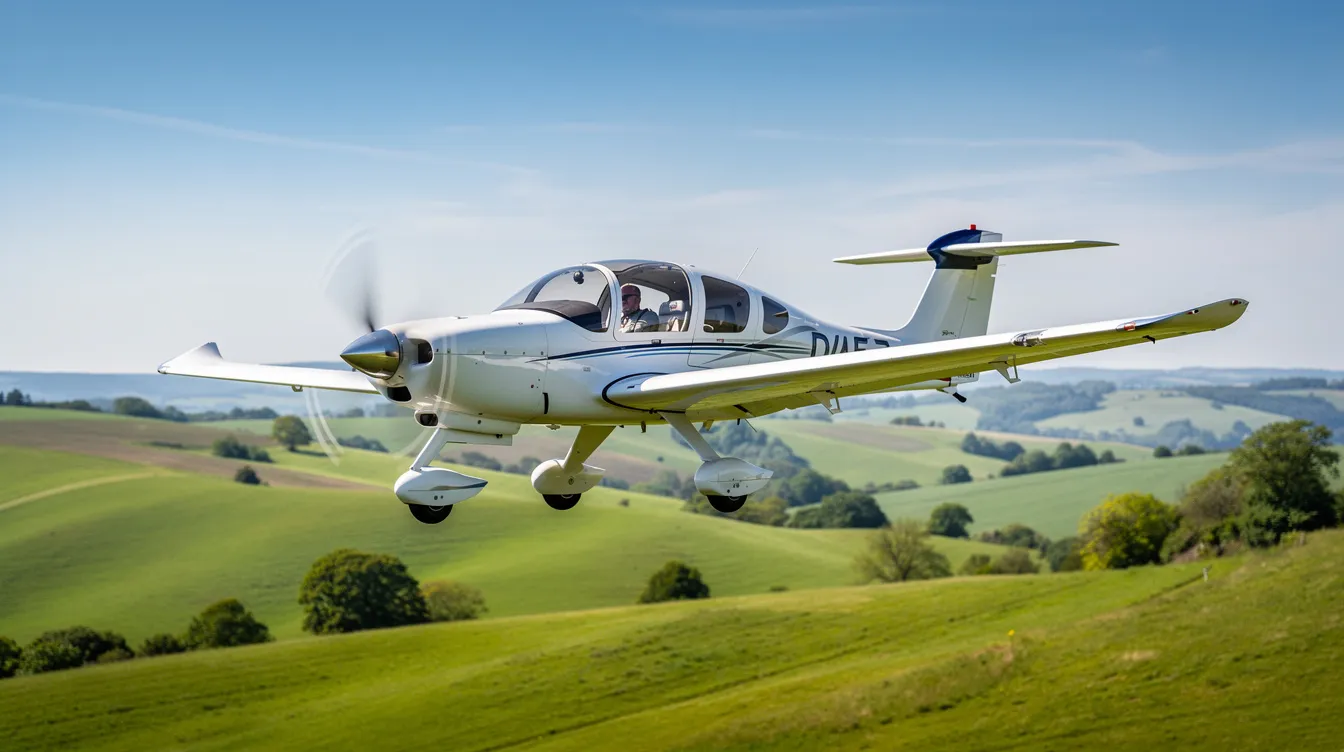
Choosing the right single-engine aircraft is one of the most consequential decisions a pilot or prospective owner can make. Whether you are a student pilot logging your first hours or an experienced aviator planning cross-country missions, understanding which airframes deliver the strongest safety record can shape every flight that follows. This guide breaks down the data, the design features, and the pilot factors that determine what truly makes a single-engine plane safe-and when it makes sense to step beyond general aviation entirely.
Quick Answer: The Safest Single-Engine Plane Today
Based on published fatal accident rates per 100,000 hours flown, the Diamond DA40 and Cessna 172S Skyhawk are the safest single-engine planes in active production. The Diamond DA40 has a fatal accident rate of approximately 0.35 per 100,000 hours, while the Cessna 172S has a fatal accident rate of approximately 0.45 per 100,000 hours. Both figures sit well below the general aviation average: the FAA reported a GA fatal accident rate of 0.61 per 100,000 flight hours in 2023.
What counts as "safest" shifts with your intended mission:
For primary training and early ownership, the DA40 and 172S lead the field.
For high-performance personal travel, the Cirrus SR22T G7+ and Diamond DA50 RG offer advanced safety features-parachutes, autoland, electronic stability protection-that offset the higher demands of faster, more complex trips.
Pilot proficiency, an instrument rating, and conservative weather judgment outweigh small statistical differences between these models. And at a certain trip length and complexity, professionally crewed private jets-like those accessed via BlackJet Jet Card programs-become an even safer option than any single-engine airplane.
Why "Safest Single Engine Plane" Matters for Owners, Students, and Frequent Travelers
Safety is not an abstract concept for the discerning traveler. For high-net-worth individuals, business leaders, and private pilots, every aircraft decision carries real consequences-financial, personal, and strategic. Understanding which single-engine aircraft deliver the strongest protection is the foundation of smart aviation decisions.
Most general aviation flying happens in small single-engine planes used for flight training, family trips, and personal business travel. These aircraft account for the vast majority of the GA fleet and, consequently, most of the accident data that regulators track, even as newer categories of more affordable private planes and light jets broaden access to private flying. The FAA's 2023 data showed a historic low fatal accident rate of about 0.61 per 100,000 hours, underscoring steady safety improvement across the industry.
Aircraft choice, flight training quality, and mission profile-short local flights versus long cross-country legs in marginal weather-all influence the real-world safety picture. This article traces a path from the safest single-engine planes for training and ownership, through the pilot skills that transform outcomes, to the point where stepping up to professionally crewed private jets becomes the most strategic move for maximum safety and reliability.
How Safety Is Measured in Small General Aviation Planes
Evaluating the safety of single-engine airplanes requires examining design features and operational parameters alongside hard data. Safety in general aviation is measured by fatal accident rates per 100,000 flight hours-a metric that normalizes raw accident counts against actual flying exposure.
Here is why each metric matters:
Metric | What It Tells You | Example |
|---|
Fatal accident rate per 100,000 flight hours | How often flights result in a fatality, normalized by hours flown | GA average ~0.61 (2023 FAA); DA40 ~0.35 |
Lethality ratio | Share of accidents that are fatal vs. non-fatal; reflects crashworthiness | Fixed-gear singles have lower lethality than retractable-gear singles |
Fleet size/hours flown | Large fleets log more total incidents but may still be safer per hour | Cessna 172 family: many accidents, low rate per flight hour |
A few key distinctions to keep in mind:
The average fatal accident rate for general aviation has historically ranged roughly 0.80 to 1.00 per 100,000 flight hours, though recent years have pushed that figure lower. A model well below that range demonstrates a meaningful safety advantage.
Fixed-gear single-engine airplanes have lower fatality rates than retractable-gear aircraft, partly because lower approach speeds and simpler systems reduce the severity of landing incidents.
Aircraft complexity and operational parameters influence accident rates in general aviation. Higher performance demands more from the pilot, which is why fleet-wide statistics must be read alongside mission profiles.
Asymmetric thrust issues in multi-engine aircraft can complicate engine failure scenarios, which is why single-engine versus twin is not a simple safety hierarchy. Well-designed singles with modern avionics and FADEC engines can rival or exceed some light twins in safety outcomes.
Core Design Features That Make a Single-Engine Plane "Safe"
Aircraft that consistently appear at the top of safety rankings share a set of measurable design characteristics. These features work together to prevent accidents, reduce pilot workload, and protect occupants when things go wrong.
Forgiving flight characteristics and predictable handling. The safest single-engine aircraft exhibit stable handling, benign stall characteristics, and good slow-speed response. Lower stall speeds contribute to safer landings during emergencies. Predictable handling and structural integrity contribute to occupant protection, especially during critical phases of flight like takeoff and landing.
Airframe layout. A high-wing configuration (as on the Cessna 172S) offers inherent stability and excellent downward visibility during pattern work. Low-wing aircraft like the Diamond DA40 and Cirrus models provide efficient handling and strong energy management. The key distinction is that training and familiarity often matter more than wing placement alone.
Structural crashworthiness. Crashworthiness and cabin integrity are critical to aircraft survivability during forced landings. Diamond Aircraft uses composite construction to create a safety cell that absorbs impact energy, paired with energy-absorbing seats and robust restraint systems. This composite airframe approach demonstrably lowers lethality in survivable impacts.
Modern avionics and situational awareness. Modern avionics improve safety with collision avoidance systems and terrain alerts. Glass cockpits like the Garmin G1000, synthetic vision, and traffic awareness displays help pilots improve situational awareness and avoid controlled flight into terrain-a leading cause of fatal accidents.
Last-resort safety systems. Flight safety is enhanced by active safety systems like whole airframe parachutes and electronic stability protection. The Cirrus Airframe Parachute System is engineered for emergency recovery in single-engine planes and has saved hundreds of lives. Autonomous emergency landing systems-like Garmin's Safe Return Autoland-can significantly improve safety in aircraft by landing the entire aircraft without pilot input during incapacitation events.
Safety Comparison Snapshot: Today's Safest Single-Engine Planes
The table below summarizes the leading contenders. These are guideposts, not guarantees-maintenance quality and pilot discipline remain critical safety variables.
Aircraft | Est. Fatal Rate (per 100k hrs) | Primary Mission | Standout Safety Features |
|---|
Diamond DA40 | ~0.35 | Training, owner-pilot travel | Composite safety cell, bubble canopy visibility, FADEC diesel option |
Cessna 172S Skyhawk | ~0.45 | Training, club fleets, VFR/IFR | High wing stability, Garmin G1000 NXi, global maintenance network |
Piper Archer (PA-28-181) | ~0.50 | Training, cross-country rental | Stable low-wing handling, Garmin G1000/G500 TXi options |
Cirrus SR22T G7+ | Data pending (older models ~1.6; G7+ expected lower) | High-performance personal travel | CAPS parachute, Safe Return Autoland, ESP, synthetic vision |
Diamond DA50 RG | Too new for reliable rate | High performance personal travel | Jet-A FADEC, composite cabin, FIKI de-icing, retractable gear |
The DA40 and 172S anchor most rankings of the safest single-engine planes for training and private pilots because of their long, well-documented safety records and enormous fleet experience. The Cirrus SR22T and DA50 RG trade some simplicity for cruising speed and range but compensate with a deep aircraft stack of parachutes, advanced avionics, and envelope protection.
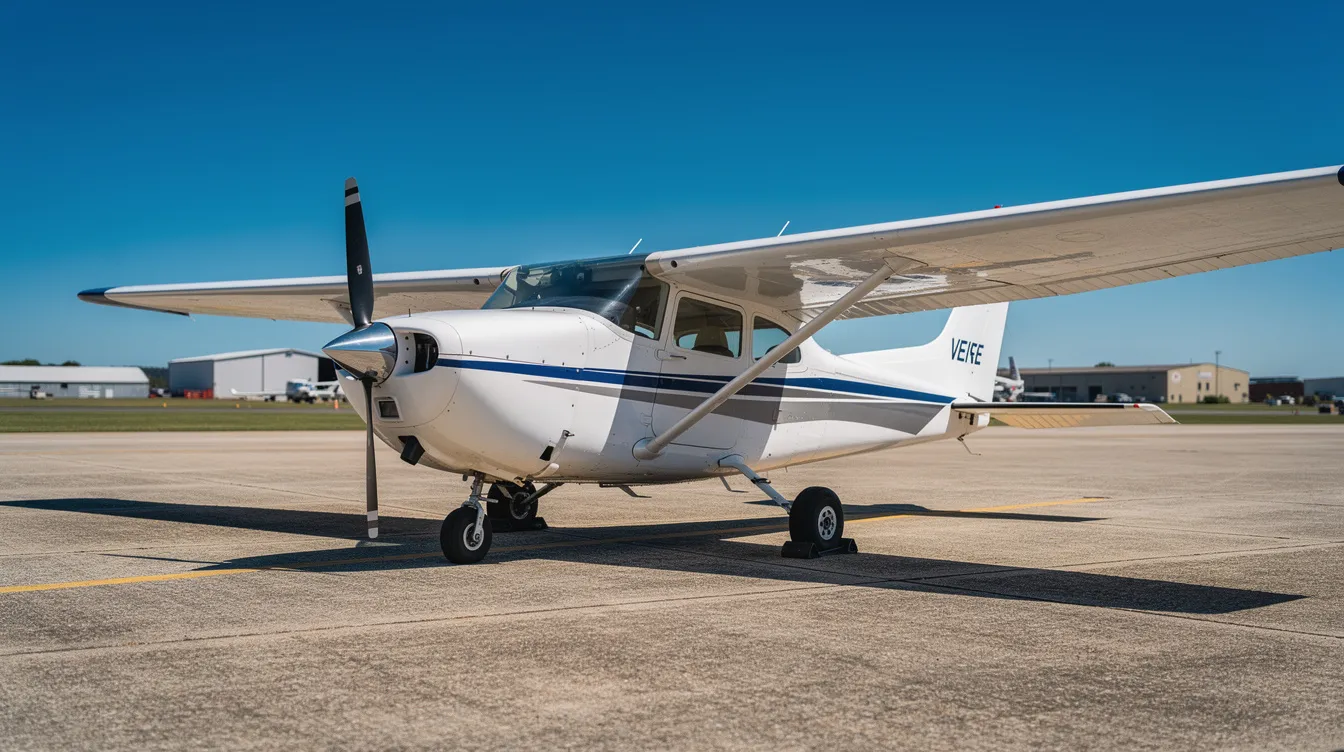
Top 3 Safest Single-Engine Planes for Flight Training and New Private Pilots
Simple fixed-gear aircraft offer wider safety margins for student pilots. The models below dominate flight schools worldwide because of their forgiving behavior, straightforward checklists, and predictable responses during common training maneuvers. Global fleet size, experienced instructors, and manufacturer support make these platforms especially safe choices.
Cessna 172S Skyhawk: The Global Safety Benchmark
The Cessna 172S, produced by Textron Aviation, is widely used for flight training globally and is often cited as the safest single-engine plane for ab initio training. The Cessna 172S has a fatal accident rate of 0.45 per 100,000 hours-significantly below the GA average.
Its high-wing design provides inherent stability and excellent downward visibility, making it forgiving during the takeoff and landing phases where most training incidents occur. Fixed gear and simple systems keep pilot workload low and let student pilots focus on fundamentals.
Cessna 172S features Garmin G1000 avionics for enhanced situational awareness, and newer NXi-equipped models expose students to glass cockpits without increasing handling complexity. The original 172 debuted in 1956, and decades of fleet experience mean broad maintenance expertise across continents-an indirect but powerful safety advantage.
The 172S is ideal for flight schools, club fleets, and private pilots primarily focused on VFR flying with room to grow into IFR training.
Piper Archer (PA-28-181): Stable Low-Wing Alternative
The Piper Archer is one of the safest single-engine planes in the PA-28 family. The Piper Archer's fatal accident rate is approximately 0.50 per 100,000 hours, roughly comparable to the 172S and well below the general aviation average.
The Piper Archer is known for its stable handling characteristics, and its low-wing aircraft design builds versatile stick-and-rudder skills. Predictable stall behavior and efficient performance in the pattern make it a natural complement to high-wing trainers.
Common avionics fits include the Garmin G1000 or G500 TXi, preparing students for more advanced systems in low-wing singles and twins. Training in both the Archer and 172S gives pilots confidence switching between configurations later in their flying careers.
The Archer is ideal for flight schools wanting a blend of training utility and comfortable cross-country capability for renters and owner pilots.
Diamond DA40: Composite Safety Leader in Training Fleets
The Diamond DA40 consistently ranks at or near the top of safest single-engine plane lists. The Diamond DA40 has a fatal accident rate of approximately 0.35 per 100,000 hours-the lowest among actively produced single-engine piston aircraft, according to historical Aviation Consumer analysis.
Diamond DA40 features a composite airframe for enhanced safety, with an energy-absorbing structure that protects occupants in survivable impacts. The Diamond DA40 has superior visibility from its large canopy, which aids traffic scanning and approach awareness.
The DA40 is available with both the Lycoming IO-360 and the Austro AE300 diesel engine. FADEC-equipped diesels reduce engine management workload for students, offering efficient handling and excellent fuel efficiency on Jet-A fuel. Garmin G1000 NXi avionics with integrated autopilot support early IFR training, especially for pilots targeting professional careers.
The DA40 is an advanced training aircraft suitable for both flight schools and safety-conscious owner pilots who want a blend of efficiency, modern design, and best-in-class accident data.
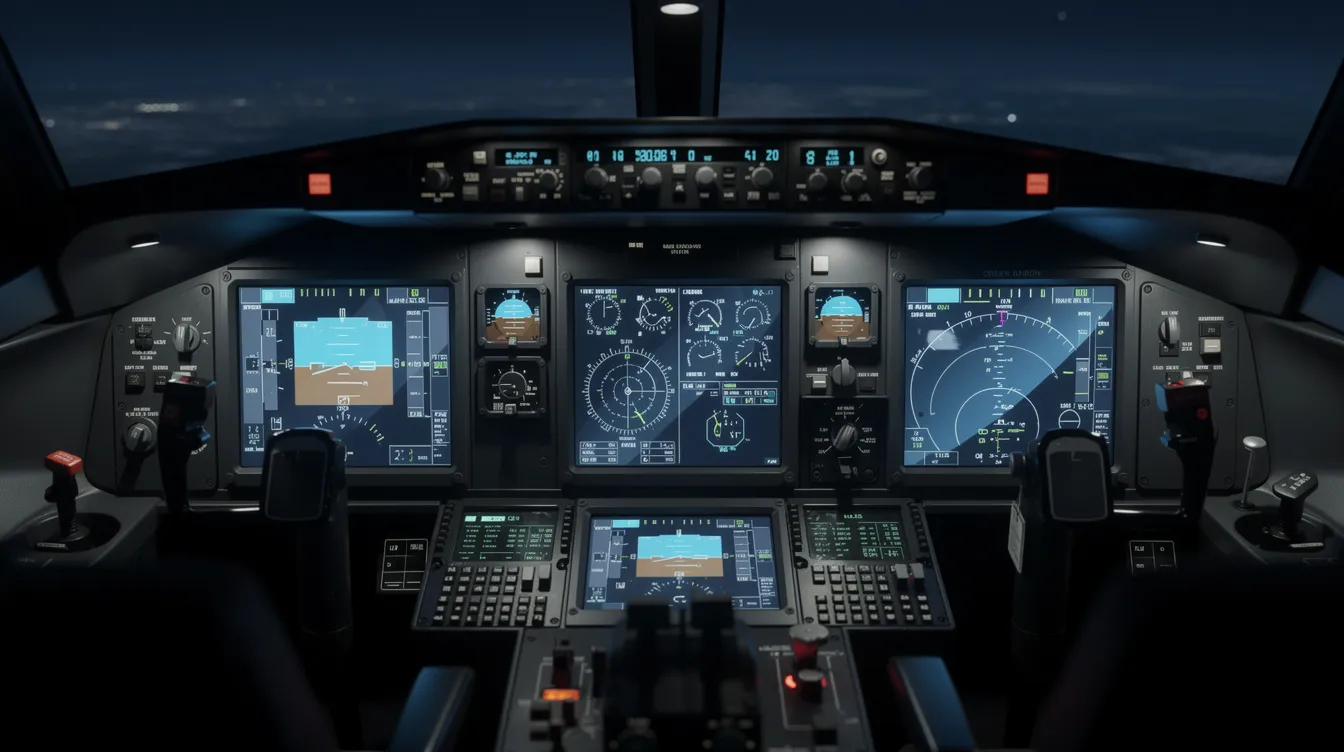
Other Leading Contenders: Safest Single-Engine Planes for Personal Travel
Beyond training environments, experienced private pilots often seek high-performance aircraft that can cover longer distances in varied weather. These models demand more from their pilots but offer compelling safety stacks when operated with discipline.
Cirrus SR22T G7+. Cirrus Aircraft has set the benchmark for high-performance singles. The SR22T G7+ comes standard with the Cirrus Airframe Parachute System, electronic stability protection, and-as of 2025-Garmin Safe Return Emergency Autoland, making it the first piston-powered aircraft certified with this capability. Older SR22 models carried a higher fatal accident rate (~1.6 per 100,000 hours), but the G7+ generation's advanced systems are expected to materially improve that figure. Synthetic vision, built-in oxygen, and TKS anti-ice options make this aircraft capable across a wide range of missions.
Diamond DA50 RG. This modern, retractable-gear composite single from Diamond Aircraft entered the U.S. market around 2024. It features a Jet-A FADEC turbodiesel engine with single-lever power control, FIKI de-icing, and redundant systems throughout. Single-engine turboprops typically have lower mechanical failure rates compared to piston engines, and the DA50 RG's diesel powerplant brings some of that reliability advantage to the piston class. Its fleet is too new for reliable accident rate statistics, but the safety-by-design philosophy is evident.
Piper M350. As a pressurized cabin piston model, the M350 is not a trainer. Its safety comes from mission-appropriate use, turbine-like flight profiles, and rigorous pilot training. A pressurized cabin allows higher, smoother flight above weather, but demands instrument-rated, current pilots who respect the aircraft's performance envelope.
These aircraft can be extremely safe when flown by instrument-rated, proficient pilots who operate with airline-style discipline, especially when selected with the same mission-matching mindset used to evaluate the best small private aircraft for personal and business travel.
How Pilot Training and Instrument Rating Transform Safety
Human error accounts for the majority of fatal general aviation accidents. According to the AOPA McSpadden Report, roughly 70% of non-commercial fixed-wing accidents are pilot-related, making pilot training the ultimate safety system.
Key training multipliers include:
Instrument rating. An instrument rating drastically reduces the risk of weather-related accidents by teaching pilots to fly solely by reference to instruments and to interpret forecasts conservatively. Most pilots who pursue this certification show significantly improved weather judgment and decision-making.
Recurrent training. Regular proficiency checks reduce general aviation accident rates. Structured recurrent training, scenario-based instruction, and simulator use are especially important when transitioning into high performance or technically advanced aircraft. Pilot proficiency significantly impacts aviation safety outcomes.
Training on advanced avionics. Training on advanced avionics improves pilot situational awareness-but only if pilots practice with these systems regularly and understand their limitations.
Experienced instructors. Flight schools using the safestsingle-enginee planes can still produce poor outcomes if training standards are weak. The quality of experienced instructors matters as much as the airframe.
In professionally crewed operations-like commercial flying under Part 135 airline-style standard operating procedures and recurrent simulator sessions set a higher safety bar than most private GA operations, reducing pilot workload through crew coordination and redundancy, similar to the rigor seen at leading private jet companies and fractional providers.
Maintenance, Inspections, and Aircraft Age: Hidden Safety Drivers
A perfectly designed, safe single-engine plane can still be dangerous if poorly maintained. Regular maintenance and operating within an airplane's flight limits are crucial for safety.
Critical focus areas include:
Inspection schedules. Annual inspections are mandatory for all GA aircraft, and training aircraft undergo more frequent inspections than typical aircraft; 100-hourinspections are standard for aircraft used in flight training. Strict compliance with FAA Airworthiness Directives is non-negotiable.
Engine health. Compression checks, oil analysis, and timely overhauls are the foundation of reliability. Propeller condition, corrosion inspections, and replacement of wear items on schedule keep properly maintained aircraft close to factory safety margins.
Avionics upgrades. Upgrading legacy airframes with modern avionics-Garmin G3X, G1000, ADS-B In/Out-can materially improve situational awareness and safety at reasonable cost, bridging the gap between older airframes and newer designs.
FAA certification standards. Every aircraft in active production must meet current FAA certification requirements for structural integrity, systems redundancy, and crashworthiness.
Well-maintained older aircraft can be nearly as safe as brand-new ones, provided they meet current standards and are flown within their design envelope, especially when owners pair them with cost-effective private jet and turboprop options for missions that exceed a piston single’s comfort or range.
From Safest Single Engine Planes to Professionally Crewed Private Jets
Consider a business executive who flies a Cirrus SR22T from New York to Chicago twice a month. On clear VFR days, the flight is manageable. But add night operations, winter weather, tight schedules, and family passengers, and the single-pilot, single-engine equation changes dramatically.
Limitations of single-pilot operations in high workload environments include:
Fatigue on long legs or back-to-back travel days
Complex weather systems requiring real-time re-routing decisions
Night IFR in unfamiliar airspace with no copilot backup
Business schedules that pressure go/no-go decisions toward "go"
Professionally crewed private jets operated under commercial rules (Part 135) must follow stricter maintenance, duty-time, and training requirements than typical general aviation operations, especially on long-range missions flown by top-tier large-cabin private jets around the world. Two-pilot crews, redundant systems, de-icing, and pressurization significantly increase safety for longer legs-coast-to-coast or international- where single-engine aircraft reach their practical limits, which is why frequent travelers eventually evaluate the best jet card programs for regular private flying.
For travelers who value the safety mindset they see in the safest single-engine planes but need higher performance, weather capability, and professional crews, private jet access becomes the logical next step.
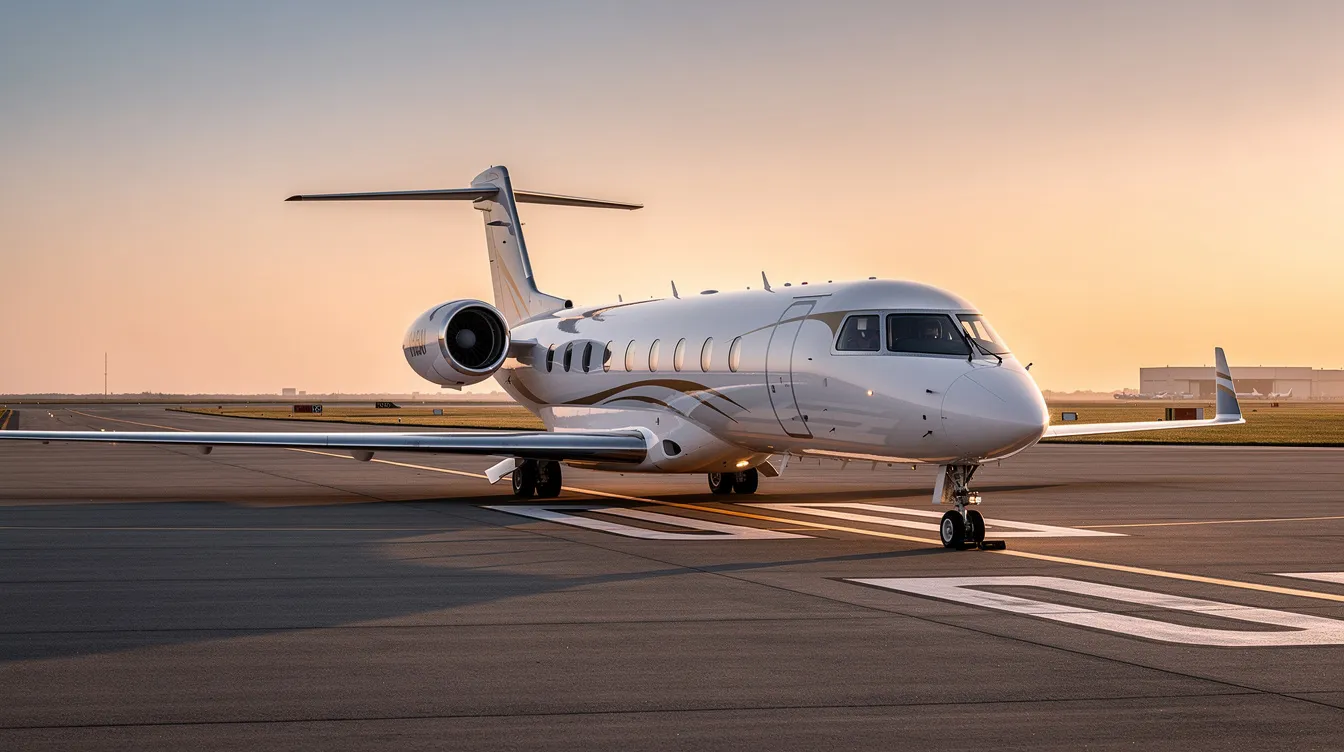
How BlackJet Jet Cards Elevate Safety Beyond Single-Engine General Aviation
BlackJet is a premium private aviation provider for members who prioritize safety, reliability, and time-efficiency at a level beyond typical general aviation. For executives and families who have outgrown the limitations of owner-flown single-engine planes, BlackJet's Jet Card programs-available in 25-hour and 50-hour options-deliver a curated, safety-first alternative.
What sets BlackJet apart:
Every flight is operated by professional two-pilot crews using airline-style SOPs, recurrent simulator training, and advanced avionics comparable to or exceeding high-performance single-engine planes.
BlackJet's operator network is vetted for maintenance quality, pilot training standards, and third-party safety certifications, including ARGUS and Wyvern ratings.
Real-time flight support enhances overall safety and operational efficiency in private aviation. BlackJet integrates weather monitoring, contingency planning, and 24/7 operational support so clients are not personally making marginal go/no-go decisions like many owner pilots must.
BlackJet ensures every Jet Card flight is carbon-neutral, using verified carbon offset programs and, where possible, more efficient aircraft types-giving environmentally conscious travelers an advantage over most single-engine operations.
Safety, Sustainability, and Technology: BlackJet vs Traditional GA Ownership
How does owning and flying a single-engine plane compare with using a BlackJet Jet Card? The differences are structural, not cosmetic.
Safety oversight. Individual owners manage their own maintenance schedules, recurrent training, and go/no-go discipline. BlackJet conducts operator audits, enforces centralized safety standards, and monitors performance continuously.
Technology. Many GA aircraft still operate with legacy avionics. BlackJet prioritizes aircraft with advanced flight decks, sophisticated autopilots, and advanced systems comparable to top-tier business jets-including redundant systems and modern weather radar.
Sustainability. Carbon offset initiatives aim to reduce the environmental impact of private aviation. BlackJet ensures every Jet Card flight is carbon-neutral at no extra cost to members, contrasting with the older GA fleet's mixed environmental profile and aligning with budget-conscious, lower-impact private aviation options.
Cognitive load. Pilots in the safest single-engine planes must plan routes, fuel, alternates, and weather personally. BlackJet clients focus entirely on their business or family time while experts handle every aspect of the flight, reducing pilot workload to zero.
FAQ: Safest Single Engine Planes and Safer Ways to Travel
What is considered the safestsingle-enginee plane for new pilots?
The Cessna 172S and Diamond DA40 consistently top the list. The Cessna 172S has a fatal accident rate of 0.45 per 100,000 hours, and the Diamond DA40 has a fatal accident rate of 0.35 per 100,000 hours. The Piper Archer, with a fatal accident rate around 0.50 per 100,000 hours, is another strong choice. All three feature stable handling, forgiving flight characteristics, and broad support from flight schools and experienced instructors.
Does getting an instrument rating make me significantly safer?
Yes. An instrument rating teaches pilots to navigate solely by reference to instruments, make conservative weather decisions, and handle complex airspace. The correlation between IFR training and reduced weather-related fatal accidents is one of the strongest in aviation safety research. Most pilots who pursue an instrument rating also adopt more disciplined decision-making habits that carry into all flying.
Is a Cirrus SR22T as safe as a Cessna 172 or Diamond DA40?
Older Cirrus models had higher accident rates, partly due to higher cruising speed and a pilot demographic that often flew longer, more demanding missions. The G7+ generation, with the whole airframe parachute (CAPS), electronic stability protection, and Safe Return Autoland, substantially changes the risk profile—but only when backed by serious pilot training and recurrent proficiency. Accident data for the newest variants is still accumulating.
When should I stop flying myself and instead use private jets?
Practical criteria include: trip lengths exceeding 600–800 nm, frequent night or IMC flying, schedule pressure that limits weather flexibility, age or health considerations that affect pilot proficiency, and family expectations for reliability. When these factors converge, professionally crewed private jets under Part 135 oversight offer layered safety that no single-engine aircraft can match. For a deeper look at why small planes crash more often, the data supports this transition point.
How does BlackJet compare with commercial first class and owning a plane for safety and convenience?
BlackJet Jet Card members fly on vetted, professionally crewed aircraft with direct routings, private terminals, and none of the maintenance or training burden of ownership. Compared to commercial first class, BlackJet eliminates crowded airports, rigid schedules, and connection risks. Compared to owning a single-engine plane, BlackJet provides redundancy, professional crews, and carbon-neutral operations that go well beyond what any individual owner-pilot operation can deliver.
Conclusion: Building a Safer Flight Path from Single-Engine Planes to BlackJet
The Diamond DA40 and Cessna 172S stand out as the safest single-engine planes for training and early ownership in 2026, backed by decades of accident data and millions of hours flown. For high-performance missions, the Cirrus SR22T G7+ and Diamond DA50 RG bring advanced safety features that push the boundaries of what single-engine piston aircraft can achieve. See our guide to private aviation safety for more on the operational standards that shape professionally managed flights.
The ultimate safety multipliers remain pilot proficiency, recurrent training, an instrument rating, and disciplined decision-making—regardless of airframe. No amount of technology replaces sound weather judgment and honest self-assessment. For travelers comparing ownership with flexible access, our overview of how Jet Cards work explains the membership model, while this guide to Jet Cards for frequent flyers outlines the benefits for regular travel.
For frequent travelers and executives, even the safest single-engine aircraft cannot match the layered safety, redundancy, and oversight of professionally crewed private jets. When your mission demands more than a single engine can reliably deliver, the smartest move is not a bigger engine—it’s a better system. Explore BlackJet’s safety standards to learn how operator vetting and flight support contribute to that approach.
Elevate your travel-effortlessly. With BlackJet, private flight isn't reserved for a few; it's accessible on your terms through Jet Card programs built on rigorous safety, carbon-neutral performance, and unmatched flexibility. Explore BlackJet's Jet Card offerings and discover how refined, reliable travel becomes your new standard.


 Sign up with google
 Sign up with Apple