If you're wondering what the salary of a flight attendant is, the short answer is that the median annual pay is about $67,130, with starting salaries around $47,079 and hourly rates ranging from roughly $17 to $52 depending on seniority, airline size, route, and whether you fly commercial or private. For aspiring flight attendants, career changers, and travelers comparing airline and private aviation roles, this guide breaks down salary by experience and location, how flight attendant pay is structured, the differences between commercial and private aviation compensation, and the training and day-to-day responsibilities behind the job heading into mid-2026. It also shows why these numbers matter when you're weighing career options or evaluating the higher service standards and compensation expectations tied to private jet travel, including the level of service associated with BlackJet.
Flight Attendant Salary at a Glance
The median annual salary for flight attendants is $67,130, according to BLS data. The average flight attendant salary is $29.74 per hour, though the range spans roughly $17 to $52 per hour depending on other factors like seniority and route type. Flight attendant salaries can range from approximately $28,000 to over $115,000 annually, with starting flight attendants making about $47,079 per year.
Flight attendants are compensated primarily based on hours the aircraft is in motion, not a standard 40-hour workweek. Pre-boarding duties, delays, and post-landing tasks are often uncompensated or paid at reduced rates—making the published flight attendant salary different from what most people expect.
Commercial airline pay structures differ significantly from private aviation, where cabin crew earn per day or per trip, and compensation can be substantially higher on long-range VIP operations. At BlackJet, we work primarily with experienced cabin crew in private jets, whose pay reflects the elevated level of service, safety training, and discretion our clients expect.

How Flight Attendant Pay Really Works
Pay Scale Components
A flight attendant salary is more complex than a flat yearly figure. Pay scales increase annually, with most airlines employing a tiered pay scale built around several components, and in private aviation this structure differs from what you see in a private jet pilot salary guide:
Flight-hour rate (the pay received only for hours when the aircraft is in motion): New-hire rates hover around $26–$28 per flight hour in 2026, rising with each year of service. Flight attendants can earn up to $93.31 per hour after 13 years at top scale.
Monthly guarantees: Monthly guaranteed flight hours typically range from 75 to 85 hours for flight attendants, with extra pay for hours flown above the minimum.
Per diem (an additional hourly allowance for time spent away from base location during trips): Flight attendants may receive additional compensation for per diem during flights, with per diem rates ranging from $1.50 to $2.60 per hour away from base location.
Holiday and international premiums: Often 150% of the hourly rate on major holidays or international flights.
Reserve status pay: Minimum day guarantees and airport standby compensation for those on reserve status.
Monthly Guarantees and Per Diem
Flight attendants check in at the airport well before departure. Many contracts start the main hourly pay only when the aircraft door closes. Here's a sample first-year month: 75 flight hours at ~ $26.50 per hour yields roughly $1,988 in flight-hour pay, plus several hundred dollars in per diem for 150–200 hours away from base—totaling approximately $2,300–$2,600 before premiums.
Private jet cabin attendants, including those serving on aircraft for BlackJet clients, are often paid by day or by leg, with higher per diems but more irregular schedules and elevated VIP expectations.
Average Salary for Flight Attendants by Experience and Location
Salary by Experience Level
Experience level and hub city are the two biggest drivers of the average salary. Flight hours, type of airline, and seniority are the key factors affecting flight attendant pay:
First-year: ~$28,000–$35,000, particularly those at regional carriers. Major carriers generally offer higher starting pay compared to regional airlines.
Mid-career (5–10 years): $55,000–$80,000 at large network carriers, especially with transoceanic flying.
Senior flight attendants and pursers (10–15+ years): Senior flight attendants can earn around $80,287 annually on average, with many reaching $90,000–$115,000 on premium wide-body routes. The highest 10% of flight attendants can earn over $138,040 annually.
Hub locations like New York, San Francisco, and Los Angeles offer better access to high-value trips. Unionized flight attendants may benefit from collective bargaining agreements that secure raises and bonuses—United's May 2026 contract, for example, included a 31% raise and introduced boarding pay.
Commercial vs. Private Aviation
Salary surveys from Indeed in mid-2026 confirm the U.S. average hourly pay around $29–$30 across thousands of data points. Senior attendants frequently oversee other attendants and take on responsibility ranges that justify premium compensation, similar to how performance and client relationships drive earnings in private jet sales salary roles and other high-touch private jet broker salary paths.
How Flight Attendant Salaries Compare to Other Jobs
The median flight attendant salary (~$67,130) compares favorably to many roles that require similar or more education. Sales representatives average roughly $81,000, while bartenders and servers often land between $30,000–$45,000 including tips, which can influence whether someone explores the cheapest private aircraft and access options for occasional private flying. For context within aviation careers, the compensation picture looks different when you examine the full cost structure around private jet pilots or even what the cheapest private jet options look like for owners and frequent flyers. The primary job attraction for many is the combination of pay, travel perks, and relatively short formal training.
Pros of flight attendant pay:
Access to discounted or free flights for self and family
Ability to swap trips and adjust monthly earnings
No requirement for a four-year degree—a high school diploma and college courses are typically required
Union protection and clear pay steps at many carriers
Cons:
Unpaid or partially paid pre-flight and post-flight duties
Irregular schedules, nights, weekends, and holidays
Time away from home, weather conditions, and fatigue
Exposure to jet lag and health considerations at cruise altitudes
Flight attendants ensure passenger safety and comfort during flights. They perform emergency procedures and first aid when necessary, and flight attendants demonstrate safety equipment usage to airline passengers before takeoff. Flight attendants check emergency equipment before takeoff, and they submit reports on medical or safety issues post-flight. In private cabin crew work, pay can be higher but demands for discretion and premium service are equally elevated.
How to Become a Flight Attendant (and What That Means for Your Earnings)
Minimum Requirements and Training
To become a flight attendant, airlines typically hire applicants who meet minimum requirements: age, legal work authorization, language proficiency, and medical standards. A high school diploma is the baseline, though college courses in hospitality or communications strengthen applications. Airlines generally assist new hires through initial training—usually four to eight weeks—covering safety requirements, emergency procedures, security regulations, and company policy. Candidates must pass exams and obtain faa certification before working with passengers, especially if they hope to transition into roles supporting premium private jet cards and charter programs like BlackJet or working alongside top private jet companies known for exceptional service.
Career Progression and Pay Increases
During the early career phase, attendants receive recurrent training annually. New training modules evolve with federal law updates and new technology like video recording of cabin procedures for review, which is just as relevant on smaller aircraft where clients may be comparing how much it costs to charter a small plane. The probationary period carries the lowest hourly rate (~$26/flight hour), and career advancement toward management positions or other positions unfolds over years. Pay steps increase automatically, reaching top-of-scale after roughly 10–13 years.
Many corporate operators—including those supporting BlackJet operations—prefer attendants with several years of mainline experience, rewarding them with higher daily pay for greater responsibility and bespoke service, particularly on flights arranged through jet card cost-per-hour programs.
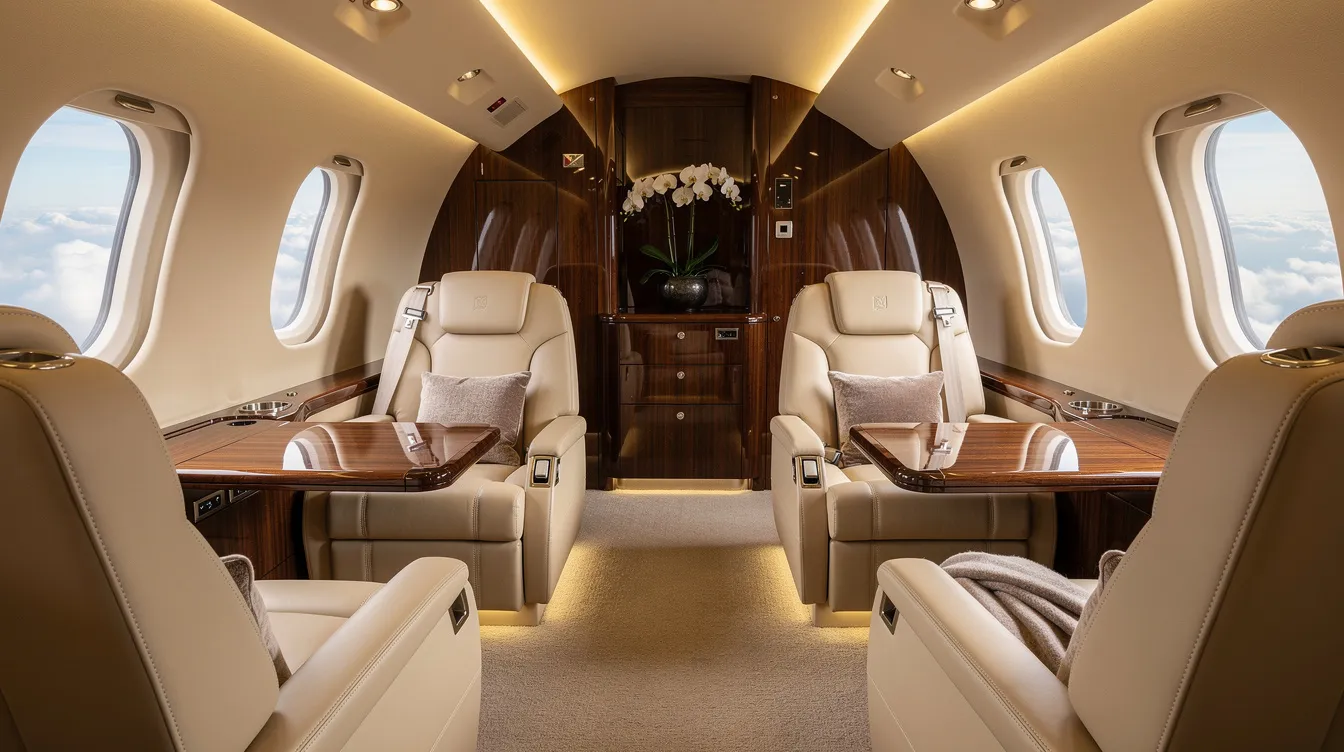
Private Jet Cabin Attendants vs. Commercial: Pay, Lifestyle, and BlackJet's Perspective
Many readers curious about what a flight attendant earns also want to understand how roles differ in private aviation and when chartering a private jet is worth it compared with commercial flying. During a preflight briefing, commercial crews discuss cabin conditions and review flight details with the flight deck, while private crews conduct preflight inspections and ensure an adequate supply of galley items for curated menus. Flight attendants greet passengers, answer questions about relevant flight information, and reassure passengers during any security issues before the plane takes off. When an aircraft hits turbulence, they administer assistance, coordinate emergency medical care if needed, and keep passengers safe until the plane lands. They also verify seatbelts are fastened, carry-on items are properly stowed, and seats are in an upright position. Senior attendants handle unruly passengers who display disruptive behavior and ensure emergency equipment is functional. Flight attendants survey the cabin to maintain flights comfortable for all, and they generally assist with routine services and proper use of carry-on baggage. Emergency equipment, including safety equipment, must meet all standards, and attendants handle emergency airline protocols and directed evacuations. Their important responsibility extends to filing reports about disruptive behavior, cabin conditions, and any emergency medical care administered on board, all of which factor into how operators structure jet card pricing for premium private flights and broader private jet charter pricing models.
In private aviation, compensation reflects these elevated demands. Experienced corporate attendants earn $100,000–$150,000 annually on large-cabin jets, often flying at higher cruise levels that highlight how high a private jet flies compared to commercial. Travelers who hold some of the best jet cards for frequent flyers enjoy consistent service standards alongside BlackJet's offerings, including options that mirror a 100-hour jet card cost structure for very frequent travelers. BlackJet's Jet Card members fly on aircraft staffed by seasoned cabin attendants—often from top commercial airlines—operating under rigorous safety certification while maintaining carbon-neutral flights, similar to clients evaluating a 50-hour jet card cost and value breakdown.
Frequently Asked Questions About Flight Attendant Salaries and Duties
What is the average salary of a flight attendant in 2026?
The median annual salary for flight attendants in 2026 is approximately $67,130. Starting salaries are around $47,079, and experienced attendants can earn upwards of $115,000, depending on airline, location, and seniority.
How do flight attendants get paid during flights?
Flight attendants are primarily paid based on flight hours when the aircraft is in motion. They also receive per diem allowances for time spent away from their base location, with rates typically ranging from $1.50 to $2.60 per hour.
What factors affect a flight attendant's salary?
Key factors include years of experience, airline type (regional vs. major carrier), seniority, flight hours, and location. Union contracts and international or holiday flights can also influence pay rates.
What are the main duties of a flight attendant?
Flight attendants ensure passenger safety and comfort, perform preflight checks on emergency equipment, demonstrate safety procedures, assist passengers during turbulence or emergencies, and submit reports on any medical or safety incidents.
How do flight attendants handle turbulence or emergencies?
When an aircraft hits turbulence, flight attendants administer assistance to passengers, ensure seatbelts are fastened, and coordinate emergency procedures if necessary. They also demonstrate and ensure emergency equipment is functional and ready.
What training is required to become a flight attendant?
Candidates typically undergo four to eight weeks of initial training covering safety protocols, emergency equipment demonstration, first aid, and federal regulations. Certification by the FAA is required before working onboard.
How does private jet cabin crew pay compare to commercial airlines?
Private jet attendants often earn higher daily rates reflecting the elevated service and safety standards demanded by high-net-worth clients. Salaries in private aviation can range from $100,000 to $150,000 annually on large-cabin jets.
Why is it important for flight attendants to ensure seatbelts are fastened?
Ensuring seatbelts are fastened is critical for passenger safety, especially during takeoff, landing, and turbulence. Flight attendants actively check and remind passengers to comply with this safety measure throughout the flight.
How do flight attendants manage emergency equipment on board?
Flight attendants regularly check and maintain emergency equipment to ensure it meets safety standards. They demonstrate the proper use of this equipment to passengers and are trained to operate it during emergencies.
Can flight attendants advance their careers and increase their salaries?
Yes, flight attendants can progress to senior roles such as pursers or supervisors, which come with higher pay and additional responsibilities. Some may also transition into training or recruiting positions within airlines or private aviation operators.
Conclusion: Flight Attendant Salaries Reflect Expertise and Commitment
Flight attendant salaries in 2026 reflect a balance of skill, experience, and the demanding nature of the role. Whether serving on commercial airlines or in the exclusive world of private aviation, flight attendants play a critical role in ensuring passenger safety, comfort, and a seamless travel experience. Their compensation structures reward tenure, expertise, and the ability to manage complex situations such as when an aircraft hits turbulence or emergency equipment must be administered.
For travelers seeking elevated service and uncompromising safety, private jet cabin attendants—like those on BlackJet flights—offer an enhanced level of professionalism backed by rigorous training and premium pay. Understanding these salary dynamics not only helps those considering a career in aviation but also highlights the value behind the exceptional service that BlackJet provides.
Explore how BlackJet’s commitment to safety, sustainability, and technology elevates every journey, and discover the possibilities that come with premier private jet access.
Understanding what flight attendants earn—commercial and private—helps career planners chart their path and helps travelers appreciate the expertise behind every seamless journey, especially when evaluating options like the BlackJet 25+ Hour Jet Card for flexible private travel.
Discover how BlackJet can reshape your travel. Explore premium jet access today.


 Sign up with google
 Sign up with Apple


