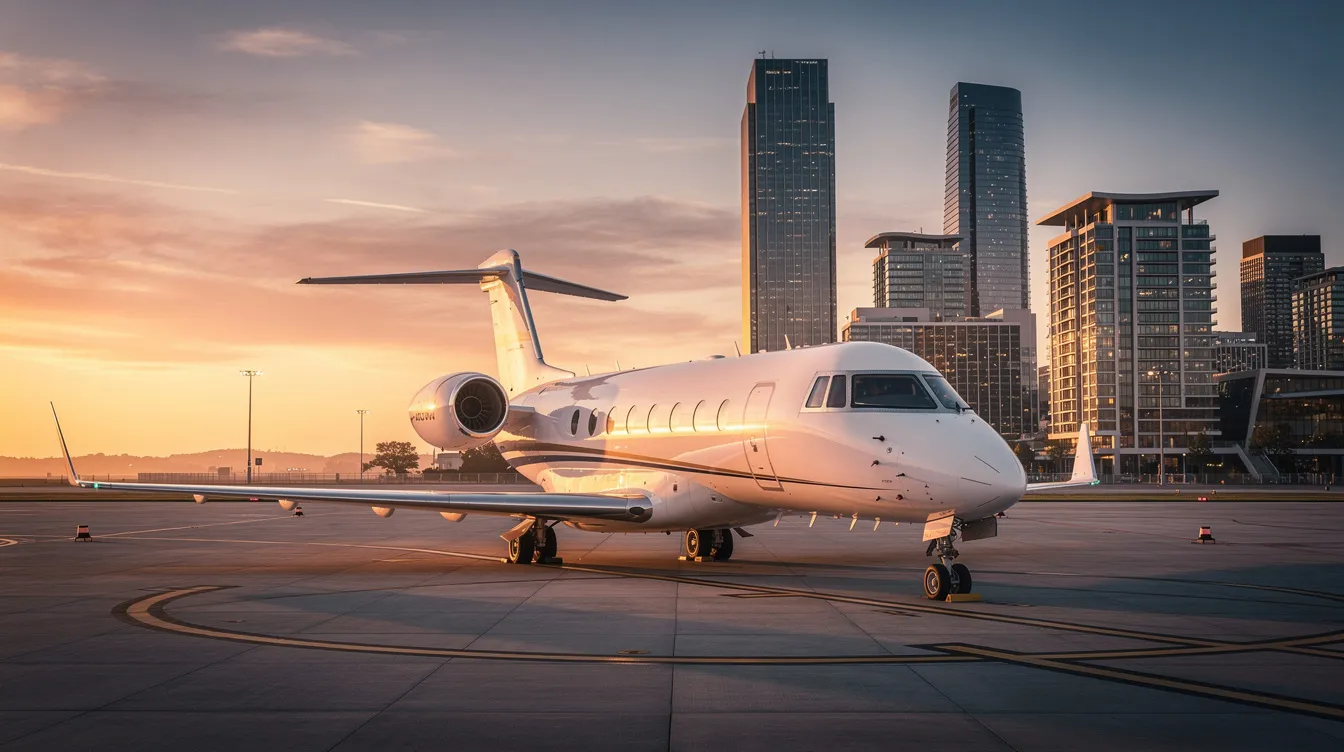
Strategic Power of Airplane Capacity for High-End Travelers
Picture two departures happening simultaneously at JFK. On one side of the airport, 500 passengers shuffle through security lines, queue at the gate, and eventually file into an Airbus A380 bound for London Heathrow. On the other side, four executives step out of a car, walk thirty meters to a waiting 10-seat private jet, and are wheels-up in under fifteen minutes on the same transatlantic route.
Both flights will cross the Atlantic. Only one group will arrive having held a confidential board meeting, reviewed a term sheet, and slept in a flat bed-without a single stranger within earshot. The difference is not just the airplane capacity each group chose. It is how that capacity translates into scheduling freedom, privacy, productivity, and the true cost of a travel day measured in executive hours, not ticket price.
For high-net-worth travelers and corporate decision-makers, airplane capacity is a strategic lever. Commercial airlines optimize seat count to lower cost per passenger. Private aviation optimizes capacity to protect something far more valuable: time and control. At BlackJet, we help clients treat the number of seats on an aircraft as a planning tool-matching group size, mission profile, and desired experience to the right aircraft rather than settling for whatever seat map happens to be available on a scheduled flight.
Factor | Commercial (Wide-Body) | Private Jet (Large Cabin) |
|---|
Typical passenger capacity | 250–615 | 10–19 |
Door-to-door time (NY–London) | ~11–13 hours | ~8–9 hours |
Pre-departure wait | 2–3 hours | 15–20 minutes |
Privacy level | Shared cabin | Exclusive aircraft |
Key Takeaways on Airplane Capacity
For travelers comparing options across commercial cabins and private aviation, understanding private jet sizes and capacity bands is the starting point for matching each trip to the right aircraft.
Commercial airliner capacities range from 50 to over 800 passengers, depending on aircraft type and cabin layout. The largest passenger aircraft, the Airbus A380, is certified for up to 853 passengers in an all-economy configuration.
Typical capacity bands for commercial flights: regional jets (50–110 seats), narrow body aircraft (130–240 seats), widebody aircraft (250–400+ seats), and very large aircraft (400–615+ seats in service).
Private jets typically seat between 4 and 19 passengers, from very light jets at 2–4 seats to large-cabin ultra-long-range jets at 10–19 seats. VIP airliners converted from commercial frames can accommodate 20 to 75+ passengers.
Seat capacity depends on more than the airframe. Cabin classes (economy class, premium economy, business class, first class), seat pitch, amenities, and operator priorities all determine how many seats actually go into the same aircraft model.
BlackJet's role: matching each client's group size and mission profile to the right aircraft category-from light jets for a quick regional hop to high-capacity corporate shuttles for leadership retreats-ensuring every seat serves a purpose.
How Many People Can an Airplane Really Carry?
There is a meaningful gap between how many passengers an airplane can theoretically carry and how many it actually does. Aircraft manufacturers certify a maximum capacity based on emergency evacuation requirements and exit architecture. Airlines and private operators then configure interiors far below that ceiling to balance revenue, comfort, and brand positioning.
Consider the Airbus A380-800: it can carry up to 853 passengers in an all-economy layout, yet most airlines configure the A380 with 500 to 615 seats because they install business class seats, first class cabins, premium economy sections, galleys, and crew rest areas. A Boeing 777-300ER usually carries about 550 passengers in a high-density two-class setup, but three- or four-class long-haul aircraft versions with American Airlines or Qatar Airways typically seat 350–400. An Airbus A320neo holds 150–186 depending on the airline's configuration. A 10- to 14-seat private plane uses a completely different philosophy: operators deliberately choose fewer seats to preserve luggage capacity, range, and the kind of onboard environment where real work gets done.
Typical commercial airplanes seat between 100 and 400 passengers for most flights you would actually book. Private jets typically accommodate 4 to 19 passengers. VIP airliners bridge the gap at 20–75+ seats in lounge-style layouts.
Capacity by segment:
Commercial airlines: 50 seats (regional jets) to 615+ seats (A380 high-density layouts)
Private jets: 4 to 19 passengers across all business jet categories
VIP airliners and corporate shuttles: 20 to 75+ passengers in bespoke cabin configurations
Typical Seat Capacity by Aircraft Type
Aircraft fall into distinct segments, each designed for specific route types and passenger volumes. Turboprops and regional jets serve shorter domestic routes and thinner markets. Narrow-body aircraft dominate short- and medium-haul flying. Wide-body aircraft handle long-haul routes and high-demand corridors. Very large aircraft like the Airbus A380 were purpose-built for the busiest hub-to-hub services in the world.
Longer aircraft can accommodate more rows of seats due to increased fuselage length, which is why stretched variants (the A321 vs. A319, or 777-300ER vs. 777-200) consistently carry more passengers. Wide-body aircraft feature configurations that allow for two aisles for passenger access, enabling 7–10 seats per row instead of the 6-across standard on narrow-body types.
Aircraft capacity is influenced by fuselage size, aisle configuration, and seating arrangement. Here are real-world capacity ranges across the spectrum:
ATR 72 (turboprop): ~68–78 seats
Embraer ERJ-145 (regional jet): ~50 seats
Regional jets typically seat 50 to 110 passengers overall
Airbus A320neo (narrow-body): 150–186 seats
Boeing 737-800 (narrow-body): 160–189 passengers
Boeing 787-9 (wide-body): 250–296 seats
Airbus A350-1000 (wide-body): 350–410 seats
Airbus A380-800 (very large aircraft): 500–615 seats in typical service layouts
The same aircraft model can be converted into a 20–30 seat VIP configuration for private or government use, trading hundreds of economy rows for conference rooms, bedrooms, and lounges.
Airbus A380 and Other High-Capacity Giants
The A380 is the largest passenger aircraft ever built-and the world's largest passenger aircraft currently in service. The Airbus A380 can seat up to 853 passengers in an all-economy configuration, a number driven by exit-limit certification rules rather than any airline's actual plans. In practice, airlines typically configure the A380 with 500–615 seats, reflecting the revenue reality that premium cabins generate far more yield per square meter than dense economy rows.
Singapore Airlines operated the A380's maiden flight on October 25, 2007, inaugurating commercial service on the type. Emirates became the aircraft's dominant operator, flying over 110 A380s on high-demand routes to destinations worldwide. Airbus delivered 251 A380s before production ended in 2021, marking the close of an era for the superjumbo concept.
Cabin layout trade-offs on the A380 are dramatic. Emirates' two-class high-density layout packed in 615 seats with business class and economy class but no first class. Korean Air configured theirs with generous first-class cabins and business-class seats, bringing total capacity down to roughly 407. The same airframe, radically different passenger experiences.
How other giants compare:
The Boeing 747-8 can seat up to 605 passengers in an exit-limit configuration; typical three-class layouts hold 410–467 seats
Boeing 777-300ER usually carries about 550 passengers in dense two-class setups, but most long-haul aircraft versions seat 350–400 across three or four classes.
Turkish Airlines, Qatar Airways, and Nippon Airways each configure their wide-body fleets differently based on route mix and brand positioning.g
The market has shifted. Airlines now favor twin-engine wide-body aircraft like the Airbus A350 and Boeing 787 with more fuel-efficient engines and lower operating costs per seat, even though they carry fewer passengers per flight. The era of very large aircraft is giving way to fuel efficiency and network flexibility.
Everyday Narrow-Body Jets: Workhorses of Commercial Flight
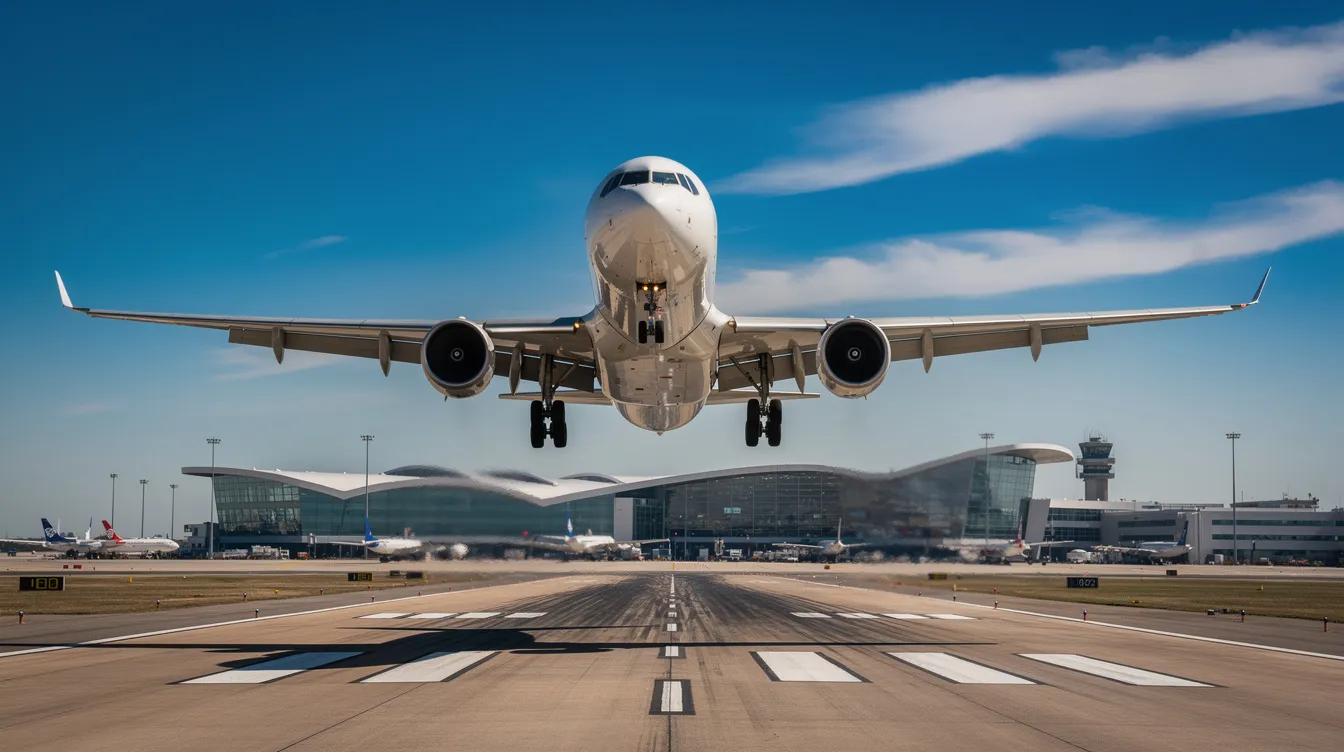
Narrow-body aircraft- single-aisle jets like the Boeing 737 and Airbus A320 families-carry the vast majority of the world's commercial passengers. Narrow-body jets typically seat 130 to 240 passengers and dominate short- and medium-haul commercial flights on every continent.
Concrete seat ranges across popular models:
Boeing 737-700: 120–149 seats
Boeing 737-800 typically carries 160–189 passengers; the MAX 8 variant falls in the same range.
Airbus A320neo: 150–186 seats depending on class mix
Airbus A321neo: up to 244 seats in high-density layouts favored by low-cost carriers
Many airlines use the same aircraft type with very different seating configurations. Delta Air Lines may configure an A321 with domestic first-class seats and extra-legroom rows, bringing the total seat count to around 190. American Airlines might fit a similar A321 with 196 seats in a three-class domestic layout. A low-cost European carrier flying the same model in an all-economy interior could push past 230.
The pattern is consistent: first class or extra-legroom rows in the front cabin reduce overall seat count compared with all-economy interiors. Every row of wider, more generous seating costs approximately five to eight economy seats. Airlines configure aircraft based on their business models and target markets-full-service carriers trade density for premium revenue, while budget operators maximize every inch of cabin floor space.
Cabin Classes and Their Impact on Seat Count
The main cabin classes on commercial aircraft are economy class, premium economy, business class, and first class. Each consumes progressively more floor space per passenger, directly reducing total capacity on the same airframe.
Cabin configuration significantly affects aircraft seating capacity. Here is how each class typically shifts the numbers:
Economy class: highest density, smallest per-seat footprint. Allows maximum rows and seats per row. An all-economy A380 reaches 853; a mixed cabin drops to 500 or below.
Premium economy: wider seats, more pitch, sometimes fewer seats per row. Adding a premium economy cabin to a Boeing 787-9 can remove 20–40 economy seats.
Business class: lie-flat seats in 1-2-1 or staggered layouts on long-haul aircraft consume roughly twice the floor space of economy. A 40-seat business class cabin displaces approximately 80–100 economy class seats.
First class: suites, enclosed pods, or fully private compartments. A 12-seat first class section on an A380 can replace space that would hold 40+ economy seats.
On widebody aircraft, the contrast is stark. An Emirates A380 in a two-class layout with no first class holds 615 passengers. Add first class suites and a generous business class section, and the total capacity drops to roughly 468–500 seats. The same aircraft, dramatically different passenger counts-all because of how airlines divide their cabin classes.
Short-haul business class (wider seats with a blocked middle seat) affects capacity far less than long-haul lie-flat business class, which replaces entire rows with flat-bed pods requiring direct aisle access for every passenger.
Economy Class: Maximizing Density
Economy class is where airlines extract the most seats from an airframe. Layouts vary by aircraft width:
Narrow-body jets: 3–3 seating (six across), with aisle seats and window seats flanking middle seats
Wide-body aircraft: configurations range from 2–4–2 on the Boeing 787 to 3–3–3 on the Airbus A350 to 3–4–3 on the Boeing 777
Seat pitch typically ranges from 28 to over 35 inches on commercial flights, though most economy cabins cluster around 30–32 inches. Seat width in economy runs 17–18 inches on wide-body types in denser layouts. Reducing seat pitch by just one inch across a long fuselage can yield an additional row, adding six to ten seats to total capacity.
"Slimline" seats-thinner seatbacks with integrated tray tables and reduced cushion depth-have allowed many airlines to add rows without technically reducing pitch. The trade-off is passenger comfort: slimline seats feel narrower and less cushioned, but they let carriers push capacity closer to certified limits.
An all-economy configuration can bring capacity near the maximum. Some high-density Boeing 777-300ER layouts exceed 450 seats, and Airbus A321neo interiors with 244 seats leave almost no cabin floor space unused. For airlines focused on cost per seat mile, density wins. For the passenger stuck in a middle seat at 29-inch pitch on a ten-hour flight, the experience is a different calculation entirely.
Premium Economy, Business Class, and First: Fewer Seats, More Space
Premium economy typically uses 2–3–2 or 2–4–2 layouts with 36–40 inch pitch, cutting total seat count by 20–50 compared to filling the same zone with standard economy rows.
Long-haul business class seats in 1–2–1 reverse-herringbone or staggered configurations provide all-aisle access and lie-flat capability, each seat consuming the footprint of roughly two economy seats.
A Boeing 787-9 configured entirely in economy might hold ~296 passengers. Add premium economy, business class, and a small first class cabin, and capacity drops to ~240–250.
An A380 shifting from Emirates' 615-seat two-class layout to a three- or four-class configuration with first class suites and expanded business class seats arrives at approximately 484–500 total seats-over 100 fewer seats from the same airframe.
"Fewer seats" is a deliberate revenue strategy: business class seats generate three to eight times the revenue per passenger compared to economy class on long-haul routes, making lower density financially rational for most long-haul aircraft.
Airlines like Singapore Airlines and Qatar Airways invest heavily in premium cabins precisely because fewer seats with higher yield outperform more seats with lower yield on competitive international routes.
Seat Design, Amenities, and Cabin Layout Choices
Seats on commercial aircraft mount to standardized floor rails, allowing airlines to reconfigure cabins during heavy maintenance checks. This modular system means the same airframe can shift between seating configurations over its service life-adding or removing class seats, adjusting pitch, or even converting passenger space to cargo.
Standard economy amenities-tray tables, power outlets, seat-back entertainment screens-add weight per seat but rarely change capacity directly. What does consume cabin floor space are the fixtures between seat rows:
Galleys (food preparation areas) can occupy the equivalent of three to five seat rows
Lavatories typically consume one to two row-equivalents each; wide-body aircraft carry 8–14 lavatories depending on passenger count.
Crew rest areas on long-haul flights require dedicated compartments, often built above the cabin or in cargo-bay modules.s
Closets and stowage for premium-class passengers further reduce available seating area.
In private jets, the calculus inverts entirely. Operators sacrifice dense seating for sofas, conference tables, full galleys, and dedicated sleeping quarters. A Gulfstream G650ER certified for 19 passengers might fly configured for 13 because the owner or charter client wanted a dining area, an office zone, and a private stateroom. Capacity becomes a design choice, not a constraint.
Regulatory Limits: Safety Rules That Cap Capacity
Aviation authorities like the Federal Aviation Administration (FAA) and EASA certify maximum passenger numbers based on evacuation tests and emergency exit availability, not just cabin dimensions. Passenger capacity is limited by safety regulations and emergency exits.
Aircraft must allow evacuation in 90 seconds per safety regulations-with only half the emergency exits usable. This 90-second full evacuation requirement is the single most binding constraint on how many seats an aircraft can legally hold.
The Airbus A380 can carry up to 853 passengers because its exit architecture and dual-deck layout support that number under evacuation standards. Adding even one more seat would require additional exits or a new evacuation demonstration.
Additional seats also require more safety equipment: oxygen masks, life vests, and evacuation slide-rafts all add weight and certification complexity. Each element must be documented and approved by aviation authorities.
Reputable operators, including BlackJet's partner carriers, often operate well below theoretical maximum capacity. This creates built-in safety margins for weight, balance, and evacuation performance-ensuring that comfort and safety align rather than compete.
Weight, Fuel, Range, and Capacity Trade-Offs
Every aircraft has a fixed maximum takeoff weight (MTOW) that combines the aircraft's empty weight, fuel, passengers, baggage, and cargo. Maximum takeoff weight limits affect passenger capacity because adding passengers means additional weight that could otherwise be fuel for longer range or cargo for revenue.
On long-haul commercial flights, this trade-off is constant. A Boeing 787-9 operating near its maximum range might face payload restrictions: the airline cannot carry full passengers, full cargo, and full fuel simultaneously. Something gives. On shorter flights, the equation is friendlier-less fuel needed means more room for passengers and bags, which is why most long-haul aircraft carry fewer passengers per available seat than short-haul jets of the same size.
Private operators face the same physics at a smaller scale. A large-cabin jet certified for 19 passengers might cap at 14 on a New York–London crossing to preserve non-stop range. Fewer passengers means less weight, which means the fuel burn calculation works for a transatlantic mission without a refueling stop.
Key trade-offs:
More passengers = more weight = shorter range or less cargo
Heavier cabin amenities (premium seats, galleys) add fixed weight regardless of passenger count
Hot weather and high-altitude airports further restrict MTOW, sometimes forcing passenger or fuel reductions
Private operators routinely choose fewer passengers to guarantee non-stop range on demanding routes
From Commercial Cabin Classes to Private Jet Comfort
A commercial widebody aircraft like the Boeing 777 might carry 40–60 lie-flat business class seats alongside 250+ economy seats. A large-cabin private jet like a Gulfstream G650ER carries 12–16 passengers in an environment where every seat is effectively first class.
In private aviation, cabin classes in the commercial sense do not exist. There is no economy section. The entire aircraft serves a single group with a single standard of comfort.
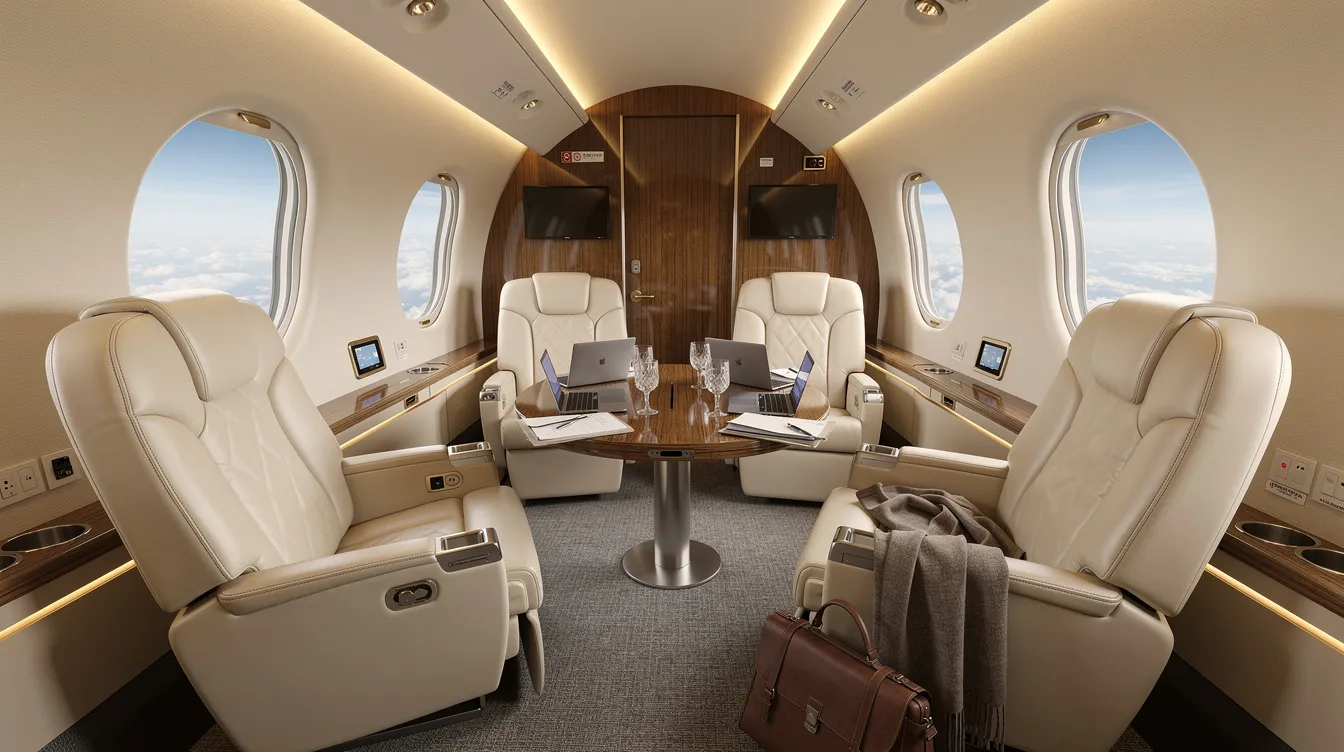
Private aviation prioritizes comfort over maximum passenger capacity. Operators use capacity to provide executive workspaces, quiet sleeping areas, and meeting zones rather than to maximize seat count.
A four-person team on a private plane can hold a three-hour strategy session at a conference table en route-something impossible in even the most generous commercial business class cabin surrounded by strangers.
Private Jets: Capacity Ranges and Use Cases
Private jets span a wide range of sizes, from very light jets designed for two to four passengers to large-cabin ultra-long-range aircraft seating up to 19. Unlike commercial aviation, where airlines push toward maximum density, private capacity is about matching the aircraft to the mission-not filling every possible seat- and many travelers now explore more affordable private jet options as an entry point into this flexibility.
Large business jets typically carry 10 to 18 passengers on models like the Gulfstream G500, G650ER, Bombardier Global 7500, and Dassault Falcon 8X. Light and midsize jets can carry 7 to 10 passengers, with popular models including the Embraer Phenom 300E, Cessna Citation XLS, and Bombardier Challenger 350. Very light jets can be configured for 2 to 4 passengers, ideal for short regional hops, while a 12-seater private jet often represents a practical midpoint for families and executive teams that need more space without moving to VIP airliners.
Categories and examples:
Very light jets (2–4 passengers): HondaJet Elite II, Embraer Phenom 100-short-range, compact, efficient for solo travelers or couples
Light jets (4–8 passengers): Embraer Phenom 300E, Citation CJ4-regional and short cross-country flights
Midsize and super-midsize jets (7–12 passengers): Challenger 350, Praetor 600, Gulfstream G280-stand-up cabins, cross-continental range
Large-cabin jets can seat 10 to 19 passengers: Gulfstream G600, G650ER, Global 7500-multi-zone interiors, intercontinental non-stop capability
Most private flights operate with 2–8 passengers, well below the aircraft's maximum. Executives value luggage capacity, workspace, and the ability to move around the cabin over squeezing in additional travelers.
Traditional business jets in the heavy category represent the sweet spot for corporate travel: enough room for a full leadership team, enough range for transcontinental or transatlantic missions, and enough cabin volume to work, eat, and rest productively, with many companies favoring 16-seat private jet configurations that balance capacity, comfort, and nonstop range.
For a detailed breakdown, explore our guide to light jet charter options and costs.
VIP Airliners and High-Capacity Corporate Shuttles
When group size exceeds what even the largest traditional business jets can handle, VIP airliners fill the gap. These are Airbus aircraft and Boeing models-A320 corporate jets, ACJ330 variants, Boeing Business Jet versions of the 737 and 777-fitted with custom interiors that trade hundreds of economy rows for premium experiences, and they are often the best private jet options for 20 passengers who need to travel together in one cabin.
VIP airliners can accommodate 20 to 75+ passengers in lounge-style layouts with conference rooms, private suites, and full galleys, making them ideal private jets for around 30 passengers on corporate tours, sports travel, and entertainment roadshows
A standard commercial A320 seats 150–180 passengers; a corporate jet version of the same airframe might carry 30 in boardroom-style seating with sleeping quarters, and similar platforms can be configured as private jets for 50 passengers when large-group charter demands it.
These aircraft serve specific group-use scenarios: a publicly listed company flying 40 executives on a multi-city investor roadshow, a professional sports team traveling with coaching staff and medical personnel, or a government delegation requiring secure communications en route.e
The cargo variant of some commercial frames can even be partially converted for mixed passenger-cargo VIP missions
BlackJet can arrange access to these aircraft models for clients whose private capacity needs exceed typical business jet limits. When 19 seats are not enough but 300 are far too many, a VIP airliner configured for 30–50 passengers delivers the privacy and productivity of private aviation at a scale that makes commercial charter unnecessary, and the same principles apply when evaluating the cost of chartering for 100 passengers on high-stakes corporate or diplomatic missions.
What Actually Limits How Many People Can Be on a Plane?
Four factors determine the real-world ceiling on how many passengers any aircraft carries, and they interact with each other in ways that make "maximum capacity" far more nuanced than a single number.
First, regulatory safety limits set the hard ceiling. No aircraft can carry more passengers than its certified evacuation capacity allows, regardless of how many seats could physically fit inside. Second, physical cabin dimensions-fuselage width, length, ceiling height, door placement-constrain layout options. A narrow-body fuselage simply cannot fit the same number of seats per row as a wide-body, no matter how slim the seats.
Third, weight and balance constraints mean that even if seats fit and exits allow it, the aircraft may not be able to carry full passengers plus full fuel plus baggage on every route. Load planning teams and private operators adjust passenger numbers for weather, runway length, altitude, and fuel requirements. Fourth, service and comfort choices reflect the airline's or operator's brand: the published maximum seat count of any aircraft type is rarely used in commercial service because airlines and private operators choose passenger comfort and premium revenue over raw density.
Safety always overrides the desire to add more seats:
Regulatory certification caps capacity at the exit-limit level
Weight restrictions can reduce actual passengers below the seat count on specific routes
Airlines and private operators deliberately under-seat aircraft to preserve comfort, brand value, and safety margins
Flight loads on any given departure reflect these combined constraints, not just how many chairs are bolted to the floor
Choosing the Right Capacity for Your Trip: Commercial vs Private
Airlines decide whether to deploy a 150-seat narrow-body or a 300-seat wide-body based on route demand, seasonality, airport slots, and competitive dynamics. Passenger demand affects the choice of aircraft size and configuration by airlines-a summer route to a resort island might get a widebody aircraft, while the same route in winter drops to a narrow-body or disappears entirely.
Mission profiles influence how airlines configure seating for different routes. A United Airlines domestic shuttle between New York and Chicago favors high-frequency narrow-body service with generous business class. A long-haul Singapore Airlines flight to Sydney demands a wide-body with premium cabins optimized for 18-hour journeys.
For private travel, right-sizing the jet means matching seat count to group size, range needs, luggage volume, and the experience your group expects onboard; for example, a private jet configured for 15 passengers often hits the sweet spot for global board meetings and extended families. Here are three scenarios:
Four executives, New York to Chicago (2-hour flight): A light jet with 6–8 seats provides ample room for a working meeting, arrives at a private terminal, and costs a fraction of chartering a large aircraft. No need for a heavy jet when range is short and the group is small.
Fourteen board members, London to Dubai (7-hour flight): A large-cabin jet with 16–19 seats offers lie-flat capability, a conference zone, and non-stop range. The entire board travels together with full privacy, arriving rested and aligned, especially when flights are booked through BlackJet's premium private jet services with access to a curated large-cabin fleet.
Thirty-five employees, multi-city US roadshow (3 cities in 2 days): A VIP airliner configured for 40 passengers with meeting space and catering eliminates the complexity of coordinating commercial flights across three airports. The group stays together, and the schedule stays under their control.
BlackJet Jet Cards: Flexible Access Across Cabin Types
The BlackJet 25+ Hour Jet Card is designed precisely for travelers who need predictable access to mid, super-mid, and large-cabin capacity without owning an aircraft.
BlackJet's Jet Card programs (25-hour and 50-hour options) let members pre-purchase flight time without committing to a single aircraft type, giving access to the full capacity spectrum as travel needs change; a dedicated 25-hour jet card guide explains how these entry-tier products fit occasional private flyers.
Members can move between aircraft categories-light, midsize, and large-cabin jets-depending on how many passengers are flying on each trip. A solo traveler books a very light jet for a two-hour hop; the same member books a super-midsize for a team of eight the following week, and mid-tier products like a 50-hour jet card often offer the best balance between flexibility and value.
Integrated technology drives the experience: 24/7 digital booking tools display available aircraft model, aircraft type, and seat capacity for each mission, letting members see exactly what fits before confirming, including transparent jet card cost per hour benchmarks across cabin categories.
Safety and certification are foundational. All partner operators undergo rigorous third-party audits that exceed regulatory minimums. Capacity recommendations always prioritize safety and performance-if conditions require a larger aircraft or fewer passengers, BlackJet's team advises accordingly, and resources like our 100-hour jet card cost guide help heavy users understand long-term access strategies.
Every BlackJet flight is carbon-neutral. Verified offsets are calculated based on the specific aircraft model, distance flown, and passenger load, applied at no additional cost to the member. Learn more about BlackJet's sustainable approach to private aviation and how jet card pricing structures integrate environmental fees and surcharges.
For a deeper look at what a Jet Card is and how it works, explore our comprehensive guide, alongside our overview of the best jet cards for frequent flyers comparing benefits, guarantees, and cost transparency.
Productivity, Privacy, and Time Saved vs Commercial Capacity
Understanding how capacity, pricing, and service compare across leading providers-including resources such as our NetJets jet card cost analysis-helps frame the value of BlackJet-style on-demand access.
The arithmetic of commercial flying is familiar: arrive two to three hours before departure, clear security, wait at the gate, board in sequence, settle into your assigned seat among hundreds of strangers. On a large commercial flight aboard an A320 or 777, door-to-door travel time for a three-hour flight route can stretch past seven hours.
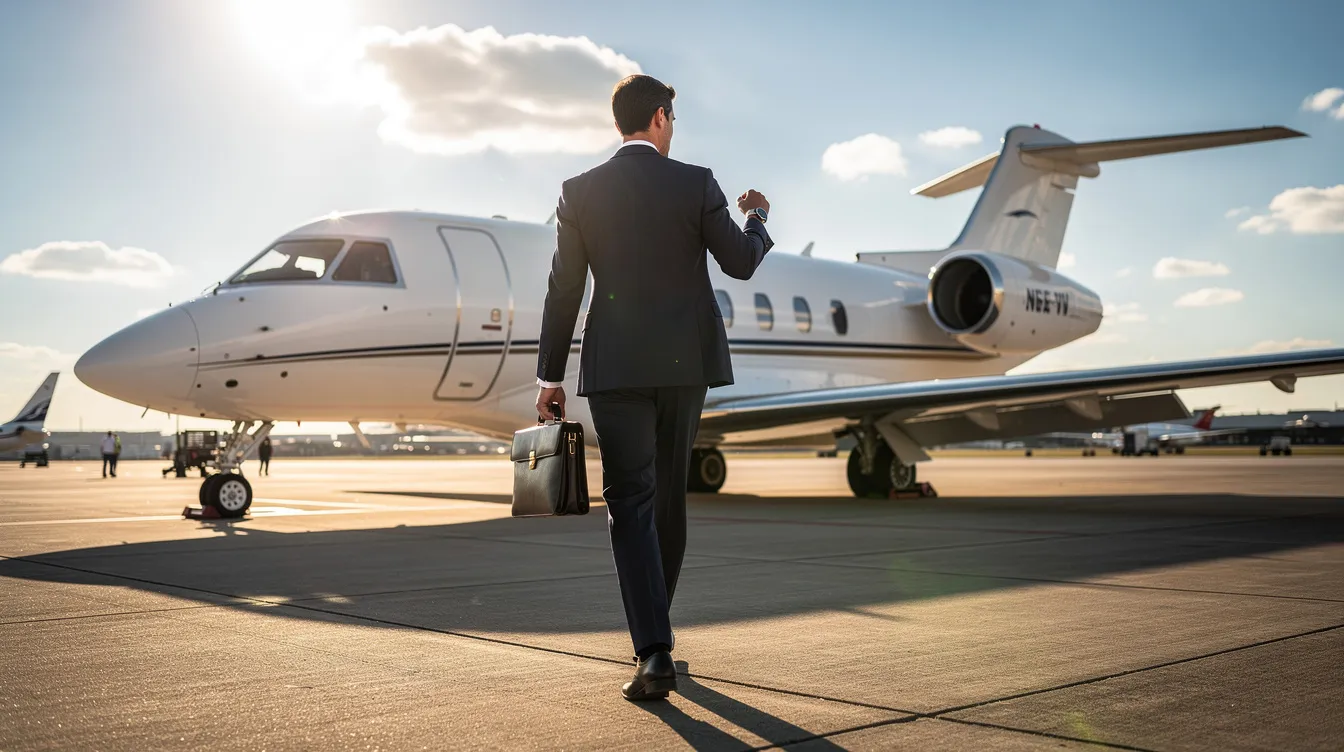
On a private jet, passengers arrive 15–20 minutes before departure at a fixed-base operator terminal with no security lines, no boarding groups, and no gate changes. The aircraft departs on the member's schedule, not the airline's. For a leadership team visiting three cities in one day-say, meetings in Dallas, Houston, and Atlanta-a BlackJet Jet Card makes the itinerary possible. Commercial flights would require overnight stays, connections, and at least two full travel days to cover the same ground.
Small-group capacity (4–10 people) on a private jet enables confidential discussions that are impossible in economy class and impractical in most business class cabins where strangers sit inches away:
Board presentations can be rehearsed and refined in-flight
Sensitive M&A discussions happen without risk of being overheard
Teams arrive at each destination aligned and briefed, not scattered across different flights and arrival times
Productive flight hours replace wasted airport hours-a direct return on the cost of private capacity
Safety, Capacity, and Private Travel Standards
For some travelers, long-term safety and control over capacity also lead to exploring private jets for sale in the UK and Europe as an alternative to purely on-demand charter.
Safety standards apply identically whether an aircraft carries 4 or 400 passengers. Every certified aircraft must meet stringent design, maintenance, and operational regulations set by the Federal Aviation Administration and equivalent global aviation authorities.
Smaller aircraft can enable higher safety margins for specific missions: access to less congested airports, shorter taxi times, direct routings that avoid complex airspace, and the ability to use shorter runways closer to final destinations.
BlackJet's safety approach goes beyond regulatory compliance. Partner operators are vetted against criteria including minimum pilot experience requirements, maintenance history, and third-party auditing standards like ARG/US and Wyvern that exceed baseline rules.
If safety or performance margins require it, BlackJet will recommend changing aircraft category or reducing passenger numbers. No flight operates at the edge of an aircraft's certified limits when a safer option is available.
For more on how private aviation safety compares to commercial standards, read our analysis of safety in the skies.
Sustainability: Capacity, Emissions, and Seat Efficiency
Per-passenger emissions generally fall as seat density increases on large aircraft. A full A380 carrying 500+ passengers achieves lower carbon output per person-kilometer than a half-full regional jet. But total emissions per flight rise with aircraft size, fuel load, and distance.
Modern Airbus aircraft and comparable Boeing models use lighter composite materials and more fuel-efficient engines to reduce fuel burn per seat. Boeing launched the 787 Dreamliner with advanced composite technology that cut fuel consumption by roughly 20% compared to older wide-body types. Airbus launched the A350 with similar efficiency gains. These developments matter for both commercial and private aviation, as engine and airframe improvements trickle across the fleet.
Private aviation, with fewer seats per flight, produces higher per-passenger emissions than commercial alternatives. The response is threefold:
Select modern, fuel-efficient aircraft with the latest engine technology to minimize fuel burn per flight hour
Use smart routing and flexible airport access to reduce taxi time, holding patterns, and unnecessary mileage
Apply verified carbon offset programs that account for actual emissions based on aircraft model, distance, and number of passengers.
BlackJet ensures every flight is carbon-neutral. Offsets are calculated using the specific aircraft flown, the route distance, and passenger load, then applied automatically with no extra cost to the member. The result is that capacity decisions and environmental responsibility move in parallel rather than in opposition.
Finding the Capacity of a Specific Flight or Aircraft
On commercial airlines, seat count is visible during the booking process. Most carriers display a seat map showing exact layout, cabin classes, and available seats. Tools like ExpertFlyer and SeatGuru provide additional detail on seat pitch, width, and configuration for specific flights.
Remember that Delta Air Lines' Airbus A321 may have a different capacity from United Airlines' A321 due to customized cabin layouts. The airline's configuration-not the manufacturer's brochure-determines what you experience and how many seats are on your flight.
Manufacturer brochures list reference configurations for each aircraft model, but these are starting points. Real-world layouts vary by airline, route, and even sub-fleet within the same carrier.
BlackJet members see clear information inside the booking platform: maximum passengers, luggage limits, recommended group size, and aircraft specifications for every available option. No guesswork, no surprises-just the data needed to match capacity to mission.
FAQ: Practical Questions About Airplane Capacity
These are the questions travelers and planners ask most often when trying to understand how many passengers different aircraft can carry and which option fits their needs.
How many passengers fit on a typical domestic US flight?
Most domestic routes use narrow-body jets like the Boeing 737 or Airbus A320 family, carrying 130–200 passengers depending on the airline's configuration and whether the aircraft includes first-class seats or an all-economy interior.
Why does the same aircraft type have different capacities on different airlines?
Because seating configurations are airline-specific choices. Seat pitch, cabin class mix, galley size, and lavatory count all vary. An A320 on one carrier might have 150 seats with domestic first class; on another, 186 in all-economy. Same airframe, different priorities.
Do passenger numbers include flight crew?
Published seat counts refer to passenger seats only. Flight crew (pilots, flight attendants) are separate. Certified maximum capacity figures, however, include both passengers and required crew for evacuation purposes.
What is the smallest practical capacity on a private jet, and when does it make sense to upsize?
Very light jets carry 2–4 passengers comfortably and work well for solo travelers or couples on routes under 1,500 nautical miles. Once your group exceeds four, or your route demands more range, upsizing to a light or midsize jet (7–10 passengers) becomes the better fit.
Can a private jet carry as many people as a commercial flight?
Standard private jets top out at 19 passengers. For groups larger than that, VIP airliners-commercial frames fitted with luxury interiors-carry 20 to 75+ passengers. These are not traditional business jets but purpose-configured large aircraft that deliver private-aviation service at commercial-aircraft scale.
How does airplane capacity affect ticket price on commercial flights?
Higher seat count generally lowers cost per seat on a given route. Airlines deploying larger aircraft on high-demand routes spread fixed costs across more passengers. On private flights, fewer passengers mean higher per-person cost, offset by time savings, privacy, and flexibility.
How do I know which aircraft size I should book for my group?
Consider group size, luggage volume, route distance, and onboard needs (workspace, sleeping capability). BlackJet's advisory team matches these variables to the right aircraft category, ensuring you never overpay for unused capacity or squeeze into an aircraft that compromises the mission.
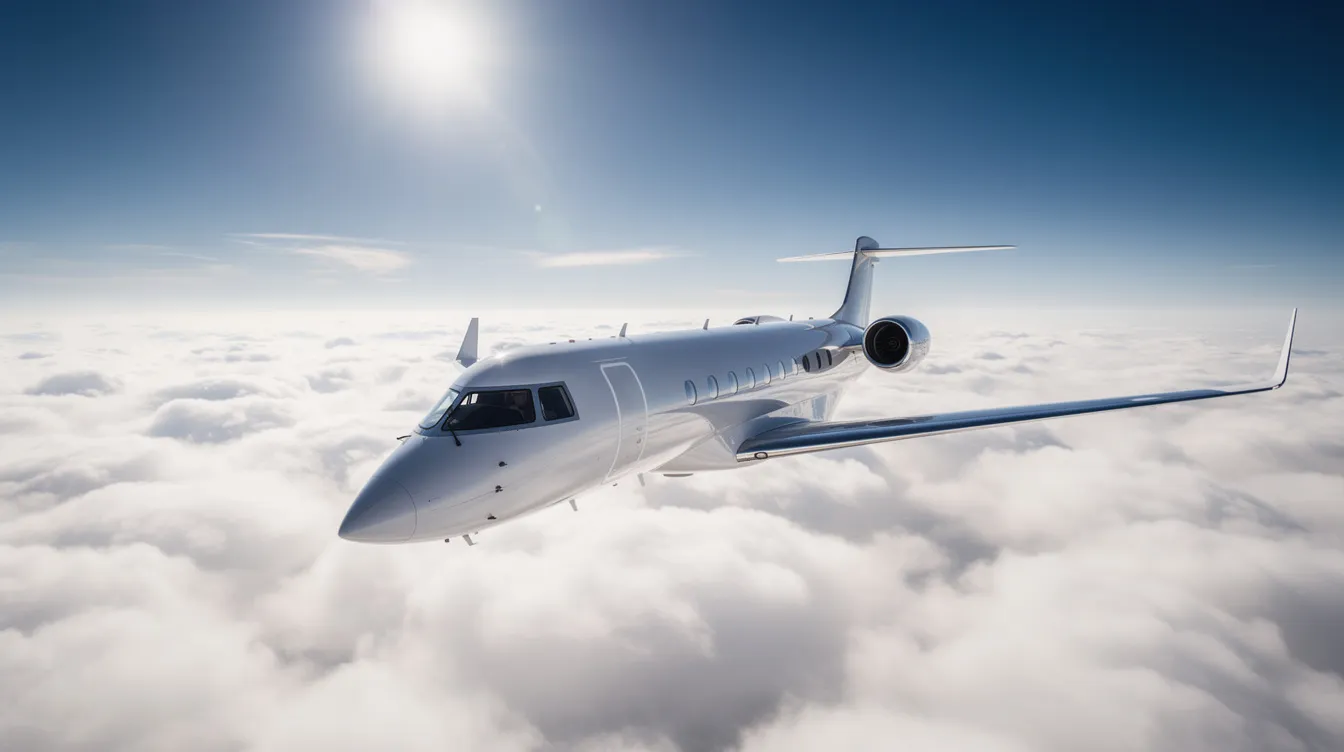
Conclusion: Using Airplane Capacity as a Strategic Advantage
The spectrum of airplane capacity stretches from a 4-seat very light jet to the 853-passenger certified maximum of the Airbus A380. Between those extremes lies every type of air travel experience imaginable: regional jets connecting smaller cities, narrow-body workhorses carrying 150–240 passengers on domestic routes, widebody aircraft crossing oceans with 300–600 travelers, and private jets delivering 4–19 passengers to their destinations with unmatched speed and privacy.
Commercial aviation optimizes cost per seat-packing more passengers into each flight to drive down unit economics. Private aviation optimizes something different: time, privacy, mission control, and the ability to make every flight hour productive for a smaller group of people who value those things more than a lower fare. Neither approach is universally "right." The strategic advantage comes from choosing the capacity that fits your specific mission rather than accepting whatever happens to be scheduled.
BlackJet exists at this intersection. Our Jet Card programs provide flexible access across aircraft types-from light jets for a quick two-person hop to large-cabin ultra-long-range jets for intercontinental board travel-backed by rigorous safety standards, carbon-neutral operations, and expert guidance on matching the right capacity to every trip. The right aircraft is never the biggest. It is the one that makes your next journey effortless, productive, and exactly the right size.
Elevate your travel-effortlessly. Explore BlackJet's Jet Card programs or speak with a BlackJet advisor to design a capacity strategy that fits the way you actually travel.


 Sign up with google
 Sign up with Apple