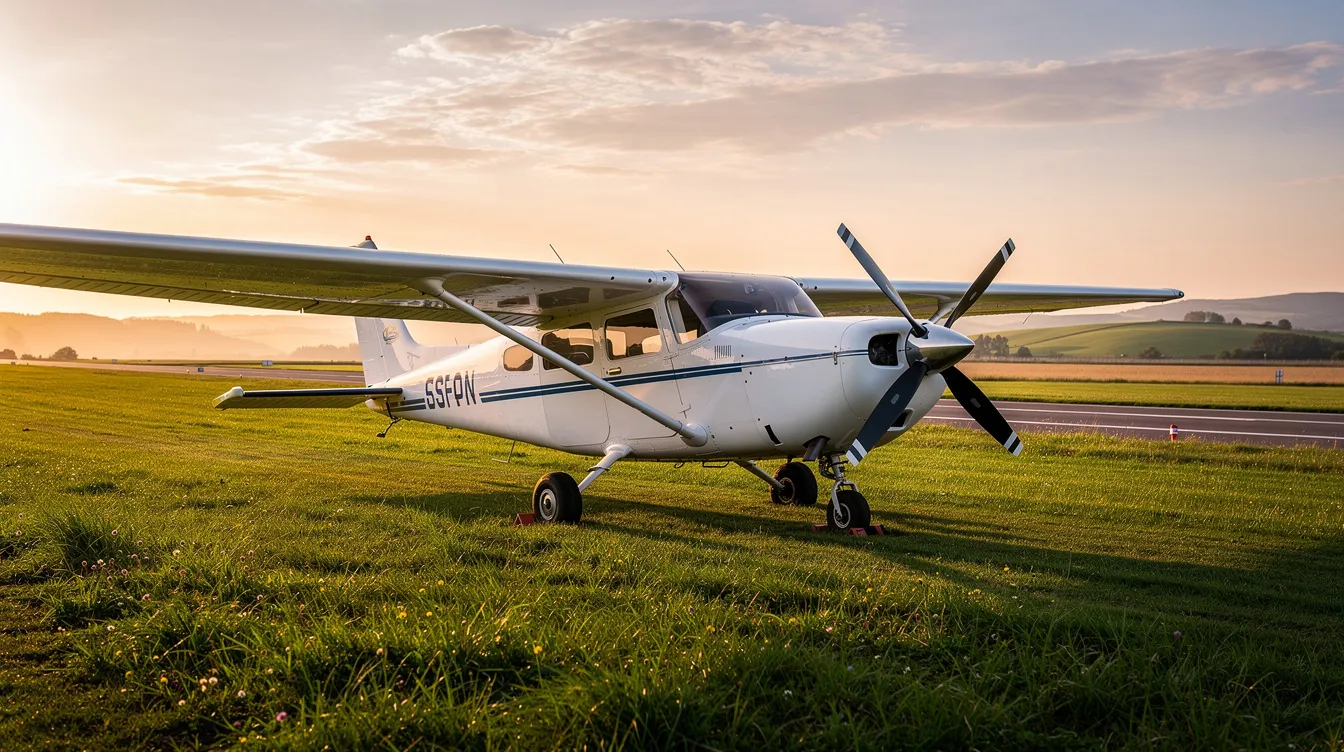
Introduction: Why Beginner Planes-and Why Access Matters More Than Ownership
The frustration is familiar: another delayed connection, another crowded terminal, another hour burned waiting for luggage in a city you should have reached ninety minutes ago. For a growing number of high-net-worth individuals and business travelers, that frustration has become the catalyst for something more strategic-searching for beginner planes for sale and taking control of their own aviation. Growth in private aviation is driven precisely by these individuals, people who treat time as their most constrained resource and see personal flight as a force multiplier rather than a hobby.
Owning a modest single-engine aircraft delivers a specific kind of freedom: skip the security theater, depart on your schedule, land at regional airports minutes from your destination. For missions under two or three hours, even a basic four-seat trainer can beat commercial travel door-to-door. But not every trip fits a piston airplane. Private aviation includes options for regional and international travel, and frequent travelers value flexibility, privacy, safety, and luxury that a small trainer simply cannot provide on longer legs or in challenging weather.
That is why many new pilots blend both approaches-owning a beginner aircraft for training, recreational flying, and weekend hops while using a structured Jet Card for faster, longer, or weather-sensitive missions. Jet cards provide prepaid access to private jets, giving owners a seamless bridge between their personal airplane and the turboprops or light jets they need when the mission demands more speed or cabin comfort. At BlackJet, we serve as an expert private aviation partner across that entire continuum, backed by a dedicated team: whether you are searching for your first trainer or stepping into a light jet cabin, our programs are designed to meet you where your mission takes you.
The core themes throughout this guide are straightforward: safety first, low operating costs, simplicity of systems, and honest mission-matching. Let's get into what actually makes a beginner plane worth buying-and when booking a jet makes more sense.
What Makes a "Beginner Plane" Different? Key Criteria for Single-Engine Aircraft to Focus On
A beginner airplane is not simply a cheap airplane. It is one engineered-or at least proven over decades-to be forgiving when a new pilot makes mistakes. That means benign stall behavior, moderate stall speeds, stable pitch and roll characteristics, good visibility from the cockpit, and minimal adverse yaw. Single-engine planes are popular for personal and training use precisely because they keep systems simple: fixed gear, fixed-pitch propellers, and straightforward avionics reduce pilot workload and lower failure points.
Low operating costs matter enormously for a first purchase. A basic trainer flown roughly 100 hours per year typically runs $20,000–$35,000 annually in total expenses-fuel, insurance, maintenance, hangar fees, and engine reserves included. That translates to roughly $200–$300 per flight hour when all costs are loaded. Predictable resale values also help; popular models like the Cessna 172 or Piper Cherokee depreciate slowly because demand from flight schools and private owners stays consistent.
The high-wing versus low-wing debate is worth understanding. High-wing aircraft (Cessna types) offer superior downward visibility for pattern work and traffic spotting, easier ground handling around obstacles, and simpler ingress. Low-wing designs (Piper Cherokee, Bellanca Viking) often deliver slightly faster cruise speeds and crisper roll response but can feel less intuitive for brand-new students. Most flight schools train on high-wing platforms, so instructor familiarity tends to favor them.
Safety and training ecosystem support should weigh heavily. Choose a model with robust parts availability, a large community of owners, published training syllabi, and a healthy accident-statistics record. When your aircraft type is common, finding a qualified mechanic or an instructor who knows its quirks becomes far easier.
Many owners start with a basic trainer for local flying and hour building, then rely on charter or a Jet Card for business or family trips that exceed its range or speed. This hybrid strategy keeps personal flying affordable while ensuring access to professional-grade aircraft when stakes are higher.
Best Two-Seat Beginner Planes for Sale in 2026
Two-seat aircraft represent the lowest-cost entry point into ownership. They are ideal for primary flight training, solo hour building, and short cross-country flights before stepping up to a four-seat platform. For pilots who simply want to fly-to build skill, confidence, and logbook time-a well-maintained two-seater is hard to beat on value.
The typical performance envelope is modest but sufficient: cruise speeds of 80–105 knots, fuel burn of 3–6 gallons per hour, and range between 250 and 500 nautical miles with reserves. Insurance costs tend to be lower because hull values are lower. Simplicity translates to fewer annual inspection surprises.
Older two-seat models frequently appear in listings for under $40,000, sometimes well under. The catch is age: airframes from the 1940s through 1960s demand careful pre-purchase inspections for corrosion, control cable wear, engine compression, and logbook completeness. Budget for avionics upgrades (modern radios, ADS-B transponders) on virtually any classic.
Training suitability is high across the category. Instructors know these models; parts-while sometimes requiring aftermarket sourcing-remain available; and the flying characteristics reward developing good stick-and-rudder fundamentals rather than relying on automation.
Below, you will find specific aircraft offers with real-world price bands, performance data, and key specifications.
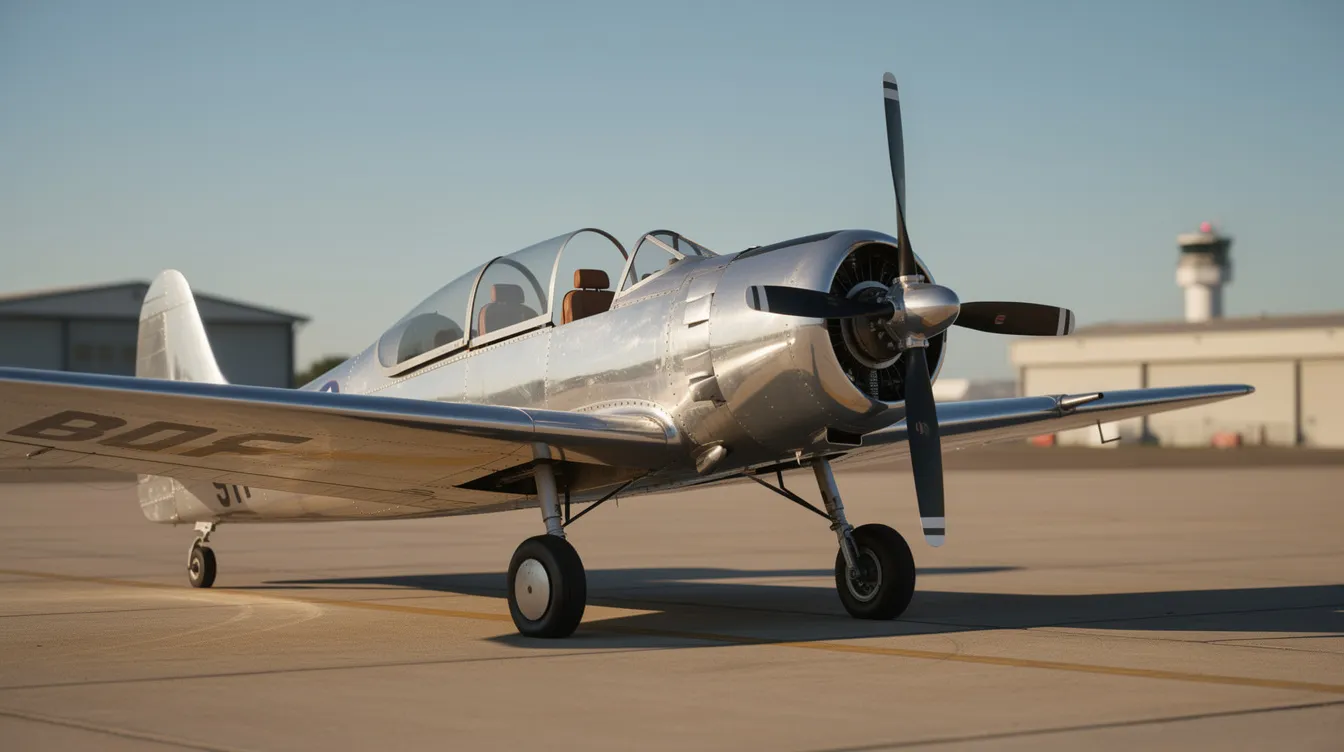
Classic Two-Seat Trainer Examples: Colt, 120/140, and Ercoupe
These three models represent concrete, affordable aircraft for sale that new buyers actually encounter in 2026 U.S. and UK listings.
Piper PA-22-108 Colt. Produced 1960–1964, the Colt is a straightforward two-seater powered by a 108-hp Lycoming O-235. The Piper PA-22-108 Colt has a cruise speed of 95 knots, burns approximately 6 gph at 75% power, and climbs at about 610 fpm. Typical asking prices for airworthy examples with 2,000–6,000-hour airframes fall in the $20,000–$25,000 range. Pre-buy focus areas: engine health, airframe corrosion (particularly welds and control cable routing), and logbook completeness. Fixed gear and simple systems make operation intuitive, though parts for some components may require aftermarket sourcing.
Cessna 120/140. The Cessna 120/140 series aircraft were manufactured between 1946 and 1951, making them among the oldest viable trainers on the market. These high-wing, side-by-side two-seaters cruise around 95 knots on roughly 5.4 gph, with climb rates near 640 fpm. Forward visibility is excellent. Price bands for clean, airworthy examples sit around $23,000–$28,000, though restored collector variants can reach higher. Inspection emphasis: wing spar corrosion, strut attachment points, magneto and carburetor health, and fabric condition on applicable variants.
Ercoupe 415-C (1946 onward). A distinctive low-wing design with twin rudders, the Ercoupe is renowned for its spin-resistant handling-a genuine safety advantage for beginners. Powered by a 75-hp engine, it cruises around 83 knots with a range of roughly 260 nm. Pricing in 2026 runs approximately $24,000–$30,000, with collector interest sometimes pushing values higher. Trade-offs include limited speed, sparse baggage capacity, and the need for avionics updates. Inspect control linkages, wing spar integrity, fuel tank seals, and AD compliance carefully.
Best Four-Seat Beginner Planes: When You Want to Bring the Family
Many first-time buyers skip two-seaters entirely. Their mission includes a spouse, a child, or a business associate-and that means four seats, more useful load, and greater range. The trade-off is higher purchase and operating costs, but for pilots who intend to fly regularly with passengers, the advantages of moving straight to a four-seat platform include better mission fit and less need to upgrade later.
Expect performance in the range of 110–140 knots cruise, fuel burn of 7–10 gph, and range extending to 500–800 nm with reserves. Payload accommodates a pilot plus two or three passengers and light baggage, assuming a moderate fuel load. These models share the forgiving flight characteristics of two-seat trainers-stable stalls, predictable handling, fixed gear in the most beginner-friendly variants-while adding meaningful cabin comfort and cross-country capability.
For pilots who fly one- to two-hour regional missions, a four-seat beginner aircraft pairs naturally with Jet Card access for longer or weather-sensitive journeys. The airplane handles the weekend ride to a lake house; the Jet Card handles the business trip from Chicago to Denver, and broader Jet Card programs and private aviation services can cover everything beyond your personal aircraft’s capabilities.
Affordable Used Four-Seat Examples: Comanche, Cessna 172, and Bellanca Viking
Piper Comanche PA-24-180. Produced 1957–1972, this low-wing single features retractable gear-adding complexity and cost but delivers 139-knot cruise, 910 fpm climb, and roughly 800 nm range on 9.5 gph. Price band: $42,000–$80,000 depending on condition and avionics. The retractable gear and older engines demand more rigorous maintenance and higher insurance. Best suited as a step-up for pilots with 200+ hours rather than a true first airplane.
Cessna 172 Skyhawk. The default beginner four-seater for good reason. High-wing, fixed gear, all-metal construction, with a fleet numbering in the tens of thousands. Earlier models (e.g., 1966 172G) offer 114-knot cruise, 645 fpm climb, roughly 7 gph burn, and ~515 nm range. Clean examples with 3,000–5,000 hours list between $60,000 and $80,000; newer or recently upgraded airframes command more. Proven reliability, a massive support network, and excellent resale make it the safest financial and operational bet for beginners.
Bellanca Viking 17-30A / Super Viking. With 300 hp and 163-knot cruise, the Viking is a high-performance machine: retractable gear, 12–16 gph burn, useful load around 1,100 lbs, and 4+ hours endurance. Prices range from $70,000 to $130,000+ depending on condition and avionics. Annual costs at 100 hours run roughly $19,000–$22,000. Its wooden wings and fabric fuselage require specialized maintenance. This is a step-up aircraft-not a first purchase unless you have strong mentorship and ample training hours.
For a true first purchase, prioritize docile behavior and widespread support. A Cessna 172 equipped with modern radios and a reliable engine is harder to outgrow than buyers expect-and far easier to insure, maintain, and eventually sell.
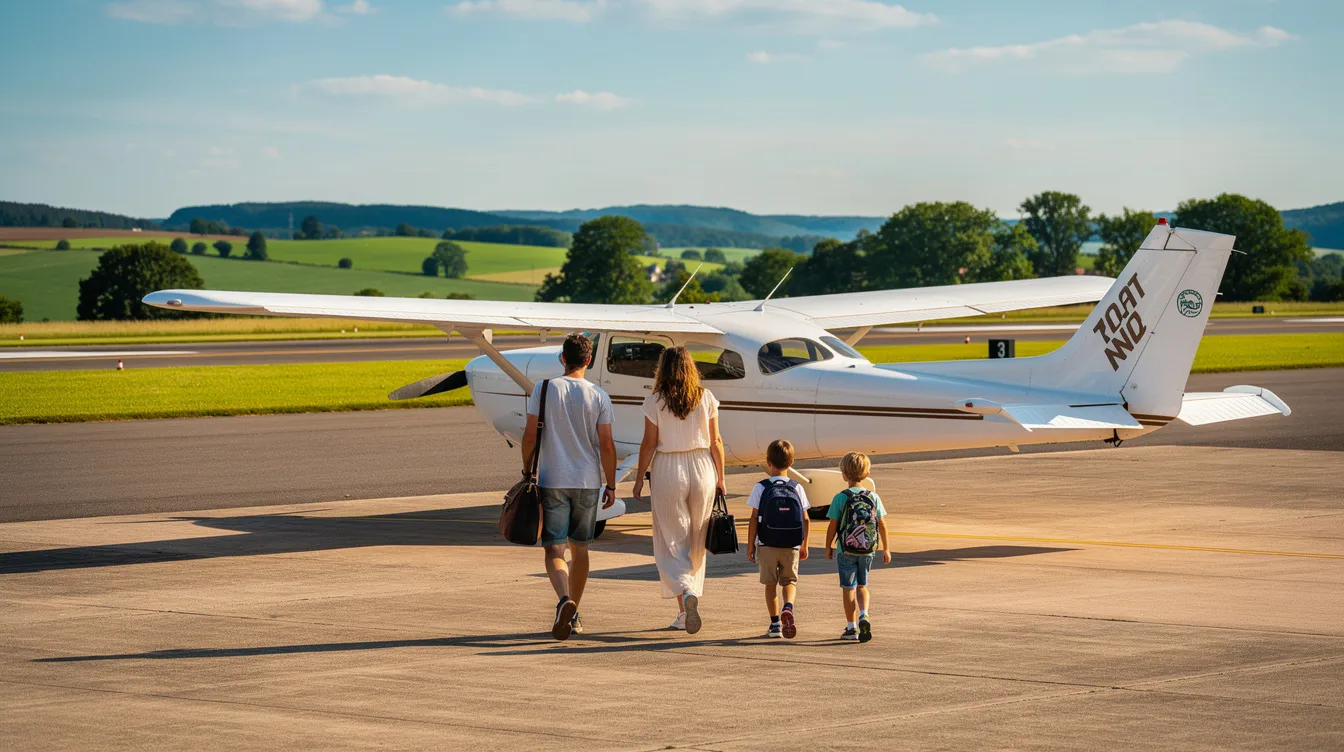
Top Purpose-Built Beginner Planes in 2026: Flight Training Trainers That Still Shine
The global trainer fleet in 2026 is still anchored by a handful of proven designs: the Cessna 172 Skyhawk, the Piper Cherokee series, and the Diamond DA40. These aircraft dominate flight schools across North America and Europe because they combine stability, predictable stall characteristics, strong parts supply, and robust accident statistics. Their production runs-past or ongoing-ensure that buyers, instructors, and mechanics share deep familiarity with every system.
Training-centric designs emphasize what matters most during early operation: forgiving handling, wide speed envelopes, and a safety record that satisfies insurance underwriters and cautious buyers alike. For aspiring owners, this means earning a Private Pilot License in 9–12 months while flying 60–80 hours in your own aircraft-and building equity rather than paying rental rates.
These models also relocate and resell easily. Whether you buy in Dallas, London, or anywhere in between, the market for a well-maintained trainer remains liquid. Instructor availability, simulator support, and aftermarket improvements keep these platforms relevant well beyond their initial production years.
Cessna 172, Diamond DA40, and Piper Cherokee: Gold-Standard Beginner Platforms
Cessna 172 Skyhawk. The Cessna 172 is the world's most-produced aircraft with 44,000+ built, and it remains in production in 2026. Cruise sits around 120 knots with 600–700 nm range. Its fixed gear simplicity, predictable stalls, and massive global fleet make it the benchmark by which every other beginner plane is measured. Annual operating costs at 100 hours run approximately $12,000–$22,000 depending on location and maintenance status.
Diamond DA40 (especially DA40 NG). The DA40 brings composite construction-lighter, corrosion-resistant, and aerodynamically efficient-paired with Jet-A fuel efficiency and a G1000 NXi glass panel. Cruise speeds reach 145–150 knots with range near 900 nm. Used examples carry a median price around $274,000, reflecting newer airframes with lower total time. For environmentally conscious pilots who want modern avionics and performance from day one, it is a compelling choice.
Piper Cherokee (PA-28 series). A low-wing platform with forgiving handling, wide aftermarket support, and cruise speeds typically between 105 and 125 knots. The Cherokee family remains a staple at flight schools worldwide. Moderate fuel burn, accessible maintenance, and a broad selection of used listings make it an excellent first ownership platform for weekend travel and continued training.
Owners of these aircraft often complement them with BlackJet Jet Card access when a mission demands a turboprop or light jet rather than a piston trainer-say, a time-critical hop from Denver to the coast.
How to Evaluate Beginner Aircraft for Sale: Checklist Before You Buy
A compelling listing price means nothing if the airplane behind it is hiding expensive problems, so verify the aircraft’s specifications against the listing before committing. Before committing, insist on the following:
Logbook completeness: Continuous records from manufacture. Gaps suggest undocumented repairs or missed inspections.
Engine hours since overhaul: Most piston engines have a TBO (time between overhaul) of 1,800–2,000 hours. An engine approaching TBO may need a $25,000–$40,000 overhaul soon.
Corrosion inspection: Especially critical on 1960s–1980s airframes. Check wing spars, belly skins, fuel tank sealants, and control cable routing.
Avionics age: Outdated radios, transponders, and navigators may need replacement. Adding a GTN 750 or GFC-500 autopilot can cost $15,000–$18,000 per unit.
Damage history: Any prior incidents should be disclosed and documented. Repairs can be sound, but poorly executed ones affect safety and resale.
Hire an independent A&P/IA mechanic-not the seller's-for the pre-buy inspection. Budget $1,000–$2,500 for a thorough evaluation; it routinely saves multiples of that amount by catching hidden issues.
Beyond purchase price, model your true cost of ownership: hangar or tie-down fees ($150–$1,500/month depending on market), annual inspections ($1,500–$3,000), fuel, oil, insurance, and engine/prop reserves. Financing and insurance availability differ sharply between a 1960s airframe and a 2010s DA40; pilot experience directly affects rates and approvals, just as Jet Card cost per hour and pricing variables depend on aircraft type, provider, and usage profile.
Buyers searching for aircraft primarily for business travel should compare total ownership cost against simply using charter or a Jet Card for 50–150 hours per year, referencing a detailed guide to overall Jet Card cost and value when modeling scenarios. Below that usage threshold, ownership costs per hour rise steeply.
Beginner Planes vs Just Booking a Jet: When Access Beats Ownership
Three access paths exist for a new aviator or business traveler, and each suits a different profile.
Owning a beginner aircraft makes sense for 50–150 hours per year of local and regional flying-particularly for pilots passionate about developing skill and logging personal hours. The efficiency gains are real on short hops where commercial alternatives involve disproportionate ground time.
Ad-hoc charter works for occasional trips under 50 hours per year, but pricing varies widely, and aircraft availability is never guaranteed. Private jet charter services include various cabin types and aircraft categories, yet without a structured commitment, the experience can feel inconsistent compared with top-rated Jet Card programs for frequent flyers that prioritize predictable service and guaranteed availability.
A structured Jet Card is often the most efficient path for 75–200 hours per year of business and family travel. BlackJet offers 25-hour and 50-hour Jet Card programs with fixed hourly rates, guaranteed aircraft class, and safety-screened operators, giving frequent travelers clear advantages in flexibility, planning, and cost control, especially when you understand 50-hour Jet Card pricing and value drivers. Jet cards include 24/7 digital booking tools and real-time support, and mobile booking platforms provide the convenience that frequent travelers demand. Real-time flight support enhances the user experience across every trip. Private aviation companies often include comprehensive support like 24/7 availability, something no personally owned piston aircraft can replicate.
Beginner planes for sale are ideal for training, hour building, and recreational flying. But serious time-sensitive missions-New York to Chicago, London to Berlin-are better served by turboprops and light jets through a Jet Card that guarantees cabin comfort and speed.
Safety, Technology, Low Operating Costs, and Sustainability for First-Time Owners
Even on a beginner platform, prioritize modern safety features. Updated avionics with GPS/WAAS, ADS-B (mandatory in controlled airspace since 2020), and terrain awareness systems are baseline expectations in 2026. Advanced avionics now include autoland systems for enhanced safety on higher-end platforms. For pilots stepping beyond basic trainers, the Cirrus Airframe Parachute System has saved over 100 lives-a sobering reminder that CAPS-equipped Cirrus aircraft offer emergency recovery capability that no conventional trainer matches. The Cirrus SR22T has over 8,000 units delivered since 2003, making it a significant presence in the owner-flown fleet, and it sits alongside a broader ecosystem that keeps private jet travel safety standards and oversight exceptionally high.
Safety certification is a key factor in private aviation services. Modern small jets meet rigorous safety standards and regulations, and BlackJet ensures operators meet ARGUS, Wyvern, and IS-BAO certifications-a level of vetting that individual owners cannot easily replicate for their personal operations.
Sustainability also deserves attention. Lower fuel-burn single-engine aircraft reduce emissions per mile, and sustainable aviation fuels can significantly reduce carbon footprints across the industry. Modern aircraft are designed to use sustainable aviation fuels as they become more widely available. Carbon offset programs are standard in private aviation now, and eco-conscious owners often pair local piston flying with carbon-neutral BlackJet flights for longer trips, or explore affordable private planes and efficient VLJs that balance performance with lower environmental impact. Jet Card members enjoy carbon-neutral flights as standard-BlackJet ensures all flights are carbon-neutral through verified offsets. High-utilization Jet Card fleets lower per-flight emissions significantly compared to individually operated aircraft.
Treat safety and sustainability as equal priorities alongside price, especially when the aircraft will carry family or serve executive transport duties.
Beginner Planes and Mission Planning: Matching Aircraft to Real Trips
Think in terms of your typical mission-not the airplane's spec sheet-and match accordingly.
Weekend leisure flight: Los Angeles to Palm Springs (~110 nm). A Cessna 172 handles this in under an hour, burning roughly 8 gallons of fuel. You depart from a quiet general aviation field, skip LAX entirely, and land at a small airport minutes from your destination. Total door-to-door time: about two hours including preflight. Commercial alternative: three hours minimum with ground transport on both ends. Ownership wins clearly.
Business regional hop: Dallas to Santa Fe (~550 nm). A Diamond DA40 could make this trip, but it requires roughly four hours in the air with a fuel stop and carries meaningful weather risk through the Texas-New Mexico corridor. The same traveler could book a PC-12 or light jet via a BlackJet Jet Card and arrive in under two hours, rested and productive, while leveraging budget-conscious private aircraft and access strategies to keep costs aligned with business goals. For time-critical business travel, the Jet Card is the smarter tool.
Occasional longer journey: Chicago to Miami (~1,100 nm). No beginner piston aircraft makes this trip practical in a single day without fatigue, multiple fuel stops, and significant weather exposure. A light jet covers it in under three hours nonstop. This is precisely where Jet Card access replaces ownership-not as a competitor, but as a complement.
Mission-based thinking prevents over-buying. You do not need a complex retractable or a light jet for weekend flying. You do need professional-grade access when the world demands speed and reliability beyond what propellers deliver, and that is where understanding Jet Card pricing structures and membership models becomes crucial.
FAQs: Beginner Planes for Sale, Costs, and Next Steps
What is the best first airplane for a new pilot? The Cessna 172 Skyhawk remains the most recommended first airplane due to its forgiving handling, fixed gear simplicity, massive support network, and strong resale market. The Diamond DA40 and Piper Cherokee are excellent alternatives depending on budget and preference, and pilots weighing options can also compare them with the cheapest private jet and entry-level VLJs when deciding how far to stretch their first-aircraft budget.
How much does it really cost to own a beginner aircraft per year? Expect $20,000–$35,000 annually when flying approximately 100 hours, covering fuel, insurance, hangar, annual inspections, and engine reserves. Costs per hour rise sharply below 50 hours per year because fixed expenses remain constant, so frequent travelers should compare that ownership footprint with a 100-hour Jet Card cost breakdown before committing capital to an aircraft.
Are low wing planes harder for beginners? Not inherently, but most initial training happens in high-wing aircraft, so instructor familiarity tends to favor them. Low-wing models like the Cherokee are still beginner-friendly; retractable-gear low-wing types like the Comanche or Bellanca Viking are better suited to pilots with more experience.
Should I own a beginner plane or just use a Jet Card? If you want to fly yourself-for training, skill-building, and the pleasure of piloting-ownership makes sense for local and regional missions. For business travel, longer distances, or weather-challenging routes, a Jet Card delivers speed, cabin class, and guaranteed availability that piston aircraft cannot, and a clear private jet price list and access-model comparison helps you decide where that Jet Card fits into your overall aviation budget.
How quickly can I access a jet or turboprop after joining BlackJet? BlackJet provides guaranteed aircraft class availability within 12–24 hours of booking. With 24/7 digital tools and real-time support, scheduling a turboprop or light jet is as simple as a few taps on a mobile platform, similar to the streamlined process you would use when buying a seat on a private jet through shared or semi-private services.
Combining beginner-plane ownership with professional Jet Card access creates a balanced aviation strategy-personal freedom for the skies you love, professional-grade performance for the missions that demand it.
Conclusion: Start Small, Fly Smart, and Elevate Your Access
There is no single "best" beginner plane. The right choice depends on your mission, your budget, your training goals, and your honest appetite for the responsibilities of ownership. Models like the Cessna 172, Diamond DA40, Piper Cherokee, and affordable classics-the Colt, Cessna 120/140, and Ercoupe-remain smart, reliable entry points into the world of aircraft ownership.
But ownership is only one part of a broader private aviation life. A beginner single-engine aircraft handles the short hops, the scenic flights, the skill-building hours that make you a better pilot. For everything beyond-speed across time zones, cabin comfort for passengers, weather resilience on critical trips-a Jet Card bridges the gap with efficiency and professionalism that personal ownership cannot replicate.
Elevate your travel-effortlessly. With BlackJet, private flight is accessible on your terms through our Jet Card programs, complete with rigorous safety standards, carbon-neutral performance, and unmatched flexibility. Whether you are scheduling a demo flight in your first trainer or exploring how a 25-hour Jet Card reshapes your business travel, the next step is yours-and you can benchmark our offerings against leading private jet companies and their programs.
Explore BlackJet's Jet Card programs and discover how refined, meaningful travel becomes your new standard, whether you are comparing them with Flexjet Jet Card pricing and options, evaluating NetJets Jet Card costs and benefits, considering unlimited private jet membership models, or arranging bespoke private jet charters in Karachi for regional travel needs.


 Sign up with google
 Sign up with Apple