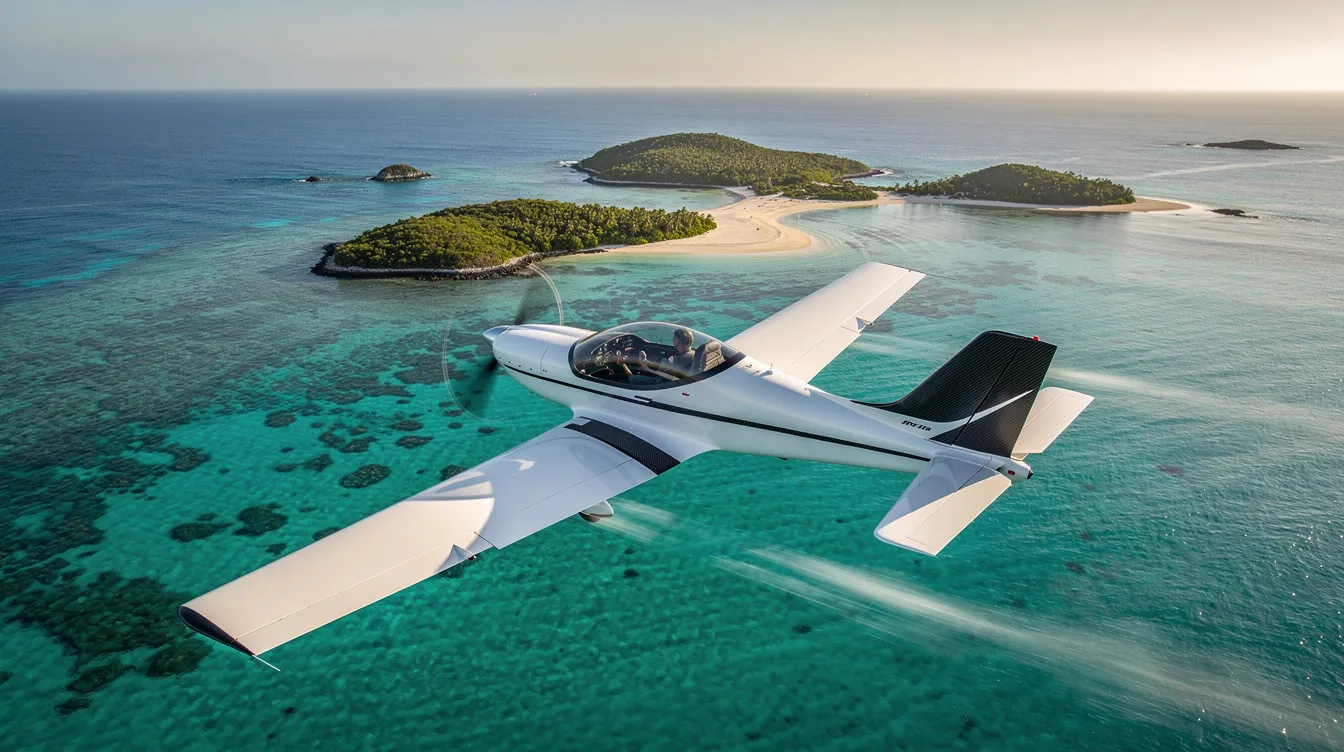
The best light sport aircraft for cross-country flying in 2026 are no longer novelties—they are legitimate travel tools. For travelers who already value the efficiency of private aviation, owning or co-owning a cross-country sport aircraft opens a dimension of regional freedom that even the finest jets cannot replicate. This guide breaks down every model, metric, and mission profile worth considering this year.
Why Cross-Country Light Sport Aircraft Matter for High-End Travelers
Light sport aircraft are suitable for long-distance and cross-country travel, and the modern world of personal aviation has finally caught up to that potential. Today's recreational aircraft routinely deliver cruise speeds from 90 to 140 knots, burn as little as four gallons per hour, and access runways no turbine-powered aircraft could attempt.
An LSA can save two to three hours on a 300 nautical mile trip compared to driving or connecting through a commercial hub. Consider the Naples, Florida, to Key West run: roughly 200 nm by air, completed in under two hours at 120 knots—versus a five-hour drive through the Keys.
LSAs provide access to remote locations without TSA lines. No security queues, no checked-bag drama, no two-hour buffer before departure. You file a flight plan, preflight, and go.
LSAs can land on short grass strips and lakeside runways that fall well below the minimum requirements for even the smallest turboprop or light jet. This means direct flights to coastal retreats and backcountry lodges—places like mountain airparks in Idaho, waterfront resorts in the Bahamas, or vineyard strips in Napa.
Cruise speed in the 110–130 KTAS range makes legs of 200–600 nm highly practical. A California coastal hop from Santa Barbara to Monterey (~250 nm) becomes a comfortable morning jaunt rather than a full-day logistics exercise.
From BlackJet's perspective, light sport aircraft are not replacements for private jets. They are curated complements. A jet card handles fast, long-range, multi-city travel. An LSA fills the gap for immersive personal flying, weekend exploration, and access to destinations that only small aircraft can reach. You are literally flying yourself to places most travelers cannot get to at all.
What Makes a "Best" Light Sport Aircraft for Cross Country?
Key Criteria for Cross Country LSA Selection:
Under FAA rules, cross-country for sport pilots means any flight with a landing more than 50 nm from the departure point. But the "best" aircraft for cross-country flying handle real-world touring missions of 250–600 nm with full fuel, two occupants, and baggage.
Cruising speeds for most LSAs range between 100 and 120 knots, and that bracket hits the practical sweet spot—fast enough to cover meaningful distances, efficient enough to keep fuel burn low, and slow enough to maintain manageable stall speeds for shorter runways.
Key evaluation criteria include cruise speed, fuel capacity and burn rate, real-world range with legal VFR reserves (30–45 minutes), empty weight versus useful load, stall speed in landing configuration, cabin comfort on three- to four-hour legs, avionics suite, safety systems, and the aircraft's support network.
Payload capacity is important in LSAs as it affects baggage limits. Two adults, full fuel, and weekend luggage can push some aircraft right to their gross weight ceiling.
For BlackJet clients, reliability, safety record, and service infrastructure matter as much as raw performance. These trips are often time-sensitive weekends away, not casual joyrides.
Light Sport Aircraft Basics: Definitions, Limits, and Regulations
Under the pre-MOSAIC FAA light sport aircraft category, a landplane LSA must weigh under 1,320 lbs for landplanes at maximum gross weight. Seaplanes can weigh up to 1,430 lbs under LSA rules.
LSAs have a maximum stall speed of 45 knots CAS in landing configuration, are limited to a maximum speed of 120 knots CAS in level flight, and can have a maximum of two seats. They must use a single non-turbine engine and fly with fixed landing gear (except LSA seaplanes) in an unpressurized cabin.
The difference between empty weight and maximum takeoff weight minus useful load is the critical number for cross-country. It must cover fuel, pilot, passenger, and baggage. In a 1,320-lb aircraft with a 750-lb empty weight, you have 570 lbs for everything else; fill the tanks (say 30 gallons at 6 lbs/gal = 180 lbs) and two 180-lb adults leave barely 30 lbs for bags.
A sport pilot certificate requires a minimum age of 17, at least 20 hours of flight training, and no FAA medical—a valid driver's license suffices. Sport pilots are restricted to day VFR operations under current rules, though cross-country flying is fully authorized with proper endorsements.
As the broader LSA category evolves under recent FAA updates, Light Sport Aircraft regulations may allow additional seating and performance. MOSAIC regulations, effective October 22, 2025, expand LSA capabilities significantly. The FAA's rule hit the aviation firmament hard: MOSAIC allows light sport aircraft to have up to four seats, eliminates fixed maximum weight limitations, and permits retractable gear and multi-engine layouts in LSAs. It also covers powered parachutes and other aircraft types. The demand for modernization stimulated surprisingly fast progress through the rulemaking process, with the full certification framework taking effect July 24, 2026, including expanded designs moving through special airworthiness certification under the updated rules.
How We Evaluated the Best Light Sport Aircraft for Cross Country in 2026
Evaluation Metrics:
This list focuses on widely available factory-built S-LSA and select kit-built aircraft commonly used for cross-country touring in North America and Europe in 2026.
Real-world cruise speed, practical range with VFR reserves, fuel capacity, fuel burn (gph), comfort on three- to four-hour legs, avionics (glass cockpit, autopilot), safety systems (ballistic parachute, angle-of-attack indicators), and ownership costs.
We considered support infrastructure: dealer networks, parts availability, flight training options, and active owner communities. A refined aircraft without parts support 500 nm from home is a liability, not a travel tool.
Models are grouped by mission—all-rounders, amphibious, high-performance, affordable, and kits—to mirror how pilots actually choose a cross-country sport aircraft.
BlackJet brings a professional aviation lens to this evaluation. Safety, certification, and sustainability inform every recommendation here, just as they do for private jet operations and our perspective on the best aircraft of 2026.
Quick Comparison of Top Cross-Country Light Sport Aircraft in 2026
Below is a compact comparison of leading models optimized for cross-country touring in the LSA range. The Jabiru J-230D can reach top speeds over 120 knots, earning it a spot among comparable models, though its narrower dealer network limits it in some regions.
Aircraft | Cruise (KTAS) | Range w/ Reserves (nm) | Fuel Cap. (gal) | Empty / Max Wt. (lbs) | Notable Features | Est. 2026 Price |
|---|
Van's RV-12iS | ~114 | ~530 | 20 | 740 / 1,320 | Kit or S-LSA, strong community | $100–160K |
Flight Design CTLS 2020 SE | ~115 | ~600–700 | 34 | ~800 / 1,320 | BRS, wide cabin, long range | $180–220K |
Evektor Harmony | ~110 | ~550–600 | 31.2 | ~683 / 1,320 | High useful load, efficient | $150–180K |
Texas Aircraft Colt | ~118 | ~450 | 24 | ~830 / 1,320 | Metal, yoke controls, GA feel | $180–200K |
ICON A5 | ~84 | ~427 | 20 | ~1,040 / 1,430 | Amphibious, folding wings, BRS | $400K+ |
Super Petrel XP | ~95 | ~350 | 26 | ~780 / 1,430 | Biplane amphibian, water STOL | $200–250K |
Bristell RG | ~155 | ~755 | 44 | ~770 / 1,323 | Retractable gear, MOSAIC-ready | $220–280K |
Sling HW | ~145 | ~900 | ~50 | ~1,230 / 2,470 | 4-seat, MOSAIC, high payload | $250–320K |
Aerotrek A240 | ~105 | ~400 | 18 | ~560 / 1,320 | Folding wings, budget-friendly | $80–110K |
Jabiru J-230D | ~120 | ~500 | 30 | ~750 / 1,320 | Own engine design, Aus-built | $130–170K |
S-LSA = factory-built, standard airworthiness. E-LSA and experimental variants noted per model. BRS = ballistic recovery system.
Top All-Rounder Light Sport Aircraft for Cross-Country Touring
All-rounders balance cruise speed, range, comfort, and low operating costs for regular 200–500 nm trips. Few aircraft in the light sport category match the versatility of these three for serious touring.
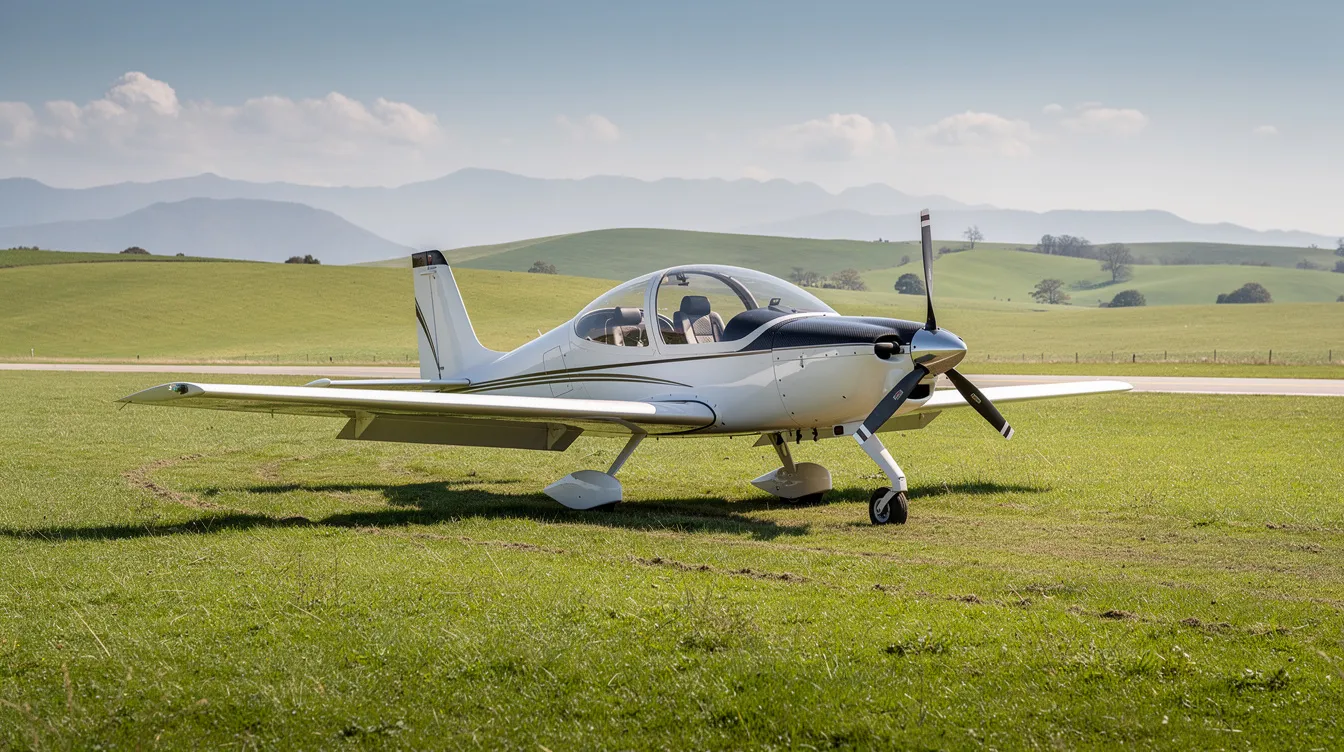
Van's RV-12iS - A benchmark cross-country LSA: approximately 114 KTAS cruise, 20-gallon fuel capacity (with aftermarket options), and roughly 530 nm range at economy cruise. Stall speed sits around 40 knots, the takeoff roll is about 700 feet, and the cabin stretches 43 inches wide with 75 lbs of baggage capacity. Available as both an S-LSA and a kit-built aircraft, the RV-12iS offers one of the strongest builder communities in aviation and the easiest luggage area loading in its class thanks to a rear hatch design. It is a solid aircraft for a touring couple on 300–500 nm weekend legs.
Flight Design CTLS 2020 SE - Carbon-fiber construction, roughly 115 KTAS cruise, and a 34-gallon fuel tank that delivers realistic 600–700 nm range with reserves. Fuel burn hovers around 4.3–4.8 gph. The cabin is a large interior complete with 49-inch width, heated ventilation, and leather seat options. A BRS ballistic parachute comes standard. This is the LSA aircraft many European touring pilots consider the gold standard for long legs. Its aft interior, bigger than most competitors,s gives tall passengers meaningful extra legroom.
Evektor Harmony - The Evektor Harmony was accepted as an LSA in April 2005, making it the first S-LSA the FAA approved (originally as the SportStar). The current Harmony offers a compound wing design, about 110 KTAS cruise, 31.2-gallon fuel capacity, and a useful load of approximately 637 lbs—among the highest in the LSA range. Fuel burn averages just four gallons per hour, delivering a realistic 550–600 nm range with reserves. Cabin width is approximately 46 inches. It is a high-wing LSA with docile handling that suits long days of recreational flying.
Texas Aircraft Colt - For buyers who want a legacy GA airplane look and feel, the Colt delivers conventional yoke control, an all-metal airframe, and performance near 118 KTAS cruise. It suits pilots who prefer the tactile feedback and visual identity of a traditional trainer-style aircraft but want modern LSA efficiency and a low fuel burn for frequent cross-country jaunts. Some models feature sliding doors for easier ground access.
Best Light Sport Aircraft for Cross-Country Over Water & Remote Access (Seaplanes)
Amphibious and seaplane light sport aircraft unlock destinations that no road or paved runway can reach: waterfront lodges, private islands, lakeside resorts, and coastal retreats inaccessible even to high-performance aircraft with conventional gear.

The FAA allows LSA seaplanes up to 1,430 lbs gross weight, giving them slightly more payload for fuel and baggage on longer legs.
ICON A5 - The ICON A5 has a maximum gross weight of 1,430 lbs, cruises around 84 KTAS, and achieves roughly 427 nm max range with a 45-minute reserve on its 20-gallon tank. It features amphibious gear, folding wings for trailer storage, an intuitive angle-of-attack display, and a BRS parachute. The A5 was designed around recreational cross-country water operations—think Florida Keys island hopping, Pacific Northwest lake access, or Bahamas resort runs. Fuel burn is approximately 3.8–4.0 gph. It is not the fastest, but few aircraft in the light sport world match its water-access versatility.
Super Petrel XP - Designed by an experienced Brazilian aircraft designer, the Super Petrel XP is a biplane amphibian with a Rotax 141 hp engine. Its extended airframe accommodates extra luggage, and excellent short water takeoff performance makes it effective for 150–300 nm lake-to-lake or island-hopping legs. Cruise speed sits around 95 KTAS. The biplane configuration provides inherent stability at low speeds and a distinctive aesthetic.
Vickers Wave - Vickers Aircraft has positioned the Wave as an emerging composite amphibian targeting higher cruise speeds and a more spacious interior than the A5, at a more accessible price point. Designed with modern CAD methods and composite construction, the Wave is one to watch for cross-country seaplane owners who seek extra capability without a six-figure premium.
High-Performance & MOSAIC-Ready Sport Aircraft for Fast Cross-Country
MOSAIC's impact on the light sport category is seismic. MOSAIC introduces a stall speed limit of 61 knots in clean configuration—up from 45—and eliminates the old fixed weight ceiling. MOSAIC regulations allow LSAs to have up to four seats and permit retractable gear, opening the door for high-performance aircraft that a higher-certificated pilot might have previously needed a private pilot license to fly. Few pilots expected this much latitude from a single rulemaking.
The Airplane Factory's Sling HW - A four-seat aircraft with robust useful load (~1,080 lbs), Rotax 915iS turbocharged power, and cross-country cruise in the 145 KTAS range. Maximum range stretches to approximately 900 nm with standard tanks—enough for serious multi-leg touring without frequent fuel stops. Fuel burn at economy cruise runs about 7.4 gph. Cabin width is 47.2 inches with removable rear seats for additional cargo. The Sling HW is a larger aircraft class entirely, suited for family touring or small executive hops under MOSAIC rules. Builder assist programs are available for those who want involvement in the build process.
Bristell RG - The Bristell RG can achieve cruise speeds near 155 knots with its Rotax 915iS or 916iS engine and retractable gear. Range exceeds 755 nm. Cabin width reaches roughly 51 inches—one of the widest in the class. Its sleek composite exterior helps reduce drag at high cruise, and the sleek composite exterior gives the aircraft a presence on any ramp. This is a refined aircraft for pilots who want near-certificated aircraft performance without the ownership overhead of a legacy GA airplane. It demands more pilot skill due to higher approach speeds and retractable-gear management.
Shark Aero 600 - A high-speed cruiser exceeding 150 KTAS, the Shark features an empty weight around 714 lbs, a ballistic parachute, and an advanced glass cockpit. It maximizes speed within—and just beyond—classic LSA boundaries. These aircraft type designs begin to overlap with traditional certified singles, making them particularly attractive to BlackJet members who are already performance-conscious.
Affordable Cross-Country Sport Aircraft for Entry-Level Owners
Not every cross-country aircraft needs a luxury price tag. Some prioritize low operating costs, simplicity, and the freedom of getting airborne for weekend 150–300 nm trips at minimal expense.
Aerotrek A240
Available at a modest price tag under $110K, the A240 uses a Rotax 912 engine, features folding wings for low-cost hangarage, cruises around 105 KTAS, and handles short-field operations well. It is an ideal weekend cross country machine from grass strips and small regional airports.
Orlican M-8 Eagle
An approximately 80% scale Cessna Skylane replica with composite construction, offering sprightly performance close to LSA limits at roughly one-third the cost of a certificated Cessna 182. Its familiar handling makes transition easy for pilots with legacy GA experience.
Merlin Lite
A fully enclosed, single-seat Part 103 ultralight aircraft with very low cost and minimal regulation. Better suited for short, local cross-country hops of 50–100 nm than long touring, but it fills a niche for personal ultralight flying and other cheap light aircraft for budget-friendly flying adventures at almost negligible operating expense.
Kit-Built vs Factory-Built: Cross Country Reliability, Customization, and Support
Understanding the distinction between factory-built and kit aircraft matters for anyone planning serious cross-country missions.
S-LSA aircraft are factory-built and eligible for flight school use. They follow ASTM standards for safety and performance and must be maintained by authorized mechanics. This standardized build quality, defined maintenance path, and insurance simplicity make S-LSA the default choice for pilots who want to fly, not wrench.
E-LSAs are kit-built and have limited commercial use. However, E-LSAs can be customized extensively by builders—avionics upgrades (IFR-capable glass panels), interior refinements, extra fuel capacity within experimental LSA rules, and personalized touches that make a cross-country machine truly yours. An experimental LSA built to high standards can be a formidable touring platform.
Van's RV-12iS in kit form remains the gold standard for kit-built aircraft in this category: documented builder support, a strong community, and clear suitability for serious cross-country touring once completed and properly equipped.
Lockwood AirCam is a niche twin-engine kit—an open-cockpit, twin-Rotax design with its own engine on each wing. Lockwood Aircraft's AirCam is built for slow, low photographic and expedition flying, but its range and dual-engine redundancy give it enough cross-country credibility for specialized remote-region missions.
BlackJet-style travelers often gravitate toward factory-built for simplicity and consistency. But some enjoy the craftsmanship involved in building a cross-country-capable sport aircraft—and that hands-on knowledge deepens their understanding of aviation at every level.
Safety, Technology, and Comfort on Long LSA Cross-Country Legs
Safety Features
Safety and comfort are non-negotiable for high-net-worth travelers accustomed to the standards of professional private jet operations. The good news: today's LSAs deliver both at levels that would have seemed improbable a decade ago.
Common safety features include whole-aircraft ballistic parachute systems (BRS), angle-of-attack indicators, stall-warning systems, and airframes engineered for benign low-speed handling. A ballistic parachute is standard or optional on models like the CTLS, Bristell, and ICON A5.
Avionics and Technology
Many modern LSAs are equipped with glass-cockpit avionics for better navigation—full Garmin G3X or Dynon HDX suites with GPS, synthetic vision, traffic and weather integration. These systems bring situational awareness in a two-seat light sport closer to what you would find in top general aviation aircraft and other small private aircraft for every need.
Modern LSAs use fuel-injected engines for more reliable performance. The Rotax 912iS and 916iS families offer electronic fuel injection, redundant ignition, and 2,000-hour TBOs. Many run on unleaded auto fuel where approved, cutting both cost and emissions.
Autopilot systems can reduce pilot fatigue on multi-hour flights in LSAs—a critical advantage on three- to four-hour cross-country legs. Two-axis autopilots hold heading and altitude, allowing the pilot to manage navigation and enjoy the view.
Cabin Comfort
A wide cabin enhances comfort during long flights in LSAs. Models like the Bristell RG (51 inches), CTLS (49 inches), and Sling HW (47 inches) provide enough shoulder room for two adults to settle in without the cramped tension that smaller cockpits create over distance.
Planning a Cross Country Mission in a Light Sport Aircraft
Fuel Planning
Planning a 250–500 nm cross-country in a light sport aircraft involves more than checking range numbers on a spec sheet. Here is what a realistic mission demands.
At 5 gph cruise burn in a 20-gallon tank (RV-12iS), you have four hours of fuel. At 114 KTAS, that is roughly 456 nm before reserves. Subtract 45 minutes of required VFR reserve (another ~95 nm equivalent in fuel), and your realistic no-wind range is about 360 nm. LSAs typically require planned fuel stops for trips longer than 500 miles—build them into your routing as rest breaks, not inconveniences.
Routing
Sport pilots choose altitudes for favorable winds, avoid complex Class B airspace, and plan weather-deviation alternates. Modern apps like ForeFlight and Garmin Pilot optimize tracks and display terrain, weather, and TFRs in real time.
Payload
Balancing empty weight, full fuel, pilot and passenger, and baggage to stay within max gross weight and CG limits is not optional—it is the law. On longer trips, this often means lighter bags or partial fuel with a mid-route stop.
Regulatory Aspects
Concrete Scenario
A 400 nm cross country from Dallas to Santa Fe in an RV-12iS at 114 KTAS, with one fuel stop in Lubbock (~280 nm), takes roughly four hours block-to-block including the stop. Fuel cost at current mogas prices: under $60 total. That is the kind of efficiency that makes a local flight school graduate smile and invites comparison with the cheapest private aircraft options in the broader market.
Light Sport Aircraft vs Private Jets for Cross Country Travel
LSAs and private jets serve fundamentally different missions—and the smartest travelers use both.
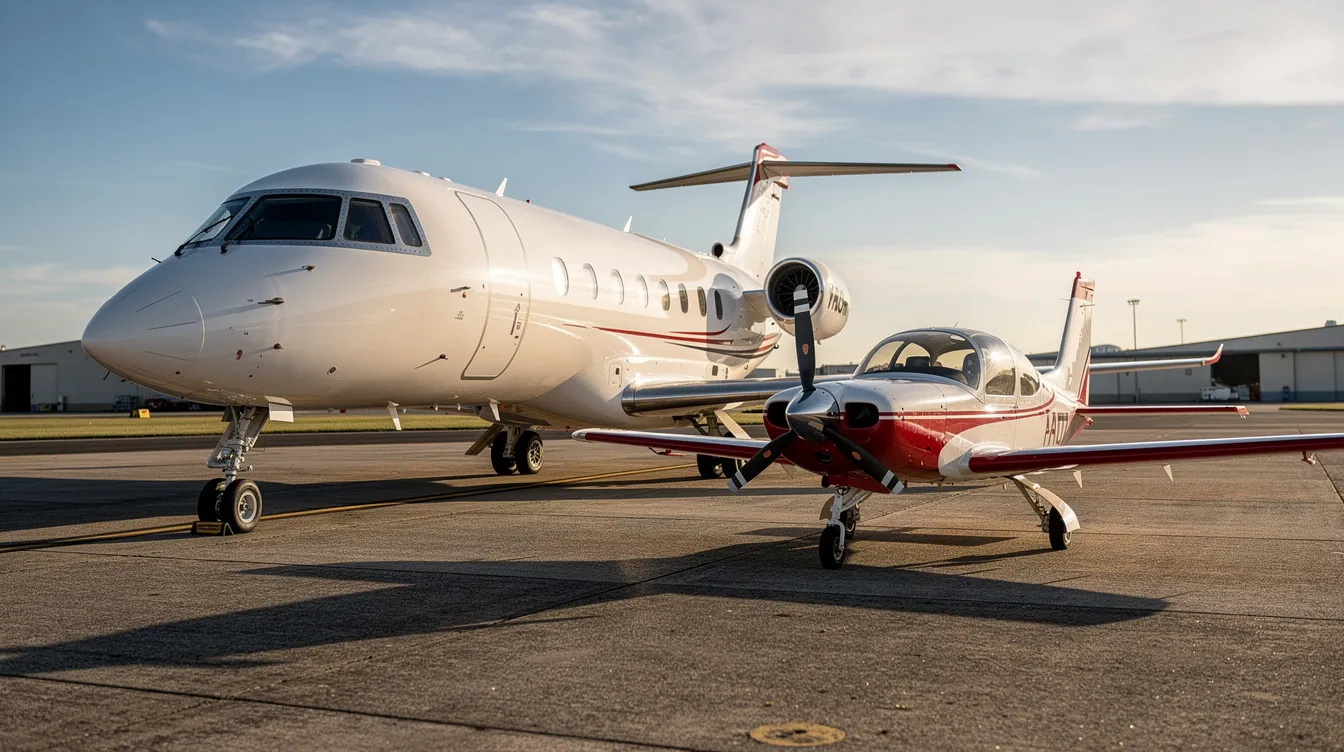
A typical LSA covers 100–120 knots, 400–600 nm max range, two seats, and light baggage. A midsize or super-midsize private jet covers 400–470 knots, 1,500–3,000+ nm range, seven to ten passengers, full luggage, and a cabin with catering, Wi-Fi, and stand-up headroom.
A 150 nm coastal hop to a remote airpark or lake in a Super Petrel XP is a perfect LSA mission. A 2,400 nm multi-city business circuit—say New York to Dallas to Los Angeles—calls for a BlackJet jet card on a super-midsize jet or broader premium private jet card programs.
Private jets offer quiet workspaces and productivity. LSAs offer immersive pilot experiences—wind, terrain, decision-making, the visceral reward of hands-on flight.
Many BlackJet clients combine both: owning or co-owning a light sport for weekend cross-country recreation while using a BlackJet membership for primary business and family travel. It is a layered aviation portfolio, not an either-or choice.
Environmental Impact and Efficiency: LSAs in a Sustainable Travel Portfolio
Low fuel burn and modern engines make LSAs among the most sustainable ways to fly recreationally, aligning with BlackJet's carbon-neutral commitment.
Fuel efficiency for LSAs generally ranges from 4 to 6 gallons per hour on Rotax-powered models, often on unleaded auto fuel where approved. That is roughly half the burn of an older four-seat Cessna 172 or Piper Cherokee on a comparable route.
Emerging electric and hybrid light sport aircraft prototypes exist, but battery energy density still limits pure-electric cross country missions in 2026. These are viable for short training legs, not 300 nm touring.
BlackJet offsets emissions on all jet card flights at no extra cost. Clients can view their total aviation footprint-including personal LSA or seaplane usage-in an integrated sustainability strategy. Think of LSAs as the lower-impact way to enjoy flight locally, with private jets reserved for unavoidable long-range missions that justify the investment outlined in an overview of private jet pricing and options.
Choosing the Right Cross-Country Sport Aircraft for Your Lifestyle
The best light sport aircraft for cross-country depends on your mission profile, pilot skill, and travel preferences. No single airframe suits every scenario.
Decision filters:
Typical leg length (150 vs 500 nm)
Runway or water access (paved vs grass vs lakes vs backcountry)
Desired cruise speed
Climate
Passenger comfort expectations
Budget
Model matches by persona:
Before committing, schedule demo flights, rent from a reputable local flight school or LSA school, and speak with current owners. Few decisions in aviation reward due diligence more than aircraft selection.
BlackJet members often build a "travel stack": one or two personal sport aircraft for local and regional cross-country, plus a jet card for seamless access to any city worldwide, informed by a clear view of jet card cost and jet card pricing structures.
From Sport Pilot Certificate to Integrated Private Travel: Next Steps
The practical pathway: take an introductory LSA flight at a flight school, complete sport pilot training (20+ hours including cross country requirements and your pilot certificate), select an aircraft, and move toward ownership or club membership. The maximum speed you will encounter during training is modest—these are forgiving machines by design.
Treat flight training as both a personal challenge and a complement to your existing private jet lifestyle. Understanding weather, routes, and performance at a hands-on level deepens appreciation for every flight you take-whether in a two-seat LSA or a stand-up-cabin jet.
BlackJet sits at the center of a client's aviation ecosystem: jet cards for business and long cross-country legs, including flexible solutions like the BlackJet 25+ Hour Jet Card, and coordination advice for positioning to locations where an LSA is based or hangared.
Consider the example of a BlackJet member who uses a Sling HW for regional touring around the Rockies-exploring backcountry strips in Montana and Colorado every other weekend—while relying on a super-midsize jet through BlackJet for quarterly trips to London and Tokyo, sometimes even buying a seat on a private jet when it suits the itinerary. That member carries a private pilot license for jet flexibility and a sport pilot endorsement for LSA simplicity. The two worlds feed each other.
If you are ready to explore building a layered travel portfolio that covers every distance, every mission, and every mood, explore BlackJet's jet card programs, review the best jet cards for frequent flyers, and even consider how 10 million dollar private jet options fit into your long-term aviation strategy, then speak with an aviation advisor about integrating light sport and private jet access into a single, seamless travel strategy.


 Sign up with google
 Sign up with Apple