The decision to purchase a private jet means entering the broad and complex world of private aviation—a world filled with countless options, intricate regulations, and significant financial commitments. This guide is for high-net-worth individuals and business executives considering private jet ownership or alternatives. Understanding the true costs and smarter alternatives can save millions and avoid costly mistakes. With acquisition costs spanning $2 million to over $110 million—and annual operating expenses easily reaching seven figures—buying a jet demands rigorous analysis before signing any letter of intent. Yet for many prospective buyers, the smarter path to private aviation isn’t ownership at all. It’s guaranteed access through a Jet Card program that delivers similar freedom with a fraction of the capital, complexity, and risk.
Should You Buy a Jet at All? (Answer This First)
The industry consensus places the ownership justification threshold at roughly 350+ flight hours per year. Below that number, the math increasingly favors access programs over aircraft ownership. The challenge? Many high-net-worth travelers overestimate their actual annual usage and dramatically underestimate the operational burden of owning a plane.
Before considering jet ownership, it’s essential to set a realistic budget that accounts for both the purchase price and ongoing operational expenses. For midsize jets, annual fixed costs typically range from $800,000 to $1.2 million, with variable costs adding $2,200 to $2,800 per flight hour depending on fuel prices and engine program enrollment. Large-cabin jets carry even higher costs, with fixed expenses between $1.4 million and $1.8 million annually, and variable costs of $3,500 to $4,500 per hour. These figures illustrate why owning a private jet can be a cost-saving option only for those who fly frequently enough to justify the investment, as maintenance and operational costs can be unpredictable.
Consider a business executive flying New York–London twelve times annually, plus sporadic domestic trips. That pattern typically generates 40–60 flight hours per year—far short of break-even. Using a 50-hour Jet Card at premium rates costs approximately $250,000–$350,000 annually. Whole ownership of a comparable private plane? Easily $1.2M–$1.8M per year when you factor in crew salaries, hangar fees, insurance, maintenance costs, and depreciation.
Three primary paths exist for private jet access, and buyers must decide which model best fits their needs and usage:
Access Model | Description | Typical Annual Flight Hours | Capital Commitment | Operational Burden |
|---|
Whole ownership | Total control, maximum capital commitment, highest administrative burden | 350+ | $5M–$75M+ | High (crew, maintenance, hangar) |
Fractional ownership | Shared asset, proportional costs, typically starting at 50–100 hours annually | 200–350 | Moderate (share purchase) | Moderate |
Jet Cards and membership | Prepaid access, no asset risk, provider handles operations | Under 350 | Low | Low |
BlackJet’s Jet Card programs exemplify the third option—offering guaranteed access across multiple cabin classes without the seven-figure fixed costs of owning your own jet.

Defining Your Mission Profile Before Buying
Aircraft selection begins with mission profile analysis, not brand preference or aspirational “dream jet” imagery. Understanding how you’ll actually use an aircraft determines which category—and which access model—makes sense.
The private jet market includes over 80 aircraft across eight categories, ranging from compact Very Light Jets designed for short regional trips (1–2 hours) seating 4–6 passengers with limited onboard facilities, to Executive Airliners built for global travel. Light jets accommodate 4 to 8 passengers and excel at regional travel with access to smaller airports, illustrating how different private jet sizes align with specific mission profiles.
Midsize jets carry 8 to 10 passengers and are suitable for transcontinental flights, while super midsize jets offer stand-up cabins with full lavatories and coast-to-coast range, albeit with higher operating costs. Heavy jets, designed for intercontinental travel, seat 10 to 18 passengers and provide luxury amenities and spacious cabins.
Ultra-long-range jets, such as the Bombardier Global 8000 and Airbus ACJ350, connect nearly any two cities nonstop, ideal for global missions, whereas some travelers look instead to more economical private aircraft options that better match modest range and budget needs. Executive jets efficiently serve 2–3 hour flights for up to 8 passengers, but often lack stand-up cabin height. Top-tier luxury jets designed for international missions provide maximum onboard comfort, often including flight attendants and full galleys, but come with the highest acquisition costs.
Here’s a summary table of common private jet categories and their typical mission profiles:
Jet Category | Passenger Capacity | Typical Range (nautical miles) | Cabin Features | Typical Use Cases |
|---|
Very Light Jets | 4–6 | 1–2 hours (short regional) | Limited onboard facilities | Quick regional hops |
Light Jets | 4–8 | Up to 1,500 | Basic amenities, small cabin | Regional travel, smaller airports |
Midsize Jets | 8–10 | 2,500–3,000 | Stand-up cabin, enhanced comfort | Transcontinental flights |
Super Midsize Jets | 8–10 | Coast-to-coast | Stand-up cabin, full lavatories | Long domestic or short international |
Heavy Jets | 10–18 | Intercontinental | Spacious, luxury amenities | Intercontinental travel |
Ultra-Long-Range Jets | 10–18+ | Global (nonstop worldwide) | Full luxury, flight attendants | Global business or leisure travel |
Executive Jets | Up to 8 | 2–3 hours | Efficient, often no stand-up cabin | Short business trips |
Executive Airliners | 20+ | Global | Customized, full luxury | Large groups, VIP transport |
Core mission factors include, and should be evaluated alongside a clear understanding of your overall private jet price range and ownership options:
Annual flight hours: 50, 150, 300, or 500+ hours change everything
Typical routes: Chicago–Miami differ fundamentally from New York–Tokyo
Trip frequency and seasonality: Concentrated travel patterns vs. year-round usage
Passenger profiles: Number of passengers—whether you typically fly as a solo executive, a family of four, or a board delegation of twelve—directly impacts optimal aircraft selection
A light jet handles a four-passenger trip from Los Angeles to Aspen beautifully. That same aircraft cannot reach London nonstop from New York. Conversely, a Gulfstream aircraft capable of transatlantic range becomes wildly inefficient for 90-minute domestic hops.
BlackJet uses similar mission analysis to guide clients toward the appropriate solution—whether that’s a Jet Card, on-demand charter, or, in rare cases, ownership advisory services.
Jet Ownership Options: Whole, Fractional, Lease, or Jet Card?
Four distinct paths lead to private jet access, each with different capital requirements, flexibility, and control trade-offs, making it essential to understand overall Jet Card membership pricing before committing.
Whole ownership demands the highest commitment: $5M–$75M+ acquisition, plus crew, hangar, insurance, and maintenance responsibilities. Fractional ownership reduces capital outlay to a share purchase (typically 1/16th for approximately 50 hours annually) but still involves monthly fees and per-hour costs, especially with well-known providers such as NetJets and their jet card programs. Leasing removes balance sheet asset exposure while retaining operational responsibilities. Jet Cards and membership models eliminate asset and operational burden entirely. Some buyers may also choose to rent a jet through charter or leasing, allowing them to experience private aviation with maximum flexibility and minimal long-term commitment before deciding to purchase.
The break-even thresholds matter: fractional ownership typically makes sense around 200–250 flight hours annually, while whole ownership justification starts at 350+ hours. Below 200–250 hours, the fixed costs of ownership typically exceed the costs of fractional access or jet cards.
Whole Ownership
Whole ownership suits ultra-frequent flyers, corporations with predictable high usage, or those requiring specific branding and security configurations. Benefits include total schedule control, custom interior design, consistent crew relationships, and potential tax advantages when structured correctly with an aviation attorney.
The drawbacks are substantial: $5M–$75M+ purchase price, $500K–$2M+ annual operating costs before flying a single hour, and a purchase process spanning 60–120 days minimum. Owners also face 7–15% annual depreciation, particularly steep in the first five years.
Even committed owners often maintain Jet Card access through providers like BlackJet to supplement when their primary aircraft enters maintenance or proves mis-sized for a specific trip.
Fractional Ownership and Traditional Jet Cards
Fractional programs allow purchasing a share—commonly 1/16th—corresponding to roughly 50 flight hours annually. Monthly management fees and per-hour operating costs apply. Consulting with other owners can provide valuable insights into the benefits and challenges of shared ownership, helping you make informed decisions. Traditional jet cards function as prepaid blocks of flight time on a network fleet, offering predictable hourly jet card rates and guaranteed availability windows.
As a result, they’re often the preferred option for frequent flyers comparing different programs and providers, as outlined in many guides to the best jet cards for frequent travelers.
Advantages of Jet Cards include:
No aircraft asset on the balance sheet
Lower upfront capital than fractional or whole ownership
Simplified budgeting with transparent per-hour rates
Access to multiple aircraft categories based on mission needs
Potential limitations to evaluate:
Peak-day availability restrictions during holidays and major events
Repositioning fees for deadhead legs in some programs
Multi-year commitment terms (typically 24–36 months)
BlackJet’s Jet Card positions itself as next-generation access: digital-first booking, transparent pricing, a safety-certified operator network, and carbon-neutral flights included as standard.
Leasing vs. Membership Models
Operational leases (typically 3–7 year terms) reduce upfront capital but still require the lessee to manage crew, hangar, insurance, and maintenance. Most leases carry annual hour minimums with penalties for underutilization.
Membership and Jet Card models differ fundamentally: the provider—not the client—handles aircraft sourcing, safety vetting, crew logistics, and regulatory oversight. This distinction matters enormously for time-constrained executives.
A CFO might prefer a lease structure for favorable balance sheet treatment. A family office seeking flexibility and zero operational involvement typically chooses a 25-hour or 50-hour Jet Card and avoids the administrative weight entirely, after reviewing overall Jet Card pricing structures to confirm fit.
New vs. Pre-Owned Jets: Which Should You Buy?
If ownership is justified, the next decision involves choosing between a new jet and a pre-owned aircraft—a choice with multi-million-dollar implications over any reasonable holding period. Purchasing a new jet offers the latest technological advancements, pristine condition, and full manufacturer warranties, but typically comes with a higher purchase price and longer delivery times compared to pre-owned options—considerations that become especially important when evaluating 10 million dollar private jet options.
Advantages of Buying New
A new private jet delivers cutting-edge avionics, the latest safety systems, and fuel-efficient engines with reduced emissions. Full manufacturer warranty, pristine cabin customization, and predictable maintenance during early years add appeal.
However, new aircraft carry 12–24 month lead times for high-demand models like the Gulfstream G700, Bombardier Global 7500, or leading light jets such as the HondaJet Elite—renowned for its fuel efficiency and ability to access smaller airports, making it a top choice for short trips and small groups. And depreciation reality bites hard: expect 7–15% annual value loss, with steeper losses in years one through five.
Some buyers use BlackJet Jet Cards as an interim solution while awaiting new aircraft delivery, maintaining private jet access without compromising their timeline.
Advantages of Buying Pre-Owned
Pre-owned jets offer significant upfront savings—typically 20–50% below new comparable models—allowing buyers to save money compared to purchasing new jets, and can close within 60–120 days, which is particularly relevant if you’re considering private jet options around $2 million. A mid-size jet listing at $20M new might command $10–12M at seven years old with reasonable hours.
Critical due diligence includes a thorough pre-purchase inspection examining airframe hours, engine cycles, engine program status (such as Rolls-Royce CorporateCare or APU enrolled programs), avionics upgrade history, and maintenance records. Engaging a private jet sales broker or aircraft management company can help buyers navigate these complexities and ensure they find the best quality aircraft at the right price.
Potential downsides include higher fuel burn, upcoming engine overhauls ($1–3M per engine), mandatory upgrades like ADS-B compliance, and parts availability concerns on discontinued models. A smaller jet or non-production model can be a bargain for low-usage owners but risky if utilization runs high, especially among single-pilot budget-friendly jets, where maintenance and support planning is critical.
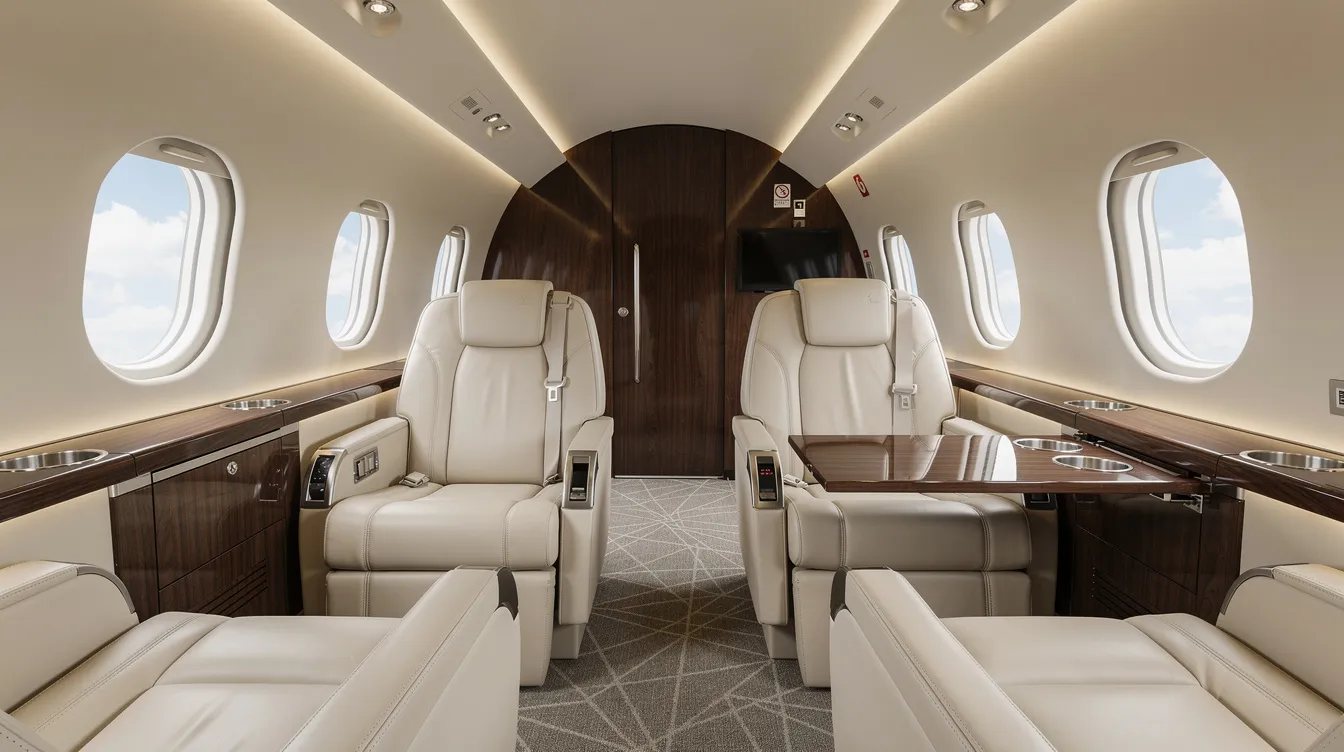
The True Cost of Owning a Jet
The purchase price often represents less than half the total cost over a 5–10 year ownership period. Understanding the complete picture requires separating fixed costs from variable expenses. Additionally, when it comes time to sell your jet, you may face challenges such as finding a buyer, achieving market value, and waiting months or longer for a sale, all of which can impact your overall investment.
Cost Type | Description | Typical Range (Midsize Jet) | Typical Range (Large-Cabin Jet) |
|---|
Fixed Annual Costs | Crew salaries, hangar fees, insurance, management fees | $800,000–$1.2M | $1.4M–$1.8M |
Variable Costs | Fuel, maintenance, landing, and handling fees | $2,200–$2,800 per flight hour | $3,500–$4,500 per flight hour |
Depreciation | Annual value loss | 7–15% per year | 7–15% per year |
Interior Refurbishment | Carpeting, furnishings | $40,000–$90,000 | $40,000–$90,000 |
Avionics Upgrades | Compliance and technology updates | $300,000–$800,000 | $300,000–$800,000 |
Engine Overhaul Reserves | Scheduled major maintenance | $1M–$3M per engine | $2.5M–$3.5M per engine |
A light jet at moderate usage costs roughly $500K–$800K annually to operate. A large-cabin jet easily exceeds $2M per year, which is why many travelers initially explore the cheapest private jet options before committing to full ownership. Hidden costs emerge: interior refurbishments ($40,000–$90,000 for carpeting alone), avionics upgrades, and engine overhaul reserves.
Jet Card economics provide a stark contrast: predictable hourly rates, zero capital depreciation, no hangar or crew obligations, and flexible scaling year-to-year—advantages that become even clearer when examining a detailed 100-hour Jet Card cost breakdown.
Budgeting and Net Present Value Analysis
Smart buyers build 3–5 year operating budgets, mapping scheduled major inspections and overhauls. Net Present Value analysis—discounting all cash flows (purchase, upgrades, operating expenses, projected residual value) to today’s dollars—reveals true ownership cost.
Compare buying a $15M pre-owned jet versus committing to 150–200 hours annually on a 25-hour Jet Card and charter mix. Include financing costs, tax impacts, and the money saved on crew and infrastructure. Many BlackJet clients run this analysis and conclude that premium Jet Card access outperforms ownership until they consistently exceed 300+ hours annually.
Safety, Sustainability, and Technology: Non-Negotiables in Modern Private Aviation
For serious travelers, safety and reliability precede luxury considerations. Private aviation safety is governed by strict regulations set forth by the Federal Aviation Administration (FAA) and other international aviation authorities, ensuring compliance with safety standards.
Pre-purchase inspections are critical in private aviation, as they can identify potential issues that may lead to costly repairs, ensuring the aircraft is safe and airworthy before purchase. Aircraft insurance is essential for private jets, covering both ground and flight operations, and is a requirement for compliance with aviation regulations.
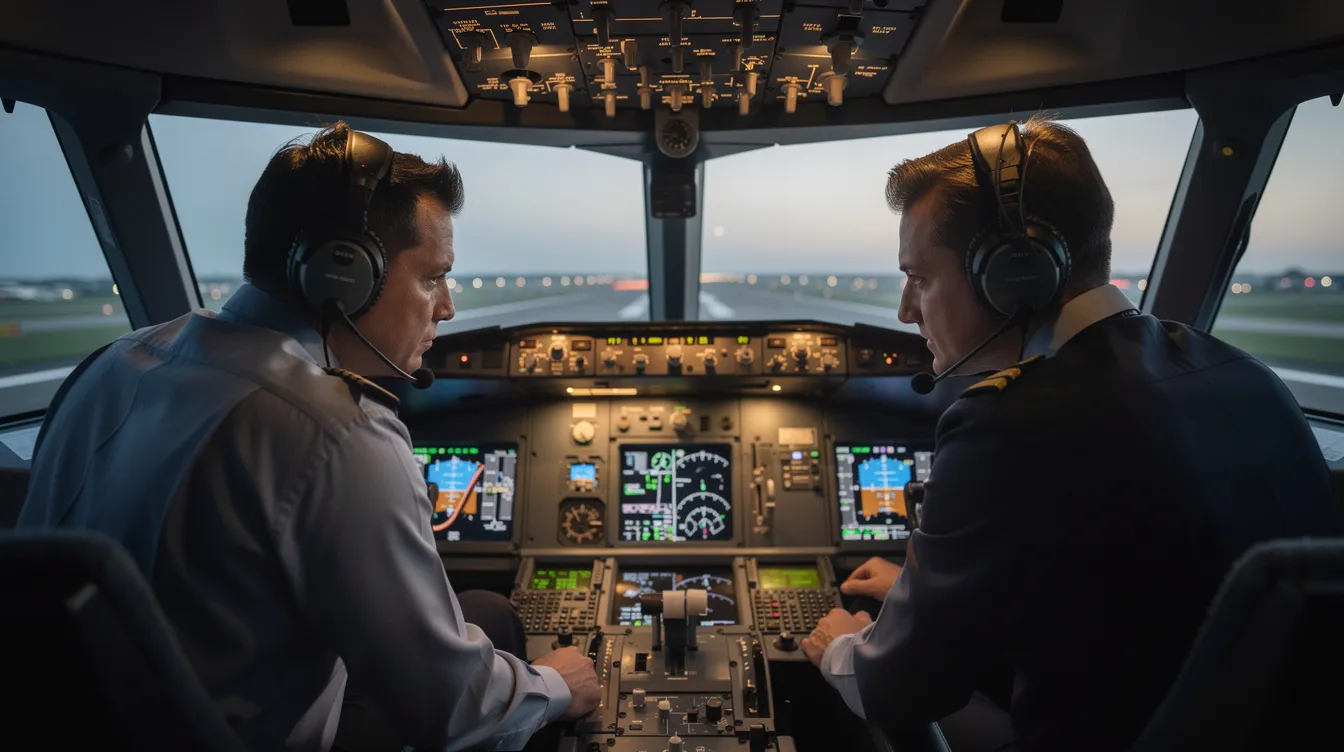
Key safety credentials to demand include ARGUS or WYVERN ratings, IS-BAO registration, and strict pilot experience minimums. Operational standards should require dual pilots on all jet operations, regular simulator training, and recurrent crew checks.
Pre-flight vetting means reviewing maintenance logs, tracking time since last major inspection, confirming enrollment in engine programs, and examining accident and incident history.
Many prospective owners avoid this complexity by relying on partners like BlackJet that pre-screen every aircraft and crew in their network—shifting the safety oversight burden to experts.
Sustainable and Tech-Enabled Private Travel with BlackJet
BlackJet integrates sustainability through automatic carbon offsets on every Jet Card flight, using third-party verified projects at no additional cost to members.
Modern booking expectations include mobile and web platforms for quoting, booking, and managing itineraries 24/7 with instant confirmations. Technology also powers proactive disruption management: real-time tracking, alternative aircraft sourcing, and rerouting support when plans change.
Owning a single older jet limits options. BlackJet’s access to a broad, modern fleet enables clients to choose more fuel-efficient or SAF-capable aircraft per trip—aligning travel with environmental responsibility. Additionally, the ability to utilize smaller airports allows for more efficient travel, reduced congestion, and access to regional destinations that are ideal for light jets.
The Process of Buying a Jet, Step by Step
Aircraft acquisitions typically require 60–120 days from mission analysis to closing and entry into service.
Key advisors needed
Acquisition consultant or broker for market search
Aviation attorney for contract and structure
Tax specialist for ownership planning
Aircraft management company for post-purchase operations
Buyers are responsible for ensuring all tax, legal, and regulatory obligations are met throughout the acquisition process.
Standard sequence
Define mission profile and shortlist models
Engage a broker for market search
Submit Letter of Intent (LOI)
Deposit (5–10% of purchase price)
Pre-purchase inspection
Purchase agreement negotiation
Technical acceptance
Title and registration transfer
Entry into service
Even during this process, BlackJet can provide interim lift via Jet Cards—maintaining access while transactions and refurbishments are complete.
Inspection, Legal, and Tax Essentials
A comprehensive pre-purchase inspection uncovers corrosion, undocumented repairs, upcoming major maintenance, and avionics gaps. Key data points include total airframe time, engine time since overhaul, and maintenance tracking system records.
Aviation-focused legal counsel structures ownership appropriately (LLC, trust) and ensures FAA compliance. Tax planning addresses potential bonus depreciation, business versus personal use allocation, state sales/use tax exposure, and other taxes that may impact your overall ownership costs.
This is not a DIY exercise. Expert advisors routinely save more than their fees through avoided mistakes and optimized structures.
Post-Purchase: Operating, Managing, or Outsourcing Your Jet
Buying a jet represents the beginning, not the end. Day-to-day operations determine whether ownership delivers freedom or burden.
Three operating models exist: in-house flight department, third-party aircraft management company, or hybrid approaches. Practical tasks include hiring pilots, scheduling, regulatory compliance, maintenance planning, and insurance renewals.
Some owners place aircraft on charter certificates to offset costs—but this increases flight hours, accelerates wear, and involves additional regulatory complexity, so it’s important to understand how much it costs to rent a private jet and how charter demand affects your asset.
Insurance, Crew, and Ongoing Oversight
Insurance basics include hull and liability coverage, with minimum limits often required by lenders and airports. Pricing depends on pilot experience, usage type, and aircraft value.
Crew considerations include type ratings, line experience, recurrent simulator training, and competitive compensation. Owners should regularly review safety reporting, maintenance performance, and cost reports from their management company.
Many clients ultimately prefer the low-friction model of BlackJet’s 25+ Hour Jet Card access—booking via app, stepping onto the aircraft, and letting experts handle everything else.
FAQs: Buying a Jet vs. Joining a Jet Card Program
How many hours a year justify buying a jet?
Industry consensus places the threshold at 350+ flight hours annually. Below that, Jet Card or fractional programs typically deliver better economics.
What’s the difference between a Jet Card and charter?
Jet Cards provide prepaid access with guaranteed availability, fixed hourly rates, and priority booking. Charter involves booking individual flights at market rates with variable availability, or even purchasing a single seat on a private jet through shared and semi-private models.
Can I own a jet and still use a Jet Card?
Absolutely. Many owners maintain Jet Card access through BlackJet for supplemental lift during maintenance periods or when their aircraft proves wrong-sized for a specific mission.
How do carbon-neutral flights work?
BlackJet automatically offsets carbon emissions on every Jet Card flight through verified third-party projects, included at no additional cost.
Who handles safety oversight—owner or program provider?
Owners bear responsibility for crew vetting, maintenance oversight, and regulatory compliance. With BlackJet, the company pre-screens every operator and aircraft in the network.
What should I do if I’m unsure whether to buy or join a Jet Card program?
Start a conversation with BlackJet’s advisory team. They can analyze your mission profile and recommend whether ownership, Jet Card access, or a hybrid approach makes the most sense.
When Buying a Jet Makes Sense — and When BlackJet Is Smarter
For a select minority of travelers—those flying 350+ hours annually with consistent routes and specific operational requirements—owning a private jet outright remains strategically justified.
For the broader community of high-net-worth individuals flying under 300 hours yearly, a premium Jet Card delivers equivalent freedom with dramatically less complexity, capital exposure, and administrative burden.
BlackJet’s value proposition centers on what matters most: a safety-vetted fleet, carbon-neutral flights as standard, digital booking convenience, and 24/7 real-time support. No hangar fees. No crew salaries. No seven-figure maintenance reserves.
Explore BlackJet Jet Card membership to experience private jet access before committing tens of millions to metal. The right mix of access—not just the right airplane—can transform how you travel over the next twelve months and beyond.
Conclusion: Elevate Your Travel with BlackJet
Deciding whether to buy a private jet or opt for a Jet Card program is a pivotal choice that shapes your travel experience, financial commitments, and operational responsibilities. BlackJet offers a premier alternative to ownership, combining safety-certified operators, carbon-neutral flights, and seamless digital booking to deliver unmatched flexibility and convenience. Whether you’re a frequent business traveler or a discerning leisure flyer, BlackJet’s Jet Card membership provides access to an extensive fleet tailored to your mission profile without the burdens of ownership.
Discover how BlackJet can redefine your private aviation journey. Visit www.blackjet.com to explore membership options, request personalized guidance, and unlock effortless access to the skies—wherever your travels take you.


 Sign up with google
 Sign up with Apple