
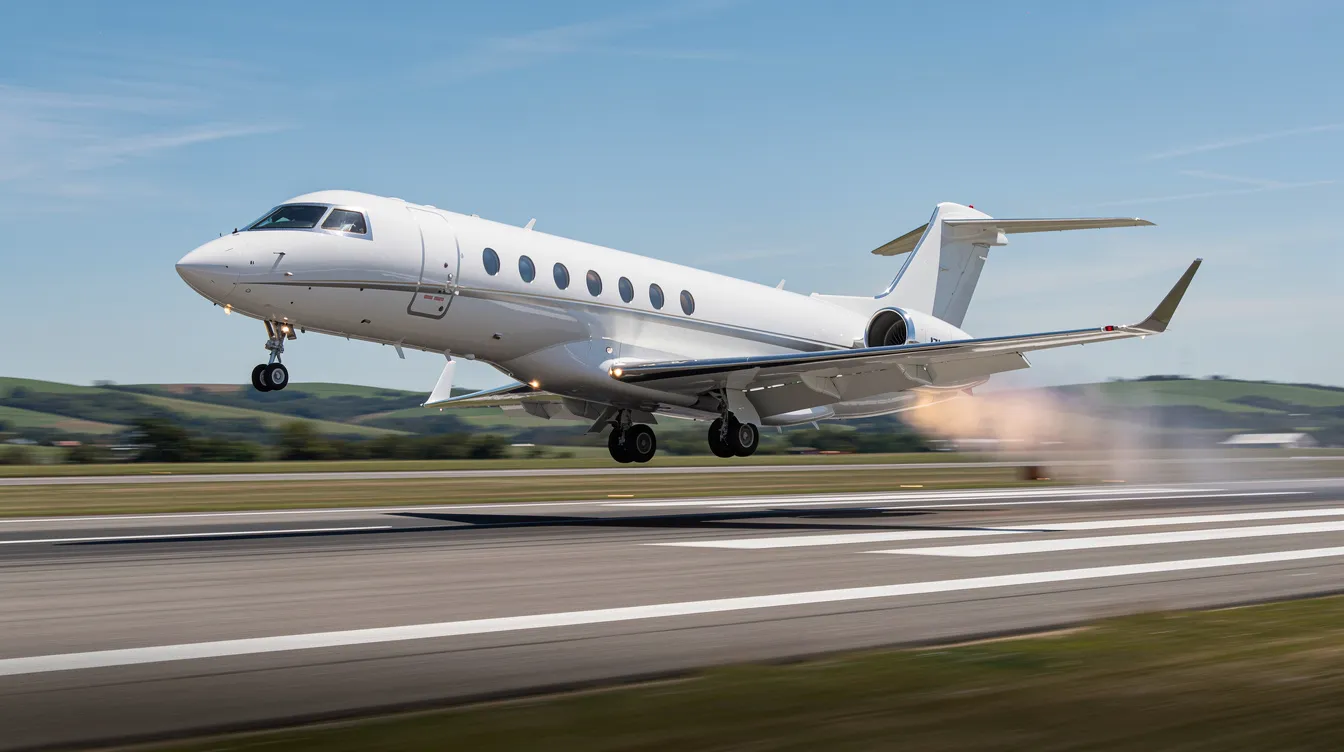
The Cessna T-37 "Tweet" occupies a unique place in aviation history - a Cold War-era twin-engine jet trainer that introduced an entire generation of USAF pilots to jet-powered flight. Today, finding a Cessna T-37 for sale is a pursuit reserved for the patient, the well-connected, and the deeply committed. This guide breaks down what the market actually looks like in 2027, what it costs, and what you should verify before signing anything.
Quick Overview: Finding a Cessna T-37 for Sale Today
The Cessna T-37 is a retired military jet trainer acquired primarily through specialized brokers, warbird auctions, and private collections - not the kind of aircraft you stumble across on a mainstream classifieds site. The USAF retired its last T-37Bs in July 2009, replacing them with the turboprop Beechcraft T-6 Texan II. Since then, most surviving airframes have landed in museums, boneyards, or the hands of a small number of warbird collectors willing to navigate complex ownership.
Very few flyable Cessna T-37 aircraft exist on the civilian market. The ones that do tend to sell quickly and quietly, often through word-of-mouth among warbird communities before a public listing ever appears. Locating one requires patience, connections with specialized dealers, and expert verification of every document that accompanies the airframe.
Here is what current asking ranges look like in 2027:
Project or static display airframes: Roughly $20,000–$150,000, depending on engine status, corrosion levels, and documentation. Some government surplus auctions have offered non-flying T-37Bs for starting bids as low as $1,000.
Museum-quality or partially restored examples: Approximately $100,000–$200,000, typically cosmetically restored but not airworthy.
Airworthy or fully restored T-37s: Often exceeding $350,000 and potentially reaching $500,000–$800,000+, depending on demilitarization status, avionics upgrades, engine overhaul history, and total airframe hours.
Bulk lots: A 2026 listing offered fifteen T-37C/B aircraft with over $20 million in spares for $1,500,000 total - roughly $100,000 per airframe when factoring in the support inventory.
Most available T-37s come from ex-USAF or ex-export fleets. Countries like Pakistan, Chile, Brazil, and Greece operated T-37Bs and Cs extensively; some of these foreign air force surplus aircraft now trickle into the civilian market. Most civilian T-37 owners hold ex-foreign military imports that comply with FAA regulations after thorough demilitarization.
Purchasing a T-37 can involve significant regulatory and mechanical hurdles beyond the purchase price. Pilot type ratings for turbojet aircraft, restricted operating categories, noise ordinances at civilian airports, and ongoing parts scarcity all add layers of complexity that standard general aviation purchases never require. For those who want to fly on a private jet without these burdens, accessing a modern light jet through private jet charter or a Jet Card program with BlackJet offers an entirely different value equation - one built around convenience, comfort, and operational reliability.
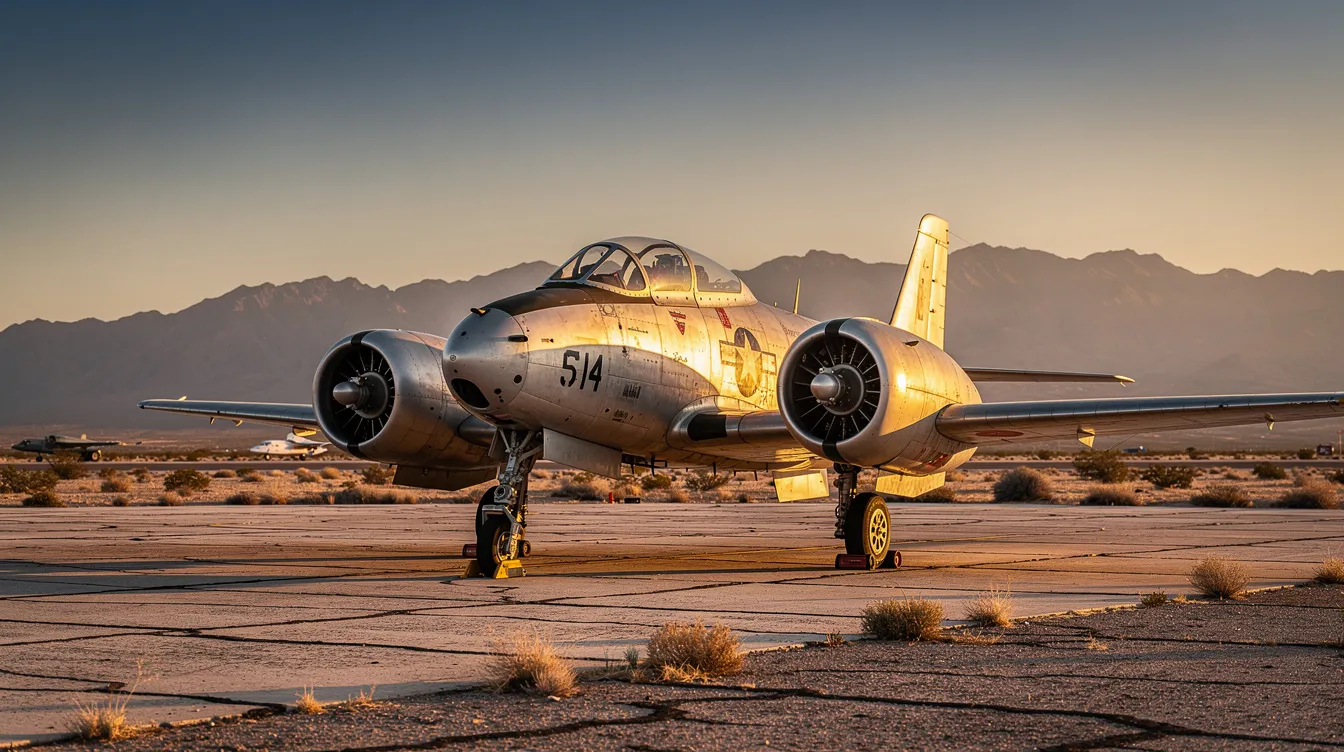
Cessna T-37 Tweet: Specs, History & Buyer Considerations
The T-37 Tweet was developed in the 1950s as a simple, low-cost primary jet trainer for the United States Air Force. It is a two-seat, jet-powered trainer aircraft with a distinctive side-by-side cockpit layout - a design choice that allowed instructors to sit directly beside student pilots rather than behind them. The T-37 was known for its low cost and simplicity, qualities that made it the backbone of USAF undergraduate pilot training for decades and earned it a reputation as one of the most durable trainers ever built.
Key technical specifications buyers should know:
Engines: Twin Continental-Teledyne J69-T-25 or J69-T-29 turbojet engines, each producing approximately 1,025 lbf of thrust
Cruise speed: Approximately 350–360 mph (~300–310 knots)
Range: Around 650–900 nautical miles with reserves, depending on variant and fuel configuration
Service ceiling: Approximately 35,000 feet
Cockpit: Side-by-side dual-control layout with military ejection seats
Dimensions: Length ~29 ft 4 in, height ~9 ft 5 in, max takeoff weight roughly 6,500–7,000 lbs depending on variant
Pressurization: Minimal by modern standards; non-pressurized or lightly pressurized compared to contemporary business jets
Operational history highlights:
First flight: October 1954. Entered USAF service in 1957
The T-37 was used extensively by the USAF through the Cold War era and beyond, serving as the primary jet trainer for over four decades
It provided student pilots their first jet flying experience - a role it filled until its replacement by the T-6 Texan II in the early 2000s
Extensive export use by Brazil, Pakistan, Chile, Greece, Turkey, Colombia, Thailand, and others; some operators maintained small fleets into the mid-2020s
Ongoing presence in warbird communities, with a small number of privately owned, airworthy examples documented in the United States
Critical buyer considerations:
Demilitarization requirements: Weapons systems, arms pylons, gunsights, and any combat-oriented or classified equipment must be permanently removed before civilian sale
Noise and emissions: Early J69 turbojets produce a high noise footprint; many civilian airports enforce strict noise ordinances that can restrict or prohibit T-37 operations
Fuel consumption: Early turbojet engines are significantly less fuel-efficient than modern turbofans; operating costs per flight hour far exceed those of comparable light business jets
Maintenance and parts: Availability of parts for the T-37 is limited as the aircraft is no longer in production. Replacement components often need to be fabricated by specialty shops, and few maintenance providers have type-specific experience.
Regulatory category: In the United States, civilian-owned T-37 aircraft must operate under an FAA Experimental Exhibition airworthiness certificate, which limits where and how the aircraft can be flown. Pilots need appropriate type ratings or endorsements for turbojet, experimental aircraft.
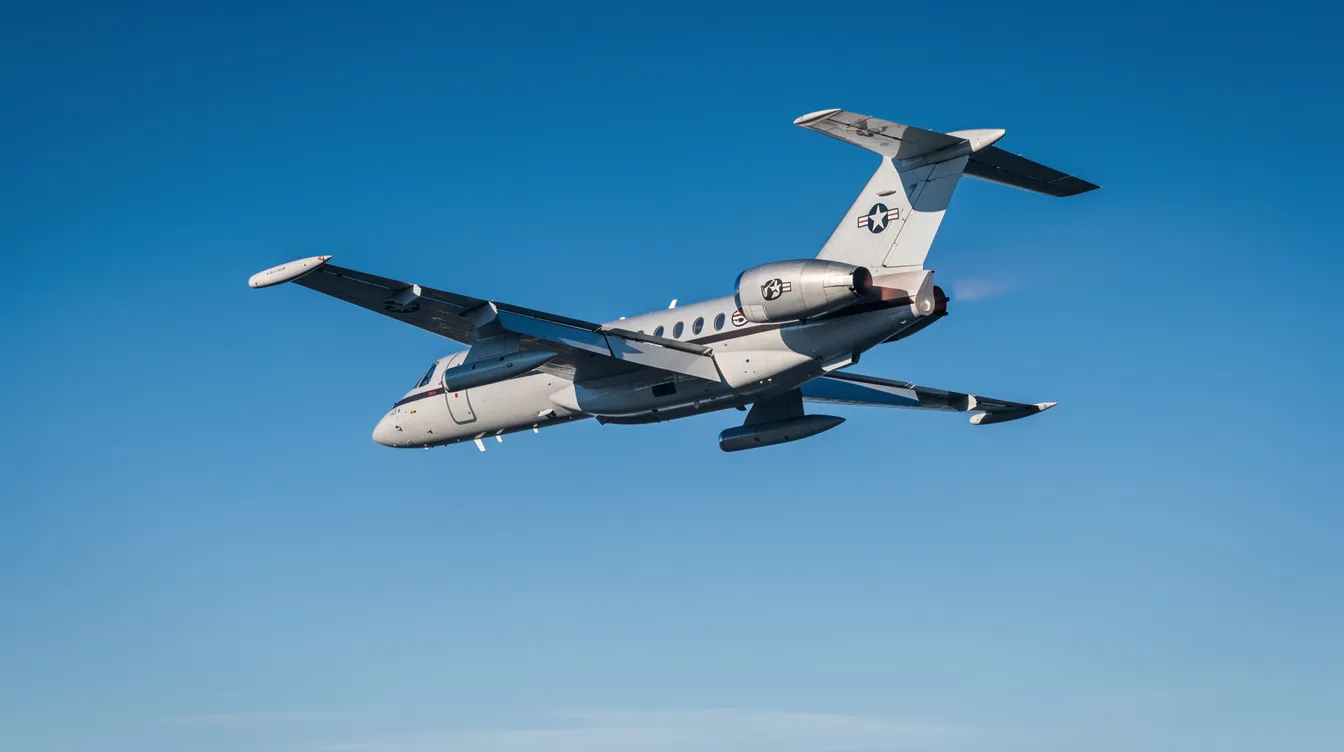
Typical T-37 Market Profiles in 2027
Not all T-37s for sale are created equal. Here are the common market profiles a buyer will encounter:
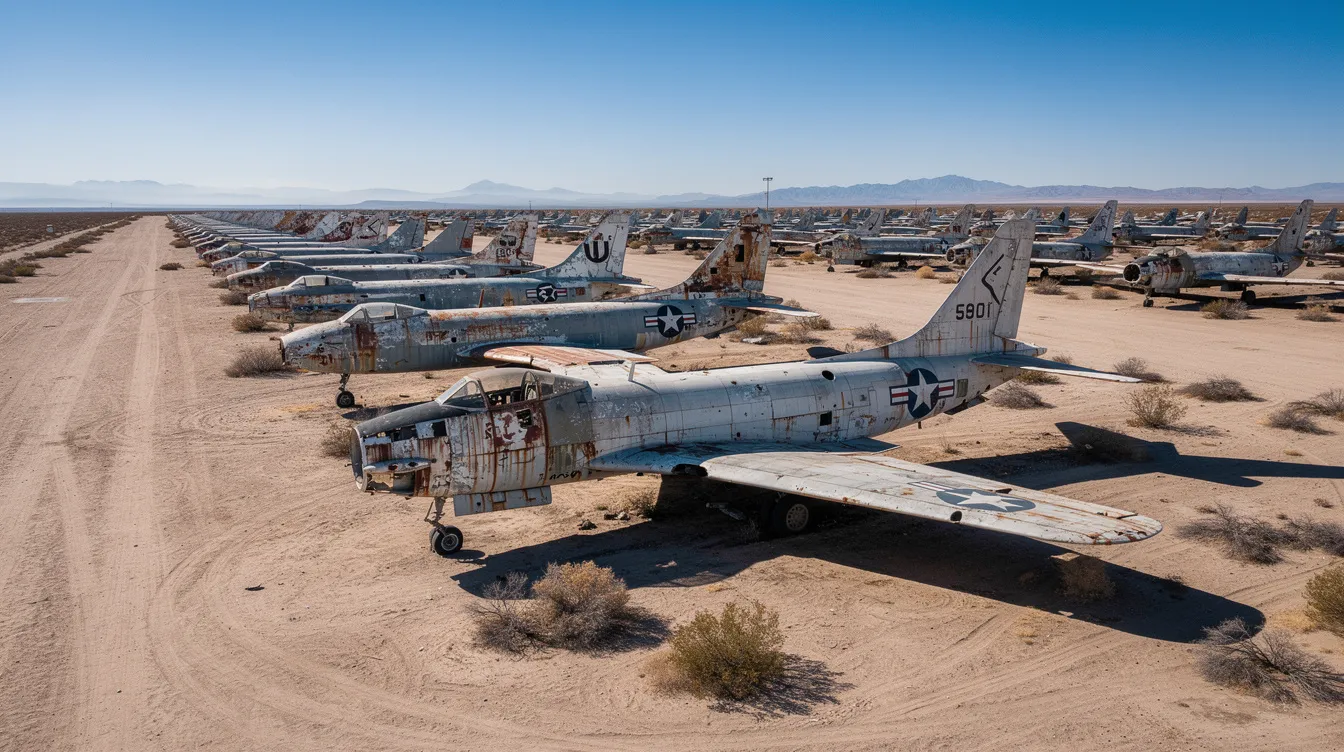
1. Long-Stored Project Aircraft. These airframes have often sat in boneyards, ex-military storage, or outdoor lots for years - sometimes decades. Engines may have been pickled with corrosion inhibitors or removed entirely. Expect severely degraded interiors, missing non-structural components, seized landing gear, corroded wing roots and fuselage joints, and non-functional cockpit instrumentation. Restoration projects of T-37s can cost significantly less than flyable examples but may require extensive work - rewiring, structural remediation, engine overhauls, and full systems rebuilds that can easily exceed the initial purchase price.
2. Museum-Quality Static Display Airframes: These have been cosmetically restored - fresh paint, cleaned cockpits, presentable exteriors - but are not airworthy. Documentation may exist for display purposes but rarely meets the standard needed for flight certification. They make attractive additions to private collections or static aviation displays.
3. Partially Restored / Avionics-Updated Examples: More advanced than pure static displays, these T-37s may feature updated civil-standard radios, modern transponders, ADS-B capability, and partial structural work. Some have overhauled or replaced engines and renewed wiring. These sit in a gray zone: close to airworthy but often needing final compliance work, testing, and FAA approval before anyone can legally fly them. Pricing typically falls in the $200,000–$400,000 range.
4. Airworthy, Privately Flown T-37s: Extremely rare. Known airworthy civilian T-37s number in the single digits. These have been fully modernized with civil avionics, complete logbooks, FAA Experimental Exhibition airworthiness certificates, and recent engine overhauls. They command premium prices - often $500,000 or more - and require the highest operating budgets per flight hour of any profile. Owners must maintain hangar space, carry specialized warbird insurance, hold appropriate pilot ratings, and have ongoing relationships with the handful of maintenance shops capable of supporting the type.
To put Cessna pricing in perspective: a 1961 Cessna 182D Skylane with 1,965 total airframe hours is listed for $99,950, a 2001 Cessna 206 is priced at $165,000, and even a 1969 Cessna 150-C is available for $16,500. A 1974 Cessna Citation I/500 - an early light jet - is listed for $115,000. Buyers primarily looking for economical access to turbine performance may find that the cheapest private aircraft and other budget-friendly options and affordable small aircraft choices for budget-conscious pilots deliver far more practical utility than a T-37. An airworthy T-37 sits at the high end of this spectrum, with operating costs that dwarf any of these civilian Cessna models.
How to Evaluate a Cessna T-37 for Sale (Verification, Inspection & Compliance)
Unlike purchasing a standard Cessna 182 or 206, acquiring a T-37 is closer to buying a former military asset. Buyers must prioritize verification of records, airworthiness, and legal status before considering cosmetics or price. Getting this wrong can mean acquiring an aircraft that cannot legally operate, cannot be insured, or conceals structural problems that make restoration financially unjustifiable.
Verification process:
Confirm the serial number history against military delivery records to ensure the airframe matches its documentation and hasn't been rebuilt from multiple wrecks with mixed parts
Check export documentation - especially for aircraft sourced from foreign air forces - including State Department approval and Defense Logistics Agency paperwork where applicable
Verify demilitarization certifications: all weapons systems, classified sensors, and combat-oriented equipment must be confirmed permanently removed
Ensure there are no outstanding restrictions from the original government operator that could block civilian registration or export
Potential buyers should verify the aircraft's demilitarization and FAA airworthiness status before purchase - this single step can save months of regulatory delays
Maintenance logbook verification:
Require complete logs from original military service where possible, including documentation of structural repairs, engine overhauls, and life-limited components
Cross-check total airframe hours and engine hours against known fleet averages for the same production batch and service years
Pay particular attention to ejection seat records: ejection seats in T-37 aircraft require specialized maintenance and compliance regulations, and expired or improperly maintained seats can ground an aircraft immediately
Look for gaps in documentation - any period where logs are missing should be treated as a red flag requiring additional structural investigation
Pre-purchase inspection steps:
Engage an independent A&P/IA mechanic (or EASA Part-66 engineer, if purchasing in Europe) with specific T-37 or similar jet trainer experience
Conduct borescope inspections of both J69 engines, examining turbine blades and compressor sections for deterioration, corrosion, or foreign object damage
Perform a thorough corrosion survey: wing roots, fuselage frames, landing gear wells, and fuel tank joints are common problem areas after decades of storage
Complete comprehensive fuel system checks, including tank integrity, plumbing, and hydraulic system condition
Test all flight control surfaces, landing gear retraction mechanisms, and brake systems
Regulatory and certification considerations:
Clarify whether the aircraft will operate under the FAA Experimental Exhibition category (the standard path for civilian T-37 ownership in the US) or an equivalent restricted category internationally
Confirm pilot type rating requirements - for turbojet aircraft, the FAA typically requires a type rating, and insurance for T-37 typically requires a private pilot certificate with multi-engine and instrument ratings
Evaluate noise and emissions regulations at the target home base; many airports will not accept early-generation turbojet operations during certain hours or at all
Coordinate with local civil aviation authorities before import or registration, especially for cross-border purchases
Avionics and modernization checks:
Determine whether the aircraft has been upgraded with civil-standard radios, ADS-B Out capability (required in most controlled airspace), a modern transponder, and IFR-capable navigation equipment
Older military-spec avionics are unlikely to meet current civilian ATC requirements - budget for a full avionics upgrade if none has been completed.
Verify compatibility of any installed avionics with the aircraft's existing wiring and electrical system; rewiring older military aircraft for modern panels is both expensive and time-consuming.
Risk management guidance:
Budget for an immediate post-purchase maintenance event. Even aircraft described as "ready to fly" often reveal issues during the first thorough civilian inspection. Secure specialized warbird insurance in advance - policies can take weeks to arrange and may require additional pilot training or check rides. And walk away if any verification or documentation element cannot be confirmed to an acceptable standard. The cost of an incomplete purchase is always less than the cost of an unflyable aircraft.
Cost of Ownership vs. Modern Private Jet Access
Operating costs for the T-37 include high fuel consumption and specialized maintenance needs that place it in a different financial category than most owner-flown aircraft. Here is what annual ownership looks like:
Cost Category | Cessna T-37 (Estimated) | Modern Light Jet via BlackJet Jet Card |
|---|---|---|
Hangar rental | $12,000–$30,000+/year | Included |
Maintenance (annual) | $30,000–$80,000+ | Included |
Insurance | $15,000–$40,000+/year | Included |
Fuel cost per hour | $400–$800+ | Included in hourly rate |
Parts sourcing | Scarce, often fabricated | N/A |
Crew | Owner-pilot or hired | Professional crew included |
All-in cost per flight hour | Estimated $2,000–$4,000+ | Transparent, bundled hourly rate informed by Jet Card cost per hour comparisons and broader private jet pricing benchmarks across aircraft categories. |
Compare those figures to the experience of a BlackJet Jet Card holder, one of several leading jet card programs for frequent private flyers. A business executive booking a carbon-neutral light jet from Dallas to Aspen in 2027 opens the BlackJet mobile app, selects the date, and confirms the flight - with 24/7 digital booking and real-time support handling every detail from crew scheduling to catering. The cabin is pressurized, quiet, Wi-Fi-equipped, and comfortable for productivity or rest. Planning the same journey in an ex-military T-37 means checking noise curfews at both airports, confirming fuel availability for J69 engines, coordinating with the handful of maintenance facilities approved for the type, and accepting a cockpit designed for training missions rather than business travel.
The strategic advantage for executives and high-net-worth travelers is straightforward: the T-37 may be an exciting collector's piece - a tangible connection to aviation history that few people will ever experience - but a Jet Card program with clear, predictable Jet Card pricing or a 25-hour jet card designed for occasional travelers provides reliable, modern cabins suited for the kind of travel where time, comfort, and consistency matter most.
This is not a criticism of warbird ownership. It is a recognition that owning and operating a 1950s military trainer serves a fundamentally different purpose than getting from point A to point B efficiently and safely. For actual business or family travel, programs like BlackJet offer a safer, more sustainable, and far more practical solution.
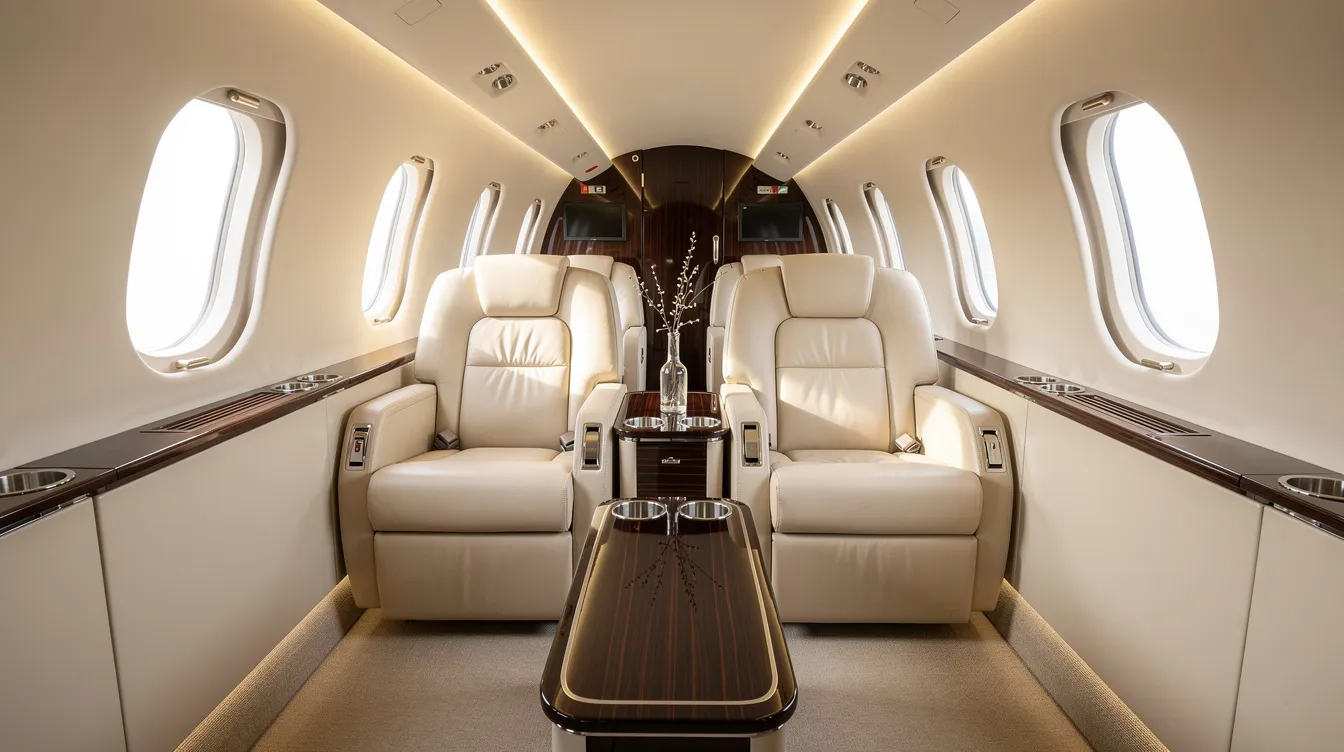
Alternatives: Enjoying Jet Performance Without Owning a Cessna T-37
For those drawn to the idea of jet performance and flexibility but unwilling to take on the operational burden and regulatory complexity of an ex-military aircraft, BlackJet offers a premier path into private aviation - no hangar required, no parts fabrication, no FAA Experimental Exhibition paperwork.
How the BlackJet Jet Card model works (including popular 50-hour jet card cost structures for frequent users):
Prepaid 25-hour or 50-hour blocks providing access to multiple aircraft categories: light jets, midsize jets, and large-cabin jets
Guaranteed availability within set notice periods, with transparent hourly rates that include crew, fuel, handling, and ground support, structured under Jet Card pricing models that clarify total cost and mirror what you see when comparing major providers like NetJets on jet card cost and value
No ownership responsibilities - maintenance, insurance, crew training, and regulatory compliance are managed entirely by certified operators, similar in spirit to Flexjet-style jet card programs with turnkey service.
Digital booking tools that let you check availability, request flights, review real-time support, and manage preferences from your phone, similar in simplicity to buying a seat on a private jet through modern platforms or exploring private plane rideshare options that sell individual seats
Safety and verification standards:**
BlackJet partners exclusively with operators meeting or exceeding leading safety certifications, including ARG/US and Wyvern equivalents
Proprietary verification protocols ensure every aircraft and crew meet rigorous standards before assignment to a client mission.
Comprehensive safety briefings are tailored to each mission profile - a level of operational oversight that individual warbird owners rarely have access to
Sustainability** commitments:**
Every BlackJet flight in 2027 is carbon-neutral through rigorous offset programs, with sustainable aviation fuel partnerships expanding across key routes.
Contrast this with the T-37: early J69 turbojet engines were designed decades before emissions efficiency became a design priority, and no factory-supported SAF compatibility exists for the type.e
For travelers who value environmental responsibility alongside performance, modern aircraft accessed through a Jet Card deliver both, whether you are comparing top-tier long-range private jets by luxury and performance or specific 10 million dollar private jet options for ownership-minded buyers, especially when contrasted with the older designs often discussed in guides to the cheapest private jet options for new entrants.
Real-world scenarios:
Consider a European executive who needs last-minute flights between London, Frankfurt, and Milan over two consecutive days. With a BlackJet Jet Card or even unlimited private jet membership-style access for ultra-frequent flyers, that itinerary is a matter of a few taps on a screen - confirmed aircraft, professional crew, ground transfers coordinated, catering preferences saved from a previous trip. Attempting the same routing in a privately owned T-37 would require navigating noise restrictions at three major European hubs, confirming the aircraft's registration is accepted in each jurisdiction, and accepting a cockpit with no luggage space, no cabin, and a range that may demand a fuel stop.
Or picture a US family arranging a holiday trip from New York to the Bahamas. A light jet through BlackJet accommodates luggage, children, and comfort in a pressurized cabin with modern amenities, while larger groups might instead select a private jet configured for around 20 passengers, 30-passenger private jet options, or even large-cabin private jets for up to 50 travelers. The T-37's side-by-side cockpit seats two people in ejection harnesses - not exactly the family travel experience most envision.
If you are researching a Cessna T-37 for sale as an enthusiast, collector, or investor, the aircraft's place in history is undeniable. It is a machine that shaped the careers of thousands of military pilots across years of service around the world. Owning one is a meaningful commitment to preserving that legacy, but it should be weighed against more conventional options like partnering with top private jet companies known for fleet depth and safety standards or exploring premium private jets for sale in mature markets such as the UK.
But if what you are ultimately after is the strategic, time-saving power of private aviation - the ability to fly where you want, when you want, with safety and sustainability built in - there is a simpler path.
Frequently Asked Questions About the Cessna T-37
Is a Cessna T-37 available for sale in 2027?
Yes, but flyable examples are exceptionally rare and may be sold through specialized brokers or private warbird networks rather than public classifieds. Most listings are project or static-display aircraft. Verify current availability, records, demilitarization, and FAA status directly before making an offer, and remember that for most travelers in major markets it will be far easier to arrange on-demand private jet charters in hubs like Karachi or Lahore-based private jet rentals for business or leisure trips.
How much does a Cessna T-37 cost?
Prices depend on condition, documentation, and airworthiness. Project airframes may be advertised for tens of thousands of dollars, while airworthy, restored examples can cost several hundred thousand dollars or more. Restoration, engine work, parts sourcing, insurance, and ongoing maintenance can substantially exceed the purchase price.
Can a civilian owner legally fly a T-37 in the United States?
Civilian-owned T-37s generally operate under an FAA Experimental Exhibition airworthiness certificate, which comes with operating limitations. Buyers should confirm the aircraft’s certification, demilitarization, registration eligibility, and permitted operations with qualified aviation counsel and the FAA before purchase.
What should buyers inspect before purchasing a T-37?
Have an independent mechanic with relevant jet or military-trainer experience review the airframe, engines, corrosion, flight controls, fuel and hydraulic systems, avionics, and complete maintenance records. Confirm the serial-number history and demilitarization documentation, and give particular attention to the specialized maintenance and compliance requirements for ejection seats.
Is a T-37 practical for regular business or family travel?
Usually not. The T-37t is a two-seat military trainer, not a passenger cabin, and its high fuel consumption, limited parts availability, noise, and specialized maintenance make routine travel challenging. Travelers seeking dependable private jet access without aircraft ownership can compare charter with a Jet Card, which provides access to modern aircraft and professional crews without managing maintenance or certification themselves.
Conclusion: Choose the Right Path to Private Aviation
A Cessna T-37 for sale can represent a rare opportunity to preserve and fly an important piece of aviation history. But buyers should approach the T-37 as a specialized warbird, not a practical substitute for a modern private aircraft: flyable examples are scarce, and regulatory compliance, maintenance, parts, insurance, and operating costs require careful planning. Before purchasing, verify the aircraft’s records, demilitarization, and FAA airworthiness status with qualified specialists, and review guidance on private aviation safety standards.
For collectors, the T-37’s two-seat cockpit and jet-training heritage may justify the commitment. For executives and discerning travelers who need reliable transportation, a BlackJet Jet Card offers a different kind of private jet access—without aircraft ownership, maintenance, or certification responsibilities. Compare the mission you want to accomplish with the demands of each option, then choose the one that fits. Travelers can also explore Jet Card pricing and learn how carbon-neutral private flights support more responsible travel.
Explore premium jet access with BlackJet and discover a more flexible way to travel, with professional safety standards and carbon-neutral flights built in.
Elevate your travel - effortlessly. With BlackJet, private flight isn't reserved for a few - it's accessible on your terms through our Jet Card programs, complete with rigorous safety, carbon-neutral performance, and unmatched flexibility. Explore our offerings and discover how refined, meaningful travel becomes your new standard.