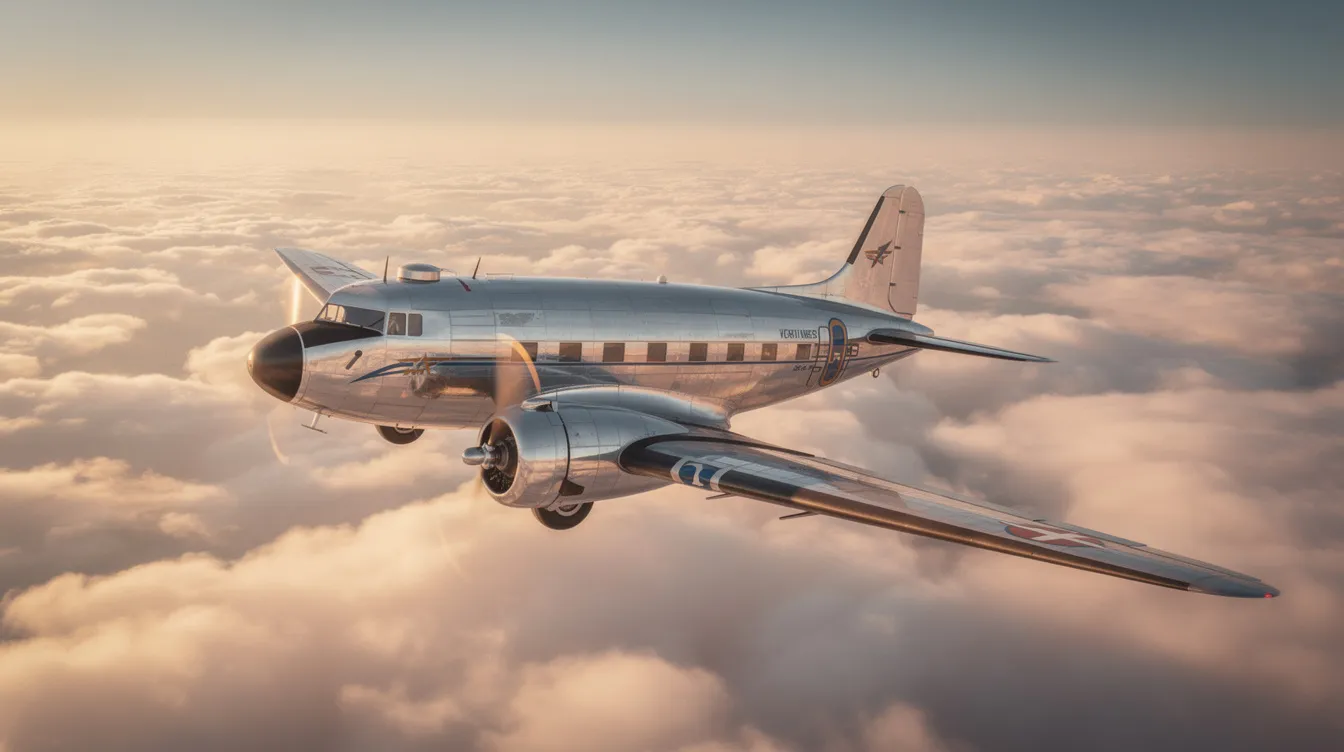
The coolest commercial planes are more than just transportation—they are icons of engineering, national ambition, airline branding, and aviation history. For frequent flyers, aviation fans, and those considering private jet travel, understanding what makes these aircraft stand out is essential. This article explores the coolest commercial planes in history and today, explains what makes them unique, and compares them to the private jet experience for BlackJet members and aviation enthusiasts.
Whether you’re a seasoned traveler, an aviation enthusiast, or evaluating the benefits of private jet access, this guide will help you appreciate the legends of the sky and why many BlackJet members admire them from a distance.
Summary Table: Coolest Commercial Planes and Why They Stand Out
Aircraft Model | Why It’s Cool |
|---|
Airbus A350 | Spacious cabin and quiet engines [1] |
Airbus A380 | Largest passenger plane ever built; can carry over 800 passengers in all-economy [12][14] |
Boeing 787 Dreamliner | Larger windows and higher humidity levels; reduces fuel consumption significantly [3][9][10] |
Boeing 777 | Popular for its range and passenger capacity; long-range capabilities [4][8] |
Boeing 747 | Introduced generations to widebody comfort; first widebody passenger aircraft [5][6] |
Airbus A320 Family | Most delivered aircraft in history [7] |
Airbus A220 | Widest economy seats in the industry [2] |
Airbus A321XLR | Longest range narrow-body plane [11] |
Boeing 777X | Features folding wingtips for improved aerodynamics [13] |
Concorde | Could fly at speeds of Mach 2.04, or 1,354 mph [15] |
Douglas DC-3 | Revolutionized air transport since its first flight in 1935 [16] |
Key Criteria For Choosing The Coolest Commercial Aircraft
Commercial aviation is undergoing a transformation driven by sustainability and efficiency [1]. The coolest commercial planes usually stand out in four ways: design, passenger comfort, technological innovation, and historical impact. Some aircraft are cool because they changed the world; others are cool because the cabin feels unusually calm at 40,000 feet.
Below are the main criteria for what makes a commercial aircraft “cool,” along with descriptions and examples:
Criteria | Description | Example Aircraft |
|---|
Design | A recognizable aircraft has a shape you remember, such as the hump of the Boeing 747 or the full double deck of the Airbus A380. | Boeing 747, Airbus A380 |
Comfort | Seat pitch, cabin width, humidity, pressurization, wider seats, and cabin noise all affect how rested a passenger feels after long-haul flying. | Airbus A350, Boeing 787, Airbus A220 |
Performance | Range, fuel burn per seat, airport compatibility, and operational roles decide whether an aircraft model becomes central to a global fleet. | Boeing 777, Airbus A321XLR |
Innovation | New materials, advanced aerodynamics, larger windows, higher humidity, and improved fuel economy set new standards for passenger experience and efficiency. | Boeing 787, Airbus A350, Boeing 777X |
Design
A recognizable aircraft has a shape you remember, such as the hump of the Boeing 747 or the full double deck of the Airbus A380. The Boeing 747 remains one of the most recognizable aircraft ever built.
Comfort
Seat pitch, cabin width, humidity, pressurization, wider seats, and cabin noise all affect how rested a passenger feels after long-haul flying.
Performance
Range, fuel burn per seat, airport compatibility, and operational roles decide whether an aircraft model becomes central to a global fleet.
Innovation
The Boeing 787 has larger windows and higher humidity levels, while the Airbus A350 offers improved fuel economy and passenger comfort.
Wider use of composite materials allows for lighter aircraft and greater fuel efficiency. Integration of AI in navigation improves flight paths and operational efficiency. An advanced cabin atmosphere can improve air quality and reduce energy waste. Airlines are designing reconfigurable cabins for flexible layouts, and modular seating designs can transform passenger space into private areas.
The next generation may go further. Hydrogen fuel cells aim for zero-emission flights. Electric Vertical Takeoff and Landing vehicles pioneer electric flight for short-range transport. New designs focus on low-boom technology for quieter supersonic travel, and developments in "quiet boom" technology aim to reduce sonic booms. Blended Wing Body design merges the wing and fuselage into a single lifting surface, while Blended Wing Body aircraft reduce drag and fuel consumption. Mounting engines flush against the fuselage increases propulsion efficiency, virtual windows can replace traditional windowless sections on aircraft, and ultra-efficient shapes and hyper-customized cabins can reduce fuel consumption by 20% to 60%.
These are fantastic commercial aircraft to fly in business class or first class. BlackJet Jet Card members simply prefer the same focus on comfort without airline constraints, and many use jet card membership pricing to lock in predictable access without the complexities of aircraft ownership.
Transition: Now that we’ve established what makes a commercial aircraft truly “cool,” let’s explore why even the most impressive airliners can’t match the flexibility and privacy of private jet travel for BlackJet members.
Why The “Coolest” Passenger Airplanes Still Can’t Beat A Private Jet
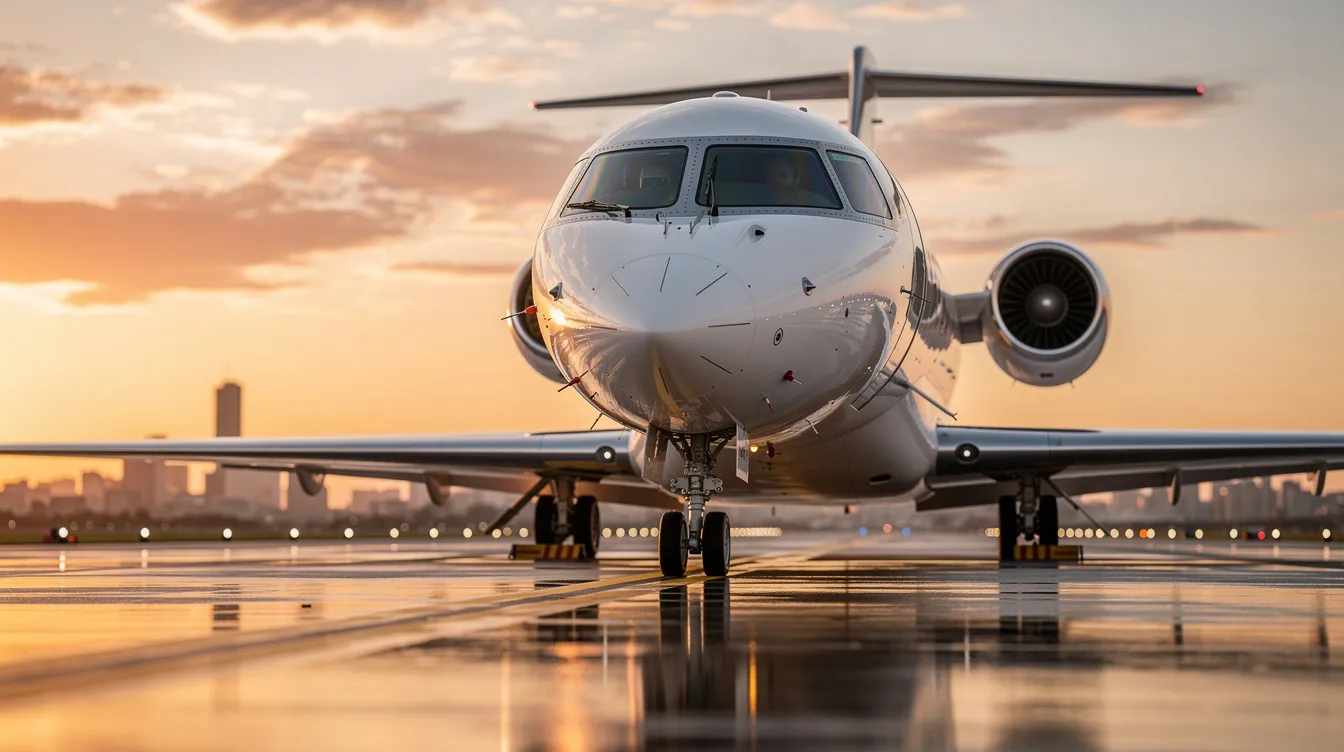
Commercial aviation has produced extraordinary machines, from the jumbo jet to today’s quiet, fuel-efficient twinjets. But air travel on airlines is still bound by hub airports, boarding queues, fixed schedules, public cabins, and the feeling that every connection takes forever. Even when flight attendants deliver excellent service, the passenger experience is designed for many people at once. Private aviation is designed around one traveler, one family, or one executive team.
For a New York–Miami trip, a commercial passenger may need to arrive 90 to 180 minutes early, pass security, board with hundreds of others, wait for bags, and then drive from a major airport. A BlackJet member can often arrive at an FBO 15 to 30 minutes before departure, board directly, and land at a smaller airport closer to the final destination.
That is why many BlackJet clients love flying on a beautiful aircraft like the Boeing 787 or Airbus A380, but still choose a private aircraft for real business schedules. The value is not only luxury. It is privacy, confidentiality, routing flexibility, and time saved door to door.
Transition: With the advantages of private jet travel in mind, let’s take a closer look at the legendary commercial aircraft that have defined eras of aviation and why they continue to capture the imagination of travelers and enthusiasts alike.
Legends Of The Sky: Iconic Widebody “Queen” And “Whale” Jets
Boeing 747 – Forever The Queen Of The Skies
The Boeing 747 introduced generations to widebody comfort [5] and was the first widebody passenger aircraft [6]. The Boeing 747 was first flown on January 22, 1970, in commercial service with Pan Am, and quickly became the queen of the skies.
Its signature hump, raised cockpit, and upper deck made it unlike any plane before it. Early first-class lounges on Pan Am, British Airways, Lufthansa, Korean Air, Air France, and other airlines made the 747 feel like a private club in the sky. For many travelers, it was the first airline experience that felt genuinely grand.
The 747 also helped define the modern widebody passenger aircraft. More than 1,500 were built, and although the last flight for many passenger fleets has already passed, the aircraft still serves in cargo and select passenger markets around the world.
For a BlackJet member, the 747 can remain a bucket-list commercial ride. But when a board meeting, private family trip, or confidential deal is involved, nostalgia rarely beats an ultra-long-range private jet scheduled exactly when needed.
Airbus A380 – The Double‑Deck Giant That Redefined Space
The Airbus A380 is the largest passenger plane ever built [14] and can carry over 800 passengers in an all-economy configuration [12]. It is also an engineering marvel: a full double-deck jet airliner built to move entire crowds between the world’s largest hubs.
The Airbus A380 is known for its smooth ride and spacious cabin. Most airlines configure it with premium cabins, economy class, lounges, and suites. Emirates made the aircraft famous for onboard bars, while some first-class layouts added showers.
Singapore Airlines became the first airline to operate the A380 in 2007. The type remains a flagship for Emirates, Singapore Airlines, British Airways, Qantas, and others, even after Airbus announced the end of production in 2021. Enthusiasts still seek A380 routes because the cabin is unusually quiet and spacious for a commercial aircraft.
The trade-off is size. The A380 needs major airports, heavy infrastructure, and dense routes. A private jet can use smaller aircraft terminals, avoid crowds, and fly point-to-point instead of following a mega-hub network.
Boeing 777 – The Long‑Haul Workhorse Of The Global Fleet
The Boeing 777 is popular for its range and passenger capacity [4] and is known for its long-range capabilities [8]. The Boeing 777 first flew in 1994 and entered service in 1995 as the largest two-engine widebody of its era.
That combination explains why airlines such as Emirates, Qatar Airways, Singapore Airlines, American Airlines, Cathay Pacific, and many US carriers rely on it for long-haul routes. It has become a business-class staple across the global fleet, especially on missions like New York–Tokyo, London–Dubai, and Dubai–Sydney.
The 777 also represents Boeing at its most commercially practical. Boeing's commercial arm used digital design and airline input to create a durable long-haul platform. The Boeing 777X features folding wingtips for improved aerodynamics [13], giving the aircraft family a future beyond the classic models.
For BlackJet members, the 777 is admired for its reach and reliability. But if the mission requires privacy, a tailored cabin for a leadership team, or a departure from an airport closer to home, a 16‑seat private jet can be a more useful tool.
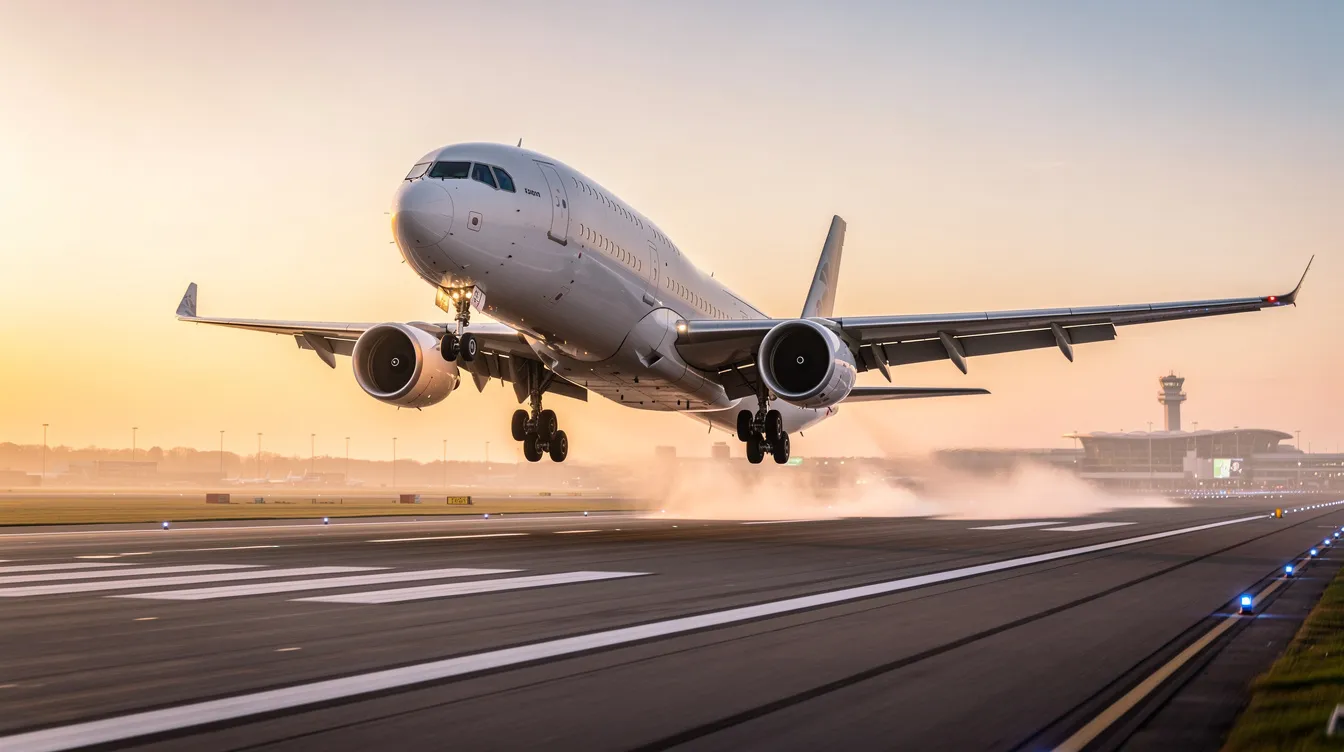
Transition: While these widebody legends have shaped the golden age of long-haul travel, the next generation of commercial aircraft is pushing boundaries in comfort, efficiency, and technology. Let’s explore the modern marvels that are redefining the passenger experience today.
Next‑Gen Marvels: Airbus A350, Boeing 787, And Modern Narrowbodies
Airbus A350
The Airbus A350 features a spacious cabin and quiet engines [1]. The Airbus A350 entered service in 2015 and quickly became one of the most respected long-haul airplanes in the world. Its advanced aerodynamics, composite structure, and Rolls-Royce engines give it strong fuel efficiency while reducing noise levels in the cabin.
Key reasons passengers like it include:
Lower cabin altitude than older widebodies, helping reduce fatigue.
Higher humidity, which makes a 10-hour flight feel less punishing.
A wider cabin that makes the 3-3-3 economy feel more civilized than many older layouts.
Quiet engines and lower cabin noise, especially forward of the wing.
Premium interiors from Qatar Airways, Singapore Airlines, and Cathay Pacific.
The A350 is a clear game-changer for long-haul airlines because it pairs efficiency with real passenger comfort. BlackJet members appreciate those advances, but private aviation adds something no airline seat can provide: a cabin shared only with people you choose, along with safety standards that rival top commercial airlines.
Boeing 787 Dreamliner
The Boeing 787 has larger windows and higher humidity levels [3], reduces fuel consumption significantly [9], and has 40% larger windows than typical aircraft [10]. The Boeing 787 Dreamliner entered service in 2011 as Boeing’s first largely composite commercial aircraft.
Those large electronically dimmable windows, higher humidity levels, improved air filtration, and lower cabin altitude make the 787 one of the most comfortable passenger airplanes for long-haul flying. Routes such as Qantas Perth–London and ANA or United transpacific services show how the 787 reshaped airline networks by bypassing some hubs.
The 787 helped push the global fleet toward smaller, more efficient long-range aircraft instead of relying only on giant jumbo jet capacity. When BlackJet clients fly commercial, many specifically look for a 787. When privacy matters, however, the world’s best private jets with custom catering and secure workspace win.
Airbus A320 Family
The Airbus A320 family is the most delivered aircraft in history [7]. The family includes the A318, A319, A320, A321, and neo variants. The Airbus A320 family dominates short-haul flights across Europe, North America, and Asia.
The Airbus A320 first flew in 1988 and pioneered fly-by-wire controls in mainstream commercial aircraft. Today, American Airlines, JetBlue, easyJet, Wizz Air, and many airlines use it for short and medium routes.
The Airbus A321XLR is the longest-range narrow-body plane [11], blurring the line between regional and long-haul missions. Still, BlackJet members often use light and midsize private jets on comparable routes, trading mass-market efficiency for privacy, direct access, and schedule control, and some explore the most affordable private jet options as an entry point to private aviation.
Airbus A220
The Airbus A220 has the widest economy seats in the industry [2]. Originally the Bombardier CSeries, it entered service in 2016 and targets the 100–150 seat market. The Airbus A220 features a 2-3 layout, large windows, and a quieter cabin than many older narrowbodies.
Delta, airBaltic, and Swiss use the A220 on regional and short-to-medium routes. Among commercial passenger airplanes, it may be one of the closest economy-class experiences to a small premium jet. But it is still an airline flight, with fixed schedules, public terminals, and limited privacy, which is why some travelers experiment with buying individual seats on private jets as a hybrid between commercial and full‑aircraft charter.
Transition: As we move from today’s cutting-edge jets to the timeless classics that shaped aviation’s early decades, let’s revisit the aircraft that set the standards for reliability, speed, and innovation.
Timeless Classics: Douglas DC‑3, Early Jets, And Design Icons
Douglas DC‑3
The Douglas DC-3 revolutionized air transport since its first flight in 1935 [16]. The Douglas DC-3 made scheduled passenger air travel more reliable and profitable, especially on routes such as New York–Chicago with American Airlines.
As part of the broader Douglas DC story, it carried modest passenger loads by today’s standards, but its ruggedness changed aviation. More than 13,000 civil and military versions were built, and some still fly niche operational roles nearly 90 years later.
The DC-3 is cool because it created expectations modern travelers still recognize: dependable service, regular schedules, and airplanes capable of linking cities with confidence—standards that today extend even to private jets for 20 passengers on complex group itineraries.
Early Jet Icons: Boeing 707, De Havilland Comet, and Concorde
The De Havilland Comet was the first passenger jet and the first jet airliner, flying in 1949 and proving that jet speed could reshape the world. Its early structural problems were serious, but the redesigned aircraft still marked a leap in aviation history.
The Boeing 707 entered service with Pan Am in 1958 and helped establish Boeing as a leader in commercial jet travel. It cut transatlantic times, expanded capacity, and made the jet age feel permanent.
Concorde could fly at speeds of Mach 2.04, or 1,354 mph [15]. It was the sports car of the skies, crossing the Atlantic in about three hours before retirement in 2003 due to economics, noise regulation, and limited route flexibility. These aircraft no longer operate regular passenger service, but they remain among the coolest commercial planes ever built and have inspired modern private jets for up to 50 passengers that bring similar glamour to bespoke group travel.
Transition: Whether you’re flying in a modern marvel or a classic legend, the experience of commercial aviation can be extraordinary. But how do these premium airline cabins compare to the bespoke world of private jet travel? Let’s find out.
From Cool Commercial Cabins To Bespoke Private Jets
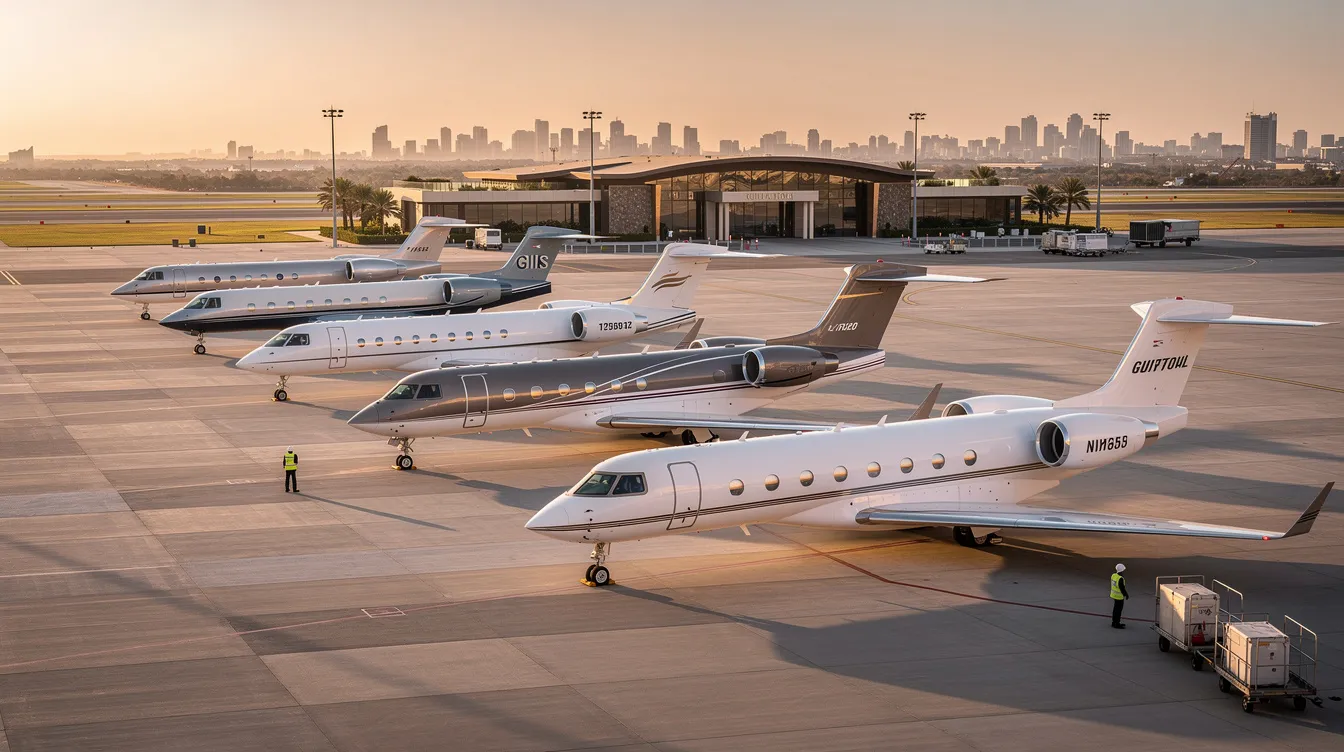
How Premium Airline Cabins Compare To Private Jet Travel
A premium cabin on a great aircraft can be exceptional. Business class on an Airbus A350, suites on an Airbus A380, or first class on a Boeing 777 can include flat beds, privacy doors, fine dining, and attentive service. For many travelers, that is the best possible airline version of flying.
But the core trade-off remains. Airlines provide excellent hard products for hundreds of passengers. Private jets provide control over the schedule, routing, passenger list, catering, and ground transfers, and jet card pricing structures make that control easier to budget for frequent flyers.
Consider an executive flying from New York to London. In A350 business class, the trip may require JFK or Newark, security, boarding, Heathrow arrival, and city traffic. With a BlackJet 25+ Hour Jet Card, the traveler can depart from Teterboro, work confidentially in a private cabin, and land at London Farnborough with car-to-aircraft transfers arranged.
That is the logical upgrade after experiencing the best commercial cabins. It is not about rejecting aviation. It is about choosing the most efficient format for the mission.
Why BlackJet Jet Cards Are A Smarter Upgrade Than Owning A Jet
Owning an aircraft brings capital expense, crew management, maintenance planning, hangar logistics, and utilization pressure. BlackJet’s Jet Card model gives members prepaid access to private jets without that ownership complexity, similar in spirit to other best‑in‑class jet card programs for frequent flyers.
Members can select 25-hour or 50-hour programs and access multiple cabin classes, including light, midsize, super-midsize, and long-range jets, while some high-frequency travelers even explore unlimited private jet membership models for predictable monthly spend. Booking is supported by 24/7 digital tools, real-time flight support, and a service model built for frequent private travel.
Safety is central. BlackJet uses proprietary vetting, third-party audits, and BlackJet Certified® standards for operators, aircraft, pilots, and flights, similar to the rigorous oversight discussed in Flexjet jet card cost and program reviews. Sustainability is also built in: BlackJet ensures carbon-neutral flights by default, with offsets included at no extra cost to the member, a key consideration when evaluating $20 million private jet ownership versus access models.
A family might arrive in Dubai on an Emirates A380, then continue by BlackJet-arranged private flight to a remote island resort, using either an ultra-long-range private jet or a more modest aircraft sourced through BlackJet’s premium private jet card programs. That best-of-both-worlds model lets commercial aviation shine where it excels, while private aviation handles the final mile with discretion and ease.
FAQs: Cool Commercial Aircraft Vs Private Jet Access
What is the most comfortable commercial aircraft for long haul?
Airbus A350: Spacious cabin and quiet engines
Boeing 787 Dreamliner: Larger windows and higher humidity
Airbus A380: Smooth ride and remarkable cabin volume
Is flying private safer than flying commercial?
Commercial airlines operate under strict global regulation, and their safety record is exceptionally strong.
BlackJet adds confidence through proprietary certification, operator vetting, aircraft review, pilot standards, and third-party audit discipline.
How do jet cards work compared to chartering ad hoc?
An ad-hoc charter means pricing and aircraft availability can change every trip.
A BlackJet Jet Card provides prepaid hours, access across cabin categories, predictable service standards, and support without shopping the market each time.
Can private jets match the range of long-haul airliners?
Some long-range private jets can fly more than 7,000 nautical miles, which rivals many widebody missions for smaller groups.
Commercial aircraft remain more efficient for hundreds of passengers, but private jets are often more efficient for the traveler’s time.
Is private jet travel environmentally responsible?
Private aviation has a higher fuel burn per passenger than a full airline flight, so aircraft selection and emissions strategy matter.
BlackJet includes carbon-neutral flights by default, while newer aircraft, sustainable fuels, and efficient routing continue to improve the sector.
When does it make sense to mix commercial and private on one trip?
It often makes sense to fly a flagship airline product between major hubs, then use BlackJet for the final segment to a remote destination.
This works especially well when a major airline gets you across an ocean, but a private jet saves hours on the last leg—especially if you’ve studied the best $10 million private jet options and chosen an aircraft tailored to your routes.
Why do aviation enthusiasts still chase the coolest commercial planes?
Because aircraft like the Boeing 747, Airbus A380, Concorde, and Douglas DC-3 are more than machines, just as a well‑chosen $15 million private jet can become more than transportation for its owner.
They represent milestones in design, ambition, and the way flying changed the world.
Conclusion: Admire The Coolest Commercial Planes, Travel On Your Terms
The coolest commercial aircraft—Boeing 747, Airbus A380, Airbus A350, Boeing 787, Boeing 777, Airbus A220, and Douglas DC-3—each changed how people think about aviation. They brought speed, scale, comfort, and design breakthroughs to the skies.
For executives and high-net-worth travelers, the sharper advantage is private jet access: flexible timing, airport choice, privacy, seamless logistics, and a cabin built around the mission, whether through BlackJet or competitors analyzed in NetJets jet card cost breakdowns. BlackJet aligns with modern aviation’s focus on safety, technology, efficiency, and sustainability while giving members control that even the best airlines cannot match.
Explore BlackJet’s Jet Card programs and discover how refined private travel can complement—or replace—your favorite commercial flights with effortless access on your terms, especially once you compare the top private jet companies and their service models.


 Sign up with google
 Sign up with Apple