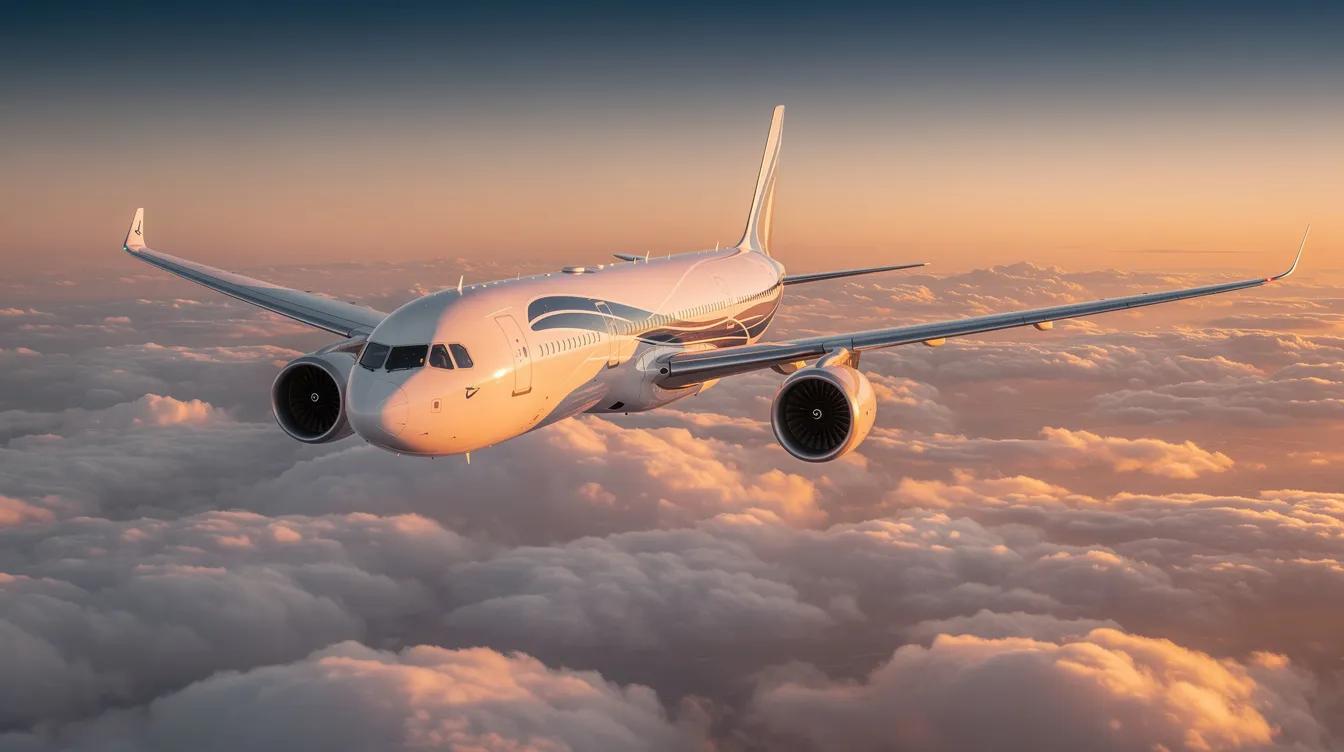
For the executive or high-net-worth traveler, the aircraft you fly on is not a trivial detail - it determines your comfort, your productivity, and how much of your day is consumed by transit. This guide is tailored for executives, frequent flyers, and high-net-worth individuals evaluating the best air travel options for comfort, efficiency, and value. Delta airline planes represent some of the best options in commercial aviation, but how do they actually stack up against private jet travel through a program like BlackJet's Jet Cards? Choosing the right aircraft and travel program can significantly impact your productivity, privacy, and overall travel satisfaction. This guide breaks down the fleet, the experience, and the strategic calculus behind choosing one over the other.
Overview of Delta Air Lines Fleet and Why It Matters for Premium Travelers
The aircraft type and cabin layout on any given flight directly affect privacy, legroom, seat configuration, noise levels, and amenity access. For travelers weighing delta air lines against private jet options like BlackJet, these differences shape the entire travel experience.
Delta Air Lines operates one of the largest and most diverse commercial fleets in the world. As of 2025, the airline's fleet exceeds 900 mainline aircraft, and Delta operates a diverse fleet featuring mainline aircraft and regional jets. Delta's fleet includes Airbus and Boeing aircraft, and the carrier operates both narrowbody and widebody aircraft across its network. From hubs like Atlanta (ATL), New York-JFK, Los Angeles, Detroit, and Salt Lake City, Delta serves more than 275 destinations. As a key leader of the SkyTeam Alliance, Delta provides flights to a large number of global destinations through its partner network, while BlackJet focuses on premium private jet card and charter services for high-net-worth travelers.
Key narrowbody types include the Airbus A220-100/300, A320 family, A321-200/neo, and Boeing 737-800/900ER. Widebody aircraft include the Airbus A330-200/300, A330-900neo, A350-900, and Boeing 767-300ER/400ER.
To put scale in perspective: a commercial widebody like the A350-900 carries up to 306 passengers in four cabin classes. A typical BlackJet super-midsize private jet seats 7–9 travelers in a fully private cabin, while larger 16-seat private jet options serve bigger executive teams and families. That contrast in density defines everything from boarding speed to personal space - topics covered in the comfort and security verification sections below.
Fleet Comparison Table: Delta Airline Planes vs BlackJet Private Jets
Feature | Delta Airline Planes | BlackJet Private Jets |
|---|
Aircraft Types | Airbus and Boeing narrowbody and widebody aircraft | Light, midsize, super-midsize, large cabin private jets |
Passenger Capacity | 100–306 passengers depending on aircraft | 4–16 passengers depending on jet category |
Cabin Privacy | Shared cabins with tiered classes (Delta One, First, etc.) | Fully private cabins with no shared spaces |
Boarding Process | TSA security, gate boarding, 60–120 minutes prior | Private FBO terminals, streamlined 15–30 minutes prior |
Scheduling Flexibility | Fixed schedules, limited changes | On-demand, flexible scheduling |
In-Flight Amenities | Seatback entertainment, Wi-Fi, in-seat power | High-speed satellite internet, bespoke catering |
Safety Certification | FAA Part 121, centralized maintenance | FAA Part 135, proprietary safety audits |
Sustainability Efforts | Newer aircraft with up to 30% better fuel efficiency | Carbon-neutral flights via verified offsets |
Pricing | Variable fares, often higher during peak demand | Fixed hourly Jet Card rates, predictable costs |
Typical Use Cases | Mass market, frequent flyer loyalty programs | Executive travel, privacy, complex itineraries |
Key Takeaways
Delta Air Lines operates a vast and diverse fleet, offering a reliable and polished commercial travel experience with a tiered cabin structure and extensive global reach.
Flagship aircraft like the Airbus A350-900 and the newly introduced A330-900neo provide premium long-haul comfort, though privacy and flexibility remain limited compared to private jets.
BlackJet’s 25+ Hour Jet Card program offers unparalleled flexibility, privacy, and efficiency with fully private cabins, fixed hourly rates, and streamlined departures from private terminals.
Safety is paramount for both Delta and BlackJet, with Delta adhering to FAA Part 121 standards and BlackJet partnering exclusively with audited Part 135 operators meeting proprietary certification.
Sustainability efforts are advancing on both sides, with Delta investing in fuel-efficient aircraft and BlackJet ensuring every flight is carbon neutral through verified offsets.
Choosing between Delta airline planes and BlackJet private jets depends on travel priorities such as schedule control, privacy, route complexity, and time savings, especially for travelers comparing different Jet Card programs and benefits.
Key Delta Air Lines Planes and Onboard Experience vs Private Jets
Different delta aircraft deliver vastly different cabin products, from the Main Cabin seat on a 737 to the enclosed Delta One Suite on an A350-900. Understanding these differences matters when comparing them to the fully private layouts available through a BlackJet Jet Card.
Delta maintains a clearly tiered product structure in cabin experience: Delta One (flagship lie-flat suites on widebodies), Premium Select (extra-comfort premium economy), First Class and Comfort+ (domestic premium), and Main Cabin.
Flagship Long-Haul Aircraft
The Airbus A350-900 is Delta's flagship long-haul international jet, and Delta has invested heavily in newer Airbus aircraft, including this type. Configured with 306 seats across four classes - 32 in Delta One, 48 in Premium Select, 36 in Comfort+, and 190 in Main - the A350-900 flies transpacific routes such as Detroit to Tokyo. Delta One suites feature 180-degree lie-flat beds, high-definition seatback screens, and full-height privacy dividers. Detailed seat maps and configurations are displayed on Delta's aircraft overview page at www.delta.com.
Delta introduced the Airbus A330-900neo on October 1, 2024, making it one of the airline's newest widebody additions. The A330-900neo increases seat capacity by approximately 30% compared to older A330 variants, and by November of that year expanded routes were already visible across the network. The type features upgraded LED lighting, quieter cabins, and the same Delta One suite product found on the A350.
Delta will also add 30 Boeing 787 Dreamliners by 2026, further refreshing its long-haul fleet with next-generation efficiency and passenger comfort, just as private aviation is embracing the newest generation of flagship private jets.
Transatlantic and Premium Domestic Aircraft
The Airbus A330-300 and Boeing 767-400ER serve transatlantic markets and select premium domestic routes. Many feature Delta One lie-flat seats and Delta Premium Select. Delta has been rolling out an interior refresh across A330-200 and A330-300 cabins, adding privacy doors, larger HD screens, USB-C power, and memory-foam cushions - a program that will reach 800+ aircraft by 2030. Still, these remain shared cabins with common lavatories and boarding zones, offering limited privacy compared to a super-midsize or large-cabin private jet or even some of the largest private jets available for sale and charter.
Workhorse Narrowbodies
The Boeing 737 is the core backbone of Delta's domestic fleet, with 737-800 and 737-900ER variants flying high-frequency routes between major U.S. cities. The Airbus A321 and A321neo handle trunk domestic routes with seating up to approximately 191 passengers. The Airbus A321neo provides up to 30% better fuel efficiency than older jets, making it a key part of Delta's fleet modernization.
The Airbus A220 features extra-large windows and modern spacious cabins, seating around 109 (A220-100) to 130+ (A220-300) passengers. It has become a favorite on thinner routes and secondary hub pairs, while entry-level private flyers may instead look at the cheapest private jet options to reach similar city pairs with far fewer passengers.
In-Flight Experience Elements
Delta offers many aircraft with personal seatback entertainment screens and access to Delta Studio's 1,000+ hours of content. The airline has rolled out fast, free streaming-capable Wi-Fi across most of its domestic fleet, along with in-seat power outlets in every cabin on widebody aircraft.
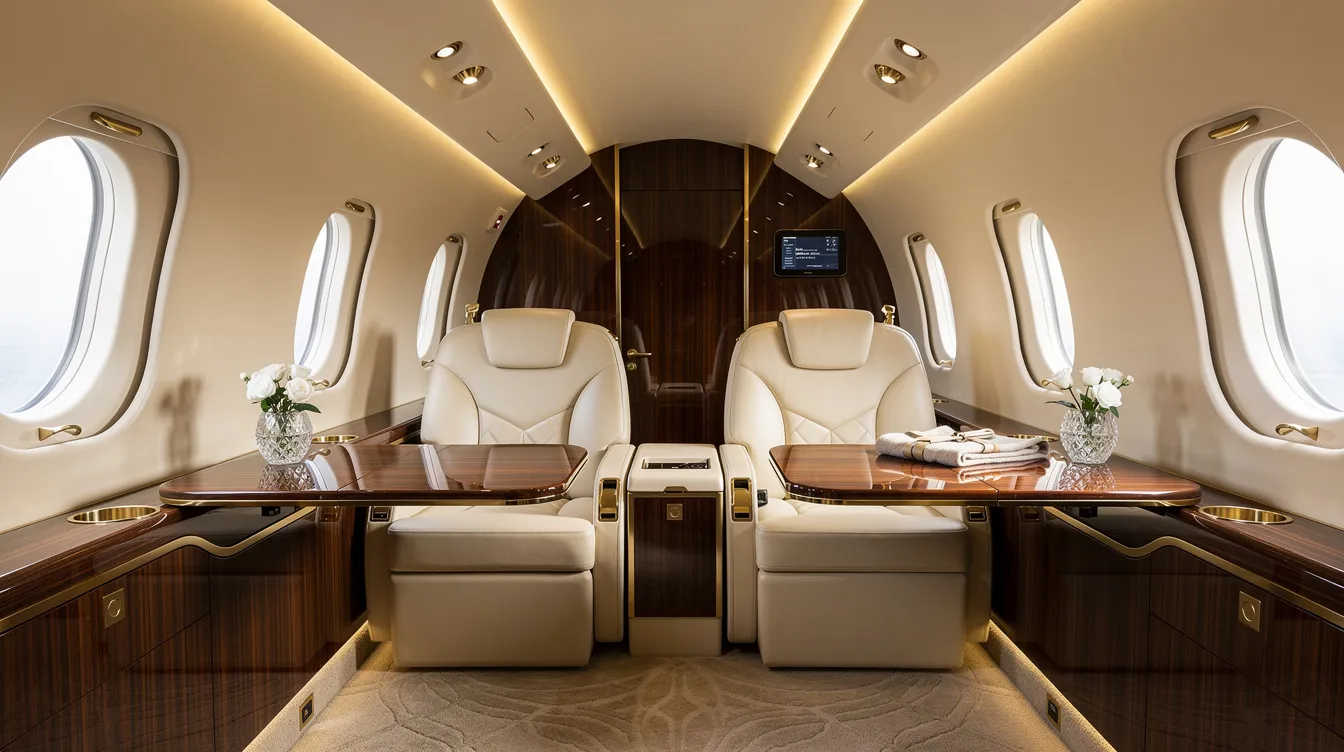
By comparison, private jet amenities through BlackJet include high-speed satellite connectivity, fully reclining club seats that convert to beds, and bespoke catering tailored to every passenger - with no shared spaces, no cabin classes, and no boarding groups, mirroring what you’d find on the best private jets in the world.
Commercial flight schedules and aircraft assignments are fixed by the airline. BlackJet clients instead choose their aircraft category - light, midsize, super-midsize, or large cabin - to match party size, luggage needs, and route requirements. Delta frequently faces higher airfares compared to competitors on premium cabins, while Jet Card hourly rates remain fixed and predictable regardless of demand.
Safety, Security Verification, and Operational Standards: Delta vs BlackJet
Both Delta Air Lines and private aviation providers like BlackJet place safety above all else. The difference lies in how passengers experience those measures - and how much time they consume.
Delta operates under FAA Part 121 regulations, the most rigorous certification tier for scheduled air carriers. This mandates centralized maintenance programs (managed through Delta TechOps), routine inspections, pilot recurrent training, and safety management systems subject to regular FAA audits. Delta's operational reliability includes fewer cancellations and better baggage handling than most competitors, and the carrier leads major U.S. carriers in on-time performance metrics.
For Delta customers, security verification follows a familiar pattern: TSA screening at the airport, ID checks at the gate, possible secondary screening on international flights, and digital verification steps when booking or managing trips on the airline's page. It works - but it takes time.
BlackJet's approach is structurally different. Every flight operates through audited Part 135 operators that meet BlackJet's proprietary safety certification standards, which include vetting aircraft maintenance logs, crew flight-hour minimums, insurance, and incident history. Pre-flight identity verification is handled through secure member profiles and encrypted digital platforms - not public security lines.
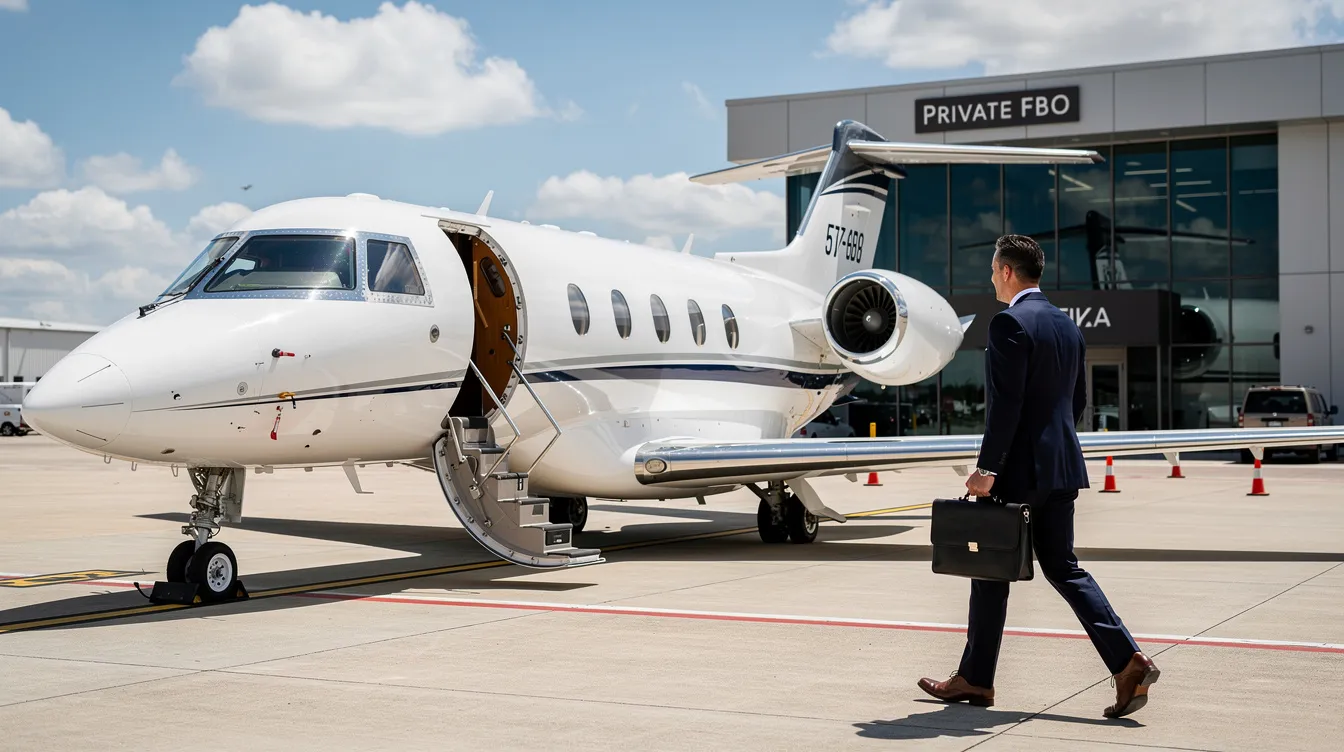
Private jet travelers using Jet Cards typically depart from private FBO terminals, allowing arrival as little as 15–30 minutes before departure. Consider a New York-to-Los Angeles business trip: a Delta passenger in First Class arrives at JFK 90–120 minutes early for check-in, security, and boarding. A BlackJet client departs from a nearby FBO, clears a streamlined process, and is airborne in a fraction of the time.
Both BlackJet and major airlines protect member data with multi-factor authentication and encrypted payment processing. BlackJet extends this to membership profiles, booking details, and real-time flight support - a layer of data security that matches the discretion of the travel experience itself. For more on private aviation safety standards, BlackJet publishes its protocols transparently.
When to Choose Delta Airline Planes and When to Choose BlackJet Private Jets
Many sophisticated travelers use both commercial airlines and private jets strategically. The decision hinges on route, schedule, party size, and what a specific trip demands.
Delta is often seen as a strong choice for reliability, comfort, and service among U.S. airlines. Its primary advantages are reliability, onboard experience, and customer service - and the numbers back this up. Delta's customer service scores well in satisfaction surveys among U.S. airlines, and the carrier frequently ranks at the top of U.S. carrier surveys. Delta is recognized for high marks in customer service responsiveness, supported by significant employee investment and profit-sharing models that keep service standards high.
For solo travelers on high-frequency hub routes, Delta's premium offerings deliver strong value. The Delta Sky Club network is widely regarded as a polished domestic club experience, and Delta Sky Clubs are considered among the better airline lounges in the U.S. Delta's SkyMiles loyalty program includes miles that do not expire, making it attractive for travelers who want to accumulate value over time. For corporate travel policies tied to a major carrier, Delta frequently ranks as the preferred option.
BlackJet delivers more value when flexibility, privacy, and time are the priority. A four-city business roadshow that would require six separate commercial flights with layovers becomes a single day of direct routing on a Jet Card. A family ski trip to an airport with limited commercial service becomes effortless, and even travelers who only need a single seat can explore buying a seat on a private jet instead of the whole aircraft. A last-minute departure that would cost thousands in walk-up business class fares stays predictable with fixed hourly Jet Card rates, especially when you understand the broader private jet pricing and access options.
On sustainability, both sides are investing. Delta's newer aircraft - the A330-900neo, A220, and upcoming 787 Dreamliners - are on average 27% more fuel-efficient per seat-mile than the planes they replace. BlackJet ensures every Jet Card hour is carbon neutral through verified offsets, at no extra cost to the member, and even travelers exploring budget-friendly private aircraft options can leverage similar sustainability strategies.
If you regularly fly Delta airline planes in premium cabins and find yourself wishing for more control over your schedule, more privacy, or less time spent in terminals, explore what a BlackJet Jet Card can add to the trips that matter most. It is not a replacement for commercial aviation - it is the strategic complement that reshapes your most critical journeys.
Frequently Asked Questions
What types of aircraft does Delta operate?
Delta operates narrowbody and widebody aircraft from both Airbus and Boeing. Narrowbody types include the A220, A320 family, A321/A321neo, and Boeing 737-800/900ER. Widebody types include the A330-200/300, A330-900neo, A350-900, and Boeing 767 variants. Delta will also add 30 Boeing 787 Dreamliners by 2026, while private aviation offers large-cabin jets for around 20 passengers when group size and privacy demand a different platform.
How does a Jet Card compare to flying Delta First Class?
A Jet Card provides a fully private cabin, flexible scheduling, FBO departures, and fixed hourly pricing. Delta First Class offers a premium commercial seat on a fixed schedule with shared cabin spaces. Both have merits; the right choice depends on route, privacy needs, and how you value time, as well as whether you’re considering private jet options in the $10 million range or prefer flexible access models.
Is private jet travel safe compared to commercial airlines?
For travelers considering ultra-large aircraft, many of the largest private jets for charter and sale meet stringent safety and maintenance standards comparable to major airlines.
Yes. BlackJet partners exclusively with operators certified under FAA Part 135 and applies proprietary safety audits that exceed regulatory minimums - covering pilot experience, maintenance history, and insurance. Commercial airlines like Delta operate under Part 121 with equally rigorous but structurally different oversight, while some travelers may instead evaluate features of $20 million private jets for long-haul missions.
Are BlackJet flights carbon neutral?
Travelers who prefer to share legs with others can also explore private jet rideshare options, which often complement carbon-neutral programs by maximizing aircraft efficiency.
Every BlackJet Jet Card hour includes verified carbon offsets at no additional cost, ensuring carbon-neutral flight operations across all aircraft categories, even on the most expensive and luxurious private jets.
What is Delta's best aircraft for long-haul premium travel?
The Airbus A350-900 is Delta's flagship long-haul international jet, featuring Delta One suites with lie-flat beds and privacy doors. The A330-900neo is a close second, with newer cabin interiors and approximately 30% more seat capacity than older A330 variants, while in private aviation, a comparable tier would be high-end $15 million private jets designed for bespoke long-range travel.
Private aviation can even scale to private jets configured for around 50 passengers when corporate events or large family groups require an entire aircraft.
Conclusion: Elevate Your Travel Experience with Informed Choices
Choosing between Delta airline planes and private jet travel through BlackJet’s Jet Card program ultimately depends on your priorities: whether you value the broad network and tiered service of a major commercial carrier or the unparalleled flexibility, privacy, and efficiency of private aviation. Delta offers a reliable, comfortable, and polished commercial experience with modern aircraft and extensive global reach. However, for executives and discerning travelers seeking to maximize productivity, minimize airport time, and enjoy bespoke service, BlackJet’s private jet access delivers a strategic advantage that transcends traditional air travel.
By integrating safety, sustainability, and cutting-edge technology, both options represent premium travel solutions—but only private jet travel offers the seamless, personalized journey that high-net-worth individuals demand. Explore how BlackJet can complement your travel portfolio and redefine your most critical trips with effortless access, fixed pricing, and carbon-neutral flights. Discover the difference that true private jet access can make for your next journey.


 Sign up with google
 Sign up with Apple