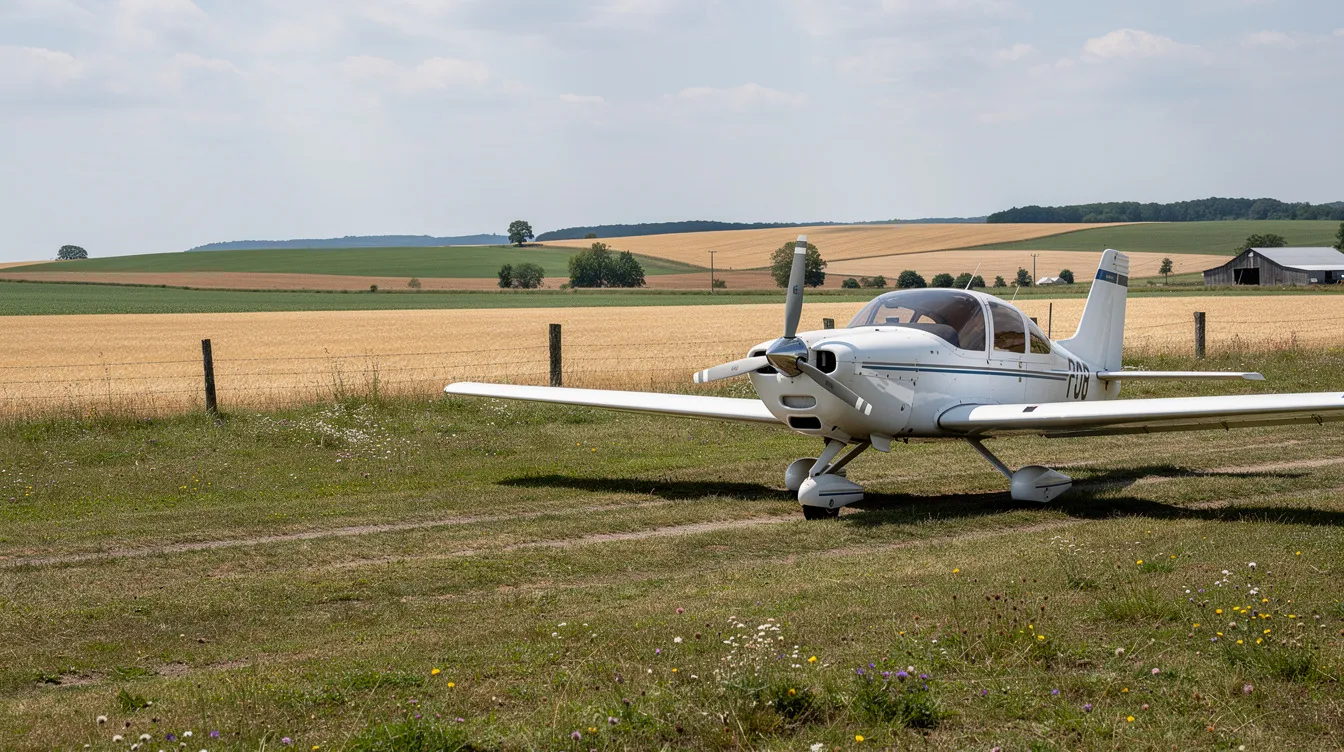
Aviation saves lives - sometimes through charitable missions, sometimes through strategic private travel. Here is how both ecosystems work and when each makes sense.
Why "Free Flight for Life" Matters Today
Picture a family in rural Idaho learning their child needs pediatric cardiology care in Denver. Commercial transportation means connecting flights, long layovers, and costs that compound with every trip. For families facing financial need, the burden can delay or prevent treatment entirely.
The phrase "free flight for life" refers to rare unlimited lifetime airline programs - a concept most famously tested when American Airlines introduced the AAirpass in 1981 for $250,000. Only 66 individuals purchased the AAirpass during its availability, and heavy usage of the AAirpass led to American Airlines incurring significant losses. American Airlines discontinued the AAirpass due to unprofitability. Today, major airlines reward lifetime elite status after flying 1 to 4 million miles, but lifetime programs offering elite status exist and do not provide free flights. Frequent-flyer programs allow members to accumulate miles for free tickets, but conditions apply.
In the volunteer aviation community, "free flight for life" means something more compelling: volunteer pilots donating aircraft, fuel, and expertise so patients can reach lifesaving medical treatment at zero cost. At BlackJet, our core business is paid private jet access through Jet Cards, yet we believe spotlighting this charitable ecosystem matters. Both carbon-neutral private aviation and volunteer flight networks are reshaping how individuals access healthcare, time, and opportunity.
How Free Air Transportation Medical Flights Work: From Flight Request to Wheels Up
The process begins when applicants begin through an Angel Flight or Air Care Alliance organization request form - typically submitted by a physician, hospital social worker, or caregiver on behalf of a patient. Organizations like Angel Flight, LifeLine Pilots, and the Air Care Alliance coordinate these missions nationwide.
Eligibility Requirements
Eligibility requirements include:
Patients must be medically stable to use Angel Flight services - no in-flight medical intervention needed
The patient requires specialized medical care not available locally
Demonstrated financial hardship or geographical distance making commercial travel impractical
Ambulatory status: passengers must be able to sit upright, remain in an airplane seat with a seatbelt fastened, and board the aircraft with minimal assistance
Step-by-Step Process
Step-by-step process:
Submit a request online or by phone, providing appointment dates, diagnosis, and physician contact
A coordination team at the organization verifies eligibility and works to accommodate appointment timing and passenger needs while matching the mission with available volunteer pilots.
Angel Flight requires a minimum of 5 days' notice, though 7–10 days is ideal.l
The pilot confirms the schedule, monitors weather, and arranges connecting legs if the geographical distance demands .it
The patient and up to one companion fly at no cost - free flights are available for patients needing specialized medical care and to reach specialized procedures when local options are unavailable.
Volunteer pilots may pay up to $1,000 out of pocket for a single flight, covering fuel, landing fees, and maintenance. Passengers and their families never see a bill.
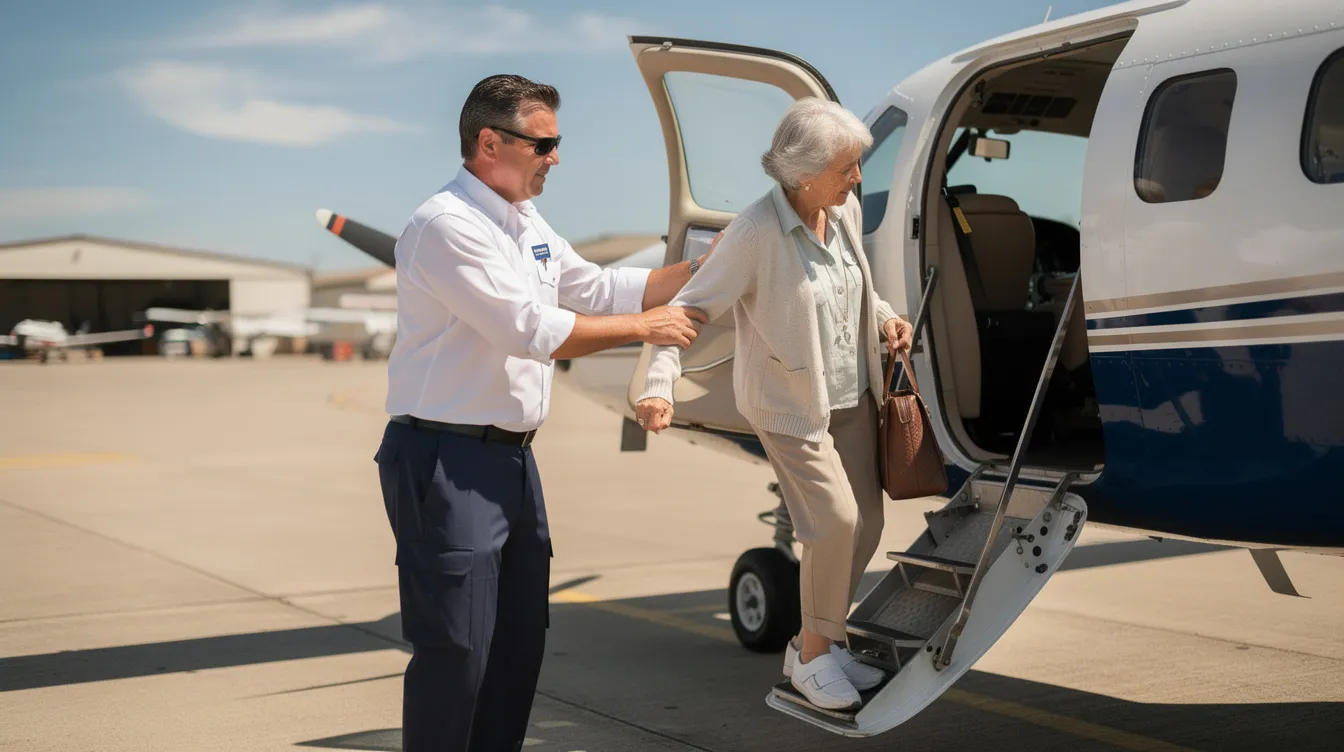
The People Behind Free Flights: Volunteer Pilots, Networks, and Impact
These are not casual hobbyists. Volunteer pilots hold current FAA certifications, carry insurance, log minimum flight hours (typically 200–250+), and many hold instrument ratings. Their safety standards parallel the rigor BlackJet demands through its own aircraft safety certification processes.
The numbers tell a compelling reason to pay attention:
Angel Flight has been saving lives for 31 years
Angel Flight Central has 340 volunteer pilots and has completed 53,000 flights
LifeLine Pilots completed hundreds of missions annually, helping volunteer pilots complete these missions to connect patients and caregivers with care across the Midwest and beyond
Umbrella organizations like the Air Care Alliance link dozens of regional networks serving rural communities in every region from Florida to Hawaii
Mission types extend beyond direct treatment: pre- and post-transplant appointments, second opinions at centers like MD Anderson, rare disease evaluations, and compassionate visits for loved ones. Medically trained nurses or caregivers sometimes accompany patients, though most missions involve ambulatory individuals traveling with a family member.
Where BlackJet Jet Card members fund their own efficient, carbon-neutral flights for business or leisure, the best jet cards for frequent flyers help them structure access and pricing while the same aviation infrastructure and pilot expertise enable free air transportation for those who would otherwise go without care.
Free Flight for Life vs. Private Jet Access: When Each Option Makes Sense
Not every situation qualifies for free flights, and not every trip requires a private jet. Understanding when each serves you best is critical.
Free volunteer flights are ideal when:
The patient demonstrates financial need and cannot afford commercial or private travel
The trip is for medical care at a known appointment, with flexible scheduling, for instance,e when weather or pilot availability may shift departure timing
The route falls within small-aircraft range (typically under 1,000 nautical miles)
A child or adult is medically stable and ambulatory
Private jet access makes strategic sense when — and understanding the private jet price list, costs, and options helps you decide which model best fits your needs:
Consider the contrast: a family in financial crisis secures a free flight to Boston Children's Hospital through Angel Flight, while an executive Jet Card member flies privately from New York to London for time-sensitive negotiations, then hops to a specialist clinic via a BlackJet 25+ Hour Jet Card - all booked through 24/7 digital tools.
Airline employees can often fly for free under company policies after a minimum service period, and companion-style benefits allow a designated person to fly with little or no additional cost - but these programs don't serve the community of patients who need charitable aviation, and charitable flights do not cover every medical or travel-related expense. BlackJet does not compete with charities for patients. Instead, when those who can afford private travel choose Jet Card programs such as a 100-hour jet card structure and pricing model, they help preserve limited volunteer capacity for the most vulnerable.

Frequently Asked Questions (FAQs)
What is a "free flight for life" program?
"Free flight for life" typically refers to rare lifetime airline programs that offered unlimited flights, such as the American Airlines AAirpass introduced in 1981. However, in volunteer aviation, it means pilots donating their time and resources to provide free medical flights for patients in need.
Who qualifies for free medical flights through volunteer pilot programs?
Patients must be medically stable, require specialized care not available locally, demonstrate financial need, and be ambulatory. A physician’s approval and advance notice (usually 5-7 days) are required.
How do volunteer pilots cover the costs of free medical flights?
Volunteer pilots often pay out of pocket for fuel, landing fees, and maintenance—sometimes up to $1,000 per flight—to ensure patients travel at no cost.
How does private jet access differ from free volunteer flights?
Private jet access offers guaranteed, flexible, and often international travel with premium safety and customization, typically via Jet Card programs. Volunteer flights are limited to smaller aircraft, regional routes, and patients meeting strict eligibility.
Can family members or caregivers accompany patients on free flights?
Yes, typically one companion can fly with the patient at no cost, provided they meet any requirements set by the volunteer organization.
How can I request a free medical flight?
Start by contacting organizations like Angel Flight, LifeLine Pilots, or the Air Care Alliance with medical documentation and appointment details. Early requests improve matching with available pilots.
How can I support or volunteer for free medical flight programs?
You can donate to nonprofit organizations, volunteer as a mission coordinator, or become a certified pilot if you meet the requirements. Spreading awareness also helps connect more patients with these services.
Are free medical flights covered by insurance or government funding?
Most volunteer pilot programs operate independently and rely on donations and volunteer contributions; they generally do not accept insurance or government funding.
What safety standards do volunteer pilots follow?
Volunteer pilots hold FAA certifications, carry insurance, meet minimum flight hours, and many have instrument ratings. Their safety standards align closely with professional private aviation requirements.
How does BlackJet’s private jet service complement volunteer flight programs?
BlackJet provides premium, carbon-neutral private jet access for those who can afford it, preserving volunteer pilot capacity for patients in need, while ensuring every flight meets rigorous safety and sustainability standards.
How to Seek Help, Give Back, or Travel Smarter with BlackJet
For Patients and Families
If you or a loved one needs a free medical flight:
Contact regional Angel Flight chapters, Air Care Alliance directories, or Mercy Medical Angels, and reach out to the appropriate regional organization to begin the request process
Prepare organized medical records, appointment confirmations, and a physician letter confirming the patient is medically stable.
Be transparent about financial need and any mobility limitations
Submit your request early - flexibility with dates helps coordinators match you with available pilots
Some families may also need low-cost lodging for the night near treatment centers
For Supporters and Volunteers
If you want to support this network: Donate to 501(c)(3) organizations involved in public-benefit flying - every gift directly supports patient transportation, helps cover mission-related costs, and can leverage $3–4 in flight services.
Volunteer as a non-flying coordinator, or join as a volunteer pilot if you hold the required certification; if you’re a business traveler already using private aviation, you can also explore maximizing jet card tax deductions and consider directing some savings toward charitable flight organizations.
Spread awareness: many families remain unable to access these services simply because they don't know they exist, and share resources that explain how major providers work, such as NetJets jet card costs and programs.s
For Frequent or High-Net-Worth Travelers
If you're a frequent or high-net-worth traveler:
Choosing BlackJet's carbon-neutral Jet Card programs for your business and leisure travel ensures your trip meets the highest safety and sustainability standards, aligning with broader insights on how safe private jets are in practice - while freeing volunteer aircraft and pilots to serve those in greater need. Every flight with BlackJet is backed by our proprietary BlackJet Certified® safety program, multiple cabin classes from light to heavy jets, and real-time support that makes each moment in the air count, whether you’re flying entry-level light jets or one of the top private jets in the world.
Whether through a volunteer pilot's donated mission or a meticulously arranged private jet journey with BlackJet, aviation can and should serve a higher purpose: protecting time, health, and the lives that depend on both. For some, that may mean starting with the cheapest private aircraft and access models or rideshare-style private plane options before progressing to ownership, exploring what the cheapest private jet options look like or even 10 million-dollar private jet choices. Frequent flyers might compare 50-hour jet card costs, evaluate Flexjet jet card pricing, or consider large-group solutions such as the best private jet for 50 passengers, all while reviewing top private jet companies worldwide to ensure their aviation strategy matches their values.
Elevate your travel - effortlessly. Explore BlackJet's Jet Card programs for seamless, carbon-neutral private travel with safety, sustainability, and flexibility built in. Join BlackJet today.


 Sign up with google
 Sign up with Apple