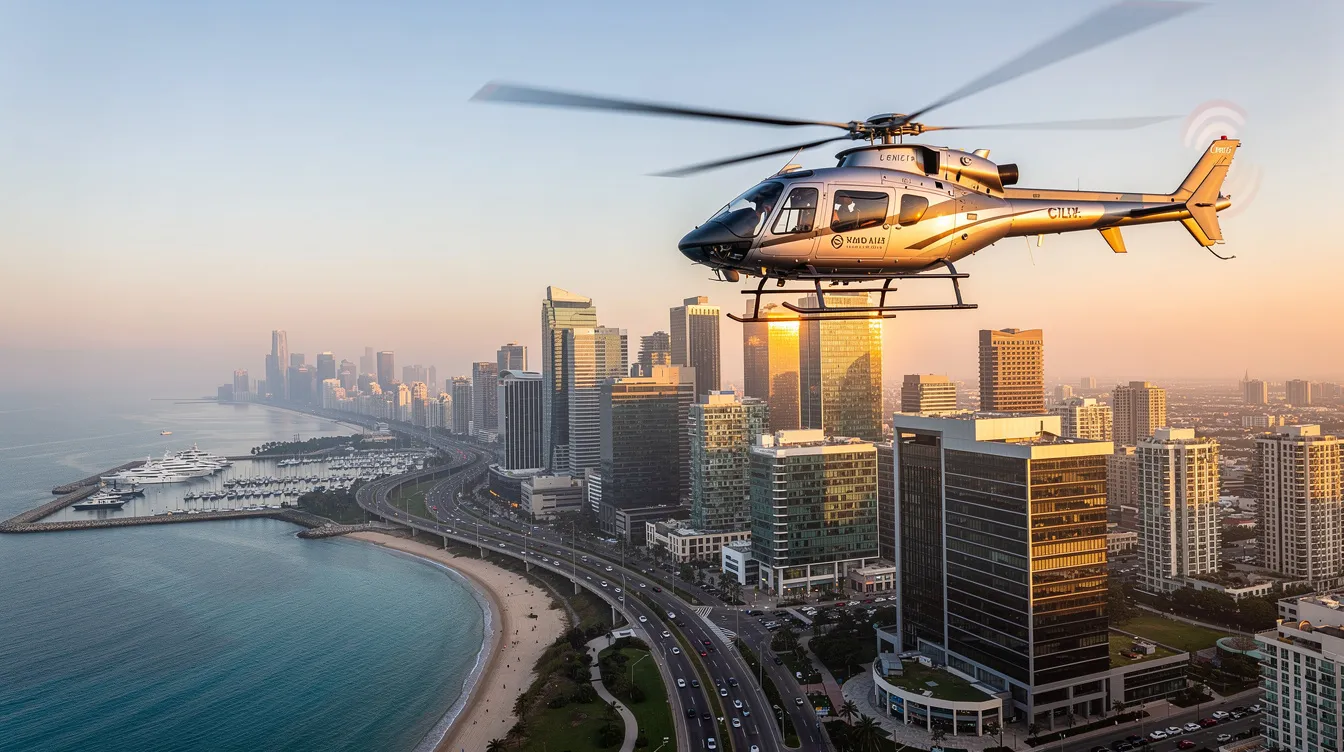
Understanding helicopter pricing in 2026 requires looking beyond sticker prices. Whether you’re evaluating a Robinson R44 for weekend flights or a VIP Airbus H145 for corporate transport, some models are designed with affordability in mind, making them more accessible for private and civil customers. The true cost of rotorcraft access involves purchase price, ongoing operating expenses, and strategic decisions about ownership versus charter. In other words, helicopter pricing means considering not just the sticker price but also the total cost of ownership, including operating expenses and alternatives like charter services. This guide breaks down real numbers, model examples, and practical scenarios to help serious travelers make informed decisions.
Key Takeaways
Helicopter prices in 2026 range from about $60,000 for basic kits to over $30 million for heavy-lift or VIP models, with typical private-use aircraft like the Robinson R44, Bell 407, and Airbus H130 falling between $300,000 and $4 million
Total ownership costs—including fuel, maintenance, hangar, crew, and insurance—often exceed $300,000 per year for active operators, frequently surpassing the initial purchase price over a 10-year horizon
Pre-owned helicopter prices have risen approximately 10% in 2025/2026 due to high demand and a five-year low in available inventory
Ownership makes financial sense at 300–500+ hours annually; below that threshold, charter or membership programs typically deliver better economics
BlackJet offers helicopter and jet access on demand through Jet Card programs, providing safety-vetted operators, carbon-neutral flights, and transparent pricing without capital commitment
Why Helicopter Pricing Matters for Serious Travelers
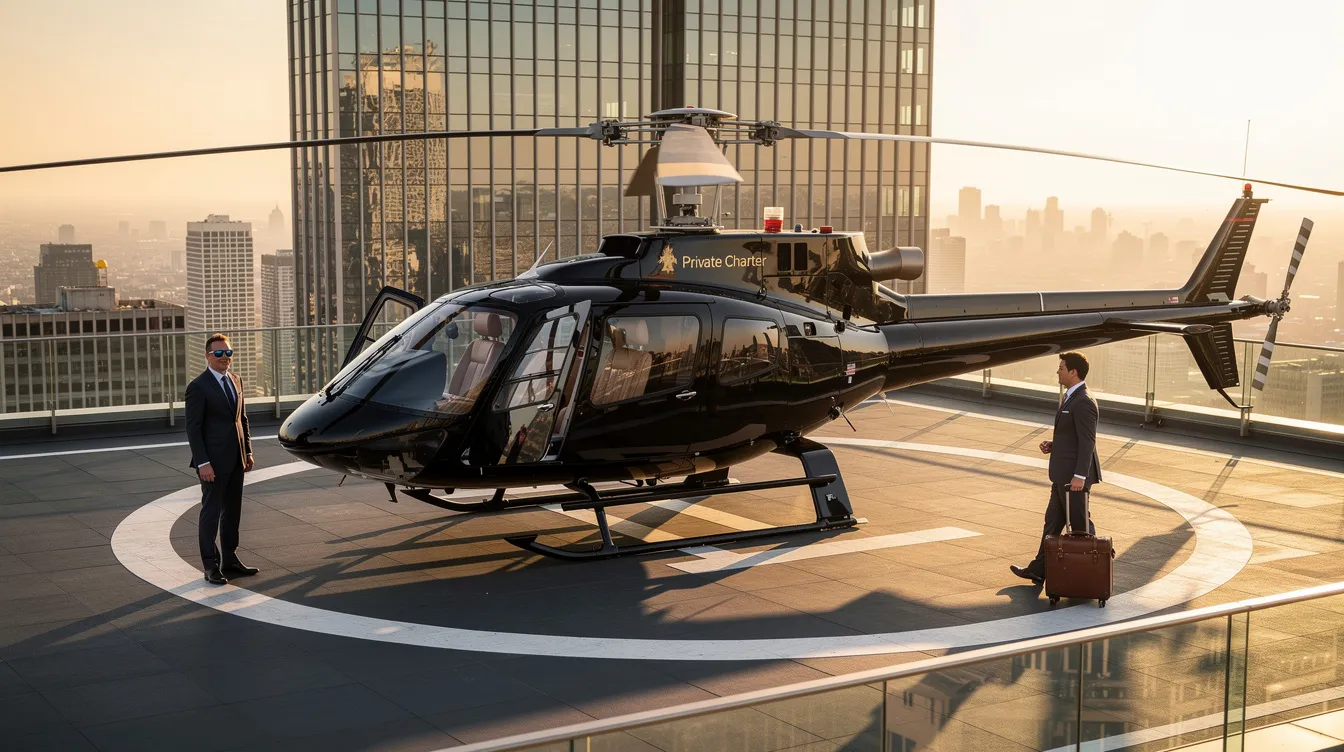
For high-net-worth individuals and corporate executives, helicopter pricing isn’t a luxury curiosity—it’s a strategic calculation. On routes like Manhattan to the Hamptons (45 minutes by helicopter versus 3+ hours by car) or London Heathrow to Battersea (30 minutes versus 90+ minutes ground transfer), the time savings translate directly to productivity and quality of life. Many helicopters are designed for specific missions or customer needs, which impacts their pricing and suitability.
Three Access Models
Three access models exist: full ownership demanding $2–20 million upfront plus significant annual operating costs, ad-hoc charter running $1,200–$5,000+ per hour, and structured membership programs like jet cards with predictable pricing structures that blend flexibility with predictable pricing. Knowing true helicopter costs helps you choose the right private aviation strategy. The brand and model of a helicopter play a significant role in determining its purchase price, market perception, and long-term value.
Typical Charter Rates and BlackJet’s Approach
In 2026, typical hourly charter rates anchor at $1,500–$2,500 for light singles and $3,000–$5,000 for VIP twins. BlackJet focuses on optimizing access through jets and select helicopter partners rather than selling aircraft, giving us an objective view on purchase price versus ongoing economics.
Helicopter Price Ranges by Category (With 2026 Examples)
For most civil and private buyers, typical helicopter models range between $300,000 and $4.5 million, similar to how private jet price lists outline costs and access models across different aircraft categories. Helicopter pricing is categorized by type:
Category | Price Range | Example Models |
|---|
Kits/Experimental | $60,000–$120,000 | Helicycle, RotorWay A600 Talon |
Light Piston | $300,000–$700,000 | Robinson R22, R44 Raven II, Cabri G2 |
Light Turbine | $900,000–$4.5M | Robinson R66, Bell 505, Airbus H125/H130 |
Medium Twin | $5M–$15M | Bell 429, Airbus H135/H145, Leonardo AW109 |
Heavy-Lift/VIP | $20M–$30M+ | Sikorsky S-76D, S-92, Mi-26 |
Bell Helicopters are recognized as a reputable brand in the civil helicopter market, known for their versatile and reliable models such as the Bell 206, Bell 407, and Bell 429, which are especially popular among private and commercial operators.
Light piston models ranging from $300,000 to $650,000 represent entry-level private helicopters, offering affordability and making them suitable for budget-conscious buyers, while heavy-lift models costing $20 million to $30 million serve specialized commercial and VIP missions. Similar models of helicopters can see significant price variation due to customization, avionics upgrades, and market factors—a base H125 at $3.3 million can reach $5–6 million with VIP interiors and advanced Garmin avionics.
Used pricing typically runs 40–60% below new, but buyers must account for looming overhaul and component replacement costs that can reach six or seven figures.
Main Manufacturers and Typical Model Prices
The 2026 civil helicopter market is dominated by Airbus Helicopters (30% share), Bell (25%, renowned for versatile and reliable models across various applications), Leonardo (15%), Robinson (light segment leader), and Sikorsky (VIP/heavy). Supply chain constraints are affecting new helicopter deliveries, with lead times for critical components experiencing significant delays.
Key Models and Approximate Prices
Airbus H125: $3.3–$4.5M (utility/high-altitude, 6 seats)
Bell 407GXi: $3.3–$3.5M (single turbine, 6 seats)
Robinson R44: $375,000–$700,000 (piston, 4 seats)
Leonardo AW109: $6.5M+ (twin, offshore/VIP)
Sikorsky S-76D: $13M+ (VIP, 12 seats)
Regional variations matter. North America and Europe face 18–36 month backlogs on popular models, which supports strong resale values (80–90% retention after 5 years). Brand reputation, such as that of Bell Helicopters, can positively influence resale value and market demand. North America continues to dominate the helicopter market with over 54% market share, while Asia Pacific is identified as the fastest-growing region.
Single vs Twin Turbine: How Engine Count Impacts Price
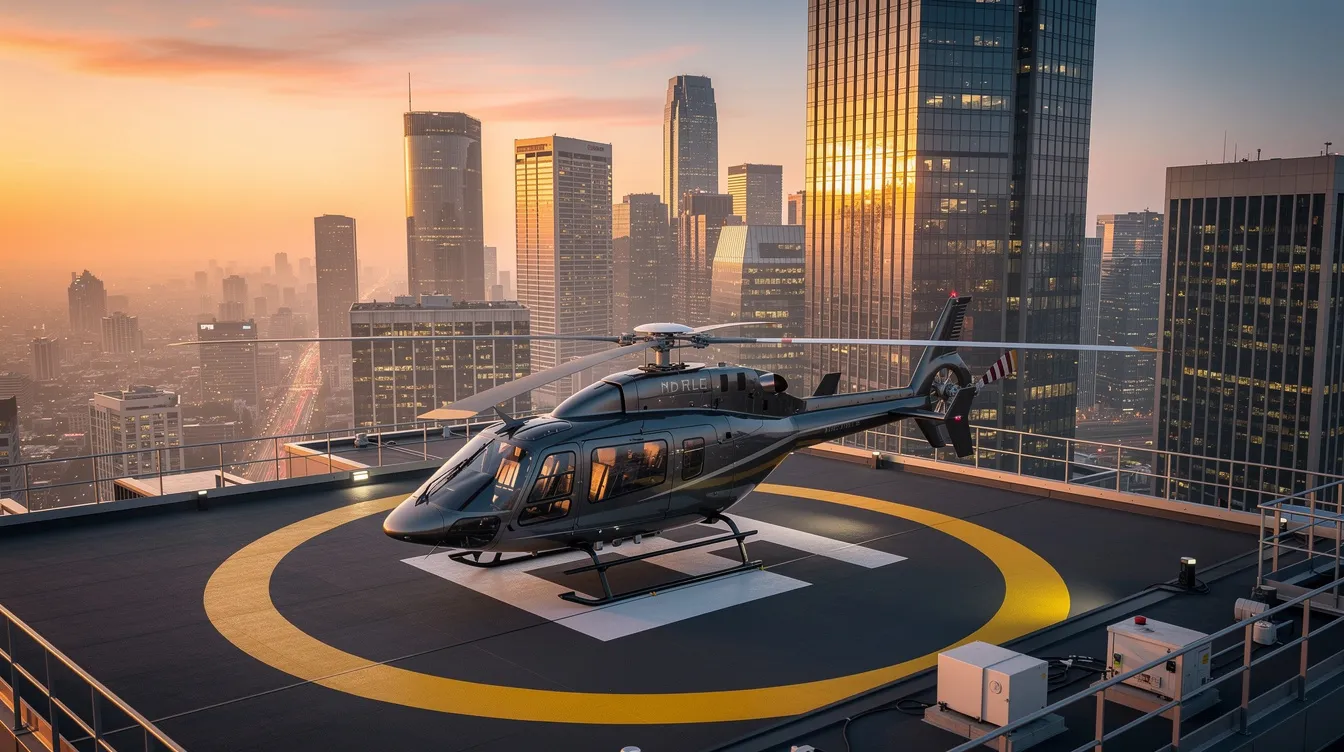
Single-engine turbine helicopters typically range in price from $1 million to $4 million, while twin-engine turbine helicopters can cost between $5 million and $15 million or more. The price differential reflects more than just an extra engine.
Key Differences Between Single and Twin Turbine
Fuel burn: Singles average 25–40 gph versus twins at 45–70 gph
Insurance: Twins carry 20–50% higher premiums
Regulations: Twin-engine redundancy is mandated for offshore operations and dense urban routes under FAA and EASA Category A requirements
Operating costs for twin-engine helicopters can be 30% to 50% higher than for single-engine helicopters due to increased fuel consumption and maintenance requirements. A Bell 407 suits leisure Hamptons flights at $900/hour all-in, while an H145 serves HEMS or corporate shuttles where redundancy justifies $2,000+/hour operating costs and ensures dispatch reliability, much like chartering small planes with hourly pricing in fixed-wing aviation.
Twin-engine helicopters provide safety redundancy and better performance in challenging conditions, which contributes to their higher acquisition and operating costs compared to single-engine models.
Key Factors That Drive Helicopter Purchase Price
Pricing in the helicopter market is driven by a five-year low in pre-owned supply and significant OEM delivery backlogs. Purchase price is a moving target influenced by technical, cosmetic, and market variables.
Technical and Configuration Variables
Technical factors influencing helicopter pricing include the year of manufacture, total time on airframe and engines, remaining intervals on life-limited parts, and the avionics suite. Key considerations are summarized in the table below:
Factor | Typical Cost Impact | Notes |
|---|
Avionics | $300,000–$600,000 | Garmin G1000H NXi vs. legacy analog panels |
Interior | $500,000–$2M (larger models) | VIP leather, soundproofing |
Safety equipment | $100,000–$500,000 | HTAWS, wire-strike protection, floats, tail rotor guards |
IFR capability | Adds 20%+ to value | Over VFR-only configurations |
Major inspections | $100,000–$200,000 | R44’s 12-year/2,400-hour inspection |
Upcoming major inspections—like the R44’s 12-year/2,400-hour inspection costing $100,000–$200,000—dramatically change the effective purchase price.
Market Conditions and Negotiation
Market factors that affect helicopter prices include regional demand, currency fluctuations, and supply chain constraints, which can lead to annual inflation on new builds. The price of a helicopter can vary significantly based on its condition documentation, including logbooks, damage history, and hangar storage, which can either protect or diminish its value.
Heavy Twin-Engine helicopter median pricing reached a five-year high in early 2026, and medium twin-engine prices rose by 17% year-over-year in 2025. Financing typically requires 20–30% down with 5–10 year terms at 5–7% interest, effectively adding 15–25% to total cost.
Ownership Costs Beyond the Initial Purchase Price
Active helicopter operators often face total ownership costs—including purchase price, fuel, maintenance, hangar fees, crew salaries, and insurance—that frequently surpass $300,000 annually.
Annual Operating Cost Ranges
Cost Item | Annual Range |
|---|
Fuel | $35,000–$60,000 |
Maintenance reserves | $30,000–$60,000 |
Insurance | $20,000–$100,000 |
Hangar | $20,000–$50,000 |
Pilot salary/training | $100,000–$300,000 (full-time) |
A corporate owner flying 200–300 hours per year in a light turbine helicopter might budget between $300,000 and $600,000 annually for ownership costs, which can easily exceed the original purchase price over time—paralleling how the cheapest private aircraft and access models still carry meaningful ongoing expenses.
When Full Ownership Makes Financial Sense
Ownership becomes rational under specific conditions:
Annual utilization of 300–500+ hours
Specialized missions (HEMS, offshore, mining access)
Remote base operations where charter availability is limited
Branding requirements or operational control needs
A mining company using an AS350 daily for Canadian site access at $1.2M/year operating costs versus $2M charter equivalent demonstrates that when ownership economics work, just as choosing the cheapest private jet options requires weighing utilization against charter alternatives.
When Charter or Membership is Usually Smarter
For flying fewer than 10–15 times monthly, charter typically beats ownership, much as chartering a small private plane often outperforms buying one of the more affordable private planes for budding aviators when utilization is modest. 2026 hourly ranges: $1,200–$2,000 for piston/entry turbine, $3,000–$5,000+ for VIP twins.
Benefits beyond cost include flexible aircraft selection per trip, no capital tie-up, and integration with jets for door-to-door itineraries. BlackJet’s model combines helicopters and fixed-wing services with carbon-neutral flights, ensuring customers receive consistent safety standards without asset management responsibilities, while the BlackJet 25+ Hour Jet Card provides structured, fixed-rate access for frequent jet travelers.

Helicopter Charter Pricing vs Private Jet Access
Comparing Charter Rates and Use Cases
VIP helicopter charter rates ($3,000–$5,000+/hour) often match light jets, but helicopters excel on routes under 100nm by eliminating ground transfers. NYC to the Hamptons runs approximately $5,000 for 45 minutes by helicopter versus $6,000+ by jet plus 2+ hours ground transfer.
BlackJet members arrange both jet and helicopter segments in unified itineraries—London to Nice by jet, then helicopter transfer to Monaco adds $4,000 but saves 2+ hours versus driving, and heavy users often evaluate these trips against 100-hour jet card cost structures to optimize spend. All flights include safety-vetted operators and carbon-neutral performance. Customers can visit the BlackJet website to request quotes, compare aircraft options, and access additional information about helicopter and jet charter services.
How BlackJet Helps You Navigate Helicopter Pricing and Access
BlackJet serves as a private aviation partner helping clients decide when jets, helicopters, or combinations optimize efficiency and cost. Our Jet Card model provides prepaid hours, transparent pricing, and cabin class flexibility, integrating with on-demand helicopter charters through vetted partners.
BlackJet’s Safety and Technology Framework
Our safety framework includes third-party audits, 5,000+ hour pilot requirements, and maintenance standards exceeding what individual owners manage themselves. Technology features include 24/7 digital booking through our app, real-time flight support, and route optimization for multi-leg journeys, similar to how modern platforms make it easy to buy a seat on a private jet via shared or semi-private services.
For more information or to request a personalized quote about helicopter pricing and access options, please contact BlackJet.
Practical Scenarios for BlackJet Clients
Scenario 1: A New York executive uses a 25-hour Jet Card for Teterboro–Chicago flights, adding helicopter transfers between Manhattan and Teterboro or the Hamptons as needed, and later upgrades to a program aligned with a 50-hour jet card cost and benefits as usage grows.
Scenario 2: A European family charters a midsize jet from London to Nice via BlackJet, then adds a helicopter transfer to Monaco—total helicopter cost approximately $4,000, saving 2+ hours versus ground alternatives, while leveraging a jet card cost framework to keep pricing predictable across trips.
Scenario 3: A tech founder evaluating helicopter ownership for a West Coast commute uses BlackJet charter data to compare projected $1.5M R66 TCO versus $200,000/year hybrid jet + helicopter access, and benchmarks those numbers against Flexjet jet card cost and structures as another way to secure guaranteed jet availability.
Market Outlook for Helicopter Pricing (2024–2030)
Market Growth and Demand Trends
The global helicopter market was valued at approximately $90.8 billion in 2025 and is projected to reach $96.5 billion by 2026. The strongest demand areas for helicopter categories currently include EMS, offshore energy support, and military rotorcraft. Demand for Emergency Medical Services configurations saw a 77% surge in sales, while utility aircraft sales dropped by 65%, and operators increasingly favor helicopters and jets capable of flying at higher private jet cruising altitudes for efficiency and comfort on longer missions.
Steady growth in the helicopter market is projected, with estimates for the Compound Annual Growth Rate (CAGR) ranging from 1.3% for the total market to 6.2% for the commercial sector through 2032, mirroring expansion among top private jet companies offering fractional, charter, and jet card solutions. Geopolitical tensions and rising defense budgets are benefiting helicopter manufacturers and suppliers.
Leasing and Supply Chain Factors
The leasing market for helicopters is expanding, particularly for EMS and offshore energy, with lease rates for light and medium helicopters currently rising or stable. Supply constraints, parts inflation, and labor costs suggest firm pricing through 2030, making flexible access models like BlackJet’s Jet Cards increasingly attractive for those unwilling to lock capital into single assets; independent reviews of the best jet cards for frequent flyers underscore how these programs manage volatility in aviation costs.
FAQ: Common Questions About Helicopter Pricing and Access
How much does it cost per hour to operate a small private helicopter?
Operating expenses for a Robinson R44 typically range from $300 to $500 per flight hour, covering fuel, routine maintenance, and engine reserves. Light turbines like the Bell 505 cost $700–$1,200 per flight hour, excluding fixed costs. When including hangar, insurance, and pilot expenses, the true cost per hour for low-utilization owners climbs significantly higher. Charter rates through BlackJet’s partners include all these costs in a single quoted rate.
Is buying a used helicopter a good way to save money?
Used helicopters offer 40–60% lower acquisition prices—pre-owned R44S or early 2010s Bell 407s represent substantial savings. However, impending engine or gearbox overhauls, outdated avionics, hidden corrosion, and incomplete logbooks create significant risks. Pre-purchase inspections by independent experts and realistic budgets for modernization are essential. Accessing modern, well-maintained helicopters through charter programs avoids these complexities.
Can I finance a helicopter purchase like a house or a jet?
Specialized aviation lenders offer helicopter financing, typically requiring 20–30% down with 5–10 year terms. Interest rates depend on aircraft age, intended use, and borrower profile. Sophisticated buyers should compare the net present cost of ownership, including financing, against a 5–10 year charter strategy before committing capital.
How do helicopter charter prices compare to private jet charter rates?
VIP helicopter charter rates ($3,000–$5,000+/hour) often match or exceed light jets ($4,000–$7,000+/hour). Helicopters win on door-to-door efficiency for short routes by avoiding long drives and airport procedures. Jets dominate medium- and long-haul segments. BlackJet helps clients price and plan both modes together for optimal itineraries.
How does BlackJet fit into helicopter pricing if you don’t sell aircraft?
BlackJet is a private aviation access provider, not an aircraft dealer. We focus on Jet Card programs and curated charters rather than brokering purchases. Our team uses real-time market data, safety audits, and fleet knowledge to advise clients on cost-effective access strategies. Members experience helicopter travel alongside private jets with transparent, carbon-neutral pricing and without multi-million-dollar purchase commitments.
Elevate your travel—effortlessly. With BlackJet, private flight isn’t reserved for a few; it’s accessible on your terms through our Jet Card programs, complete with rigorous safety, carbon-neutral performance, and unmatched flexibility. Explore our Jet Card options and discover how refined, efficient travel becomes your new standard.
Conclusion: Navigating Helicopter Pricing with Confidence
Understanding helicopter pricing in 2026 goes beyond the initial purchase price—it requires a comprehensive view of technical, market, and operational factors. Technical elements such as the year of manufacture, total time on the airframe and engines, remaining intervals on life-limited parts, and the sophistication of the avionics suite play a crucial role in determining value. These factors influence not only the upfront cost but also the long-term reliability and maintenance expenses.
For discerning travelers and corporate clients, making informed decisions about ownership versus charter or Jet Card access hinges on these insights. BlackJet’s approach combines market expertise with flexible private aviation solutions, allowing clients to optimize safety, convenience, and cost-efficiency. Whether leveraging helicopter transfers for time-critical routes or integrating multi-cabin itineraries, understanding the full scope of helicopter pricing empowers smarter, more strategic travel choices.
Elevate your travel—effortlessly. Explore BlackJet’s Jet Card programs and curated helicopter access to experience private aviation that aligns with your lifestyle and business needs.


 Sign up with google
 Sign up with Apple