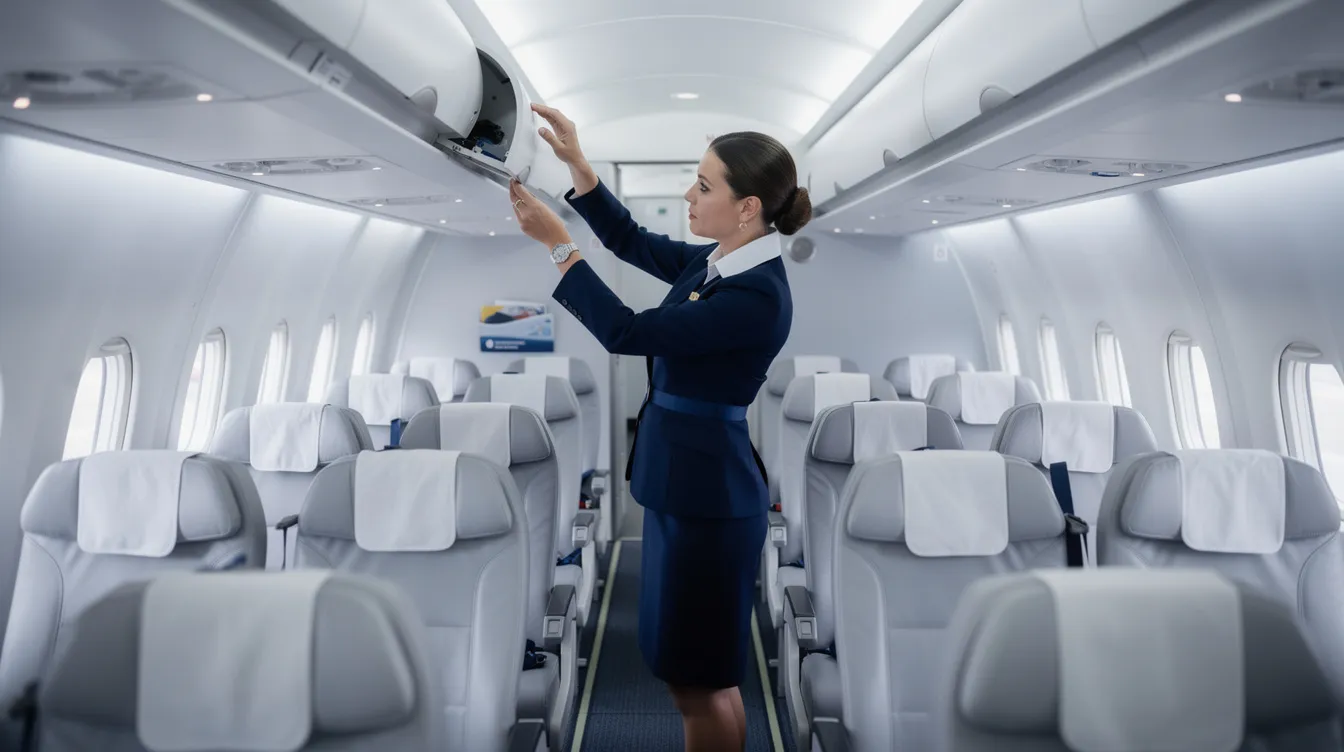
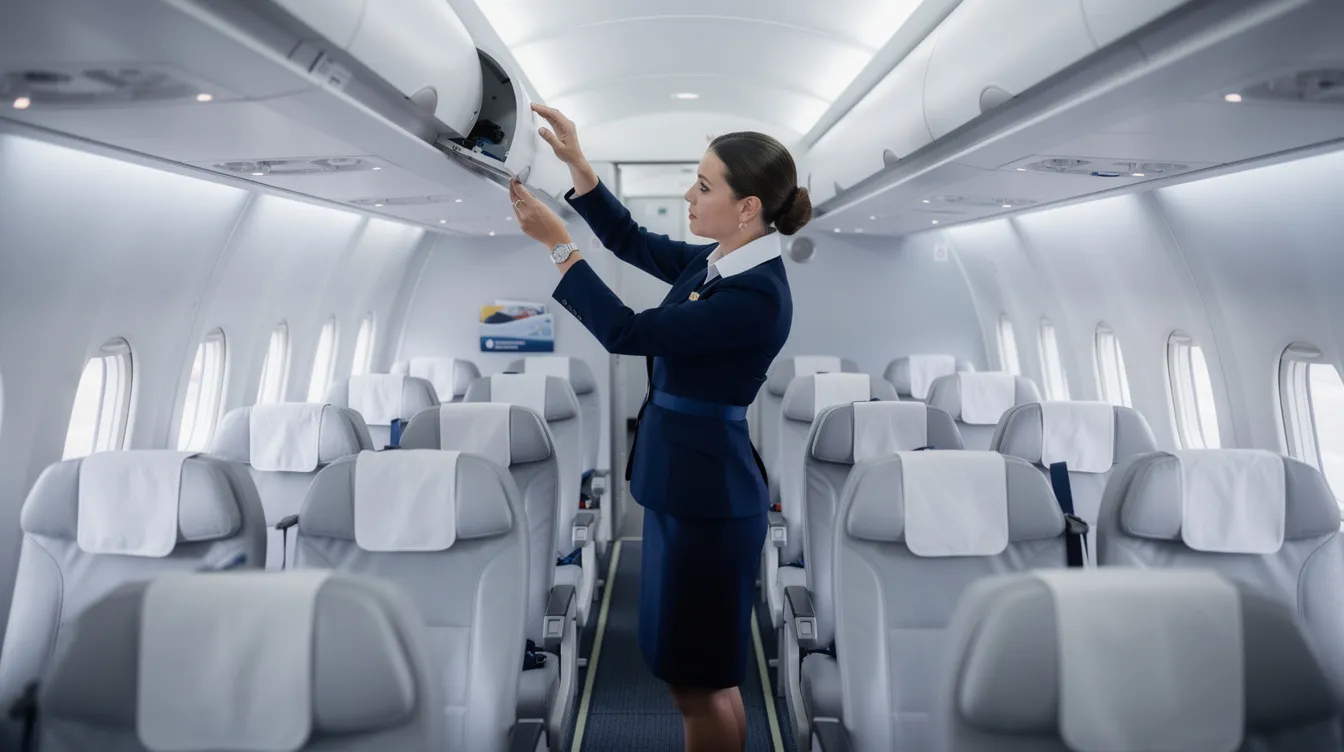
Flight attendants in the U.S. make about $29.52 per flight hour on average in 2026, with entry-level pay typically running from $18 to $37 per hour and senior crew at legacy airlines earning $67 to $100+ per flight hour. Flight attendant pay is one of the most misunderstood compensation structures in any industry because “per hour” in aviation usually means paid flight time, not total time at work, so the hourly rate in a job posting rarely matches the number on a paycheck.
Who This Guide Is For
For aspiring or current flight attendants, aviation career seekers, and private jet passengers comparing crew quality and service standards, this guide explains how flight attendant hourly pay actually works in 2026 across commercial airlines and private jet operations.
What This Guide Covers
It breaks down flight pay structures such as credit hours and per diem, shows how airline type and seniority change earnings, compares commercial and private cabin crew compensation, and explains how BlackJet factors crew pay into its private aviation model—details that shape career decisions, scheduling expectations, and the level of service travelers can expect.
Key Answer: How Much Does a Flight Attendant Make Per Hour in 2026?
The average hourly pay for flight attendants in the United States is approximately $29.52 per flight hour. That number masks wide variation. Entry-level flight attendants earn $18 to $37 per hour, depending on whether they work for regional airlines or major carriers. At the top end, senior flight attendants can earn $67 to $100+ per flight hour at legacy airlines with international routes.
Converted to annual figures, first-year flight attendants earn about $28,000 annually at the low end. Senior crew members at major airlines with international flying and premium pay can reach $100,000 to $140,000+ in total flight attendant compensation.
A simple calculation shows why the hourly rate alone is misleading: a flight attendant works 85 credit hours in a month at $30 per hour, producing $2,550 in base flight pay before tax, per diem, or premiums. That is the gross monthly income from flight time alone.
Commercial airline flight attendant pay relies on flight-hour rates plus per diem. Private jet cabin crew often work on day rates or fixed trip fees; a domestic day rate of $800 to $1,200 can exceed commercial hourly equivalents when divided by actual block hours on short missions, especially when you consider that private jet charter pricing covers the entire aircraft and crew, not per-passenger fares.
For private aviation clients, including BlackJet members using premium private jet cards and programs, crew compensation is built into overall pricing. Members never see an itemized hourly rate on an invoice; they experience the result of well-trained, fairly compensated cabin crew on every flight.
How Flight Attendant Hourly Pay Actually Works
Flight attendant wages are paid based on flight hours, not duty hours. A standard 40-hour workweek does not apply.
Flight pay (also called block time pay) starts when the aircraft door closes and the parking brake is released. It stops when the plane parks at the destination and the parking brake is set. Boarding, deplaning, safety checks, cleaning, and most delays fall outside this window.
Boarding pay is a recent addition at some carriers. Delta Air Lines and United Airlines now offer boarding pay at roughly 50% of the normal flight-hour rate during scheduled boarding minutes. Many regional carriers still do not pay for this time at all, meaning crew members work 20 to 40 minutes per flight without compensation at those airlines.
Most airlines use credit hours as the basis for monthly pay. Airlines guarantee a minimum number of paid credit hours each month, typically 75 to 100 hours, regardless of how many total duty hours a flight attendant works. This guarantee protects income during slow scheduling periods and irregular operations. The same block-time structure applies to commercial pilots, though at higher hourly rates with stricter duty limits.
Average Flight Attendant Salary and Hourly Pay Ranges in 2026
The median annual salary for flight attendants in the U.S. is around $67,130, based on data from the Bureau of Labor Statistics. Salaries range widely, from less than $34,000 for the bottom 10% to more than $98,000 for the top 25%. The range stretches from under $34,000 for the lowest 10% to over $98,000 for the top 25%, a fraction of what even the cheapest private jet ownership or charter options can cost annually.
Hourly rate brackets in 2026 break down as follows, distinct from roles like pilots whose pay is also shaped by aircraft type, route structure, and cruising profile at higher private jet altitudes:
Entry-level at regional carriers: roughly $18 to $25 per flight hour
Entry-level at major U.S. carriers: $26 to $38 per flight hour
Mid-career (3 to 7 years): $38 to $55 per flight hour
Senior and top-of-scale at legacy airlines: $67 to $100+ per flight hour
The national average of $29.52 per flight hour blends data across regional airlines, low-cost carriers, and major airlines,s where pay scales are higher. A first-year flight attendant at a regional carrier earning $22 per hour and a 10-year veteran at Delta earning $75 per hour both feed into that same average.
Benefits add meaningfully to the total flight attendant salary but sit outside the quoted hourly wage. Health insurance, retirement contributions, profit-sharing (Delta's was 8.90% of eligible earnings in 2025), and travel perks all factor into overall compensation, much like how jet card program benefits for frequent private flyers and potential jet card tax deductions shape the total value of private aviation spend.
Flight Pay, Credit Hours, and Monthly Income Examples
Flight attendants typically log 75 to 100 flight hours monthly. Pay is calculated against credit hours rather than a flat salary, so monthly gross income shifts with each schedule—very different from prepaid access models like a 100-hour private jet card where flight time is purchased upfront.
Credit hours combine actual block time with minimum day guarantees (often a 4-hour minimum per duty day) and contract protections called "rigs" that adjust pay during delays, irregular operations, and short-turnaround duty days. Most airlines guarantee a floor of 75 to 80 credit hours per month so that reserve and lineholder schedules both produce stable income.
Example 1: A first-year flight attendant at a major carrier earning $36.92 per credit hour with a 75-hour guarantee produces about $2,769 in base flight pay, plus per diem pay and boarding pay.
Example 2: A mid-career lineholder with 90 credit hours at $55 per hour earns roughly $4,950 in base flight pay before per diem and premiums.
Actual total duty hours, including airport waiting, deadheading between cities, and hotel rest, can reach 180 to 250+ hours per month. Only the 75 to 100 credited flight hours are paid at the full hourly rate; the rest of the time a flight attendant works is compensated through per diem or not at all, a contrast to how crew costs are embedded in fixed-hour products like 50-hour jet card programs in private aviation.
Per Diem, Boarding Pay, and Other Extras That Boost Flight Attendant Compensation
Flight attendant compensation extends beyond the published hourly rate. Per diem, boarding pay, language premiums, and holiday multipliers all add to monthly income.
Per diem is paid at $2.25 per hour at many airlines (diem rates typically range from $2.00 to $3.00 per hour in 2026). Flight attendants earn per diem for every hour away from base. Per diem covers meals and incidentals while traveling and is typically not taxed under federal guidelines. A four-day trip with 84 hours away from base at $2.25 per hour yields $189 in diem pay. Four such trips in a month add roughly $756.
Boarding pay at Delta, United, and American is approximately 50% of the flight-hour rate during scheduled boarding periods. Accumulating 40 minutes of boarding time across five flights in a single day can result in significant additional earnings over the course of a month. A 40-minute boarding period across five flights in a day generates meaningful additional compensation over a full month.
Other pay elements include:
Lead flight attendant or purser premiums, commonly +$2 to $5 per flight hour
International or language-of-destination pay for qualifying routes
Holiday pay multipliers (150% on designated holidays at most airlines) and profit-sharing bonuses
Airlines cover hotel accommodations and ground transport on layovers, so per diem targets meals and small daily expenses rather than lodging.
Reserve vs. Lineholder: How Schedule Type Changes Hourly Earnings
Two schedule types define a flight attendant's working life: reserve status (on-call, less schedule control) and lineholder (bidding on specific trips by seniority).
Reserve flight attendants receive a guarantee of roughly 70 to 76 credit hours per month. They may spend reserve days at the airport or at home waiting for assignment. A reserve with 76 credit hours at $36 per hour earns about $2,736 in base flight pay plus per diem and boarding pay, totaling roughly $3,200 gross monthly.
Lineholders bid for their preferred pairings. They typically fly closer to 85 to 95 credit hours per month, access longer international flights with higher per diem, and maintain predictable days off. A lineholder with 90 credit hours at $55 per hour earns approximately $4,950 in base flight pay; with per diem and premium pay, gross monthly income approaches $5,700+.
New hires and new flight attendants spend their first 1 to 2 years after initial training predominantly on reserve before accumulating enough seniority for lineholder status. In private aviation, schedules operate differently; crew may work rotating on/off rosters or trip-based assignments, and the "reserve" concept does not apply the same way.
Commercial Airline Flight Attendant Pay vs. Private Jet Cabin Crew Pay
Commercial cabin crew serve 100 to 300+ passengers per flight under union-negotiated pay structures with seniority-based scales. Private jet cabin crew serve 1 to 14 passengers under a different pay structure entirely, working alongside private jet pilots whose compensation reflects aircraft size, training, and trip profile.
Commercial flight pay is transparent and published in labor contracts. Most flight attendants at major US carriers follow a step scale that rises annually, with per diem rates, boarding pay, and benefits standardized across the workforce. Many flight attendants rely on these predictable structures for career planning, whereas private jet pilot cost structures are often customized operator by operator.
Private jet cabin crew pay works on day rates or annual salaries. Full-time corporate flight attendants on large-cabin aircraft earn $70,000 to $130,000+ annually. Contract or freelance crew members earn $800 to $1,200 per duty day domestically, with higher rates for international routes and ultra-long-range flying.
A private cabin attendant on a 3-day New York to London rotation earning $1,200 per day ($3,600 total) across roughly 14 block hours works out to about $257 per flight hour, well above commercial top-of-scale—and still modest compared with the crew and service budgets involved in ultra-large VIP aircraft like a private jet Airbus A380. The tradeoff: private roles often lack union protections, guaranteed monthly hours, and standardized benefits. Compensation can vary depending on the operator, aircraft type, and trip complexity, just as earnings do for private jet sales professionals in high-value aviation roles. These roles also demand specialized training in fine dining, wine service, and discrete VIP handling.
Factors That Influence Flight Attendant Compensation
Flight attendant salary depends on airline type, seniority, base location, route mix, and union contracts. No single number captures the full picture.
Airline type: Major airlines pay higher wages than regional carriers. A first-year flight attendant at United starts near $38.21 per hour; a first-year crew member at a regional carrier may start at $28 to $30. Airline policies on premium pay, profit-sharing, and scheduling differ across every carrier category.
Seniority: Seniority is the main factor influencing flight attendant wages. Hourly pay increases each year based on seniority steps, and top pay rates are reached after approximately 12 years of service. Seniority does not transfer between airlines, so a 15-year veteran who switches carriers restarts at Year 1 pay.
Base location: Cost-of-living adjustments affect flight attendant wages. Crew based in New York, San Francisco, or Los Angeles may receive higher incentives or adjusted starting pay at some carriers.
Route and qualification premiums: Flight attendants earn more on international routes through additional pay structures. Language-of-destination pay, lead or purser premiums, and training instructor stipends all add to base compensation.
Union representation and recent contracts: United Airlines ratified a new contract in May 2026 with roughly 31% average wage increases and boarding pay that adds about 7 to 8% to overall compensation. Southwest Airlines and other carriers have followed with competitive adjustments, mirroring how major jet card providers like NetJets structure compensation and pricing.
Hourly Pay Across Different Flight Attendant Roles and Seniority Levels
Flight attendant pay scale progression follows a predictable arc from new hire to senior leader.
Entry-level (Year 1): Starting pay at major airlines runs $26 to $38 per flight hour. Annual income for first-year flight attendants falls between $28,000 and $40,000, depending on base, schedule, and per diem. Regional airlines start lower.
Early to mid-career (3 to 6 years): Hourly rates climb into the $50 to $70 range at major carriers. Delta's Year 5 to 6 flight attendants earn roughly $57 to $63 per hour. Annual income typically reaches $50,000 to $70,000 with lineholder schedules and international flying.
Senior (7 to 12+ years): Senior flight attendants can earn $80 to $100+ per hour at legacy airlines. Delta's top-of-scale rate is approximately $86.32 per hour; United's new agreement will push top rates toward $100 per hour by the end of the contract term.
Leadership roles: Lead flight attendant and purser positions carry an extra $2 to $5 per flight hour. Instructors and base supervisors sometimes move to salaried or hybrid pay structures.
In private aviation, experienced large-cabin crew command day rates that rival or exceed commercial top-of-scale hourly equivalents on long missions, though pay is not tied to a seniority-based scale.
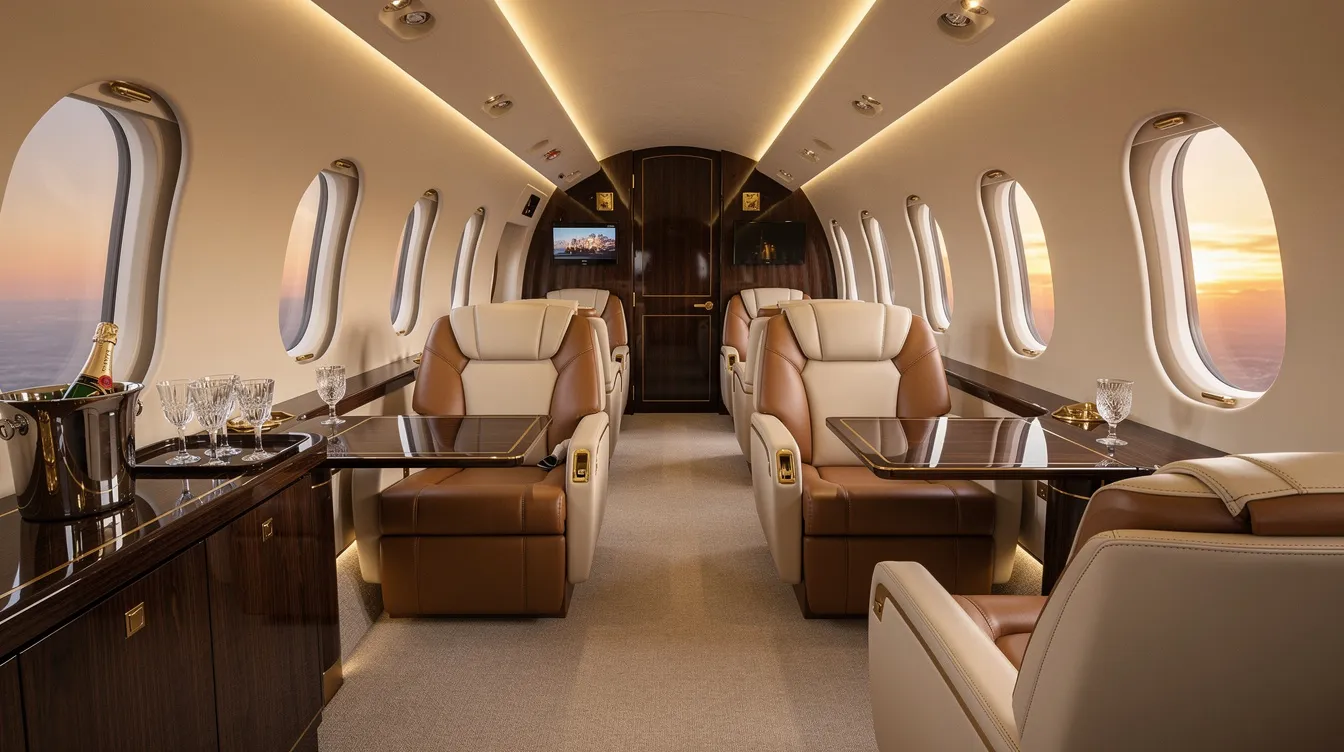
How BlackJet's Private Aviation Model Relates to Cabin Crew Pay and Passenger Experience
BlackJet operates a 25+ hour jet card model where members pre-purchase access to premium aircraft and fully staffed flights, similar in structure to other jet card membership pricing models. Crew compensation, training, and carbon-neutral operations are built into jet card pricing rather than billed as separate line items.
BlackJet's operating partners select cabin crew with major-airline or high-end hospitality backgrounds, then add training in private jet service standards, optimal operations at higher private jet cruising altitudes, Part 135 safety protocols, and discrete VIP handling. The result: members interact with crew who combine commercial aviation discipline with bespoke service skills.
Use case 1: A BlackJet member flies a 25-hour jet card itinerary from Los Angeles to Aspen and back for a long ski weekend. The same cabin attendant manages custom catering, children's needs, and a late-night return, all without the member coordinating any crew logistics.
Use case 2: A small executive team books a New York to London trip on an ultra-long-range 16-seat private jet or another large-cabin private jet for 15 passengers. The private cabin attendant provides curated meals, a secure workspace, and overnight comfort across 7+ hours of flying each way, delivering a level of focus and discretion that commercial first class cannot match.
By guaranteeing competitive crew compensation through its partner network, BlackJet turns the complex pay structures described throughout this article into one outcome for members: consistent, high-touch cabin service on every leg.
FAQ: Flight Attendant Hourly Pay, Per Diem, and Private Jet Cabin Crew
How much do flight attendants get paid per hour on average?
The national average is approximately $29.52 per flight hour. This figure spans all carrier types. At regional carriers, most flight attendants start between $18 and $25 per hour. At major carriers like Delta, United, and American, entry rates run $26 to $38 per hour, and senior crew can earn $80 to $100+ per hour. The average salary for all flight attendants nationally is around $67,130 per year.
Why isn't boarding time always paid?
Historically, flight pay starts when the aircraft door closes. Boarding, cleaning, and deplaning fell outside that window. Recent contracts at Delta, United Airlines, and American now include boarding pay at roughly 50% of the flight-hour rate. Some regional carriers and non-union airlines still do not offer it. Additional compensation can include boarding pay and overtime for extra trips at carriers with newer agreements.
How much does per diem add to hourly pay?
Per diem rates range from $2.00 to $3.00 per hour at most airlines. On an active schedule with four multi-day trips per month, per diem pay can add $600 to $900+ to monthly income. Per diem is typically not taxed within federal guidelines, making it a meaningful addition to take-home pay that helps cover meals and incidentals at each destination.
Do private jet cabin crew get paid more per hour?
Experienced crew on large-cabin jets often earn day rates of $800 to $1,200+, which translate into higher per-flight-hour equivalents than many commercial roles when flying long legs. Entry-level private roles may pay less, and job security can vary depending on the operator and contract type.
How does cabin crew pay factor into the cost of a BlackJet flight?
BlackJet jet card pricing already includes professional crew, safety standards, and carbon-neutral operations, with overall program value benchmarked against jet card cost per hour in private aviation and the broader private jet price list of ownership, charter, and membership options. Members receive premier cabin service without managing any underlying crew compensation details. The crew is well-compensated, well-trained, and consistently available because that cost is integrated into the membership structure from the start.
Conclusion: Understanding Flight Attendant Hourly Pay in 2026
Flight attendant compensation in 2026 reflects a complex but structured system centered on flight hours, per diem, and evolving contract terms. While the headline hourly rate averages around $29.52, actual earnings vary widely by airline, seniority, and schedule type. Major carriers like Delta Air Lines have introduced new contracts that include boarding pay and higher wage floors, recognizing the demands placed on crew members during all phases of travel.
For aspiring flight attendants, understanding that "per hour" pay refers primarily to flight time—not total duty time—is essential for setting realistic income expectations. Reserve and lineholder schedules create different earning dynamics, with seniority unlocking higher pay rates and more control over monthly hours.
Private jet cabin crew compensation diverges from commercial norms, often favoring day rates or fixed fees that can exceed hourly equivalents, reflecting the bespoke service and safety standards demanded by high-net-worth travelers and built into overall private jet rental costs and charter pricing. BlackJet’s integrated pricing model ensures that members enjoy premier cabin service supported by fairly compensated, highly trained crew without needing to navigate the complexities of private jet charter pricing structures or crew pay.
Ultimately, flight attendant pay is a reflection of the professionalism, safety expertise, and service excellence that define the aviation industry. Whether flying commercial or private, crew compensation supports the seamless, secure, and personalized travel experience that discerning travelers expect all the time.


 Sign up with google
 Sign up with Apple