For anyone exploring how much the cheapest private plane is, the short answer is this: older single-engine piston aircraft can cost as little as $20,000 to $60,000, while the cheapest private jets usually start around $300,000 to $800,000 for very light jets such as the Eclipse 500. That gap matters because the purchase price is only the first number; operating costs, maintenance, crew, insurance, and storage can quickly turn a “cheap” aircraft into an expensive commitment.
This guide is for business travelers, high-net-worth individuals, and anyone considering private aviation ownership or smarter alternatives. Understanding the full cost and smarter alternatives helps avoid costly mistakes and ensures you choose the best private flying solution for your needs.
If you travel for business or high-end leisure several times a year and want more flexibility, privacy, safety, and luxury without making the wrong financial move, this guide lays out the real tradeoffs. Below, we compare the cheapest aircraft categories, break down ownership and ongoing expenses, and look at smarter access options such as private jet charter, jet cards and membership programs, booking platforms, safety standards, and sustainable flying choices including carbon offset programs—so you can decide whether buying the cheapest plane, or choosing among the most affordable private jet options, makes better sense for how you actually fly.
Quick Answer: What Is the Cheapest Private Plane Today?
The absolute cheapest private plane you can buy is typically an older single-engine piston or legacy turboprop. These smaller aircraft trade for as little as $40,000–$150,000 on the pre-owned market. But if you're asking about the cheapest private jet - a true jet-powered aircraft - the floor rises considerably.
Here's a quick-reference breakdown as of mid-2026:
Cheapest piston aircraft: A 1960s–1970s model like a 1968 Aero Commander 100 lists around $48,000–$60,000. You'll also find Cessna 150/152 trainers and Piper Cherokees in the $20,000–$60,000 range. These are the most affordable entry point into private flying, though they lack pressurized cabins, jet speeds, and meaningful range.
Cheapest turboprop planes: Older Beechcraft King Air 100 units trade between $650,000 and $1,000,000, while smaller legacy turboprops can start even lower. These offer better payload and runway performance than pistons.
Cheapest true jets (VLJs): An older Eclipse 500 can sometimes be found near $300,000–$800,000 (with significant caveats around parts and support), while an early Cirrus Vision Jet trades around $1.6M–$2.0M and used Embraer Phenom 100 units run $1.5M–$2.5M.
The critical point: acquisition is only the beginning. Even the most budget-friendly jets carry operating costs of $500–$1,500+ per hour in fuel, maintenance, and insurance. For many travelers, a jet card or private jet charter through BlackJet is financially and operationally smarter than private jet ownership.
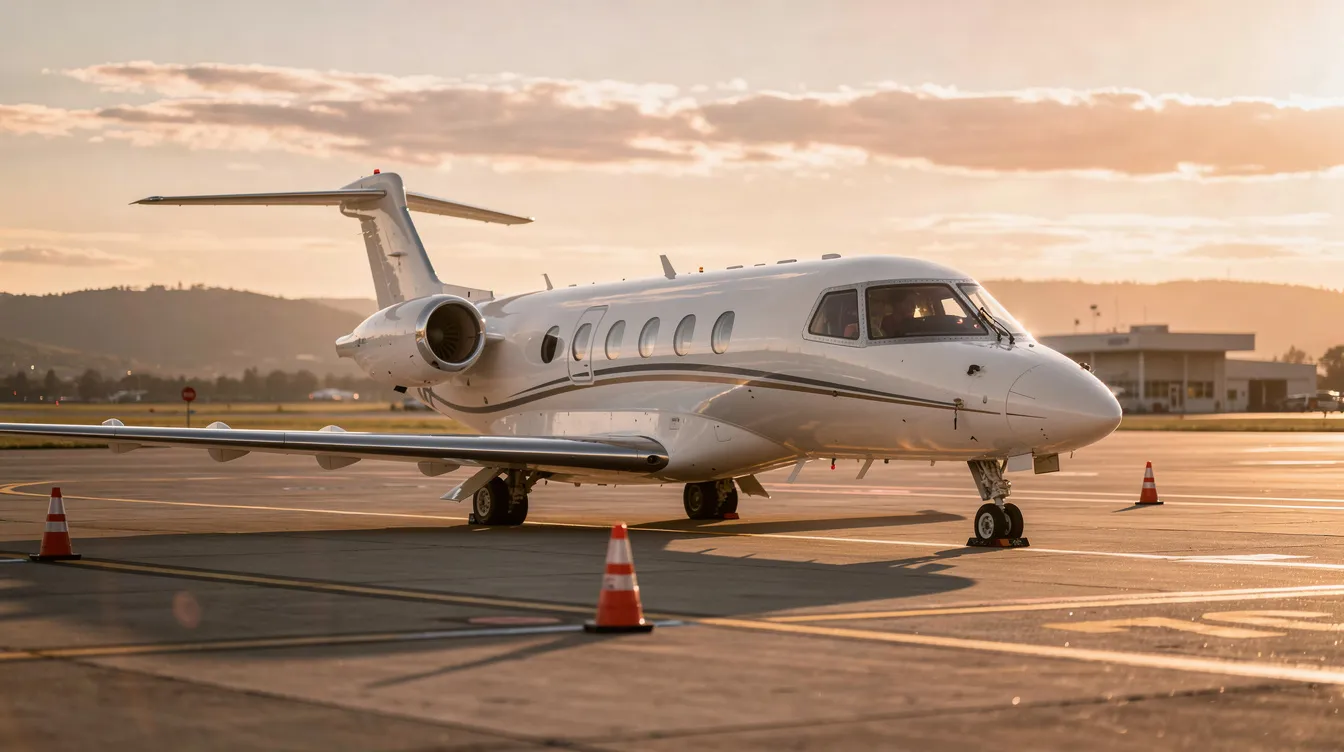
Key Takeaways: Understanding the Cheapest Private Plane and Smarter Private Aviation Access
Cheapest private planes are often older piston aircraft or turboprops, with prices ranging from $20,000 to $1 million, while entry-level private jets typically start around $300,000 to $800,000 for used VLJs.
Acquisition cost is just the beginning; ongoing expenses such as fuel, maintenance, insurance, hangar fees, and crew salaries can total hundreds of thousands annually, making ownership a significant financial commitment.
Very Light Jets (VLJs) like the Cirrus Vision Jet and Eclipse 500 offer the most affordable entry into true jet ownership, but operating costs and maintenance complexity still require careful budgeting.
Jet cards and private jet charter programs provide smarter, more flexible alternatives to ownership, eliminating capital risk while ensuring access to modern, safety-certified aircraft across multiple categories.
Private aviation offers unmatched convenience compared to commercial airlines and scheduled airlines, including access to thousands of smaller airports, elimination of long wait times, and enhanced privacy.
Safety, certification, and sustainability are critical pillars—choosing operators with rigorous safety audits and carbon-neutral flight options ensures responsible and secure private travel.
Selecting the right access model depends on your travel frequency, mission profile, and budget, with charter or jet cards favored under 150 flight hours annually, and ownership or fractional shares suited for very frequent flyers.
By focusing on strategic access rather than just the cheapest aircraft, travelers gain superior flexibility, safety, and value—empowering smarter private aviation choices aligned with their lifestyle and business needs.
Why Cheap Isn't Always Smart: Private Plane vs. Smart Private Access
For serious business executives and high-net-worth travelers, the real question is not "what is the cheapest private jet?" but rather "what is the most strategic way to fly private?" The goal is time savings, flexibility, privacy, and security - not simply the lowest initial purchase price.
Consider this scenario: you buy a pre-owned jet - say, an older Cessna Citation or Learjet - for under $2M. Your annual operating costs (hangar fees, insurance, crew costs, maintenance, fuel costs) can easily reach $200,000–$400,000 even if the aircraft flies only 100–150 flight hours per year. Compare that to purchasing a 25-hour BlackJet Jet Card, which provides access to modern, safety-certified light jets or mid-size jets without capital risk, depreciation, or maintenance headaches.
BlackJet's model offers:
No capital tied up in a depreciating asset - your funds stay liquid
Access to multiple aircraft categories - from very light jets to heavy jet options - matched to each trip's needs
Carbon-neutral flights included as standard, not an afterthought
24/7 digital booking and real-time support, with every flight operated by vetted, certified crews
The private jet cost to own versus the cost to access through a card or charter is a comparison every serious traveler should model before writing a check.
Types of "Cheapest" Private Planes: From Pistons to Very Light Jets
Key Aircraft Categories Defined
To help clarify the relationships and distinctions between the main types of private aircraft, here are explicit definitions for each category:
Aircraft Category | Definition |
|---|
Piston Aircraft | Piston aircraft are widely considered economical options for short trips. They use piston engines, are typically unpressurized, and are best for short-range, low-cost flying. |
Turboprops | Turboprops are often considered the most economical option for short flights. They use turbine engines driving propellers, offer better performance than pistons, and can access smaller airports efficiently. |
Very Light Jets (VLJs) | Very Light Jets (VLJs) are the most affordable private jets. They are true jet-powered aircraft, designed for 2–6 passengers, and represent the entry point for jet travel. |
Light Jets | Light jets like the Cessna Citation Mustang are ideal for short flights. They offer more cabin space and speed than VLJs, with higher operating costs, and are popular for business and regional travel. |
Understanding types of private jets and private aircraft requires knowing the four main categories that appear when people search for the best small private aircraft.
Single-engine pistons (e.g., Cessna 150/152, Piper Cherokee): Purchase from ~$20,000–$60,000. Very low operating costs and low fuel burn, but these are not business jets - they're slow, unpressurized, and limited in range. They represent the true bottom of the private plane market and are realistic only for owner-operators and private aviation enthusiasts who enjoy recreational flying.
Used turboprops (e.g., Beechcraft King Air 100, older Aero Commanders): Acquisition from ~$50,000 for small legacy models up to $1M+ for well-equipped King Airs. Turboprop planes offer strong short-runway capability, the ability to access smaller airports, and better fuel efficiency than jets on short legs. They're a practical affordable aircraft for regional operation worldwide.
Very light jets (Eclipse 500/550, Cirrus Vision Jet, Phenom 100): True jets in the very light jet category, designed for 2–6 passengers with roughly 1,000–1,300 nautical miles of range. These are the most affordable small private jets that still qualify as actual jets, with used pricing between $1M and $3M.
Light jets (early Cessna Citation CJ1/CJ2, Learjet 40/45): Pre-owned jets in the light jet category sometimes dip below $2M, but maintenance costs and upcoming inspections on aging airframes can be costly. These aircraft are frequently sourced for light jet charter fleets rather than individual ownership.
Very Light Jets (VLJs): The Cheapest True Private Jets
VLJs were purpose-built to make jet ownership more accessible. They feature compact cabins, single-pilot certification in many cases, and economical private jets performance on short-to-medium regional routes - ideal for a founder commuting from Los Angeles to San Francisco or a family flying Dallas to Aspen.
Typical VLJ operating costs run approximately $800–$1,500 per hour, cheaper per hour than larger light jets but still substantial compared to turboprops.
Key models and approximate 2026 used pricing:
Cirrus Vision Jet SF50: ~$1.6M–$2.0M used (early models); ~$2.4M–$2.8M new. Range ~1,200 nautical miles, cruise ~300 knots. The most affordable entry point for a new private jet.
Eclipse 500/550: ~$300,000–$800,000, though parts support and aftermarket infrastructure require careful due diligence - a caution for first-time jet owners.
Embraer Phenom 100: ~$1.5M–$2.5M used. A refined cabin and strong OEM support make it popular among private jet owners seeking reliability.
HondaJet HA-420 (from Honda Aircraft Company): Higher acquisition (~$3M–$5M used) but exceptional fuel efficiency, speed, and cabin space compared to other VLJs.
Cessna Citation Mustang: Often discussed alongside VLJs, though technically a light jet; covered in detail below.
For travelers flying fewer than 150 hours annually, chartering or using the best jet card programs for frequent flyers for VLJ-class trips frequently proves more cost-effective than owning one outright.
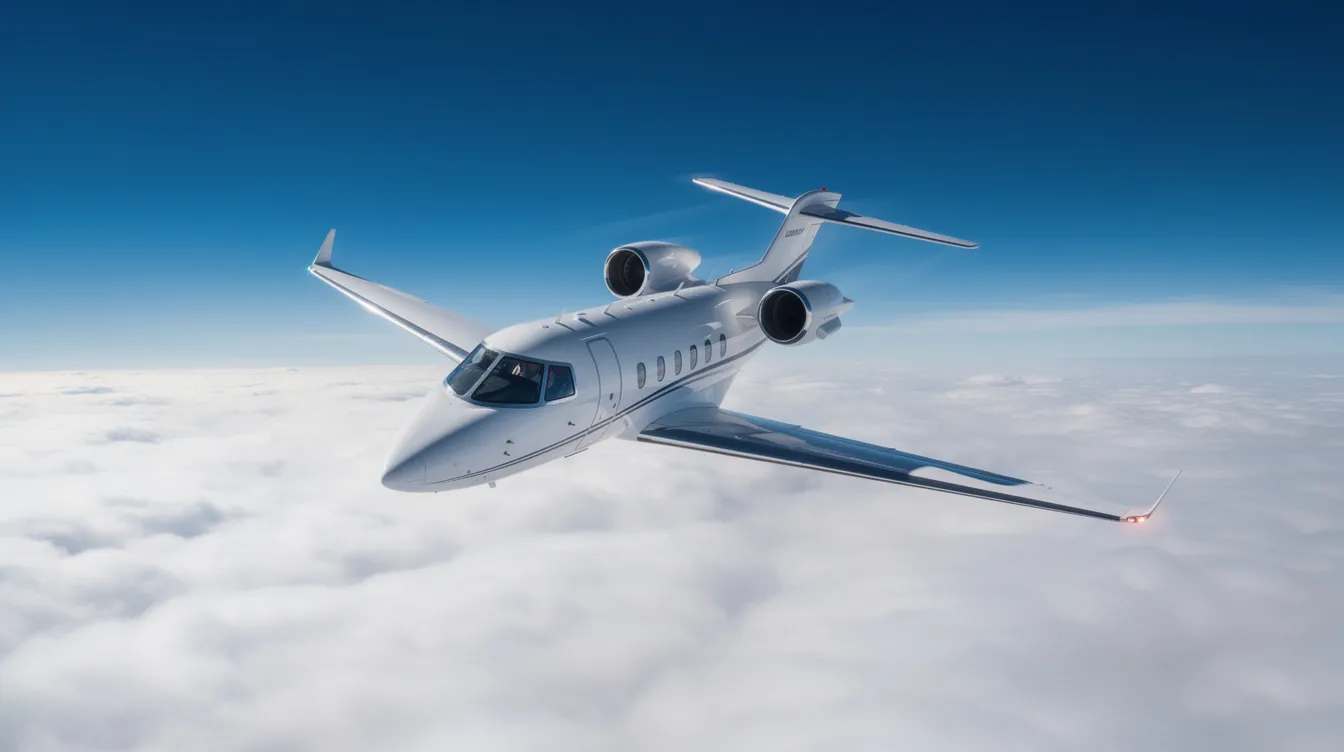
Spotlight: Cirrus Vision Jet SF50 – Often the Cheapest New Private Jet
The Cirrus Vision Jet is widely recognized as one of the cheapest brand-new private jets on the market. In 2026, new pricing runs approximately $2.4M–$2.8M depending on avionics options, while early used models start near $1.6M–$2.0M.
Key features that make it stand out:
Single Williams FJ33 turbofan engine - lower fuel costs and maintenance costs versus twin-engine designs
Range of approximately 1,200 nautical miles with a cruise speed near 300 knots
Cabin optimized for 4–5 adults (up to 7 in a dense configuration), with modest cabin space compared to light jets
Cirrus Airframe Parachute System (CAPS) - a whole-aircraft parachute that serves as a powerful safety differentiator, resonating with BlackJet's emphasis on safety and certification in private aviation
Typical annual cost for an owner flying 50 flight hours per year - including fuel, maintenance programs, insurance, and hangar fees - can reach $120,000–$180,000, before factoring in depreciation. Purchasing 50 hours on a BlackJet Jet Card would likely cost meaningfully less while providing access to a curated fleet of modern, safety-audited aircraft rather than a single aging airframe.
Cessna Citation Mustang & Other Budget Light Jets
The Cessna Citation Mustang is a classic entry-level light jet that routinely appears in "cheapest private jet" searches. Pre-owned pricing in 2026 commonly falls between $1.7M and $2.7, M depending on total time and avionics condition.
Key specs:
4-passenger club seating (plus optional belted lavatory seat)
Range of approximately 1,150 nautical miles at cruise speeds around 340 knots
Reliable Pratt & Whitney Canada PW615F engines with a well-established maintenance support network
Other relatively affordable private planes in the light jet space include options often featured on a comprehensive private jet price list:
Learjet 40XR: ~$1.8M–$2.5M used, offering strong speed and climb performance
Older Cessna Citation CJ1/CJ2 variants: Sometimes acquired between $1.5M–$3M, though avionics upgrades may be needed
Early Embraer Phenom 100 units: ~$2M–$3.5M, bridging the VLJ-to-light-jet gap with a refined interior
These represent "step-up" options from VLJs, delivering more cabin room and speed but higher operational costs (~$1,000–$2,000 per hour). Many of these aircraft category types are frequently used in BlackJet's partner fleets for charter flight and jet card operations.
How Much Does It Actually Cost to Own the Cheapest Private Jet?
Buying a private jet outright is only the initial purchase price. Serious buyers must model annual fixed and variable costs over at least a 5- to 10-year horizon to understand the true private jet cost.
Fixed annual costs: Insurance runs $15,000–$30,000+ for VLJs and light jets. Hangar space costs $1,000–$3,000/month in most U.S. markets. Scheduled maintenance and inspection programs add $30,000–$100,000+ annually. Regulatory compliance, database subscriptions, and management overhead further contribute to ongoing costs.
Variable per-hour costs: With Jet-A fuel averaging $7.63–$8.18 per gallon at FBOs in mid-2026, fuel alone for a small jet runs $300–$700 per hour. Add maintenance reserves, landing fees, handling charges, navigation fees, catering, and de-icing where applicable.
Crew costs: Owner-operators who fly single-pilot save on salaries, but professional pilot compensation for VLJ/light jet roles ranges from $80,000–$180,000/year, plus recurrent training and benefits.
Real example: A pre-owned Cessna Citation Mustang flown 150 hours per year could generate $200,000–$350,000+ in annual operating costs. For travelers flying fewer than 200 hours annually, a jet card program often delivers comparable or superior value with none of the capital exposure.
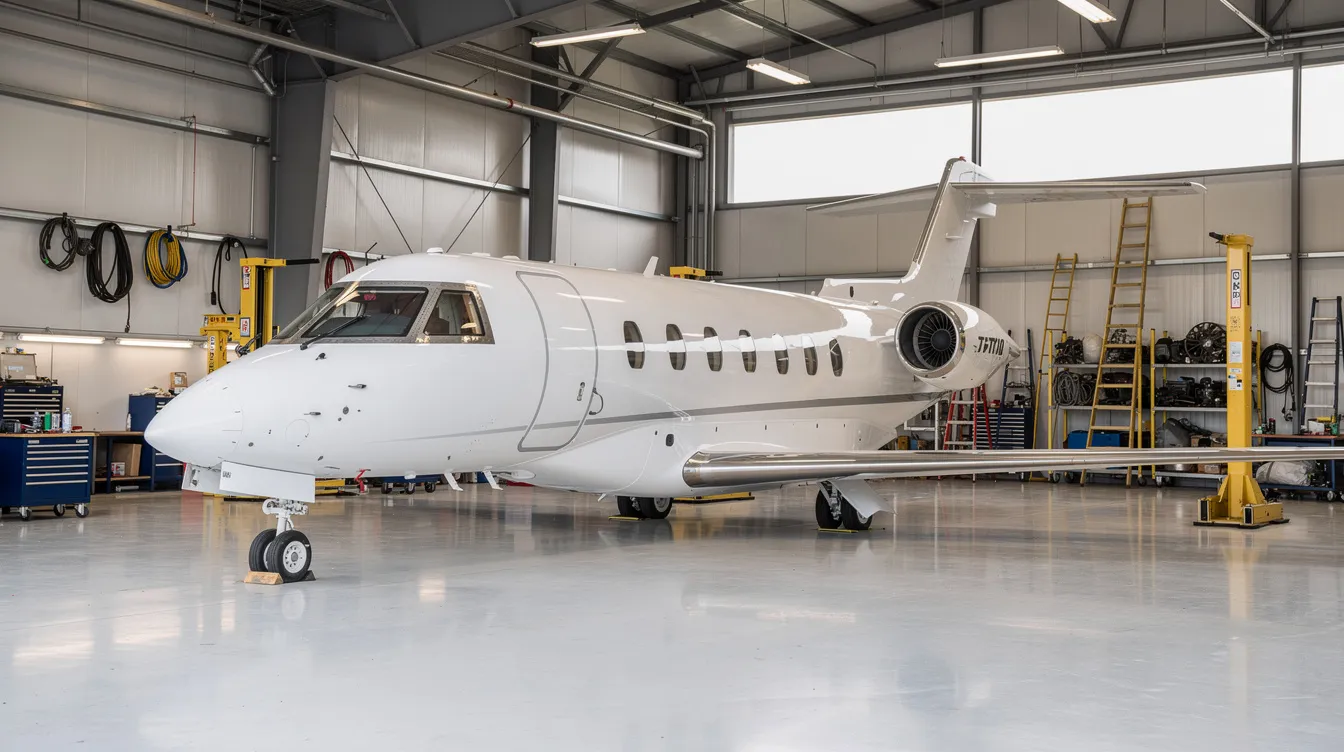
Private Jet Ownership vs. Fractional Ownership vs. Jet Cards
Not everyone asking "what is the cheapest private jet?" truly needs to own one. Understanding the spectrum of access models is essential for making a smart decision about how many private jets - or how much access - you actually need.
Full aircraft ownership: Best for ultra-frequent flyers logging 200–300+ flight hours per year. Maximum control, customization, and branding potential. But it demands the highest capital commitment and exposes owners to depreciation, maintenance risk, and market volatility.
Fractional ownership: Buy a share (e.g., 1/16 or 1/8) of a private aircraft through a fractional ownership program, receiving guaranteed hours per year with managed operating costs. A lower entry than full jet ownership, but still requires significant upfront investment and recurring monthly management fees, though there can be notable tax benefits of fractional jet ownership.
Jet cards (BlackJet focus): Deposit-based access - such as 25-hour or 50-hour Jet Cards - with fixed hourly rates, guaranteed availability across multiple aircraft categories (very light jets through ultra long range cabins), and seamless digital booking. Ideal for 25–150 hours/year travelers who want to experience private aviation without the burden of ownership.
On-demand charter: Purely pay-as-you-go with maximum flexibility and no commitments, though pricing varies significantly during peak periods. A detailed private jet charter cost comparison can clarify when this model makes the most sense. Note that federal excise tax (7.5% in the U.S.) applies to most domestic charters, adding to the total trip cost.
For frequent flyers in the 50–150 hour range, BlackJet's Jet Card model blends cost predictability with the flexibility and safety infrastructure that serious travelers expect, especially when you understand jet card cost structures and compare different jet card pricing models.
Operating Costs, Taxes, and Hidden Fees to Consider
For both private jet owners and frequent charter users, understanding the full cost stack - not just the hourly charter rates - is essential for smart budgeting.
Operating costs by category: VLJs average ~$500–$1,000 per hour; light jets ~$1,000–$2,000 per hour; a midsize jet runs ~$2,000–$3,500 per hour. These are variable costs only - fixed costs layer on top.
Federal excise tax (FET): Most Part 135 charters in the U.S. incur a 7.5% tax on the base fare plus a per-segment fee (approximately $4.80 per leg, with minor yearly adjustments). This should be factored into every trip budget.
Airport, ramp, and handling fees: Landing charges run $150–$500+ per airport, with FBO handling and parking adding further. Major hub airports are significantly more expensive than regional airports.
Repositioning and crew costs: Repositioning (deadhead) legs and crew overnight charges can add 10–40% to a quote if not planned for. BlackJet's team itemizes these transparently so clients see exactly what they're paying.
Sustainability costs: BlackJet includes carbon-neutral flights as standard, automatically offsetting emissions calculated per flight hour and per ton of CO₂ - at no additional cost to the traveler.
The Cheapest Ways to Experience Flying Private (Without Buying a Jet)
You don't need to own a private plane to fly privately. Modern access models have made private jet travel accessible to a far wider audience - but smart structure matters more than chasing the cheapest private aircraft.
Empty leg flights: These repositioning legs offer 50–75% discounts on usual charter prices. Guides on how to fly privately cheaply with empty legs show how a VLJ or light jet sector might be available from ~$1,000–$4,000 for the entire aircraft on select routes if your schedule is flexible.
Semi-private and shared charters: Some operators sell individual seats on scheduled private flight routes, with private jet rideshare options and clear guidance on how to buy a seat on a private jet, with per-seat fares starting in the low hundreds for specific city pairs - a way to experience private aviation without booking an entire aircraft.
Jet cards and membership: BlackJet's 25+ Hour Jet Card serves as the strategic middle ground between full charter and ownership, offering predictable hourly rates, priority access during peak periods, and curated aircraft from very light jets to large-cabin options.
Hybrid strategy: A high-net-worth traveler might combine discounted small-plane charter for regional hops, informed by a clear sense of how much it costs to charter a small plane, with a 25-hour BlackJet card for mission-critical business travel, guided by transparent insights into how much it costs to rent a private jet. This optimizes cost while maintaining the reliability and safety that matter when your schedule - and reputation - are on the line.
Safety, Technology, and Sustainability: Why the "Cheapest Jet" Isn't the Only Metric
In private aviation, safety, regulatory compliance, and sustainability must outweigh the temptation to cut corners on acquisition or operational costs. The cheapest private jet is meaningless if the aircraft flies with outdated avionics, deferred maintenance, or unvetted crews.
Safety and certification: Reputable operators use ARGUS- or Wyvern-rated crews, rigorous maintenance programs, and standardized safety protocols. These cost money to do properly - and they're non-negotiable for discerning travelers.
Technology and connectivity: Modern business jets - even light jets like the Cessna Citation CJ3+ or Embraer Phenom 100EV - offer advanced avionics (Garmin G3000/G1000 NXi) and inflight connectivity that transform cabin time into productive work time for executives.
Sustainability and carbon-neutral flying: BlackJet provides carbon-neutral flights as standard, pairing efficient aircraft choices (VLJs and turboprops for short legs) with verified carbon offset programs. For aspiring owner-operators, exploring the cheapest new plane options for personal flying can also align lower emissions with lower acquisition costs. Choosing to fly on newer, more efficient airframes directly reduces environmental impact.
BlackJet as curator: Rather than forcing clients to hunt the absolute cheapest airplane on the private jet market, BlackJet sources aircraft that meet strict safety and sustainability standards while still providing competitive pricing - a fundamentally different approach to private jet travel.
Choosing the Right Aircraft (or Access Model) for Your Budget and Mission
The right choice depends on your mission profile: trip length, passenger count, luggage requirements, frequency of travel, and which departure airport and destination airports you use most.
Mission-based selection: A New York–Boston day trip calls for a very light jet or light jet. A New York–Los Angeles run demands a super midsize or heavy jet. "Cheapest jet to buy" is far less relevant than "right jet for the route."
Annual hour threshold: Under ~50 hours/year, on-demand charter often wins on total cost. Between 50–150 hours/year, jet cards like BlackJet's become compelling, and very frequent flyers might even evaluate a 100-hour jet card cost breakdown. Above 200 hours/year, fractional or full ownership may warrant serious analysis.
Runway and airport access: Turboprops and VLJs can access smaller airports and regional airports that larger aircraft cannot, saving ground travel time and often reducing fees - which may be more valuable than marginal differences in initial purchase price.
Expert guidance: BlackJet's advisors help clients model scenarios comparing private jet costs across ownership, fractional ownership, and membership options using real cost data, safety criteria, and your actual travel patterns.
FAQs: Cheapest Private Jet and Smart Private Aviation Choices
What is the cheapest private jet to buy? The Cirrus Vision Jet SF50 and older VLJs like the Eclipse 500 and Cessna Citation Mustang represent the most affordable private jets, with used pricing in the ~$1M–$2.7M range. Exact pricing depends on year, total flight hours, and maintenance status.
Can I own a private jet under $2M? Yes - particularly older VLJs and some pre-owned jets in the light jet category, as well as legacy mid-size jets like early Learjet 60 or Dassault Falcon 50 models. However, anticipate high ongoing costs and potentially expensive heavy maintenance events.
What is the cheapest way to fly private? Combining discounted empty leg flights for flexible trips with a carefully chosen jet card - like BlackJet's - for scheduled travel is typically cheaper and safer over time than owning a depreciating private aircraft. This approach avoids the fixed costs and capital risk of ownership while preserving the benefits of private flight.
Is a jet card cheaper than charter? For travelers with predictable, frequent usage, jet cards often produce lower, more stable effective hourly rates - especially during peak periods when on-demand hourly charter rates spike. For very occasional trips, ad hoc charter flight bookings may still make sense. Those considering larger aircraft can also compare these options against the cost of a 12-seater private jet. Compare options using a jet card provider comparison.
How does BlackJet keep flights carbon-neutral and safe? BlackJet partners exclusively with vetted, certified operators, leverages audited safety programs (including ARGUS and Wyvern standards), and automatically offsets emissions on every trip - ensuring every private flight is carbon-neutral by default, at no extra cost.
Conclusion: Don't Just Buy the Cheapest Jet - Buy the Smartest Access
The cheapest private jets on the market today can be found in the $1M–$2M range, and affordable aircraft exist at every tier of the private plane spectrum. But for most sophisticated travelers, the sticker price is a fraction of the story - annual operating costs, depreciation, crew costs, and maintenance risk transform a "bargain" into a serious financial commitment.
True cost clarity: Private jet ownership demands $200,000–$600,000+ per year in total costs for even the smallest jets. Alternatives like BlackJet's Jet Card and curated charter achieve the core benefits of flying private - time savings, privacy, security, and comfort - without tying up capital or absorbing risk.
Data-driven decisions: Whether you fly 25 hours or 250 hours a year, the right access model exists. The key is matching your travel patterns to the option that delivers the greatest value per hour.
Safety and sustainability as standards: With BlackJet, every journey is operated by certified crews on audited aircraft, with carbon-neutral flights included - because excellence in private aviation is never optional.
Explore BlackJet Jet Cards or speak with a BlackJet advisor to model your annual travel, compare private jet cost scenarios, and design a bespoke private aviation strategy built around your life - not around an airplane.


 Sign up with google
 Sign up with Apple