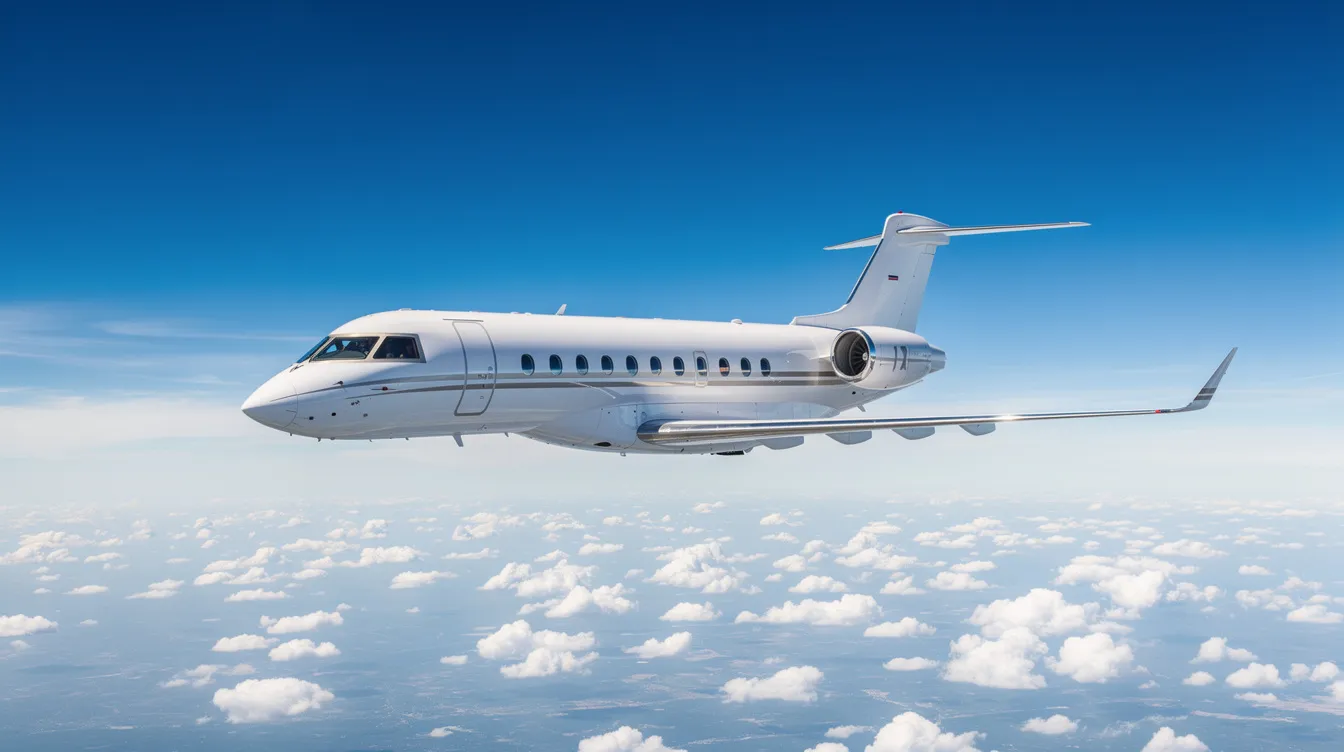
Air travel is statistically the safest mode of transportation on the planet. That statement isn't marketing language — it's a measurable reality backed by decades of data, continuous improvement, and a global safety ecosystem unlike anything found in other forms of transport.
This guide is for travelers, business flyers, and anyone curious about the real risks and safety standards of modern air travel. Understanding the facts behind air travel safety helps travelers make informed decisions and reduces unnecessary anxiety.
When we say air travel is "statistically the safest mode of transportation," we mean that, measured by deaths per 100 million passenger miles, air travel has a fatality rate of 0.01 compared to 0.72 for car travel, making it about 750 times safer than traveling by car.
Answering the core question: Is flying safe?
Yes—flying is statistically the safest mode of transportation, with a death rate of 0.01 per 100 million passenger miles, versus 0.72 for car travel, making it about 750 times safer than traveling by car. The global all-accident rate for commercial airlines stood at 1.32 per million flights in 2025, according to the latest IATA Safety Report. There were no fatalities on large U.S. airlines for over nine years, a streak that underscores how rare aviation accidents have become.
For frequent business travelers and high-net-worth leisure flyers weighing chartering a private jet for more control, privacy, flexibility, and comfort, those numbers matter because they separate headline-driven fear from real-world risk. Recent news about a plane crash or aviation incident can spike public concern, but a single dramatic event draws global media attention precisely because it is so unusual. These incidents do not reflect everyday risk for passengers on properly certified commercial or charter flights.
What makes flying so safe is not luck but layered aviation systems: strict regulation, aircraft engineering, pilot training, maintenance standards, air traffic control, and established procedures for turbulence and in-flight decision-making. This guide looks at the safety statistics behind air travel, how commercial and private jet safety compare, and the standards reputable operators use to protect passengers.
At BlackJet, safety, privacy, and reliability form the non-negotiable foundation of our Jet Card and private jet charter programs. Every journey we facilitate is designed to meet or exceed the standards that make air travel the safest way to move through the world, giving members added reassurance alongside the convenience and luxury they expect.
How safe is air travel compared to other forms of transportation?
Safety is best compared using standardized metrics — deaths per 100 million passenger miles or per billion kilometers — rather than raw accident counts. When measured this way, flying remains one of the safest modes of transportation by a wide margin.
Consider the data:
Commercial air travel has a fatality rate of 0.01 deaths per 100 million passenger miles.
Car travel has a fatality rate of 0.72 deaths per 100 million passenger miles — significantly higher than any form of scheduled air transport.
Since 1997, fatal air accidents have been 1 per 2 billion person-miles flown.
Rail and bus travel fall between air and car, but much closer to air in terms of safety.
Here's a practical way to think about it: driving to the airport is statistically more dangerous than the flight itself. The risk of a car accident on a highway journey substantially exceeds the risk during cruise, takeoff, or landings combined.
Both scheduled airlines and business aviation benefit from the same underlying air traffic control infrastructure and regulatory framework. BlackJet members choose a mode of travel that combines exceptionally low risk with high control, comfort, and flexibility — without the congestion and unpredictability of commercial terminals.
What makes flying safe? The aviation safety ecosystem
Aviation safety is not the product of a single innovation. It is a layered system — engineering, pilot training, maintenance, regulation, and operational discipline working in concert. Remove any single layer, and the others still hold.
Key stakeholders in this ecosystem include aircraft manufacturers (Boeing, Airbus, Bombardier, Gulfstream, Textron), airlines and operators, regulators like the FAA, EASA, and ICAO, air traffic control agencies, and independent accident investigators such as the National Transportation Safety Board. Global aviation authorities enforce rigorous safety standards for commercial carriers and charter operators alike.
The aviation industry's commitment to learning from failure is unmatched, and private jets are highly safe when they operate within this rigorous framework. Safety reporting systems help identify and mitigate risks before accidents occur. The Air Commerce Act of 1926 established early aviation safety regulations in the United States, and since then, the fatal accident rate fell to 0.1 per million flights for modern jets—a dramatic improvement over decades.
Accident statistics vary by region and by the type of aviation operation, and risk can also rise in conflict zones during war, where civil aircraft face hazards outside normal commercial safety systems, but the overall trajectory worldwide is clear: continuous monitoring and risk management are essential for aviation safety, and they work. Private aviation operators chartered by BlackJet must comply with the same core safety standards as commercial carriers, often layering additional internal requirements on top.
Aircraft engineering, design, and maintenance
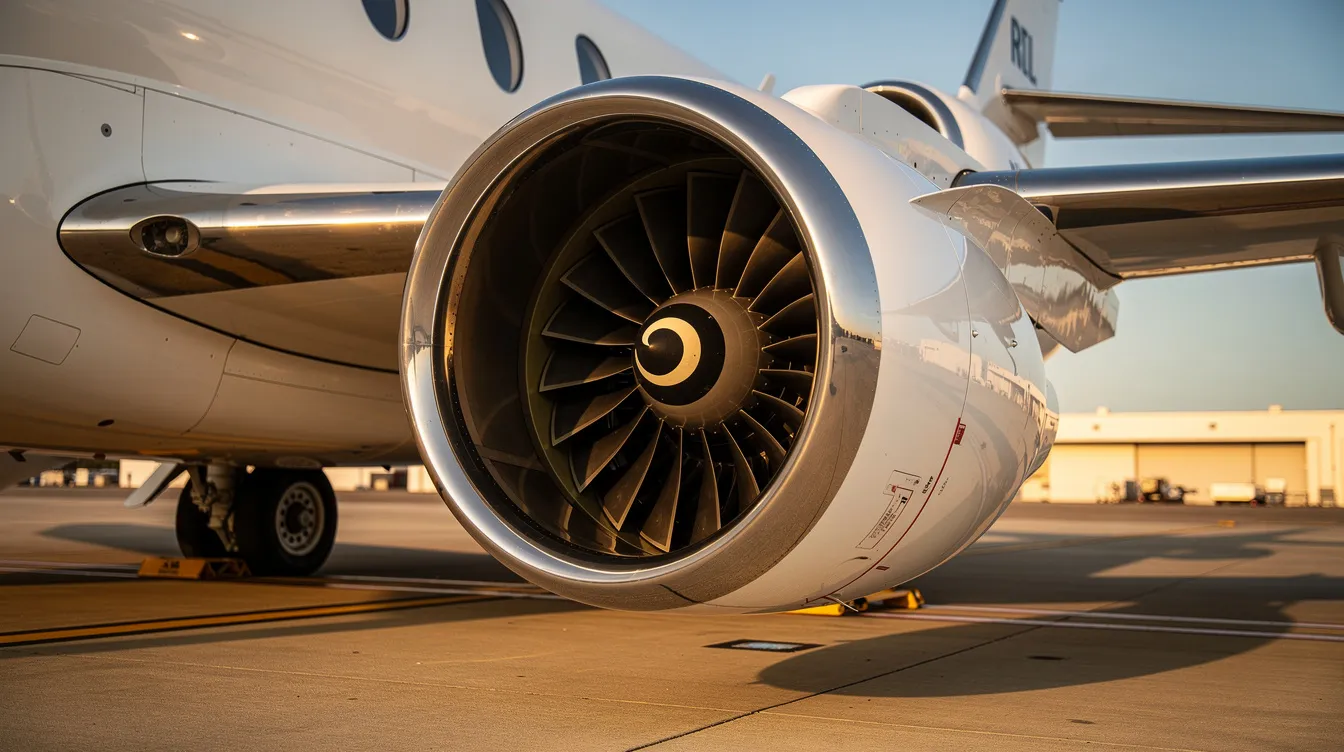
Modern planes have multiple safety redundancies in systems — a design philosophy that ensures no single point of failure can compromise a flight. Here's what that looks like in practice:
Flight computers: Dual or triple-redundant flight control computers process data independently. If one fails, the others take over seamlessly.
Navigation systems: Multiple independent GPS, inertial, and radio-based navigation systems operate in parallel, giving pilots reliable position data even if one source drops out.
Hydraulics and electrical power: Separate hydraulic circuits and backup electrical generators ensure flight controls remain responsive under virtually any failure scenario.
Structural integrity: Aircraft are designed to withstand severe turbulence and hard landings far beyond what passengers normally experience. Wings, for instance, are tested to flex well past any load encountered in service.
Predictive maintenance: Engine health monitoring systems and digital data collection detect anomalies — vibration patterns, temperature shifts, oil pressure changes — long before they become safety risks.
Airlines conduct regular maintenance checks to prevent mechanical failures. For large airliners, this means A, B, C, and D checks at increasing intervals of depth. For business jets like the Citation XLS, Challenger 350, and Gulfstream G450 — models commonly found in BlackJet's network and among the best private jets in the world — equivalent rigorous inspection regimes and OEM-mandated component life limits apply. Aircraft must undergo regular maintenance checks to ensure safety, and every aircraft in our partner fleet does so without exception.
Pilot training, experience, and regulations
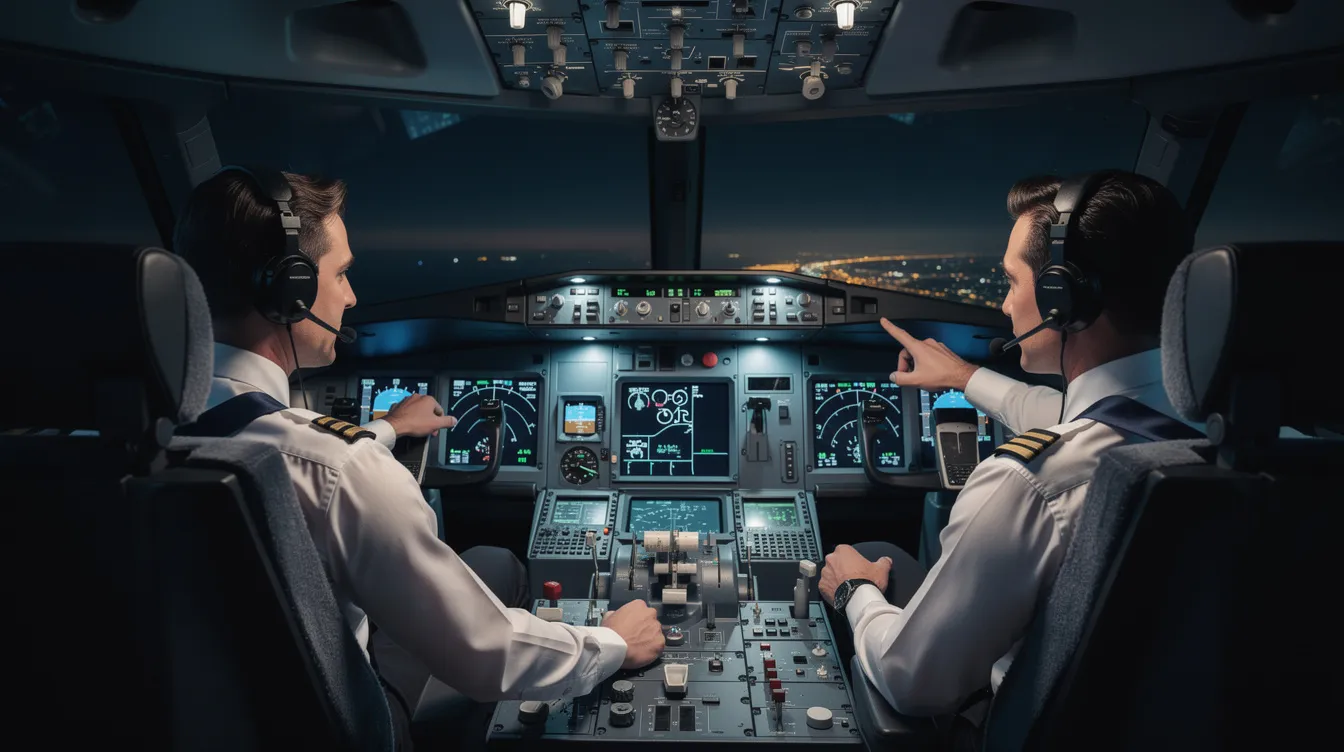
Commercial pilots undergo thousands of hours of training before they ever carry passengers. The path is demanding by design. Pilots must pass a written exam and flight exam to earn their licenses, then accumulate type ratings for specific airplanes through additional coursework and evaluation.
First officers fly with experienced captains for 6 to 12 months, building proficiency in real-world conditions before taking on greater responsibility. The first autopilot system was demonstrated in June 1914, but modern aviation relies on far more than automation — it depends on deeply trained human judgment working alongside technology.
All commercial pilots undergo annual recurrent training. Pilots must complete recurrent training annually to maintain proficiency, and this includes intense simulator exercises covering engine failures, wind shear encounters, low-visibility approaches, and other abnormal scenarios. Standard operating procedures and checklists reduce pilot error, especially during critical phases like takeoff and landings.
Regulatory requirements that make this system reliable include:
Duty-time limits that prevent fatigue-related errors
Medical exams (FAA-mandated) at regular intervals
Simulator checks every 6–12 months covering emergency and abnormal procedures
Type ratings specific to the aircraft flown, ensuring the flight crew is intimately familiar with their equipment
Reputable charter operators used by BlackJet typically require experience beyond legal minimums. A BlackJet member flying New York to London, for example, travels with a two-pilot crew — a captain and first officer — both trained for low-visibility approaches, ETOPS long-range procedures, and the specific aircraft type. The co-pilot isn't simply along for the ride; both pilots share active responsibility for every phase of the journey.
Air traffic control and global safety protocols
Air traffic control systems ensure safe separation and management of flights across the globe. Here's how:
Continuous surveillance: Radar and satellite-based systems (including ADS-B) track every aircraft's position, altitude, and speed in real time, giving controllers a complete picture of controlled airspace.
Separation standards: Strict rules keep aircraft safely apart during all phases — en route, in terminal areas, and on the ground at airports. Air traffic control and navigation systems reduce the risk of on-ground and in-air collisions.
Performance-based navigation (PBN): Modern GPS-driven routing allows more precise flight paths, reducing the chance of deviation and improving efficiency.
Digital data links: Text-based communication between cockpit and control tower reduces voice miscommunication, especially in busy or multilingual environments.
Regulatory framework: The FAA governs U.S. airspace, Eurocontrol manages European skies, and ICAO sets global standards. These organizations establish the regulations that every operator — commercial or private — must follow.
Private jets using BlackJet's platform share the same controlled airspace and benefit from the same safety protocols as large commercial airliners, often cruising at higher altitudes than commercial flights to avoid congestion and weather, as explained in our guide on how high a private jet flies. There is no "lesser" tier of air traffic control for business aviation.
Understanding turbulence, weather, and in-flight risks
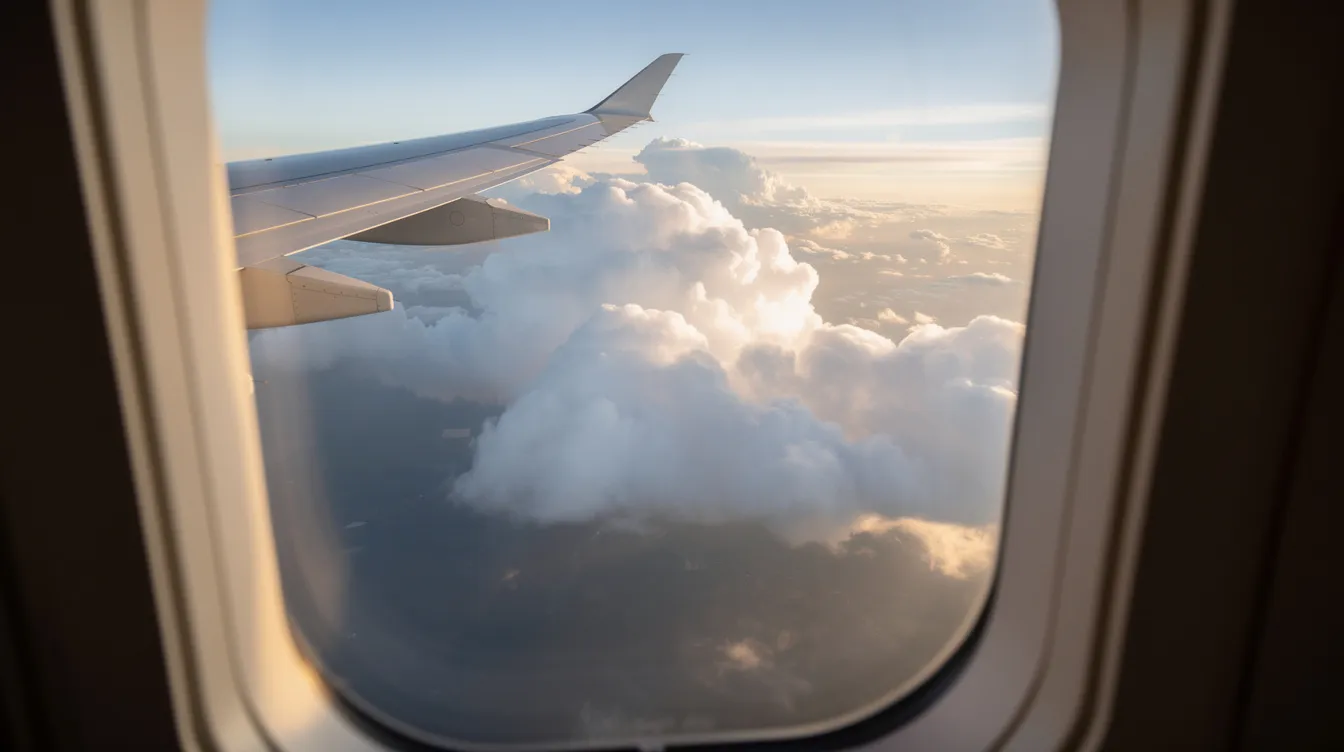
Turbulence — changes in air currents and atmospheric pressure — is common, but planes withstand extreme conditions without structural risk. Modern aircraft certification requires design margins that far exceed the forces generated by even severe turbulence. Wings flex, absorb, and recover. The airplanes are built for it.
The distinction matters: light to moderate turbulence is routine and harmless, and our explainer on whether private jets experience more turbulence offers additional context for nervous flyers. Severe turbulence is exceptionally rare and still within an aircraft's structural envelope. The FAA mandates wind shear detection systems on commercial aircraft, and onboard weather radar combined with ground-based Doppler systems helps pilots and air traffic control route flights around dangerous weather conditions.
Additional weather risks — icing, microbursts, wind shear — are addressed through:
Anti-ice and de-ice systems: Heated leading edges, pneumatic boots, and fluid systems. Safety regulations require de-icing of aircraft before takeoff in winter.
Weather monitoring: Critical for flight planning and safety management. Real-time data feeds allow crews to adjust altitudes, speeds, or routes.
Practical tips for passengers: keep your seatbelt fastened when seated, trust the crew's instructions, and know that seats near the wings tend to feel more stable during turbulence; if you're exploring how to buy a seat on a private jet, understanding these basics will also make your first flight more comfortable.
BlackJet's private jet operations can sometimes adjust departure times or altitudes more flexibly to route around adverse weather — a level of control that large scheduled airlines cannot easily match.
Why people still worry about flying
Fear of crashes persists despite their rarity in aviation. The psychology is well-documented: passengers have no control over the aircraft, the environment is unfamiliar, and altitude itself triggers primal concerns about dying.
Media coverage increases public fear of flying. A single accident dominates news cycles for weeks, creating an outsized impression of risk. Psychologists call this the availability heuristic — rare, vivid events feel more likely than they actually are. Meanwhile, a car accident that kills five people on a highway barely registers beyond the local news, despite car travel producing significantly higher yearly fatalities worldwide.
Common worries include fear of mechanical failure, anxiety during takeoff and landings, terrorism concerns, and health-related issues like cabin pressure effects, air quality, and deep vein thrombosis on long flights. In reality, cabin altitude equivalents of 6,000–8,000 feet are safe and well-regulated, and DVT risk is modest and manageable through movement and hydration.
Private aviation can reduce certain stressors: no crowded boarding areas, no security theater, direct communication with flight attendants and crew, and quieter cabins; a clear understanding of the private jet price list and access options can further reduce anxiety around planning and budgeting your trips. Nervous travelers may also benefit from speaking directly with the flight crew before departure — something BlackJet's concierge team can arrange.
Commercial airlines vs private jets: Is one safer?
Both commercial airlines and well-run private jet operators follow stringent aviation safety regulations, and travelers often compare the top private jet companies for safety and service when deciding which provider to trust. Major scheduled commercial airlines account for a fraction of aviation risk thanks to massive flight volumes, mature safety cultures, and Part 121 oversight — the most rigorous regulatory tier.
Private jets typically operate under Part 135, which demands higher qualifications than general aviation but allows more operational flexibility than Part 121. The key differentiator isn't the regulation itself — it's how far above the minimum an operator chooses to go.
Advantages of private aviation for safety and control include:
Smaller airports like Teterboro (vs. JFK) reduce congestion and operational complexity
Customized flight plans with flexibility to avoid known weather risks
Minimal connection risk - nonstop routes eliminate the exposure of multiple takeoffs and landings
Lower security bottleneck stress - FBO terminals replace crowded commercial boarding gates
The Flight Safety Foundation reports that runway excursions account for 41% of corporate jet accidents — a risk category that reputable operators actively mitigate through pilot training, runway analysis, and conservative approach criteria. BlackJet vets every operator against standards that go well beyond baseline compliance.
How BlackJet evaluates and manages airline safety in private aviation
BlackJet's safety philosophy is straightforward: zero compromise, regardless of cabin class, route length, or Jet Card tier, and we encourage frequent flyers to understand the best jet cards and their benefits when evaluating long-term private aviation solutions.
Our vetting criteria for partner operators include:
Required safety ratings: We prioritize operators holding certifications like ARG/US Platinum, Wyvern Wingman, or IS-BAO Stage 2/3 — independent audits that verify safety management systems, maintenance practices, and pilot qualifications.
Pilot experience thresholds: Captains in our network typically exceed 3,000 total flight hours with substantial time in type. Both captain and officer maintain current instrument proficiency and recurrent simulator training.
Insurance and compliance: Minimum insurance levels and full regulatory compliance are verified before any operator enters the network.
Internal audits: Ongoing monitoring of incident history, maintenance records, and regulatory standing ensures that standards don't slip after initial approval.
Real-time flight support: Every flight booked through BlackJet is evaluated for operational risk — airport conditions, weather, route suitability, and aircraft performance — before confirmation. Our team monitors active flights using tracking technology, NOTAMs, and live weather data.
For a deeper look at how these jet card safety standards translate to your travel, our safety page details every layer of the process, and our guide to understanding overall jet card cost explains how pricing aligns with those protections.
Health, comfort, and onboard safety for passengers
Cabin pressure on most jets maintains an altitude equivalent of 6,000–8,000 feet — safe for the vast majority of travelers and well within regulatory limits. Oxygen levels remain adequate throughout the flight, and modern environmental control systems maintain consistent air quality.
Health considerations for longer flights, especially when choosing the best private jet for 20 passengers or other large-cabin options, include:
DVT risk: Modest and manageable. Move periodically, stay hydrated, and consider compression socks on transcontinental or transatlantic legs.
Jet lag: Private aviation offers the ability to choose departure times aligned with circadian rhythms, reducing life disruption on long journeys.
Cabin environment: In larger cabin classes, lie-flat seating, adjustable lighting, and temperature control help passengers arrive rested.
Standard onboard safety equipment — oxygen masks, life vests, fire extinguishers, first-aid kits — is present on every aircraft. Flight attendants (in applicable cabin classes) provide safety briefings and remain attentive throughout the flight, which becomes even more important on private jets for up to 50 passengers and other large-group charters.
Practical tips: keep your seatbelt fastened while seated, store baggage and personal items securely, and disclose any medical conditions to your BlackJet travel planner. Our team can coordinate special medical needs, dietary requirements, or additional support as part of the booking process.
Technology, sustainability, and the future of safer air travel
Advanced avionics, satellite navigation, and digital flight data monitoring continue to push aviation safety forward. Improved cockpit human-machine interfaces reduce workload and miscommunication during critical phases. These aren't future concepts — they're standard equipment on the safest private jets operating today, including newer, more efficient models that feature prominently in our overview of the cheapest private jet options for cost-conscious travelers.
The connection between sustainability and safety is real. Modern, fuel-efficient aircraft incorporate the latest safety systems, making sustainability and safety mutually reinforcing. Sustainable aviation fuel (SAF) and more efficient engines reduce the aviation industry's environmental footprint, while newer airframes bring updated structural design, better jet fuel efficiency, and enhanced redundancy.
BlackJet ensures carbon-neutral flights by default—at no extra cost to you, and our breakdown of jet card pricing structures shows how sustainability, safety, and predictable costs can work together. Carbon offsetting is integrated into every booking, reflecting our belief that responsible travel and premier safety belong together.
Digital booking platforms and real-time flight support — like BlackJet's mobile tools — reduce operational friction and miscommunication, indirectly supporting safer, more reliable trips. When every detail is tracked, confirmed, and communicated in real time, the margin for error shrinks.
Frequently Asked Questions (FAQs)
Is flying with a private jet safer than commercial airlines?
Both private jets and commercial airlines adhere to strict safety regulations enforced by authorities such as the federal aviation administration. While commercial airlines operate under Part 121 regulations with high volumes and standardized procedures, private jets often operate under Part 135 with rigorous safety audits like ARG/US Platinum and Wyvern Wingman certifications. Safety depends on the operator's adherence to standards rather than the type of aircraft.
What role does the federal aviation administration (FAA) play in flight safety?
The FAA regulates all aspects of civil aviation in the United States, including pilot certification, aircraft maintenance standards, air traffic control, and safety protocols. Its regulations and oversight ensure that operators meet stringent safety requirements, reducing risks for passengers.
What training do pilots undergo to ensure safe flights?
Pilots complete thousands of hours of training, including ground school, simulator sessions, and supervised flying with experienced captains. They must pass written and flight exams and undergo annual recurrent training covering emergency procedures, instrument flying, and unusual scenarios.
How do aircraft maintenance and engineering contribute to flight safety?
Modern aircraft are engineered with multiple redundant systems to prevent single points of failure. Regular maintenance checks, predictive monitoring, and OEM-mandated inspections ensure that all components function reliably and safely throughout the aircraft’s service life.
Why does turbulence occur, and is it dangerous?
Turbulence results from atmospheric pressure changes and weather patterns. While it can be uncomfortable, aircraft are designed and tested to withstand severe turbulence safely. Pilots receive real-time weather updates to avoid the worst conditions.
How does BlackJet ensure safety beyond regulatory requirements?
BlackJet vets partner operators for advanced safety certifications, pilot experience, insurance coverage, and ongoing compliance. Real-time flight support monitors operational risks such as weather and airport conditions before and during each flight.
Are private jets equipped with the same safety technology as commercial planes?
Yes, private jets often feature the latest avionics, redundant flight control systems, weather radar, and safety equipment comparable to commercial aircraft, ensuring a high level of safety.
How can I reduce anxiety during flights?
Understanding flight phases, choosing seats near the wings, following crew instructions, and using relaxation techniques can help manage anxiety. BlackJet also offers personalized support to nervous flyers, including pre-flight briefings and quieter private terminals.
What should I do if I have a medical condition affecting my flight?
Inform your travel planner or BlackJet concierge about any medical conditions in advance. They can arrange special accommodations, coordinate with the flight crew, and ensure onboard safety equipment meets your needs.
How does BlackJet contribute to sustainable and safe flying?
BlackJet integrates carbon offsetting into every flight at no extra cost, supporting sustainable aviation fuel adoption and efficient routing. Newer aircraft in our network combine enhanced safety features with improved environmental performance, aligning safety and sustainability goals.
How to make your own flights even safer and more comfortable
What travelers can control matters. A short checklist:
Choose reputable operators. Verify safety certifications. If you're booking through a Jet Card or charter provider, ask what ratings their partner operators hold, and review guides like our 100-hour jet card cost breakdown to understand how quality and safety are priced.
Book nonstop routes where possible. Fewer takeoffs and landings mean less exposure to the phases where most incidents occur — a reliable strategy for critical business trips and for maximizing the value of a 50-hour jet card program.
Use private terminals (FBOs). Services like BlackJet provide access to quieter, more efficient facilities that eliminate the security rush and fatigue of commercial airports, whether you're booking private jet charters in Karachi or flying between major global hubs.
Share medical information. Let your travel planner know about conditions that could affect your flight or require onboard accommodations, particularly if you're arranging private jet charters in Lahore or other bespoke itineraries for family members or colleagues.
Follow crew instructions. Simple compliance — seatbelt on, items stowed — accounts for a meaningful share of passenger safety.
Manage anxiety proactively. Understanding basic flight phases, choosing seats near the wings for stability, and using breathing techniques during turbulence can make a complete difference for nervous flyers.
A BlackJet Jet Card membership simplifies all of this. Consistent aircraft quality, vetted operators, 24/7 real-time support, and carbon-neutral operations come standard, and travelers comparing options like NetJets can consult our overview of NetJets jet card costs to see how different programs stack up. You focus on where you're going and why. We handle the rest.
Air travel is the safest form of transport ever created. With BlackJet, that safety comes paired with privacy, flexibility, and a service built around your life — not the other way around.
Discover how BlackJet can reshape the way you travel.


 Sign up with google
 Sign up with Apple