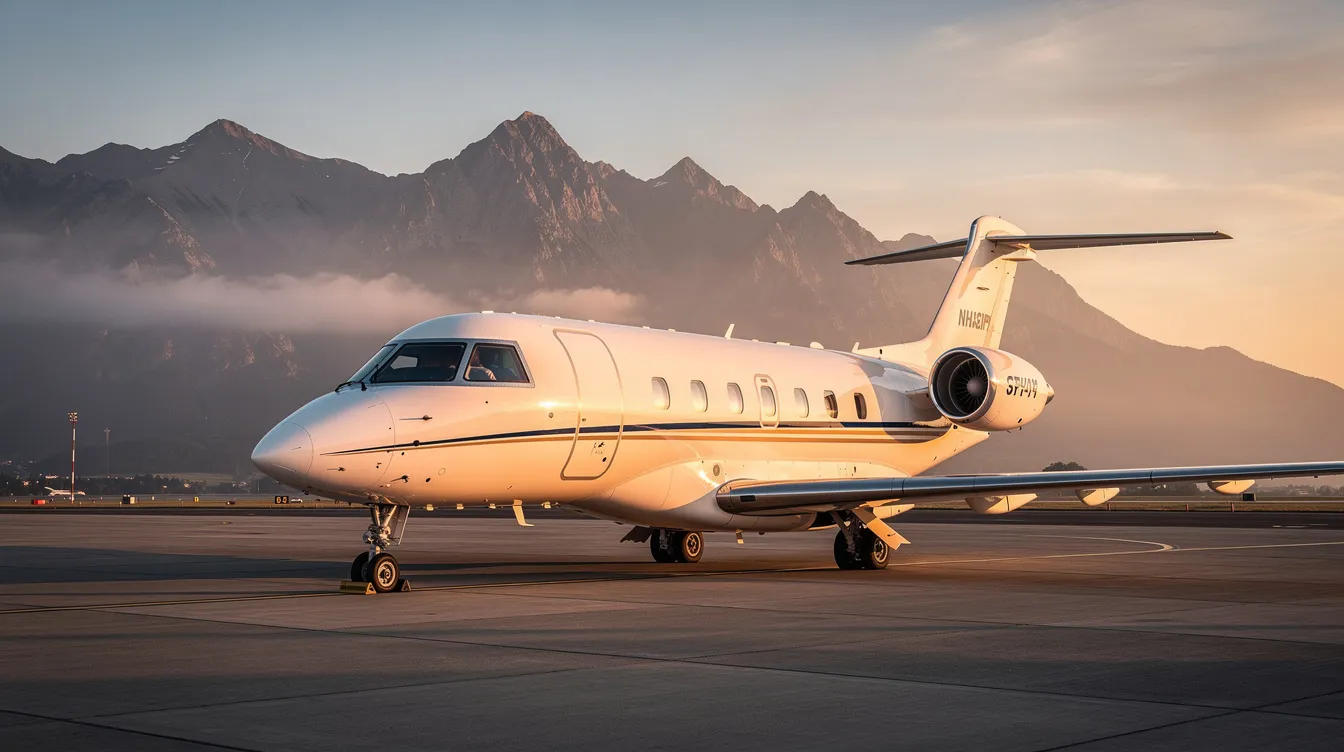
Private jet ownership represents one of the most significant financial commitments an individual or business can make—and it extends far beyond the sticker price. This guide breaks down every layer of jet ownership cost, from acquisition to depreciation, and compares ownership models so you can determine whether buying, sharing, or accessing a private jet through a jet card is the right move.
Jet Ownership vs. Access: Why Cost Structure Matters From Day One
Flying private is a strategic decision, not merely a luxury one. A business executive traveling from New York to Los Angeles on commercial first class still faces security lines, terminal waits, and rigid schedules. A private jet departing from Teterboro eliminates those friction points, often saving three to four hours door-to-door. Private aviation can offer significant advantages in flexibility, time savings, and access to smaller airports compared to commercial travel—advantages that compound across dozens of annual trips.
But here is the reality prospective owners need to absorb early: the true cost of owning a private jet goes well beyond the initial purchase price. It equals acquisition cost plus annual fixed costs (hangar fees, crew salaries, insurance) plus variable trip costs (fuel, maintenance, landing fees) plus lifecycle costs (depreciation, resale risk). Owning a private jet involves both fixed and variable costs, and each category demands careful forecasting.
The numbers are substantial. Operating costs range from $500,000 to $1.2 million annually for most whole jet ownership scenarios—excluding the several million dollars spent on the aircraft itself. Annual operational expenses for private jets can range from $200,000 to over $4 million depending on the aircraft type and mission profile.
Three primary access paths exist for flying private:
Access model | Cost structure and trade-offs |
|---|
Whole aircraft ownership | Full control, highest capital costs, greatest fixed-cost exposure. |
Fractional jet ownership | Purchase a share of a managed aircraft for guaranteed flight hours with shared ongoing expenses. |
Non-ownership access | Jet cards (like BlackJet) and on-demand charter offer prepaid hours, no asset risk, and fewer fixed obligations. |
For most travelers logging under 200 hours per year, non-ownership models are often more cost-effective than owning a private aircraft outright. Chartering a private jet can often be more economical for those flying less frequently than 200 hours a year.
Aircraft Purchase Price: The First (And Biggest) Jet Ownership Check
The initial purchase price of a private jet varies massively by aircraft category, age, and equipment. In 2026, demand for desirable models remains strong, keeping both new and used aircraft values elevated. Private jet purchase prices range from $2 million to $100 million depending on class and configuration, with a wide range of 10 million private jet options sitting in the middle of that spectrum.
Here are typical 2026 price bands for new and used aircraft:
Category | Example Models | New Price Range | Pre-Owned (10–15 years) |
|---|
Very light/light jets | Phenom 300E, Citation CJ4 Gen2 | $3 million–$8 million | $3–$5 million |
Midsize jets | Citation Latitude, Praetor 500 | $9 million–$25 million | $5–$10 million |
Large cabin jets | Challenger 650, Gulfstream G500 | $25 million–$75 million | $12–$30 million |
Ultra long-range jets | Gulfstream G700, Global 7500 | $75 million–$100 million+ | Varies widely |
Very light jets cost between $3 million and $8 million, midsize jets typically cost between $9 million and $25 million, and ultra-long-range jets can cost between $75 million and $100 million—underscoring how dramatically the purchase price shifts by category.
Pre-owned aircraft often carry hidden costs. Avionics upgrades, interior refurbishment, and catch-up maintenance can add $500,000 to $3 million and sideline the aircraft for months of downtime. Many private jet owners put 20–40% down and finance the balance, which adds interest payments but preserves liquidity. The fair market value at resale becomes a critical variable in any financing model, as larger jets tend to have steeper depreciation curves.
Fixed Annual Operating Costs: What You Pay Whether You Fly Or Not
Fixed costs are expenses incurred regardless of whether the aircraft flies. They dominate the cost structure at low flight hours and represent the ongoing expenses that surprise many first-time owners.
Most private jet owners spend roughly $300,000 to $900,000 per year in fixed costs alone on a modern light-to-large jet—even at zero flight hours. Large-cabin and ultra-long-range jets can incur annual costs exceeding $5 million, excluding the purchase price. Fixed costs lead to higher effective rates per flight hour if the aircraft is not flown frequently.
Key fixed cost categories include:
Crew salaries and recurrent training
Hangar fees and aircraft cleaning
Hull and liability insurance
Monthly management fees and administration
Navigation data subscriptions
Regulatory compliance and record-keeping
Sample scenario: A 2026 Embraer Praetor 500 based at Teterboro—one of the busiest private jet hubs in the U.S.—would carry roughly $450,000 to $700,000 in annual costs before a single trip. Aircraft management companies help oversee operations, often costing between $30,000 and $180,000 annually depending on scope. Whether you self-manage or hire a management company, the basing airport and aircraft size dramatically change this budget.
Crew Salaries and Training
Crew costs represent both a safety investment and one of the largest line items in private jet ownership. These are ongoing costs that persist regardless of utilization.
2026 salary ranges for typical crew positions:
Captain (light jet): $100,000–$170,000 per year
Captain (large/ultra-long-range jet): $200,000–$300,000+
First officer: $80,000–$180,000 depending on aircraft type and experience
Flight attendants (large cabin/ULR): $70,000–$130,000
Annual crew salaries for pilots can range from $200,000 to $500,000 for a two-pilot operation when factoring both positions. Annual crew salaries range from $85,000 to $300,000 per pilot depending on jet class and mission complexity. Benefits, per diems, lodging, and recurrent simulator training can add 20–40% above base crew salaries—simulator training alone runs $20,000 to $60,000 annually per pilot.
Operating rules matter: very light jets may permit single-pilot operations in limited cases, but most business jets require two pilots. International operations, overnight trips, and 24/7 availability needs can require reserve crews and cabin attendants, driving crew costs higher. Many owners work with management companies that hire and manage pilots, but the cost is still borne by the owner, typically wrapped into management fees.
Hangar Fees and Insurance
Storing and protecting your private aircraft is essential to preserve its fair market value and ensure reliability. These infrastructure costs for a private jet vary widely by geography and jet size.
Hangar fees:
Smaller regional airports (light jets): $500–$3,000 per month
Congested hubs like Teterboro or Van Nuys (larger jets): $3,000–$15,000+ per month
Annualized, hangar fees can vary greatly based on the airport location, typically ranging from $30,000 to over $200,000 annually
Insurance:
Liability insurance and hull coverage commonly run $15,000 to $250,000 annually
Insurance costs are influenced by aircraft value and pilot experience, with insurance premiums varying from $15,000 to over $85,000 annually for most categories
New jets typically incur higher insurance premiums than pre-owned jets due to higher hull values
Other Fixed Infrastructure Costs
Other fixed and infrastructure expenses can include:
FBO costs and ramp fees when away from home base
Navigation updates costing $3,000–$5,000 annually per aircraft
Security, heated hangars, and dehumidified storage for high-value jets, which add tens of thousands to annual budgets
Because these ownership costs don't scale with hours per year, low-utilization owners pay a disproportionately high cost per flight hour on infrastructure alone.
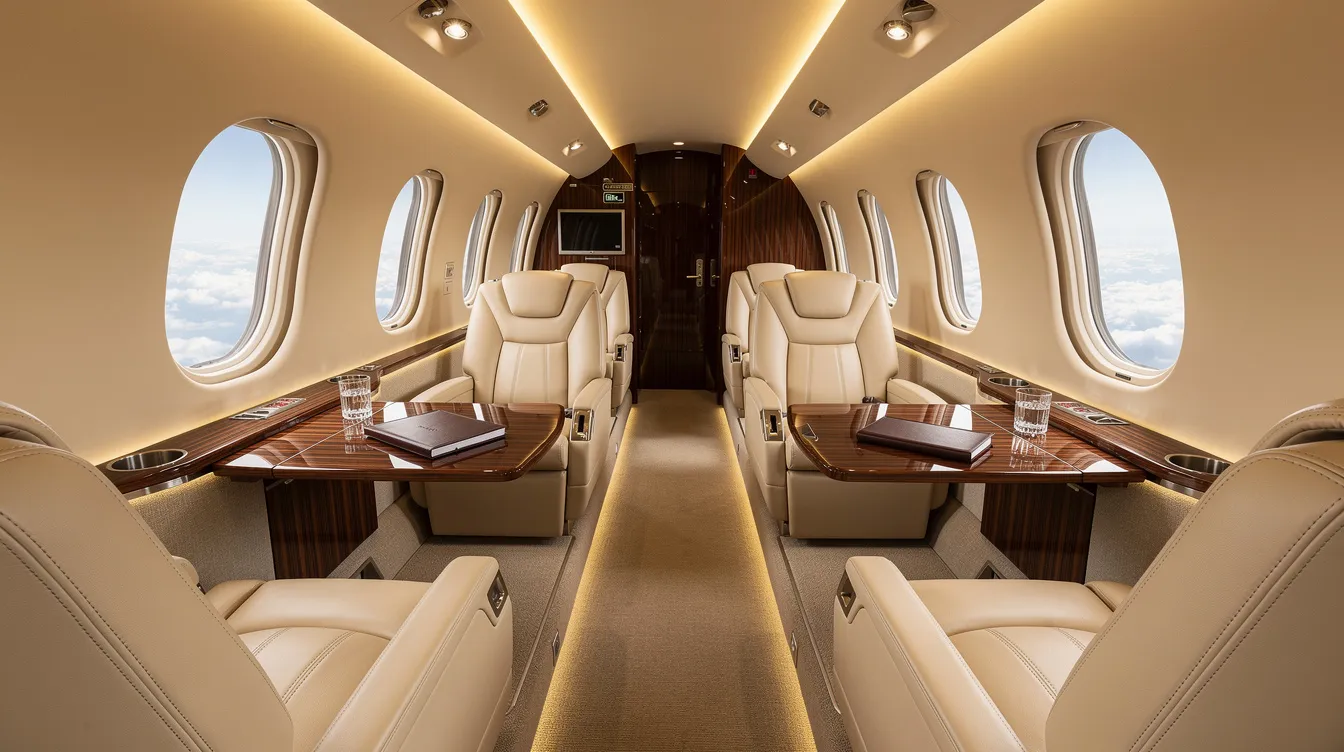
Variable Operating Costs: Fuel, Maintenance, and Every Hour You Fly
Variable costs scale directly with flight hours, including fuel and maintenance expenses. Your trip profile—short domestic hops versus long-haul international missions—determines how quickly these accumulate.
Fuel Costs
The cost of jet fuel generally fluctuates between $4 and $7 per gallon in 2026
Typical hourly burn: very light jets 80–120 gallons/hour, light jets 120–200, midsize 200–250, large/ULR 350–500+
An ultra-long-range jet may burn roughly $3,000 of fuel per flight hour
Jet fuel is one of the largest variable expenses for private jets—fuel costs account for 25–35% of total operating expenses
Maintenance Costs
Routine maintenance checks and scheduled component overhauls commonly equal 5–10% of aircraft value per year for active aircraft
Maintenance reserves of $300–$1,000+ per flight hour are set aside for engine overhauls and airframe work
Maintenance costs can reach $500,000 to $1 million annually for heavily utilized jets
Unscheduled maintenance and unexpected repairs can add tens of thousands annually to budgets; major unscheduled maintenance events can reach five or six figures.res
Trip-Related and Additional Costs
Landing fees and ground handling range from a few hundred dollars at small fields to several thousand at international hubs
De-icing: $500–$2,500+ per event in colder climates
International operations can add thousands in overflight permits and customs fees
Weather delays can result in unexpected landing fees and overnight charges
Fuel surcharges from management companies or charter operators when the aircraft is placed on a certificate
Very light jets cost $700–$1,800 per flight hour in variable expenses, while heavy jets command operating costs from $4,000 to $7,600 per hour depending on age and mission.
Hours Per Year and Break-Even Analysis: When Ownership Becomes (And Stops Being) Cost Effective
Utilization—how many flight hours you log per year—is the single most important driver of whether whole ownership makes financial sense compared with fractional ownership or jet cards.
General guidelines:
Annual flight hours | Typical consideration |
|---|
Under 50–75 hours | Outright aircraft ownership rarely makes sense; jet cards or on-demand charter are far more cost-effective. |
75–150 hours | The gray zone—compare all-in costs of fractional jet ownership versus high-quality jet cards carefully. |
200–400+ hours | Full jet ownership can be financially justified, especially for businesses that fly frequently and can use the same aircraft heavily. |
Numeric example: An owner of a midsize jet flying 100 hours per year might see an effective total cost of $7,000–$10,000+ per flight hour once fixed costs are allocated. The same aircraft flown 300 hours per year may bring that down to $4,000–$7,000 per hour. The math is straightforward: more flight hours spread fixed costs across more trips, reducing the per-hour burden.
Private jet ownership is typically more beneficial for individuals or businesses flying 250 hours or more annually. Many individual travelers and family offices underestimate their actual flying needs and end up with underutilized aircraft—paying ownership-level costs for charter-level usage.
Fractional Ownership and Fractional Jet Ownership Cost: Middle Ground or Money Trap?
Fractional ownership means purchasing a share of a specific aircraft—typically ranging from 1/16 to 1/2—in a managed fleet in exchange for guaranteed annual hours. Fractional ownership allows purchasing shares of a private jet, offering consistent access to an aircraft without full capital outlay.
Acquisition Cost
1/16 share (~50 hours/year): typically $250,000–$550,000 for turboprops/light jets
1/8 share (~100 hours/year): often $700,000–$1.2 million for light/midsize jets, higher for large cabin jets
Ongoing Fees
Monthly management fees commonly $6,000–$10,000 for light jets, $10,000–$18,000 for midsize, and $18,000–$30,000+ for large aircraft
Occupied hourly fee by category: $4,000–$6,000 light, $5,000–$7,500 midsize, and $7,000–$14,000+ large cabin
Annual costs for fractional ownership can start around $100,000 and scale significantly with aircraft class.
Hidden and Additional Costs
Fuel surcharges of $200–$800 per flight hour
Peak-day and short-notice fees of 10–25% or flat $2,000–$10,000+ per trip
Depreciation: 35–60% value loss on the share over five years
Resale/exit fees of 5–20% or remarketing commissions of 7–12%
Fractional jet ownership can be more economical than full ownership for companies or individuals with predictable usage around 150–200+ hours per year. Fractional ownership and jet cards can provide flexibility and reduced capital commitment compared to full ownership—but fractional still carries depreciation exposure and capital risk.
How BlackJet differs: no acquisition cost, no depreciation exposure, no monthly management fees. You pay only for actual flight hours while still flying private with guaranteed service levels—a stark contrast to the ownership models above.
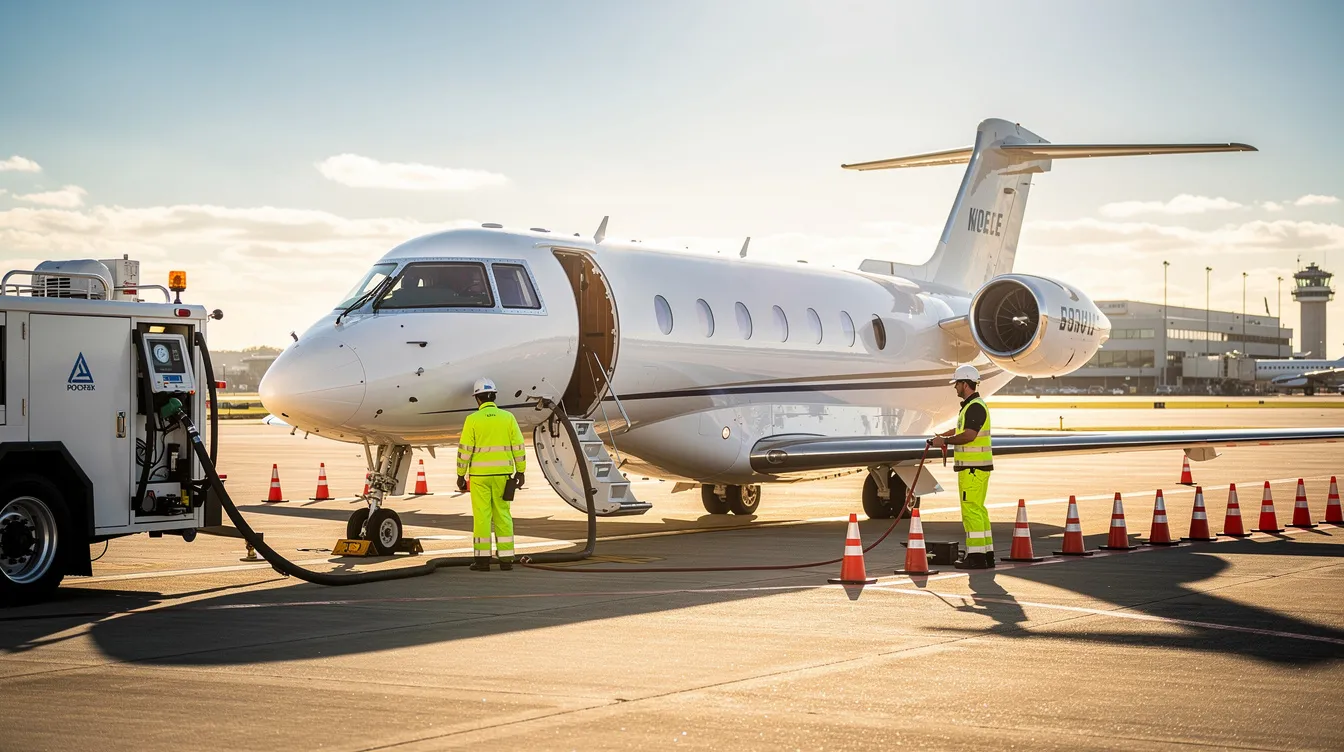
Additional Costs, Tax Considerations, and Depreciation: The Often Overlooked Jet Ownership Factors
Beyond obvious operating items, three factors significantly impact the true cost of jet ownership: lifestyle extras, tax treatment, and long-term depreciation.
Jet Cards and On-Demand Charter: Cost-Effective Alternatives To Jet Ownership
Many high-net-worth and corporate travelers achieve every benefit of flying private without the burdens of aircraft ownership by using jet cards and curated charter, relying on a clear understanding of jet card cost and membership pricing.
What jet cards offer: travelers weighing these programs should also understand jet card pricing structures and how fees are bundled.
Pre-paid blocks of flight hours (e.g., 25- or 50-hour programs) at fixed, all-in hourly rates, making it easier to compare jet card cost per hour against ownership and charter
No acquisition cost, no hangar fees, no crew salaries, and no long-term maintenance or resale obligations
Transparent ongoing costs with no capital tied up in a depreciating asset
BlackJet's Jet Card programs:
25-hour and 50-hour options across cabin classes—light jets through large cabin, which sit alongside other formats like a 100-hour jet card program for very frequent flyers
Carbon-neutral flights included at no extra cost, with rigorous safety certification and 24/7 digital booking
Members choose aircraft category per mission instead of being locked into one owned aircraft, with options like the BlackJet 25+ Hour Jet Card tailoring access to mid, super-mid, and large cabin missions.
Cost comparison at common utilization: Under 150 hours per year, once hangar fees, crew salaries, insurance, and depreciation are included, a jet card's cost per hour is typically lower than owning or fractional alternatives. For a traveler flying 50–100 hours annually, the best jet cards for frequent flyers avoid capital tied up in a depreciating asset and eliminate routine inspections, engine overhauls, and management headaches.
Operational advantages:
No aircraft downtime risk—BlackJet sources a comparable aircraft when your hypothetical owned jet would be in maintenance
Ability to originate and terminate trips in different cities without repositioning
Flexibility to fly the same aircraft class or switch between light jets and large cabin jets depending on the mission
Safety, Technology, and Sustainability: Non-Financial Factors That Still Affect Cost
Sophisticated travelers weigh more than price when choosing between ownership models. Safety oversight, technology, and environmental impact all shape cost decisions—and outcomes.
Safety: Running a safe flight department requires continuous training, audits, and regulatory compliance, all of which add costs to private jet ownership. BlackJet partners only with operators meeting stringent third-party safety certifications, effectively outsourcing this burden for the member.
Technology: Modern avionics and engines improve fuel efficiency and reduce maintenance-related downtime. With BlackJet's premium private jet card programs, travelers benefit from up-to-date technology without personally funding avionics upgrades or new aircraft purchases.
Sustainability: Carbon-neutral flights typically require purchasing offsets or using sustainable aviation fuel, costs that whole aircraft owners shoulder individually. BlackJet includes carbon-neutral performance as standard, bundling sustainability into the hourly rate.
When comparing ownership, fractional ownership, and jet cards, executives should weigh these qualitative factors alongside raw dollar figures and a clear view of the broader private jet price list and cost ranges. Commercial aviation may offer lower per-seat costs, but it cannot match the privacy, schedule control, and mission flexibility of private aviation.
Deciding Your Best Path: Ownership, Fractional, or BlackJet Jet Card?
By now, the complexity of jet ownership costs is clear. Here is a practical decision framework:
Model | Best suited to | Considerations |
|---|
Whole ownership | Your business or family flies 200–400+ hours per year consistently. | You need a highly customized cabin or mission-specific configuration and are willing to manage hangar fees, crew hiring, routine maintenance, and resale risk. |
Fractional jet ownership | Usage is predictable at 150–200+ hours per year. | You want guaranteed availability in specific aircraft types and accept upfront share acquisition and potential depreciation/exit costs. Large groups may instead consider chartering aircraft for around 100 passengers if missions involve sizable teams traveling together. |
A BlackJet Jet Card | You fly 25–150 hours per year and want to fly frequently without capital outlay or ongoing fixed costs. | You value selecting cabin class per trip, carbon-neutral flights, and a technology-driven booking experience, and prefer transparent, all-in hourly rates with no hangar, crew, or maintenance exposure. |
A BlackJet Jet Card may allow travelers to start with the cheapest private jet options or entry-level aircraft categories. Members can stay mindful of the cheapest private aircraft and budget-friendly options, while comparing with other ways to buy just a seat on a private jet, such as shared or semi-private services.

Frequently Asked Questions About Jet Ownership Cost
How much does it cost to own a private jet?
Private jet ownership cost includes the purchase price, fixed annual expenses, variable flight costs, and depreciation. Purchase prices range from about $2 million to $100 million, while annual operating expenses can run from $200,000 to more than $4 million depending on aircraft size, utilization, and mission profile. Large-cabin and ultra-long-range aircraft may exceed $5 million in annual costs before purchase price.
How many hours a year make private jet ownership worthwhile?
Whole ownership is typically most compelling for individuals or businesses flying around 250 hours or more annually, though the break-even point varies by aircraft and trip pattern. For travelers flying fewer than 200 hours, chartering or a jet card may be more economical because it avoids fixed costs such as crew, hangar, insurance, and management.
What is the difference between fractional ownership and a jet card?
Fractional ownership means buying a share—often between 1/16 and 1/2—in an aircraft, with ongoing fees and access tied to that share. A jet card provides prepaid access to flight hours without purchasing an aircraft or taking on depreciation, maintenance, and hangar obligations. Jet cards can also let members choose an aircraft category for each trip.
What are the highest ongoing costs of owning a private jet?
The largest expenses typically include crew salaries, fuel, maintenance, hangar fees, insurance, and aircraft management. Fuel often accounts for 25–35% of operating expenses, while maintenance can reach $500,000 to $1 million annually for heavily used aircraft. Unexpected repairs, international permits, and depreciation can add substantially to the total jet ownership cost.
Are private jet flights safer than commercial flights?
Private and commercial aviation operate under aviation safety regulations, but safety outcomes depend on the operator, aircraft, crew, and oversight practices. Travelers should look for reputable operators with recognized third-party safety certifications, qualified crews, and robust maintenance procedures. With a Jet Card, BlackJet members access operators that meet its safety certification standards without managing an aircraft or flight department themselves.
How does sustainability factor into private jet ownership?
Aircraft owners may choose sustainable aviation fuel where available or purchase carbon offsets, with availability and costs varying by route and provider. BlackJet includes carbon-neutral flights at no extra cost to members, offering a way to account for flight emissions without taking on the separate logistics of managing offsets.
Conclusion: Choose Access That Matches Your Flying
The true jet ownership cost is more than a purchase price: it includes fixed expenses, flight-dependent operating costs, depreciation, and the time required to manage an aircraft. For travelers flying 250 hours or more each year, whole ownership may justify its capital commitment and operational responsibilities. Those flying less often may find fractional ownership, charter, or a Jet Card better aligned with their needs.
For example, an executive making regular regional trips but only occasional long-haul journeys may value choosing the right aircraft class for each mission rather than paying year-round costs for a single jet. BlackJet Jet Card programs provide prepaid access without hangar fees, crew payroll, maintenance reserves, or resale risk, alongside 24/7 digital booking, real-time support, safety certification, and carbon-neutral flights.
Compare the options against your annual flight hours, typical routes, and desired level of control. When private jet access matters more than owning the aircraft, a Jet Card can offer a flexible way to fly on your terms.
Elevate your travel—effortlessly. With BlackJet, private flight is accessible on your terms through Jet Card programs built around rigorous safety, carbon-neutral performance, and unmatched flexibility, even for travelers comparing their options to billionaire private jet price trends. Explore BlackJet's Jet Card offerings and discover how refined, meaningful travel becomes your new standard.


 Sign up with google
 Sign up with Apple