
In 2027, private aviation is no longer a discretionary indulgence—it is a strategic instrument for anyone who treats time as a non-renewable asset. While commercial first class still means security queues, hub layovers, and schedules dictated by airlines, private jet access returns control to the traveler: depart on your timeline, from thousands of airports commercial carriers never touch, with privacy and schedule flexibility. If you are searching for planes for sale, you are likely weighing three paths: outright aircraft purchase on the pre-owned market, ad-hoc charter booked trip by trip, or a structured Jet Card program like BlackJet’s that delivers access without the burden of asset ownership.
This guide is for executives, entrepreneurs, and families considering private aviation solutions in 2027. Choosing the right option can save money and maximize flexibility in a rapidly evolving market.
Consider the contrast. Purchasing a pre-owned 2010 Gulfstream G450 in 2027 means committing roughly $11–$20 million in capital before a single flight, plus substantial annual fixed costs for crew, hangar, insurance, and maintenance. A 2015 Cessna Citation XLS+ carries a lower entry point—around $4.9–$7.8 million—but still demands significant annual expenses at modest utilization. Alternatively, a 25-hour BlackJet Jet Card lets you fly without asset risk, depreciation, or crew payroll, while accessing comparable cabin classes for each trip.
BlackJet provides carbon-neutral flights, safety vetting through third-party audits, and a digital booking platform designed for modern executives. This article will help you decide whether a plane currently listed for sale—or flexible private jet access—is the smarter fit for your travel profile.
What this article covers:
The main categories of aircraft for sale in 2027 and which travel patterns each one serves
A direct cost, flexibility, and risk comparison between ownership and Jet Card access
Safety protocols, avionics standards, and sustainability commitments that listings rarely disclose
How BlackJet helps prospective buyers model the right decision before committing capital
Types of Planes for Sale in 2027 and How They Match Real Travel Needs
Most listings on common aircraft marketplaces—including Controller.com, Trade-A-Plane, and Barnstormers—fall into well-defined categories. Aircraft categories include fixed-wing and rotary-wing types; helicopters are a distinct category of rotary-wing aircraft, while private jets fall under the fixed-wing aircraft category. Aircraft can also be categorized by intended use, such as commercial or military, and different categories have unique specifications and market activity. Local bulletin boards and pilot associations can also surface opportunities that never reach major platforms.
The fundamental rule: buying an aircraft requires matching it to your primary flying mission. Evaluate annual flight hours, typical routes, and passenger loads before browsing listings. Consider the weight of typical passengers and baggage when choosing an aircraft; payload limits can constrain a trip even when the aircraft’s range looks adequate.
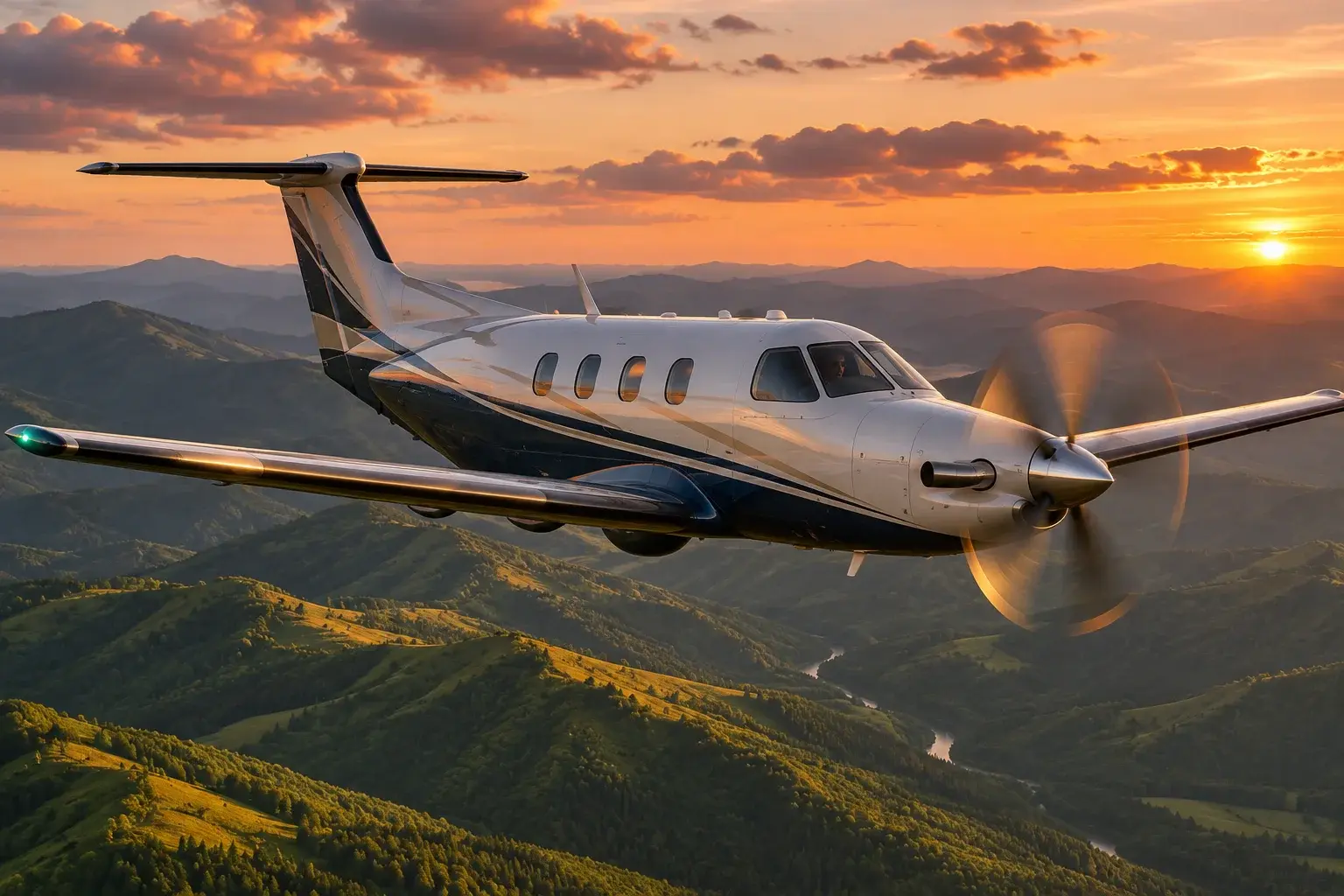
Turboprops (e.g., 2018 Pilatus PC-12 NG, 2019 King Air 350i)
Range and performance: The PC-12 NG offers roughly 1,845 nautical miles of range at about 268 KTAS cruise, burning approximately 64 gallons per hour. For buyers comparing turboprops, pistons, and very light jets, understanding the best small private aircraft for specific missions matters as much as raw performance. Total variable operating cost runs approximately $550–$700 per hour.
Used pricing: 2008–2018 models span roughly $3.1 million to $4.8 million, depending on airframe hours, avionics, and interior. They remain above many budget-friendly private aircraft options.
Ideal missions: Regional hops—Dallas to Santa Fe, Geneva to Ibiza, or Caribbean island-hopping—where runway length or fuel economy matters more than speed.
Ownership vs. Jet Card: Annual fixed costs for a PC-12 can reach $200,000 or more. Travelers flying fewer than 75 hours annually may prefer turboprop access through a Jet Card rather than absorbing fixed expenses on an underused aircraft.
Light Jets (e.g., 2020 Embraer Phenom 300E, 2019 Cessna Citation CJ4)
Passengers and range: Typically 4–7 passengers and approximately 2,000 nm capability—well suited to routes such as New York to Miami or London to Marrakesh.
Cabin features: Buyers may compare flat-floor cabins, Wi-Fi, and modern avionics. Decide if the avionics meet your needs before purchase; upgrading legacy panels can cost hundreds of thousands of dollars.
Used pricing: A pre-owned 2015 Citation XLS+ may list between $4.9 million and $7.8 million; newer, lower-time examples can cost more. At 80 hours per year, total ownership costs can exceed $600,000 annually.
Jet Card alternative: BlackJet’s light-jet category offers comparable aircraft without the capital outlay or fixed-cost exposure. Buyers should understand jet card cost structures and pricing before comparing options.
Midsize and Super-Midsize Jets (e.g., 2017 Bombardier Challenger 350, 2018 Gulfstream G280)
Passengers and range: Usually 8–10 passengers and 3,200–3,600 nm nonstop range. Example routes include Los Angeles to Honolulu, London to Dubai, or New York to Reykjavik.
Used pricing: A mid-life G280 may list between $13 million and $18 million. Buyers also consider the features of a $20 million private jet. Annual fixed costs can reach $550,000–$960,000, with variable costs around $4,700–$5,900 per flight hour.
Jet Card fit: These aircraft feature in BlackJet’s 50-hour Jet Card portfolio for executives traveling intercontinentally several times a year who do not fly enough to justify a $15 million-plus purchase.
Large-Cabin, Long-Range Jets (e.g., 2016 Dassault Falcon 7X, 2015 Gulfstream G650ER)
Passengers and range: Typically 12–16 passengers, with intercontinental range for routes such as New York to Tokyo or Paris to São Paulo.
2027 listing prices: Low-time, well-equipped examples may cost $35 million–$55 million or more. Crew requirements include at least two full-time pilots, maintenance oversight, and large hangars.
Ownership reality: Fixed costs alone can exceed $1.2 million a year. Verify hangar availability early; waitlists at popular airports can be lengthy.
Jet Card access: BlackJet offers large-cabin access without tying tens of millions of dollars to a depreciating asset. For larger events, charter may be more efficient than owning multiple aircraft.
Buying a Plane vs. Jet Card Access: Cost, Flexibility, and Risk
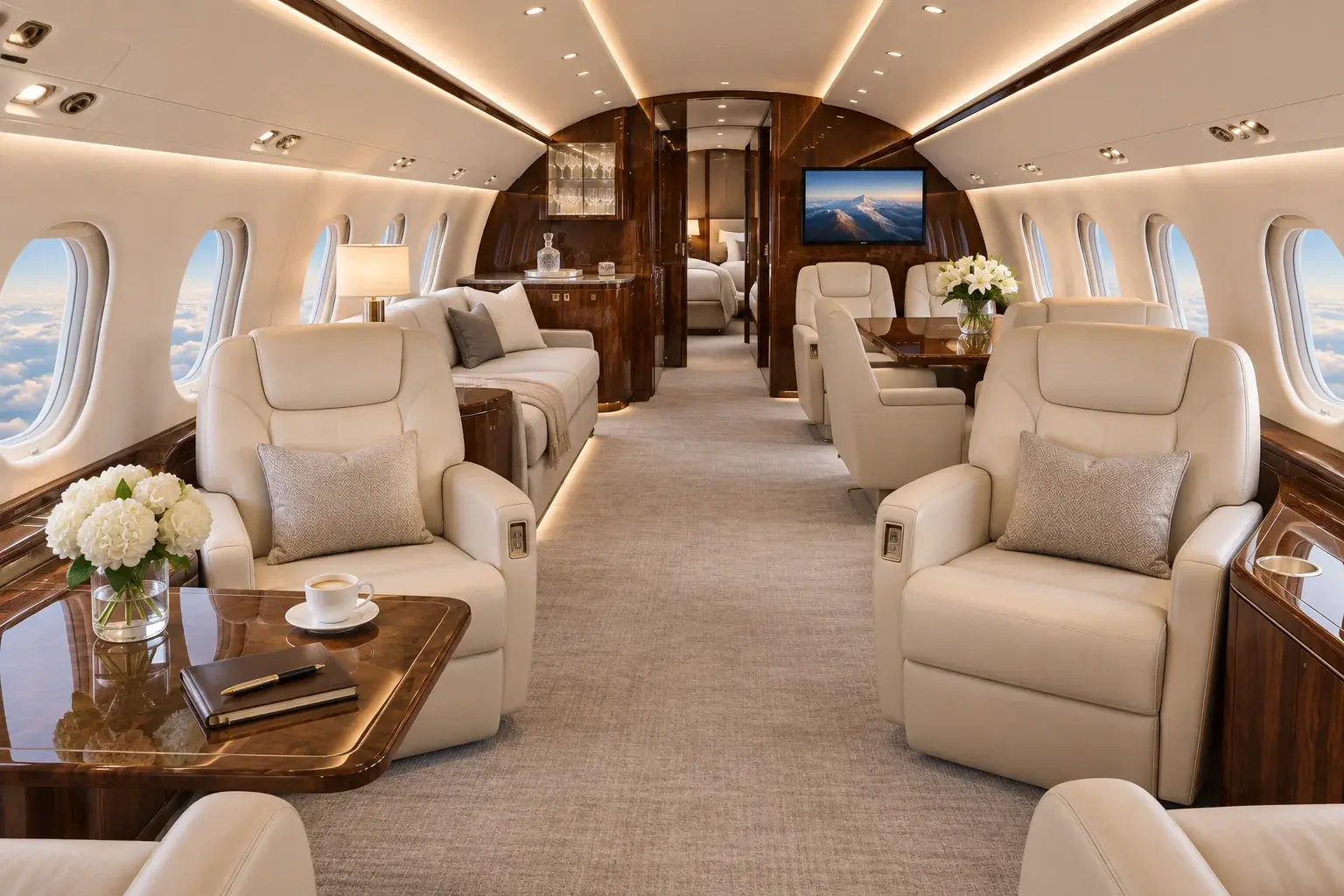
This is the core decision: purchase one aircraft, lock up capital, and manage operational risk, or secure access to a vetted fleet through BlackJet’s 25-hour or 50-hour Jet Card programs?
Consideration | Aircraft ownership | BlackJet Jet Card access |
|---|---|---|
Upfront commitment | Purchase price, often millions of dollars, plus transaction and financing costs | Prepaid flight hours; no aircraft purchase |
Fixed expenses | Crew, hangar, insurance, management, and maintenance costs continue even when the aircraft is idle | No direct responsibility for the aircraft’s crew payroll, hangar, or maintenance bills |
Aircraft choice | Usually one aircraft type and cabin class | Access to multiple cabin types, selected to suit each trip under program terms |
Operational responsibility | Owner coordinates maintenance, training, records, and regulatory compliance | Provider arranges aircraft and operational support; members should review program terms and safety standards |
Best suited to | High, consistent utilization and a defined mission profile | Travelers whose hours, routes, and cabin needs vary |
Key risks | Depreciation, resale value, unexpected repairs, and utilization | Availability, program rules, hourly pricing, and peak-day terms |
Acquisition and ownership costs
Concrete example: Acquiring a 2018 Gulfstream G280 in 2027 may cost approximately $19–$21 million. Annual fixed costs can total $550,000–$960,000, with variable costs adding roughly $4,700–$5,900 per flight hour. Total ownership costs include hangar fees and maintenance expenses whether the aircraft flies or sits idle. Compare the full picture with the private jet price landscape.
Jet Card contrast: A 50-hour BlackJet Jet Card provides a prepaid way to model those hours without depreciation, crew management, or a hangar lease. Review the applicable jet card cost per hour and program terms.
Flexibility
Ownership ties you to one aircraft and cabin class. If your jet is elsewhere, you may pay to reposition it, and runway limitations can constrain destinations.
Jet Card access lets you select a suitable aircraft category per trip—a light jet for a short Boston-to-Toronto hop in March 2027, for example, and a larger cabin for a summer transatlantic journey—through BlackJet’s mobile platform.
Utilization and break-even
Ownership may approach cost parity with Jet Card access only at very high utilization—often 250–300 or more flight hours each year, sustained over time. Travelers can also compare alternatives such as a 100-hour Jet Card program.
For travelers flying 25–150 hours annually, a Jet Card may offer better value once depreciation, insurance, and unplanned maintenance are included. Compare the best Jet Card programs for frequent flyers against your needs.
Safety and operations
Ownership requires maintenance tracking, pilot training, regulatory compliance, and adherence to mandatory FAA Airworthiness Directives. Airplane purchase decisions should account for ongoing operational costs beyond the acquisition price.
Jet Card members should review operator vetting, pilot requirements, recurrent training, and third-party audit standards. Learn about BlackJet’s proprietary safety certification and ARGUS Platinum-rated operators.
Tax and financing
Some buyers may qualify for tax deductions or depreciation benefits, depending on use and applicable law. Tax treatment is individual and should be confirmed with a qualified adviser. Jet Card hours avoid aircraft asset ownership, but their accounting treatment also depends on the traveler’s circumstances.
Ownership is most compelling when utilization is consistently high and the aircraft closely fits a stable mission profile. For lower or variable annual hours, compare the total cost and responsibility with flexible access.
Safety, Technology, and Sustainability: What Listings Don’t Show
Online aircraft listings emphasize interiors, total time, and paint. They rarely tell the full safety, technology, and sustainability story a discerning buyer—or Jet Card member—should examine.
Safety: What to Verify Before You Buy
If you pursue a purchase, due diligence is essential:
Verify that all airframe, engine, and propeller logbooks are complete and continuous. Documentation gaps can conceal deferred maintenance or unreported incidents.
Check for past damage and corrosion history before buying an aircraft. A clean exterior can hide structural repairs that affect airworthiness.
Total airframe hours are crucial for evaluating aircraft condition and proximity to major inspections or engine overhauls.
Always hire an independent mechanic for a pre-purchase inspection. Pre-purchase inspections are essential before finalizing aircraft purchases; do not rely solely on the seller’s representations.
Review engine-program enrollment and recent major inspection records.
Confirm compliance with mandatory FAA Airworthiness Directives. Outstanding directives can ground an aircraft or require costly repairs.
BlackJet states that aircraft accessible through its Jet Cards must meet safety benchmarks that include third-party audits, pilot-hour requirements, safety management programs, and operator ratings. Ask providers for current documentation and details about their standards.
Technology: The 2027 Avionics Standard
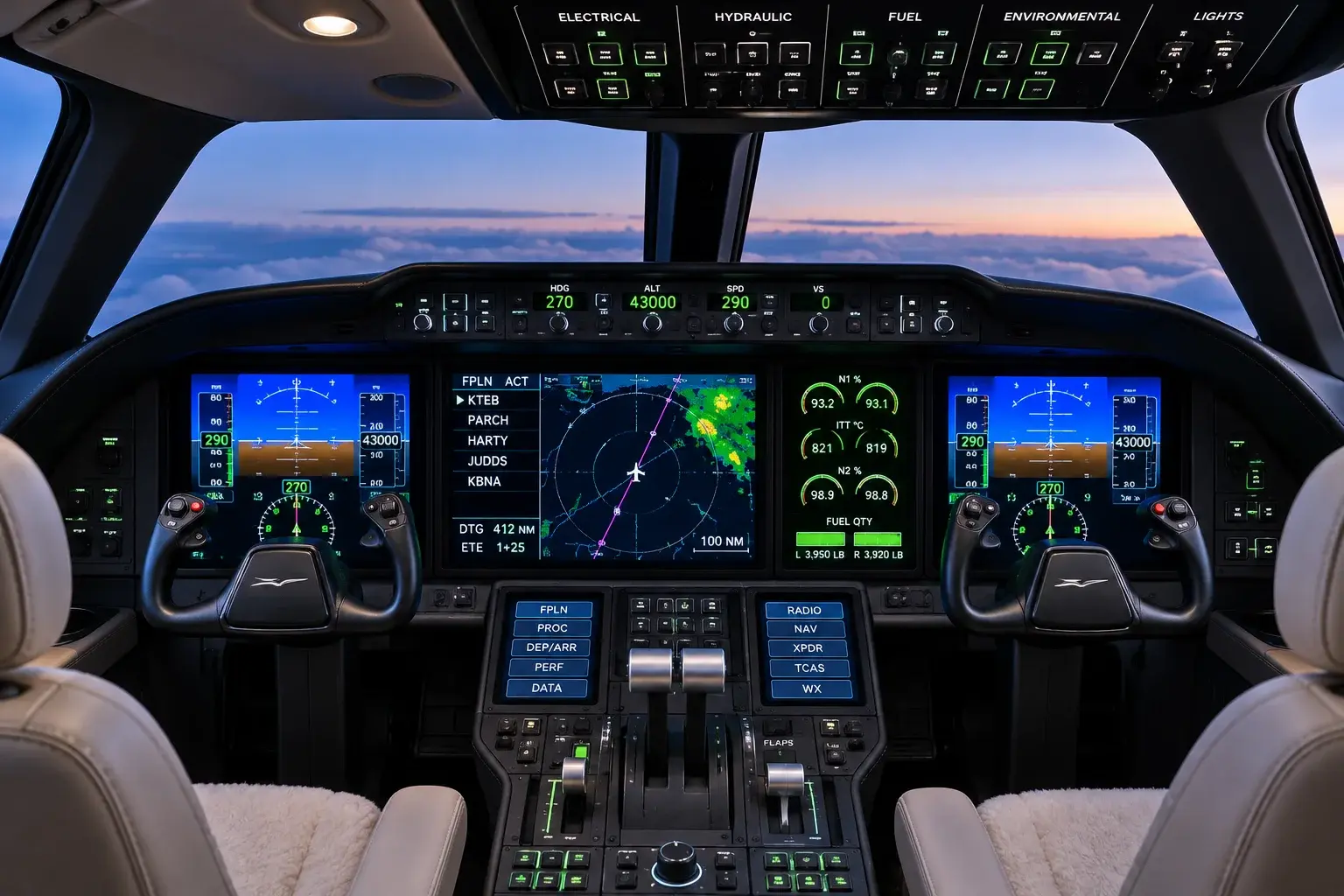
Modern expectations may include ADS-B Out compliance, WAAS/LPV-enabled approaches, digital glass cockpits, satellite connectivity, and advanced weather radar with synthetic vision. These features support the premium private jet card experience and charter solutions.
Used aircraft may require substantial avionics upgrades to meet an owner’s operational needs.
BlackJet’s digital booking and real-time support provide itinerary updates, weather notifications, and schedule information. These tools distinguish modern private jet membership models from traditional ownership.
Sustainability: Carbon-Neutral by Default
BlackJet states that its flights are carbon neutral for Jet Card members through verified carbon offset programs, with sustainable aviation fuel integrations where available. See BlackJet’s sustainability information.
SAF mandates are advancing. The EU’s ReFuelEU Aviation regulation sets a 6% SAF blend requirement for 2030. Private aviation’s environmental performance is receiving increasing attention from corporate boards and family offices.
An aircraft owner must arrange emissions mitigation independently. BlackJet includes its carbon-neutral approach as a standard feature, according to the company.
How BlackJet Helps You Decide: From Browsing Planes for Sale to Smart Private Jet Access
Many BlackJet members began by browsing listings on Controller.com and Trade-A-Plane, requesting specification sheets, or scheduling inspections. Some also explore buying individual seats on private jets. Comparing real travel patterns with Jet Card access can clarify whether flexible access better suits their needs and risk tolerance.

Who Flies with BlackJet
Executives flying New York to London several times a year, alongside regional U.S. trips that vary with business needs.
Families traveling between Los Angeles, Aspen, and Cabo during holiday periods, with passenger counts and luggage varying by trip.
Entrepreneurs with irregular, time-sensitive travel who value flexible scheduling and support.
The Jet Card Structure
Jet cards offer prepaid access to private jets. BlackJet typically offers 25-hour and 50-hour cards, including the BlackJet 25+ Hour Jet Card. Members can access multiple cabin types—light, midsize, super-midsize, and large-cabin—subject to program terms. Jet Card users benefit from 24/7 digital booking tools and real-time support for route changes, weather disruptions, and schedule shifts.
Scenario: One Card, Two Missions
In June 2027, a client needs a same-day flight from San Francisco to Vancouver for a board meeting, a mission suited to a light jet. Two weeks later, the client takes family from San Francisco to Maui, a longer trip requiring careful consideration of aircraft range, routing, and cabin comfort. One owned light jet may not suit both missions. With Jet Card access, the member can request an aircraft category appropriate to each trip from a single prepaid balance, subject to availability and program terms.
Advisory Support
BlackJet’s aviation specialists can help prospects compare buying a specific aircraft—such as a listed 2019 Phenom 300E—with a Jet Card. A five-year analysis can consider acquisition, depreciation, fixed and variable costs, and eventual sale alongside the cost of prepaid access. Prospects can also review benchmarks such as NetJets Jet Card pricing and structures.
Why Members Stay
Members may value safety, sustainability, digital booking, transparent pricing, and itinerary support. Offerings vary, so compare providers and program terms, including those of the top private jet companies, before deciding.
Explore premium jet access with BlackJet before committing to a single plane for sale. Whether you are evaluating a turboprop or a large-cabin jet, BlackJet’s team can help model your 2027–2029 travel plans and compare ownership with Jet Card access.
Elevate your travel—effortlessly. With BlackJet, private flight is accessible on your terms through Jet Card programs built around safety, carbon-neutral performance, and flexibility. Discover how refined, meaningful travel can become your new standard.
Frequently Asked Questions About Planes for Sale and Jet Card Access
What should I check before buying a used aircraft?
Match the aircraft to your primary flying mission, then review airframe hours, maintenance history, damage and corrosion records, and complete airframe, engine, and propeller logbooks. Confirm compliance with mandatory FAA Airworthiness Directives and hire an independent mechanic for a pre-purchase inspection. Also assess avionics, passenger and baggage payload, hangar availability, and ongoing operating costs—not just the asking price.
Is buying a plane more cost-effective than using a Jet Card?
It depends on annual utilization, aircraft type, and how much operational responsibility you want. Ownership may become more competitive for travelers flying consistently high annual hours on a suitable aircraft, but it involves acquisition costs, depreciation, crew, insurance, maintenance, and hangar fees. A Jet Card offers prepaid access without aircraft ownership and may suit travelers whose hours or cabin needs vary.
What is a Jet Card, and what does it include?
A Jet Card is a prepaid private aviation program that gives members access to flights under defined program terms. BlackJet typically offers 25-hour and 50-hour options, multiple cabin types, 24/7 digital booking tools, and real-time support. Review aircraft availability, rates, peak-day rules, and other terms before enrolling.
Which aircraft category should I choose?
Choose based on route length, passenger count, baggage, runway requirements, and comfort preferences. Turboprops and light jets can suit regional trips; midsize and super-midsize jets offer more cabin space and range; large-cabin jets are designed for longer international missions and larger groups. Jet Card access can let travelers choose a suitable category for each trip rather than rely on one owned aircraft.
How can I evaluate private aviation safety?
For a purchase, inspect maintenance records, confirm regulatory compliance, and commission an independent pre-purchase inspection. For charter or Jet Card travel, ask how operators and crews are vetted, which third-party safety ratings or audits are required, and how recurrent training and safety management are handled. Review the provider’s current standards and supporting documentation.
Are private flights carbon neutral?
BlackJet states that its flights are carbon neutral for Jet Card members through verified carbon offset programs, with sustainable aviation fuel integrations where available. Ask providers how emissions are calculated, which offset programs are used, and whether SAF is available for your route. Carbon programs and fuel availability can vary by provider and flight.
Conclusion: Choose Access That Matches Your Mission
Searching for planes for sale is a useful starting point, but the right decision depends on how often you fly, where you go, and how much responsibility you want to take on. Aircraft ownership can make sense for travelers with consistently high utilization, a clear mission profile, and the resources to manage crew, maintenance, hangar space, and resale risk. For many executives and families, a Jet Card offers a more adaptable way to secure private jet access without tying capital to a single aircraft.
BlackJet’s 25-hour and 50-hour Jet Card programs provide prepaid access to multiple cabin types, supported by digital booking, real-time assistance, private aviation safety standards, and carbon-neutral flights. That flexibility can mean choosing a light jet for a short business trip and a larger cabin for a family journey, rather than compromising around one owned plane. Before making a commitment in 2027, compare the full cost and operational demands of ownership with the travel flexibility you actually need.
Explore premium jet access with BlackJet—and discover a more considered way to travel privately.