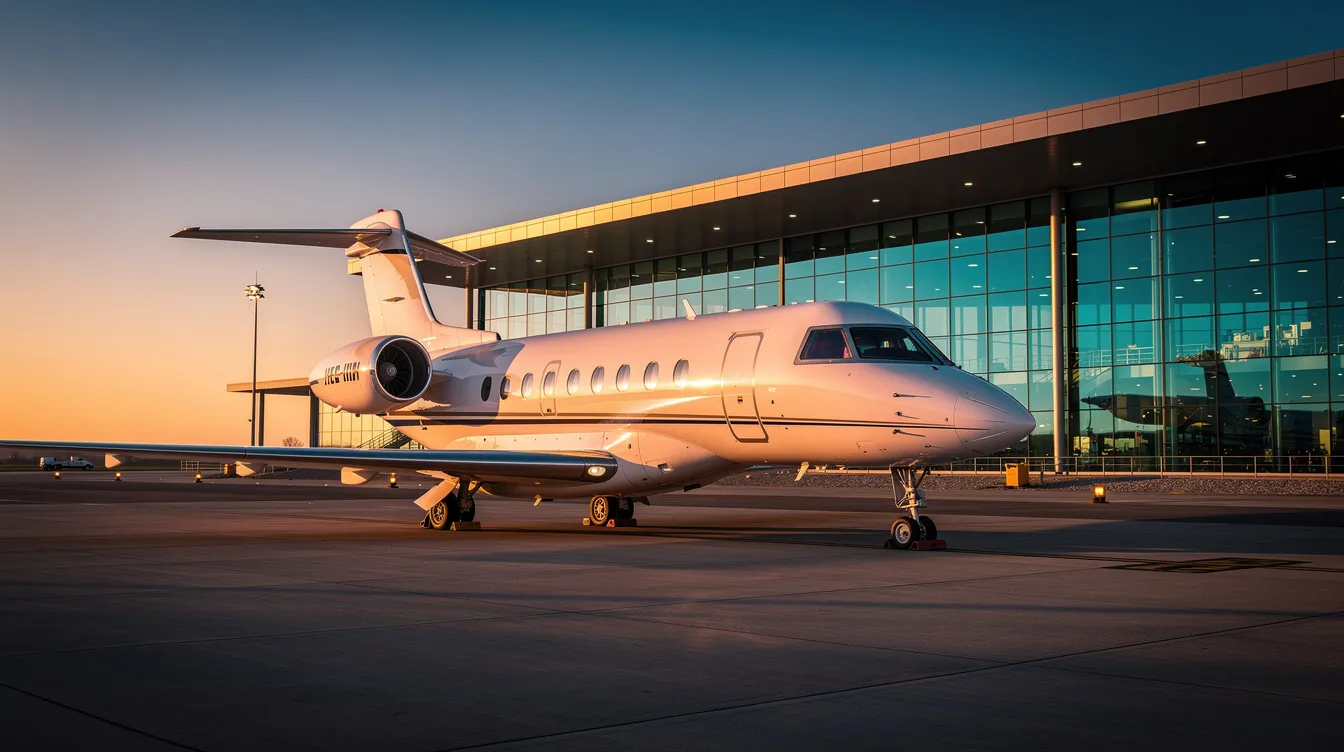
For executives, founders, families, and high-net-worth travelers, private aviation is not simply a luxury. It is a strategic advantage: fewer wasted hours, more control over the calendar, and a quieter environment to work, rest, or travel with complete discretion. With BlackJet, private plane charter becomes a more intelligent way to move, supported by digital booking, expert advisors, certified operators, and carbon-neutral flights.
Private Plane Charter Quick Quote & Why It Matters
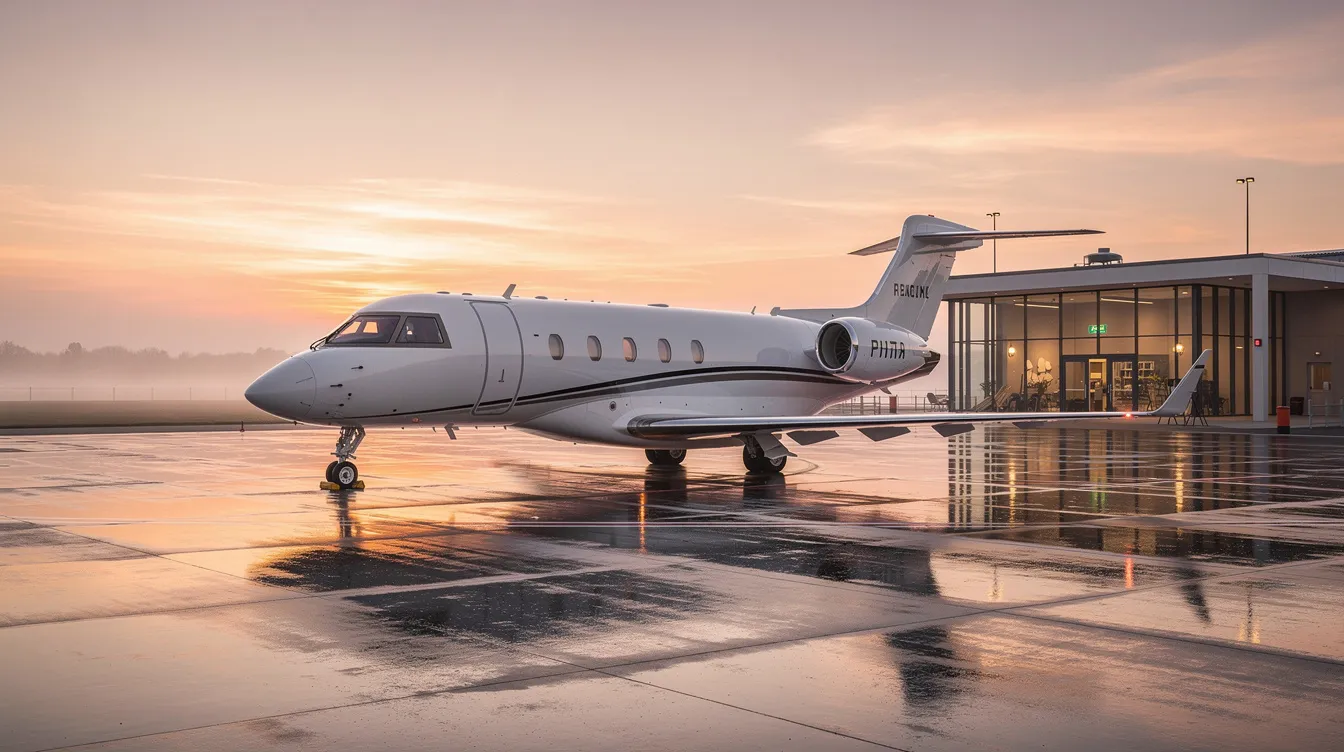
A New York–Chicago day trip can become an all-day exercise in commercial air travel: early arrival, crowded terminals, security lines, boarding delays, and fixed departure times. Flying private changes the equation. Travelers often arrive just 15 to 30 minutes before departure, board through fixed base operators, and take off according to the schedule that serves the trip, not the airline.
BlackJet’s instant private jet charter quote experience gives travelers a faster way to see real pricing on private jets and understand a broader private jet price list of costs and options without long forms or phone tag.
To request an estimate, enter:
In under 60 seconds, BlackJet can surface estimated private jet rental pricing across aircraft options such as light jets, midsize jets, super-midsize aircraft, and heavy jet charter options. Every BlackJet private flight is carbon-neutral by default.
For example, a Teterboro–Miami private jet flight on a midsize jet may be quoted based on roughly 2.5 to 3 flight hours, aircraft availability, airport handling, federal excise tax, and any repositioning. The first number you see is preliminary; for complex trips such as multi-leg roadshows, international flights, or last-minute peak-day travel, BlackJet advisors refine the quote to confirm safety, legality, routing, and cost efficiency.
How Much Does a Private Plane Charter Cost?
Private jet rental prices typically range from $1,800 to $18,000 per billable flight hour, depending on the type of aircraft and other factors. This range covers a variety of aircraft categories, from versatile turboprops to ultra-luxurious executive jets. Costs can also vary significantly based on flight distance, aircraft type, and optional services such as catering and ground transportation. Travelers considering smaller aircraft can review a comprehensive guide to chartering a small plane and its costs for further context. More broadly, on-demand private jet rentals typically cost between $2,000 and over $14,000 per hour, depending on aircraft size.
Pricing is per aircraft, not per seat. A 6-passenger light jet and a 2-passenger trip usually cost the same for that leg if the same aircraft is used.
Typical Hourly Rates by Aircraft Type
Turboprops: Hourly rates for chartering a turboprop start at around $2,000. Turboprop aircraft are particularly cost-efficient for distances ranging from 600 to 1,000 miles, making them a popular choice for regional travel.
Light jets and very light jets: Roughly $2,000–$4,000 per hour for 2–7 passengers. Light jets generally accommodate four to eight passengers and can cover distances up to 1,500 miles without refueling, making them well-suited for shorter journeys and attractive as budget-friendly private aircraft options for cost-conscious flyers.
Midsize jets: Roughly $3,500–$6,000 per hour for 6–8 passengers. Typical costs for mid-sized jets range from $3,200 to $4,400 per hour, while super mid-sized jets range from $3,600 to $6,000 per hour.
Super-midsize and heavy jet charter: Approximately $6,000–$11,000+ per hour for 8–16 passengers. Hourly rates for private jet charters vary significantly based on aircraft size, with turboprop charters starting around $2,000 per hour and heavy jets costing closer to $10,000 per hour, especially when you move into the largest private jets for sale and charter.
Ultra-long-range jets: These jets are capable of nonstop intercontinental travel, connecting major cities without the need for refueling, and are increasingly in demand for business travel. Pricing for ultra-long-range jets can reach higher five-figure hourly totals on select aircraft and routes, reflecting their advanced capabilities and extended range.
Private Jet Charter Pricing Overview
Aircraft Type | Typical Hourly Rate | Passenger Capacity | Typical Range (Miles) | Ideal Use Case |
|---|
Turboprops | $2,000+ | 4–8 | 600–1,000 | Regional travel, cost-efficient short trips |
Light Jets / Very Light Jets | $2,000–$4,000 | 2–7 | Up to 1,500 | Short to medium trips, budget-conscious travelers |
Midsize Jets | $3,500–$6,000 | 6–8 | ~2,450 | Nonstop coast-to-coast or intercity travel |
Super-Midsize / Heavy Jets | $6,000–$11,000+ | 8–16 | 4,000+ | Long-range business travel, larger groups |
Ultra-Long-Range Jets | $10,000+ (up to $18,000) | 10–19+ | 6,000+ | Intercontinental flights, premium corporate missions |
What’s Included in Pricing
The total cost of a private charter includes:
In the U.S., a standard Federal Excise Tax of 7.5% is applied to domestic U.S. flights. De-icing fees can range from $2,000 to $10,000+ during winter, especially at mountain or cold-weather destinations.
Additional Fees and Taxes
A 1.5-hour light jet from Van Nuys to Napa may be driven mostly by minimum billable time and local airport fees. A 5.5-hour heavy jet from Teterboro to London is shaped by aircraft size, crew planning, international fees, customs, landing fees, and long-distance travel requirements.
What Drives the Cost of Chartering a Private Jet?
Flying private is customized per mission, so every quote is built from several variables rather than a fixed fare chart. The cost of chartering a private jet can fluctuate considerably depending on factors such as the flight distance, the type of aircraft selected, and additional services like catering and ground transportation.
Key Factors Influencing Cost
Aircraft type and aircraft size: A small plane, turboprop, light jet, midsize jet, heavy jet, or ultra-long-range aircraft will each have a different hourly rate, cabin profile, fuel burn, and crew requirement.
Total flight time and distance: The longer the flight time, the more the aircraft, crew, fuel, and operating costs affect the final number. The total cost of a private jet charter can be affected by repositioning fees, crew overnight expenses, and airport handling charges, which vary based on the specific flight and destination.
Positioning legs: If the right aircraft is not already near your departure airport, it may need to fly empty to collect you. BlackJet’s global network helps compare options to reduce unnecessary empty repositioning where possible.
Departure and arrival airports: Commercial airports can be convenient, but smaller airports may offer faster access, lower congestion, and more efficient handling, and fees can also change across different airports based on handling and access requirements. BlackJet may compare Westchester, Teterboro, and Morristown for a New York-area departure.
Timing and peak demand: Factors influencing the cost of private jet charters include flight distance, aircraft type, peak demand scheduling, and additional services such as catering and ground transportation. Holidays, major sporting finals, art fairs, and events such as the Monaco Grand Prix can tighten availability.
Onboard services: Premium catering, personal service, wines, specialty menus, security, medical personnel, and additional services can increase the quote.
Domestic flights vs international flights: Domestic flights may include U.S. federal excise tax, while international flights may require permits, customs, local handling, and other international fees.
Government charges, like the Federal Excise Tax, which is 7.5% on most U.S. domestic charters, and segment or head taxes, are mandated. BlackJet itemizes these charges transparently so members understand the total cost before confirming, which is a key consideration when deciding whether chartering a private jet is worth it compared with commercial travel.
Direct operators own, maintain, and manage their own aircraft fleets, eliminating broker markups if they have a plane at the departure airport. Charter brokers are intermediaries who access a digital network of thousands of aircraft worldwide to source market rates for specific routes. BlackJet’s role is to combine access, technology, safety oversight, and advisor judgment so travelers can evaluate the right aircraft for the mission.
Key Trip Variables: Roundtrip Timing, Positioning & International Fees
When you charter a private jet, how long you stay, where the aircraft overnights, and whether you cross borders can change your cost as much as aircraft choice. A quick return flight, a two-week stay, and a multi-country itinerary are priced differently because the aircraft and crew must be positioned legally and efficiently.
Round-Trip Timing
Same-day or overnight trips may include crew hotel, per diem, parking, or hangar fees if the aircraft remains at the destination.
Longer stays sometimes mean the aircraft returns to base and comes back later, which can either increase cost or improve cost efficiency depending on demand.
Positioning
Positioning is the distance from where the aircraft starts the day to your departure airport.
Shifting from JFK to Teterboro, Van Nuys to Burbank, or a major hub to a regional field can reduce repositioning charges when better availability exists nearby.
International Fees
For international flights, additional charges such as customs and landing fees can apply, which may increase the overall cost of chartering a private jet.
International private jet flights can also include overflight permits, landing permits, immigration, after-hours customs, handling, and security, especially on missions using the best private jets for around 20 passengers.
U.S.-Specific Taxes
Segment fees and international head tax may apply as per-passenger charges when flying to or from the U.S., Alaska, or Hawaii.
BlackJet itemizes these in advance to avoid surprises.
Empty Legs
Empty legs are another variable. “Empty legs” are discounted one-way repositioning flights that occur when an aircraft is needed somewhere else and can be available at a discount of 50–75%. They can be attractive, but they are less flexible than a standard charter flight because the route and timing are tied to the aircraft’s next assignment, and they are one of several ways to buy a seat on a private jet without chartering the entire aircraft.
While these can be attractive options for travelers seeking lower private jet charter costs, they come with reduced flexibility since the timing and routing are fixed based on the aircraft’s next assignment. BlackJet provides access to empty leg opportunities when available, allowing members to enjoy premium private jet experiences at a fraction of the usual cost, with the trade-off of less control over scheduling.
What’s Included in Private Jet Rental Pricing (and What Isn’t)
An all-in private charter quote typically includes the aircraft, crew, fuel, standard airport fees, and mandatory taxes. Certain personal preferences remain à la carte because private jet travel is highly customized.
Usually Included
Aircraft, captain, first officer, and cabin attendant, where applicable
Standard handling and landing fees at chosen airports
Fuel at contracted rates
Standard ramp or parking within scheduled times
Basic onboard refreshments, light snacks, and standard beverages
Coordination with fixed base operators before departure and arrival
Maybe Additional
Premium catering, including chef-prepared meals, specific wines, or dietary menus
Specialized ground transportation such as chauffeured SUVs, sprinter vans, or helicopters
Extra cabin services such as nannies, security personnel, or medical staff
Wi-Fi surcharges on certain aircraft, especially long international legs
Seasonal items such as de-icing or hangar fees in winter destinations, including Aspen or Geneva
Additional fees caused by schedule changes, extended waiting time, or unusual airport restrictions
Private aviation operates on a ticketless system; the charter agreement acts as a reservation, and payment is made up front. BlackJet aims for transparent, line-by-line proposals that show what is included, what is optional, and what has been selected for the member’s specific trip, which is particularly valuable when evaluating the cheapest private jet options and understanding the total cost of access.
Private Jet Cost by Aircraft Type: Light, Midsize, Super-Midsize & Heavy
Aircraft selection is the main lever for balancing cost, comfort, and mission profile when chartering a private plane. Aircraft are categorized into different tiers, including light jets, midsize jets, super-midsize/heavy jets, and ultra-long-range jets, each suited for specific mission profiles.
Light Jets / Very Light Jets
Best for 2–6 passengers on flights up to roughly 3–4 hours.
Route example: Los Angeles–Las Vegas or London–Geneva.
They offer speed and privacy, though baggage capacity and standing headroom can be limited.
Midsize Jets
Typically seats 6–8 passengers, with more space and, on some models, stand-up cabin comfort.
Midsize jets are suitable for flights of approximately 2,450 miles, allowing for nonstop travel between major cities, such as from New York to Los Angeles in under five hours.
Super-Midsize Jets
Ideal for U.S. coast-to-coast routes or Western Europe–Middle East missions with 7–9 passengers.
These aircraft usually provide better speed, higher-altitude performance, enhanced Wi-Fi, and stronger cabin amenities than smaller jets.
Heavy Jet Charter and Ultra-Long-Range Aircraft
Heavy jets typically seat 10–14 passengers with full stand-up cabins, lie-flat beds, full galleys, more baggage capacity, and dedicated cabin crew.
Heavy jets are designed to carry many passengers and baggage over long distances, typically with an average range of 7,000 miles or eight hours of nonstop flying time.
Ultra-Long-Range Jets
These jets are capable of nonstop intercontinental travel, linking major cities without the need for refueling, and are increasingly sought after for business travel.
They are suited to New York–Dubai, Los Angeles–Tokyo, or other high-priority global fleet missions.
For shorter routes, a turboprop or light jet may deliver excellent cost efficiency. For transatlantic or intercontinental travel, a heavy jet or ultra-long-range aircraft is often the right aircraft because range, baggage, cabin crew, and rest space matter as much as price, especially when comparing the top private jets in the world for long-range missions.
Private Charter vs Jet Card vs Fractional Ownership vs Full Ownership
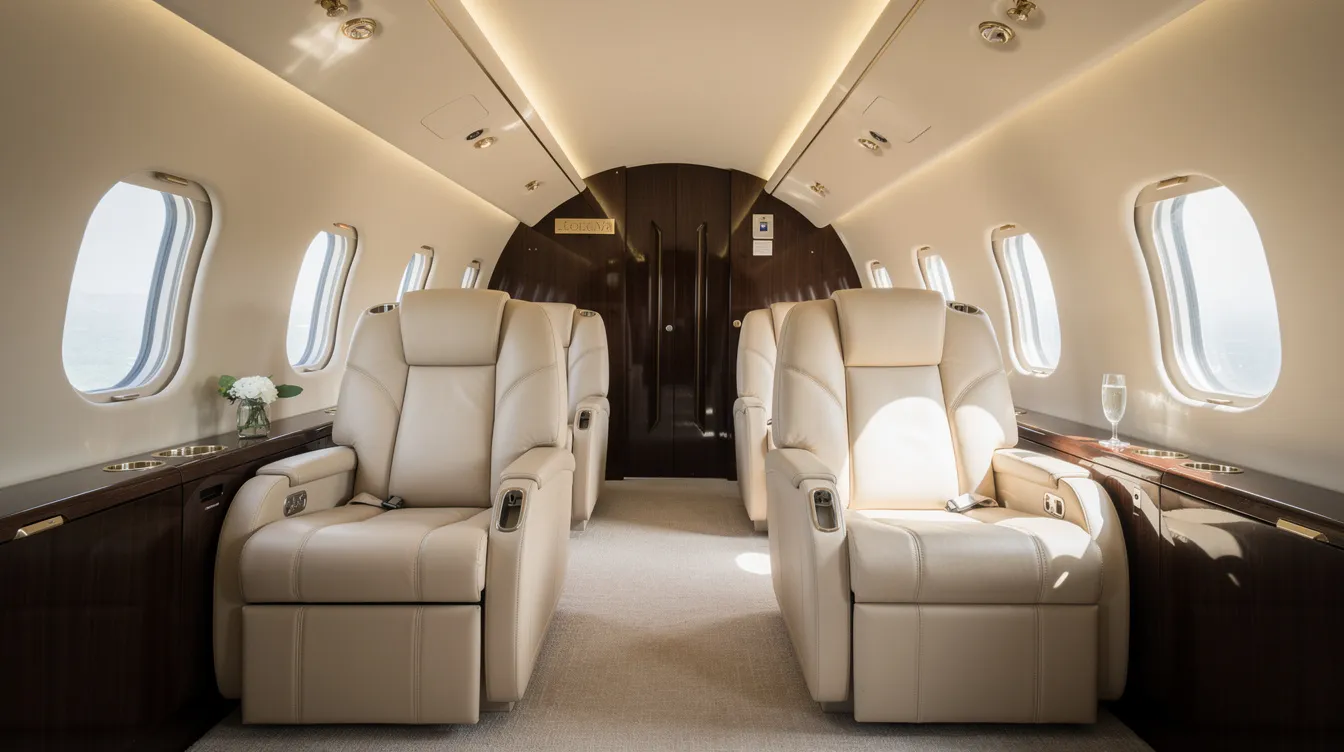
BlackJet is a jet card and membership specialist that also enables on-demand charter, providing a middle path between ad-hoc charters and owning a jet. The best model depends on annual usage, schedule predictability, aircraft preferences, and appetite for ongoing fees.
Private Charter
Pay-as-you-go, trip-by-trip access with maximum flexibility and no long-term commitment.
It suits travelers flying under roughly 25–30 hours per year or those with irregular routes and changing aircraft needs.
Jet Card Membership
BlackJet 25+ Hour Jet Card programs, including 25-hour and 50-hour options, lock in access across multiple cabin classes with predictable pricing, priority support, and carbon-neutral flights.
A jet card simplifies budgeting and gives frequent flyers more confidence than booking every trip from scratch.
Fractional Ownership
Fractional ownership means buying a share of a specific aircraft, such as 1/16th or 1/8th, while paying acquisition costs, monthly management fees, and occupied hourly charges.
It generally makes sense for travelers regularly exceeding 100–150 hours per year and willing to consider resale, depreciation, and tax planning.
Full Aircraft Ownership
Full ownership offers ultimate control but also requires acquisition cost, crew, hangar, insurance, maintenance, compliance, and management oversight, which becomes especially relevant when evaluating 10-million-dollar private jet ownership options.
It typically makes sense only above several hundred annual flight hours.
For many travelers in the 25–150-hour range, BlackJet’s premium jet card and membership programs offer a refined balance: access without ownership complexity, predictable pricing without managing a fleet, and premium private aviation without tens of thousands in avoidable surprises.
How Private Plane Charter Works with BlackJet
BlackJet blends digital booking convenience with high-touch personal service from quote to wheels down. Booking a private plane charter involves defining trip details, selecting a provider, evaluating aircraft options, and finalizing a contract.
The Private Jet Charter Booking Process
The private jet charter booking process generally follows a straightforward four-step procedure:
Inquiry and instant estimate: Members and guests can request a quote through the app, website, or 24/7 phone support. Gather exact trip logistics before contacting providers, including departure and arrival locations, travel dates, requested departure times, passenger count, and luggage estimates.
Aircraft selection: A dedicated BlackJet advisor narrows aircraft options based on passenger count, baggage, cabin preferences, pets, children, conference needs, and route performance.
Confirmation and itinerary: Once an option is chosen, BlackJet confirms the aircraft, operator, and schedule under strict safety criteria. The itinerary includes FBO location, schedule, crew details when available, and confirmed flight details.
Day of flight: Private jet charter services allow for flexible scheduling, enabling travelers to book flights on short notice and choose departure times that suit their needs. Private jet travelers can often check in as little as 15 minutes before departure, greatly minimizing wait times compared to commercial flights.
After-flight support: BlackJet provides post-flight billing clarity, records for corporate accounting, and the ability to reuse favorite aircraft or crews on future trips when planning your next trip.
Private jet travel allows for significant time savings, enabling travelers to bypass long security lines and crowded terminals, often arriving just 15 to 30 minutes before departure. Flying on a private jet provides the flexibility to choose departure times and routes, allowing travelers to avoid the limitations of fixed commercial flight schedules. For travelers balancing budget and convenience, strategies to fly private more affordably can make this level of flexibility more accessible. Private jets offer a more comfortable and personalized travel experience, with spacious cabins and the ability to work or relax during the flight, enhancing overall travel satisfaction.
Safety, Certification & Technology in Modern Private Charter
Safety is the non-negotiable foundation of every private jet flight. Luxury matters, but operator standards, crew qualifications, maintenance programs, and operational oversight matter more.
Safety and Certification
BlackJet works with vetted operators that meet FAA Part 135 or international equivalent standards. FAA Part 135 governs on-demand charter operations and includes requirements for aircraft, manuals, training, maintenance, and operational control, as outlined by the Federal Aviation Administration.
Third-Party Audits
Where applicable, BlackJet prioritizes operators with strong third-party safety ratings such as ARGUS, Wyvern, or IS-BAO. The International Business Aviation Council describes IS-BAO as a global standard aligned with safety management systems and best practices.
Pilot Standards
Experienced, type-rated pilots, recurrent training, and strict duty/rest rules help keep every charter flight within safe operating limits.
Operational Oversight
BlackJet monitors weather, NOTAMs, airport conditions, slot restrictions, winter constraints at Aspen, and summer congestion in Nice so plans can be adjusted before they become problems.
Technology Platform
BlackJet’s digital tools support real-time quoting, secure payment, aircraft tracking, itinerary updates, departure time shifts, FBO information, and operations support.
Data Security and Privacy
Traveler identities, itineraries, passport details, and payment data are handled discreetly and securely, aligning with the expectations of high-profile clients.
This is where BlackJet’s model matters. The platform is not just providing access to aircraft. It coordinates safety, legality, logistics, and traveler experience in one controlled process.
Sustainable & Carbon-Neutral Flying Private with BlackJet
Private jets have a higher per-passenger carbon footprint than commercial flights, especially compared with a full commercial airliner. That is why BlackJet treats sustainability as a core pillar of private aviation rather than an afterthought.
Carbon-Neutral Commitment
Every BlackJet flight achieves carbon neutrality through verified carbon offset projects, included at no extra cost to the member.
Offsets are applied automatically and reported transparently.
SAF and Fleet Efficiency
BlackJet favors newer, more fuel-efficient aircraft types when available and collaborates with operators that are actively integrating Sustainable Aviation Fuel. According to IATA, SAF can significantly reduce lifecycle emissions depending on feedstock and production pathway.
Route and Aircraft Optimization
Selecting the correct aircraft for the mission reduces unnecessary emissions. On some very short routes, a turboprop may be more efficient than a jet; on longer routes, the right heavy jet can avoid inefficient fuel stops.
Example Itinerary
Sustainability in private aviation is not solved by a single tactic. It requires smarter routing, efficient aircraft selection, verified offsets, and SAF adoption where available.
Use Cases: How High-Performers Use Private Charter Strategically
Private jets are tools for leverage. They compress time, protect confidentiality, improve comfort, and make certain trips possible when commercial flights cannot match the schedule.
Executive Roadshows
A CEO and investor-relations team can visit Boston, Chicago, and Dallas in 48 hours using a midsize jet and private terminals.
Instead of losing time to boarding queues and missed connections, the team can hold meetings in-flight and arrive closer to each appointment.
Family Vacations and Leisure Travel
A family from Los Angeles flying to Jackson Hole for a long weekend can travel with ski gear, pets, and children in a quieter cabin.
A super-midsize jet or suitable regional aircraft can access smaller airports, reducing ground time and protecting the first day of vacation.
International Board Meetings
A heavy jet charter from New York to London with a late-evening departure, onboard connectivity, and lie-flat seating can help a board arrive rested for a morning meeting, and similar cabin configurations appear on private jets configured for up to 50 passengers used for board meetings and corporate events.
From there, the group can continue to continental Europe without rebuilding the entire schedule around commercial flights.
Time-Critical Opportunities
A last-minute site visit, major sporting final, art fair, medical consultation, or acquisition meeting may require immediate mobility, and in some cases, private plane rideshare models make shared private plane rides more accessible for these time-sensitive trips.
Flying private gives travelers the ability to choose departure times, routes, and aircraft around the clock.
BlackJet also supports group charters, shared flights where appropriate, and bespoke air charter requests for corporate, entertainment, and family-office travel, including large-scale missions where understanding charter plane costs for around 100 passengers becomes essential.
Frequently Asked Questions About Private Plane Charter
How much notice do I need to charter a private jet?
Many private jet charter service requests can be arranged within a few hours, depending on aircraft availability, crew legality, airport hours, and route complexity. For peak periods, holidays, major events, and international flights, more notice gives BlackJet more aircraft options and better pricing leverage, similar to the dynamics seen across top private jet charter companies in the USA.
Can I bring my pets when flying private?
Yes, many private jet options allow pets in the cabin, subject to operator rules, aircraft approval, and destination documentation. This is one of the major comfort advantages over commercial airlines, where pets may face cargo restrictions or stressful handling.
How early do I need to arrive before my flight?
Most travelers arrive at the private terminal just 15 to 30 minutes before departure. In many cases, check-in for private jet flights can be completed as little as 15 minutes before takeoff, drastically cutting down wait times compared to commercial air travel.
What about baggage limits on private jets?
Private jets are often more flexible than airlines, but every aircraft has specific weight and volume limits. Skis, golf clubs, product samples, pets, and large luggage should be included in the booking process so BlackJet can match the right aircraft to the mission.
Is flying private safe compared with commercial airlines?
Private aviation safety depends on the operator, aircraft maintenance, crew training, and oversight. BlackJet works with vetted operators under Part 135 or international equivalents and prioritizes strong third-party safety credentials where applicable, in line with the standards upheld by leading private jet companies worldwide.
How does the Federal Excise Tax affect my trip cost?
Federal Excise Tax is a mandatory 7.5% tax on most U.S. domestic charters. BlackJet includes the federal excise tax calculation in quotes, so the total cost is visible before confirmation.
Can I charter a private jet for a one-way trip?
Yes. One-way private charter is common, but pricing may include repositioning if the aircraft must fly elsewhere before or after your trip. Empty legs may offer significant savings, often discounted by 50–75%, as they involve repositioning flights where the aircraft would otherwise fly empty, sometimes even on the most expensive private jet types when those aircraft need to be moved for their next mission.
While these can be attractive options for travelers seeking lower private jet charter costs, they come with reduced flexibility since the timing and routing are fixed based on the aircraft’s next assignment. BlackJet provides access to empty leg opportunities when available, allowing members to enjoy premium private jet experiences at a fraction of the usual cost, with the trade-off of less control over scheduling.
Conclusion: Elevate Your Travel with BlackJet Private Plane Charter
Private plane charter with BlackJet is more than a luxury—it is a strategic asset for discerning travelers who demand efficiency, flexibility, and unparalleled service. By choosing BlackJet, you gain access to a global network of certified operators, a range of aircraft tailored to your mission, and a commitment to safety and sustainability that sets the industry standard. Whether you fly occasionally or frequently, BlackJet’s innovative digital platform and expert advisors ensure your private jet experience is seamless, transparent, and carbon-neutral.
Experience the freedom to travel on your terms: arrive minutes before departure, avoid commercial airport hassles, and enjoy spacious, personalized cabins designed for work or relaxation. With flexible options from on-demand charters to premium jet card programs, BlackJet empowers you to optimize your travel time and elevate your journey.
Discover how private plane charter with BlackJet can transform your travel—combining prestige, performance, and purpose in every flight. Elevate your travel—effortlessly. Explore our offerings and join our Jet Card program today to unlock premier private aviation access with safety, sustainability, and unmatched flexibility built in.


 Sign up with google
 Sign up with Apple