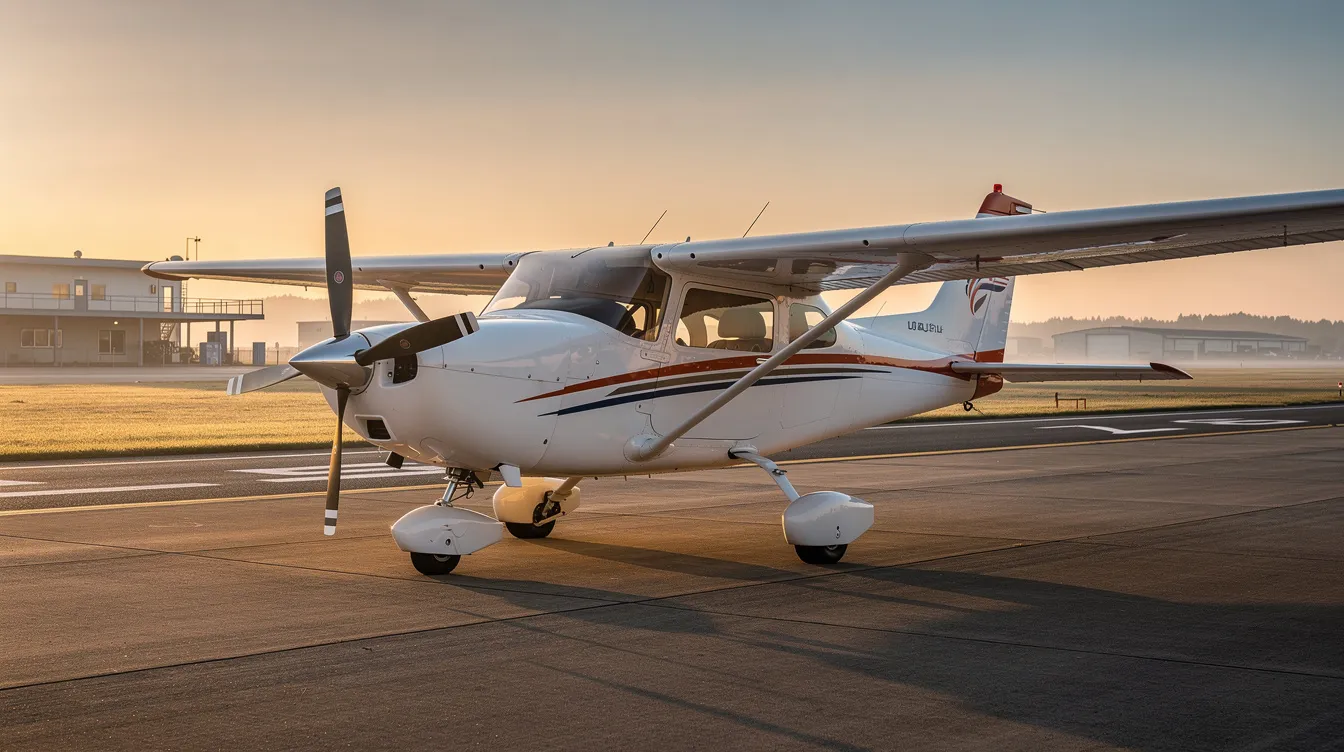
Private aviation is not only a luxury signal. For executives, founders, families, and experienced pilots, it can be a strategic advantage: fewer schedule compromises, more privacy, access to smaller airports, and a travel day built around the person rather than the airline.
This guide looks at private planes for sale under 100k in 2026, what that budget actually buys, and when aircraft ownership makes sense versus charter, fractional ownership, or a BlackJet Jet Card program.
Why Sub‑$100K Aircraft Matter in a Private Jet World
A private jet changes the way a traveler moves through the world: direct routing, private terminals, tailored departure times, and a cabin designed for work or rest. Even a small piston airplane can deliver a bit of that freedom for regional flying, especially when the trip begins and ends near general aviation airports.
For example, New York to Boston might take four to five hours door-to-door on commercial first class after ground transfers, airport arrival time, security, boarding, and delays. A small private plane from a convenient suburban field can often make the same trip in roughly two to three hours, assuming weather and airspace cooperate.
The same logic applies to Los Angeles–Scottsdale. Commercial aviation may be faster in pure cruise speed, but a general aviation airplane can reduce wasted time if the owner lives near a local airport and wants a direct, flexible trip.
BlackJet provides premium private jet access through Jet Cards, including 25-hour and 50-hour programs, but many members are also aviation enthusiasts. Some first explore private planes for sale under 100k before choosing when ownership, charter, or Jet Card access best fits their travel profile.
Reality Check: Can You Really Buy a “Private Jet” Under $100K?
A true private jet is typically a turbofan or turbojet aircraft with a pressurized cabin, professional-grade systems, and an acquisition cost well above $1 million. No practical, airworthy business jet exists under $100,000 in 2026, and even a neglected jet project can need more than that in engine, avionics, and maintenance work.
What buyers usually find when searching private planes for sale under 100k are:
Single-engine piston aircraft, including older Cessna, Piper, and occasional Grumman Tiger listings.
Light-sport aircraft, or LSAs, are strictly regulated by weight and speed and typically have lower operational overhead.
Experimental or kit airplane models, where build quality matters as much as the model name.
Vintage aircraft for sale that may be fun, beautiful, and demanding to maintain.
A budget of $100,000 allows for the purchase of reliable used single-engine piston aircraft, light-sport aircraft, or experimental/kit planes. Cessna 150 and 152 are commonly priced between $20,000 and $40,000 and are known for low operating costs. Older models of the Cessna 172 Skyhawk from the 1960s to 70s are priced between $50,000 and $90,000, making it a popular general aviation aircraft. Piper Cherokee aircraft typically range from $30,000 to $60,000 and offer great cross-country capability, similar to other budget-friendly private aircraft options.
The buying process should not begin with browsing listings. The buying process starts with a clear mission analysis and budget setting to define realistic performance and financial expectations before exploring aircraft listings or reviewing a broader private jet price list and options. The buying process for private jets typically runs 60 to 120 days, assuming the buyer approaches the process with discipline and the seller is cooperative; smaller piston purchases can move faster, but the same discipline protects your money.
Once a target aircraft is selected, the buyer enters negotiations under a letter of intent, a process that usually takes one to two weeks before initiating a pre-purchase inspection. This inspection typically spans three to five days and results in a squawk list, which serves as the foundation for renegotiating the price or potentially canceling the deal if significant issues are uncovered. The final steps of the transaction, including title verification, escrow setup, and FAA registration transfer, generally require an additional two to three weeks to complete.
Best Private Planes Under $100K in 2026: Concrete Examples
Private planes can be found for under $100,000, with various models available that cater to different needs and preferences. The market for affordable private planes includes a wide range of options, with listings often exceeding 3,000 aircraft available for sale at various price points across major marketplaces, including Controller, AircraftForSale.com, and searches for trade-in plane listings, as well as many top affordable private planes that appeal to new aviators.
Prices are approximate and depend on total airframe time, engine time since overhaul, avionics, maintenance history, upgrades, and parts availability. When searching for affordable private planes, buyers should consider factors such as total airframe time, engine time since overhaul, and maintenance tracking records to ensure they are making a sound investment, similar to the mission-driven evaluation used when choosing the best small private aircraft for specific needs. Pre-purchase inspections by a certified aviation mechanic are essential before buying an aircraft to detect issues such as hidden corrosion.
2010 Rans S‑19 Venterra: Modern Kitplane on a Budget
The Rans S-19 Venterra is a two-seat, low-wing, metal LSA often powered by the 100 hp Rotax 912ULS, with many examples completed around 2010–2015. Well-built, VFR-equipped 2010–2012 S-19s have been advertised in the $70,000–$95,000 range on experimental aircraft sites as of 2024–2025.
Its bubble canopy, modern handling, and 110–120 knot cruise make it attractive for daytime cross-country flights within 400–500 nm, provided the pilot carries enough fuel and respects weather limits. Pros include 4–5 gph fuel burn and simple components; cons include experimental-category insurance, trickier financing, and resale tied to workmanship. It suits an owner-pilot flying Dallas to Santa Fe weekends, not heavy IFR or icing.
2011 Cessna 162 Skycatcher: Entry‑Level Light Sport Trainer
The Cessna 162 Skycatcher is a factory-built LSA produced from 2009 to 2013. Many 2010–2012 models appear on the market around $75,000–$95,000, depending on total time and avionics; market reports have shown average sold prices near $77,500 for the model. Many include Garmin G300 glass panels.
This aircraft is well-suited to new pilots because it has forgiving handling, high-wing visibility, simple systems, and modest cost to operate. The limitation is mission: two-seat layout, LSA weight and speed constraints, and a practical focus on training, local flights, and short trips under 300–350 nm. Compared with BlackJet flights, it is hands-on flying, not a crewed cabin-class experience.
1966 Cessna 150F: Classic Trainer with Vintage Charm
The 1966 Cessna 150F is a classic fixed-gear trainer with a Continental O-200 engine. Typical 2024–2026 pricing runs from about $30,000–$55,000 for mid-time examples, often with analog radios and occasional Garmin GPS or ads for upgrades.
Its strengths are simplicity, reliability, a deep mechanics base, and the ability to build flight hour experience at a relatively low expense. Its trade-offs are equally clear: tight cabin, 90-knot speed, limited payload, older interiors, and modest range. For many pilots, it is a good deal as a first plane before using a BlackJet Jet Card for serious business travel.
1985 Maule M‑5‑180C: Short‑Field Utility Under $100K
The 1985 Maule M-5-180C is a four-seat tailwheel STOL aircraft powered by a Lycoming O-360 with 180 hp. Well-maintained examples are often listed between $80,000–$110,000, while some sub-$100,000 aircraft need cosmetic, fabric, or avionics updates. HangarMath estimates the type at about 8.8 gph and roughly $74 per operating hour in variable cost.
The Maule can operate from grass strips, backcountry fields, and short runways while cruising around 120 knots. The risk is in handling and inspection: tailwheel proficiency matters, low-time pilots may face higher insurance, and fabric or corrosion problems must be checked carefully. A Boise family might use one for Idaho backcountry weekends, then choose BlackJet for San Francisco or Chicago.
1941 Boeing/Stearman A75N1: Historic Biplane as Passion Project
The Boeing/Stearman A75N1 is an open-cockpit WWII primary trainer with a sound and presence no modern aircraft can imitate. Airworthy A75N1 Stearmans can occasionally be found just under or just over $100,00,0, depending on restoration quality, engine time, accessories, and historical pedigree, though many truly restored examples sell higher.
This is absolutely not a practice cross-country machine. It has basic instrumentation, open-cockpit exposure, and limited weather capability. It is for fair-weather flying, collectors, and airshow emotion. The owner buys a moment in aviation history, then uses BlackJet or charter when schedule reliability and cabin comfort matter.
1971 Piper PA‑18‑150 Super Cub on Floats: Adventure Above Budget
A 1971 Piper PA-18-150 Super Cub on amphibious or straight floats often sits slightly above $100,000, but older or more basic examples may occasionally come near that budget. Its unique performance is water access: remote lakes, bush strips, and seasonal cabin flying in Alaska, Canada, Minnesota, or similar regions.
Expect around 100-knot cruise, superb low-speed handling, limited payload on floats, and strong resale demand. Floatplanes require specialized training, corrosion-focused maintenance, careful storage, and sometimes a hangar, dock, or even a garage full of floatplane accessories. A Minnesota owner may use one for summer cabin trips and BlackJet for winter business flights to New York or Florida.
Summary Table of Popular Private Planes Under $100K
Aircraft Model | Year Range | Price Range | Seating | Cruise Speed (knots) | Range (nm) | Notes |
|---|
Rans S-19 Venterra | 2010–2015 | $70,000–$95,000 | 2 | 110–120 | 400–500 | Modern kitplane, LSA category |
Cessna 162 Skycatcher | 2009–2013 | $75,000–$95,000 | 2 | ~110 | ~350 | Factory-built LSA, good for training |
Cessna 150F | 1966 | $30,000–$55,000 | 2 | 90 | ~300 | Classic trainer, reliable |
Maule M-5-180C | 1985 | $80,000–$110,000 | 4 | 120 | ~400 | Tailwheel STOL, backcountry capable |
Boeing/Stearman A75N1 | 1941 | ~$100,000 | 2 | ~100 | ~300 | Historic biplane, fair-weather use |
Piper PA-18-150 Super Cub | 1971 | Slightly >$100K | 2 | 100 | ~300 | Floatplane option, adventure flying |
Hidden Costs: What $100K Really Buys You in Aircraft Ownership
The purchase price is only the initial cost; buyers should reserve an additional 10% to 20% of the purchase price for maintenance. Annual inspections for aircraft can cost between $1,500 and $5,000, depending on aircraft complexity. Piston engines require an overhaul after approximately 1,500 to 2,000 hours, which can cost between $20,000 and $35,000, so the true cost of even the cheapest private jet and aircraft options must factor in long-term operating expenses.
A realistic budget includes:
Hangar or tie-down fees, often $2,400–$6,000 per year, depending on airports and region.
Insurance, which rises with aircraft value, pilot experience, tailwheel time, and intended use.
Fuel at regional 100LL prices, often $5–$7 per gallon.
Routine maintenance, tires, brakes, oil, batteries, hoses, and aging components.
Avionics repairs, modernization, and ads b compliance.
Unexpected inspection findings, including corrosion, worn controls, or incomplete logs.
An $80,000 older Cessna 172 might cost $15,000–$25,000 per year to operate at 100–150 hours, depending on fuel prices, maintenance surprises, and whether the airplane needs paint, interior, or panel work. Many older aircraft hold value if maintained, but avionics modernization can add $20,000–$40,000 that is only partially recovered when you sell.
With BlackJet, the ownership burden changes. There is no hangar, no personal maintenance exposure, no depreciation, and no need to manage a mechanic after a squawk list. Jet Card members access vetted aircraft categories with predictable hourly pricing and real-time support.
Ownership vs Charter vs Jet Cards: Which Path Fits You?
There are three main ways to access private aviation for personal use or when a company needs efficient business travel: own an airplane, book on-demand charter, or join a Jet Card program, each with its own jet card cost structure and benefits. Sub-$100,000 aircraft ownership makes sense for pilots who want to fly themselves, enjoy maintenance involvement, and value local or regional freedom. It makes less sense for a person, or for a company that values productivity, speed, and passenger comfort over hands-on flying, who wants productivity, speed, and passengers in comfort.
On-demand charter is pay-per-trip private jet or turboprop access. It works for occasional travelers, but pricing and aircraft availability can vary by route, season, and request timing, leading some travelers to explore broader strategies to fly private more affordably.
A BlackJet Jet Card provides prepaid blocks of flight hours, including 25-hour and 50-hour options, across light, midsize, and large-cabin private jets. Clients gain private jet access without whole aircraft ownership, with 24/7 digital booking, real-time flight support, safety oversight, and carbon-neutral flights, and programs such as the BlackJet 25+ Hour Jet Card further standardize hourly pricing.
Consider two scenarios that illustrate how the best jet cards for frequent flyers compare with outright ownership:
An owner-pilot uses a 1966 Cessna 150F for local fun, flight school practice, and weekend flying, then uses BlackJet for Los Angeles–Chicago or New York–Miami.
An entrepreneur decides not to buy a $90,000 Skycatcher and instead places that capital toward 30–40 hours of annual business jet travel, where schedule, cabin productivity, and speed matter more than hands-on flying, making a 50-hour jet card program or similar structure a closer fit.
Light jets, such as the Citation CJ series and Phenom 300, are designed for trips under 1,500 nautical miles and typically accommodate two to five passengers. Midsize jets, like the Challenger 350 and Citation Latitude, can fly approximately 2,500 to 3,000 nautical miles and offer stand-up cabins with enhanced productivity features. Large-cabin jets, such as the Gulfstream G550 and Bombardier Global 6000, provide the range and cabin volume necessary for transcontinental and transatlantic missions, but come with significantly higher operating costs.
How Fractional Ownership and Jet Cards Compare to Buying a $100K Plane
Fractional ownership means buying a share, such as 1/16 or 1/8, of a private jet with guaranteed access hours, plus monthly management fees and hourly rates. It delivers a professionally crewed jet capability, but the capital outlay and obligations are materially different from buying a used $100,000 piston aircraft, and understanding fractional jet ownership depreciation is essential before committing.
Total ownership cost for private jets includes fixed costs, which are incurred regardless of usage, and variable costs, which depend on flight hours. For a midsize jet, annual fixed costs typically range from $800,000 to $1.2 million, while variable costs can add $2,200 to $2,800 per flight hour. The financial breakeven point between whole aircraft ownership and fractional programs is generally accepted at 200 to 250 flight hours annually; below this, ownership costs may exceed the premium for fractional access, especially once potential tax benefits of fractional jet ownership are factored in.
Jet Cards sit between charter and fractional. BlackJet clients do not own an asset, but they enjoy access, safety standards, operator vetting, and flexibility without long-term asset commitment. For travelers flying 25–75 private jet hours per year, a Jet Card is often more efficient than both fractional ownership and buying a $100,000 piston aircraft that cannot realistically cover long-range missions, and a detailed 100-hour jet card cost guide can clarify when higher-hour programs make sense.
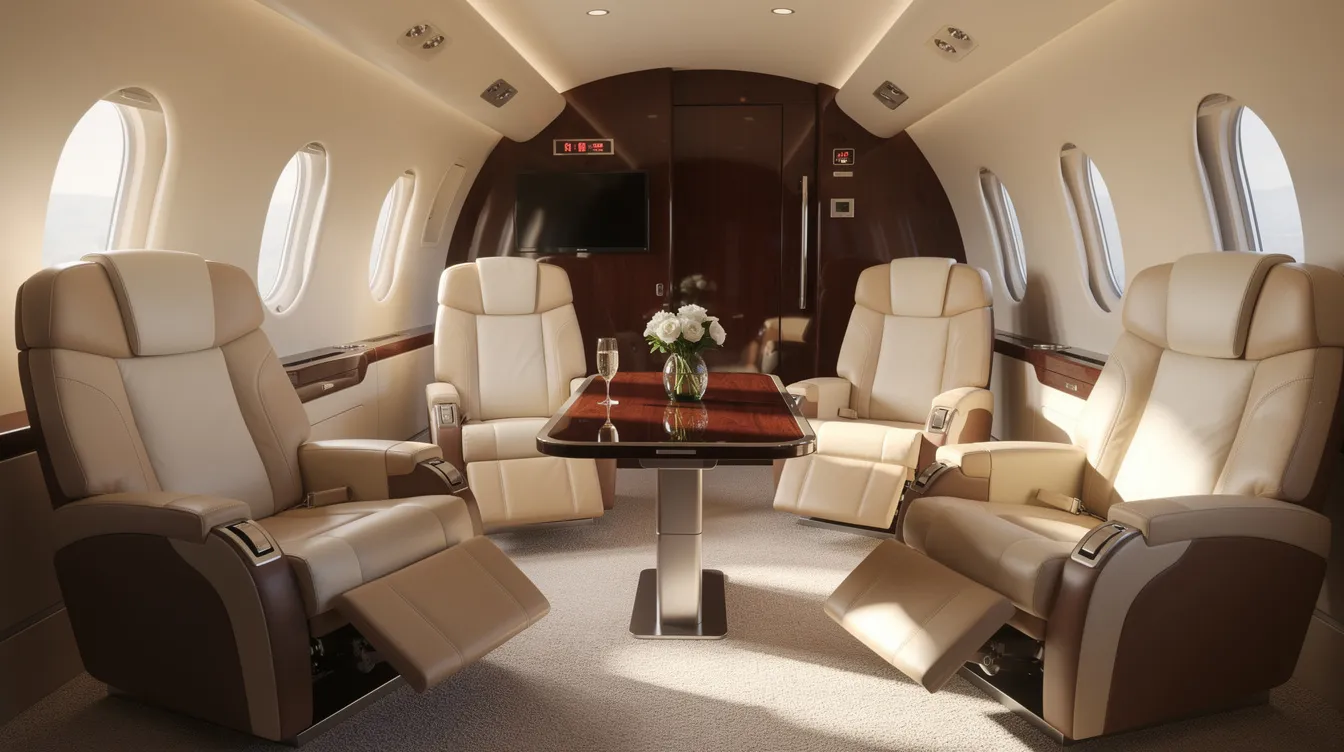
Safety, Technology, and Sustainability: Why They Matter More Than the Sticker Price
For discerning travelers, how you fly matters as much as what you fly. A low price can be attractive, but safety, certification, training, and dispatch reliability determine whether the experience is sound.
Private owners must maintain compliance under FAA Part 91, follow Airworthiness Directives, complete annual inspections, manage weather decisions, and invest in recurrent training. Experimental aircraft, LSAs, and vintage models can be rewarding, but they demand focus and conservative judgment.
Technology varies sharply in private planes for sale under 100k. One aircraft may have a basic analog panel, while another has Garmin G3X-style equipment, a modern GPS, and ads b. By contrast, current-generation private jets accessed through BlackJet often include advanced flight decks, weather radar, de-icing capability, connectivity, and cabin systems built for productivity, similar to many 10-million-dollar private jet options.
Sustainability also matters. Older piston aircraft typically burn 100LL and rarely include a structured carbon offset program. BlackJet ensures every Jet Card flight is carbon-neutral by default through verified offset and sustainability initiatives, paired with a vetted operator network, proprietary safety standards, and real-time flight support that an individual owner usually cannot replicate alone—an important distinction from many ad hoc methods to fly private cheap.
Choosing the Right Path: From First Aircraft to Premier Jet Access
Finding private planes for sale under 100k is an attainable dream for hands-on aviators, hobbyists, and regional travelers. It can buy independence, training value, and genuine joy. It will not buy the speed, cabin, range, or reliability of a modern private jet.
The smart choice depends on mission and budget, whether you are considering affordable private planes under $100k or looking at private jets for sale under 10 million as a longer-term upgrade path:
Buy a sub-$100,000 piston, LSA, or experimental model for personal flying, training, and local adventure.
Use charter or fractional ownership for occasional jet access where the economics fit, or even buy a seat on a private jet when point-to-point efficiency matters more than exclusive cabin control.
Join a BlackJet Jet Card program for predictable, premium private jet access across multiple cabin classes.
A staged strategy often works best: start with training or limited ownership if aviation is your passion, then layer on BlackJet when business or family travel requires faster cross-country, transcontinental, or international capability.
Elevate your travel effortlessly. Explore BlackJet’s Jet Card options, connect with a specialist, and discover how carbon-neutral, safety-focused, technology-enabled private jet access can complement-or replace-the idea of owning a $100,000 aircraft.
Frequently Asked Questions About Private Planes Under $100K:
Can I trade a plane when purchasing a private aircraft under $100,000?
A: Yes, many sellers and brokers accept trade-ins, allowing you to trade a plane as part of the purchase process. This can simplify upgrading or changing aircraft, but the trade-in value depends on your current aircraft’s condition and market demand.
What should I expect during a pre-purchase inspection?
A: A certified aviation mechanic conducts a thorough check lasting three to five days, looking for issues such as corrosion, engine condition, and avionics status. The inspection results in a squawk list that can be used to negotiate price adjustments or cancel the deal if serious problems are found.
How long does the buying process take for sub-$100,000 aircraft?
A: Typically, the process runs 60 to 120 days, including mission analysis, budget setting, negotiation under a letter of intent, pre-buy inspection, and closing steps like title search and FAA registration transfer.
What are the ongoing ownership costs beyond the purchase price?
A: Owners should budget an additional 10% to 20% of the purchase price annually for maintenance, including inspections, engine overhauls, hangar or tie-down fees, insurance, fuel, and unexpected repairs.
How does owning a $100K plane compare with using a Jet Card program like BlackJet?
A: Ownership offers hands-on flying freedom and regional travel independence but comes with maintenance and operational responsibilities. Jet Cards provide flexible, carbon-neutral access to a range of private jets with professional crews, advanced technology, and safety oversight—ideal for longer, more complex trips without ownership burdens.
Conclusion: Navigating Your Private Aviation Journey with Confidence
Choosing private planes for sale under 100k offers an accessible entry point into the world of private aviation, blending passion, independence, and regional travel flexibility. However, it is crucial to balance the allure of ownership with the realities of maintenance, safety, and mission suitability. For travelers prioritizing speed, comfort, and long-range capability, premium access through BlackJet’s Jet Card programs delivers unparalleled convenience, rigorous safety standards, and sustainability commitments without the burdens of ownership.
Whether you are a hands-on pilot seeking a personal aircraft or a frequent flyer aiming for seamless, carbon-neutral private jet experiences, understanding your travel needs and budget will guide you to the right choice. Embrace a strategic approach that aligns your aviation goals with the right solution—owning a sub-$100k plane for local freedom or leveraging BlackJet’s expertly curated fleet for elevated, global travel.
Elevate your journey with confidence. Discover how BlackJet can transform your private flight experience with effortless access, advanced technology, and uncompromising safety at every step.


 Sign up with google
 Sign up with Apple