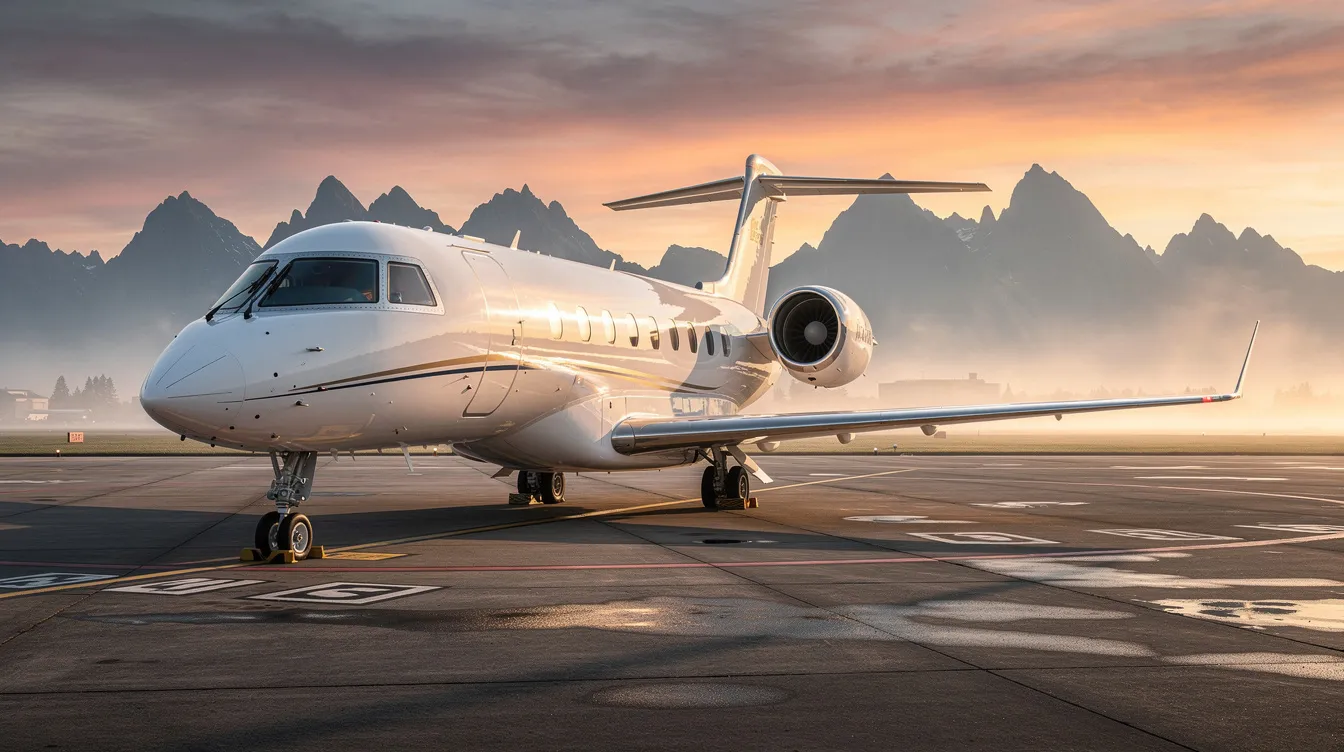
Are you searching for private planes to rent for your next business trip, family vacation, or frequent travel needs? This comprehensive guide is designed specifically for business executives, frequent travelers, families, and anyone considering the advantages of private jet travel. Here, we cover everything you need to know about private plane rental options—including on-demand charters, Jet Card memberships, and fractional ownership—while also breaking down real-world costs, safety standards, and booking tips to help you make informed decisions.
Understanding private plane rental matters because it can deliver significant time savings, unmatched flexibility, and cost efficiency compared to commercial flights or outright ownership. Whether you’re looking to reclaim hours lost to commercial travel, access more airports, or enjoy a seamless and secure flying experience, this guide will help you navigate the best options for your unique travel profile.
BlackJet offers private planes for rent via Jet Card memberships (25-hour and 50-hour blocks) and on-demand charter, spanning light jets, midsize jets, super midsize, and large-cabin aircraft for any mission, from regional hops to transatlantic crossings.
2026 benchmark pricing runs from approximately $2,000/hour for turboprops to $3,500–$5,000/hour for light jets and $9,000–$14,000+/hour for large cabin jets. Jet Cards lock in predictable hourly rates, protecting you from peak-period price surges.
BlackJet’s operational pillars include audited safety standards through ARGUS/Wyvern-rated operators, carbon-neutral flights by default at no extra cost, and a 24/7 digital booking platform backed by a dedicated flight support team.
Jet Card membership offers many benefits and outperforms one-off charter for travelers flying 20+ hours annually, delivering fixed rates, guaranteed availability, and none of the capital risk that comes with fractional or full jet ownership.
Key Takeaways
Renting a private plane in 2026 isn’t about champagne and leather seats—it’s about reclaiming hours that commercial travel steals from your schedule. Consider a New York–Miami same-day turnaround: on a light jet, you arrive at Teterboro 20 minutes before departure, skip security lines, fly direct in under three hours, handle your meeting, and return home for dinner. The same trip via commercial business class consumes an entire day with airport transfers, long security lines, connections, and delays.
Here’s what matters most:
Why Renting a Private Plane Is a Strategic Advantage in 2026
The phrase “private planes to rent” once conjured images of billionaires and celebrities. In 2026, that perception has shifted. Business executives, founders, and high-net-worth leisure travelers increasingly view the business jet not as an indulgence but as a strategic tool—a way to compress schedules, access more airports, and protect the one resource money can’t manufacture: time. The efficiency and prestige of traveling by business jet make it the preferred choice for those with demanding schedules.
Consider a day trip from New York to Chicago. Flying commercial business class means navigating JFK or Newark, arriving 90 minutes early, clearing security, boarding, potential connections, and then repeating the process on the return. Commercial airlines are restricted by fixed routes, limiting your options and flexibility. Door-to-door, you’ve burned eight to ten hours for a two-hour meeting.
Now compare: a midsize jet departing Teterboro (TEB) lands at Chicago Midway (MDW) in under two hours. You arrive 20–30 minutes before departure, bypassing long security lines and crowded terminals. No connections, no security theater. Your meeting happens, and you’re home for dinner. Total time invested: roughly four hours. That’s not luxury—that’s operational efficiency, with the added benefit of customized routing that avoids the limitations of fixed routes.
Private aviation in the U.S. unlocks access to over 5,000 airports compared to approximately 500 served by commercial airlines. This transforms itineraries that commercial flights make impractical—like a Houston–Midland–Dallas loop in a single day—into a straightforward schedule. For business aviation professionals who measure success in deals closed rather than miles flown, this access changes the calculus entirely.
BlackJet operates as a premier private aviation provider offering Jet Card memberships and on-demand charter. Members enjoy exclusive access to premium aircraft and private terminals, ensuring a level of privacy, safety, and elite service unavailable through standard channels. Every flight arranged through BlackJet is carbon-neutral by default, sourced exclusively from vetted operators that meet rigorous safety benchmarks. For those who need to fly 20, 50, or 100+ hours annually, BlackJet provides the structure to make private jet travel predictable rather than episodic.
How Private Plane Rental Works: Charter vs Jet Card vs Ownership
Private jet rental options include on-demand charters, jet cards, and fractional ownership. Each model offers distinct advantages depending on your travel frequency, flexibility needs, and financial preferences.
When exploring private planes to rent, you’ll encounter three primary models: aircraft charter (the general term for renting private aircraft), on-demand charter, Jet Card or membership programs, and fractional or full ownership. Each serves different travel patterns and financial profiles.
On-Demand Charter
On-demand charter is the most flexible option, allowing you to book a private flight as needed without a long-term commitment. This jet charter service provides personalized, on-demand access to a variety of aircraft, making it ideal for both business and leisure travelers who value convenience and flexibility. Booking can often be done with as little as two hours' notice, providing significant flexibility for travelers.
Jet Card or Membership Programs
Jet Card or membership programs offer prepaid access to private jets, typically in 25-hour or 50-hour increments. These programs provide predictable pricing, guaranteed availability, and access to multiple cabin classes, and frequent flyers can compare structures using our guide to the best Jet Cards for frequent travelers. Many private jet services offer mobile apps for easy booking and itinerary management, enhancing user convenience. Additionally, these services often include a dedicated account manager or charter consultant to assist with the booking process and travel arrangements, providing personalized support throughout your journey.
Fractional or Full Ownership
Fractional or full ownership involves purchasing a share or the entire aircraft. This model is best suited for those with very high annual flight hours and a preference for consistent access to aircraft.
Renting a private plane requires defining your travel needs, selecting a reputable broker or private jet charter company, comparing quotes, and finalizing contracts to ensure all details are clear and expectations are managed.
In summary, whether you choose on-demand charter, a Jet Card, or ownership, a private jet charter service can accommodate a wide range of travel needs—from short regional trips to international journeys—offering tailored solutions for every traveler. For longer-term commitments, our comprehensive guide to leasing a private jet explains cost structures and program types in more detail.
On-Demand Charter
On-demand charter operates on a pay-as-you-go basis and is often referred to as a jet charter service. This flexible and personalized travel solution allows you to contact a private jet charter company, request quotes for your specific trip, and pay per flight. The jet charter service model suits occasional private flyers—perhaps three to five charter flights per year—who don’t want ongoing commitments.
The tradeoff? Market pricing volatility. During peak periods like New Year’s, Art Basel, or major sports finals, private jet charter costs can surge 20–50% above normal rates. Availability tightens dramatically, and last-minute bookings become difficult or impossible, which is why many travelers evaluate whether chartering a private jet is worth it compared to commercial options.
BlackJet’s Jet Card Model
BlackJet’s 25+ Hour Jet Card programs—offered in 25-hour and 50-hour prepaid blocks—provide a different structure. You lock in fixed hourly rates by aircraft category at the time of purchase. Whether you fly during peak holiday weeks or quiet midweek slots, your rate remains constant, and travelers can dive deeper into how a 25-hour Jet Card works, including features and costs.
Key advantages include:
Guaranteed availability with 24–48 hours’ notice for most routes
Occupied time billing only—you’re not charged for repositioning flights
Consistent service standards across all flights through vetted operators
No ownership obligations—no crew management, maintenance schedules, or depreciation concerns
For travelers flying 20+ hours annually, this structure typically outperforms the economics of one-off charters while avoiding the complexity of ownership. Those with higher utilization can compare programs using our 50-hour Jet Card cost guide.
Fractional and Full Ownership
Fractional ownership means purchasing a share (typically 1/16 or 1/8) of a specific aircraft, granting a set number of flight hours annually. Full ownership means buying the aircraft outright.
The financial reality is stark: a new midsize jet costs $8–$20 million. Annual operating costs—crew salaries, maintenance, hangar, insurance, management—run approximately $1.5–$2 million regardless of how often you fly. Aircraft depreciation averages 5–10% annually.
Ownership makes financial sense only for flight hours above 200–300 per year. Below that threshold, you’re paying fixed costs for an asset that sits idle, which is why many high-usage flyers analyze options like a 100-hour Jet Card and its total cost and broader Jet Card cost per hour benchmarks.
Example: A founder flying New York–London six times annually (approximately 84 flight hours round-trip) plus domestic trips totaling another 40 hours would log roughly 124 hours. A 50-hour BlackJet Jet Card, renewed as needed, provides predictable costs without the millions in capital outlay, crew management, and maintenance oversight that chartering a private jet through ownership requires.
Types of Private Planes to Rent & Typical Missions
BlackJet provides access to multiple types of private jets and jet charters through vetted operators rather than owning every tail number. This approach allows flexible matching of the right aircraft to each trip’s specific requirements—passenger count, range, baggage, and airport constraints. Certain aircraft are designed for long-range travel, making them ideal for international and intercontinental travel without refueling.
Light Jets
Light jets typically seat four to eight passengers and have a range of up to 1,500 miles before needing to refuel. Popular aircraft include the Citation CJ3+ and Phenom 300.
Best for: Regional routes under three hours—Los Angeles to Aspen (about 700 nm), London to Ibiza, or New York to Miami. These smaller aircraft can access airports that larger jets cannot, such as Aspen’s challenging approach and smaller Caribbean strips.
Typical hourly rate: $3,500–$5,000 — and travelers focused on affordability can explore the cheapest private aircraft options to understand how smaller jets and turboprops lower total trip cost.
Midsize Jets
Midsize jets accommodate six to nine passengers with ranges of approximately 2,450 miles. Aircraft like the Citation XLS+ and Learjet 60 offer stand-up cabins and enhanced amenities.
Best for: Transcontinental U.S. flights and medium-haul international routes—New York to Dallas (1,200 nm), Paris to Marrakesh, or coast-to-coast Los Angeles to New York with one fuel stop.
Typical hourly rate: $5,000–$7,500
Super Midsize Jets
Super midsize aircraft like the Challenger 3500 carry eight to ten passengers over 3,000–4,200 nautical miles. These jets are designed to fly longer distances without refueling, making them ideal for extended routes and time-efficient travel. They bridge the gap between midsize comfort and large cabin capability, sitting in the middle of the spectrum described in our guide to understanding private jet sizes.
Best for: Longer domestic routes requiring comfort for meetings onboard, or international segments like New York to London with range to spare.
Typical hourly rate: $7,500–$10,000, and for travelers needing more seats and range, understanding how much a 12-seater private jet costs helps frame total trip budgets.
Large Cabin Jets
Large cabin and heavy jet aircraft—Gulfstream G450, Global 6000, Falcon 7X—seat nine to sixteen passengers with ranges of 5,000–7,800 nautical miles. These aircraft handle true long-haul missions nonstop, and for even larger groups, our guide to the best private jet for 20 passengers outlines suitable large-cabin options, while those considering ownership can explore the largest private jets for sale and the best long-range private jets on the market to understand ultra-long-range capabilities.
Best for: Transatlantic and transpacific routes—New York to London (3,000 nm, 6–7 hours), Miami to São Paulo, Los Angeles to Tokyo with one stop, or Dubai to Geneva nonstop.
Typical hourly rate: $9,000–$14,000+—and companies moving larger teams can evaluate top 16-seat private jet options that maximize comfort at this cabin size, while those planning travel for similar group sizes can compare the best private jet for 15 passengers to balance range, amenities, and budget.
Turboprops
Turboprop aircraft are often used for shorter flights, typically covering distances of 600 to 1,000 miles efficiently. Examples include the King Air 350 and the Pilatus PC-12, and travelers assessing the value of these missions can review our comprehensive guide to chartering a small plane and its costs.
Best for: Short segments—Miami to Nassau, Milan to Cannes, or San Francisco to Napa. Hourly rates of $2,000–$2,800 make these flights more economical than jets for shorter distances, especially when compared with the cheapest private jet options available to cost-conscious travelers.
How Much Does It Cost to Rent a Private Plane?
For a deeper breakdown of private jet rental pricing structures, typical hourly rates, and route-based examples, see our guide on how much it costs to rent a private jet alongside our broader private jet price list overview of costs and options.
Private plane rental can be a cost-effective solution for certain travel needs, especially when compared to ownership or frequent commercial travel.
Private jet rental costs in 2026 depend on several factors: aircraft category, flight length, airport pair, positioning requirements, whether you’re traveling during peak or off-peak periods, and other factors such as passenger count, aircraft features, and amenities—many of which are broken down in our guide to small private plane charter pricing and a broader overview of private jet charter pricing fundamentals.
Hourly Rate Benchmarks
Travelers evaluating membership versus ad hoc charter can also review our guide to Jet Card pricing to understand how fixed hourly rates compare with market-based charter, and a broader overview of Jet Card pricing structures and benefits can help clarify which model best fits your flying profile.
Turboprop: Typical hourly rate ranges from $2,000 to $2,800, seating 6 to 8 passengers with a range of 800 to 1,500 nautical miles.
Light Jet: Typical hourly rate ranges from $3,500 to $5,000, seating 4 to 8 passengers with a range of 1,200 to 1,800 nautical miles.
Midsize Jet: Typical hourly rate ranges from $5,000 to $7,500, seating 6 to 9 passengers with a range of 2,000 to 3,000 nautical miles.
Super Midsize Jet: Typical hourly rate ranges from $7,500 to $10,000, seating 8 to 10 passengers with a range of 3,000 to 4,200 nautical miles.
Large Cabin Jet: Typical hourly rate ranges from $9,000 to $14,000 or more, seating 9 to 16 passengers with a range of 5,000 to 7,800 nautical miles.
Concrete Trip Examples
Understanding jet charter costs becomes clearer with specific scenarios:
New York–Miami same-day return (light jet): Approximately 2–3 hours flight time each way. Expect a ballpark trip cost of $10,000–$15,000 for the round-trip, depending on aircraft availability and exact routing. For travelers seeking a cost-effective solution, options such as empty-leg flights, private plane rideshare options, or shared charters can significantly reduce costs on this route.
Los Angeles–Aspen weekend (midsize jet): About 1.5 hours flight time each way, so 4–5 hours round-trip, including wait time. Budget $20,000–$30,000 for the weekend mission.
New York–London one-way (large cabin): A 6–7 hour flight on a Gulfstream G450 or similar. One-way pricing ranges from $60,000 to $100,000, depending on the operator, positioning, and season.
Peak-period surcharges: Expect rates to increase by 20–50% during the Christmas–New Year period, Art Basel (December), Super Bowl week, and major events. Booking through a Jet Card mitigates this volatility by locking in rates.
What’s Included—and What’s Extra
Standard charter pricing typically covers:
Additional charges may apply for:
De-icing in winter conditions
Premium catering requests
Certain international handling and landing fees
Overnight crew expenses on multi-day trips
Pet handling or special equipment
Other factors, such as the number of passengers, specific aircraft features, or unique amenities requested, can also influence the total cost of renting private planes.
BlackJet provides all-in, transparent quotes before booking confirmation. No surprises at the end of your trip—the price quoted is the price paid, which is especially important when comparing options against 10 million dollar private jet ownership strategies, the full cost of hiring and retaining private jet pilots, and other long-term commitments.
Jet Card vs Charter Billing
With traditional air charter, you’re typically billed door-to-door, including repositioning legs. If the aircraft must fly empty from its base to your departure airport, you may absorb part of that cost.
BlackJet Jet Card members pay only for the flight time they occupy at their contracted rate. For one-way trips on dense routes—New York to Florida, Los Angeles to Las Vegas, London to Geneva—this structure often yields additional savings compared to one-off charter models. For travelers with regular private aviation needs, Jet Card billing is often a cost-effective solution, providing predictable pricing and eliminating many of the extra fees associated with traditional charter.
Safety, Certification & Operational Standards When Renting a Private Plane
In private aviation, the operator’s credentials and safety culture matter more than the leather seats or the label on the champagne. BlackJet treats safety not as a marketing checkbox but as the foundation of every flight.
FAA Part 135 Certification
In the United States, any air carrier operating on-demand charter must hold FAA Part 135 certification. This certification governs:
Pilot qualifications and training requirements (many operators require captains to have 3,000 to 5,000 flight hours)
Aircraft maintenance schedules and inspections
Operational procedures and safety management systems
Drug and alcohol testing programs
Flight and duty time limitations
The European equivalent, EASA Air Operator Certificate, applies similar standards. BlackJet works exclusively with properly certificated operators on both sides of the Atlantic, and travelers comparing options can review how safe private jets are in practice to understand how these regulations and audits translate into real-world risk reduction.
Independent Safety Ratings
Beyond regulatory compliance, independent audits provide additional verification. BlackJet prioritizes operators holding:
ARGUS Platinum or Gold – Third-party audit of safety management, pilot training, and operational history
Wyvern Wingman – Verification of operator procedures, crew qualifications, and insurance coverage
IS-BAO – International Standard for Business Aircraft Operations certification
These ratings require ongoing audits, not one-time checks. Operators must continuously demonstrate operational excellence to maintain certification.
BlackJet’s Pre-Flight Verification
Before confirming any flight, BlackJet’s team conducts specific operational checks:
Pilot hours and type ratings: Minimum thresholds for total flight hours and experience on the specific aircraft type
Recent checkride records: Verification of current proficiency checks
Maintenance status: Review of aircraft logs and upcoming inspection requirements
Insurance limits: Confirmation of adequate liability coverage (typically $100M+)
Operator incident history: Review of any safety events or regulatory actions
Managing Real-World Situations
Private jet travelers face the same weather conditions and operational variables as commercial flights. The difference lies in how situations are managed.
Weather diversions: When weather closes your destination airport, BlackJet’s 24/7 flight support team works with the crew to identify the best alternate—balancing safety, passenger convenience, and ground transportation options. You’re informed in real time with alternatives, not left wondering at the gate.
Short-notice schedule changes: If your meeting runs long or a deal closes early, adjustments are made directly through your dedicated flight specialist. The team coordinates with the operator while you focus on business.
Technology, Booking Experience & Real-Time Support
BlackJet combines human expertise with digital tools so members can price and reserve private planes to rent in minutes, then rely on a live team for every operational detail.
Digital Booking Flow
The booking process begins in BlackJet’s online platform or mobile app:
Input trip details: Origin, destination, dates, passenger count
View live availability: See aircraft across categories—light, midsize, super midsize, large cabin—with estimated flight times
Review all-in pricing: Transparent quotes including fuel, crew, handling, and catering
Confirm with a click: Secure your aircraft with stored payment methods
For return flight arrangements or multi-leg itineraries, the platform handles complexity without requiring phone calls or back-and-forth emails.
Stored Preferences for Seamless Travel
Frequent flyers benefit from stored traveler profiles:
Preferred aircraft types and cabin classes
Catering preferences (dietary restrictions, favorite wines, children’s meals)
Ground transfer coordination with preferred car services
Pet details for travelers who bring companions
Passport and travel documents on file for international trips
These preferences carry across every booking, eliminating repetitive requests and ensuring consistent experiences.
Real-Time Information
Once a flight is confirmed, the platform provides:
Flight status updates: Departure time, estimated arrival, any delays or routing changes
Crew details: Pilot names and qualifications
FBO information: Fixed-base operator details at departure and arrival airports, including directions, amenities, and contact numbers
Trip details: Ground transportation confirmations, catering specifics, and any special arrangements
24/7 Human Support
Technology handles routine tasks efficiently. Complex situations require human judgment. BlackJet members have direct access to flight specialists via phone or message, available around the clock.
Flight details changed? Your specialist coordinates with the operator. Weather developing? You receive proactive updates with options. Last-minute catering request? It’s handled without requiring you to navigate phone trees or wait for callbacks.
Carbon-Neutral & More Sustainable Private Plane Rental
Private aviation carries a higher per-passenger carbon footprint than commercial economy class—roughly 10–20 times on a per-seat basis. Responsible travelers increasingly expect mitigation, not excuses.
Carbon-Neutral Flights by Default
BlackJet makes every flight carbon-neutral through verified carbon offset programs at no extra cost to Jet Card members. This isn’t an optional add-on or a fee buried in the invoice—it’s built into the service.
How Offsets Work
The offset process follows a straightforward methodology:
Calculate fuel burn: A midsize jet burns approximately 500–800 gallons per flight hour, yielding roughly 5–8 tons of CO₂ per hour
Convert to CO₂ equivalent: Total emissions calculated based on flight hours and aircraft type
Purchase verified credits: Equivalent credits purchased from verified projects—reforestation, renewable energy installations, methane capture, and other certified programs
These credits are verified through established standards, ensuring genuine emission reductions rather than paper transactions.
Sustainable Aviation Fuel (SAF)
Sustainable Aviation Fuel represents the next frontier in reducing aviation emissions. SAF reduces lifecycle emissions by 50–80% compared to conventional jet fuel.
In 2026, SAF availability remains limited, ranging from 1–5% of supply at major hubs such as Los Angeles (LAX), London Heathrow, and Amsterdam Schiphol. The fuel costs 2–3 times conventional jet fuel, limiting widespread adoption.
BlackJet supports SAF growth by utilizing it when available and economically feasible, particularly for members who prioritize sustainability and request SAF for specific flights.
Right-Sizing and Efficiency
Beyond offsets and SAF, operational choices reduce waste:
Right-sized aircraft: Flying a super midsize jet for two passengers wastes fuel. BlackJet’s advisors match the best aircraft to actual passenger counts and luggage needs
Optimized routing: Planning tools identify efficient routings and minimize repositioning where possible
Shared legs: Where appropriate and with member consent, coordinating travelers on similar routes reduces per-person impact
Private Jet Luxury and Comfort: The Onboard Experience
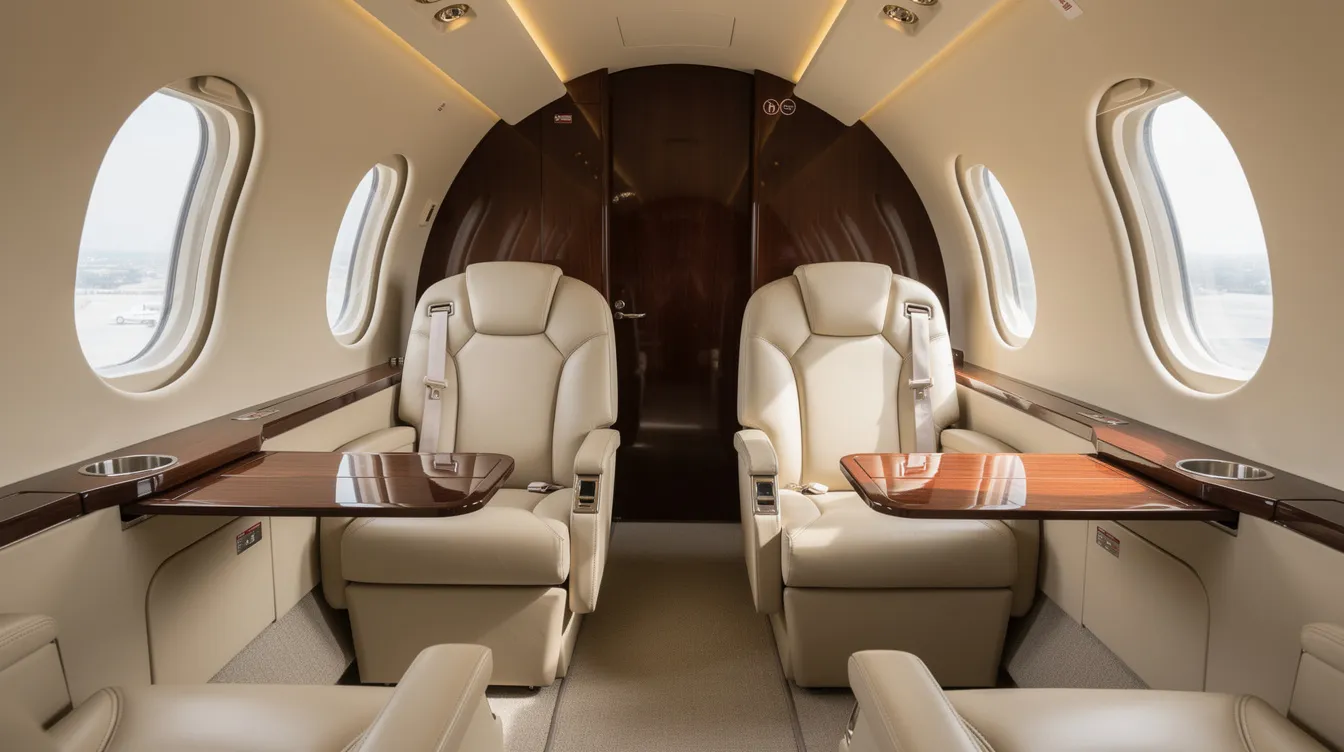
When you step aboard a private jet charter, you enter a world where every detail is curated for your comfort and enjoyment. Private jet travelers can expect plush, ergonomic seating that transforms from workspaces to relaxation zones, with ample room to stretch out or hold in-flight meetings. The cabin ambiance is tailored to your preferences—lighting, temperature, and entertainment are all at your command.
Luxury extends to the dining experience, with gourmet menus crafted to your tastes, whether you crave a multi-course meal or simple, healthy snacks. Onboard amenities often include high-speed Wi-Fi, advanced entertainment systems, and even private suites or lie-flat beds on larger aircraft. The attentive crew ensures your needs are met discreetly and efficiently, making every flight feel like a bespoke retreat.
With access to a diverse fleet—from light jets for quick regional hops to heavy jets for transcontinental journeys—you can always select the perfect plane for your mission. Whether you’re seeking a tranquil environment to unwind or a fully equipped space to stay productive, private jet charter companies deliver an unparalleled level of luxury and comfort, redefining what it means to travel well, especially aboard the world’s top-performing luxury private jets.
Private Jet Travel Tips: Maximizing Value and Enjoyment
To get the most out of your private jet travel, a strategic approach can make all the difference.
Booking in Advance
Start by booking your flight in advance whenever possible—this not only secures the best rates but also ensures access to your preferred aircraft.
Selecting the Right Aircraft
Selecting the right aircraft for your journey is crucial; a light jet may be ideal for short trips, while a midsize or heavy jet offers more space and range for longer flights.
Empty Leg Flights
Savvy travelers also look for empty-leg flights—these repositioning legs can offer significant savings without compromising the private aviation experience, and some opt to buy a single seat on a private jet via shared or semi-private services when full aircraft charter isn’t necessary.
Luggage Considerations
Private jet travel also accommodates more luggage than commercial airlines, making it ideal for travelers with specialized equipment, such as sports gear or musical instruments. While private planes often have stricter luggage weight limits, they offer greater flexibility and capacity than typical commercial airlines.
Chartering a private jet means you’ll bypass long security lines and crowded terminals, gaining access to more airports and flexible departure times that fit your schedule. Travelers can often check in much closer to departure time when using private jet services than on commercial flights, sometimes arriving just 15 to 30 minutes before takeoff.
Partnering with a reputable private jet charter company gives you access to industry expertise and a deep understanding of the private aviation market. Their guidance helps you navigate options, optimize your travel plans, and enjoy a seamless, personalized journey. Many private jet rental services also include a dedicated account manager to assist with the booking process and travel arrangements, ensuring every detail is handled with care.
By leveraging these tips, you’ll maximize both the value and enjoyment of every charter flight, making private aviation work smarter for you.
Private Jet Travel Destinations: Where Can You Go?
Global Reach and Flexibility
One of the greatest advantages of private jet travel is the freedom to fly almost anywhere in the world. Private jet charter opens up a global network of airports, including remote destinations and exclusive resorts that commercial flights simply can’t reach. Whether your travel plans take you to major business centers like London, Dubai, or Hong Kong, or to secluded islands and mountain retreats, private aviation offers tailored solutions to fit your itinerary.
Unique and Emerging Destinations
Luxury air travel isn’t limited to well-trodden routes—private jet charter companies can arrange flights to emerging markets, cultural hotspots, or bespoke adventure destinations. With the ability to customize every aspect of your journey, you can explore the world on your terms, enjoying cost-effective solutions for both business and leisure.
Last-Minute and Spontaneous Getaways
From last-minute business meetings in international capitals to spontaneous getaways in the Caribbean or Mediterranean, private jet travel empowers you to fly where you want, when you want. With expert support and a commitment to service, your next destination is limited only by your imagination.
Private Jet Travel Partnerships and Collaborations
Private jet charter companies elevate the travel experience through strategic partnerships with leading luxury brands and service providers. These collaborations unlock exclusive benefits for private jet travelers, such as priority access to five-star hotels, luxury car rentals, and personalized concierge services that handle every detail of your trip.
By working closely with top-tier partners, private jet charter companies can offer seamless transitions from air to ground, ensuring your journey is as smooth and enjoyable as possible. Whether it’s arranging a chauffeured vehicle upon arrival, securing reservations at sought-after restaurants, or providing VIP access to events, these partnerships enhance every aspect of your travel.
This integrated approach means you can focus on enjoying your trip, confident that every element—from booking your private jet to your final destination—is expertly managed. For those who value luxury, convenience, and exceptional service, these collaborations make private jet travel truly extraordinary.
Private Jet Travel Future Developments
The future of private jet travel is being shaped by innovation, sustainability, and a relentless pursuit of excellence. Private jet charter companies are investing in advanced aircraft designs that offer greater efficiency, comfort, and range, while also embracing sustainable aviation fuels and carbon offset programs to reduce environmental impact.
Emerging technologies are streamlining the booking process, providing instant pricing, real-time flight updates, and enhanced personalization through digital platforms. As the private aviation market evolves, travelers can expect even more flexible and cost-efficient solutions, with tailored options to suit every need.
Looking ahead, the industry’s commitment to operational excellence and customer satisfaction will drive new standards in luxury, safety, and convenience. Whether you’re a seasoned private flyer or new to the world of private aviation, the coming years promise exciting developments that will redefine how—and where—you fly. With a focus on sustainability, innovation, and service, private jet charter and unlimited private jet flight memberships are poised to deliver an even more exceptional travel experience for clients worldwide.
Use Cases: When Renting a Private Plane with BlackJet Makes the Most Sense
Private flight delivers the most value in specific scenarios where commercial alternatives fall short. The following use cases illustrate how private jet company services transform travel from a burden to an advantage.
Executive Roadshow
Scenario: A technology founder needs to present to investors in three cities over two days: San Francisco, Seattle, and Denver, returning to San Francisco.
Commercial reality: Two days minimum with overnight stays, connection risks, and schedule dependency on airline timetables. Delays cascade through the itinerary.
BlackJet solution: A super midsize jet departs San Francisco early in the morning, arrives in Seattle for a mid-morning meeting. The same aircraft and crew wait while the meeting concludes, then continue to Denver for an afternoon session. Day two includes a final Denver meeting before returning to San Francisco by evening.
Benefits beyond time savings include:
Same aircraft continuity: No rushing between terminals or checking bags
Onboard meetings: Prepare between cities, debrief with colleagues, or take calls without seatmates listening
Schedule control: Departure times flex around meetings, not airline schedules
A 50-hour Jet Card makes this kind of quarterly roadshow predictable and cost-effective.

Family Holiday
Scenario: A family of six—two adults, three children, and a dog—traveling from New York to Turks and Caicos for a week’s holiday.
Commercial reality: Six seats in first class (if available), a pet in cargo (stressful for the animal and the owners), luggage restrictions, airport crowds, and the inevitable “are we there yet” moments in long security lines and crowded terminals.
BlackJet solution: A light or midsize jet departs from a private terminal. The dog travels in the cabin. Luggage includes beach gear, dive equipment, and all the toys children require without baggage fees or weight restrictions. Catering includes kid-friendly meals and favorite snacks.
Private terminals eliminate crowds. Children can run around the FBO lounge until boarding. The flight becomes part of the holiday rather than an ordeal preceding it.
Time-Critical Event
Scenario: A board meeting scheduled with 48 hours’ notice requires an executive’s physical presence in London. Departure is needed within six hours of confirmation.
Commercial reality: Last-minute business class tickets—if seats exist—cost thousands per person with no guarantee of connections or arrival time. Missing the meeting isn’t an option.
BlackJet solution: The 24/7 flight support team sources a large-cabin jet from its global network. Safety checks proceed in parallel with flight planning. The executive departs within the required window, arrives rested (large-cabin jets offer lie-flat configurations), and attends the meeting as scheduled.
Jet Card members with guaranteed availability can secure aircraft within defined notice periods. For urgent situations outside those parameters, BlackJet’s network and relationships often deliver where other options fail.
Leisure Travel Done Differently
Beyond business aviation, private planes to rent transform leisure travel for those who value experience over economy:
Wine country tours: San Francisco to Napa or Bordeaux to Burgundy on a turboprop, avoiding highway traffic entirely
Ski weekends: Direct access to mountain airports that commercial flights don’t serve
Destination events: Weddings, anniversaries, and family reunions, where traveling together—all in one aircraft—creates shared memories before arrival
Why Choose BlackJet for Private Planes to Rent
BlackJet serves frequent flyers who value reliability, time, and discretion as much as comfort. The service isn’t about providing access to the private aviation market for its own sake—it’s about delivering a structured, predictable way to fly privately without the complexity of ownership.
Core differentiators include:
Jet Card options with fixed hourly rates: 25-hour and 50-hour blocks that lock in pricing regardless of market conditions
Guaranteed availability: Defined notice periods ensure aircraft access when you need it
Carbon-neutral flights: Every flight offset by default, at no additional cost
Curated aircraft network: Access across cabin classes through vetted, safety-certified operators
Safety-first sourcing: ARGUS, Wyvern, and IS-BAO-rated operators with documented pilot qualifications and maintenance records
BlackJet’s Jet Card model rivals offerings from competitors like NetJets-style fractional programs—without requiring equity stakes, management fees, or exposure to aircraft depreciation. Compared to basic charter marketplaces, BlackJet provides consistency and standards that ad-hoc booking cannot match.
The combination of 24/7 human support, a mobile booking platform with instant pricing, and real-time operational oversight explains why business leaders and families stay with BlackJet year after year. When travel plans change—and they always do—a dedicated team responds rather than an automated queue.
Elevate your travel—effortlessly. With BlackJet, private flight isn’t reserved for a few; it’s accessible on your terms through Jet Card programs featuring rigorous safety standards, carbon-neutral performance, and unmatched flexibility. Explore BlackJet’s offerings and discover how refined, meaningful travel becomes your new standard.

FAQ: Renting a Private Plane with BlackJet
How far in advance do I need to book a private plane with BlackJet?
Jet Card members benefit from guaranteed availability with 24–48 hours’ notice for most routes and aircraft categories. This structured access differentiates membership from on-demand charter, where availability during peak periods like Christmas–New Year or major events can become constrained weeks in advance.
For urgent requirements, BlackJet can often arrange flights within 6–8 hours, subject to aircraft and crew availability. The 24/7 flight support team works the network to find solutions when standard timelines don’t apply.
Earlier booking generally expands your aircraft options—especially for specific models or during high-demand periods. Having a scheduled departure time also helps ensure operational efficiency and reliable travel arrangements, making it easier to coordinate flight status updates and manage connections.
Can I rent a private plane one-way, or do I always pay for round-trip flights?
One-way rentals are absolutely available, and they’re especially common on dense routes like New York–South Florida, Los Angeles–Las Vegas, or London–Geneva, where aircraft frequently reposition anyway.
With traditional charter, one-way pricing may still incorporate repositioning costs—the flight required to get the empty aircraft to your departure point or return it to base. BlackJet’s network often reduces or optimizes these costs through coordinated scheduling.
Jet Card structures charge only for occupied time. For complex or one-way itineraries, this billing approach is particularly cost-effective compared to charter models that pass repositioning expenses through to the client. Empty leg flights occasionally offer even greater savings when available aircraft align with your schedule.
Can I bring my pet on a BlackJet flight?
Pets are generally welcome on most private planes arranged through BlackJet, subject to specific operator policies and destination country regulations. This stands in stark contrast to commercial flights, where larger animals travel in cargo—a stressful experience for pets and owners alike.
Share pet details—size, breed, and carrier requirements—when booking so the team can match the pet to an appropriate aircraft and seating layout. Some aircraft types accommodate larger dogs more comfortably than others, and advance notice ensures the perfect plane for your family.
For international flights, documentation requirements apply: vaccination records, microchip verification, and pet passports, where applicable. BlackJet’s team can advise on specifics based on your destination and provide guidance on veterinary requirements and timing.
What documents do I need to rent and fly on a private plane?
Passengers need valid government-issued photo identification for domestic flights—a driver’s license suffices in the United States. International routes require passports with sufficient validity (typically six months beyond the travel dates) and, where applicable, visas.
BlackJet handles charter contracts, operator agreements, and regulatory coordination. Your primary responsibility is to provide accurate passenger information before departure: full legal names that match travel documents, dates of birth, and citizenship details for customs processing.
Security screening differs from commercial aviation—no removing shoes, no liquid restrictions, no long queues. However, BlackJet and its operators adhere to all applicable aviation security regulations. The process is streamlined, not eliminated.
Is a Jet Card always a better value than an on-demand charter?
Jet Cards deliver optimal value for travelers who expect at least 20–25 flight hours per year and want fixed rates and guaranteed access, without ownership obligations. The math favors membership when your usage consistently exceeds those thresholds.
Occasional flyers—one to three trips annually—may find a curated on-demand charter through BlackJet more appropriate. You still benefit from vetted operators and carbon-neutral flights without committing to prepaid hours you might not use.
The best approach? Contact BlackJet to review your travel for the past 12–24 months. Advisors can model whether a 25-hour or 50-hour Jet Card would reduce overall cost and complexity compared to booking flights individually. This tailored solutions approach ensures you’re matched with the structure that actually fits your demand pattern rather than a one-size-fits-all recommendation.
Conclusion
Renting private planes to rent through BlackJet offers a strategic, flexible, and cost-efficient way to experience the many benefits of private jet travel, even for travelers who may later explore purchasing a premium private jet in the UK as their usage and needs evolve. Whether you choose on-demand charter for occasional trips or a Jet Card membership for frequent flying, BlackJet provides access to a global network of vetted aircraft and operators, ensuring safety, convenience, and exceptional service. Their digital booking platform, combined with 24/7 personalized support and carbon-neutral flight options, makes private travel more accessible and sustainable than ever before.
Explore how BlackJet can elevate your travel experience by visiting their website at www.blackjet.com. Discover the perfect plane for your next trip and enjoy the freedom, reliability, and luxury of renting private planes tailored to your unique travel schedule.


 Sign up with google
 Sign up with Apple