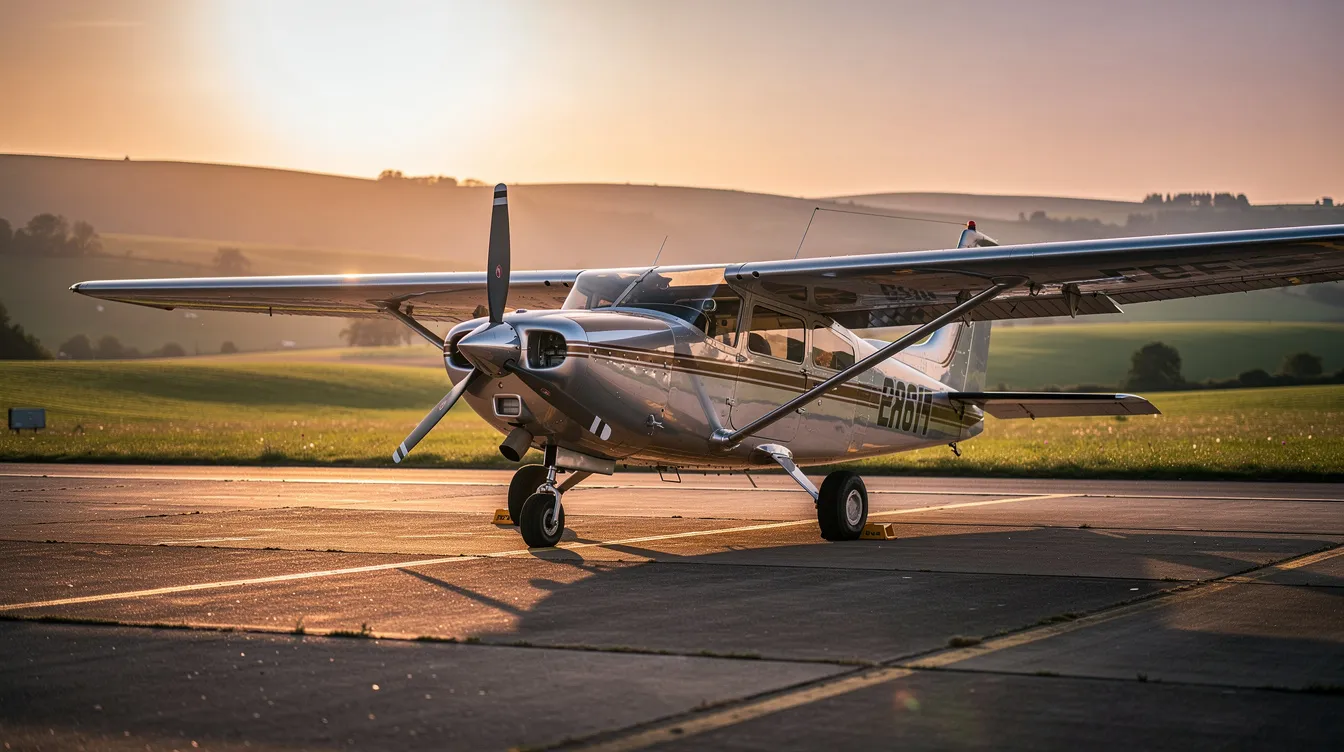
Safety in aviation is never an accident - it is the product of engineering, training, and relentless discipline. Whether you are a student pilot logging your first hours or a seasoned executive evaluating private jet options, the question of which single-engine plane delivers the strongest safety record shapes every decision in the aircraft stack from trainers to turbojets.
Why "Safest Small Plane" Matters for Serious Travelers and Private Pilots
Private aviation is not merely a luxury. It is a strategic advantage - one that begins long before you step aboard a jet. For many pilots flying today, their journey started in a modest training aircraft, and the habits formed in those early hours carry forward into every flight decision they make.
General aviation safety has improved dramatically since the early 2000s. The FAA reports a fatal accident rate of 0.61 per 100,000 flight hours, and according to AOPA's McSpadden Report, the overall GA accident rate dropped to approximately 3.86 per 100,000 hours in 2023. The general aviation fatal accident rate has reached historic lows as of 2026, reflecting decades of better design, modern avionics, and improved pilot training. Still, small aircraft safety and performance vary significantly based on design and avionics, which is why choosing the right airplane matters.
This post focuses on the safest small, single-engine planes used for flight training and private travel - models like the Cessna 172, the Piper Archer, and the Diamond DA40. We are not chasing the newest or fastest; we are evaluating what makes these aircraft genuinely safer. BlackJet's safety philosophy, built on certified operators, rigorous maintenance, and advanced systems, mirrors the best practices embodied by these top training and personal aircraft.
Quick Answer: What Is the Safest Small Single-Engine Plane Today?
There is no single winner. The safest single-engine aircraft is determined by a combination of airframe design, avionics, maintenance discipline, and pilot proficiency. That said, several models consistently appear as top picks in accident data and industry research:
Cessna 172S Skyhawk - The Cessna 172S is one of the safest single-engine planes, with a fatal accident rate historically around 0.45 per 100,000 hours. Its forgiving flight characteristics and massive fleet presence make it the global training standard.
Diamond DA40 - The Diamond DA40 is recognized for its superior crashworthiness and a composite airframe that absorbs impact energy effectively. Fatal accident rate data from the 2000–2020 period show approximately 0.35 per 100,000 hours, among the lowest of any popular single-engine plane.
Piper Archer (PA-28-181) - The Piper Archer is recognized for its stable handling characteristics. It is a cornerstone low-wing trainer with predictable handling and broad training fleet adoption.
Cirrus SR22/SR22T - The Cirrus SR22T features a parachute system for enhanced safety (CAPS), which has demonstrably saved lives when other recovery options were exhausted.
Diamond DA50 RG - The Diamond DA50 RG is ranked among the safest single-engine aircraft, offering a step-up in speed and capability while retaining strong safety DNA.
The safest small planes are characterized by advanced avionics, forgiving aerodynamics, and designs that reduce fatalities when things go wrong. Private pilots who train in these safer, modern piston singles tend to carry better judgment and habits when they later fly as passengers on professionally crewed jets.
Safety Comparison Table: Top Single-Engine Planes
Aircraft Model | Fatal Accident Rate (per 100,000 hrs) | Key Safety Features | Typical Use Case | Avionics System |
|---|
Cessna 172S Skyhawk | ~0.45 | Forgiving flight characteristics, high-wing design | Flight training, private travel | Garmin G1000 NXi |
Diamond DA40 | ~0.35 | Composite airframe, superior crashworthiness | Advanced training, personal use | Garmin G1000 or G3X |
Piper Archer (PA-28-181) | ~0.50 | Stable handling, low-wing design | Flight training, personal use | Garmin G1000 or G500 TXi |
Cirrus SR22T | ~0.60 (improved with CAPS) | Parachute system (CAPS), composite structure | Personal travel, business | Cirrus Perspective+ |
Diamond DA50 RG | ~0.40 (estimated) | Retractable gear, advanced safety features | Personal travel, light touring | Garmin G1000 NXi |
How Safety Is Really Measured in Small Planes
Aviation safety is statistical and systemic. A brand name alone tells you nothing without the data behind it. Here is how the industry measures it:
Accident Rate Metrics
The three main metrics used to compare aircraft safety are:
Fatal accidents per 100,000 flight hours are the standard metric for comparing aircraft types. A model with a rate below 0.50 is performing well above the general aviation average.
Overall accident rate – includes non-fatal incidents, covering everything from gear-up landings to runway excursions. In 2023, the GA-wide figure was approximately 3.86 per 100,000 hours.
Lethality ratio – the percentage of all accidents that result in fatalities, which reveals how survivable incidents are in a given type.
Lethality Ratio
The lethality ratio is a critical measure, as it shows not just how often accidents occur, but how survivable they are in a given aircraft type.
Sources of Safety Data
The NTSB database, FAA General Aviation Safety Fact Sheets, and insurance underwriter reports are the primary sources for this research. The Cessna 172 Skyhawk is often considered the benchmark for safety in general aviation, with a fatal accident rate of roughly 0.56 per 100,000 flight hours across decades of data. By contrast, some complex retractable gear singles have historically hit rates above 1.0.
Human error accounts for roughly 70% of non-commercial fixed-wing accidents. Loss of control in flight and weather-related CFIT remain the leading killers. Certain aircraft designs are more forgiving and stable, but no airframe can fully compensate for poor decision-making. BlackJet evaluates safety on similar grounds - type ratings, operator history, and third-party audits like ARG/US - when approving aircraft and crews for jet card missions, whether they are flying a short hop in Europe or a bespoke private jet charter from hubs like Karachi.
Key Design Features That Make a Single-Engine Plane "Safe"
Modern light aircraft prioritize situational awareness and structural integrity. Here are the design features that create a statistically significant safety advantage:
Forgiving Handling Characteristics
Forgiving handling characteristics: Forgiving handling characteristics are essential for small aircraft safety. Aircraft like the Cessna 172 and DA40 exhibit gentle stall onset with ample buffet warning, allowing pilots to recover with the least amount of altitude loss. Well-designed trainers barely kill forward momentum during a stall - they mush and descend rather than snap-rolling, which is why they dominate training fleets worldwide.
High Wing vs. Low Wing
High wing vs. low wing: High-wing design provides stability and excellent visibility for training, making the Cessna 172 ideal for pattern work and ground reference maneuvers. Low-wing aircraft like the Piper Archer offer different sight pictures and roll response, broadening a student's skill set.
Avionics and Technology
Modern avionics suites: Advanced avionics enhance safety for pilots, particularly in complex conditions. Modern planes include enhanced collision avoidance systems. Modern planes include enhanced collision avoidance systems through ADS-B and TCAS integration.
Synthetic vision technology: Synthetic vision technology aids pilots in zero-visibility conditions by displaying terrain and obstacles on screen.
Modern digital displays: Modern digital displays reduce pilot workload through intuitive navigation, consolidating engine data, weather, and traffic onto a single panel.
Electronic Stability and Protection: Electronic Stability and Protection helps prevent dangerous flight attitudes by alerting or intervening before a pilot exceeds safe parameters.
Crashworthiness
Crashworthy structures: Composite airframe construction, as seen in the DA40 and Cirrus SR-series, can outperform traditional aluminum in impact energy absorption.
Airbag seatbelts: Airbag seatbelts offer essential protection during sudden impacts or hard landings, and energy-absorbing seat designs reduce spinal injury risk.
Safety Add-ons
These features parallel BlackJet's fleet selection criteria: preference for aircraft equipped with redundant systems, current avionics, and stringent maintenance histories.
Top 3 Safest Small Planes for Flight Training and New Private Pilots
These models dominate modern flight training fleets for good reason. Each has a strong safety record validated across millions of hours, and each supports the progression from private pilot certificate through instrument rating and beyond. Even if you plan to eventually move to jets and jet card programs like BlackJet's, starting in safe, modern trainers builds the right foundation.
Cessna 172S Skyhawk: The Global Safety Standard
The Cessna 172S Skyhawk is one of the safest single-engine planes ever produced. With roots tracing to the late 1950s and continuous production refinements, the Cessna 172 has an unmatched safety record in training. Its high-wing configuration delivers predictable handling during slow flight, pattern work, and crosswind operations.
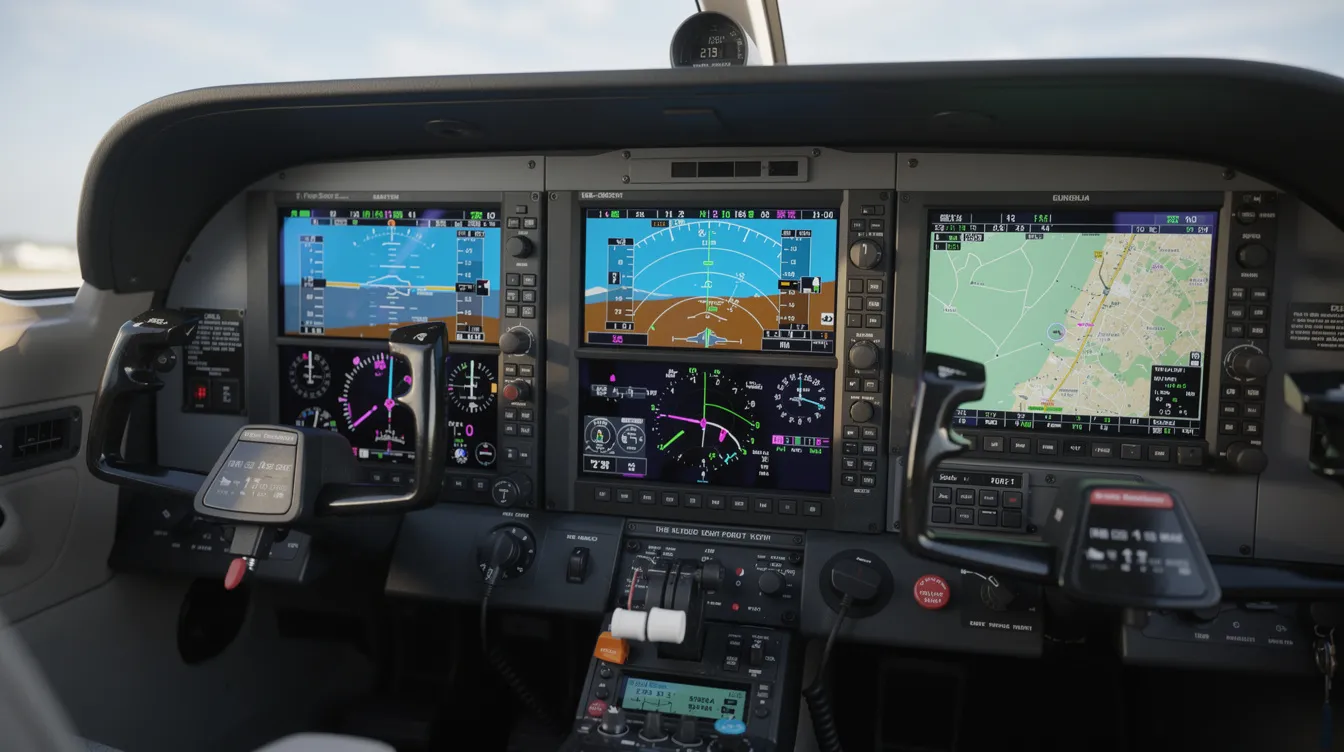
The Cessna 172S has forgiving flight characteristics for students - its stall behavior is gentle and well-announced, giving new pilots time to recognize and correct before losing control. Forgiving flight characteristics are designed to aid new pilots in training, and the 172S exemplifies this principle. Garmin G1000 avionics enhance safety and situational awareness, offering integrated moving maps, terrain alerting, and traffic displays that support both VFR and instrument rating training.
AOPA's safety review data across the 2000–2024 period consistently shows low fatal accident rates relative to more complex singles. A typical mission: a student in 2024 completes their first solo at a busy training airport, practicing pattern work and basic instrument skills in a 172S equipped with a G1000 NXi - building confidence and discipline that will serve them for decades of flying.
Piper Archer (PA-28-181): Safe, Stable, and Versatile
The Piper Archer is known for its stable and predictable handling, making it a cornerstone low-wing trainer since the 1970s. Its low stall speed and stable approach characteristics reduce landing-related incidents, and its efficient handling in the traffic pattern makes it a favorite for flight schools across the U.S. and Europe.
Modern Archer models come equipped with Garmin G1000 or G500 TXi panels, supporting both private pilot and instrument rating courses with the same situational awareness tools found in more expensive aircraft. The cruising speed is competitive with the 172 at around 125 knots, and fuel burn remains economical for training operations.
Compared to the Cessna 172, the Piper Archer offers a different sight picture and ground handling experience. Training in both a high-wing and a low-wing platform makes a private pilot more adaptable when transitioning to complex aircraft - and eventually to the professional standards expected in jets.
Diamond DA40: Modern Composite Safety Leader
The Diamond DA40 features superior crashworthiness with a composite airframe, purpose-engineered for energy absorption during off-airport landings. Introduced in the early 2000s, the DA40 quickly established itself as a safety leader among single-engine planes. The Diamond DA40 is known for its superior crashworthiness - its cabin structure, energy-absorbing seats, and integrated fuel tanks are all designed for survivability.
Its panoramic canopy provides exceptional visibility, reducing midair collision risk during busy training operations. The DA40's efficient performance extends to its diesel-engine variants, which operate on Jet-A fuel with lower consumption and reduced fire risk compared to traditional avgas-powered engines.
Research into accident data from the 2000–2020 timeframe, including Aviation Consumer analyses, often cites the DA40 as having a fatal accident rate of approximately 0.35 per 100,000 hours - the lowest among popular single-engine planes. Single-engine planes with advanced avionics enhance training safety, and the DA40 proves this point consistently. Its reliability in cross-country IFR operations makes it equally capable as a touring airplane for private owners.
Other Notable "Safe" Small Planes for Personal Travel
Beyond the training fleet, several aircraft earn a place on the market for private owners who want speed and capability without sacrificing safety, and many eventually explore options to buy a single seat on a private jet instead of owning the entire airplane.
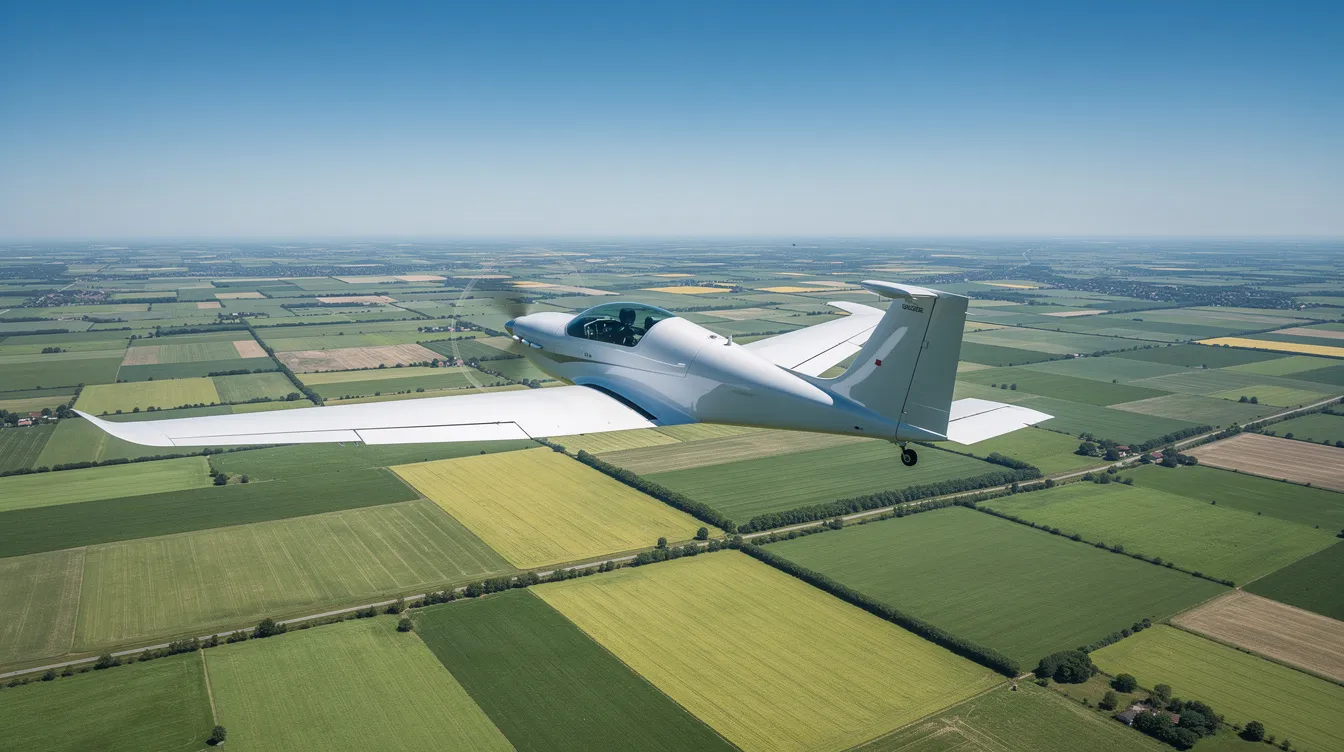
The Cirrus SR22T has a parachute system that reduces fatalities - CAPS has been deployed hundreds of times, turning otherwise unsurvivable scenarios into walk-away events. Its glass cockpit, composite construction, and cruising speed above 180 knots make it popular among owner-pilots who fly for business. However, its higher performance demands greater proficiency; earlier models had fatal accident rates around 1.6 per 100,000 hours, though newer models have improved substantially, making it a relevant benchmark when evaluating what it costs to step into a 12-seater private jet platform.
The Piper M350 offers pressurized cabin comfort and turboprop-like capability in a piston single, while the Diamond DA50 RG delivers retractable gear efficiency with the DA-family's proven safety DNA. Owners comparing these airframes often weigh chartering a similar small private plane instead of buying or studying the broader private jet price list across categories before committing capital. Both demand an instrument rating and recurrent training to operate safely at altitude and speed.
For high-net-worth travelers who "outgrow" single-engine ownership, the transition often leads not to more complex piston singles but to jet card programs. Instead of managing engine overhauls, maintenance schedules, and weather decisions alone, many switch to professionally crewed jet operations - a move that transfers risk from owner-pilot to certified operators and aligns well with BlackJet's premium private jet card offering. This is the point where BlackJet's model delivers its greatest value.
Pilot Training: The Real Safety Multiplier
The safest small plane becomes dangerous in untrained or complacent hands. NTSB findings consistently show that human error - not mechanical failure - drives the majority of fatal general aviation accidents. The progression from discovery flight to private pilot license, then to instrument rating, is designed to systematically reduce common risk factors, just as understanding how much it costs to charter a small plane helps pilots and owners plan safer, more sustainable travel decisions beyond their own cockpits.
Earning an instrument rating is a statistically significant safety upgrade. Pilots with IFR skills fly with better weather decision-making, reducing CFIT and loss-of-control accidents in marginal conditions. A good safety culture includes regular simulator sessions, proficiency checks, and studying NTSB reports for aircraft like the Cessna and Piper Archer, just as smart buyers study comparisons such as NetJets jet card cost and structure before committing to a long-term access model.
Disciplined GA flight training produces pilots who understand that safety is a system, not a feature. This same philosophy drives the professional standards BlackJet requires from all partner operators and crews flying jet card members through the skies.
Maintenance, Inspections, and the Role of Aircraft Age
An older, properly maintained Cessna 172 can be safer than a brand-new but poorly maintained airplane. Age alone does not determine risk - maintenance discipline does, much like total lifecycle costs matter more than sticker price when evaluating the most affordable private jet options or deciding whether to charter a small plane instead of owning.
Required inspection regimes include annual inspections for all GA aircraft and 100-hour inspections for training aircraft used in commercial operation. Compliance with Airworthiness Directives ensures that known production defects are addressed, just as careful review of jet card pricing structures and terms ensures you understand the protections and obligations built into your private aviation agreements. Training aircraft undergo inspections exceeding FAA requirements at leading flight schools - a standard that mirrors how BlackJet requires operators to exceed Part 135 baseline standards.
Common buyer misconception: newer avionics alone do not guarantee safety without strong maintenance records and rigorous preflight checks. Before you take off in a rental or training aircraft, review logbooks, ask about the maintenance program, and favor operators with audited safety programs. Whether you are renting a car or a Cessna, verifying the condition of the machine before you operate it is never wrong.
Aircraft Age and Safety
While newer aircraft may feature the latest technology, a well-maintained older aircraft can be just as safe, if not safer, than a neglected new one. Maintenance discipline, adherence to inspection schedules, and compliance with safety directives are the true determinants of aircraft safety, regardless of age.
From Small Planes to Private Jets: How BlackJet Extends the Safety Chain
If the safest small plane sparked your passion for aviation, there comes a point where your travel demands - distance, passengers, weather reliability - exceed what a single-engine airplane can safely deliver, and you start thinking about the best small private aircraft for evolving missions. This is where BlackJet enters the picture.
BlackJet's jet card model offers prepaid flight hours across multiple cabin classes, flown by professionally crewed aircraft, with options like the BlackJet 25+ Hour Jet Card and other structures explained in our guide to jet card membership pricing. Every operator in the network undergoes third-party safety audits, captain experience minimums of thousands of hours, and rigorous operational oversight that mirrors - and often exceeds - the discipline found in top-flight training programs. BlackJet's safety standards ensure that every hour you fly is backed by the same systemic rigor that makes the DA40 and 172 so safe, while guides like our 50-hour jet card cost breakdown help you evaluate the long-term value of that safety and access.
Technology plays a role too: BlackJet's 24/7 digital booking platform and real-time flight support reduce last-minute planning errors and operational risks. And for those who care about efficient performance beyond the cockpit, understanding the broader private jet price landscape pairs naturally with BlackJet's commitment to carbon-neutral flights through verified offsets, mirroring the efficiency focus seen in modern single-engine planes like the DA40.
Your takeoff into private jet travel does not mean leaving safety behind. It means extending it.
FAQ: Safest Small Planes, Training Paths, and Private Jet Access
What is considered the safest single-engine plane for beginners?
The Cessna 172S Skyhawk and Diamond DA40 consistently rank among the safest for beginners. Both feature forgiving flight characteristics, modern avionics, and decades of proven accident rate data supporting their strong safety record in training environments.
Do I need an instrument rating to fly safely in a single-engine plane?
You can fly VFR without one, but an instrument rating dramatically reduces your risk in marginal weather. IFR-trained pilots are far less likely to be involved in CFIT or loss-of-control accidents, making it one of the most valuable investments any private pilot can make.
How does a Piper Archer compare to a Cessna 172 in safety?
Both are excellent trainers with comparable accident rates. The Cessna 172's high wing offers better downward visibility and more stability on the ground; the Piper Archer's low-wing configuration develops different handling skills. Training in both broadens a pilot's adaptability - for good reason, many flight schools include both in their fleet.
When should I move from a single-engine plane to private jet travel?
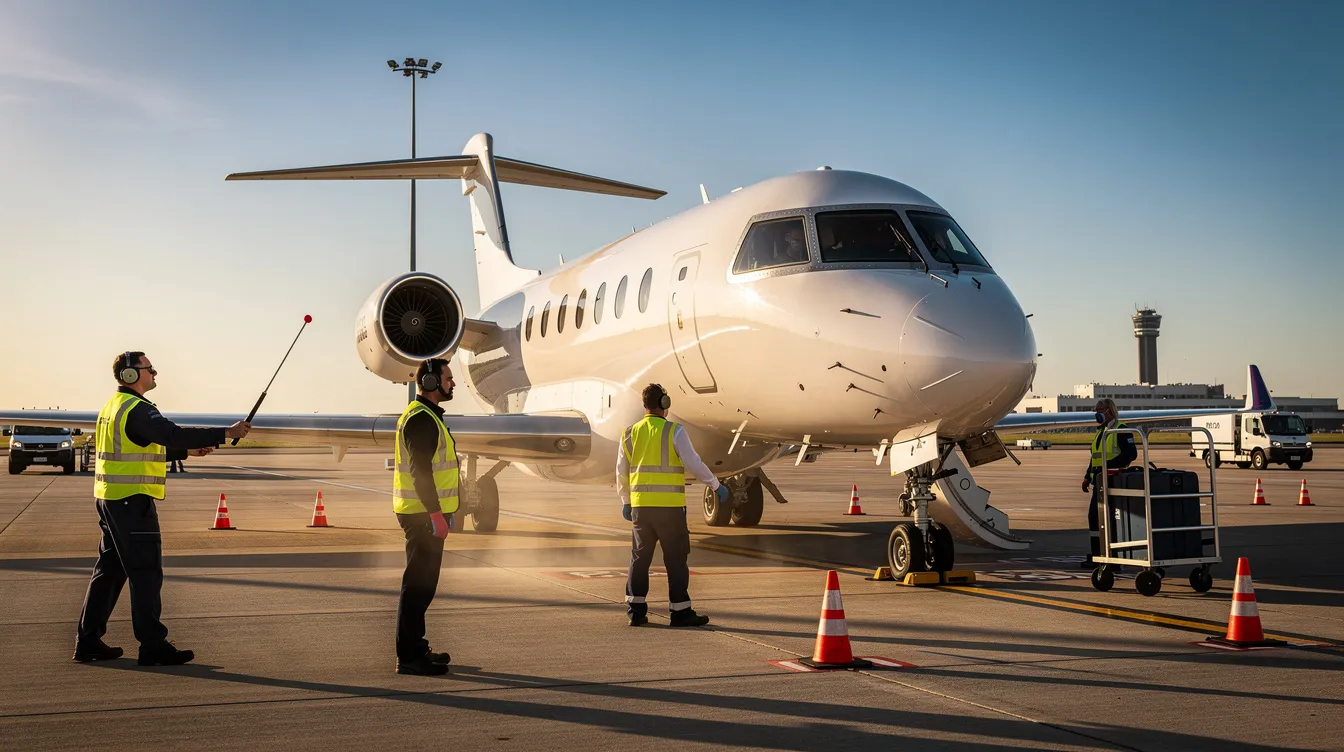
When your travel involves longer distances, multiple passengers, or frequent weather challenges, the safety and efficiency advantages of professionally crewed jets become clear, especially when you understand that chartering a private jet is really worth it. Business owners and frequent travelers often find that a jet card program replaces the complexity of aircraft ownership with seamless, professionally managed flight operations.
How does BlackJet ensure safety compared with typical GA flying?
BlackJet requires all operators to meet or exceed Part 135 certification, maintain third-party audit ratings (ARG/US, Wyvern), and employ captains with extensive type-specific experience. Unlike owner-pilot GA flying, every BlackJet flight is professionally crewed, maintained to exacting standards, and monitored in real time - removing the human error variable that drives most GA accidents.
More Posts and Next Steps
Safe small planes plus strong training create safer pilots. And safer pilots demand the highest standards when they eventually fly private - whether as passengers or as clients managing complex travel schedules. The same commitment to safety, reliability, and performance that defines the best training aircraft is exactly what BlackJet brings to the jet environment.
For more posts on related topics, explore our guides on jet card vs. on-demand charter, private jet safety standards, and choosing the right aircraft category for your mission, including a deeper dive into types of private jets for different travelers.
If you started your aviation journey in a single-engine plane and are ready for what comes next, BlackJet can complement or replace ownership with flexible, professionally managed jet card access, guided by resources that explain how jet card costs and structures work and compare the best jet cards for frequent flyers.
Discover how BlackJet can elevate your travel beyond the training aircraft cockpit - safely, seamlessly, and on your schedule.
Conclusion: Elevate Your Journey with Safety and Confidence
Choosing the safest small plane for training or personal travel is the foundation of a lifetime of secure flying. Models like the Cessna 172S, Piper Archer, and Diamond DA40 exemplify how thoughtful design, advanced avionics, and rigorous maintenance create safer skies for pilots at every level. However, as your travel needs grow, so too should your access to professionally managed, certified aircraft that maintain these same uncompromising safety standards.
BlackJet bridges that gap by offering exclusive jet card programs that combine the convenience and flexibility of private aviation with the highest levels of operational safety and technological innovation. From the cockpit to the cabin, every detail is engineered to protect, perform, and provide peace of mind. Whether you’re logging your first flight hours or stepping into a private jet for business or leisure, BlackJet ensures your journey is elevated by safety, expertise, and effortless access.
Explore how BlackJet can transform your travel experience—wherever the skies take you—with confidence and style by learning more about our private jet safety standards and types of private jets available through our premium membership.


 Sign up with google
 Sign up with Apple