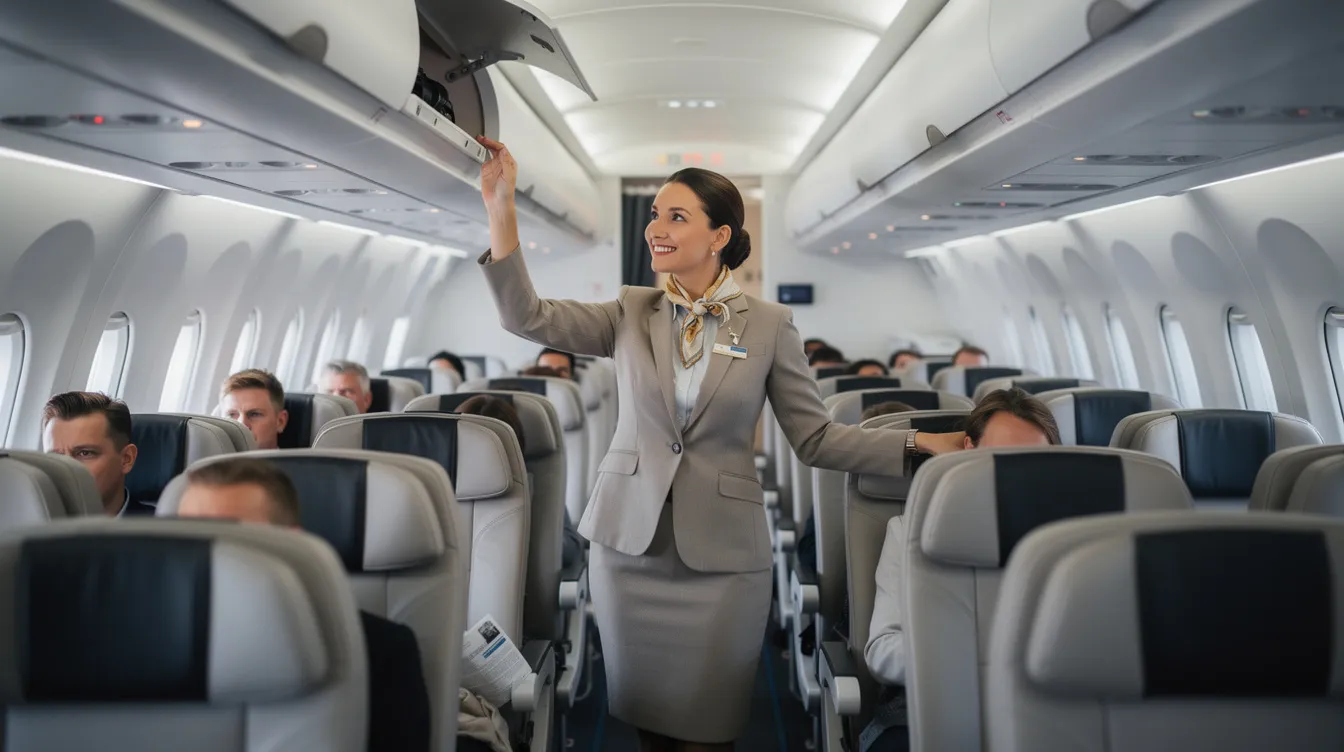
Few careers in air travel carry as much public fascination - or as much misunderstanding - as the flight attendant job. If you are searching for the salary of cabin crew, the short answer is that U.S. flight attendants earn a median of $67,130 a year in 2026, with entry-level pay often starting around $27,000 to $35,000, senior crew reaching $80,000 to $115,000 or more, and private jet cabin crew commonly earning $500 to $1,200 per day.
Whether you are considering a flight attendant career, are a frequent traveler curious about what pays for the service and safety on your next flight, or are comparing private aviation standards as a prospective jet customer, the numbers deserve a closer look. This guide breaks down salary ranges by experience, hourly and per diem pay, regional differences, commercial versus private jet compensation, benefits and out-of-pocket costs, and how safety and security training shape both earnings and service quality - including BlackJet’s view of what well-compensated crews mean for Jet Card members and how Jet Card pricing structures align incentives between operators, crew, and travelers.
Quick Answer: Average Flight Attendant Salary in 2026
The median flight attendant salary in the United States sits at $67,130 per year, according to the Bureau of Labor Statistics. The average flight attendant salary is higher - approximately $78,950 - because top earners pull the mean upward. In simpler terms, "median" is the midpoint (half earn more, half earn less), while "average" includes every outlier at the top.
Here is how compensation breaks down across career stages:
Starting flight attendants
Starting flight attendants: Entry-level flight attendants typically earn $27,000 to $35,000 annually, with starting salaries averaging about $47,079 per year once per diem and other factors are included.
Mid-career attendants
Senior flight attendants
Senior flight attendants: $80,000 to $115,000+ annually at major carriers, with senior flight attendants earning around $80,287 on average and top performers well into six figures.
Cabin crew salaries range from $30,000 to $80,000+ annually, depending on airline, seniority, and route mix. The average salary works out to roughly $29.93 per hour. Most commercial flight attendants receive hourly flight pay plus diem pay, while many private jet cabin crew - including those serving BlackJet members on large private jets for 20 passengers and beyond - are compensated through day rates or annual salaries. Pay will vary depending on whether the role is domestic or international, commercial airline or private aviation.
What Flight Attendants and Cabin Crew Actually Do
A flight attendant's salary reflects far more than hospitality. Cabin crew are safety professionals first: every moment on a plane involves responsibility for passenger well-being, regulatory compliance, and emergency preparedness.
Core duties for commercial flight attendants include:
Preflight safety inspections and equipment checks
Passenger briefings on emergency procedures, including evacuation routes and oxygen mask use
In-flight cabin surveillance, food and beverage service, and medical response
Coordination with pilots on security incidents or operational changes
Security tasks are equally critical. Crew monitors onboard behavior, manages discreet threat recognition, and acts on protocols established after security verification is successful at the airport. This means a flight attendant's job extends well beyond what passengers see during service.
Private jet cabin crew supporting high-net-worth travelers handle bespoke catering, detailed client preferences, confidentiality, and coordination with ground transport, hotel accommodations, and security teams, whether they are serving full aircraft charters or clients who buy a single seat on a private jet. Both commercial and private crews complete recurrent training every 12–24 months covering first aid, firefighting, and advanced safety protocols. At BlackJet, our partner operators maintain cabin crew trained to business-aviation standards - balancing safety, privacy, and high-touch service on every flight.
How Flight Attendant Pay Works: Flight Time, Per Diem, and Schedule
Flight attendant pay is not a simple annual salary. It is built from several components: hourly flight pay, per diem, and various premiums. Flight hours determine pay for cabin crew rather than a fixed wage.
Block Hours and Hourly Pay
The clock starts when the aircraft door closes and stops when it opens at the destination. This is known as "block time," and cabin crew pay is based on block hours from gate departure to arrival. Typical hourly rates for entry-level flight attendants range from $17 to $26 per hour, with most airlines paying in the high $20s to mid $30s for established crew in 2026. Most flight attendants log between 65 and 90 block hours per month.
What catches many new attendants off guard: boarding, security checks, waiting during ground delays, and post-flight duties are often unpaid or compensated at reduced rates. Recent contract negotiations at carriers like United Airlines and Southwest Airlines have begun addressing this gap by introducing boarding pay.
Per Diem Allowance
Per diem rates range from $1.50 to $2.60 per hour, and per diem is paid for every hour away from home base. This hourly allowance covers meal expenses and incidentals during layovers. For attendants regularly away on multi-day trips, diem rates can add $700–$800+ per month.
Reserve vs Lineholder Status
Reserve status versus lineholder status also shapes take-home pay. Reserves are on call with guaranteed minimum hours but unpredictable schedules. Lineholders bid for specific trips based on seniority, giving them more control over earnings and route selection, similar to how frequent flyers on unlimited private jet membership programs optimize when and how they fly.

Starting Flight Attendant Pay vs Senior Flight Attendant Salary
Pay scales increase with years of service for cabin crew members, and flight attendants earn more with experience and seniority. This progression is typically governed by union contracts at major carriers.
Entry-Level Pay
Starting pay for new flight attendants ranges from $25 to $37 per flight hour. Combined with per diem, first-year annual salary often lands between $27,000 and $35,000 - modest compared to other positions requiring similar initial training intensity.
Mid-Career Pay
After three to five years, hourly rates climb into the low-to-mid $30s, bringing income into the $50,000–$70,000 band.
Senior and Lead Roles
A lead flight attendant, purser, or senior flight role at a major carrier commands $80,000 to $115,000+ annually by years ten through fifteen. The top 25% of flight attendants earn over $98,160 per year. Overtime and premium assignments can significantly increase cabin crew earnings, and bilingual cabin crew may receive premium pay for servicing specific international routes - typically $2–$4 extra per hour.
Consider this example: a senior flight attendant flying long-haul routes out of New York, logging 85 block hours per month at $62 per hour, stacking holiday premiums, language pay, and per diem. That combination pushes well past six figures - a far cry from the average hourly salary newcomers see on their first paycheck.
Commercial Airline Cabin Crew Pay by Location and Airline
The median annual salary of $67,130 masks substantial regional variations. Salaries for flight attendants have significant differences between hubs, carriers, and geographies.
Regional Variations
In high-cost bases like San Francisco or New York, annual wages for experienced crew approach $90,000–$100,000. In smaller domestic hubs, average salaries may hover in the low $50,000s. Across the world, European cabin crew see different structures: a crew member based in the Netherlands might earn €2,000–€3,000 per month in base pay, with allowances lifting total compensation higher. Tax rates and cost of living can influence how far any salary stretches, as do market opportunities in regions with active UK private jets for sale and high private ownership.
Mainline vs Regional Carriers
Mainline carriers typically offer higher pay than regional airlines or low-cost operators. Regional airlines often start crew at lower hourly wages with fewer opportunities for lucrative international routes. Major international airlines usually pay more, and international flights typically pay more than domestic flights - both in hourly rates and enhanced per diem allowances.
International vs Domestic Routes
Flight attendants' salaries vary by airline and location, so aspiring crew should compare offers carefully, just as private travelers compare top private jet companies for safety and service before committing to a provider.
Consider two hypothetical attendants: one based at a regional hub in the Midwest flying domestic routes, earning $48,000; another based at JFK working transatlantic service, earning $78,000. Same job title, dramatically different compensation - driven by route mix, base location, and airline policies, just as pay dynamics change when crews support large charter jets for 100 passengers instead of smaller aircraft.
Private Jet Cabin Crew vs Commercial Flight Attendant Pay
Commercial flight attendants work scheduled route networks under structured union contracts. Private jet cabin crew operate in a different world entirely - supporting bespoke itineraries for executives and high-net-worth individuals who value discretion, flexibility, and class of service above all else, whether on midsize jets or private jets configured for 30 passengers.
Private Jet Pay Structure
Many private jet cabin crew are compensated through annual salary, monthly retainer, or day rates, often ranging from $500 to $900+ per day on large-cabin jets that typically include 16-seat private jet options for larger groups. Experienced crew on ultra-long-range aircraft can command $1,000–$1,200 per day. Unlike the flight hour model used in commercial aviation, day rates compensate for the full scope of service - from pre-flight catering coordination to post-arrival liaison with chauffeurs and hotel staff, especially on large private jets for 50 passengers and other group charter aircraft.
Responsibilities on Private Jets
Additional responsibilities on private jets include ultra-personalized service, VIP protocol, discreet security awareness, and sometimes managing catering budgets. On 8–12-passenger aircraft, crew pay is often structured around the realities of operating a 12-seater private jet and its associated costs. Pay levels reflect aircraft type, operator reputation, and whether the role is freelance contract crew or full-time with benefits. For crews flying smaller aircraft, compensation also ties into demand for cheapest private aircraft and other budget-friendly private jets.
Negotiation and Benefits
Unlike tightly unionized commercial carriers, private operators negotiate compensation individually, so experienced private cabin crew can command premium rates.
BlackJet Jet Card members fly with vetted operators whose crew meet rigorous safety and service standards. While exact cabin crew pay is determined by our operating partners, the caliber of crew reflects the premium experience our members expect, backed by premium private jet cards and flexible Jet Card programs.

Other Pay Components: Hotel Accommodations, Benefits, and Hidden Costs
A flight attendant's salary alone does not capture the full financial picture. Benefits and lifestyle trade-offs are equally important.
Hotel and Travel Perks
Most airlines and private operators provide paid hotel accommodations and ground transport during layovers. Meal costs are only partially offset by per diem, which often includes an hourly allowance for meal expenses.
Bonuses and Profit-Sharing
Compensation packages for cabin crew include bonuses and profit-sharing at some airlines - profit-sharing bonuses can significantly impact earnings, with past bonuses at certain carriers equivalent to six weeks' pay.
Standard benefits for commercial flight attendants include:
Health insurance and 401(k) retirement packages
Discounted or free air travel as travel perks for crew and eligible family
Flight attendants earn additional pay for lead or language-qualified roles
Hidden Costs and Lifestyle Factors
However, irregular hours, weekend and holiday flying, and crossing time zones create hidden costs. Jet lag is a persistent health risk, and many flight attendants manage childcare logistics, maintain housing near their base location, or keep a second residence. These health risks and lifestyle demands are real expenses that reduce net take-home pay. Some operators offer higher wages but fewer formal benefits - especially for freelance private jet cabin crew, who must budget for their own insurance and training and may be hired on projects tied to leasing a private jet through long-term agreements.
Safety, Security, and Technology: Why Cabin Crew Pay Reflects More Than Service
Modern cabin crew are embedded in a safety-critical system. Their training covers not just hospitality but advanced safety and security protocols that justify higher compensation at senior and specialized levels, particularly on top-tier private jets that combine luxury and performance.
Safety Training and Certification
The security dimension is significant: the crew receives briefings on threat recognition, unruly passenger management, and coordination with ground security teams at the airport. Regular recurrent training, medical checks, and regulatory certification - such as FAA approvals - are mandatory. This ongoing investment in emergency preparedness and security verification is one reason pay rises substantially with tenure.
Security Responsibilities
For private aviation, cabin crew supporting corporate travelers may also be trained in discreet security procedures, client confidentiality, and secure communication protocols during flying.
Technology and Digital Security
At BlackJet, our digital platform incorporates security measures - including protections against malicious bots - so that only verified members can book, mirroring the rigorous physical and operational standards our operators' crews maintain daily.
Higher flight attendant pay at senior or specialized levels compensates for this high-stakes environment. It is not simply a reward for time served - it reflects accountability, continuous training, and the weight of responsibility carried on every flight.
BlackJet Perspective: Why Cabin Crew Pay Matters for Jet Card Members
Value of a Well-Compensated Crew
For discerning travelers, understanding cabin crew salary structures illuminates the value built into every private flight. Well-compensated, well-trained crew deliver smoother door-to-door journeys, anticipate needs before the moment arises, and handle schedule changes proactively on everything from efficient light jets to the most expensive private jets used for ultra-luxury travel.
BlackJet's Commitment to Crew Quality
While BlackJet does not set individual cabin crew salaries, we partner exclusively with operators that meet strict safety certification standards and maintain competitive pay for qualified crew, consistent with the expectations that come with premium private jet price lists and aircraft categories. This commitment is embedded in our Jet Card programs - from the 25-hour to the 50-hour tier, which align closely with broader market benchmarks for Jet Card cost and private jet membership pricing.
Member Experience
Picture this: an executive uses a BlackJet Jet Card to fly from New York to London overnight. Cabin crew manage bespoke catering aligned to dietary preferences, configure the cabin for rest, and coordinate ground transport for a morning meeting - all while pilots handle the route and crew maintain the highest safety standards at every stage. No waiting in commercial terminals, no compromises on class of service.
That caliber of experience is only possible when operators invest in their people.
Conclusion: The Strategic Importance of Flight Attendant Salaries in 2026
Understanding the salary of cabin crew goes beyond numbers—it reveals the critical role flight attendants play in ensuring safety, comfort, and seamless travel experiences. Whether in commercial aviation or private jet service, compensation reflects extensive training, certification, and the ability to deliver impeccable service under demanding conditions.
For aspiring flight attendants, knowing the median salary, starting pay, per diem, and seniority growth helps set realistic career expectations and highlights the profession’s potential. For travelers and private jet clients, recognizing the expertise and dedication behind cabin crew pay underscores the value embedded in every journey.
At BlackJet, we recognize that well-compensated, highly trained cabin crew are foundational to our promise of safety, sustainability, and personalized luxury. Our Jet Card programs connect members to vetted operators whose crews meet rigorous standards, ensuring every flight is not just transportation but an elevated, effortless experience tailored to discerning travelers’ needs.
Elevate your travel with BlackJet—where expert cabin crew, stringent safety protocols, and carbon-neutral flights combine to redefine the future of refined, efficient private jet access.


 Sign up with google
 Sign up with Apple