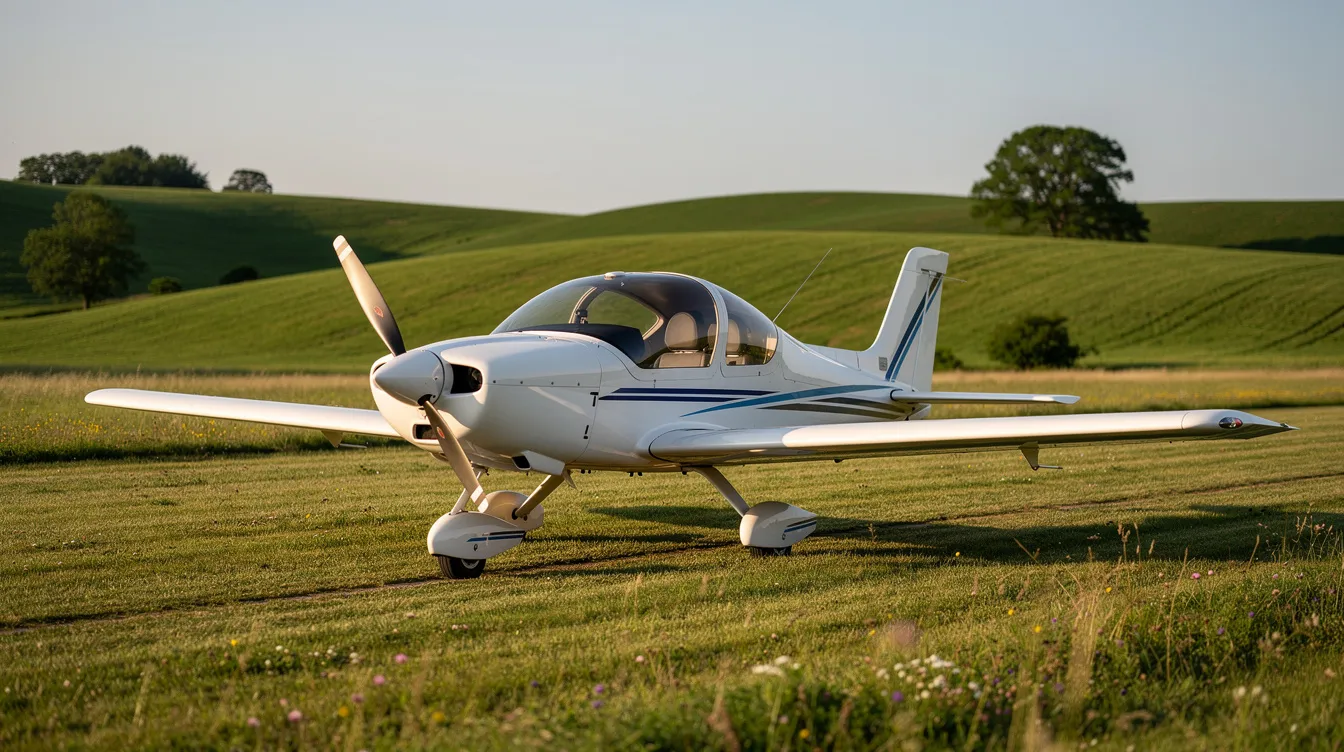
For discerning travelers evaluating how to reclaim time on regional routes, the idea of owning a small plane holds undeniable appeal. Small light aircraft are widely available for personal recreation and regional travel, offering schedule flexibility that commercial aviation simply cannot match. But does ownership truly deliver the strategic advantage it promises, or does a smarter path exist?
Why Small Light Aircraft Appeal to Today's Private Flyers
Private flyers considering a seat in a light sport aircraft or certified single-engine piston airplane are often motivated by one thing: time. On 300–800 nm regional routes-think Chicago to Nashville or Los Angeles to Las Vegas-private aviation can save roughly 127 minutes per flight once you factor in security lines, commercial traffic delays, and ground transfers.
Light sport aircraft fit these mission profiles well. With cruise speeds of 110–120 knots and fuel burn under 5 gallons per hour, they let an owner fly from smaller airports, skip the terminal queues, and land closer to the final destination. The experience is hands-on, the costs appear manageable, and the fun of piloting your own airplane is a unique draw.
Yet from BlackJet's perspective, our Jet Card programs deliver that same mission flexibility-access to thousands of airports, on-demand scheduling, minimal ground delay-without tying up capital in a depreciating asset or shouldering maintenance risk, all within a premium private jet card service.
What Counts as a Small Plane or Seat Light Sport Aircraft?
Understanding the categories helps frame any purchase decision:
Ultralights
Light Sport Aircraft (LSA)
Max 1,320 lbs MTOW for landplanes, 2 seats, fixed gear, fixed or ground-adjustable propeller, day VFR only. Specific model names include the Tecnam P2008 and Flight Design CTLS.
Experimental/kit aircraft
Certified GA singles
Cessna 172, Cirrus SR22, Diamond DA40. Four seats, IFR capable, higher payload and range, but significantly higher operating costs. Single-engine piston planes in this category range widely in price from $25,000 to over $500,000, reflecting the variety of models and conditions available.
Who buys what? LSA customers are often hobbyist pilots seeking weekend flying or flight schools wanting low operating costs. Certified GA buyers typically need all-weather reliability for business missions-a profile that increasingly aligns with BlackJet's class of members.
Small Light Aircraft for Sale in 2024–2026: Market Snapshot
Post-pandemic demand and supply chain constraints on composite materials have kept new LSA lead time long, while the used market offers robust inventory. Light Sport Aircraft generally cost between $100,000 and $300,000 new, while single-engine piston planes range from $25,000 to over $500,000.
Current listings illustrate the spread, and there are many cheap light aircraft for budget-conscious pilots beyond the examples below:
2019 Searey SLSA - listed for $119,000
Tecnam P2008 - priced at $119,500 (used, low-hour example)
2021 Van's RV-12iS - available for $135,000
2000 Kitfox Series 6 - listed for $125,000
2007 Jabiru J250-SP - 770 total hours, mid-range asking price
1946 Aeronca Champ 7AC - priced at $31,500
Good-quality used Cessna 150 - approximately $30,000
Engine choice matters: a Rotax 912-powered LSA burns 4–5 gph on mogas, while a Lycoming-equipped Cessna 172 consumes 8–10 gph of avgas. Regional price differences also apply-asking prices tend to run higher in North America and Western Europe than in Central Europe or Latin America, so buyers should verify import, registration, and certification details before committing to a purchase.
Featured Examples: Popular Light Sport and Small Planes
Kitfox S7 STi
Buyers are often paying for standout features, so factory-built or completed experimental examples from 2021–2023 sell for roughly $220,000–$260,000 equipped with a Rotax 915 iS engine, MT constant-speed propeller, and Garmin G3X avionics with autopilot. The Kitfox S7 has a maximum gross weight of 1,550 lbs and delivers sub-300 ft STOL performance ideal for backcountry strips.
Van's RV-12iS
A 2-seat light sport aircraft with Rotax 912 iS power, cruising around 115 knots. Interior fit is straightforward; dual Dynon HDX screens or Garmin GPS are common. Typical total time on 2020–2024 builds runs 400–600 hours. The 2021 Van's RV-12iS is currently available for $135,000, making it a competitive choice for buyers seeking modern, efficient LSA options.
Tecnam P2008
Carbon-fiber construction, glass cockpit, and a useful load of 574 lbs make it popular among European training fleets. Fuel burn sits around 4.5 gph, efficient enough to keep costs in check over time.
Aeronca Champ / Cessna 150
Classic trainers under $50,000, perfect for tailwheel time-building and nostalgia. Simple Continental or Lycoming engines, minimal avionics, and honest performance for local hops.
These aircraft are compelling entry points, but they primarily serve short-range, good-weather missions-a stark contrast to the all-weather, multi-leg capability of BlackJet's jet fleet.
True Cost of Buying and Operating a Small Plane vs Jet Card Access
For travelers comparing ownership with on-demand use, understanding how much it costs to charter a small plane provides another benchmark alongside Jet Card pricing.
Ownership pride is real, but so are the numbers. Essential considerations for buying include mission needs and budget. For a typical small plane flown 100 hours per year:
Cost Category | Annual Range |
|---|
Hangar storage | $300–$600/month ($3,600–$7,200/year) |
Insurance | $1,500–$5,000 |
Annual inspections | $750–$2,000 |
Fuel (100 hrs) | $2,500–$5,000 |
Maintenance reserves | $2,000–$5,000+ |
Typical annual expenses for a small plane range from $8,000 to $12,000 before financing or the purchase price itself. Operating costs can add thousands of dollars to an aircraft budget, and hangar availability is often competitive and may have long waiting lists, so determine hangar space availability before purchasing an aircraft.
Financing runs 6–9% APR in the current market, and selecting the right airplane financing options and strategies can materially change your overall cost of capital. Factor in depreciation, and you may sell the airplane for significantly less than you paid.
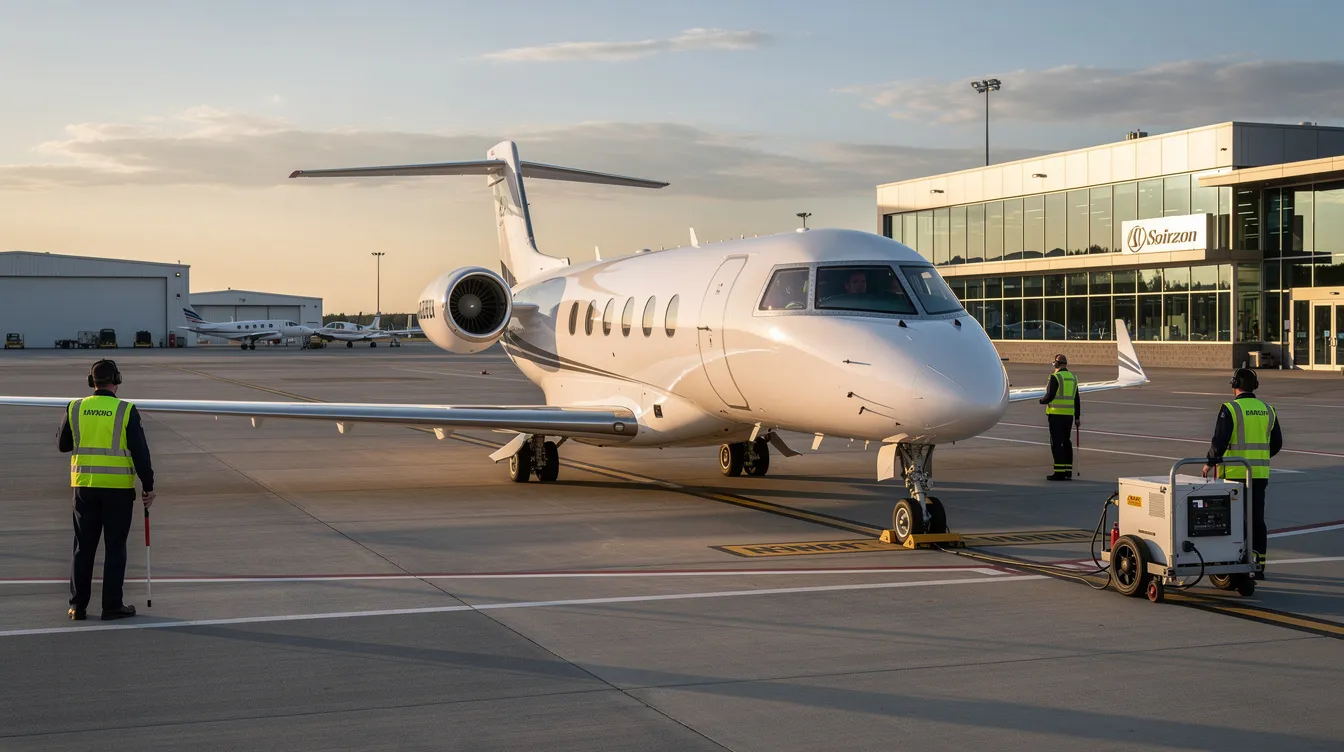
Compare that with a BlackJet Jet Card: prepaid 25- or 50-hour blocks across multiple cabin classes, no asset risk, no alternator replacements at 3 a.m., and no insurance renewals, especially when you leverage the structure of the BlackJet 25+ Hour Jet Card. A business traveler flying 60–80 hours per year on regional trips often finds that total ownership costs approach or exceed private plane rates once every expense and the time value of managing an aircraft are factored in, particularly when you evaluate Jet Card cost per hour against fully loaded ownership expenses.
Safety, Certification, and Sustainability: Small Aircraft vs BlackJet
Small planes and LSAs are safe when operated correctly, but the framework differs from a curated jet network and from the broader picture of private jet safety and risk. Owner-pilots bear full responsibility for proficiency, weather decisions, and maintenance quality, factors that vary widely. Many LSAs now carry glass panels and ads b transponders, yet lack de-ice systems, advanced autopilots, and the performance margins of jets.
BlackJet's safety certification standards rely on professional two-pilot crews, rigorous recurrent training, and audited maintenance providers operating under Part 135–level oversight, aligning closely with the criteria in our guide to the best small private aircraft for different missions. Every flight is carbon neutral at no extra cost to members, delivered through verified offset programs, which is increasingly important even for those exploring top affordable private planes and entry-level jets. Sun-faded fabric wings and owner-maintained experimental airframes simply operate in a different safety universe than the safest private jets in our network.
When Owning a Small Plane Makes Sense-And When a Jet Card Is Smarter
Ownership shines when you love flying itself: weekend hops, backcountry exploration, sightseeing with a passenger, or experimenting with some of the cheapest private aircraft options on the market. If you're making frequent ultra-short flights from rural airfields where jets are impractical, a 2-seat LSA is your ideal tool.
A Jet Card becomes the smarter offer when reliability across weather, regions, and schedules matters, especially if you compare the best jet cards for frequent flyers against the realities of owning and operating a small aircraft. An executive needing New York–Dallas–Miami in 48 hours, or a family of six with ski gear, will find a small plane's payload and range constraints a dealbreaker. Many BlackJet customers keep an LSA for local flying and use their Jet Card for longer, more complex missions-complementary tools, not competing ones- and they rely on a clear grasp of Jet Card pricing structures and benefits when deciding how much usage to pre-commit.
How to Evaluate Small Light Aircraft Listings (Without Overpaying)
Small light aircraft can be purchased through online marketplaces, brokers, and local owners. Network at local airports to find unlisted planes for sale-some of the best deals never reach a website or listing page.
Total Time and Engine Time
Propeller Time and Inspection
Airframe Damage History
Avionics
Control Surfaces
Control surfaces, including elevators, ailerons, and rudder, condition
Pre-buy Inspections
Logbook Review
Insurance and Title Searches
Broker Assistance
For BlackJet members, this complexity disappears-our team handles all due diligence on aircraft condition and operator quality so you focus on your destination, not airframe content or maintenance logs.
Technology, Booking Experience, and the Future of Light Aircraft Travel
Cockpit technology in small planes continues to increase in sophistication: synthetic vision, envelope protection, and affordable autopilots are reaching even entry-level LSAs, narrowing the gap with small private jets designed for flexible luxury travel. Electric and hybrid prototypes promise to reshape sub-500 nm regional travel by 2030, just as today’s cheapest private jet and turboprop options are expanding access to efficient point-to-point flying.
BlackJet mirrors this innovation through a 24/7 digital booking platform offering instant quotes, aircraft selection by type and cabin class, and real-time flight support, which pairs naturally with larger commitments like a 100-hour Jet Card cost structure for very frequent flyers. A member can schedule a multi-stop itinerary-Los Angeles to San Francisco to Seattle-in minutes via the app, while an owner-pilot would spend hours on route planning, NOTAMs, weight-and-balance, and weather information for the same trip—particularly if they haven’t already optimized their travel around a 50 Hour Jet Card program.
FAQ: Small Light Aircraft vs BlackJet Jet Card
Is buying a small plane cheaper than a jet card?
At very high annual hours (200+) on simple day-VFR missions, ownership can be cheaper per hour. Below 80–100 hours per year, total costs, including thousands in fixed expenses, depreciation, and the time you spend managing the asset, often rival or exceed Jet Card rates, especially when compared with a 25 Hour Jet Card’s features and costs.
Can I use a seat light sport aircraft for regular business travel?
Weather limits, two-seat capacity, and day-VFR restrictions make LSAs impractical for consistent business ab initio schedules. They work for niche regional routes but not demanding corporate itineraries.
How much pilot training do I need to fly a light sport aircraft?
A sport pilot certificate requires roughly 20 hours of flight training and several thousand dollars. A private pilot license demands 40+ hours. Both require ongoing currency.
Can I offset the carbon footprint of my small plane?
Voluntary offset programs exist, but few owner-pilots participate consistently. BlackJet automatically ensures carbon-neutral flights for every member on every trip.
What if I already own a small plane? Does a Jet Card still make sense?
Absolutely. Keep your aircraft as a personal aviation playground for local flights, and use BlackJet for longer, multi-leg, or all-weather missions where professional crews and brand-level service matter.
How do I decide between buying and joining BlackJet?
Estimate your annual hours, typical mission types, passenger count, and desired comfort level, then ground those assumptions in a clear view of the private jet price list and access models. Then contact a BlackJet advisor for a tailored analysis comparing ownership costs against a 25- or 50-hour Jet Card, and consider how those options stack up against competitors once you understand NetJets Jet Card cost and structure.
Conclusion: Why Choose Jet Card Access Over Buying a Small Plane?
Owning a small light aircraft can be fulfilling, but it requires significant capital, time, and risk management that many discerning travelers prefer to avoid. BlackJet’s Jet Card offers private aviation as a strategic advantage, combining rigorous safety certification, carbon-neutral flights by default, and a seamless, technology-driven booking experience with real-time support.
For professionals evaluating whether to purchase a small plane or opt for flexible jet access, a personalized comparison based on your typical routes and annual flight hours can clarify the best choice. Discover how BlackJet’s premium Jet Card access can transform your travel—offering effortless, reliable private jet service on your schedule, without the burdens of ownership.


 Sign up with google
 Sign up with Apple