For discerning travelers, premium air travel is no longer just about a wider seat and a better meal. In 2026, the real question is strategic: which journey protects your time, privacy, health, and productivity best?
The top business class airlines now offer enclosed suites, sliding doors, massive 4K screens, dine-on-demand menus, and hotel-like amenities that make long-haul journeys far more comfortable than economy class or premium economy. But even the best business class airline cannot fully replicate the control of private jet access.
This guide compares the best business class options for 2026 with BlackJet’s premium private aviation and Jet Card model, so you can decide when flying business class is enough and when a Jet Card becomes the smarter tool.
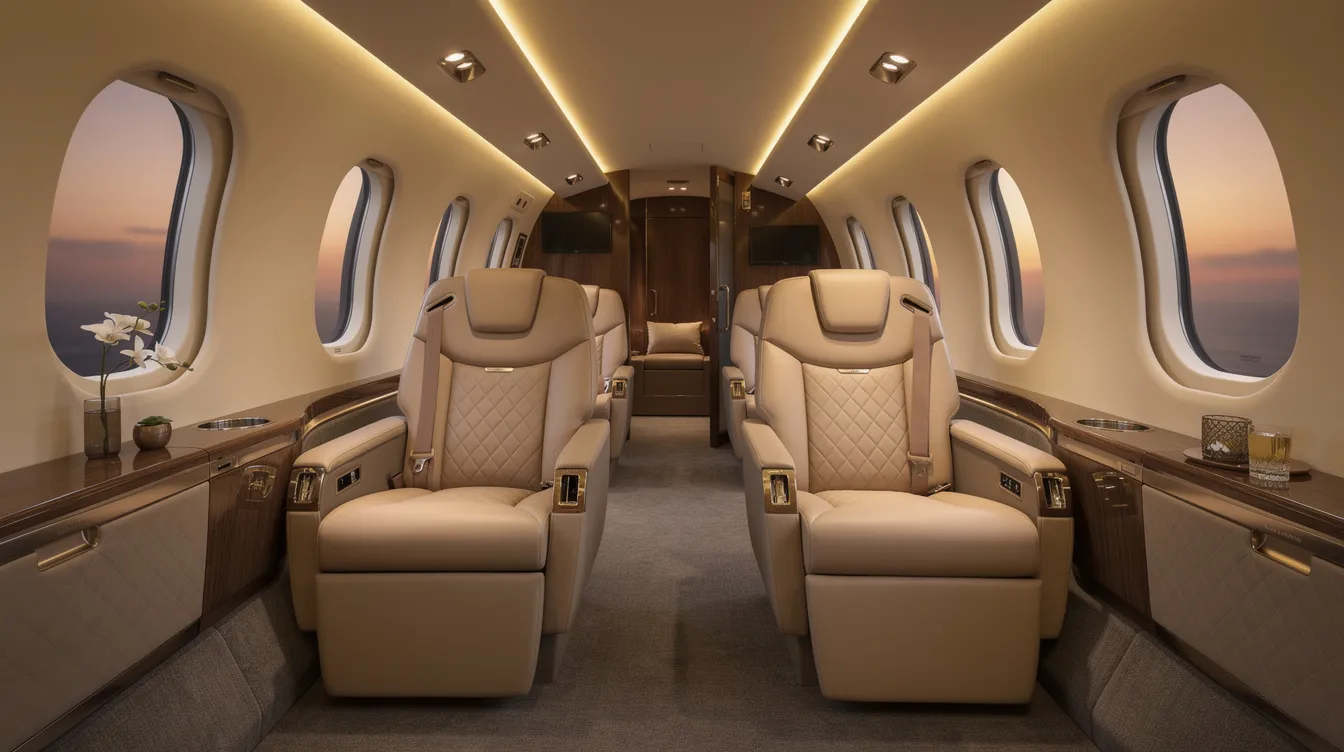
Executive Summary: Best Business Class Airlines vs Private Jet Travel
Premium cabin choice matters because the difference between arriving rested and arriving depleted can change the outcome of a meeting, a family trip, or a multi-city itinerary. Highly-rated business class services feature fully lie-flat seats, direct aisle access, gourmet dining, and premium lounge access. On long-haul flights, that can be the difference between working the next morning productively and losing a day to recovery.
The business class landscape is evolving with next-generation suites featuring privacy doors, massive 4K screens, and hotel-like amenities, enhancing the overall travel experience. Business class dining has also evolved to include dine-on-demand service, allowing passengers to order meals at their convenience, which enhances the overall travel experience.
Here is a compact snapshot of the top business class airlines to watch in 2026:
Qatar Airways - Qsuite remains a benchmark for privacy, flexibility, and the world’s best business class award recognition.
Singapore Airlines - exceptional service, Book the Cook dining, and a new privacy-focused seat program in progress.
Japan Airlines - cutting-edge A350-1000 business class suites based on the Safran Unity platform.
ANA - The Room and THE Room FX offer exceptional width, workspace, and private space.
Emirates - A380 business class luxury, ICE entertainment, and the famous onboard bar.
Air France - refined French design, strong catering, and Air France’s new product with doors on selected aircraft.
EVA Air - royal laurel class delivers balance, consistency, bedding, and a solid soft product.
Virgin Atlantic - playful service, strong lounges, and newer Upper Class suites on key aircraft.
Delta Air Lines - Delta One Suites with doors on selected aircraft and a strong U.S. network reach.
Cathay Pacific - Aria Suite brings a significant upgrade in privacy, lighting, and personal space.
The gold standard of international business class travel is defined by carriers that sweep global aviation awards for their cabin layout, gourmet catering, and airport lounges. Qatar Airways’ Qsuite, for example, has been repeatedly recognized by global rankings, including AirlineRatings’ cabin class awards.
Still, top commercial business class seats and BlackJet private jet access solve different problems. A suite door can protect you from the aisle; it cannot give you the entire cabin, a departure time built around your calendar, or access to smaller airports closer to your actual destination.
From BlackJet’s perspective, this is not a dismissal of commercial premium cabins. It is an independent overview for travelers deciding when top business class products are the right tool, and when private aviation offers the greater strategic advantage.
Business Class Airlines vs BlackJet Private Jet: Key Comparison Table
Feature | Top Business Class Airlines | BlackJet Private Jet Access |
|---|
Privacy | Enclosed suites with sliding doors; shared cabin | The entire aircraft is your private cabin |
Schedule Flexibility | Fixed airline schedules and departure times | Departure on your timetable |
Airport Access | Major commercial airports with limited routes | Access to smaller, closer airports |
Lounge Access | Premium lounges with dining and spa amenities | Private terminals (FBOs), faster processing |
Seating | Lie-flat beds, next-gen suites, large screens | Configurable cabin seating, varying by aircraft |
Service | Gourmet dining, curated wine lists, attentive crew | Personalized service tailored to your group |
Connectivity | Wi-Fi, Bluetooth audio, wireless charging | Varies by aircraft; often high-end satellite Wi-Fi |
Sustainability | Partial carbon offset programs | Carbon-neutral flights are included at no extra cost |
Cost Structure | Ticket price or award miles; variable availability | Prepaid Jet Card programs with fixed hourly rates |
Use Case | Best for nonstop trunk routes | Best for multi-leg, time-sensitive, or private travel |
Consider this table as a strategic tool to decide which mode of premium travel aligns best with your itinerary, priorities, and expectations.
How to Evaluate a Business Class Airline in 2026
Business class today is very different from business class a decade ago. Older products focused on lie-flat seats and better service. The latest business class cabins add fully enclosed suites with sliding doors, high-definition entertainment screens, customizable lighting, Bluetooth audio, wireless charging, and Wi-Fi strong enough for serious work.
Airlines are increasingly introducing fully enclosed suites with sliding doors in business class, providing enhanced privacy and comfort for passengers. The introduction of advanced technology in business class cabins, such as Bluetooth audio and wireless charging, is becoming a standard feature across many airlines.
Key Evaluation Factors
Before booking, evaluate these factors:
Hard product: the seat, suite, bed length, privacy door, storage, and cabin layout.
Soft product: crew, catering, bedding, amenities, wine, and service flow.
Business class lounge quality: dining, showers, quiet rooms, spa-style spaces, and ground service.
Fleet consistency: whether the airline’s long-haul fleet has the product you expect.
Connectivity: Wi-Fi, power outlets, USB-C, Bluetooth, and wireless charging.
Network coverage: nonstop reach, secondary cities, west coast routes, Europe, Asia, and South America.
Business class quality varies significantly between carriers, dependent on factors such as the hard product (seat and cabin) and soft product (service, food, and amenities). Business class experiences can vary drastically depending on the specific aircraft model assigned to a flight, with older aircraft sometimes featuring angled-flat seats rather than modern lie-flat suites.
Hard Product Features
Some business class seats now rival older first class products in space, privacy, and dining. But there are limits. Even private suites on a commercial aircraft still involve airline schedules, boarding queues, security, shared cabins, and airport congestion.
Soft Product Features
Later in this guide, we rank and describe specific airlines' business class products, including Singapore Airlines business class, Air France, EVA Air, Virgin Atlantic, and Delta Air Lines.
Hard Product vs Soft Product: Seats, Service, and What Really Matters
Understanding the Hard Product
Hard product means the physical cabin: the seat, layout, storage, doors, screen, lighting, privacy, and overall footprint. For long-haul business class, the hard product usually determines how well you sleep.
Examples of leading hard products include:
Qatar Airways Qsuite: flexible suites that can form doubles or quads.
ANA “The Room”: unusually wide sofa-style seat.
British Airways Club Suite: massive improvement with private suites.
EVA Air Royal Laurel Class: reverse herringbone seats for privacy and consistency.
Understanding the Soft Product
Soft product is the human and hospitality layer: crew tone, catering, bedding, amenities, lunch service timing, drinks, and how naturally the cabin team responds to personal preferences. Singapore Airlines, Air France, and EVA Air are strong examples because their service feels polished without being mechanical.
Airlines are increasingly focusing on providing high-quality food and beverage options, often featuring menus curated by renowned chefs and a selection of premium wines. The quality of service in business class is a critical factor, with airlines striving to offer attentive and personalized service to enhance passenger comfort and satisfaction.
Important Comfort Details
Key comfort details to consider include:
Seat width and bed length, especially for taller travelers.
Footwell size, especially for side sleepers.
Mattress topper quality, duvet weight, and pillow support.
Noise levels on older aircraft versus A350 or 787 aircraft.
Cabin temperature control, which can make or break sleep.
Storage for a laptop, glasses, a passport, and a phone during such a flight.
A day flight rewards soft product: restaurant-quality meals, international cuisine, attentive service, and workspace. A red-eye rewards hard product: a flat bed, quiet cabin, and sliding doors. A multi-stop trip to South America may reward neither if the commercial routing forces long connections. That is where BlackJet can become more valuable than the cabin itself.
Seat Generations and Cabin Layouts Explained
Not all J-class cabins are equal. When travelers talk about the best business class, they are often comparing different generations of seat design.
Here is the progression:
Angled-flat seats: older products that recline but do not create a true bed.
Standard lie-flat: fully flat seating, often with limited privacy or shared aisle access.
Reverse herringbone: seats angled away from the aisle, usually with direct aisle access.
Staggered layouts: alternating positions to increase personal space and storage.
Fully enclosed suites: business class suites with doors, better lighting, and larger screens.
Business class seats typically feature a 1-2-1 configuration, providing direct aisle access for every passenger, which enhances privacy and convenience during flights. Many airlines now offer fully lie-flat beds in business class, allowing passengers to rest comfortably during long-haul flights.
Recent examples include Qatar Qsuite, British Airways Club Suite, Cathay Pacific Aria Suite, SWISS Senses, Delta One Suites, and United Polaris Studio, expected in 2026. United’s next-generation Polaris plans include premium screens and upgraded connectivity on selected 787-9 routes, according to industry reporting on the Polaris 2.0 launch.
Cathay Pacific’s new Aria Suite business class is being retrofitted on Boeing 777s, featuring enhanced privacy and personal space, along with high-quality dining options. Cathay describes the Aria Suite as a redesigned experience with 4K entertainment, refined materials, and intelligent lighting on its official Aria Suite overview.
To read a seat map quickly:
1-2-1 usually means every passenger has direct aisle access.
2-2-2 can mean window seats require stepping over another passenger.
2-3-2 or 2-4-2 usually means a middle seat or less privacy.
Window seats are often best for solo travelers.
Center pairs are best for couples or colleagues who want to talk.
Compared with premium economy or economy class, any modern lie-flat business cabin is a massive improvement. But on long-haul flights, all-aisle-access 1-2-1 should be your default target. Older 2-2-2 layouts can still be acceptable on short daytime flights, especially if the schedule is perfect and the fare is attractive.
One technical note: the Collins Aerospace elements seat is part of the wider movement toward modular suite-style business class products, with better privacy, larger screens, and modern power options. A launch customer for a new seat platform can create excitement, but travelers should still confirm the exact aircraft before booking.
Top Business Class Airlines in 2026: Ranked Overview
This ranking focuses on long-haul capable business class airline products flying in 2025–2026. The methodology is a weighted mix of seat quality, privacy, business class lounge, and ground experience, service, catering, connectivity, and route network.
Global aviation rankings highlight several standout carriers that consistently deliver exceptional business-class experiences. Middle Eastern and Asian airlines dominate global rankings for luxury hard products, high-end amenities, and stellar customer service in business class.
Qatar Airways - Qsuite for privacy, flexible layouts, dine on demand, and award-winning consistency.
ANA - The Room for width, private space, and one of the best work-rest combinations in the sky.
Japan Airlines - A350-1000 suites with modern features, privacy, and refined Japanese service.
Cathay Pacific - Aria Suite brings a fresh, elegant, tech-forward cabin to the 777.
Singapore Airlines - benchmark soft product, Book the Cook, and highly anticipated new seats.
Emirates - unmatched brand pull, A380 bar, lounges, and 777 retrofits improving consistency.
Air France - Europe’s most refined new-generation suite experience on selected aircraft.
EVA Air - royal laurel class for balance, bedding, champagne, and transpacific reliability.
Virgin Atlantic - strong ground experience, Clubhouse lounges, and a distinctive service culture.
Delta Air Lines - Delta One Suites on key routes, including strong options to Europe and South America.
Other airlines deserve attention on specific routes. Turkish Airlines offers excellent catering and a broad Istanbul network. Etihad Airways offers a modern Business Class experience with its Business Studios on A380S and 787 Dreamliners, known for their stylish design and personalized luxury. Korean Air, Air Canada, and British Airways can also be excellent when the aircraft has the right seat.
Individual airline profiles follow, with BlackJet comparisons where private aviation changes the value equation.
Qatar Airways, ANA, and Japan Airlines: The Benchmark Suites
Qatar Airways, ANA, and Japan Airlines define the current reference point for business class suites in 2026. Their best cabins combine privacy, space, direct aisle access, and elevated soft product.
Qatar Airways Qsuite: Qatar Airways’ Qsuite is widely regarded as one of the best business class products in the industry, known for its fully enclosed private suites and customizable seating arrangements. The suite can form doubles or quad seating for families and teams, and the airline is known for dine-on-demand service, premium wine, and caviar on select routes. It appears on selected A350-900, A350-1000, and retrofitted 777 aircraft, with Qsuite 2.0 expectations building into 2026–2027.
ANA “The Room” and THE Room FX: ANA’s seat is extremely wide, with a sofa-like feel, sliding doors, and enough space to work comfortably. The original product appears on selected 777-300ER aircraft, while THE Room FX is expanding the concept to 787-9 aircraft from 2026. Business Traveler reported details of the 787-9 version, including a 1-2-1 layout and 48 business class seats, in its ANA THE Room FX coverage.
Japan Airlines A350-1000 suites: Japan Airlines has introduced a new Business Class product based on the Safran Unity platform, which is noted for its spacious design and modern features. The A350-1000 product includes advanced privacy, modern IFE, headrest speakers, and a refined cabin feel. It launched around 2024 on flagship routes such as Tokyo–New York and continues expanding into 2026.
These cabins make the commercial overall business class experience feel close to first class in many practical ways. But the comparison changes once privacy and control matter more than seat design, and you start weighing them against ownership-level options like 10-million-dollar private jets.
With BlackJet, the entire aircraft becomes your cabin. There is no aisle traffic, no unknown passenger nearby, and no airline schedule determining when the trip begins. For executives, families, or deal teams, that can matter more than whether the commercial suite door is two inches higher.
Singapore Airlines, EVA Air, and Air France: Service, Style, and Comfort
Singapore Airlines, EVA Air, and Air France stand out for soft product, quiet confidence, and refined cabin design. They may not always offer the most radical hardware on every route, but they often deliver a highly composed business-class experience.
Singapore Airlines Business Class
Singapore Airlines is recognized for its exceptional service and is in the process of introducing a new Business Class seat in 2026 that aims to improve privacy and ergonomics.
Current A350 and 777 seats are famously wide, with some requiring an angled sleeping position.
Book the Cook remains a signature dining feature, and Singapore Airlines business class service is often used as the benchmark for calm, precise hospitality.
Its S$1.1 billion retrofit program across A350 aircraft has faced delays, with updated reporting from The Business Times noting certification and supply-chain timing.
EVA Air Royal Laurel Class
EVA Air offers a 1-2-1 reverse herringbone layout, thoughtful storage, privacy, pajamas, high-quality bedding, and polished service.
Its food program has included collaborations such as Din Tai Fung, along with premium champagne.
Royal Laurel Class is a strong choice for transpacific flights because it delivers comfort without overpromising.
Air France Business Class
Air France has new suites with privacy doors on selected 777 and A350 aircraft.
The design feels Parisian without being theatrical, with Michelin-influenced menus, French wines, champagne, and strong lounge access in Paris.
Bulkhead “plus” seats on selected aircraft can approach first-class space.
These carriers are ideal for travelers who value quiet cabins, polished ground service, a refined business class lounge, and hospitality that feels professional rather than scripted.
They also work well for BlackJet members, pairing commercial and private segments. A traveler might fly Singapore Airlines from Asia to Europe, then use BlackJet for a time-sensitive secondary-city meeting. Or fly Air France into Paris, then continue privately to a regional destination where commercial schedules are thin.
Emirates, Virgin Atlantic, and Delta Air Lines: Lounges, Bars, and Network Strength
Emirates, Virgin Atlantic, and Delta Air Lines are premium choices with strong brands and practical networks, especially for U.S.- and UK-based travelers.
Emirates
The A380 business class cabin offers lie-flat seats, Bulgari amenity kits, ICE entertainment, Wi-Fi, and the famous onboard bar.
Emirates is also retrofitting many 777 aircraft to a better 1-2-1 layout.
The limitation is consistency: older 2-3-2 aircraft may still appear, so check the seat map before you book.
Virgin Atlantic
Virgin Atlantic Upper Class is strongest on newer A350 and A330neo aircraft, where social spaces such as The Loft or The Booth add personality.
The Virgin Clubhouse at London Heathrow remains one of the standout business class lounges, with a service style that is playful but still professional.
Delta Air Lines
Delta One Suites with doors appear on selected A350 and A330-900neo aircraft.
Delta is a strong option across the Atlantic and to South America, with generally reliable Wi-Fi and improving lounges in U.S. hubs.
Product inconsistency remains an issue on some 767 and older A330 routes.
These airlines make sense for brand-loyal flyers, SkyTeam users, and travelers connecting to or from BlackJet private flights through hubs such as JFK, LHR, DXB, and ATL.
Business Class vs Private Jet: When BlackJet Is the Better “Business Class”
Private aviation is not simply a more expensive business class. It is a different tier of travel, built around time efficiency, privacy, and control rather than only seat design, whether you hold a Jet Card or simply buy an individual seat on a private jet.
For many travelers, commercial long-haul business class is the right answer on trunk routes. But for time-sensitive missions, BlackJet’s 25+ Hour Jet Card can be the better “business class” because the trip is designed around you.
Key Advantages of BlackJet
Total journey time: Commercial business class still means hub transfers, security lines, boarding, baggage waits, and sometimes long walks through major terminals. BlackJet private flights use smaller, closer airports where available, with arrival often possible about 15–20 minutes before departure.
Privacy and productivity: On BlackJet, the cabin becomes your meeting room. You can work on sensitive documents, hold private conversations, conduct calls, or sleep without other passengers present.
Schedule control: BlackJet Jet Card programs support departures on your timetable, not the airline’s. If a meeting moves, a deal changes, or weather affects a routing, private aviation gives more room to adapt.
Safety and sustainability: BlackJet emphasizes independent safety certification, vetted operators, and rigorous standards across its network. BlackJet also ensures every journey is carbon neutral at no extra cost to you, while many major airline carbon programs remain voluntary add-ons or partial offset options, and there are now more affordable private jet options that still prioritize efficiency and responsible operations.
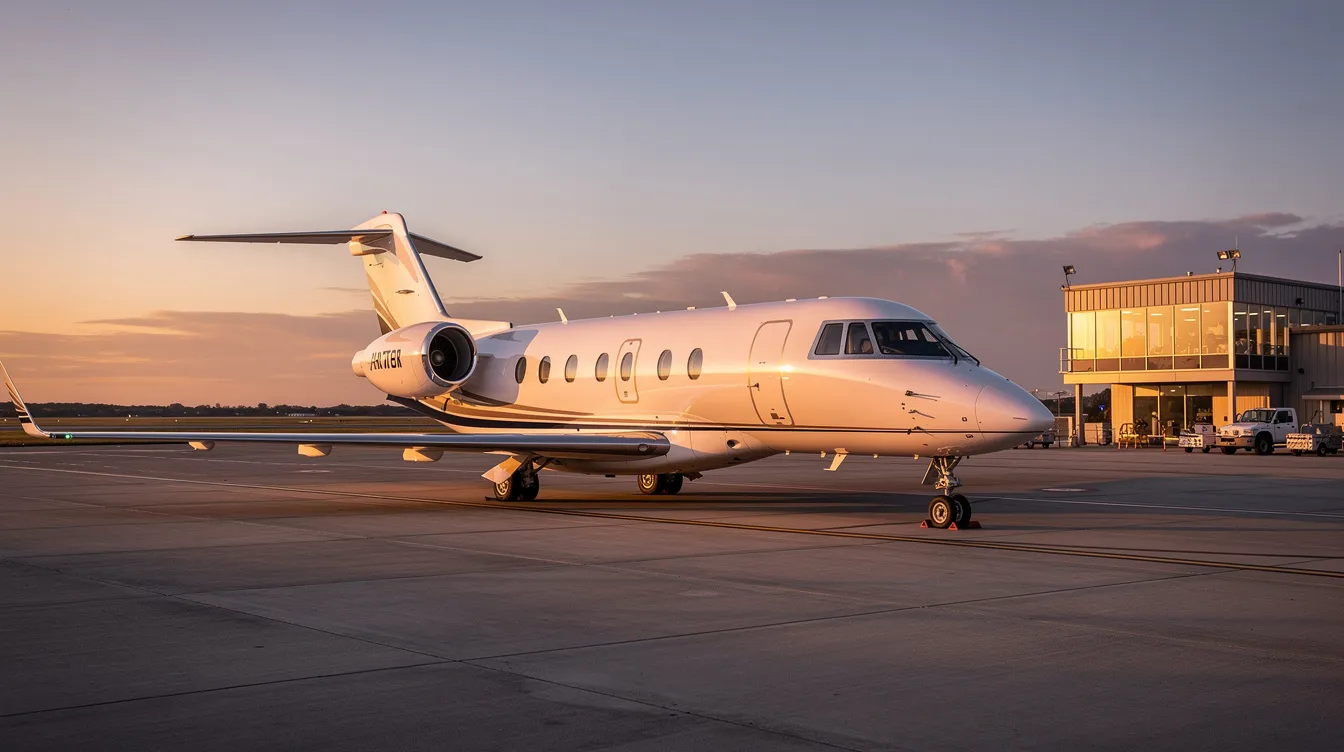
Consider a practical scenario. An executive team flies from New York to London on Qatar Airways or British Airways business class because the nonstop long-haul route is efficient. The next morning, instead of connecting through a congested hub to reach a secondary European city, the team uses BlackJet from a London-area private terminal directly to the regional airport closest to the meeting.
That combination can save hours, reduce fatigue, and avoid the risk of missed connections. In that case, the best solution is not business class versus private jet. It is using each where it performs best, especially as the newest generation of private jets further closes the comfort and productivity gap with commercial first class.
Planning Your Trip: Choosing Routes, Seats, and When to Go Private
Route and aircraft choice can matter as much as the airline itself. Before booking a flight, it is crucial to evaluate specific comfort factors of different carriers to maximize the investment in business class travel.
Checklist for Booking Business Class Tickets
Use this checklist before buying business class tickets:
Research the aircraft and seat: Check whether your flight uses an A350, 777, 787, A330, or older aircraft. Avoid older 2-2-2 or 2-3-2 business class cabins when privacy and sleep matter.
Confirm the exact product: Do not rely on brand reputation alone. The same airline can operate one route with modern private suites and another with a dated cabin.
Match the cabin to the mission: Overnight U.S.–Europe or U.S.–Asia flights are where long-haul business class shines. Multi-stop South America itineraries, regional hops after an ultra-long-haul, and time-sensitive meetings are often where private aviation offers disproportionate gains.
Evaluate the ground experience: Priority check-in and expedited security are standard features for business class passengers, enhancing the travel experience. Airlines often grant business class passengers access to premium lounges that may include sit-down restaurant dining, complimentary spa treatments, and private shower suites.
Use award tools carefully: Flexibility in travel dates can significantly impact the availability and cost of business class award seats, as prices can vary dramatically from one day to the next. Using a powerful tool like AwardFares can help travelers find available business class award seats by scanning multiple loyalty programs and providing a calendar view of availability. Setting alerts for desired routes can notify travelers the moment a business class seat opens up at a good price, making it easier to secure coveted award seats.
Standout lounge experiences include Qatar’s Al Mourjan lounge, Singapore Airlines lounges at Changi, and the Virgin Atlantic Clubhouse. These can make commercial premium travel smoother, but they still operate inside the commercial airport system.
If you fly one or two long-haul journeys per year, upgrading from economy class or premium economy to business class may be the best value. If you fly five or more premium long-haul trips per year, frequently visit secondary cities, or travel with colleagues and family, understanding Jet Card pricing and structures becomes important, and a BlackJet Jet Card deserves serious consideration.
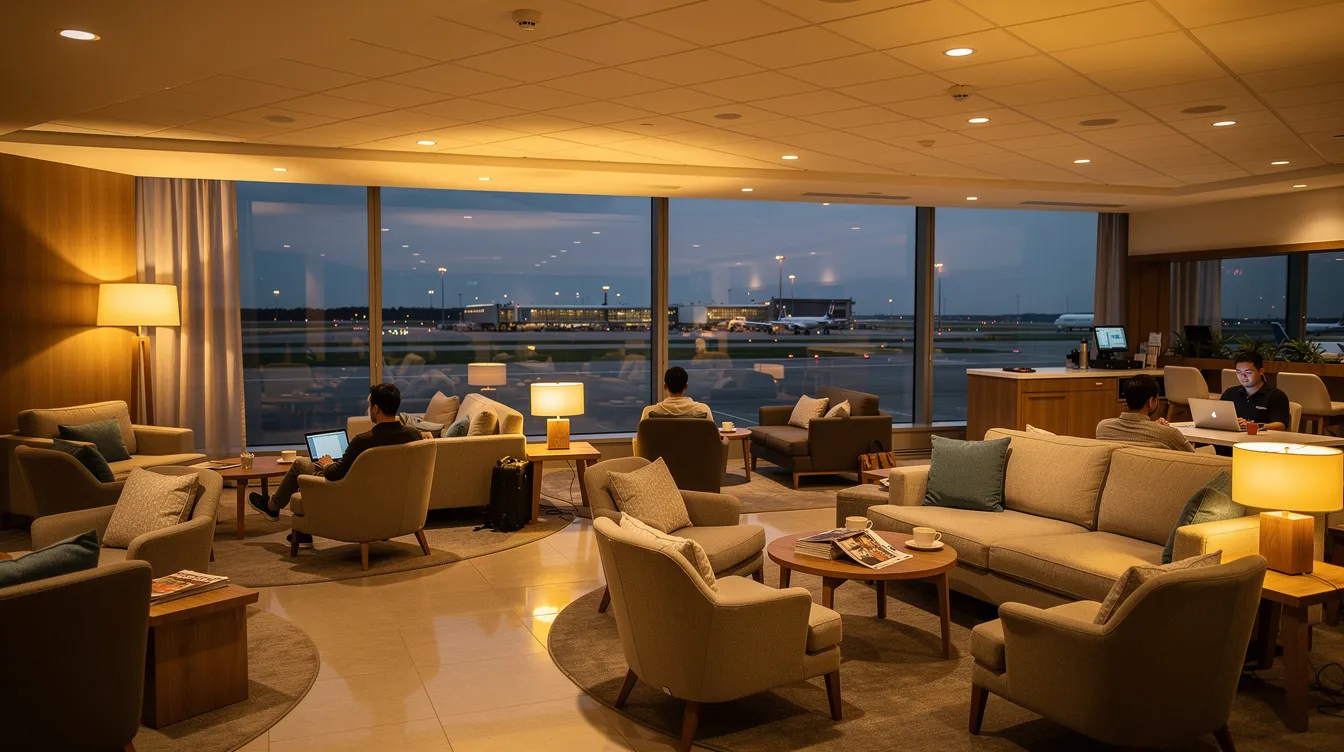
BlackJet Jet Card vs Commercial Business Class Tickets
A Jet Card is a prepaid private aviation model. With BlackJet, members can access programs such as 25-hour and 50-hour blocks of flight time across multiple cabin types, supported by 24/7 digital booking tools and real-time flight support.
That differs from buying ad-hoc commercial business class tickets with cash or points. Airline tickets may be efficient for predictable trunk routes, but they come with fare volatility, award scarcity, fixed schedules, and aircraft swaps.
Key Differences Between Jet Card and Business Class Tickets
Cost perspective: Frequent premium travelers can spend substantial annual amounts on business class travel while still losing time to connections, delays, and airport procedures. A Jet Card cost structure reframes the spend around usable time, privacy, and control.
Predictability and availability: BlackJet provides access across multiple private aircraft categories, while commercial business class availability can be limited by fare class, loyalty inventory, and route demand.
Booking process: BlackJet members use 24/7 digital booking, real-time support, and a single point of contact instead of juggling multiple airline apps, alliances, and ticket rules.
Complement, not replacement: Keep flying your favorite business class airline for ultra-long-haul trunk routes when it makes sense. Use Jet Card programs for frequent flyers like BlackJet for critical, time-sensitive legs where schedule risk is costly.
A traveler might use Air Canada, Korean Air, or Turkish Airlines for a long international segment, then use BlackJet for the final regional leg, after reviewing a private jet price list and access options. The value is not only luxury. It is continuity.
Frequently Asked Questions About Business Class and Private Jet Travel
These are the questions travelers often ask when choosing between top business class airlines and private jets like BlackJet.
Is business class worth it over economy class on overnight flights?
Yes, especially on flights longer than 6–7 hours. A true flat bed, extra space, direct aisle access, and better cabin service can improve sleep quality, productivity, and recovery after arrival.
Premium economy can be a sensible daytime compromise, but it rarely provides the rest needed before a major meeting. On overnight long-haul flights, business class is usually a health and performance decision, not just a comfort decision.
Which business class airline is best for flying to South America?
Delta Air Lines, LATAM, American Airlines, and select international carriers can be practical depending on the route. Delta One Suites are compelling where available, but aircraft consistency matters.
For multi-stop South America itineraries, BlackJet can be especially useful. Commercial schedules often force long connections, while private aviation can link regional cities more directly, including with large-cabin jets suitable for 20 passengers when teams or families travel together.
How do business class lounges compare to private jet terminals?
A top business class lounge can be excellent, with dining, showers, work areas, and premium service. Qatar Al Mourjan, Virgin Atlantic Clubhouse, and Singapore Airlines lounges are strong examples.
A private jet terminal, known as an FBO, is different. It is usually faster, quieter, more private, and built around minimal waiting rather than extended pre-flight amenities, and can also support large-group private jet travel for up to 50 passengers when needed.
Do private jets offer lie-flat business class seats?
It depends on the aircraft category. Light jets and some midsize jets may have comfortable club seating but not fully flat beds.
Super-midsize and large-cabin aircraft may offer divans, berthable seating, or sleeping configurations closer to commercial first class. BlackJet helps match the aircraft category to the trip, passenger count, range, and comfort needs, including access to some of the best private jets in the world.
Is flying private with BlackJet more sustainable than commercial business class?
Private aviation generally has a higher footprint per passenger than a full commercial aircraft, so sustainability must be handled transparently. BlackJet’s approach is to make carbon-neutral flights standard, not a paid add-on, aligning with broader billionaire private jet trends and pricing dynamics in 2026.
That means carbon offset and sustainability measures are built into the journey. For groups, direct routing and right-sized aircraft selection can also improve the practical efficiency of a trip compared with fragmented commercial itineraries, similar to the considerations that shape 20-million-dollar private jet configurations.
Which airline has the best business class overall?
There is no single answer for every route. Qatar Airways is often cited as the world’s best business class for Qsuite, while Singapore Airlines, Japan Airlines, ANA, EVA Air, and Air France all excel in different ways.
The best business class airline for you depends on the aircraft, route, schedule, seat map, lounge, and personal preferences. Always verify the exact flight before booking.
Call to Action: Explore BlackJet’s Alternative to Business Class
If you regularly fly business class, start by quantifying your annual spend, lost hours, connection risk, and schedule compromises. Then compare that with the
Conclusion: Choosing the Right Premium Cabin for Your Travel Strategy
Premium travel in 2026 has never been stronger. Business class airline cabins now offer privacy doors, refined dining, lie-flat beds, and technology that would have felt like first class not long ago. At the same time, private jet access is more structured and accessible through Jet Card programs.
Choose top-tier business class when:
You are flying a nonstop long-haul trunk route on Qatar Airways, Singapore Airlines, EVA Air, Air France, Virgin Atlantic, or Delta Air Lines.
The aircraft has a modern 1-2-1 cabin with direct aisle access.
Lounge access, award availability, and schedule timing are strong.
You are traveling solo, and the route is already efficient.
Choose BlackJet when: see also how it compares with top private jet companies and access models if you are evaluating multiple providers.
Privacy, schedule control, or confidentiality matter most.
You need to reach secondary cities without losing hours to connections.
You are traveling with a team or family.
Safety, comfort, sustainability, and time certainty matter more than the logo on the boarding pass.
The right premium cabin is not always the most famous one. It is the one that protects the purpose of your journey.


 Sign up with google
 Sign up with Apple