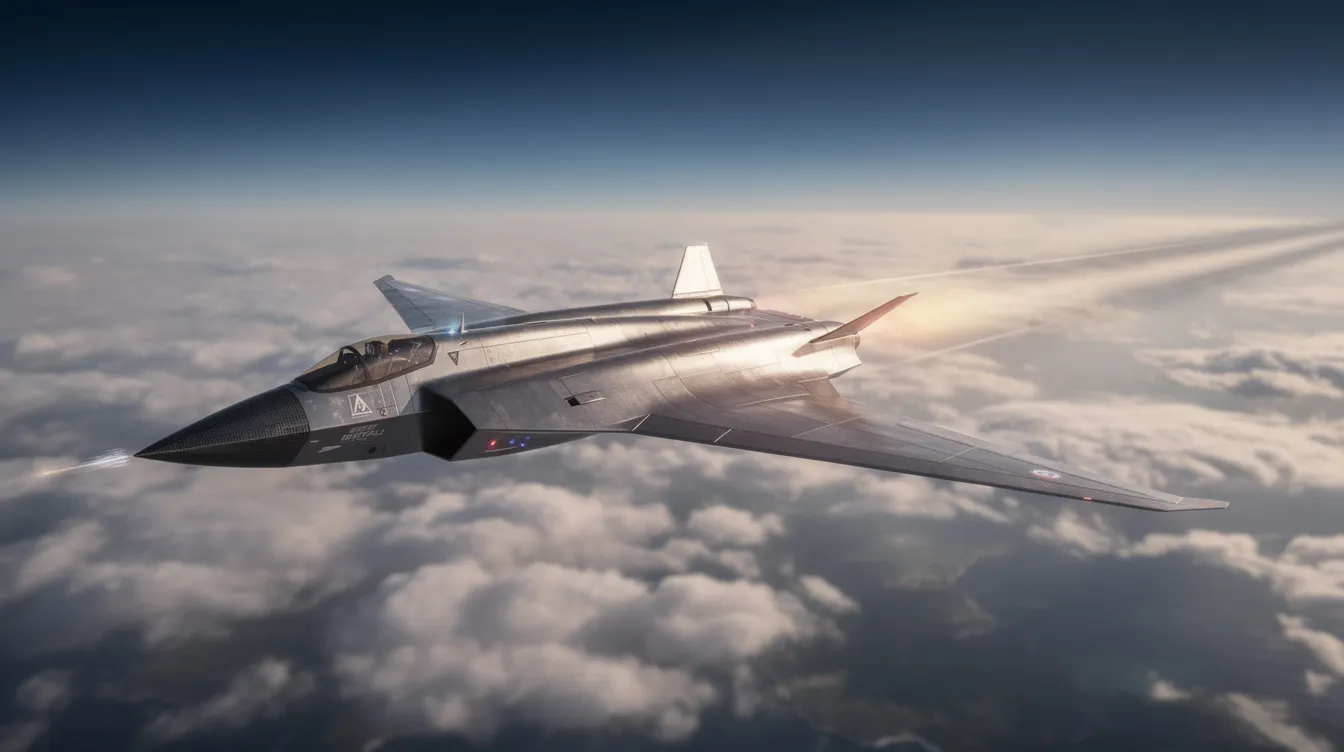
Private flight has always carried a certain prestige, but for executives, founders, family offices, and discerning travelers, speed is more than a luxury. It is a strategic advantage: fewer wasted hours, fewer forced connections, and more control over the day.
The question “what is the world’s fastest plane?” leads from rocket aircraft and Cold War reconnaissance icons to today’s private jet access models. The answer depends on what you mean by fastest: experimental aircraft, fighter jets, manned aircraft, or private aviation built for real-world travel.
Why Speed Still Matters – And What It Means for Modern Travelers
The fascination with the world's fastest plane is not just about numbers. It is about what speed represents: command of distance, technological ambition, and the ability to move before others can. For high-net-worth travelers, the same instinct applies in practical terms-less time in transit means more time with clients, family, recovery, or the next opportunity.
A “fastest aircraft” may be an experimental vehicle built for a brief record run. The fastest fighter jet is an operational armed fighter or interceptor designed for air combat. The fastest manned aircraft includes research craft such as the X-15, while the fastest private jet is a business aircraft designed for comfort, certification, and reliable service. Subsonic aircraft fly around Mach 0.8–0.9, supersonic aircraft exceed Mach 1, and hypersonic vehicles exceed Mach 5.
That distinction matters. A commercial aircraft crossing from New York to London may take about seven hours in the air, while the SR-71 Blackbird once demonstrated how dramatically high speeds could compress the Atlantic crossing. But for BlackJet members, true speed is not only Mach speed; it is total journey time, from home to FBO to destination.
BlackJet’s audience understands that speed works best when paired with privacy, safety, and control. A Jet Card does not need to promise Mach 3 to create a meaningful advantage. It delivers the ability to fly when the schedule demands, reach remote runways closer to the destination, and avoid the friction of commercial first class.
The Fastest Aircraft Ever: The NASA X‑43 and Hypersonic Flight
If the question is “What is the fastest aircraft ever flown?” the answer is the NASA X-43, the fastest unmanned aircraft and the world's fastest aircraft in the air-breathing experimental category. The X-43 achieved Mach 9.6 (7,366 mph) on 16 November 2004 over the Pacific, according to NASA’s Hyper-X program records. The X-43 set that benchmark by reaching speeds of Mach 9.6 (7,366 mph), making it a landmark for hypersonic research rather than a conventional plane.
The X-43 was carried aloft by a B-52, accelerated by a Pegasus rocket, and then powered briefly by a scramjet. A scramjet, or supersonic combustion ramjet, compresses incoming air at supersonic speeds without the spinning compressor stages of a normal engine. That matters because it points toward future hypersonic transport, space access, and high-speed unmanned systems. Still, the X-43 had no crew, no cabin, and only a very short powered flight, so it does not answer the questions of fastest manned aircraft, fastest fighter jet, or fastest jet aircraft in active service. NASA’s X-43 overview remains one of the clearest references on the program.
The Fastest Manned Aircraft: X‑15, SR‑71, and MiG‑25
The fastest manned aircraft ever was the North American X-15, not a traditional fighter. Rocket-powered aircraft hold different speed records from air-breathing jets, and the X-15 proved why. The X-15 set a record speed of Mach 6.72 at 4,520 mph. The X-15 set a record speed of Mach 6.72 in 1967. The X-15 set a speed record of Mach 6.72 (4,520 mph), flown by William J. “Pete” Knight on 3 October 1967. It also reached the edge of space, with X-15 flights reaching about 354,000 feet.
The X-15 was air-launched from a B-52 and built for research, not aerial combat, fleet defense fighter duties, or passenger transport. It helped engineers understand heating, control, and stability at speeds of Mach that no normal jet could sustain. It remains the fastest manned plane and the fastest manned aircraft in the rocket-powered category. NASA Armstrong’s X-15 history documents how the program shaped later high-speed flight.
The Lockheed SR-71 Blackbird is different. The Lockheed SR-71 Blackbird is the fastest air-breathing manned aircraft. The record for traditional air-breathing jets is held by the SR-71 Blackbird. The SR-71 Blackbird achieved Mach 3.3, setting speed records. The SR-71 Blackbird achieved speeds of Mach 3.3. The SR-71 Blackbird reached Mach 3.3 (2,193 mph), and the SR-71 Blackbird can reach speeds over 3,500 kph. Built as a reconnaissance aircraft, it operated from bases including Beale Air Force Base and cruised at high altitudes above 80,000 feet, using speed and altitude rather than weapons.
The sr 71 was a masterpiece of advanced aerodynamics. The SR-71 design features a "chine" to produce lift and enhance stability. The SR-71 Blackbird's speed is aided by its advanced aerodynamics. The SR-71 Blackbird was designed to operate efficiently at high speeds. The SR-71 uses Pratt & Whitney J58 turbojet engines, and the SR-71 maintains its speed through continuous afterburner use. JP-7 fuel is stable at high temperatures and requires a chemical catalyst to ignite. The SR-71 Blackbird's fuel is specialized JP-7 designed for high temperatures. Thermal expansion allows the SR-71 to seal fuel tanks mid-flight. The SR-71 Blackbird used 85% titanium in its structure. The SR-71's airframe can withstand intense heat generated at high speeds, and the SR-71's skin temperature can exceed 1,100°F at speed.
The Soviet MiG-25 Foxbat belongs in the same conversation because it was one of the fastest planes ever placed into large-scale military service. The MiG-25 Foxbat reached speeds of Mach 3.2. The MiG-25 can reach speeds of Mach 3.2 (2,190 mph). The MiG-25 Foxbat can reach Mach 3.2 (2,190 mph). In normal service, however, military pilots typically operated it closer to Mach 2.5–2.8 because engine life, heating, and structural stress made max speed risky.
Comparative Speeds of Notable Aircraft
Aircraft | Type | Top Speed (Mach) | Speed (mph) | Notes |
|---|
NASA X-43 | Unmanned Experimental | 9.6 | 7,366 | Fastest air-breathing aircraft ever flown |
North American X-15 | Manned Rocket-powered | 6.72 | 4,520 | Fastest manned aircraft overall |
Lockheed SR-71 Blackbird | Manned Air-breathing | 3.3 | 2,193 | Fastest air-breathing manned jet |
MiG-25 Foxbat | Manned Fighter Jet | 3.2 | 2,190 | One of the fastest military aircraft |
Gulfstream G700 | Private Jet | 0.925 | ~710 | Among the fastest private jets |
The Fastest Fighter Jets in History
In practical terms, the fastest fighter jet is an operational, armed aircraft built for interception, air defense, and air combat rather than a pure research vehicle. By that measure, the MiG-25 “Foxbat” often leads the category. Developed by the soviet union during the Cold War, it was intended to intercept high-altitude threats such as the XB-70 Valkyrie and reconnaissance aircraft. Its service ceiling was near the edge of practical fighter operations, and its high-speed design influenced Western air force planning.
The MiG-31 “Foxhound” followed as a heavier, longer-range interceptor. The MiG-31 can achieve speeds of Mach 2.83 (1,864 mph). It added advanced radar, powerful fire control systems, and the ability to track multiple targets over vast northern patrol areas. It was not a short-range point defense interceptor in the same sense as some earlier designs; it was built for combat range, endurance, and coordinated interception.
The F-15 Eagle became the Western benchmark. The F-15 Eagle can achieve speeds of Mach 2.5 (1,650 mph), and it was designed partly in response to the perceived MiG-25 threat. The F-15’s reputation came not only from top speed but also from climb, radar, weapons integration, and a historic air-to-air record. In modern form, the F-15 family remains a multirole fighter capable of long-range strike and air-superiority missions.
Other fastest jets shaped the world of fighter development. The F-14 Tomcat can reach speeds of Mach 2.34 (1,544 mph), and the US Navy used its variable sweep wing design for fleet defense fighter missions. The MiG-21 achieved Mach 2.05 (1,385 mph). The English Electric Lightning achieved Mach 2.0 at 1,300 mph and served as a classic point defense interceptor. The Su-27 reached about Mach 2.35, the Mirage III about Mach 2.2, and each proved that speed, climb, and radar mattered deeply before stealth aircraft changed priorities.
Real aerial combat rarely happens at published top speed. Pilots may reach high speeds for positioning, missile energy, or escape, but dogfighting and beyond-visual-range engagements often reward acceleration, sensor advantage, and fuel state more than maximum dash. In conflicts such as the Iran-Iraq War, speed was useful, but tactics, training, radar control, and missile employment mattered just as much.
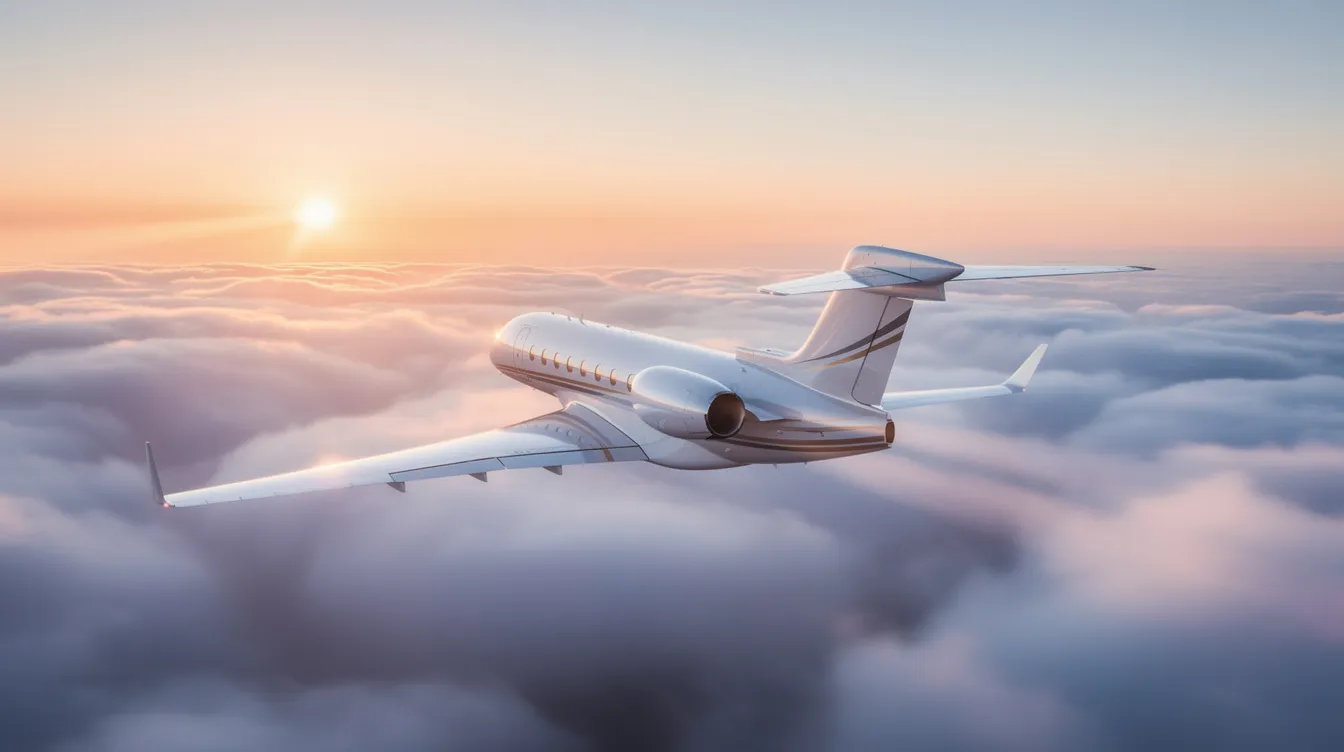
How Top Speed Is Measured – And Why It’s Not What Pilots Usually Fly
Published max speed figures usually come from specific test conditions, not everyday service. A jet may be clean, with no external tanks or weapons, minimal drag, special instrumentation, cold air, high altitude, and full afterburner. The aircraft's speed may also be measured as ground speed, indicated speed, or Mach number, depending on the purpose.
There is a useful distinction:
Theoretical maximum: what engineers calculate may be possible.
Tested maximum: what the aircraft has actually demonstrated.
Operational speed: what pilots can use without excessive risk, fuel burn, or maintenance penalties.
For example, some discussions place the F-15EX’s theoretical upper region near Mach 2.9, while tested and published operational figures are closer to Mach 2.5. The MiG-25’s emergency Mach 3.2 runs could damage engines, which is why routine service remained lower. At high altitudes, even small changes in air temperature affect the speed of sound, so Mach 1 can vary substantially.
A useful future graphic would show altitude on the vertical axis and speed on the horizontal axis: commercial cruise in the lower subsonic band, fighter dash speeds above it, and experimental hypersonic flight far to the right. That visual would make clear why top speed is not what most pilots use most of the time.
From the First Supersonic Flights to Modern Stealth Fighters
The path to the world's fastest plane began with breaking the sound barrier. The Bell X-1 first exceeded the speed of sound in 1947, creating a sonic boom as it passed through that threshold. The Bell X-1 first broke the sound barrier in 1947. Flown by Chuck Yeager, the rocket-powered Bell X-1 reached about Mach 1.06 and gave engineers critical lessons in shock waves, stability, and control near the speed of sound.
After World War II, swept-wing jets changed aerial combat. The MiG-15 jet fighter reached a top speed of 670 mph, and its performance over Korea forced rapid changes in tactics and design. In the skies associated with North Korea and South Korea, jet combat made clear that piston-era assumptions no longer applied.
The Cold War then became a speed race. The B-58 Hustler was the first supersonic bomber, reaching Mach 2.0. The XB-70 Valkyrie could sustain speeds of Mach 3.1 (2,056 mph). The Concorde was the first supersonic passenger jet, flying at Mach 2.04. Meanwhile, the SR-71, MiG-25, and experimental aircraft pushed speed records into territory that demanded new materials, fuels, and maintenance methods.
Modern 4th and 5th-generation fighters moved the emphasis. The F-22 Raptor reaches speeds of Mach 2.25 (1,500 mph). The F-22 Raptor can supercruise at Mach 1.8 without afterburners. Aircraft such as the F-22, Chengdu J-20, and Su-57 use stealth technology, sensor fusion, internal weapons bays, electronic warfare, and data links to win before an opponent can react. In the world today, information advantage often matters more than adding another fraction of Mach at the top end.
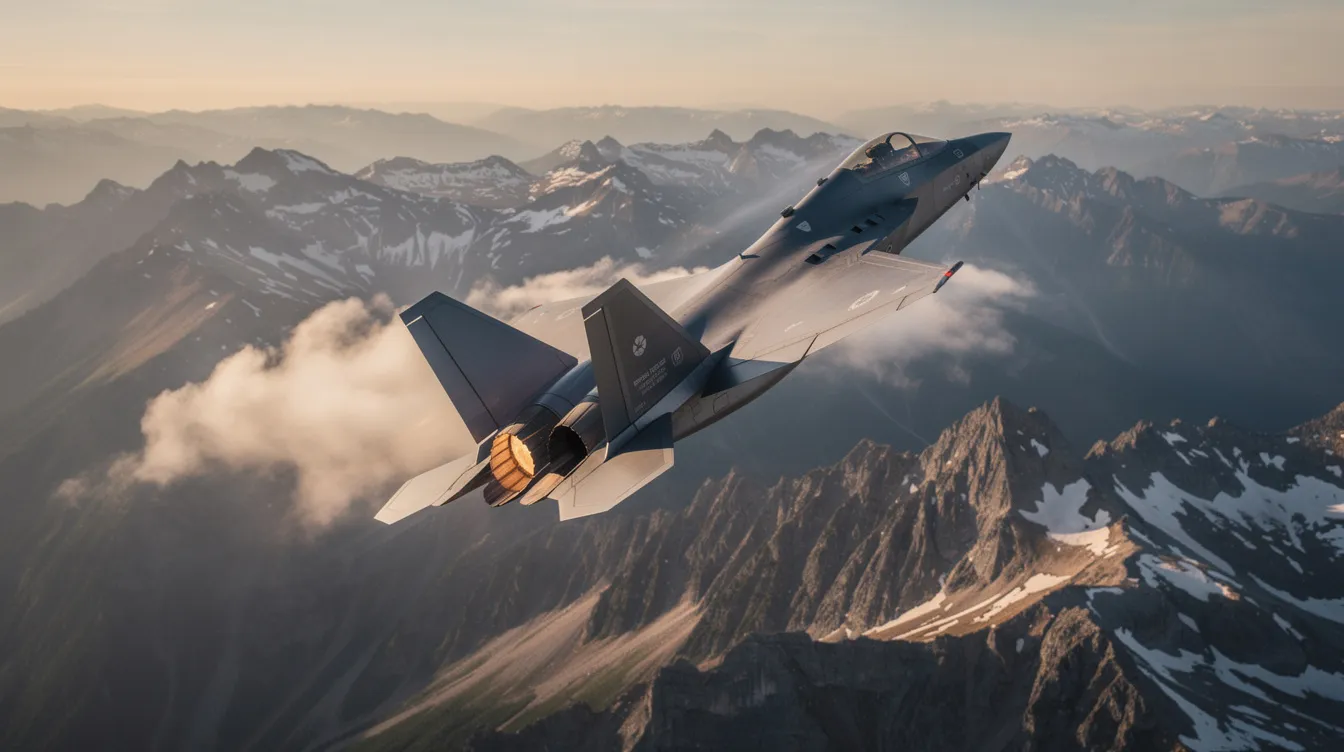
The Fastest Private Jets in the World – And How They Compare
Military and experimental aircraft can reach supersonic speeds or hypersonic speeds, but business aviation lives around Mach 0.78–0.935. That sounds modest beside the fastest aircraft, but it is still strategically powerful. A private jet flying direct, departing on demand, and using a closer airport may save more time than a faster commercial aircraft locked to hubs and schedules.
Among the fastest private aircraft, the Gulfstream G700 typically cruises around Mach 0.90 and can reach about Mach 0.925, with a range of around 7,500 nautical miles. The Gulfstream G800 and Bombardier Global 8000 operate in a similar high-subsonic class. The Cessna Citation X+ is known for reaching about Mach 0.935, one of the fastest subsonic business jet speeds. These aircraft are capable, refined, and optimized for fuel efficiency, range, cabin comfort, and dispatch reliability.
Consider a BlackJet member flying from New York to London for a same-week negotiation. Commercial first class may offer a strong onboard product, but it cannot remove hub timing, security dwell, boarding groups, or schedule rigidity. With a BlackJet Jet Card, the traveler can use a large-cabin jet, depart at the right hour, work privately with Wi-Fi, sleep in a quieter cabin, and arrive closer to the actual meeting.
BlackJet provides access across light, midsize, super-midsize, and large-cabin categories instead of focusing only on absolute top speed. That matters because a short regional trip may be best served by a small private aircraft, while an intercontinental mission calls for range, cabin space, and crew planning. The result is not just flying faster; it is moving with fewer compromises.
Why Modern Military Jets Aren’t Getting Much Faster
Many Cold War aircraft still hold speed records because modern fighters are not designed around raw max speed alone. Extreme speed brings penalties: huge fuel burn, intense heating, maintenance burden, reduced loiter time, and limited maneuvering freedom.
Today’s priorities include stealth, range, endurance, sensor fusion, supermaneuverability, maintainability, and multirole flexibility. A stealth aircraft with superior radar and missiles may not need to sprint at Mach 3. Long-range missiles, advanced radar, and data links allow engagements beyond visual range, where awareness and positioning often defeat pure speed.
Most air combat occurs well below Mach 2, often around transonic or low supersonic regimes. A fighter that can turn, climb, manage energy, and preserve fuel may be more lethal than one that can briefly reach a higher number. That is why future hypersonic development is shifting toward missiles and unmanned vehicles rather than crewed fighter jets that expose pilots to extreme heat and risk.
Speed, Safety, and Sustainability in Private Aviation
The world’s fastest aircraft are fascinating, but private travelers need something different: fast enough, safe enough, predictable enough, and responsible enough to use repeatedly. Modern private jets balance cruise speed with fuel efficiency, cabin pressurization, maintenance cycles, dispatch reliability, and passenger comfort.
Private aviation safety depends on disciplined systems, not record chasing. Modern avionics, redundant navigation, twin-engine reliability, crew training, and rigorous maintenance all matter more than a dramatic top-speed claim. BlackJet works through proprietary vetting and recognized third-party safety certifications so that every journey is matched with qualified operators and aircraft appropriate to the mission.
Sustainability is now part of performance. Higher speed generally increases fuel burn and emissions, especially as aircraft approach the upper limits of efficient cruise. BlackJet ensures every journey is carbon neutral through verified carbon offset programs and sustainable aviation fuel options where available. The goal is not to ignore impact, but to manage it with transparency and discipline, especially for travelers evaluating the broader private jet price list and cost structures behind different access models.
Commercial first class and a BlackJet Jet Card flight may cruise at similar airspeeds, but the experience is not comparable. BlackJet members gain schedule control, direct routing, private terminals, reduced ground time, and tailored aircraft selection. That is where private aviation turns speed into meaningful time.
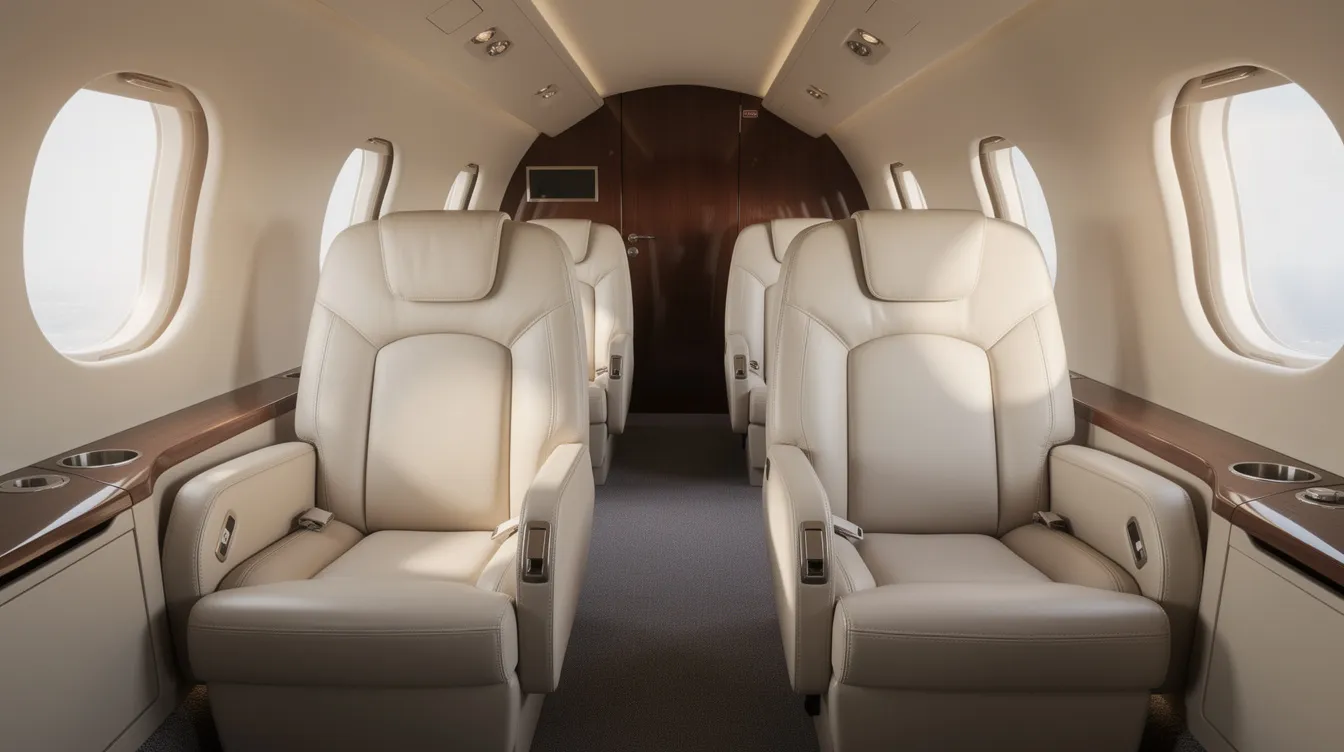
How Jet Cards Turn Speed into Real‑World Advantage
Fighter jets chase records. Jet Card members use speed to compress schedules and reclaim time. BlackJet’s 25+ Hour Jet Card model gives members prepaid access to aircraft hours, including 25-hour and 50-hour programs, with transparent pricing, real-time support, and access across multiple cabin categories.
Compared with an ad-hoc charter, a Jet Card reduces friction, and understanding overall Jet Card membership pricing helps travelers see where those efficiencies come from:
Imagine an executive flying from New York to London for a same-week negotiation. A large-cabin BlackJet aircraft allows the traveler to depart after a morning board meeting, sleep privately, brief with advisors onboard, and return on their own schedule, making a 100-hour Jet Card cost analysis relevant for frequent transatlantic travel. Or consider a family flying from LA to Aspen: a light jet can avoid hub connections, reduce delays, and preserve more time on the mountain, where a 25-hour Jet Card may align better with occasional yet high-value trips.
Speed alone cannot solve weather, congestion, or airport restrictions. That is why BlackJet pairs private jet access with live coordination, operator vetting, and carbon-neutral flights by default. For travelers flying often enough to justify a 50-hour Jet Card program, performance becomes practical because the full journey is managed, not just the aircraft.
FAQ: Fastest Planes, Mach Numbers, and Private Jets
This section answers the questions travelers and aviation enthusiasts most often ask about the fastest planes, Mach speed, and private aviation.
What is Mach?
Mach is the ratio of an aircraft’s speed to the local speed of sound. At cruise altitude, Mach 1 is often around 660–760 mph depending on temperature. Because sound travels differently in different air conditions, Mach is more useful for high-speed flight than a single miles-per-hour number.
What is the fastest aircraft ever built?
The fastest aircraft ever flown in the air-breathing experimental category is the NASA X-43 at Mach 9.6. The fastest manned rocket plane is the North American X-15, which reached Mach 6.72. These are research machines, not service aircraft.
What is the fastest fighter jet in the world?
Operationally, the MiG-25 Foxbat is generally considered the fastest fighter jet because it could reach Mach 3.2 in emergency conditions, while normal operations were lower. The MiG-31 at Mach 2.83 and the F-15 Eagle at Mach 2.5 are also among the fastest fighter jets ever fielded.
What is the fastest manned, air-breathing jet aircraft?
The SR-71 Blackbird holds that distinction. It reached Mach 3.3, set major speed records, and served as a high-altitude reconnaissance aircraft rather than a fighter.
What is the fastest private jet?
The fastest private jets are high-subsonic business aircraft such as the Gulfstream G700, Gulfstream G800, Bombardier Global 8000, and Cessna Citation X+. Their upper speeds around Mach 0.925–0.935 sit near the practical limit for efficient, comfortable passenger jet travel, and some travelers balance that performance against the cheapest private aircraft options when deciding how to access private flying. The fastest private jets are high-subsonic business aircraft such as the Gulfstream G700, Gulfstream G800, Bombardier Global 8000, and Cessna Citation X+. Their upper speeds around Mach 0.925–0.935 sit near the practical limit for efficient, comfortable passenger jet travel.
Why can’t private jets fly as fast as fighter jets?
Private jets are designed for comfort, range, safety, service life, certification, cabin quietness, and fuel efficiency. Fighter aircraft sacrifice many of those priorities to reach high speeds, carry weapons, and survive combat loads. For travelers prioritizing budget, guides to the cheapest private jet options help frame how performance, speed, and cost trade off in real-world use. Private jets are designed for comfort, range, safety, service life, certification, cabin quietness, and fuel efficiency. Fighter aircraft sacrifice many of those priorities to reach high speeds, carry weapons, and survive combat loads.
How does a Jet Card help me travel “faster” if it’s not Mach 3?
A Jet Card saves time through scheduling freedom, direct routes, smaller airports, minimal dwell time, and priority aircraft access. In real travel, those advantages often save more hours than a modest increase in cruise speed, which is why understanding Jet Card pricing structures matters as much as headline aircraft performance. A Jet Card saves time through scheduling freedom, direct routes, smaller airports, minimal dwell time, and priority aircraft access. In real travel, those advantages often save more hours than a modest increase in cruise speed.
Conclusion: From Record-Breaking Aircraft to Effortless Private Travel
From the Bell X-1 and X-15 to the SR-71, MiG-25, and future hypersonic vehicles, aviation has always been driven by the desire to go faster. The fastest plane is a moving target, shaped by whether we mean unmanned research craft, manned rocket aircraft, air-breathing jets, fighter aircraft, or private business aviation.
For business leaders and discerning travelers, the more meaningful metric is total journey time: how reliably you arrive, how well you work en route, and how much of your schedule remains yours. BlackJet converts aviation performance into everyday advantage through flexible Jet Cards, curated aircraft access, strict safety standards, carbon-neutral flights, and seamless digital booking, much like the best jet cards for frequent flyers emphasize predictability and access over raw speed.
Elevate your travel effortlessly. Explore BlackJet’s Jet Card programs and discover how private aviation can turn speed, privacy, and precision into your new standard of movement, whether you’re comparing how to buy a seat on a private jet, evaluating competitors like NetJets and their Jet Card costs, or reviewing top private jet companies across the market.


 Sign up with google
 Sign up with Apple