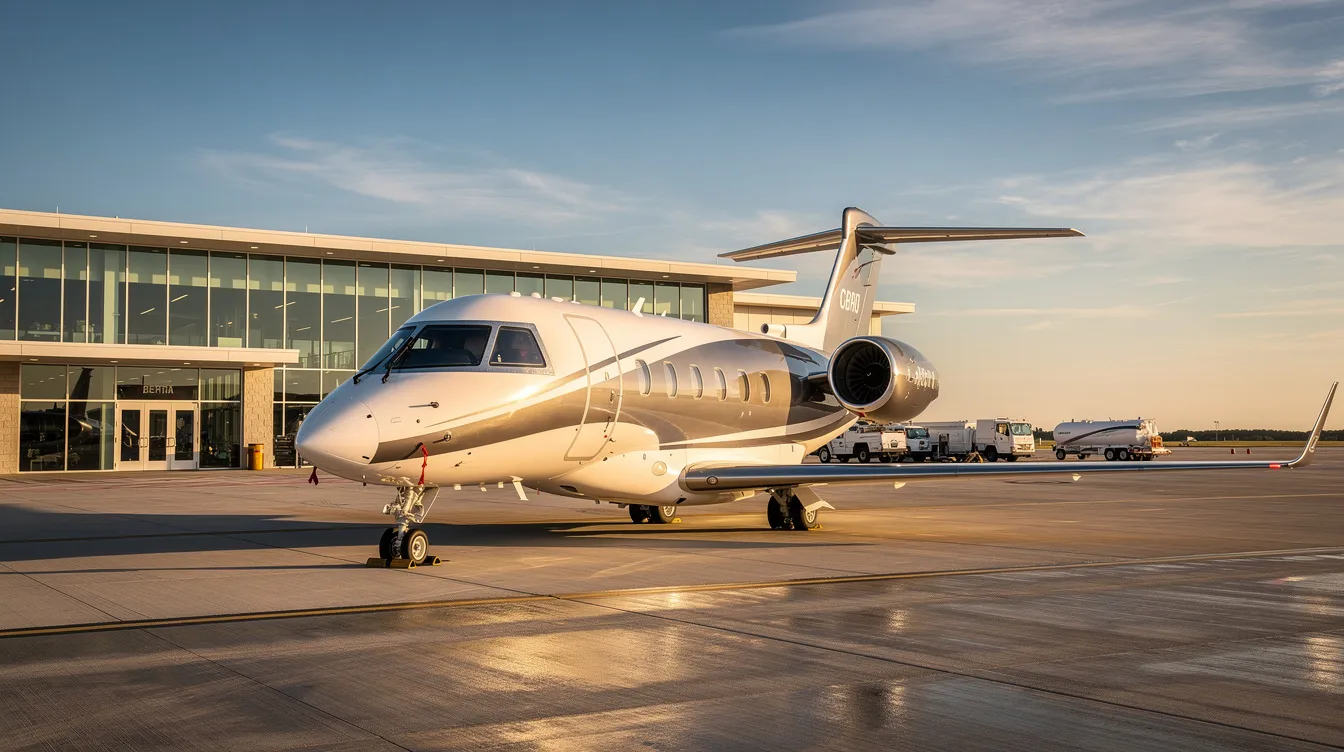
For the discerning traveler evaluating private jet travel options, understanding bajit costs is no longer optional - it is a strategic imperative. This guide is intended for executives, frequent private jet travelers, and anyone comparing private jet charter and membership options. BAJit, built by OneFlight International, functions as a live pricing marketplace to book a jet from thousands of aircraft, while BlackJet offers fixed-rate jet cards and carbon-neutral flights designed for predictability. BAJit is a digital booking platform that provides live pricing and access to thousands of private jets, while BAJit-style platforms refer to similar digital marketplaces for private jet charter. Consider a New York–Chicago trip: a 15-minute FBO arrival versus 90-plus minutes navigating TSA queues and boarding gates. That time equation alone reshapes how executives and high-net-worth travelers think about costs. In this guide, you will see concrete per-hour price bands, membership fees, real trip examples like Denver–Los Angeles and Boston–Palm Beach, and a clear framework for choosing between BAJit-style charter and BlackJet membership programs.
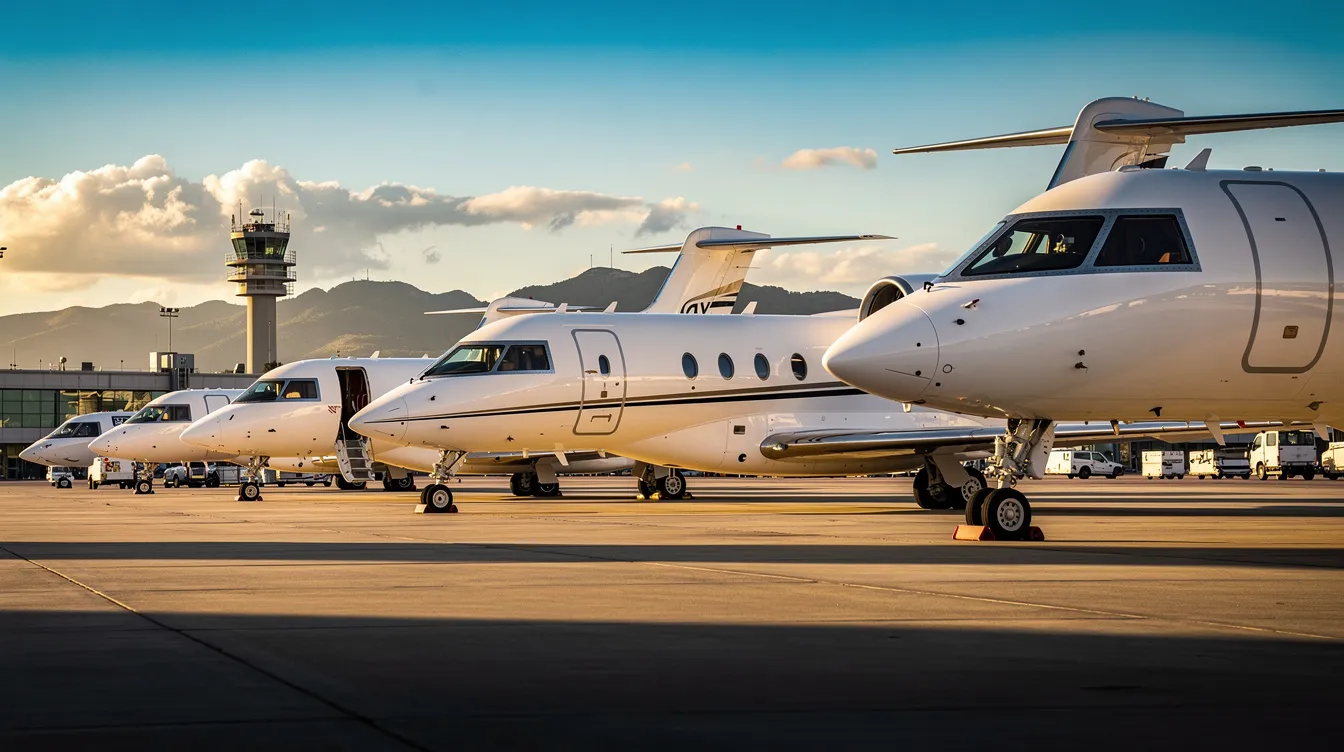
Key Takeaways: Navigating BAJit Costs and BlackJet Advantages
Understanding BAJit costs is essential for discerning travelers seeking private jet access that balances flexibility, convenience, and cost control. BAJit platforms provide live pricing and access to thousands of jets with no ownership commitment, ideal for occasional flyers. However, unpredictable surcharges and fluctuating rates can challenge budgeting.
BlackJet’s jet card programs offer fixed hourly rates, guaranteed availability, and integrated carbon-neutral travel, delivering predictability and peace of mind for frequent travelers. Membership fees vary but often include exclusive perks and vetted operators meeting rigorous safety standards.
Choosing between BAJit-style per-trip booking and BlackJet’s prepaid jet cards depends on your flight frequency, budget preferences, and desire for operational certainty. For 1–3 trips annually, BAJit’s flexibility may suffice; for 10+ trips, jet cards typically provide superior value.
Ultimately, combining real-time market insights from BAJit with BlackJet’s structured programs empowers travelers to optimize private aviation costs while prioritizing safety, sustainability, and seamless service.
BAJit and BAJit-Style Platforms: How the Cost Model Works
BAJIT launched in 2017 as a booking technology and has since grown into a platform where BAJIT provides access to over 7,000 private jets from 700+ Part 135 operators, while BlackJet’s premium private jet card programs focus on fixed-rate access, curated fleets, and integrated sustainability benefits. It operates as a charter broker - the first broker to offer this scale of live pricing for instant flight quotes - rather than owning any private aircraft itself. The operators maintain full operational control, meaning they handle pilots, maintenance, and regulatory compliance. BAJIT allows booking private jets via PC or mobile device, and users can book flights up to six months in advance with BAJIT. Live pricing quotes are typically valid for a short window, influenced by aircraft types, routing, and seasonal availability. While there is no long-term ownership commitment, frequent passengers often migrate from per-trip costs to jet card programs for stability.
Core Drivers of BAJit Costs on a Single Flight
BAJit costs on any single private flight hinge on aircraft category, flight time, routing, and demand, mirroring broader private jet rental cost ranges and examples. Current market rates by category:
Turboprops start at $5,288 per hour
Very light jets cost around $6,755 per hour
Light jets are priced at approximately $6,798 per hour
Midsize jets typically run $7,000–$9,500 per hour
Large and ultra-long-range jets cost between $8,000 and $14,000 per hour
Ultra-luxury VIP airliners cost from $16,000 to $23,000 per hour; ultra-long-range jets can fly over 6,000 miles, fitting into the broader private jet price list and ownership cost spectrum.
For example, a 2.5-hour light jet trip between Denver and Los Angeles on a weekday in October might total $10,000–$14,000 depending on the broker sourcing aircraft and extras involved. Live pricing rises sharply during peak days like Thanksgiving, Christmas, and special events such as the Super Bowl or Art Basel.
Aircraft Size and Category: How Light, Midsize, and Heavy Jets Change the Bill
Aircraft size directly drives both comfort and total cost:
Light jets (Citation CJ4, Phenom 300): 4–7 passengers, ~1,5002,000-milee range, charter costs around $6,798 per hour
Midsize jets (Citation XLS+, Hawker 800XP): 6–8 passengers, coast-to-coast capable, $7,000–$9,500 per hour - the sweet spot for balancing cabin space and budget
Super midsize jets: $9,500–$12,000 per hour for longer domestic or transatlantic legs
Heavy jets and large jets (Gulfstream G450/G550, Global 6000): 10–16 passengers, intercontinental range, $10,000–$14,000+ per hour, and are often the best private jet solution for 20 passengers.
A New York–Miami trip suits a light jet; a New York–London crossing demands heavy jets or ultra-long-range aircraft.
Membership and Jet Card Costs: BAJit Jet Club vs BlackJet Jet Cards
The BAJIT Jet Club uses a tiered structure: the one-time initiation fee for BAJIT membership is $15,000, with annual dues scaling by tier. The Classic BAJ25 membership costs $50,000 for 25 hours annually. Membership fees for private jet programs can exceed $100,000 at higher tiers. Membership programs can include complimentary flights and exclusive events as extra perks, and savvy frequent flyers compare the best jet cards for costs and benefits before committing.
BlackJet offers 25-hour and 50-hour jet card programs with guaranteed availability at fixed hourly rates. There are over 7,000 private jets available for charter across both ecosystems. Key differences:
Upfront cost: BAJit requires joining fees plus annual dues; BlackJet uses a prepaid drawdown model with no separate initiation fee
Rate predictability: BAJit locks rates annually, but members pay dues regardless of usage; BlackJet offers guaranteed hourly rates with no blackout dates
Aircraft selection: Both access broad fleets, but BlackJet curates operators for safety certification
For context on why jet cards beat ownership: new business jets cost between $38 million and $43 million, pre-owned business jets cost between $14 million and $35 million, and 20 million dollar private jet ownership considerations illustrate how private jets depreciate over time, affecting the total cost of ownership, especially when compared with cheaper private aircraft and budget-friendly options. Purchasing and maintaining a business jet costs millions annually - annual maintenance costs alone can range from $500,000 to $4 million, annual insurance ranges from $20,000 to over $200,000, major engine overhauls can cost $1 million or more for larger jets, and storing a jet in a hangar can cost between $500 and $3,000 per month, not to mention private jet pilot salary and training expenses. Total annual expenses for some business jets can exceed $4 million. That reality is why fractional ownership and jet cards have surged in recent years, and why some frequent flyers explore unlimited private jet flight memberships, especially once you understand fractional jet ownership depreciation dynamics and the associated tax benefits of fractional jet ownership.
Real-World Pricing Examples: What a "BAJit Cost" Looks Like Trip by Trip
New York–Aspen, February (super midsize jet, ~3.5 hours): Live pricing via a BAJit-style platform: approximately $35,000–$42,000 including de-icing and crew overnight. A BlackJet card holder at fixed hourly rates: roughly $33,000–$38,000 all-in.
Boston–Palm Beach, January (midsize jet, ~3 hours): Charter market quote: $28,000–$36,000 with winter surcharges. BlackJet jet card: ~$24,000–$27,000 with many fees bundled.
Empty leg example - Los Angeles–Las Vegas (light jet): Standard charter: $9,000–$11,000. Empty leg flights on the same route: $4,000–$5,000 - a 50–60% discount for travelers with flexible trip options and one of the most accessible affordable private jet travel strategies, especially when you combine them with broader fly private cheap approaches.
Operational Control, Safety, and How They Influence Costs
Under U.S. regulations, charter operators - not BAJit or BlackJet - hold operational control. BAJit-style platforms source from multiple Part 135 operators, each with different safety standards. BlackJet vets operators against ARGUS and WYVERN benchmarks, aligning with broader insights into how safe private jets are compared to other air travel and how tools like a private jet flight time calculator support precise, safe trip planning. Consider a New York–Dallas booking where the lowest-priced operator is rejected after due diligence reveals maintenance gaps. That slightly higher per hour rate delivers materially higher security margins. Serious travelers treat cost and safety as a single equation.
Additional Fees and Surcharges Hidden Inside BAJit Costs
Headline rates rarely match the final invoice. Common unexpected costs include:
Fuel surcharges (fuel expenses for heavier jets can exceed $800,000 annually for 400 flight hours; fuel expenses for lighter jets typically range from $100,000 to $200,000 annually - costs operators pass through)
Landing and handling fees at the airport
Crew overnight expenses
De-icing: $1,500–$10,000+ depending on jet size
Repositioning/recovery flights
Federal Excise Tax and segment fees
BlackJet's model folds many of these into fixed card rates, reducing surprise line items by 10–30% versus itemized charter invoices.
Empty Leg Flights: When BAJit Costs Drop Dramatically
Empty legs are repositioning flights offered at 30–75% off standard rates. BAJit-style platforms surface these as discounted options. The tradeoff: rigid timing, no return-leg guarantee, and limited route flexibility. BlackJet members may receive select empty leg notifications as value-adds, but the core proposition remains guaranteed, on-demand access rather than chasing last-second deals.
BAJit App, Live Pricing, and the Rise of Digital Private Aviation
The bajit app lets travelers enter origin, destination, dates, and passenger count to see live pricing with aircraft photos, wi fi availability, and amenity filters - all in just a few clicks, reflecting broader trends in private jet charter pricing transparency. Companies like BlackJet offer a parallel digital ecosystem with saved routes, real-time support, and concierge services. Technology has compressed what used to require hours of broker-to-broker worldwide phone calls into a 5–10 minute self-service experience on any mobile device.
Cabin Comfort, Amenities, and How They Relate to Pricing
Differences in BAJit costs often reflect cabin quality and private jet sizes. A 15-year-old light jet without connectivity may be priced several hundred dollars per hour below a newly refurbished aircraft with high-speed internet. Premium amenities - fully flat seating on heavy jets, conference areas, enhanced galleys accommodating dietary needs, and upgraded lavatories - carry higher charter rates, especially on the largest private jets where space and range support full-scale cabin customization. BlackJet curates its fleet so even competitive pricing options meet a minimum luxury threshold.
Use Cases: When BAJit-Style Per-Trip Costs Make Sense vs Jet Cards
BAJit-style per-trip pricing works for travelers who fly 1–3 times per year for special events - a family ski trip or a Monaco Grand Prix weekend. No need to deposit $100,000+ for occasional use; a simple private jet charter or even buying a seat on a private jet suffices.
But a Boston-based biotech CEO running quarterly roadshows (18+ trips) or a Los Angeles producer shuttling between coasts benefits from how jet cards work: predictable costs, guaranteed availability, and more competitive pricing at volume, whether through providers like BlackJet or alternatives such as Flexjet jet card cost structures.
Per-trip is best when you fly fewer than 5 times annually, want maximum aircraft variety, or need one-off arranged flights for unusual routes, such as chartering a small plane for short regional hops.
Jet cards are best when: you fly 10+ times, value fixed hourly rates, and need guaranteed access without chasing quotes, while some programs may pair well with private jet leasing arrangements for specific aircraft needs.
BlackJet Cost Structure: Predictable Alternatives to BAJit Costs
BlackJet's jet card programs offer 25-hour and 50-hour blocks across defined cabin classes. Hourly rates are fixed for the card term, insulating members from fuel spikes and seasonal volatility. Every flight includes 24/7 support, vetted operators, and carbon-neutral travel at no additional cost. A 50-hour card holder flying New York–Miami ten times annually on a light jet locks in consistent budgeting versus fluctuating BAJit live quotes - turning unpredictable charter spend into a stable line item.
Sustainability and Carbon-Neutral Travel Within Private Aviation Costs
BAJit-style platforms typically display flights without carbon offsets; any sustainability options come at an additional cost. BlackJet integrates carbon-neutral travel into every private flight by calculating emissions per leg and investing in verified offset projects. For corporate clients subject to ESG reporting, documented carbon-neutral private jet travel is part of the true total cost calculation - not a luxury add-on, whether those trips are priced in dollars or analyzed using a private jet price guide in rupees.
How to Use Live Pricing and the BlackJet Platform to Your Advantage
Map your annual routes and most common city pairs
Log 12–24 months of BAJit-style charter invoices
Identify your preferred aircraft class (light jets, midsize jets, or heavy jets)
Compare ad-hoc live pricing totals against a BlackJet jet card scenario
Factor in soft costs: time spent sourcing quotes, last-minute aircraft swaps, and schedule uncertainty
If annual ad-hoc spend consistently exceeds your projected card cost, locking in fixed flight hours yields lower average per-hour spend and greater predictability, especially once you understand jet card cost per hour and key pricing drivers.
Frequently Asked Questions About BAJit Costs and BlackJet
Is BAJit cheaper than a jet card?
For infrequent travelers (1–3 trips per year), BAJit-style per-trip pricing may cost less overall, especially if you understand how much it costs to charter a small plane or apply the right fly private cheap strategies. For anyone flying 10+ trips annually, jet cards with competitive pricing typically deliver better value by eliminating surge pricing and repositioning fees, particularly when you compare chartering a private jet to other options.
What is the minimum to join a BAJit-style membership?
The one-time initiation fee starts at $15,000, with the Classic BAJ25 at $50,000 for 25 hours. Membership programs offer access to over 7,000 private jets, while options like the BlackJet 25+ Hour Jet Card package offer similar access into prepaid hourly blocks.
Do I pay extra for carbon offsets with BlackJet?
No. Every BlackJet flight includes carbon-neutral travel at no additional cost to members.
Does either model involve fractional ownership?
Neither BAJit nor BlackJet involves fractional ownership. Both broker access to professionally operated private aircraft under Part 135, making them distinct from fractional jet ownership structures and depreciation, unlimited private jet flights memberships, or competing card programs like NetJets jet card offerings and costs.
Preparation Checklist: Before You Compare BAJit Costs with BlackJet
Gather 12–24 months of charter invoices
List your top 5–10 routes with airport preferences
Estimate annual flight hours by cabin class
Clarify budget thresholds and corporate sustainability requirements
Decide whether you typically need light jets, midsize jets, or heavy jets, or even a12-seaterr private jet for larger groups
Have passport details, frequent travel companions, and ground transportation preferences ready
From Consultation to First Flight: Turning "BAJit Cost Research" into a Strategy
The journey from inquiry to first wheels-up with BlackJet typically takes days: initial consultation, travel pattern analysis, jet card recommendation, and your first booked trip. Part of the process includes reviewing recent BAJit-style invoices to identify where a card would have saved money. One entrepreneur flying Los Angeles–New York monthly moved from per-trip BAJit costs to a 50-hour BlackJet card and gained both cost stability and guaranteed availability on 24–48 hours' notice, similar to travelers evaluating whether a 100-hour jet card cost structure fits their flying profile.
Conclusion: Rethinking "BAJit Costs" as Part of a Bigger Private Aviation Plan
BAJit costs provide a real-time snapshot of the open private jet travel market, but serious travelers evaluate them within a larger strategy that accounts for safety, sustainability, and predictability. BlackJet's jet cards, vetted operator network, and carbon-neutral commitment offer a structured alternative to purely transactional booking.
The smartest approach treats live pricing as market intelligence and a jet card as your operating framework. Request a confidential route and cost analysis from BlackJet - compare your historical BAJit-style spend with a tailored jet card solution and discover what predictable private aviation looks like.


 Sign up with google
 Sign up with Apple