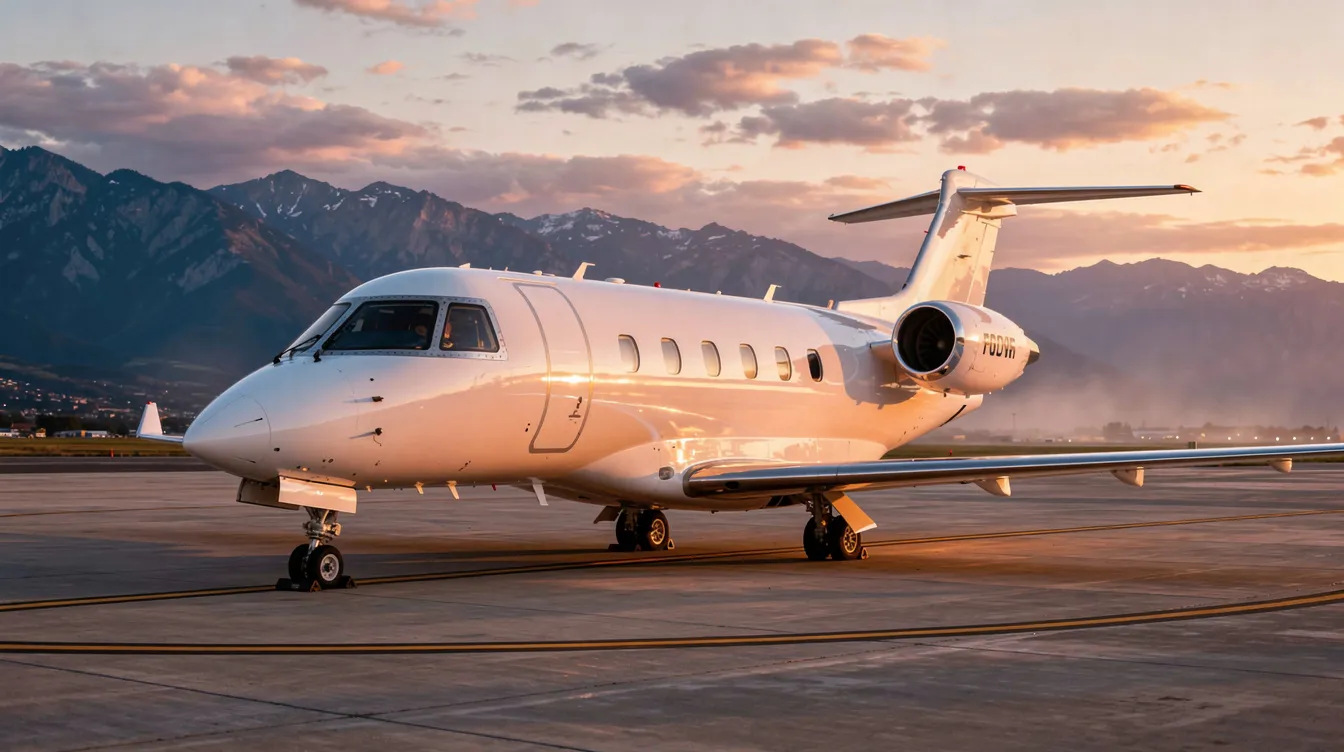
For millions of travelers, budget airlines redefined what it means to fly. But for a growing segment of executives, founders, and high-net-worth families, the cheapest ticket is rarely the smartest one. This guide breaks down exactly when a low-cost airline earns its place in your travel strategy and when a BlackJet Jet Card delivers superior value.
Introduction: Why Budget Airlines Became So Popular
The modern low-cost carrier traces its roots to deregulation. In the United States, the Airline Deregulation Act of 1978 removed government control over routes and fares, opening the door for carriers like Southwest Airlines to expand nationally. Southwest now serves 103 cities across the United States. In Europe, the liberalization of air services in the early 1990s enabled Ryanair - today a well-known ultra-low-cost carrier in Europe - to scale aggressively after 1995 with an all-Boeing fleet, 30-minute turnarounds, and zero frills.
So what exactly is a low-cost airline? At its core, a budget carrier is an airline designed to minimize operating expenses through low overhead, high aircraft utilization, point-to-point routes, and unbundled services. Frontier Airlines now serves over 110 destinations in the U.S., while Allegiant Air serves nearly 130 destinations with extra fees for services beyond the basic seat. Budget airlines offer lower base fares than traditional airlines, and travelers pay only for the services they use.
The ability to easily compare prices online through tools like KAYAK, Skyscanner, and Google Flights accelerated mass adoption. Between 1995 and 2015, LCCs grew their share of U.S. available seat-miles from roughly 6% to 32%, contributing to an 11% decline in real average domestic fares. By 2025, the average U.S. domestic itinerary fare had dropped to roughly US$387 - about 36% lower than 1995 fares in today's dollars.
The trade-off is clear: budget airlines optimize for rock-bottom ticket cost, while private aviation providers like BlackJet optimize for time, control, safety, and comfort. The question is which matters more for your trip type.
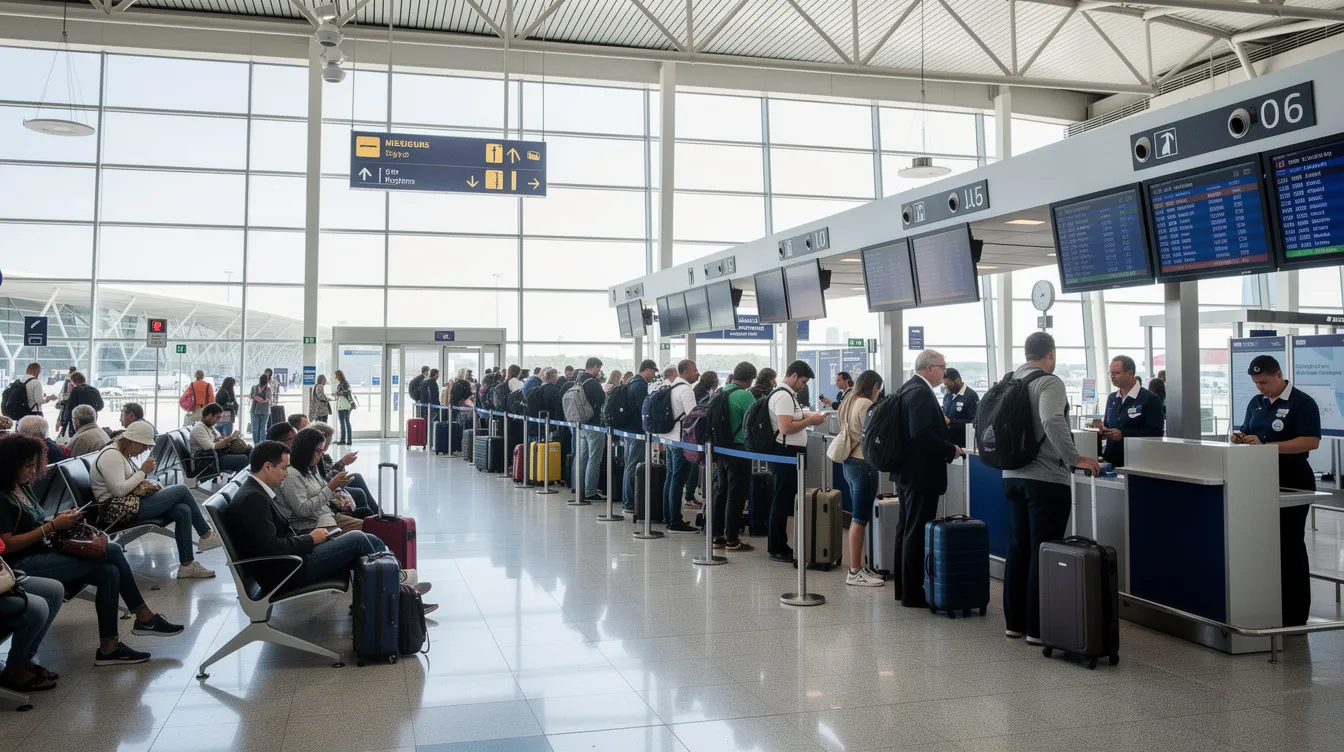
How Low-Cost Airlines Actually Keep Affordable Fares Low
Understanding the mechanics behind cheap airfare helps explain both its appeal and its limitations. Budget airlines are designed to minimize operating expenses through several interconnected levers:
High-density seating and single-class cabins
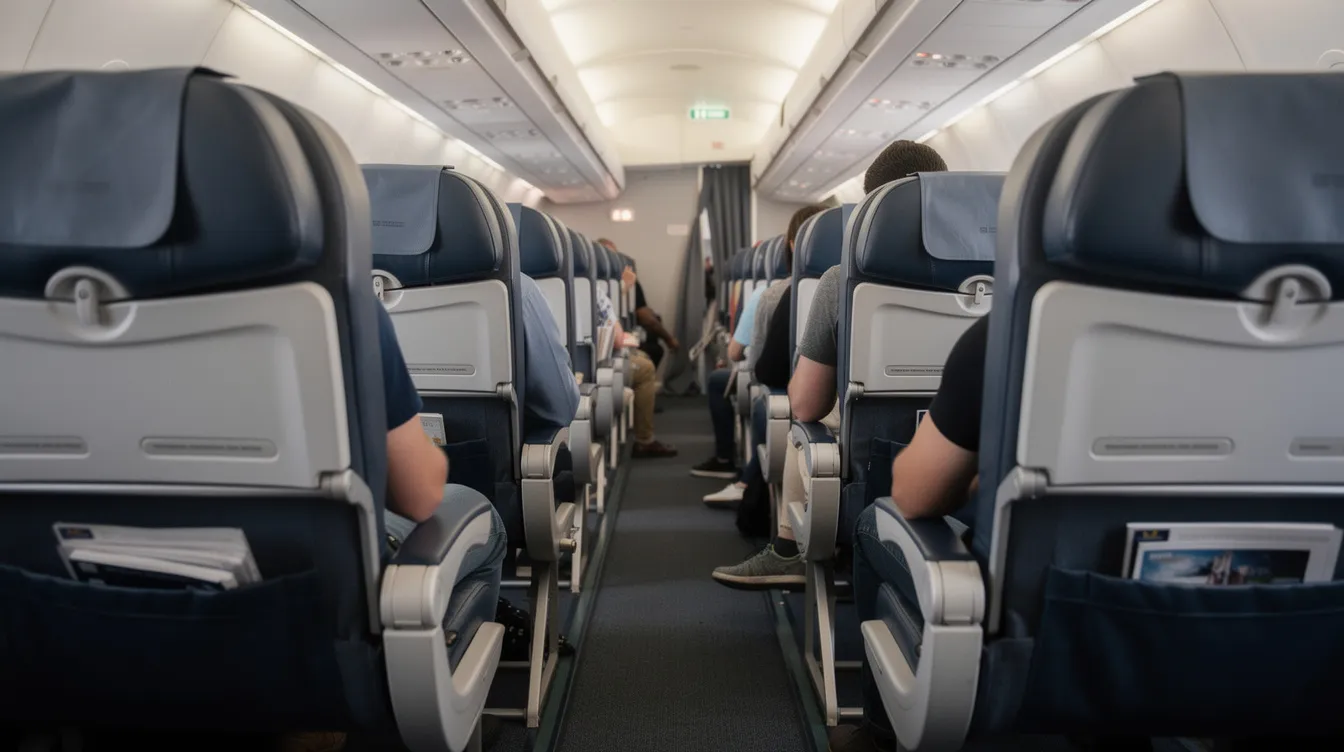
Budget airlines often have denser seating configurations for maximum capacity. Spirit Airlines has a seat pitch of only 28 inches, while Ryanair typically offers 29–30 inches. They lack multi-class cabin options - every seat is economy, which simplifies catering, cleaning, and boarding.
Secondary airports and off-peak slots
Budget airlines use smaller secondary airports with lower landing fees and less congestion. Ryanair flies into London–Stansted and Paris–Beauvais instead of Heathrow or Charles de Gaulle. In the U.S., Allegiant uses airports like Phoenix-Mesa and Orlando Sanford. Using nearby airports can help find cheaper flights, but they're often farther from city centers, and travelers looking to fly private cheaply face similar trade-offs between cost, routing, and convenience.
Point-to-point networks
Unbundled pricing
Add-on fees for budget airlines include checked bags and seat selection. The base fare covers a seat and not much else. Overhead carry-on access, food, drinks, priority boarding, and even printing a boarding pass can all carry separate charges.
Lean operations
Low-cost carriers have lower overhead costs than traditional airlines through minimal cabin crew per flight, heavy automation, self-service apps, and limited call center infrastructure. Budget airlines typically do not offer complimentary meals and beverages.
The critical caveat: a low base fare does not automatically mean the lowest total cost once all add-ons, ground transfers from remote airports, and time costs are factored in.
Best Uses for Budget Airlines: When Low-Cost Airlines Shine
There are genuine scenarios where prioritizing ticket price above everything else makes rational sense. Budget airlines operate on a pay-for-what-you-use model, and that model works well in specific circumstances, just as some travelers explore the cheapest private aircraft options to balance cost and flexibility in private aviation:
Short-haul, low-stakes leisure trips
Minimal baggage needs
Travelers carrying only a daypack, no sports equipment, and no checked luggage avoid the steepest add-on fees. In shoulder season, sub-€40 fares across Europe are realistic for this profile, similar to how aspiring pilots look for the cheapest new plane options to keep overall aviation costs manageable.
Off-peak timing
January is the cheapest month to fly, and Thursday is the cheapest day to fly domestically. Mid-week, early morning, and late-evening departure slots yield the lowest prices, just as timing and flexibility help pilots find the best and cheapest planes and favorable purchase opportunities.
Planning
Correct price comparison
To assess a good deal, include fees for bags, seat selection, and airport transfers from secondary airports. A €30 base fare that becomes €180 after extras is still potentially worthwhile - but less dramatic than the headline suggests.
Example itinerary: An Amsterdam–Mallorca trip on a budget carrier can start around a €99 base fare. A full-service economy ticket on the same route might run €250–€300 but include a checked bag, assigned seat, and departure from a primary airport. After adding a bag and priority boarding to the budget option, the real gap narrows to roughly €50–€80. Still a saving, but context matters. To find more deals like this, search during off-peak windows and compare multiple booking sites, or explore affordable private plane rideshare options when time and convenience justify a semi-private alternative.
When Low-Cost Airlines Become Expensive: The Hidden Fees and Costs
The "false economy" of ultra-low-cost carriers reveals itself quickly when plans shift, or expectations collide with reality. Spirit, Frontier, Allegiant, and similar European operators share a common risk profile for travelers who value reliability and should be weighed against the broader private jet price landscape, where ownership, charter, and Jet Card models each redefine what "cost" means.
Fees that multiply fast
Ultra-low-cost carriers often charge for carry-on bags - Spirit Airlines was the first to charge for carry-on bags in 2010. A €25 base fare can easily exceed €120 once you add a carry-on bag, checked luggage, seat selection, and a printed boarding pass. Budget airlines may charge for printing boarding passes at the airport. Passengers often face strict fees with budget airlines that are difficult to anticipate at booking.
Time risk
Fewer daily frequencies and smaller fleets mean that if a flight is cancelled, rebooking options are limited. Secondary airports may lack late-night alternatives, turning a delay into an overnight disruption, whereas private jet rideshare services can sometimes offer more direct access to convenient airports with fewer schedule dependencies.
Customer service is rated extremely poorly.
The experience of resolving problems can be sobering when a booking agency handles the reservation, but the company operating the flight or support handles the fix. BudgetAir.com has a customer rating of 2.2 out of 5, and BudgetAir has a customer service rating of 2.2 out of 5 based on 862 reviews that indicate most customers were unhappy with BudgetAir. Many customers reported long delays in the refund process. Customers described BudgetAir's customer service as unresponsive and unhelpful. One customer spent over 4 days trying to change a flight. BudgetAir's customer service often requires direct airline contact for issues - a frustrating loop when communication breaks down. Those support failures reflect poorly on the overall offerings, especially when customers expect help with refunds or flight changes. Getting a refund can feel absolutely impossible.
Comfort trade-offs
With seat pitch at 28–29 inches, no recline, no seat-back entertainment, and limited power outlets, flights over two hours become physically taxing - the worst scenario for travelers arriving at a meeting, especially when contrasted with the comfort and safety focus of private jet travel.
The real cost comparison
Consider a business traveler needing to reach Frankfurt for a morning meeting. A budget carrier flight plus €40 in baggage fees plus €30 in ground transfers from a secondary airport plus three lost billable hours at €500/hour totals roughly €1,670 in real cost. A standard economy ticket on a legacy airline from a primary airport might cost €350 with fewer delays and hidden fees. The cheapest ticket was never actually the cheapest trip.
For travelers whose time is worth thousands per day, ticket price alone is a poor decision metric.
Private Jets vs Budget Airlines: Strategic Travel for High‑Value Time
The priorities diverge sharply: low-cost airlines pursue the lowest cash outlay per seat; BlackJet pursues the highest strategic value per hour through its premium private jet card programs. For time-critical business travel, this distinction reshapes the entire travel experience.
Time saved through direct routing
Private jets access business airports closer to city centers - Teterboro instead of JFK for New York, Farnborough instead of Heathrow for London. No security lines, no layovers, no wait at crowded gates. A domestic flight that takes five hours door-to-door on a commercial airline can shrink to under two hours on a private aircraft, especially when matched with the best small private aircraft for short regional hops.
Productivity advantage
A private cabin functions as an extension of the office: secure Wi-Fi, confidential meetings, uninterrupted calls, and space to work - compared with a 28-inch-pitch economy seat where opening a laptop is a negotiation with the passenger ahead. Even the cheapest private jet options can transform productivity dynamics compared to budget airline cabins.
Reliability and flexibility
The ability to depart when a client meeting ends, reroute mid-trip, or combine multiple destinations in a single day is something no budget airline schedule can offer. Flight changes happen with a call, not a four-day ordeal, and understanding Jet Card cost per hour helps frame how you pay for that reliability and flexibility.
Privacy and security
Controlled passenger lists, discrete boarding, and reduced exposure to congested terminals matter for executives, family offices, and public figures evaluating 10-million-dollar private jet options or alternative private access models.
Total trip economics example: Six executives need to fly from New York to Chicago to Dallas in one day. Using budget airlines: multiple separate tickets, connections or overnight stays, ground transfers, varying reliability, and at least 12–14 hours in transit. Lost productivity across six people at senior rates dwarfs the airfare savings. A private jet on a Jet Card program covers all three legs in sequence, coordinates departure times around meetings, and returns the team the same evening.
Use cases where this calculus consistently favors private aviation: M&A roadshows, multi-city site inspections, board meetings across regions, and investor presentations on compressed timelines.
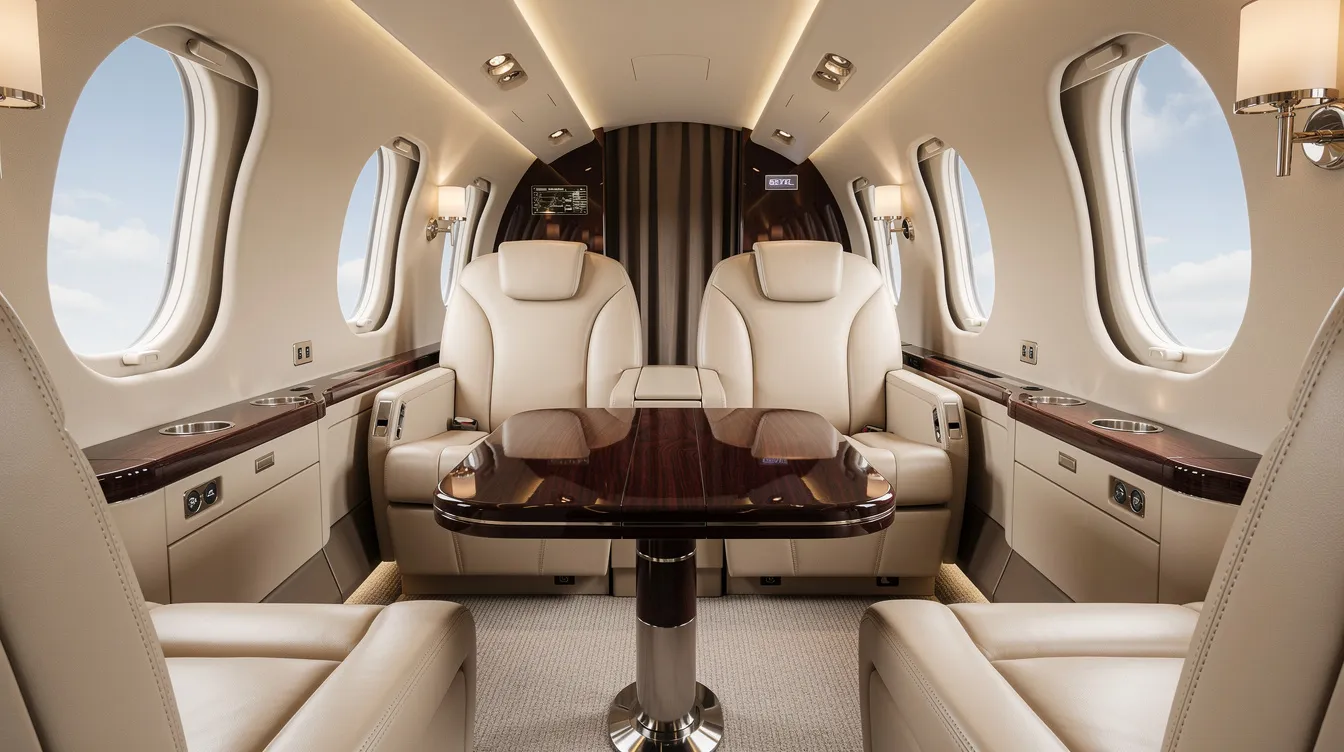
How BlackJet Jet Cards Turn Private Travel into Predictable Value
A Jet Card is a prepaid membership that provides future flight hours on private aircraft at locked, transparent rates. Instead of booking charter flights by flight with variable pricing, or owning a plane with massive fixed costs, BlackJet members purchase blocks - typically 25-hour or 50-hour programs - across multiple cabin classes. The result is predictable access without the surprises that define both budget airline travel and on-demand charter, and a clear view of Jet Card pricing structures behind those fixed rates.
Cost transparency
No surprise fees for schedule changes within contract terms, no baggage or seating surcharges, and clear pricing by cabin class. Compare that to the fee-layered model of every budget carrier in the world, or to the detailed breakdowns found in 50-hour Jet Card cost guides that help frequent flyers evaluate value.
24/7 digital booking platform
Members can request a light jet for a New York–Boston day trip or a large-cabin aircraft for New York–London with a few taps. The platform handles availability, routing, and confirmation in real time, embodying many of the benefits outlined in the best Jet Card programs for frequent flyers.
Safety certification
BlackJet's proprietary operator vetting goes beyond baseline FAA Part 135 requirements, incorporating third-party safety standards like ARGUS ratings, Wyvern, and IS-BAO accreditation. Every flight crew is experienced and vetted - a level of transparency that budget airlines rarely offer customers and that aligns with what you’d expect after understanding how safe private jets are.
Carbon-neutral flights
Every BlackJet flight is carbon-neutral via verified offset projects. Emissions are calculated per route based on fuel burn, distance, and aircraft type, then balanced - at no extra cost to the member, which becomes especially meaningful for heavy users considering a 100-hour Jet Card and their long-term environmental footprint.
Aircraft categories matched to the mission.
Jet Cards replace the unpredictability of charter-by-charter purchase decisions and the constraints of commercial and low-cost airline schedules with a single, reliable framework.
How to Decide: Compare Prices for Low-Cost Airline, Full‑Service Carrier, or BlackJet?
This section is a decision framework, not a sales pitch. The best option depends on your specific needs, whether you’re comparing low-cost airlines to Jet Cards or researching Flexjet Jet Card pricing and options as a benchmark.
Factor | Budget Airline | Full-Service Carrier | BlackJet Jet Card |
|---|
Time sensitivity | Low | Medium | High |
Privacy needed | No | Limited | Full |
Passengers | 1–2 | 1–2 | 2–8+ |
Multi-city same day | Impractical | Difficult | Seamless |
Baggage volume | Minimal | Moderate | Unlimited |
Total cost focus | Ticket price only | Fare + service | Door-to-door value |
When a low-cost airline is the rational choice: A solo vacation to a single destination, planned months ahead, with flexible dates, minimal luggage, and no time pressure. Search for the cheapest fare, fly, and save money.
When a legacy airline fits: Solo long-haul economy or business class on established routes with loyalty program value, where nonstop flights are available and cabin comfort matters.
When BlackJet is optimal: Tight schedules, multiple cities, high-stakes meetings, group travel, or any scenario where lost hours cost more than the flight itself. Explore the best Jet Card programs to compare flight options and find the best option for your travel pattern, and review NetJets Jet Card costs to understand how major providers structure their offerings.
Concrete scenario: A CEO and two aides need to visit Frankfurt and Zurich in one day, starting from London. On a budget carrier: two separate flights via secondary airports, ground transfers, potential overnight stay, total outlay around €700 plus 10+ hours of travel. On a full-service carrier: roughly €1,500 with better routing but still limited schedule flexibility. On a BlackJet Jet Card: all legs in sequence, minimal ground time, return to London the same evening. The benefits of private jet travel compound with every additional leg.
For high-net-worth and executive travelers, wealth is increasingly measured in time and control - and BlackJet often delivers the strongest return on travel.
Frequently Asked Questions About Budget Airlines and Private Jets
These FAQs address common points of confusion between low-cost airlines, full-service carriers, and private jet access.
Are low-cost airlines always cheaper?
Not necessarily. To accurately compare, include bags, seats, transfers from secondary airports, and the value of time lost to delays or schedule constraints. A €30 fare that becomes €150 after extras and costs you a half-day of productivity may not represent a good deal at all.
Is flying on a low-cost airline less safe than flying on a full-service airline or a private jet?
Commercial airlines - including budget carriers - operate under FAA Part 121 or EASA regulations with mandatory safety oversight. Private jets operate under Part 135 in the U.S. BlackJet adds extra layers through operator selection, requiring third-party safety accreditation and experienced crews. Safety standards are high across the industry; BlackJet simply adds additional, verifiable assurance.
Can a private jet ever compete with a low-cost airline on price?
When traveling with 6–8 passengers, per-seat costs on a private jet can approach high commercial fares - especially when avoiding hotels, extra travel days, and lost billable hours. The comparison shifts from ticket price to total trip economics.
What is a Jet Card, and how is it different from on-demand charter?
A Jet Card provides prepaid hours at fixed rates with guaranteed availability windows and streamlined digital booking. On-demand charter pricing varies flight by flight with no rate lock. BlackJet's model offers predictable cost and consistent service across every journey.
How does carbon-neutral private flying work?
BlackJet calculates emissions per route based on fuel burn, distance, and aircraft efficiency, then offsets those emissions through verified carbon projects. Members don't pay extra - it's built into every flight.
How far in advance do I need to book with BlackJet vs a low-cost airline?
Budget airlines release the best promotional fares 3–6 months ahead; last-minute fares rise steeply. BlackJet Jet Card holders can often book with as little as 24 hours' notice, with better availability on greater advance notice during peak dates.
Conclusion: Smart Saving vs Smart Flying
Low-cost airlines remain ideal tools for specific situations: flexible leisure trips to simple destinations, planned well in advance, with minimal luggage and no time pressure. For millions of travelers around the world, they deliver exactly what they promise - affordable fares on straightforward routes.
But for executives, founders, investors, and families who measure cost in hours rather than dollars alone, time, privacy, and reliability matter more than the cheapest fare. BlackJet combines predictable Jet Card pricing, certified safety standards, carbon-neutral flights, and 24/7 tech-enabled support to deliver strategic value - not just a luxury experience.
Discover how BlackJet can reframe your travel strategy. Explore BlackJet Jet Cards and experience what predictable, private aviation looks like.


 Sign up with google
 Sign up with Apple