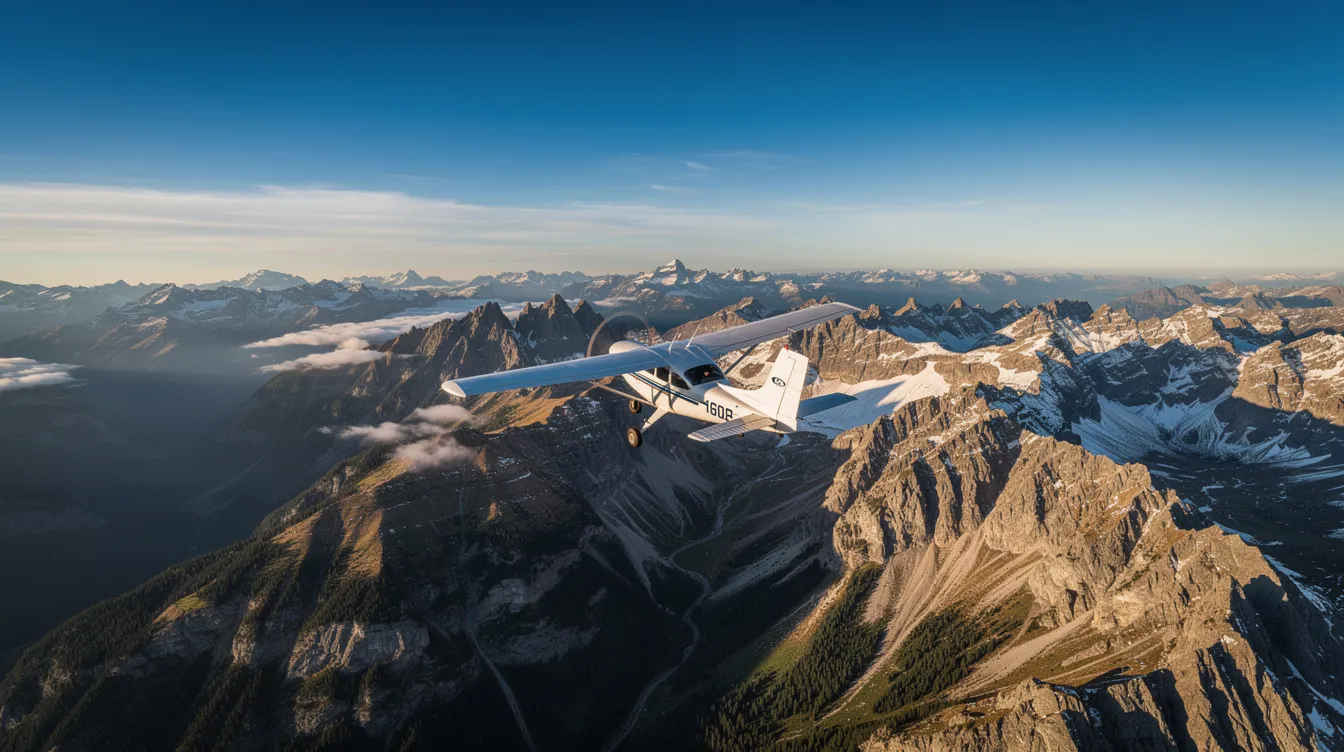
For decades, the story of private aviation has begun in the left seat of a Cessna single-engine aircraft. These piston-powered trainers and personal aircraft form the foundation upon which pilots, owners, and eventually jet card travelers build their relationship with the skies.
Strategic Role of Cessna Single-Engine Aircraft in Modern Private Aviation
The Cessna 172 Skyhawk took its first flight in 1955 and entered production in 1956, with an astonishing 1,400 units built that year alone. Since then, over 44,000 Cessna 172s have rolled off the line, making it the most-produced aircraft in history. That number speaks to something deeper than manufacturing volume—it reflects a global trust in Cessna's engineering, reliability, and mission versatility.
For many high-net-worth individuals and executives, aviation starts here. A student pilot certificate earned in a Cessna 152 or 172 eventually gives way to ownership of a Cessna 182 Skylane for family trips, and then to a realization: business demands exceed what any single-engine piston aircraft can deliver. That realization is precisely where private jet access through programs like BlackJet's Jet Card becomes a strategic advantage—offering direct routing, departure from smaller airports, and scheduling flexibility that commercial airlines cannot match, all within a predictable jet card cost and membership framework.
The Pathway from Student Pilot to Jet Card Traveler
This article covers:
What defines a Cessna single-engine aircraft and the key models in production
Why these aircraft dominate flight schools across the world
How performance, safety, and cabin technology connect training aircraft to modern jets
The natural progression from single-engine ownership to premium Jet Card membership with BlackJet
What Defines a Cessna Single Engine Aircraft?
When pilots and enthusiasts refer to a Cessna single-engine aircraft, they typically mean single-engine piston aircraft built by the Cessna Aircraft Company, with a long-running manufacturing history spanning multiple generations of models like the 152, 172 Skyhawk, 182 Skylane, and 206 Stationair. These are not turboprops or jets (such as the Cessna Citation series), but propeller-driven, fixed-wing airplanes designed for training, personal flying, and light utility work.
Key Advantages of Cessna Single Engine Aircraft
Cessna's single-engine aircraft are widely used in general aviation, and their popularity rests on several tangible advantages:
Simple systems: Fixed landing gear, straightforward fuel management, and minimal complexity reduce pilot workload and maintenance burden
Predictable handling: High-wing design improves visibility and ground clearance, while docile stall behavior builds student confidence
Performance range: Cruise speeds of 100–150 knots depending on model, with typical cruise altitudes between 4,000 and 10,000 ft
Payload flexibility: Useful load brackets from roughly 560 lb (Cessna 152) to over 1,200 lb (Cessna 206), accommodating two to six passengers
Market strength: Single-engine Cessnas generally have lower operating costs than twin-engine aircraft, good resale value, and excellent parts availability worldwide
Cessna aircraft are valued for their versatility in missions—from a student's first solo pattern to a bush pilot's cargo run into an unimproved strip. That versatility is why the small plane manufacturing landscape still revolves around these proven designs.
Key Models: The Cessna 152, 172 Skyhawk, 182 Skylane, and 206 Stationair
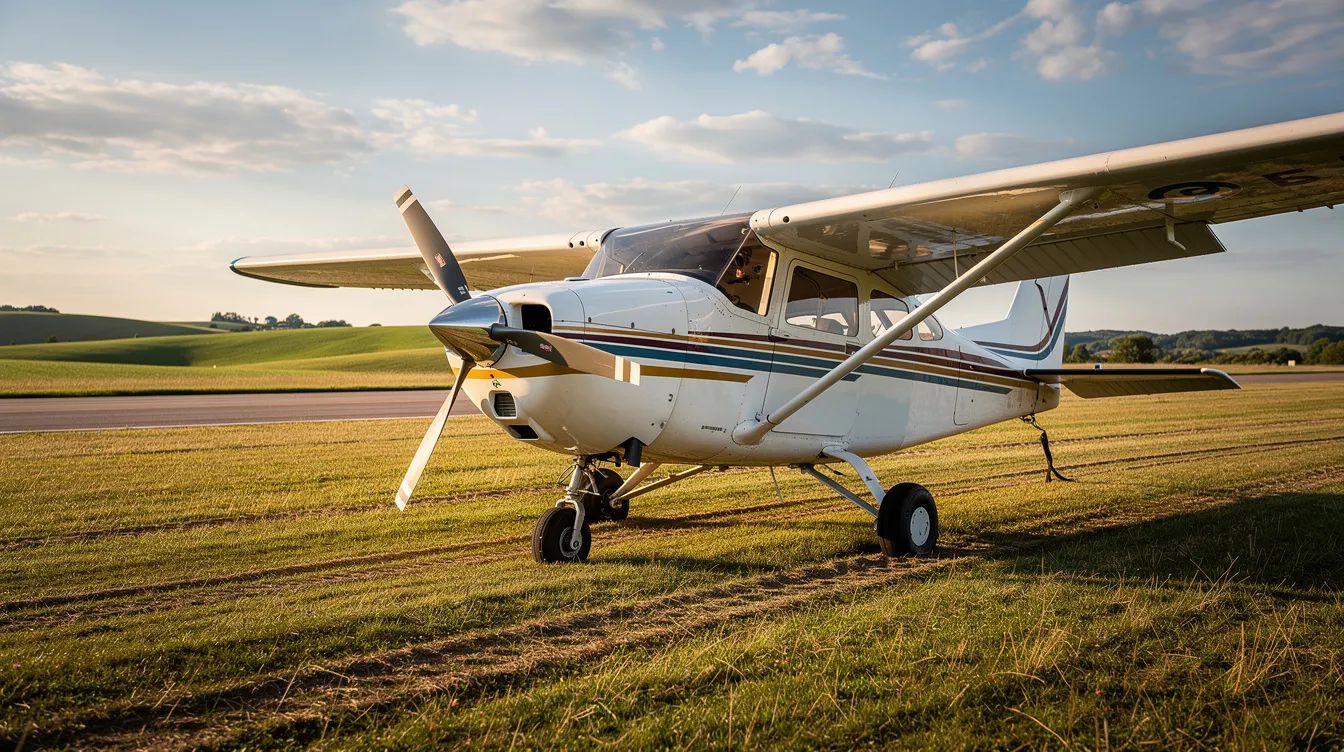
The Cessna single-engine lineup forms a ladder of capability, each model serving a distinct mission profile.
Cessna 152: Originally launched in 1977 as a model year 1978 trainer, the 152 is a compact two-seat aircraft powered by a 110 hp Lycoming engine. With a service ceiling of approximately 14,700 ft, a cruise speed near 107 knots, and a range of roughly 350–414 nautical miles, it remains the quintessential entry-level trainer. Production was discontinued in the mid-1980s, but thousands remain in flight school fleets today. For a deeper comparison with its predecessor, see this Cessna 150 vs 152 guide.
Cessna 172 Skyhawk: The 172 is regarded as an excellent training aircraft and the most important single-engine aircraft ever built, moving from prototype to full manufacture in the mid-1950s. The Cessna 172R is powered by a 160 hp engine, while the Cessna 172S has a maximum takeoff weight of 2,550 lb, reflecting a line that quickly scaled into full production. Cessna 172 production resumed in 1996 after a ten-year halt, and modern variants come equipped with Garmin G1000 NXi glass cockpits. The Cessna 172 has a maximum gross weight of 2,550 lb in its S variant, though earlier models carry a maximum gross weight of 2,400 lb.
Cessna 182 Skylane: Stepping up to roughly 230 hp, the 182 delivers cruise speeds near 145 knots and ranges approaching 930 nautical miles in long-range configurations. The Cessna 182 Skylane offers a balance of speed and usable weight for family travel, making it a favorite among private owners who want to fly into mountain airports or carry four passengers with baggage, and it frequently appears in guides to the best small private aircraft for diverse missions.
Cessna 206 Stationair / T206 Turbo Stationair HD: Often called the "SUV of the skies," the 206 seats six, features a large cargo door for easy access to the cabin, and handles rough-field operations with authority. The Cessna 206 Stationair is designed for heavy hauling and rugged utility work—from float operations in Alaska to air ambulance missions in Europe. The Cessna T206 Turbo Stationair HD is known for its durability, with turbocharged variants reaching service ceilings above 20,000 ft and a top speed approaching 178 knots. Meanwhile, the Cessna TTx was designed for high performance in its category and remains available in the used aircraft market, where examples are typically sold on the secondary market rather than in current production.
Why Cessna Single Engine Aircraft Dominate Flight Schools
Walk into nearly any Part 61 or Part 141 flight school in North America or Europe, and you will find Cessna aircraft on the ramp. There are concrete reasons student pilots around the world encounter a Cessna 152 or 172 during their very first flight lesson.
Cessna aircraft are known for their straightforward handling and dependable performance—traits that matter enormously when an instructor is teaching someone to fly for the first hour. The qualities that make these single-engine piston aircraft ideal for pilot training include:
Stability: The high-wing design and generous dihedral create natural roll stability, letting students focus on coordination rather than fighting the aircraft
Visibility: Wings mounted above the fuselage give unobstructed downward views during traffic pattern work and landing practice
Forgiving stall behavior: Gradual, predictable stalls with ample warning—critical for building safe habits early
Robust landing gear: Tricycle gear that tolerates the harder-than-intended arrivals common during training
Global support: Tens of thousands of airframes mean every A&P mechanic and instructor knows these aircraft intimately
Large aviation universities like Embry-Riddle and CAE-affiliated academies build standardized fleets of Cessna 172s to streamline training and safety oversight. Textron's Top Hawk program, launched in the mid-2010s and now celebrating over a decade of operation, exemplifies the company's ongoing commitment to structured student progression with modern avionics and safety protocols.
Many professional pilots who now fly private jet missions—including those in BlackJet's network and other top private jet companies serving global travelers—started their logbooks in a Cessna 172 at a local flight school, learning the rudder coordination, checklist discipline, and weather judgment that would later define their careers.
Inside the Cabin: From Training Cockpits to Glass Flight Decks
Evolution of the Cessna Cockpit
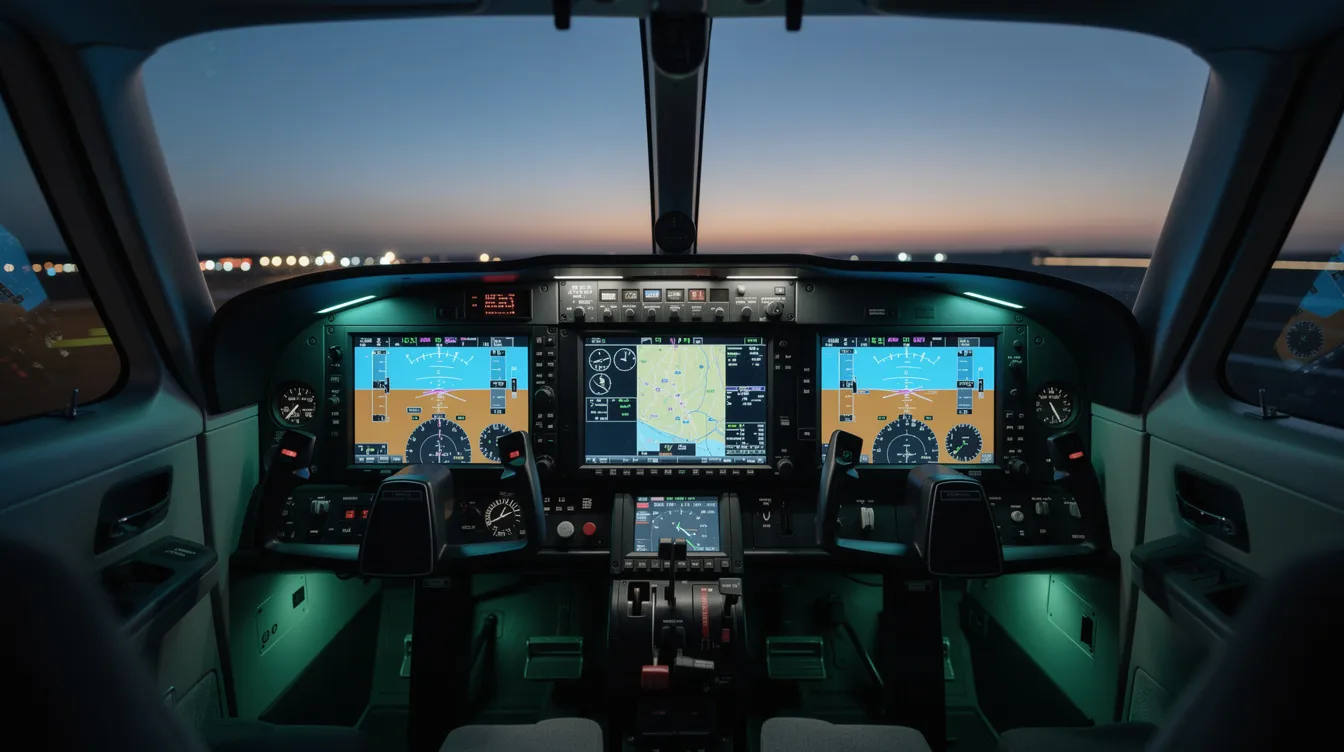
The cockpit of a Cessna single-engine aircraft has evolved dramatically. Early 152s and 172s featured analog "steam gauges"—round dials for airspeed, altitude, attitude, and heading, with simple radio stacks and a magnetic compass. Modern Cessna aircraft feature glass cockpit avionics, with the Garmin G1000 NXi integrated flight deck now standard on new-production Skyhawks, delivering synthetic vision, moving maps, and GI 275 standby instruments—technologies that echo the avionics suites found in a modern $15 million private jet and similar large-cabin aircraft.
Cabin Comfort and Training Durability
Inside a current-production Skyhawk, pilots and passengers find four seats with durable Luxor 2 upholstery, wraparound windows for panoramic visibility, LED interior lighting, and dual USB charging ports. The cabin is designed for training durability rather than luxury—hard-wearing materials, straightforward layouts, and manageable noise levels.
This glass cockpit experience quietly prepares pilots for what they will encounter in modern private jets: flight management systems, autopilot integration, and synthetic vision. Imagine a student pilot's first night flight in a G1000-equipped Skyhawk—navigating by moving map, monitoring synthetic terrain on the PFD, building confidence in instrument references. Years later, that same traveler sits in a light jet's cabin with similar avionics but a vastly different interior: club seating, work tables, full climate control, soundproofing, and Wi-Fi. The technical foundation is the same; the comfort expectations have scaled with the mission.
Performance, Range, and Mission Profiles of Cessna Single Engine Aircraft
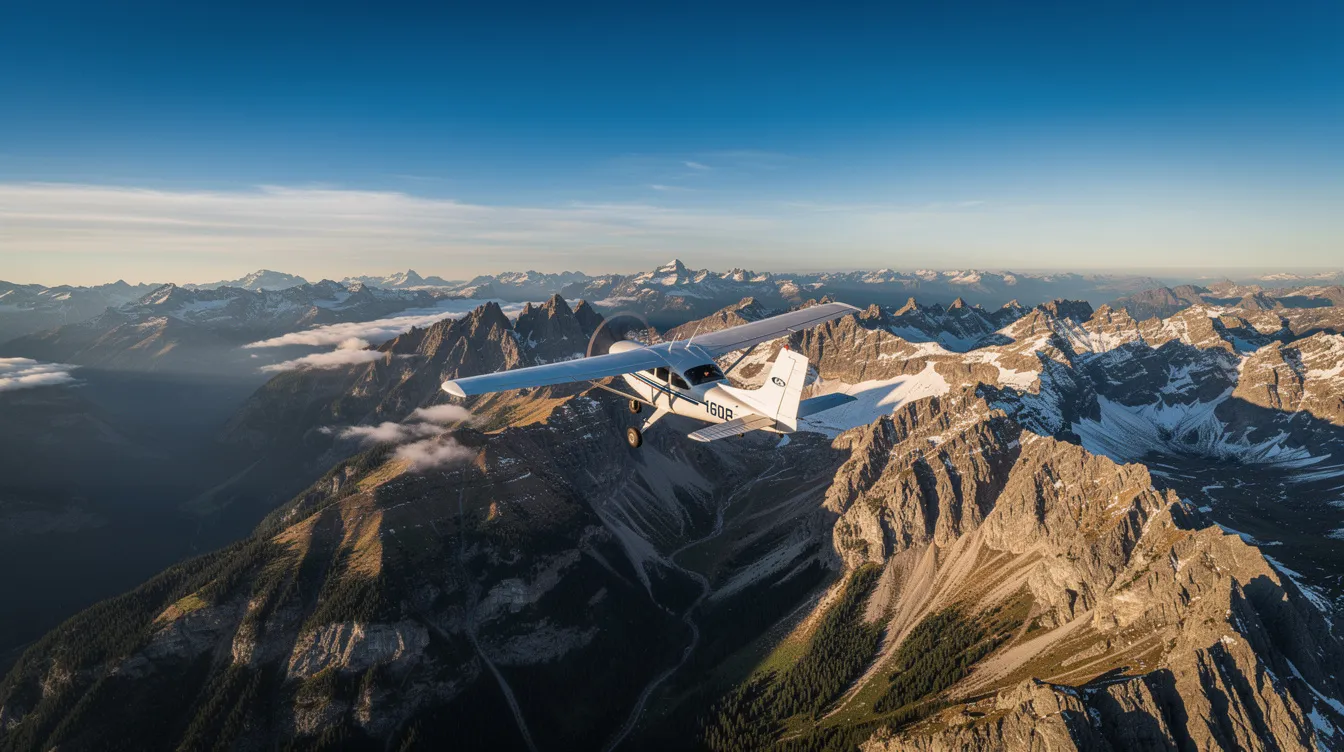
Performance and Range Overview
Understanding the performance envelope of each model helps clarify why many travelers eventually graduate to jet travel. Here are typical cruise bands:
Model | Cruise Speed | Range (w/ reserves) | Fuel Burn | Service Ceiling |
|---|
Cessna 152 | ~107 kt | 350–414 NM | 6–7 gal/hr | ~14,700 ft |
Cessna 172 | 122–124 kt | ~640 NM | 8–10 gal/hr | ~14,000 ft |
Cessna 182 | ~145 kt | 550–930 NM | 12–14 gal/hr | ~18,000 ft |
T206 HD | ~147–178 kt | 560–630 NM | 14–17 gal/hr | 20,000+ ft |
The Cessna 172 can achieve a cruise speed of 122 knots in standard configurations, and the Cessna 172 has a range of 640 nautical miles—enough for a solid cross-country. The Cessna Skyhawk has a range of 640 nautical miles, making a 200–300 NM student cross-country entirely feasible with comfortable fuel reserves. Cessna aircraft can operate from short runways and smaller airports, giving pilots access to thousands of fields that commercial airlines never serve.
Mission Profiles and Use Cases
A family weekend trip in a 182 Skylane might cover 600–800 NM round-trip with two passengers and baggage, while a 206 Stationair can haul cargo into unimproved strips where few other aircraft dare to land—profiles that appear frequently in discussions of affordable small aircraft like the Cessna 150 and 182 and broader comparisons of the best small private aircraft by mission type.
But here is the inflection point: a 500 NM business trip in a Skyhawk takes roughly four to five hours including a fuel stop. The same mission in a light jet cruising at 400+ knots takes under 90 minutes, direct, in a pressurized cabin above the weather—performance more akin to what you’d expect from a modern $5 million private jet in the light or midsize category. For an executive who values time, that difference reshapes the calculus entirely and often justifies exploring strategies to maximize jet card tax deductions on business travel. Single-engine piston aircraft use less fuel per hour, but jets complete missions faster, reduce fatigue, and operate in nearly all weather conditions—advantages that drive many pilots and owners toward Jet Card programs as their needs grow, especially once they understand the broader private jet price landscape and access options.
Safety: From Cessna Training Standards to BlackJet's Private Jet Protocols
Cessna single-engine aircraft carry a strong safety reputation built on decades of training use. Their predictable handling and benign stall behavior create an aircraft that rewards disciplined flying and forgives minor errors—exactly what student pilots need.
Safety outcomes in any aircraft depend heavily on pilot training, decision-making, and adherence to weather and maintenance standards. AOPA's safety review of Skyhawk accidents found that per-aircraft accident rates compared favorably to peer trainers, with pilot judgment—not mechanical failure—driving the majority of incidents. The flaps, wings, and fuselage of these aircraft are engineered with generous safety margins, but the real protection comes from the culture learned during training: disciplined checklist use, threat-and-error management, and sound IFR procedures.
That culture carries directly into BlackJet's operational philosophy. Many pilots in BlackJet's network built their foundational skills in Cessna 172s before progressing through commercial ratings and jet type certificates. BlackJet's safety standards extend that training ethos across everything from light jets to some of the largest private jets available for long-range travel with:
Independent third-party auditing and proprietary certification exceeding regulatory minimums
Minimum pilot hour requirements across all aircraft categories
Recurrent training in simulators and real aircraft, including adverse weather and unusual attitude recovery
Strict maintenance oversight and schedule compliance on every aircraft in the partner fleet
Consider a former flight instructor who logged thousands of hours teaching landings and emergency procedures in single-engine Cessnas. That same pilot now captains private jet missions under rigorous safety protocols—a continuity of discipline from trainer to business jet that clients can trust.
From Single Engine Ownership to Jet Card Membership
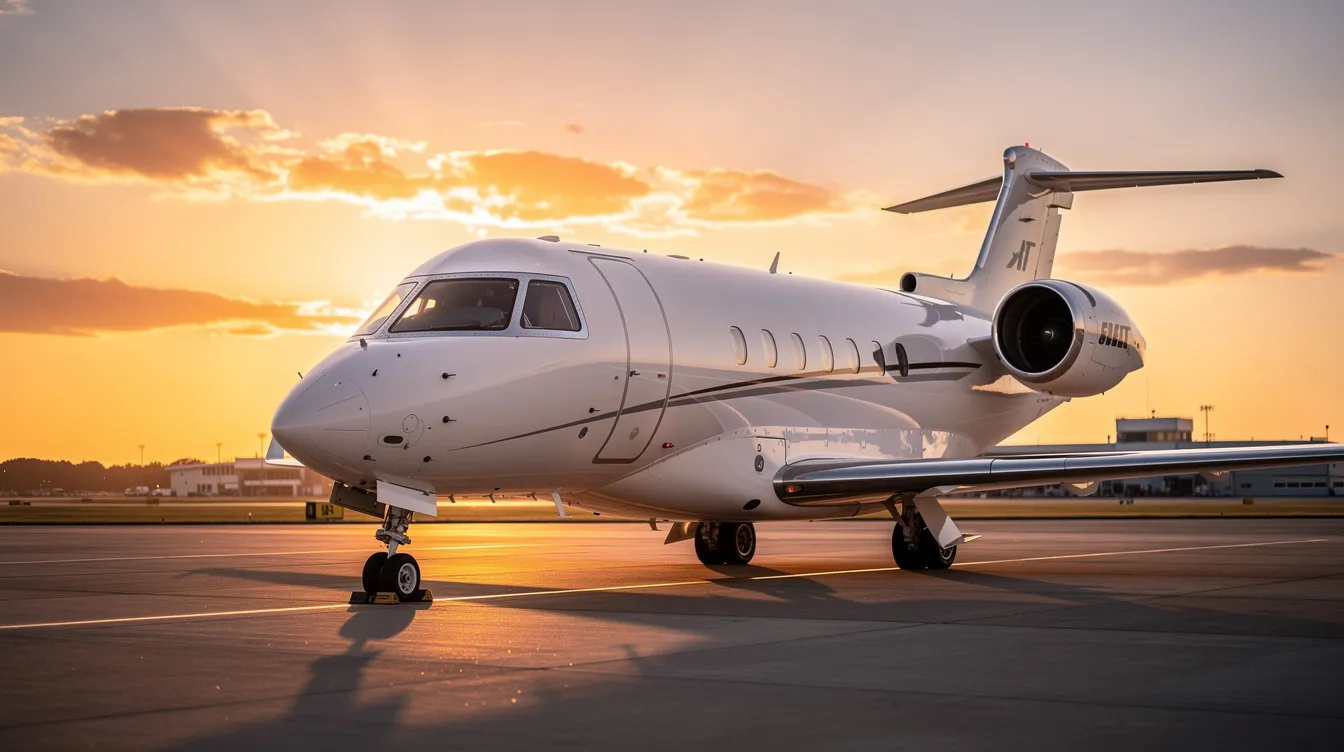
The journey often follows a recognizable arc, and for some high-net-worth individuals that journey eventually includes exploring innovative options like buying a private jet with cryptocurrency. An aviation-minded entrepreneur earns a private pilot certificate in a Cessna 172, perhaps co-owns a Skylane for weekend trips, and eventually realizes that quarterly New York–Miami runs and short-notice West Coast meetings demand something faster and more capable than any single engine aircraft can deliver—often leading them toward higher-commitment solutions like a 100-hour jet card for frequent travel.
Operating a personal piston aircraft involves hangar fees, insurance, annual inspections, engine overhaul reserves, and maintaining pilot currency. These are manageable for recreational flying, but they create friction when the mission is business-critical, which is why some owners balance an efficient piston with the cheapest private aircraft and access models for longer trips. A BlackJet Jet Card—available in 25-hour or 50-hour blocks—offers prepaid, on-demand access to professionally operated jets across multiple cabin categories, eliminating flight planning logistics, duty-time calculations, and maintenance scheduling entirely while benefiting from transparent jet card pricing structures and terms.
Picture a former Cessna 182 owner based in Connecticut. She still flies her Skylane on clear Saturday mornings along the Connecticut coastline—the joy of stick-and-rudder flying hasn't faded. But when a Tuesday afternoon call demands she be in Miami by Wednesday morning, she books through BlackJet's 24/7 digital platform and departs from a nearby regional airport in a light jet. The two aircraft in her life serve complementary purposes: one feeds the passion, the other powers the schedule.
Many clients log recreational hours in single-engine aircraft while relying on BlackJet for time-critical, weather-independent, or international travel, often comparing the flexibility of a Jet Card to the value of a 50 hour jet card program across providers. It is a complementary relationship, not a replacement.
Technology and Sustainability: Piston Efficiency and Carbon-Neutral Jet Travel
Modern single-engine piston aircraft are inherently fuel-efficient for short sectors and small loads, especially when compared with even the most affordable entry-level private jets and turboprops. A Cessna 152 burns just 6–7 gallons per hour; a 172 consumes roughly 8–10 gallons per hour. Advances like lean-of-peak operation, aerodynamically cleaner airframes with speed fairings, and liquid-cooled diesel/Jet-A engine options in some newer designs are incrementally reducing the environmental footprint of piston flying.
Piston efficiency: For a 50 NM local hop carrying two passengers, a Skyhawk's emissions profile is modest compared to driving or flying a larger aircraft for the same mission
Right-sizing: The key to sustainable aviation is matching aircraft to mission—using a single-engine aircraft for local flights and a properly sized jet for longer, business-critical legs
BlackJet's commitment: BlackJet delivers carbon-neutral private jet flights by default through verified carbon offset programs, and works with partner fleets utilizing sustainable aviation fuel (SAF) where available, even on more affordable private jet options for entry-level travelers. Learn more about BlackJet's sustainability initiatives.
Efficient trip planning: Minimizing unnecessary repositioning and deadhead legs reduces total fuel burn across the fleet, whether piston- or jet-powered
Complementary approach: Pilots who enjoy local flights in single-engine aircraft while relying on BlackJet for longer missions naturally create an efficient, lower-impact travel profile
Choosing Your Path: Student Pilot, Aircraft Owner, or Jet Card Traveler?
Three pathways into aviation stand before every reader. Becoming a student pilot typically requires 40–70 flight hours in most jurisdictions, much of it logged in a Cessna single-engine aircraft. The day you soar solo for the first time—just you, the aircraft, and the sky—remains one of aviation's most transformative experiences.
For those considering ownership, the market offers depth. Cessna single-engine aircraft listings total 461 currently available, with an average price for Cessna aircraft at $297,791. Some inventory is marked sold quickly, underscoring active demand in the used market. Many buyers start with used Cessna 172s or 182s manufactured between the late 1990s and 2010s, and by July they are often comparing fresh listings or inspection updates while working with specialized brokers to evaluate engine time, avionics condition, and corrosion history. Piper and other competitors offer alternatives, but Cessna's sale volume and post-sale support remain difficult to match, particularly for buyers comparing the cheapest practical planes and entry-level Cessna trainers.
For high-net-worth travelers whose primary concern is efficient, comfortable transportation—not personally piloting—a BlackJet Jet Card delivers 24/7 digital booking, real-time flight support, and access to multiple cabin sizes without the responsibilities of ownership, aligning closely with what many consider the best jet card programs for frequent flyers. Whether you watch your number of flight hours climb in a trainer or prefer to explore the world from the cabin of a private jet, the aviation ecosystem has a place for you—including options to buy a single seat on a private jet for specific trips.
Your passion for Cessna single-engine aircraft and the broader world of private aviation are not separate interests—they are chapters in the same story. Discover how BlackJet can elevate that story at every altitude.


 Sign up with google
 Sign up with Apple