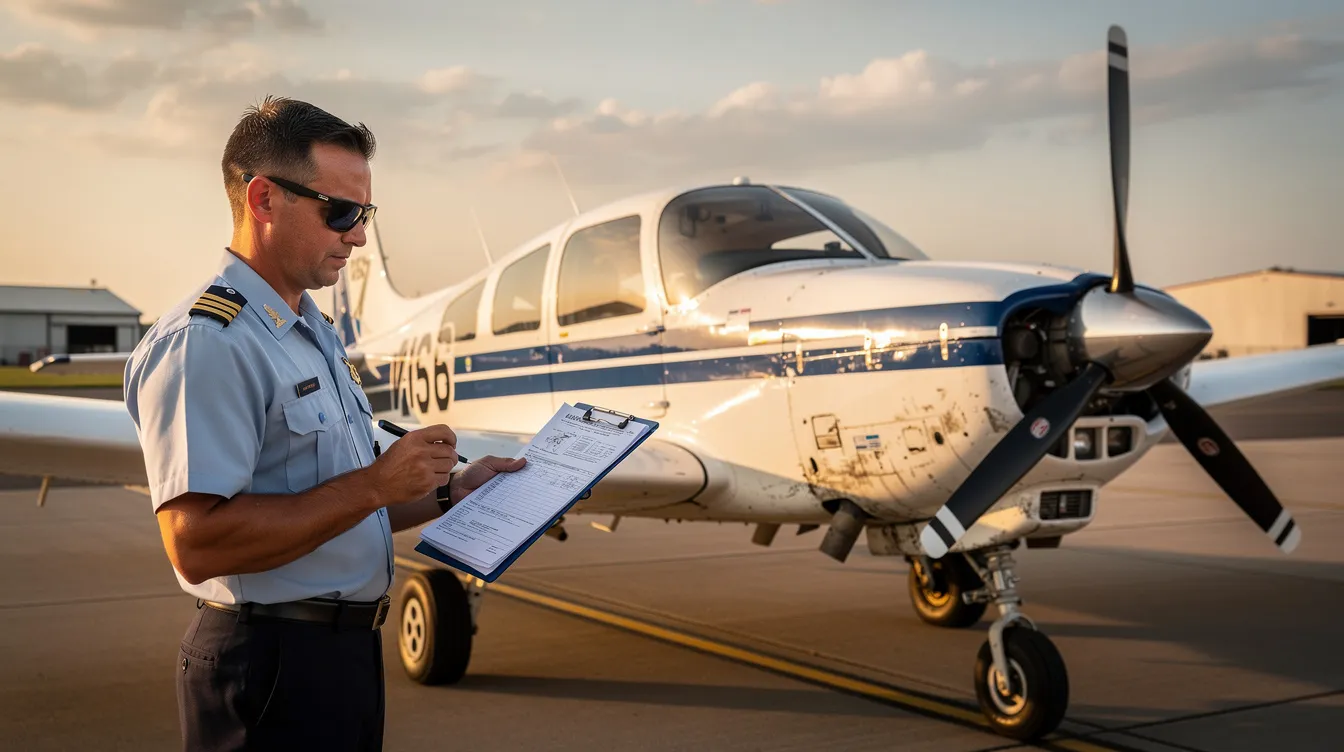
Owning an airplane is more accessible than most people think. In 2026, a flyable two-seat trainer or vintage taildragger can cost less than a new pickup truck, and some of the cheapest planes on the market sit well under $30,000. The catch is that the sticker price only tells part of the story. This guide breaks down the best value airplanes available today, what they actually cost to own and fly, and when it makes more sense to pay for flight hours rather than a hangar.
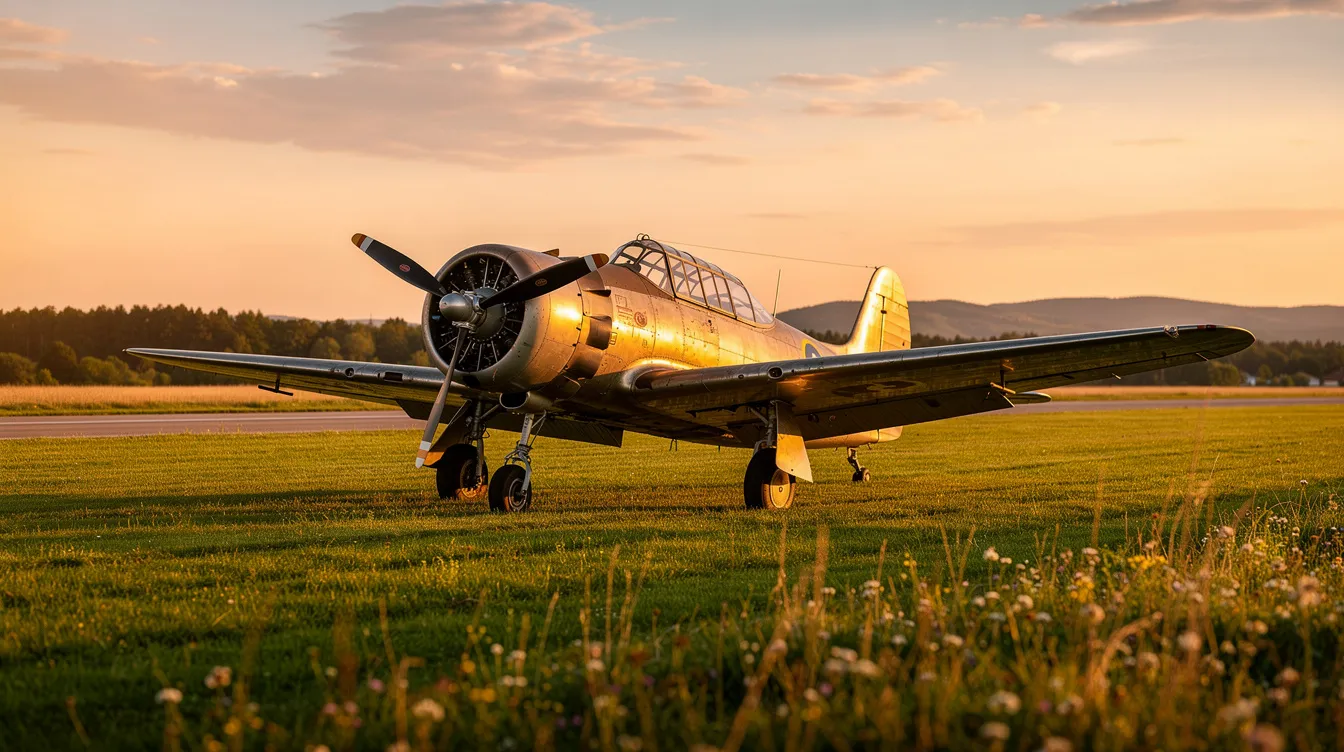
Key Takeaways: The Cheapest Planes and What They Really Cost
In 2026, a cheap airplane generally means a used, certified single-engine piston aircraft priced between roughly $18,000 and $60,000 for two-seat models, or $25,000 to $90,000 for four-seat options. That puts aircraft ownership on par with buying a mid-range boat or a lightly used luxury car, though the comparison stops at the purchase price.
Here is what budget-minded pilots need to know upfront:
The ERCO Ercoupe is priced under $20,000 in 2026 for basic flyable examples, making it one of the cheapest options on the used market. Aeronca Champion prices have remained stable around $25,000. Taylorcraft BC-12D models can be found for about $20,000. Cessna 150 prices range from $20,000 to $35,000 for older models. The Stinson 108 is priced between $25,000 and $40,000.
The cheapest plane is almost always an older two-seat trainer or classic taildragger, not a modern four-seat cross-country machine.
Total operating costs, including fuel, insurance premiums, hangar or outdoor tie-down fees, annual inspections, and maintenance expenses, often equal or exceed the purchase price over five to ten years of active ownership.
Cheap planes are perfect for personal flying, local fun, and flight training. For fast business and family trips without the burden of ownership, the private aviation industry often uses a Jet Card model offering prepaid access to aircraft, and carbon-neutral flights are increasingly significant in that space.
What Counts as a "Cheap" or Affordable Aircraft in 2026?
Defining affordable aircraft in dollar terms helps set expectations. Under roughly $40,000 qualifies as extremely cheap by today's standards. The $40,000 to $80,000 band covers solid, fly-ready two-seat trainers and entry-level examples of four-seat vintage models.
Inflation and post-2020 demand have pushed prices upward. A Cessna 150 or Piper PA-28 that might have sold for $25,000 in 2018 now commonly lists at $40,000 to $60,000 for comparable condition.
Nearly all of the cheapest planes are used, certified singles built between the 1940s and 1980s. New production aircraft in this price segment essentially do not exist outside of very basic light sport models.
Budget-minded pilots must balance a low purchase price against the aircraft's age, parts availability, and likely overhaul needs. A relatively low-cost airplane with deferred maintenance can quickly become a money pit.
Vintage aircraft may offer better value due to lower demand compared to popular training models. Lesser-known types like the Luscombe or Taylorcraft often linger on the market, giving patient buyers room to negotiate.
Budget-conscious buyers often prefer smaller two-seat trainers due to lower operational costs. But if the real goal is transportation rather than hobby flying, paying for time via private jet charter or a Jet Card program can be more economical than sinking capital into a tiny airplane.
The Top 10 Cheapest Planes to Buy in 2026
Prices below reflect 2026 market conditions. Condition, engine time, and modern avionics can easily swing any of these prices ±$10,000 or more.
ERCO Ercoupe 415 - One of the absolute cheapest planes, with many airworthy examples priced roughly $18,500 to $30,000. The Ercoupe is ideal for local flying and easy handling, featuring a unique design lacking rudder pedals. Operating costs stay low at around 5 gph. Median asking price sits near $28,000 across active listings.
Aeronca Champion - The Aeronca Champion is an excellent trainer for tailwheel operations, delivering a nostalgic flying experience with forgiving nature and responsive controls. Solid Aeronca Champion airplanes typically list under $30,000, with fuel burn around 5 to 6 gph.
Taylorcraft BC-12D - The Taylorcraft BC-12D is known for low-cost stick and rudder flying. Typical 2026 asking prices run about $28,000 to $55,000 for flyable condition examples. Extremely lightweight aircraft with simple systems and classic taildragger appeal.
Cessna 150 - The Cessna 150 is widely used for flight training and remains one of the cheapest planes worldwide, with many airworthy examples between $30,000 and $60,000 depending on avionics and engine time. Huge parts network and mechanic support make it a first trainer favorite for many pilots.
Luscombe 8 - A more demanding but rewarding vintage aircraft, usually in the $36,000 to $60,000 range on the vintage market. Ideal for pilots who want to sharpen stick and rudder skills with a light flyer that rewards precision.
Piper J-3 Cub - Iconic cheap airplane with 2026 prices commonly $40,000 to $70,000. Classic appeal, short field performance, and pure slow-flight enjoyment define this legend of aviation history.
Piper PA-38 Tomahawk - A newer late-1970s/80s two-seat trainer with better cabin comfort and good visibility through large rear windows. Typical prices run $40,000 to $70,000. Tricycle gear simplifies ground handling for new pilots.
Grumman AA-1 Yankee - Sporty two-seat low wing with solid performance, priced about $25,000 to $50,000 in 2026. Faster but less forgiving than the Cessna 150, rewarding pilots who fly with attention.
Stinson 108 - The Stinson 108 is the cheapest family aircraft available with four seats, usually $50,000 to $90,000. It has a higher fuel burn than smaller trainers but real bush capability and room for family flying, making it a standout among the cheapest single-engine plane options.
Early Cessna 172 and Piper PA-28-140 Cherokee - Early models around $45,000 to $90,000 provide four seats and basic IFR capability. Later models with more power and powerful engines command the upper range.
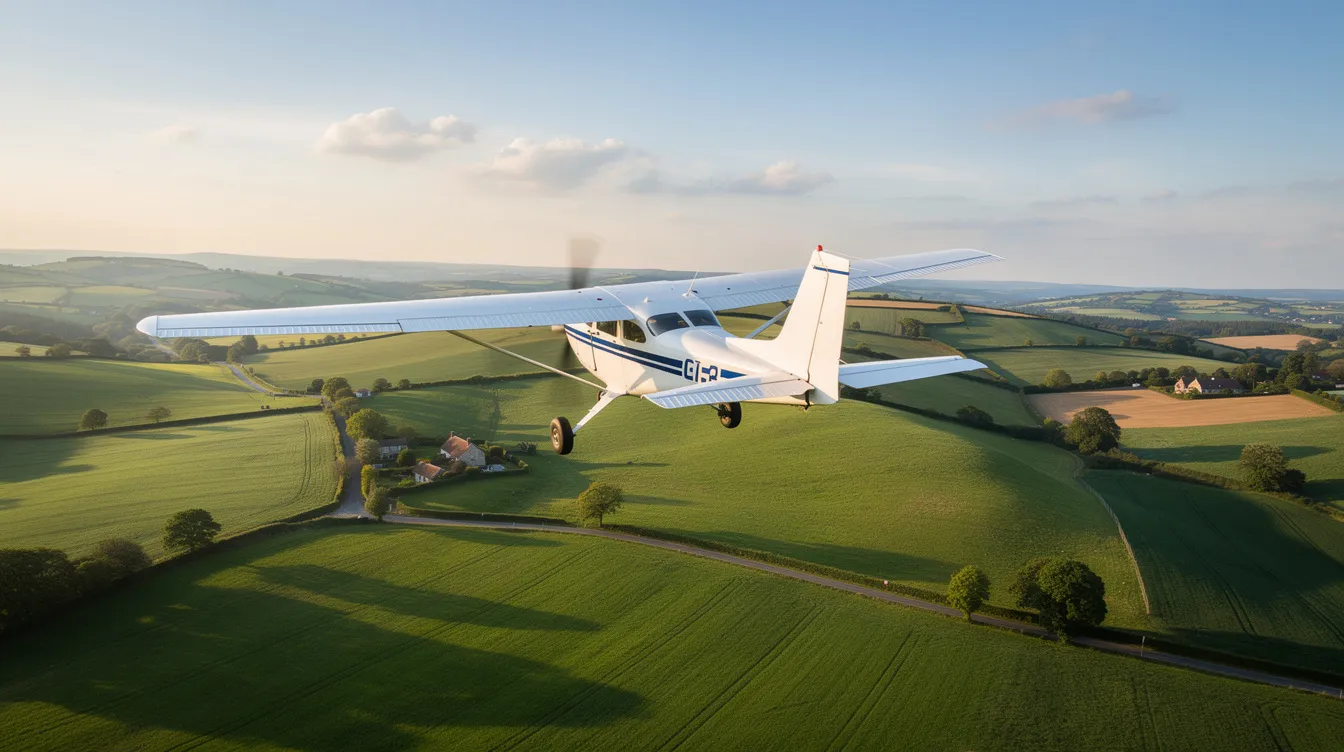
Comparing Two Seats vs Four Seats for Budget-Minded Pilots
The first big purchase decision when pilots are shopping for the cheapest planes is whether two or four seats actually match their mission.
Two-seat aircraft like the Cessna 150, ERCO Ercoupe, Aeronca Champ, and Taylorcraft BC-12D serve training, solo practice, and local sightseeing. Their advantages include lower operating costs, simple systems, low maintenance needs, and cheaper insurance. Flight training often utilizes aircraft with low operational costs and easy handling characteristics.
Four-seat aircraft offer flexibility, but payload realities limit them. A Cessna 172 or Piper PA-28 with full fuel often carries only two adults plus light baggage before hitting max gross weight. The cheapest family aircraft, the Stinson 108, has a useful load near 1,000 lbs but burns significantly more fuel.
Affordable four-seat options like the Stinson 108, early Cessna 172, and some Piper PA-28 models involve trade-offs: higher fuel burn around 8 to 10 gph, larger hangar fees, and more complex annual inspections compared with other small private aircraft for specific travel needs.
Many owners discover they rarely fill all four seats. Before making a purchase decision, consider realistic trip lengths, family needs, and how often you genuinely carry more than one passenger.
Typical Purchase Prices and Operating Costs in 2026
Purchasing dynamics in aviation can involve high ongoing costs beyond the sticker price. Here is what the numbers actually look like.
Purchase price tiers: under $30,000 gets project or basic two-seat trainers. $30,000 to $50,000 covers solid certified trainers in flyable condition. $50,000 to $80,000 reaches entry four-seat vintage models and older Cessna 172 or Piper PA-28 aircraft, closely mirroring the landscape for aspiring pilots seeking the cheapest new plane or entry-level used options.
Hourly operating costs for a Cessna 150: fuel at 5 to 6 gph (~$30/hr at mid-2026 avgas prices), oil, engine reserves, and routine maintenance total roughly $50 to $80 per flight hour. Fuel costs can account for 70% of variable operational expenses.
Four-seat fuel and maintenance run higher. A Stinson 108 or early Cessna 172 burning 8 to 10 gph increases fuel costs by 40 to 60%, with corresponding increases in parts and storage costs.
Annual budget example: flying 50 to 75 hours per year in a Cessna 150 or Champ, total annual costs including fuel, insurance premiums ($1,200 to $2,500 for two-seat trainers), storage costs ($600 to $3,600 per year for hangars), and annual inspections easily reach $7,000 to $12,000. Annual operating costs for lightweight aircraft can reach $12,570. For more complex types, annual operating costs can range from $10,000 to over $20,000.
Engine overhaul reserves matter. Setting aside $10 to $25 per flight hour toward a future overhaul is essential. Aircraft needing major overhauls can incur expenses of $20,000 to $50,000.
Maintenance reserves are essential to cover potential future costs when owning an aircraft. Compare those ongoing line items with paying for time on a Jet Card, understanding Jet Card pricing, costs, and benefits, or charter for long business trips. Small cheap planes are surprisingly affordable for fun but impractical for fast cross-country travel.
Annual Inspections, Maintenance, and Keeping Costs Low
Annual inspections and ongoing maintenance are central to total ownership cost, not optional extras. The cost of ownership for aircraft includes maintenance, inspections, and operational expenses.
Annual inspections usually cost between $750 and $2,000 for simple two-seat aircraft. More complex four-seat models run $1,500 to $3,000 or more, not including repairs discovered during the inspection. Maintenance costs typically range from $1,500 to $3,000 per year, which aligns with broader guidance on keeping the best, cheapest planes affordable over time.
Major cost drivers include corrosion repair, fabric replacement on vintage aircraft, avionics squawks, and engine or propeller issues. Maintenance costs can range from 10% to 45% of total yearly expenses depending on the aircraft's age and condition.
Owners can handle certain tasks themselves under FAA regulations: tire pressure checks, basic cleaning, and non-invasive preventive work. Everything structural, mechanical, or involving return-to-service sign-offs must go to licensed A&P/IA mechanics.
Cost-saving tips: choose aircraft with strong parts support like the Cessna 150 or Piper PA-28, fly regularly to avoid corrosion and sitting-related issues, and join a flying club or type club for discounts, shared expertise, and bulk parts purchasing—similar principles apply when evaluating cheap light aircraft for budget-friendly flying adventures.
Skipping or delaying annual inspections is both illegal and unsafe. Budget conservatively and assume a first-year catch-up maintenance hit on any cheap plane purchase. Older planes with simpler systems are cheaper to maintain over time.
Fuel Efficiency and Operating Costs: Why Cessna 150s and Piper Colts are Favorites
Fuel efficiency is a major reason certain cheap planes remain in demand with cost-effective owners. Older, simpler aircraft typically incur lower operating costs compared to modern complex aircraft.
Target fuel burn for economical trainers: roughly 5 to 8 gallons per hour. The Cessna 150 burns approximately 6 gph, while a Piper Colt runs about 6 to 7 gph. The ERCO Ercoupe manages around 5 gph, all of which are classic examples among the cheapest single-engine plane options for budget-conscious pilots.
Low fuel burn plus simple fixed-pitch props and carbureted engines keep operating costs predictable. No constant-speed prop governor to maintain, no fuel injection system to service.
For trips over 300 to 500 miles, a cheap trainer becomes impractical. Cruise speeds of 90 to 110 knots mean a 500-mile trip takes four to five hours in a small plane versus under two hours on a private charter flight, where understanding the charter cost of a small plane helps frame the tradeoffs. Cheap planes excel at local flights, not time-critical travel.
Estimate annual fuel costs based on realistic yearly hours (40, 75, or 100 hours), not optimistic best-case scenarios. At 75 hours and 6 gph at $5.50 per gallon, fuel alone runs about $2,475. Annual costs add up quickly.
For longer missions, BlackJet's carbon-neutral private aviation model handles fuel, crew, and maintenance in a single transparent hourly rate, while piston owners juggle these costs individually—an approach that complements many of the cheapest private aircraft options on the market.
Finding the Cheapest Planes: Where and How to Shop Safely
Most affordable aircraft live on the used market, and pilots shopping for cheap planes need disciplined research to avoid expensive mistakes.
Marketplaces such as Trade-A-Plane and Controller are often utilized for buying used aircraft. Also check Barnstormers, local airport bulletin boards, and type-club forums for models like the Ercoupe, Aeronca Champ, Cessna 150, and Stinson 108. Direct sales from private owners often yield better values than broker listings in the aircraft market.
Aircraft logbooks should be complete and accurate for safety and resale value. Verify compliance with all airworthiness directives, and confirm continuous maintenance history without gaps, just as you would when comparing top affordable private planes for budding aviators.
Dedication to a thorough pre-purchase inspection is critical in avoiding expensive aircraft purchases. Hire an experienced, independent A&P/IA mechanic ($500 to $1,500) who can uncover corrosion, hidden damage, deteriorating fabric, or an engine nearing TBO. Corrosion assessment is crucial for aircraft, especially in humid environments. Inspections by an independent mechanic help ensure aircraft safety and legitimacy in purchases, and they are central to keeping affordable options among the best and cheapest planes genuinely budget-friendly.
Avoid project planes and heavily modified experimentals as a first aircraft for new pilots, even if they appear to be the cheapest option advertised. Checking an aircraft's condition and history is vital to avoid poor investments.
Compare several aircraft of the same model. Looking at three Cessna 150s or multiple ERCO Ercoupes side by side reveals exactly how condition, engine time, and avionics shift the price. Entry-level examples with slightly higher time may still represent strong value if logs are clean.
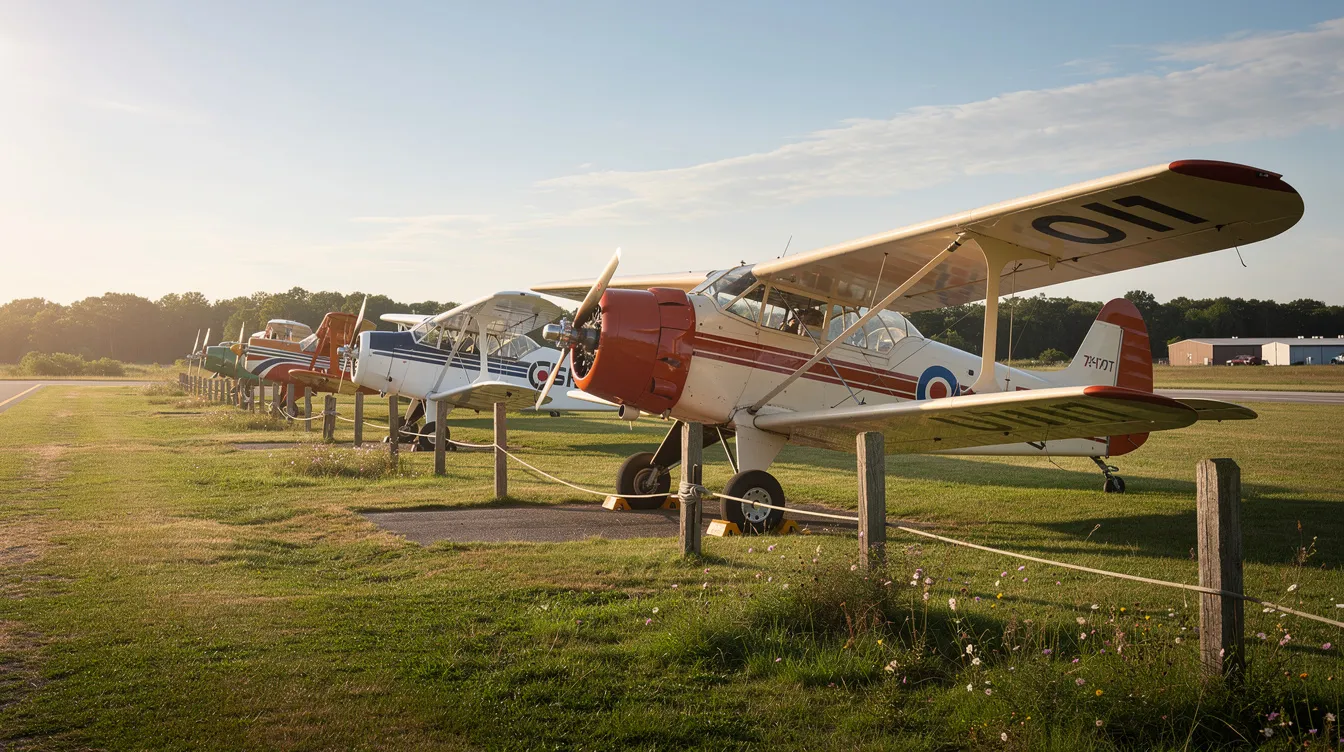
Alternatives to Owning the Cheapest Plane: Clubs, Co-Ownership, and Private Jet Access
Buying the cheapest plane is not the only way to access the sky. Fractional ownership models can significantly reduce the cost of airplane ownership, and there are flexible alternatives for different budgets and missions.
A flying club lets members share purchase, maintenance, insurance, and storage. Monthly dues plus hourly wet rates often beat full ownership for pilots flying under 50 to 75 hours per year, especially when combined with other cheap light aircraft strategies for budget flying.
Co-ownership partnerships work well: two to four pilots share a Cessna 150, Cessna 172, or Piper PA-28, splitting fixed costs while coordinating schedules via shared calendars. Many owners find this arrangement halves their annual costs without sacrificing access.
Renting from flight schools provides access to well-maintained trainers without capital outlay. Schedule constraints and higher hourly rental fees are the trade-off.
For long-distance business trips, multi-city itineraries, or family holidays where a cheap trainer is too slow, private jet charter eliminates fixed ownership costs. Customers seeking private aviation value flexibility, privacy, and safety in their travel. Chartering is ideal for infrequent long-distance travel, with flexible scheduling options and access to a global fleet and a clear understanding of what charter flights mean and how they work. On-demand chartering allows payment only when flying.
Contrast fixed ownership expenses (hangar, annual, insurance regardless of use) with the pay-only-when-you-fly model of Jet Card programs and broader Jet Card pricing structures. Private aviation companies provide 24/7 digital booking tools for customer convenience, and charter services provide access to a global fleet of aircraft.
Safety, Certification, and Sustainability: What Budget Flyers Should Prioritize
Even with the cheapest planes, safety and regulatory compliance cannot be compromised. Finding budget-friendly private jets involves careful evaluation of hidden costs in addition to purchase price, and the same discipline applies to piston aircraft.
Verify that any cheap airplane has a standard airworthiness certificate, up-to-date annual inspection sign-offs, and no outstanding mandatory airworthiness directives. This is non-negotiable.
Periodic recurrent training with an instructor is essential, especially when transitioning into taildraggers like Aeronca Champs, Taylorcrafts, or Luscombes. Tailwheel operations demand proficiency that only regular practice maintains.
Budget for basic safety upgrades: shoulder harnesses, a modern ELT, updated engine and propeller maintenance, and ADS-B out if not already installed.
Older engines can remain safe when maintained correctly, but skipping overhauls or flying past known issues to save money is dangerous. A larger investment in proper maintenance always costs less than an accident.
On sustainability: while small piston aircraft emit CO₂ per flight hour, their short missions differ from business jet profiles. Private aviation companies support various aircraft types to cater to different customer needs, and for larger, longer missions, BlackJet offsets emissions to ensure every jet flight is carbon neutral, giving environmentally conscious travelers a responsible option when they need more capability than a cheap plane can offer—especially when exploring the cheapest private jet options for entry-level travelers.
When Cheap Planes Make Sense vs When Private Jets Are Smarter
The distinction is straightforward: local leisure flying and skill building versus strategic, time-critical travel for business or family obligations.
Ideal scenarios for owning the cheapest plane: weekend pattern work, $100 hamburger runs, short hops to nearby airports, learning tailwheel and stick and rudder skills, and staying connected to grassroots aviation.
Scenarios where even budget-minded pilots prefer private jets: coast-to-coast meetings, multi-city tours over two to three days, winter travel where weather limits light aircraft, or carrying five to eight passengers plus luggage, where BlackJet premium private Jet Cards and programs can offer a predictable, on-demand solution.
A concrete example: a pilot owns a Cessna 150 for local flights but uses a BlackJet Jet Card or dedicated BlackJet 25+ Hour Jet Card to fly New York to Miami roundtrips for business in a midsize cabin, maximizing productivity and time savings versus airlining or flying a trainer.
Cruise speed contrast tells the story: cheapest pistons manage 90 to 120 knots with limited weather capability. Typical private jets cruise at 400+ knots, pressurized, all-weather, with professional crews.
Cheap planes and premium private aviation are complementary. One is a passion and skill-building tool. The other is a strategic mobility solution that, when you understand the broader private jet price list and access models, can be tailored to specific business or family travel needs.
Frequently Asked Questions About Cheap Airplanes to Buy
What is the cheapest airplane to buy in 2026?
The ERCO Ercoupe is among the least expensive certified airplanes, with basic flyable examples priced under $20,000 in some listings. Actual cost depends on condition, engine time, maintenance history, and equipment, so buyers should verify the aircraft’s records and arrange an independent pre-purchase inspection.
What is a good first trainer for a budget-minded pilot?
The Cessna 150 is a widely used first trainer because it is relatively simple to operate, supported by a large parts and mechanic network, and commonly available. The Aeronca Champion is another option for pilots interested in tailwheel training. The right aircraft depends on training goals, instructor guidance, local availability, and the specific airplane’s condition.
How much does it cost to own a cheap airplane each year?
Annual costs vary with how often you fly, fuel prices, insurance, storage, and maintenance needs. A lightweight aircraft can cost around $10,000 to more than $20,000 per year to operate; even a modest budget should account for fuel, annual inspections, insurance, hangar or tie-down fees, and engine reserves. A low purchase price does not guarantee low total ownership costs.
What should I check before buying a used airplane?
Review complete, accurate logbooks, maintenance history, airworthiness directive compliance, engine and propeller time, and the aircraft’s damage and corrosion history. Have an independent mechanic familiar with the model conduct a thorough pre-purchase inspection. This is especially important for older aircraft that have spent time in humid environments or may need major repairs.
Is buying a plane cheaper than renting or joining a flying club?
It depends on how often you fly. Ownership can suit pilots who fly regularly and want consistent access, while rentals and flying clubs spread fixed expenses across members and may be more economical for occasional flying. Compare annual fixed costs and hourly rates using a realistic estimate of your flight hours.
When does private jet access make more sense than owning a small plane?
A small airplane is well suited to training and local recreational trips, but it is slower and has more limited range and weather capability than a business jet. For infrequent long-distance business or family travel, charter or a Jet Card can avoid fixed aircraft ownership costs and provide access to larger aircraft when needed. BlackJet’s Jet Card programs offer prepaid private jet access, 24/7 digital booking, real-time support, and carbon-neutral flights.
Conclusion: Choosing the Right Low-Cost Path Into the Sky
The cheapest planes to buy in 2026 are older two-seat trainers and vintage four-seaters that reward patience, discipline, and realistic budgeting. They are not toys or throwaways; they are real aircraft that demand respect.
Focus on total ownership cost, including purchase, fuel, maintenance expenses, insurance, storage, and annual inspections, instead of chasing just the lowest sticker price.
Aircraft like the ERCO Ercoupe, Cessna 150, Aeronca Champion, and Stinson 108 are proven affordable aircraft for budget-minded pilots when properly inspected and maintained, and they often feature prominently among the best options for the cheapest plane discussed in broader market overviews.
Leverage flying clubs, partnerships, and type communities to reduce annual costs and improve safety knowledge.
For fast, comfortable travel beyond the reach of cheap planes, explore BlackJet's carbon-neutral, safety-certified Jet Card programs as a flexible private aviation complement.
Discover how BlackJet can handle your long-range trips while your Cessna 150 or Piper PA keeps local flying fun and affordable. Explore BlackJet's Jet Card programs for seamless, premium private travel with safety, sustainability, and flexibility built in.


 Sign up with google
 Sign up with Apple