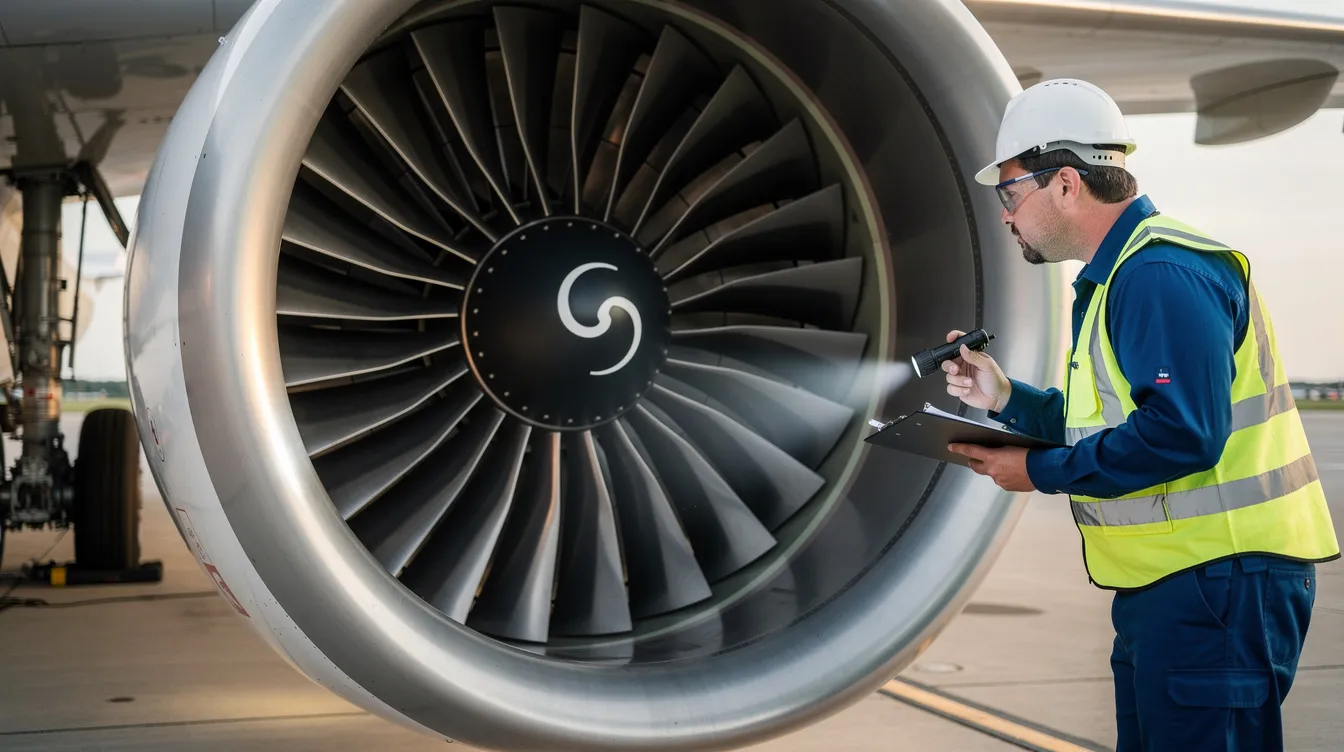
Every private jet flight begins long before the cabin door opens. Behind every seamless departure is a rigorous cycle of inspections, engine programs, component overhauls, and regulatory compliance that keeps the aircraft airworthy, reliable, and ready. For travelers who value their time and safety, understanding the cost of aircraft maintenance reveals why premium private aviation is priced the way it is—and why that pricing protects them.
This guide is designed for private jet travelers and prospective jet card members who want to understand how maintenance costs impact pricing, safety, and availability in business aviation, and how they fit into premium private jet card programs.
Why Aircraft Maintenance Costs Matter for Private Jet Users
Aircraft maintenance is one of the largest line items in business aviation operations, often accounting for 20–30% of total operating expenses for frequently flown midsize and large-cabin jets. For a BlackJet member, these maintenance costs are never visible as a separate charge, but they shape everything from the hourly rate on a jet card to whether the right aircraft is available on the right day.
Consider a concrete example: a round trip from New York to Miami on a super-midsize aircraft covers roughly 1,300 nautical miles. Embedded in that single flight are several thousand dollars in direct and indirect maintenance expenses—engine program fees, scheduled inspection reserves, parts replacement accruals, and labor. The traveler sees one hourly rate from BlackJet. The maintenance complexity behind it remains invisible.
As a jet card provider, BlackJet does not pass along surprise maintenance surcharges mid-trip. Rigorous upkeep is already built into fixed hourly pricing and availability guarantees. This article breaks down exactly where those costs come from: direct maintenance costs, indirect and administrative costs, the key cost drivers like aircraft age, usage patterns, and engine type, and how smart maintenance planning keeps premium private travel both safe and predictable.
Components of Aircraft Maintenance Costs in Business Aviation
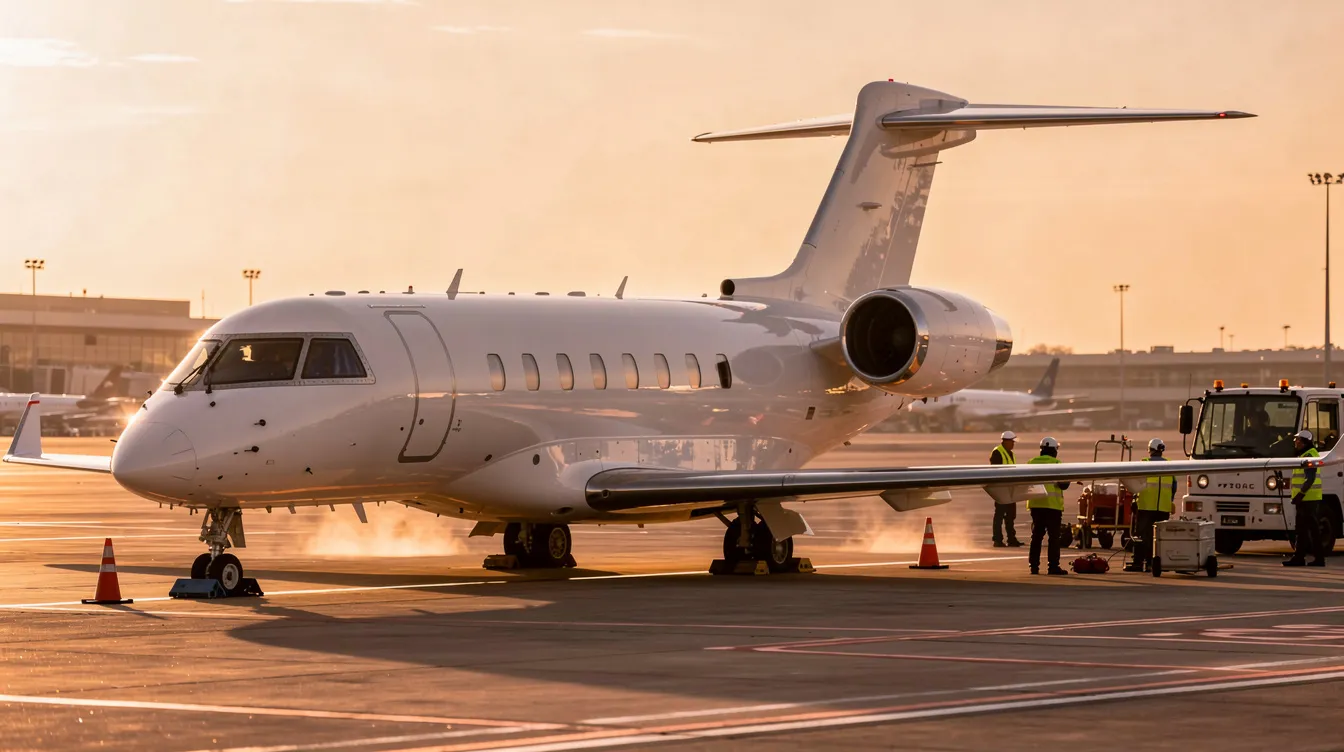
Maintenance is categorized into scheduled checks and unscheduled maintenance. Line maintenance involves routine day-to-day servicing. Heavy maintenance involves comprehensive structural overhauls, such as C & D Checks, which require extensive hangar downtime and can be costly. Scheduled maintenance follows manufacturer recommendations for safety, while unscheduled maintenance addresses unexpected safety issues.
Maintenance is categorized into scheduled checks and unscheduled maintenance, and the expenses fall into two primary categories that any financially savvy traveler should understand.
Direct maintenance costs (DMC) are expenses physically tied to the aircraft:
Scheduled inspections adapted for business jets (A-check through D-check equivalents)
Unscheduled troubleshooting and repair of defects discovered in service
Line maintenance: routine day-to-day servicing, fluid top-offs, tire and brake swaps
Component overhauls: landing gear, APU, environmental control systems
Engine maintenance: hot section inspections, full overhauls, blade replacements
Avionics upgrades and cabin systems upkeep
Indirect and administrative costs do not touch the aircraft directly but are essential:
Maintenance planning staff who interpret service bulletins and Airworthiness Directives
Technical records management and compliance documentation
Maintenance tracking software subscriptions
Hangar overhead for maintenance bays, tooling, utilities, and electricity
Quality assurance audits (internal and third-party)
Routine maintenance prevents potential issues and maintains airworthiness. Scheduled maintenance follows manufacturer recommendations for safety. Unscheduled maintenance addresses unexpected safety issues. In a managed fleet, operators allocate both cost categories into an hourly maintenance burden that feeds directly into jet card and charter pricing, a key input when comparing jet card cost per hour across programs.
Direct Maintenance Costs: The Work Done on the Aircraft
Direct maintenance costs encompass every dollar spent maintaining and repairing the airframe, engines, and aircraft systems of a specific plane. Labor expenses are a significant portion of these costs, and the range between routine labor and major overhauls is enormous. Overhaul maintenance requires specialized equipment and expertise that only certified repair stations can provide.
Routine and Line Maintenance
Routine and line maintenance includes pre-flight and post-flight inspections, fluid changes, oil top-offs, and tire or brake replacement. An A-Check is performed every 400–600 flight hours or 200–300 cycles. For light jets, typical direct maintenance costs run $300–$600 per flight hour; for large-cabin jets, $800–$1,500 or more, excluding fuel. Annual inspection fees for light aircraft range from $1,500 to $3,000.
Scheduled Heavy Maintenance
Scheduled heavy maintenance follows calendar or cycle intervals. A C Check is a heavy maintenance visit involving deep inspection every 20–24 months. A D Check occurs every 6–10 years and involves dismantling the aircraft for inspection. Heavy maintenance involves comprehensive structural overhauls—a 96-month inspection on a Gulfstream G550, for instance, can cost mid- to high-six figures and require several weeks of hangar downtime. Life-Limited Parts must be replaced after specific cycles regardless of condition.
Engine Maintenance
Engine maintenance is where costs escalate sharply. Time Between Overhaul (TBO) thresholds dictate when major work is required. For smaller piston-engine airplanes, engine overhauls can cost between $30,000 and $40,000. For business jet turbofans like the Rolls-Royce BR710, overhaul costs reach $2–$3 million per engine. Operators convert these into predictable hourly fees through engine programs—light jets at roughly $120–$180 per hour, heavy jets at $500–$800 or more.
Avionics and Cabin Systems
Avionics and cabin systems add another layer. Updating flight management systems, replacing aging displays, maintaining Wi-Fi and connectivity hardware, and meeting mandates like ADS-B Out compliance all carry material costs. Periodic software upgrades ensure the aircraft meets current airspace requirements.
For BlackJet members, none of these direct costs appear as separate invoices. They are preaccounted for in our hourly rates, so aircraft are available, compliant, and comfortable whenever needed.
Indirect and Administrative Costs Behind Aircraft Maintenance
Indirect costs never touch the aircraft physically, yet they keep every flight legal, safe, and on schedule. Insurance is a high indirect cost of aircraft ownership. Hangar fees cover housing and storing aircraft, averaging $1,000 per month, and hangar fees also cover storage and maintenance facility costs for the bays where heavy work is performed.
Maintenance Planning and Engineering
Maintenance planning and engineering teams interpret manufacturer service bulletins, FAA Airworthiness Directives, and recommended inspection intervals—work driven by government aviation safety oversight and directly related to keeping each aircraft current.
Technical Records and Documentation
Technical records and documentation, both digital and paper logbooks, are crucial for audits, resale value, and safety oversight. Missing records can reduce an aircraft's market value by hundreds of thousands.
Maintenance Tracking and Scheduling Software
Maintenance tracking and scheduling software carries recurring subscription fees per aircraft, monitoring flight hours, cycles, and calendar limits while automatically flagging upcoming tasks.
Regulatory and Quality Oversight
Regulatory and quality oversight includes conformity inspections, SMS reporting, and external audits from bodies like ARGUS, Wyvern, or IS-BAO—standards that BlackJet considers essential when selecting operator partners.
These administrative costs are allocated across a fleet to form part of the hourly maintenance burden, allowing jet card clients to enjoy consistent service without tracking these complexities themselves. Monthly fixed costs for aircraft ownership average $1,000 before any of these operational expenses are layered on.
Key Factors That Drive Aircraft Maintenance Costs
Not all jets cost the same to maintain. Maintenance costs are influenced by the age of the aircraft and utilization rates, but several other variables play equally important roles within the broader private jet price structure and options.
Aircraft type and size: Larger aircraft require more specialized labor and more expensive aircraft parts than smaller models. A light jet like the Embraer Phenom 300 carries lower per-hour maintenance than a Gulfstream G650 or Global 7500, where more complex aircraft systems demand deeper expertise. Inspection and repairs for large commercial aircraft require significantly more labor hours than smaller aircraft—a principle that scales proportionally in business aviation. A standard four-seater plane burns 8 to 10 gallons of fuel per hour; a large-cabin jet burns many times that, and its maintenance burden scales similarly.
Aircraft age and maintenance history: Age and high flight hours increase the need for extensive preventative maintenance. A 20-year-old business jet with incomplete records can carry significantly higher unscheduled costs than a younger aircraft maintained on a reputable program. BlackJet prefers operators with modern, well-documented fleets.
Utilization patterns: Higher annual utilization—800–1,000 flight hours for a corporate jet—spreads fixed events across more hours, lowering hourly cost. Low utilization creates expensive calendar-driven inspections per hour flown.
Engine type and programs: Engines under manufacturer-approved programs like Rolls-Royce CorporateCare or Pratt & Whitney ESP convert large, unpredictable overhaul bills into a known hourly fee incorporated into jet card pricing.
Operating environments: Frequent operations into short runways, hot-and-high airports like Aspen or Telluride, or coastal salt-air regions accelerate wear on brakes, landing gear, and corrosion-prone structures, nudging costs higher. Landing fees at these airports are often the least of the added expenses.
What Business Jet Owners Actually Pay: Typical Maintenance Cost Ranges
While exact numbers vary by aircraft, program, and year, realistic ballpark maintenance cost ranges inform how jet card and charter pricing is built. Typical aircraft maintenance costs range from $500,000 to over $1 million annually for actively flown business jets, and aircraft maintenance costs typically range from 5% to 10% of an aircraft's total value annually.
Aircraft Category | Annual Hours | Estimated Annual Maintenance |
|---|
Light jet (e.g., Citation CJ3+) | 400–500 hrs | $300,000–$700,000 |
Super-midsize (e.g., Challenger 350) | 400–600 hrs | $1–$2 million |
Large-cabin (e.g., G650, Global 6000) | 500–700 hrs | $2–$4 million+ |
For large-cabin aircraft, the maintenance component alone can represent $800–$1,200 per flight hour of the total cost. Engine overhauls on turbofans like the BR710 can reach $3.5 million per engine, with mid-life inspections around $1.5 million.
BlackJet's jet card programs account for these realities in advance. Members see a single all-in hourly rate rather than the volatility of individual maintenance events that owners must budget for and absorb, similar in spirit to other best jet card options for frequent flyers.
How Aircraft Maintenance Affects Jet Card and Charter Pricing
Maintenance is one of three pillars of hourly pricing in private aviation, alongside fuel and crew costs. Strategic maintenance planning is what keeps jet card rates stable rather than lurching with every heavy inspection cycle, which is especially important when evaluating the value of a 100-hour jet card cost structure.
Operators calculate a maintenance cost per flight hour using historical data, manufacturer forecasts, and engine program fees, then build this into quoted rates. Fleet-based planning amplifies the advantage: by spreading major inspections and overhauls across a fleet of similar aircraft, operators reduce downtime risk and avoid sudden spikes in hourly cost.
The contrast with ownership is stark. An aircraft owner paying a six-figure invoice for a 96-month inspection or a multi-million-dollar engine overhaul experiences that total cost as a single capital event. BlackJet members instead pay a predictable hourly rate while flying on fully maintained aircraft without capital surprises—a distinction explored further in our jet card vs charter comparison.
BlackJet evaluates partner operators based on their maintenance rigor, use of OEM parts, adherence to manufacturer-recommended intervals, and enrollment in approved engine programs. Under-maintained aircraft might appear cheaper, but they conflict with our reliability and safety standards. Sophisticated travelers should ask any provider how maintenance is budgeted and tracked, and whether they rely on third-party audits to validate quality—questions that also matter when comparing the top private jet companies for luxury travel.
Safety, Certification, and Sustainability in Maintenance Decisions
Aircraft maintenance is a highly regulated process crucial for safety and compliance. Every dollar spent on proper upkeep directly reduces the probability of incidents, diversions, and delays. Mandatory regulations drive unplanned expenses in aircraft maintenance—Airworthiness Directives may mandate unforeseen safety upgrades or inspections—but the alternative to compliance is grounding or worse.
Under FAA Part 135 requirements, charter and jet card flights must meet more stringent maintenance and inspection standards than Part 91 private operations. BlackJet insists on these higher standards for all member flights, reinforcing certification as a non-negotiable pillar.
On the sustainability front, well-maintained engines and airframes burn fuel more efficiently, reducing CO₂ output per flight hour. BlackJet pairs this with carbon-neutral flights through verified offsets and a preference for modern, efficient equipment—an approach detailed in our green private jet guide and complementary to certain unlimited private jet membership models.
Technology plays a growing role: digital maintenance records, predictive analytics, and engine health monitoring systems on Gulfstream and Bombardier fleets reduce unscheduled maintenance and optimize part replacement, indirectly controlling costs. At the BlackJet level, maintenance cost is inseparable from safety, reliability, and environmental responsibility—experienced by members as seamless, on-time, efficient journeys.
The Human Side: Aircraft Mechanics, Training, and School Costs
The quality and availability of licensed aircraft mechanics directly influence both the cost and reliability of private jet operations. Aviation mechanics and service technicians inspect, repair, and certify the systems BlackJet passengers never see—engines, hydraulics, avionics, safety gear, and cabin equipment. Their expertise is central to every flight.
Pathways into the profession include FAA-approved aircraft mechanic school programs, military training, or community college A&P programs. A&P mechanic programs typically require FAA certification, and postsecondary education is typically required to prepare for the job of aircraft maintenance technician. Students pursuing an airframe and powerplant license can expect aircraft mechanic training to cover two types of coursework: airframe systems and powerplant systems—skills that ultimately help keep even the cheapest private aircraft options economical and safe.
Aircraft mechanic school costs vary significantly. Total aircraft mechanic school costs can range from $8,000 to $58,000. In-state community college A&P programs typically run $8,000–$25,000, while tuition for private A&P schools can exceed $30,000. These figures cover tuition, tools and equipment, books, training materials, and FAA written, oral, and practical exam fees, though some schools bill certain materials separately. Many students qualify for financial aid or scholarships to offset the investment—just as travelers compare training, safety, and operations when seeking the cheapest private jet travel options.
The median annual wage for aircraft mechanics was $78,680 in May 2024—competitive pay that helps attract the experienced mechanics essential for maintaining the kind of premium, safety-focused fleet BlackJet relies on. This labor cost flows through to every operator's maintenance budget and, ultimately, into the hourly rates travelers see.
Managing and Predicting Maintenance Costs: Strategies for Owners and Operators
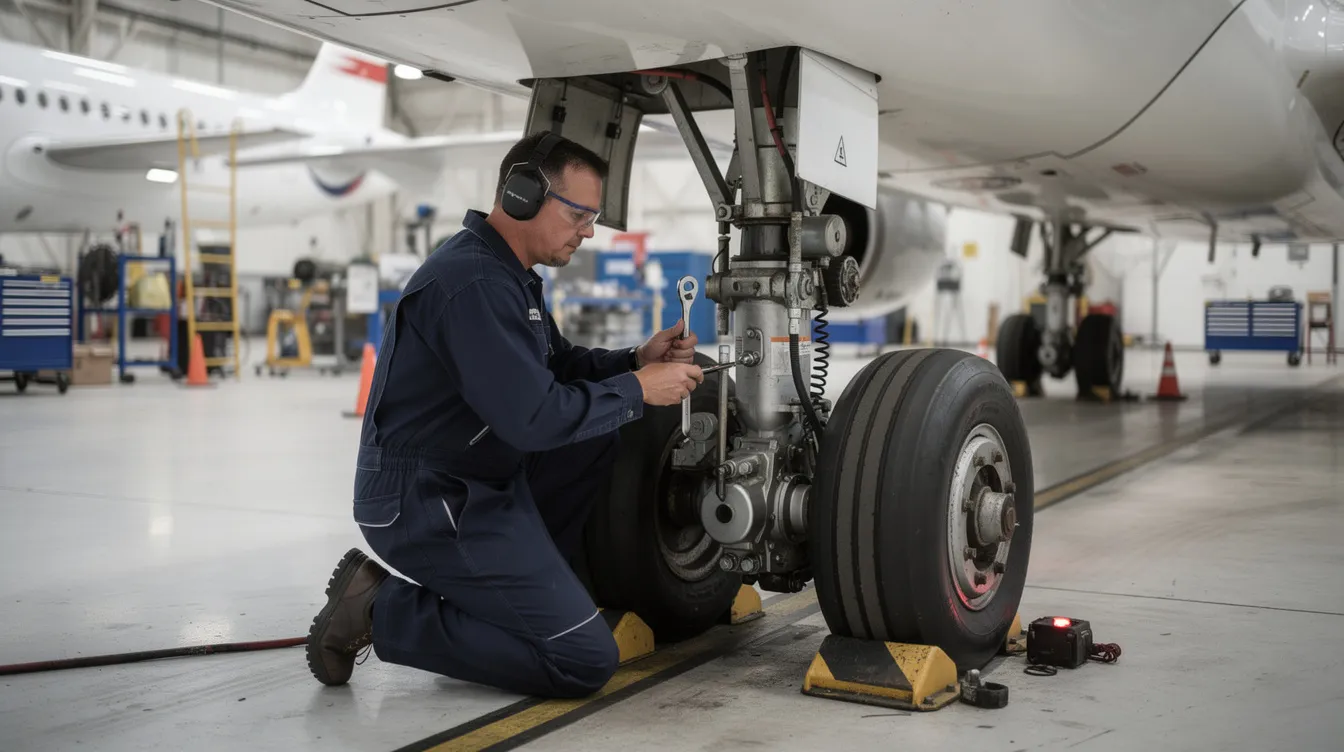
Predictable maintenance costs are vital for aircraft owners managing a budget and for providers like BlackJet that commit to fixed hourly pricing. The plan starts with maintenance reserves and disciplined forecasting and ties directly into broader decisions such as leasing a private jet and structuring costs.
Maintenance Reserves
Owners set aside a fixed amount per flight hour—typically $500–$1,500 on larger jets—to cover future scheduled events and unscheduled repairs. The formula is straightforward: divide the overhaul or major event cost by the TBO hours or inspection interval to arrive at a per-hour accrual, a key input when analyzing a 50-hour jet card cost breakdown.
Engine and Parts Programs
Manufacturer-backed programs like CorporateCare, ESP, or JSSI convert large, uncertain overhaul bills into a known hourly rate. Operators serving BlackJet members frequently rely on these programs to maintain cost predictability and upkeep standards, especially on popular 25-hour jet card-style access models.
Proactive Planning
Performing minor repairs during scheduled downtime, batching tasks during inspections, and monitoring trend data catches early-stage issues before they become costly AOG events that ground an aircraft and disrupt schedules—an approach equally critical for large fleet providers such as those offering NetJets jet card programs and pricing.
Facility and Technician Selection
Choosing reputable maintenance facilities with inspection authorization and certified technicians—even when lower-cost options exist—prevents repeat visits and unplanned downtime. Poor workmanship from cut-rate operations almost always costs more in the long run, just as prioritizing vetted operators matters when you buy a seat on a private jet.
Consider a corporate flight department operating a Challenger 350 on regular London-to-Dubai missions. With 500 annual hours, engine program fees of $350 per hour, and proactive batching of tasks during heavy checks, total maintenance stays within a forecast band—allowing BlackJet and similar providers to offer consistent transcontinental jet card rates alongside other solutions for managing 12-seater private jet costs and access.
Frequently Asked Questions About Aircraft Maintenance Costs
How much of my hourly jet card rate is maintenance?
For many mid- to large-cabin jets, maintenance alone can represent several hundred to over a thousand dollars per flight hour. Engine program fees for heavy jets often exceed $500–$800 per hour before airframe costs are added. Fuel, crew, and maintenance are the dominant inputs, and you can explore how they combine in our private plane rates guide.
Why do older jets sometimes have similar hourly rates to newer ones?
Cheaper acquisition cost offsets higher unscheduled and heavy maintenance expenses. The operator must price that elevated maintenance risk into the rate, so the savings on depreciation are consumed by upkeep.
Does flying less reduce maintenance costs?
Partially. Fewer hours reduce variable engine and cycle-driven wear, but many inspections are calendar-based. Extremely low utilization drives up cost per flight hour because fixed inspections are amortized over fewer hours.
Are maintenance costs different for charter vs jet card vs full ownership?
Owners see every invoice. Charter clients pay trip-by-trip at market rates that reflect what it costs to rent a private jet. BlackJet jet card members trade volatility for predictable, prepaid access where maintenance is fully embedded in their hourly rate—no surprise bills, no capital events.
How does BlackJet ensure aircraft are properly maintained?
Through rigorous operator vetting, preference for audited and certified operators, use of OEM parts, enrollment in engine programs, and minimum safety and maintenance standards that exceed regulatory baselines. Making informed decisions about which operators to partner with is central to the BlackJet model, whether supporting cardholders or advising on 10-million-dollar private jet ownership choices.
BlackJet's Perspective: Turning Complex Maintenance Economics Into Simple Access
Aircraft maintenance is complex and expensive. Behind every flight hour sits a web of inspections, overhauls, regulatory compliance, engine programs, technician wages, and technology investments. But for the traveler who chooses the right partner, all of that complexity should feel invisible from the first day of membership.
BlackJet's jet card programs are designed so members never manage maintenance schedules, negotiate heavy inspection downtime, or budget for engine overhauls. You book the cabin class you need and fly. We balance three pillars—safety through operator vetting and compliance, cost predictability through engine programs and reserve budgeting, and sustainability through modern aircraft and carbon-neutral operations—so our members experience only the result: reliable, on-time, comfortable travel.
Contrast this with full ownership, where a single unexpected maintenance event can equal or exceed the annual cost of a mid-size jet card. For many travelers, access delivers the strategic advantage that ownership cannot: predictability without capital exposure, maintained aircraft without the management burden, and the freedom to fly without becoming an expert in the cost of aircraft maintenance—while still preserving the option of scaling up to large private jets for 20 passengers when mission needs demand it.
Explore BlackJet's jet card programs to discover how predictable private jet access can fit into your business or lifestyle strategy—or speak with an advisor to learn exactly how maintenance, safety, and availability come together in your hourly rate, whether you’re comparing access models or considering a premium UK private jet for sale.
Conclusion
Understanding the cost of aircraft maintenance is essential for discerning travelers seeking seamless private jet experiences. Unlike the unpredictable expenses faced by aircraft owners, BlackJet’s jet card programs embed comprehensive maintenance costs into a transparent hourly rate, ensuring no surprise charges or downtime disrupt your travel plans. By partnering with rigorously vetted operators who adhere to the highest safety and maintenance standards, BlackJet delivers not only reliability but also peace of mind.
This strategic approach transforms complex maintenance economics into effortless access, allowing you to focus on what matters most—your journey. For those who value safety, predictability, and sustainability, BlackJet offers a premier solution that elevates private aviation beyond luxury to a true business advantage.


 Sign up with google
 Sign up with Apple