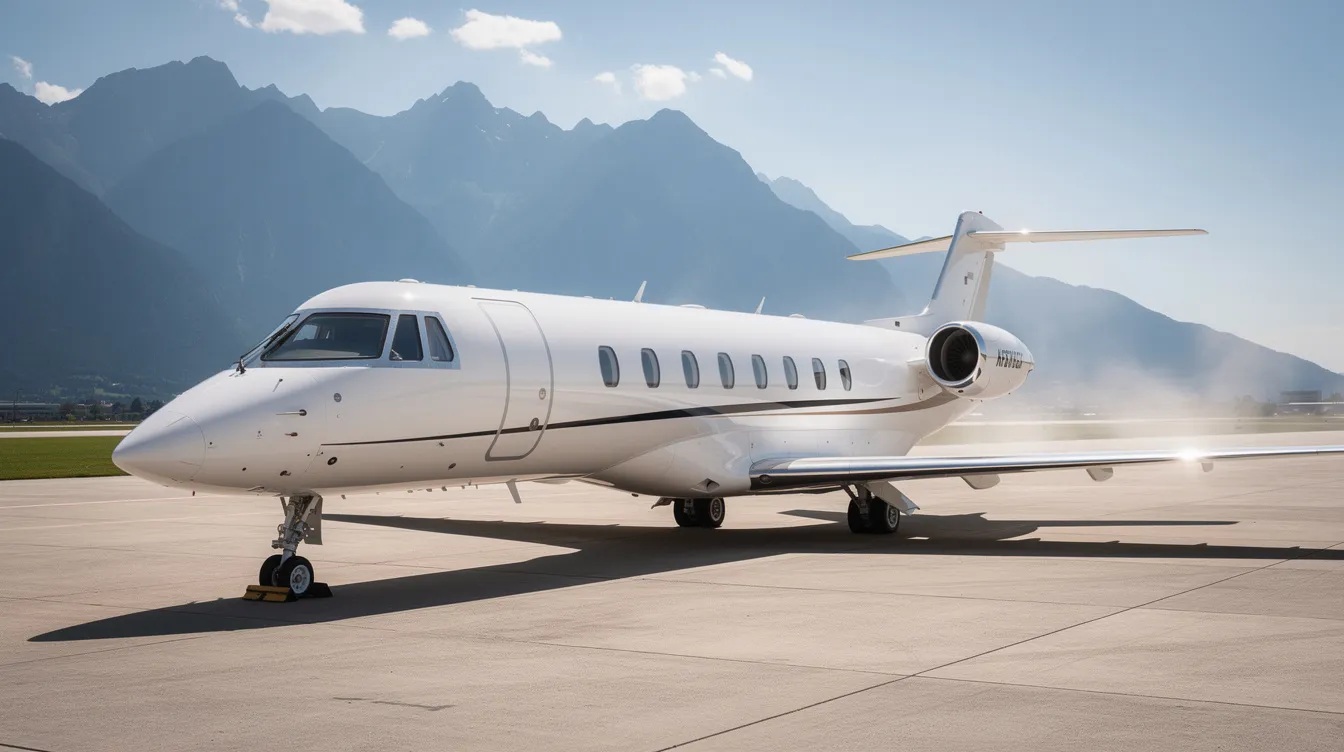
For executives and high-net-worth travelers evaluating aircraft ownership, the question of how much a plane costs leads to a surprisingly wide range of answers-and a deeper set of financial decisions most first-time buyers don't anticipate. This guide breaks down 2026 aircraft pricing across every major category, reveals the true ongoing costs of airplane ownership, and explains when a Jet Card from BlackJet is the more strategic move.
Quick Answer: What Does a Plane Cost to Buy Today?
Aircraft prices can range from under $50,000 for used single-engine planes to over $100 million for new private jets. The private aviation market includes a variety of aircraft types, and private plane prices range from $1 million to over $100 million, depending on category, mission, and configuration. Prices range from $15,000 for a vintage two-seater to over $50 million for a heavy business jet.
Here is a concise breakdown of typical 2026 purchase cost ranges:
Aircraft Category | Typical 2026 Price Range |
|---|
Ultralight aircraft | $8,000–$15,000 |
Used two-seat trainers (e.g., Cessna 150/152) | $15,000–$80,000 |
Used four-seat pistons (Cessna 172, Piper PA-28) | $70,000–$200,000 |
New single-engine pistons (e.g., Cirrus SR22) | $600,000–$1,000,000+ |
Turboprops (new and used) | $1M–$6M |
Very Light Jets (VLJs) | $700,000–$3M |
Light jets (used to be new) | $3M–$12M |
Super-midsize jets | $6M–$30M |
Large-cabin / heavy jets | $10M–$75M |
Ultra-long-range / VIP jets | $25M–$100M+ |
Commercial airliners (e.g., Boeing 737 MAX) | $50M–$120M+ |
The initial purchase price is often only part of the total ownership cost. Over a 5–10 year period, ownership costs-fuel, crew, insurance, maintenance, depreciation-can match or exceed the airplane's cost you paid on day one. This is precisely why many sophisticated travelers choose BlackJet Jet Card programs that deliver the benefits of private aviation without tying up millions in a depreciating asset.
Understanding Aircraft Types and Their Price Ranges
For a broader look at how different aircraft classes, missions, and access models affect what you pay, our guide to the private jet price list outlines purchase, charter, and ownership costs across the market.
How much a plane costs depends heavily on several factors: the aircraft types you're considering, your intended use (weekend hops versus transatlantic crossings), passenger capacity, and whether you're shopping for new or pre-owned. Size and capacity dictate the base value of an aircraft, and jets capable of longer distances generally command higher prices. Larger jets that seat more passengers are more expensive across every category.
In 2026, pricing is shaped by strong demand, supply constraints on factory-new aircraft, and premiums for safety technology. Modern cockpit technology and luxury amenities increase the price, and aircraft with upgraded technology command a premium regardless of age. Below, we break down the categories that matter most to private buyers.
Entry-Level Pistons and Trainer Aircraft
Two-seat trainers and small aircraft represent the usual entry point for recreational flying and pilot training. Common general aviation aircraft cost between $15,000 and $80,000 for used models, and piston aircraft start at around $15,000 for basic used models.
Specific 2026 price ranges for single-engine planes:
Used Cessna 150/152 trainers: $15,000–$80,000, depending on aircraft condition, total airframe hours, and avionics
Used four-seat pistons (Cessna 172, Piper Cherokee): $70,000–$200,000 with basic panels; newer used four-seat pistons can cost $250,000 to $300,000 with glass cockpits
New single-engine pistons like the Cirrus SR22 G7+: $600,000–$1,000,000+, representing the premium end of piston pricing
Ultralight aircraft typically cost between $8,000 and $15,000, making them the most accessible path into personal recreation flying.
While the purchase price on a small plane can appear modest, ongoing expenses still accumulate. Fuel costs, inspection costs, hangar fees, and insurance easily push into five figures annually. Most buyers require a loan for a small plane purchase, and interest rates for plane loans depend on credit score and usage factors that further shape the overall cost of a small plane purchase.
Turboprops and Small Private Jets
Buyers focused on entry-level turbine options and value-conscious flying can compare these ranges with the cheapest private jet options and operating costs to see how turboprops and VLJs fit into their budget.
Single-engine turboprops and light jets represent the first serious step into business aviation for executives and families needing 1,000–1,500+ nautical miles of range and higher cruise speed.
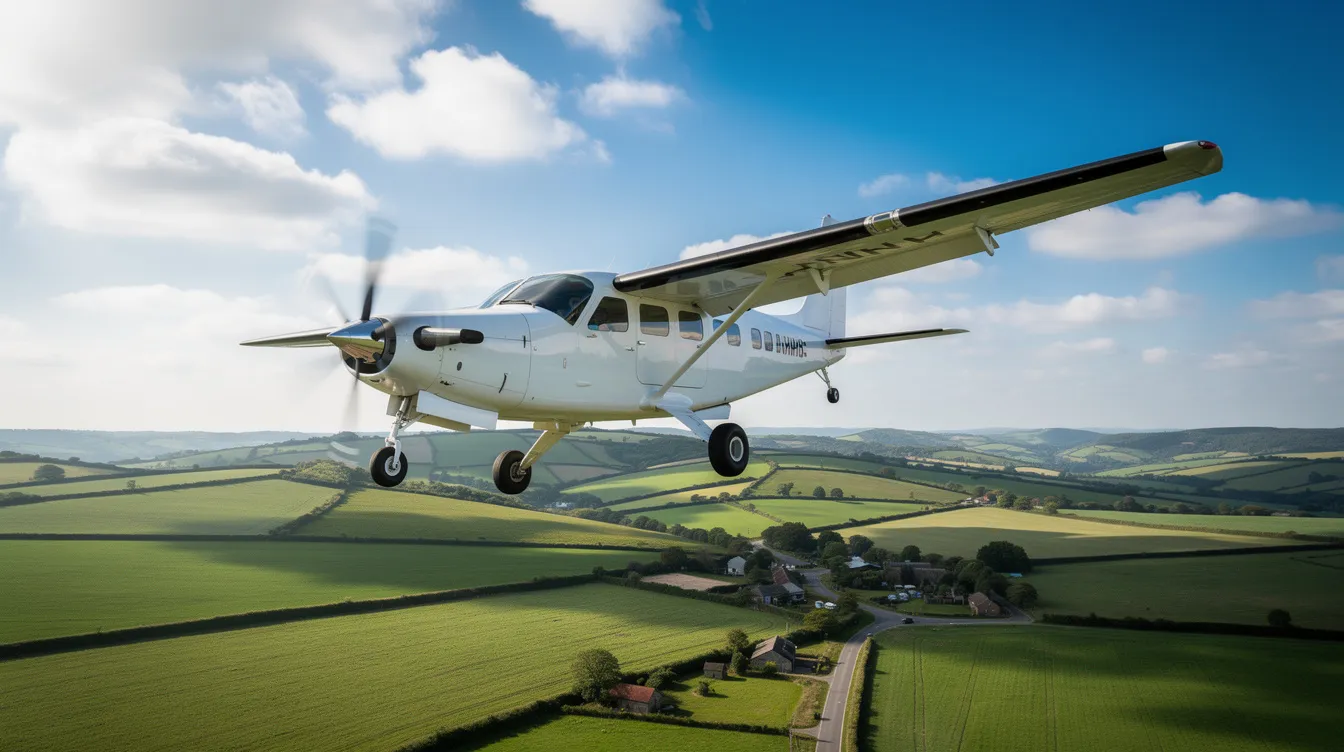
Turboprops (Pilatus PC-12, TBM 960, King Air series): turboprops range from $1 million to $5 million for used models; turboprops cost $1 million–$4 million new and $1 million+ used for older, higher-time airframes
Very Light Jets (VLJs): $700,000 to $3 million for models like the HondaJet or Eclipse; Very Light Jets cost between $1 million and $3 million for newer examples
Light jets (Phenom 300E, Citation CJ4): light jets typically cost between $3 million and $8 million; light jets are priced between $2 million and $8 million; light jets range from $3 million used to $12 million new
Super-midsize jets are priced between $6 million and $12 million for current-generation models.
Used jets are significantly cheaper than new ones-pre-owned equivalents of light jets often trade at 40–50% below the new sticker. These aircraft require professional management and crew, and their ownership costs per year often exceed $500,000 for active use of 200–300 flight hours. Travelers flying under roughly 150 hours annually often find a Jet Card solution like BlackJet more cost-effective than outright aircraft ownership in this segment.
Super-Midsize, Large-Cabin Jets and Airliners
Super-midsize and heavy jets serve corporations, governments, and ultra-high-net-worth families who need nonstop coast-to-coast or intercontinental performance. Large and ultra-long-range jets start around $25 million and scale dramatically from there.
Midsize jets typically range from $3 million to $25 million; midsize and super-midsize jets are priced between $9 million and $30 million for factory-new models like the Bombardier Challenger 3500 or Citation Longitude.
Large/heavy jets typically cost between $10 million and $75 million; a new Gulfstream G700 lists at approximately $78 million, fitting squarely into the segment covered in the billionaire private jet price trend analysis.s
Ultra-long-range/VIP jets can exceed $100 million with bespoke cabin configurations, and the best private jets for 20 passengers often fall into this category for group travel
Commercial airliners like Boeing 737 MAX cost $50 million–$120 million at list; widebodies like the Boeing 787 retail above $230 million, and the best private jets for 50 passengers are typically drawn from these airliner-based platforms.rms
VIP-configured airliners ("bizliners") with bedrooms, showers, and conference rooms can exceed $300 million. For these specialized planes, operating costs can surpass $8,000 per flight hour, making aircraft ownership practical only for very intensive use. For most travelers, on-demand private jet access via providers like BlackJet is far more capital-efficient.
The Hidden Reality: Purchase Price vs. True Cost of Aircraft Ownership
If you’re also considering fractional programs instead of buying 100% of an aircraft, it’s crucial to understand fractional jet ownership depreciation and cost dynamics alongside full-ownership math.
For aircraft owners, the initial check is only part of the story. Ongoing ownership costs for private jets can be high; over 10 years, the total cost of aircraft ownership (fixed costs plus variable operational costs plus depreciation) can equal or exceed the original purchase price. Depreciation significantly impacts aircraft prices, often eroding 30–40% of value in the first decade alone.
Understanding these ownership costs is crucial before deciding whether to buy, use fractional ownership, or choose Jet Card access such as BlackJet's membership model. An older plane may carry a lower purchase price but often comes with higher maintenance costs and inspection costs, especially if avionics upgrades and engine overhauls are overdue.
Typical Annual Cost Snapshot for a Small Piston Aircraft
Consider a four-seat piston aircraft flying about 100 hours per year from a mid-sized U.S. airport-a common scenario for many owners who use their private plane for business purposes and personal recreation. Annual inspections for small planes cost between $750 and $2,000. Storage costs for small planes range from $50 to $600 monthly, and hangar storage costs average $250 per month.
Expense | Annual Range |
|---|
Hangar or tie-down | $1,200–$8,400 |
Insurance | $800–$3,000 |
Annual inspection | $750–$2,000 |
Fuel (100 hrs at 10–12 gal/hr) | $4,000–$8,000 |
Routine maintenance & repairs | $500–$1,500 |
Total (before reserves) | $7,250–$22,900 |
Annual ownership costs for a small plane average $8,000 to $12,000 on the lower end for modest-use scenarios, though many owners report annual ownership costs for a small plane averaging $30,000 when factoring in reserves and other expenses. Maintenance reserves of $25–$80 per hour flown are commonly set aside for future engine and propeller overhauls, representing additional costs that accumulate over time.
Annual Cost Snapshot for Turboprops and Private Jets
For travelers who prefer not to own at all, understanding how much it costs to rent a private jet provides a useful benchmark against these ownership-level annual expenses.
For a light jet or turboprop flying 200–300 hours per year between hubs like New York, Miami, Chicago, and Dallas, the total yearly operating expenses escalate sharply. Fixed costs can range from $200,000 to over $500,000 annually for turbine aircraft, covering hangar fees, insurance, and crew before a single hour is flown.
Variable costs include fuel and maintenance reserves, adding to flight hour costs that typically run $2,000–$4,000 per flight hour for light jets and turboprops, and $5,000–$8,000+ for large-cabin jets. Crew salaries for pilots and attendants can range from $80,000 to $300,000 annually, depending on aircraft size and crew requirements.
For owners flying only 50–150 hours per year, these recurring costs plus depreciation make Jet Card or charter access far more efficient than full airplane ownership.
Key Ongoing Expenses Aircraft Owners Must Budget For
The ongoing expenses that turn a one-time purchase into a significant, recurring commitment vary greatly by aircraft type and usage. Sophisticated buyers analyze not just acquisition cost but multi-year fixed expenses across inspection costs, fuel costs, hangar, crew, and management fees. While aircraft ownership offers control and availability, these ongoing costs are the primary reason many BlackJet clients choose a Jet Card instead.
Fuel and Operating Costs
Those exploring more economical ways into private aviation can compare these figures with the cheapest private aircraft and budget-friendly options, which highlight airframes and access models that minimize fuel and operating spend.
Fuel costs depend on flight hours and jet size-it is the dominant variable operating cost for any aircraft. Single-engine planes burn roughly 8–12 gallons per hour of avgas, while small jets consume 120–180 gallons per hour of Jet-A. At 2026 prices of $5–$8 per gallon, fuel burn for a four-seat piston runs approximately $40–$90 per hour, while a light jet could cost $600–$1,400 per flight hour in fuel alone.
Operating costs also include oil, tires, landing and handling fees, de-icing in winter, and navigation charges on certain routes. Maintenance costs can range from 10% to 45% of yearly expenses, depending on aircraft age and complexity. Fuel price volatility makes accurate long-term budgeting difficult for aircraft ownership; uncertainty is avoided with fixed Jet Card hourly rates.
Inspection, Maintenance, and Avionics Upgrades
Annual inspections are mandatory for all U.S.-registered aircraft. Annual inspections for small aircraft cost between $750 and $2,000 for piston singles, while annual inspections for small aircraft cost $600 to $1,200 at the lower end for straightforward airframes. Turbine aircraft require significantly more comprehensive and expensive recurring inspection programs.
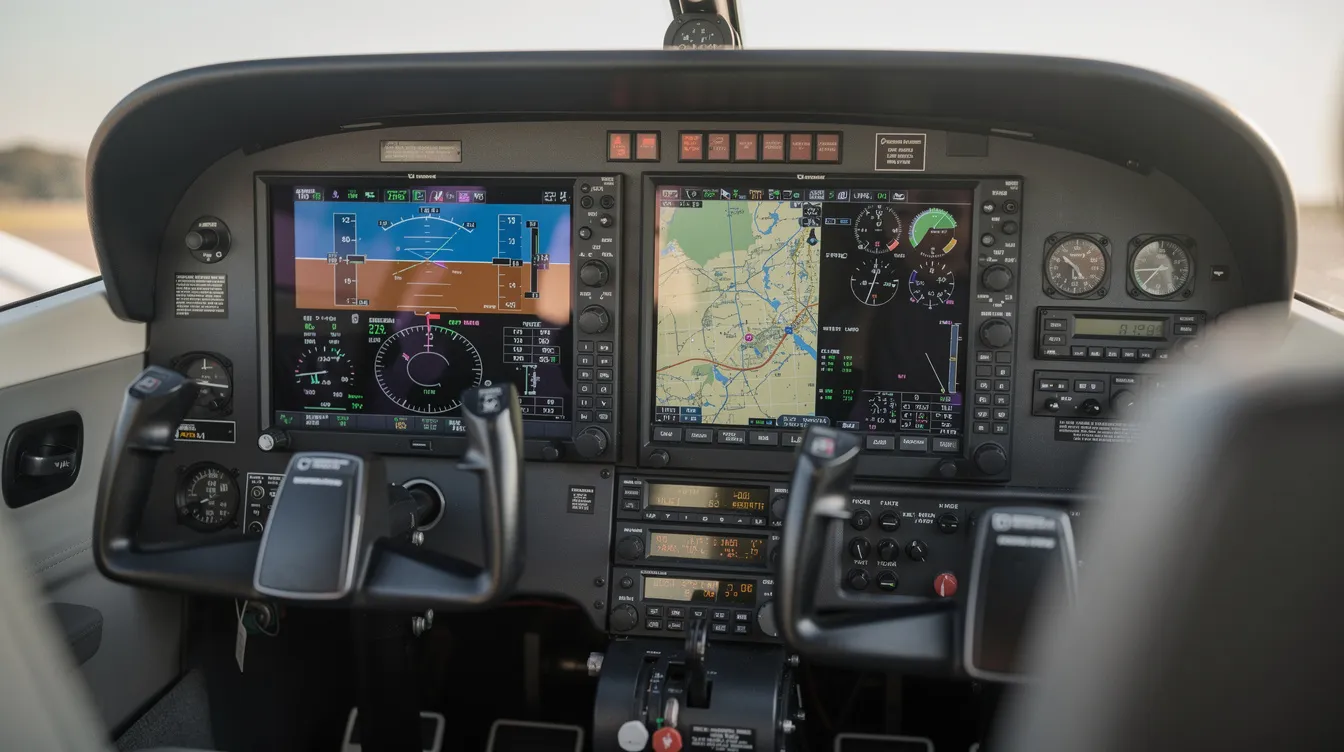
Routine maintenance and storage are required for safety, and an older plane with deferred work can carry substantial hidden liabilities. Avionics upgrades can cost between $10,000 and $50,000 for adding ADS-B, glass cockpits, autopilots, or synthetic vision systems. Interior improvements typically range from $5,000 to $15,000 for piston aircraft, though jet interiors run far higher. These upgrades can raise aircraft value but also lift total investment close to the price of a newer used plane.
Insurance, Hangar, and Storage
Aviation insurance costs between $500 and several thousand dollars annually for small single-engine planes. Insurance costs vary by use and aircraft value; turbine aircraft with higher hull values command premiums well into five figures annually. A private pilot with limited hours will typically face higher rates than an experienced aviator.
Storage costs represent another layer of fixed expenses: outdoor tie-downs run roughly $50–$200 per month, while basic hangar space starts around $250–$600 monthly at rural airports and climbs significantly in major metro areas. Secure hangar storage can reduce costs from insurance premiums and protect the airframe from weather damage, improving long-term aircraft condition. BlackJet members avoid these storage costs and insurance lines entirely, paying only for actual flight time.
Crew, Management, and Compliance
Some owners offset these obligations by avoiding a purchase altogether and instead leasing a private jet through structured programs, trading capital commitment for predictable contractual costs.
Owner-flown piston aircraft might avoid professional crew costs, but turboprops and jets, including multi-engine planes, generally require at least one or two professional pilots plus recurrent training. Multi-engine planes generally require higher maintenance due to added complexity, and the crew demands scale accordingly.
Crew salaries, benefits, recurrent simulator training, and travel per diems easily total six figures annually for a single business jet. Many owners also contract aircraft management companies for regulatory compliance, scheduling, and safety oversight, adding substantially to overall operating costs. BlackJet's model bundles crew, safety oversight, and operational support into transparent hourly pricing, eliminating this complexity for the traveler.
Do You Need a Pilot License Before Buying? Training and Certification Costs
Some buyers intend to be owner-pilots, while many high-net-worth travelers prefer to fly as passengers with professional crews. If you plan to fly smaller aircraft yourself, a private pilot license is a prerequisite, and pilot training represents a high additional cost that also influences insurance rates.
Private Pilot License and Advanced Ratings
Owners who ultimately decide not to fly themselves can still enjoy private aviation by buying a seat on a private jet via shared or semi-private services, bypassing training while retaining comfort and flexibility.
Pilot training for a Private Pilot License costs $12,000–$20,000 in 2026. Training includes ground school, flight instruction, and exams, and the curriculum includes ground school covering aerodynamics, weather, regulations, and navigation. Most students log 50–70 flight hours for certification, though many average closer to 60–70 before passing their checkride, meaning how many hours you actually need often exceeds the legal minimum.
Additional ratings like Instrument certification add $5,000–$12,000 each, while multi-engine ratings fall in a similar band. You can learn more about private pilot license pricing and its impact on your overall flying budget. Every pilot institute and flight training provider structures costs differently, so prospective students should comparison-shop. A pilot's association membership can also provide resources to reduce costs through group insurance and training discounts.
For passengers using a Jet Card program like BlackJet, no license is needed-fully vetted professional crews handle every flight, making flight training an unnecessary expense.
Buying New vs. Pre-Owned vs. Upgrading an Older Plane
Prospective buyers must weigh the benefits of a factory-new aircraft warranty and the latest technology against the lower purchase price but higher maintenance risk of a used plane. Many 2026 buyers focus on high-quality, late-model pre-owned aircraft that already include modern avionics upgrades and updated interiors, balancing cost and capability.
For travelers who primarily value access and flexibility rather than asset ownership, a Jet Card like BlackJet often bypasses this entire decision tree.
Pros and Cons of Factory-New Aircraft
Advantages:
Full manufacturer warranty and the newest safety features
Better support for predictive maintenance in the early years
Latest avionics, cabin design, and fuel efficiency
Disadvantages:
Higher acquisition cost and steep early depreciation (often 30–40% in the first 5–10 years)
Significant capital tied up in a non-liquid, depreciating asset
Long delivery lead times-models like the Gulfstream G700 have slots pushed into 2028
Consider: a new $9M light jet versus a 7-year-old equivalent at roughly $4.5M–$5M. The used version saves nearly half the purchase price, though it may face engine overhauls for pistons ranging from $25,000 to $40,000 on piston models, or far more for turbine powerplants. Buyers should work with experienced brokers and maintenance advisors before committing to any factory-new order.
Value of Pre-Owned and Upgraded Older Planes
At the very top end of the market, buyers weighing late-model pre-owned aircraft against ultra-custom new builds can learn from billionaire private jet price trends in 2026, which highlight how the wealthiest owners balance cost, customization, and flexible access.
Pre-owned aircraft can offer strong value when they come with complete logbooks, fresh annual inspections, updated avionics, and mid-time engines. Common upgrade paths for an older plane include:
Avionics upgrades: $10,000–$50,000
Interior refurbishment: $5,000–$20,000+
Engine overhaul (piston): $25,000–$40,000+
While upgrading an older plane can be attractive, total project costs can approach the price of a newer used aircraft that already has those improvements. Pre-purchase inspections for planes cost $1,000–$3,000 and are essential. A thorough pre-purchase inspection by an independent mechanic is the single most important step to avoid underestimating future maintenance costs. Never skip this step, regardless of how convincing the seller's logbooks appear.
Ownership vs. Charter vs. Jet Cards: What Makes the Most Financial Sense?
Many readers aren't just asking how much a plane costs- they're asking whether owning a plane makes sense for their flying profile and capital allocation. The answer depends on annual flight hours, route consistency, desire for schedule control, and tolerance for long-term plane costs and depreciation.
When Aircraft Ownership Typically Makes Sense
For corporations and entrepreneurs analyzing this threshold, the tax benefits of fractional jet ownership can materially change the math compared with either full ownership or pure access models.
Full aircraft ownership becomes economically rational when annual usage consistently exceeds roughly 150–250 flight hours and routes are predictable. Ownership is advantageous when the aircraft is heavily integrated into corporate strategy, for example, a company flying 400+ hours per year between fixed manufacturing facilities, where a dedicated aircraft outperforms Jet Card pricing on a per-hour basis.
Owners gain total control over configuration, branding, and scheduling. But they accept the full burden of ownership costs, regulatory compliance, and asset risk. For other aircraft use cases-irregular schedules, varied destinations, lower annual hours-ownership economics deteriorate quickly.
When Charter and Jet Cards Are Smarter
Travelers flying fewer than about 150 hours per year, especially on varied routes with fluctuating passenger counts, rarely justify the fixed expenses of ownership. On-demand charter suits occasional flyers but often comes with variable pricing and availability constraints during peak periods, though savvy travelers can fly private more cheaply using empty legs and shared charters.
Jet Card programs occupy the premium middle ground: guaranteed aircraft availability, predictable per-hour rates, and zero ownership risk. A detailed look at jet card pricing structures and fees can clarify how those hourly rates are built. Compare: 10–15 annual light jet trips under ownership might cost over $1M per year, including depreciation and crew, versus a Jet Card outlay at a fraction of that, with no asset on the balance sheet and no aircraft rental logistics to manage.
For anyone evaluating a flying club, fractional ownership, or full purchase, the math almost always favors access over ownership below that 150-hour threshold. A Jet Card lets you save money while retaining the privacy and convenience of a private plane.
Why Many High-End Travelers Choose BlackJet Instead of Buying a Plane
BlackJet’s premium private jet card programs offer a strategic alternative for individuals and businesses who value private jet access but prefer not to manage the complexity of aircraft ownership. Through prepaid Jet Cards (25-hour and 50-hour increments), members access multiple aircraft categories, selecting the mission-appropriate cabin class on each trip without being locked into a single airframe, much like the leading jet cards for frequent flyers and their benefits.
Consider an executive commuting between New York and Miami six times per year with family. Under ownership, that profile means carrying millions in aircraft value, paying crew year-round, and absorbing hangar and insurance whether flying or not. With BlackJet, the same traveler pays only for hours flown, at transparent rates, with guaranteed availability and no capital at risk.
Safety, Sustainability, and Technology with BlackJet
BlackJet works exclusively with vetted operators meeting rigorous safety and certification standards, giving members a safety framework comparable to well-run corporate flight departments. Every insurance company and regulatory requirement is handled by BlackJet's operational team.
Every BlackJet flight is carbon neutral, with offsets managed at no extra cost to the member, supporting sustainable aviation for environmentally conscious travelers. BlackJet's technology platform enables 24/7 digital booking, real-time flight support, and transparent pricing that eliminates surprises, comparable to the service standards offered by top private jet companies for luxury travel.
Choosing BlackJet means focusing on the experience of private aviation rather than the complexity of aircraft ownership, regulatory compliance, and routine maintenance.
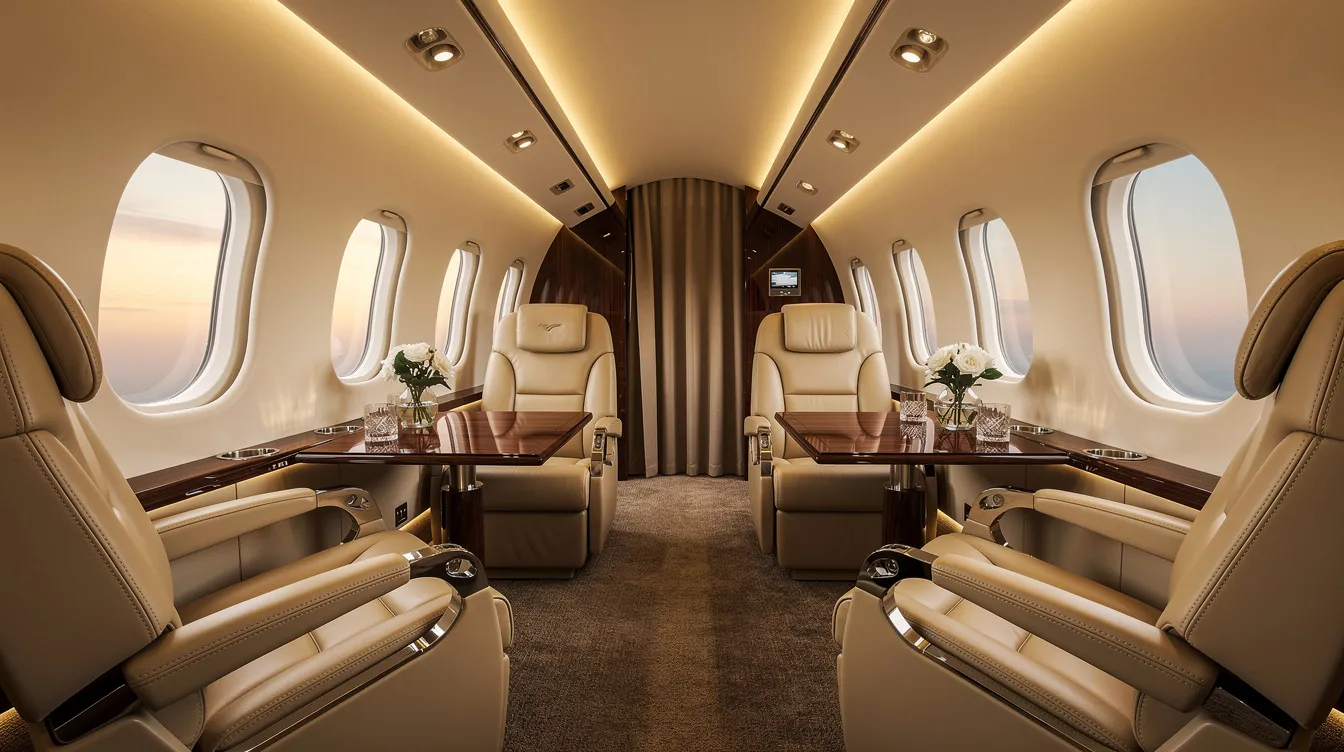
For heavy users who expect to log substantial flight time each year, analyzing a 100-hour jet card cost breakdown can help determine whether committing to a larger hourly block beats smaller cards or ad hoc charter.
FAQ: How Much Is a Plane to Buy-and What Should You Do Next?
What does a "reasonable" used plane cost?
A newer used four-seat piston in good condition typically costs $70,000–$200,000. Light jets start around $3 million pre-owned, and travelers with around $10 million to invest can explore the best 10-million-dollar private jet options for higher performance and comfort. The overall cost depends on age, aircraft condition, avionics, and engine time remaining.
How quickly do planes depreciate?
Most new aircraft lose 20–40% of their value in the first 5–10 years. Depreciation accelerates when newer models with advanced safety features enter the market, and for shared programs, fractional jet ownership depreciation follows similar patterns that buyers must account for.
Is fractional ownership cheaper than buying outright?
Fractional ownership reduces capital outlay but still carries fixed expenses, management fees, and contractual commitments, and comparing NetJets jet card costs and structures to similar programs is essential when evaluating alternatives. For most buyers flying under 150 hours per year, a Jet Card remains more cost-effective.
How do ownership costs compare to a Jet Card membership?
With all fixed costs, crew, fuel, and depreciation included, light jet ownership often exceeds $500,000–$1M per year. A BlackJet Jet Card delivers comparable access at predictable hourly rates with no hidden ongoing costs, and a closer look at jet card pricing and benefits can clarify how different programs stack up.
How do I estimate annual operating costs?
Start with your expected annual flight hours, then multiply by the loaded cost per hour for your aircraft type (variable + fixed allocated). For most turbine aircraft, the budget is $2,000–$8,000+ per flight hour all-in, which you can compare to hourly private jet rental pricing and examples. For a detailed breakdown, explore our guide on how much a private jet costs.
Do I need a pilot's license to buy a plane?
Legally, no one can purchase an aircraft. But flying it yourself requires, at a minimum, a private pilot license. Many aircraft owners hire professional crews, and buyers of larger assets often look at 20-million-dollar private jet features and capabilities, where dedicated crews are standard, while Jet Card members need no certification at all.
The real question isn't just how much a plane costs to buy; it's whether ownership aligns with how you actually travel. For many discerning travelers, the smarter path is access without the asset burden.
Conclusion: Making the Right Choice Between Ownership and Jet Card Access
Deciding how much a plane costs to buy is just the starting point in evaluating private aviation. While owning an aircraft offers unmatched control and customization, it also entails significant upfront investment and ongoing expenses that can double the total cost over time. For most executives and high-net-worth travelers flying fewer than 150 hours annually, the financial and operational complexities of ownership often outweigh the benefits.
BlackJet's Jet Card programs provide a compelling alternative—offering seamless access to a diverse fleet of private jets without the burdens of depreciation, maintenance, crew management, or storage. With rigorous safety standards, carbon-neutral flights, and a cutting-edge technology platform, BlackJet delivers a premier private aviation experience tailored to your travel needs.
Ultimately, the smartest choice balances your travel frequency and usage, route consistency, and capital allocation. Explore how BlackJet can elevate your private travel with flexible, transparent, and exclusive jet access—without the complexities of ownership. Discover the freedom of private aviation on your terms today.


 Sign up with google
 Sign up with Apple