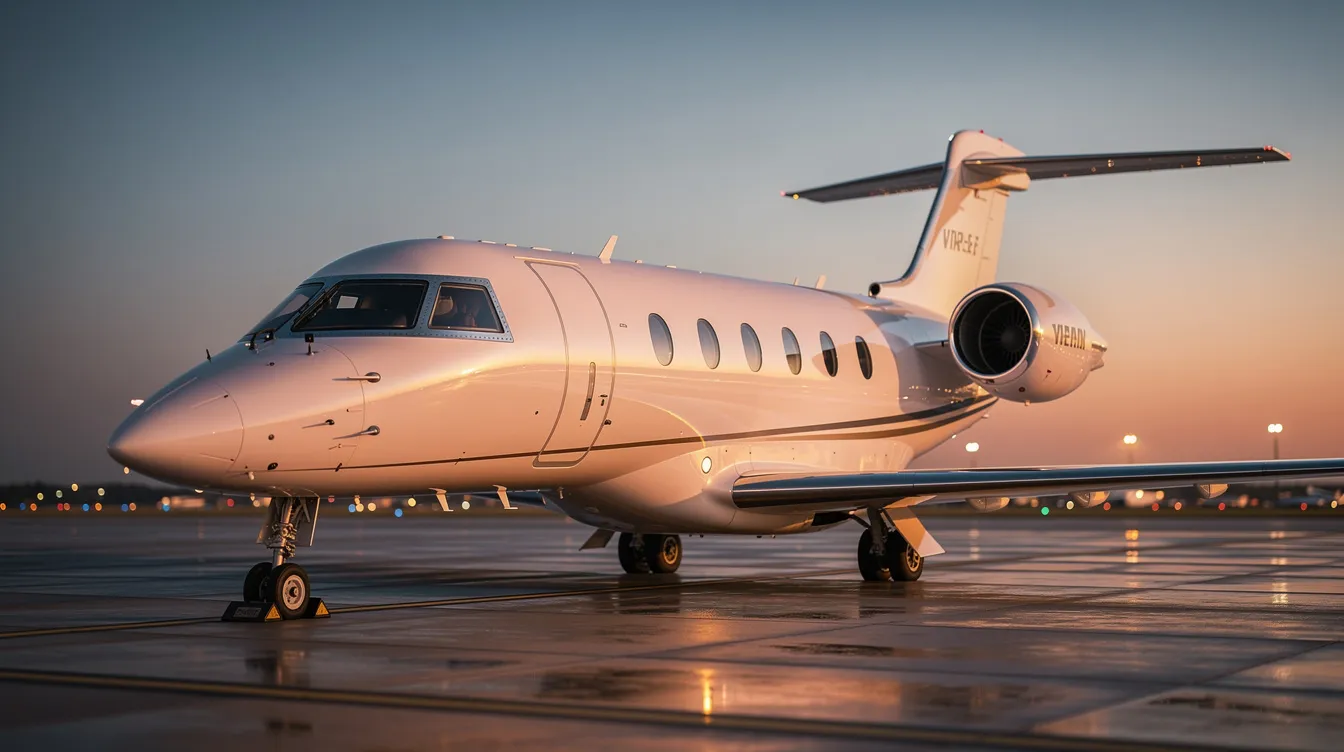
For the discerning traveler or business executive evaluating a jet Honda for sale, the calculus extends far beyond the sticker price. Honda Aircraft Company's HA-420 family has earned its reputation as a standout in the very light jet segment, but the real question isn't whether the aircraft performs — it's whether ownership is the most strategic way to access that performance.
Executive Summary: Jet Honda for Sale in 2025–2026
If you're searching for Honda jet aircraft on the market today or evaluating private jets for sale under $10 million, here's what the landscape looks like. Pre-owned HondaJet prices range from $2.3 million to $6 million depending on variant, hours, and equipment. A new HondaJet Elite II typically lists in the mid-$6 million range before options, with market prices for the HondaJet Elite II ranging from $6 million to $7 million for factory-fresh airframes. The average price for HondaJet aircraft across all models sits at approximately $3,723,333, but that figure is only the starting point.
Annual operating costs for a HondaJet range from $500,000 to $1.2 million once you factor in fixed costs, fuel burn, maintenance reserves, crew, and depreciation. Ownership costs can exceed $500,000 annually even for a conservatively operated aircraft. For travelers who fly fewer than 200–250 hours per year, this math rarely favors buying.
BlackJet's Jet Card and charter programs deliver HondaJet-class performance and cabin comfort without the capital outlay, depreciation risk, or operational overhead of ownership. Here's a quick snapshot:
HondaJet Classic (2015–2017): ~$2.3M–$3.0M pre-owned
HondaJet APMG / Early Elite (2017–2020): ~$3.0M–$4.5M
Elite S (2020–2022): ~$4.0M–$5.2M+
Elite II (2023–present): ~$5.5M–$6.5M+ pre-owned; ~$6.5M–$7.0M new
Total annual ownership cost: $500K–$1.2M depending on utilization
BlackJet Jet Card: Fixed hourly rates, no capital tied up, no residual risk
Honda Aircraft Company and the HA-420 HondaJet Family
Honda Aircraft Company, headquartered in Greensboro, North Carolina, entered private aviation with a singular focus: building a light business jet that challenged conventional design assumptions. The result is the HA-420 platform — a family of aircraft that redefined what the light jet segment could deliver.
Airframe Design
Composite fuselage paired with a natural laminar flow aluminum wing, reducing weight and drag simultaneously.
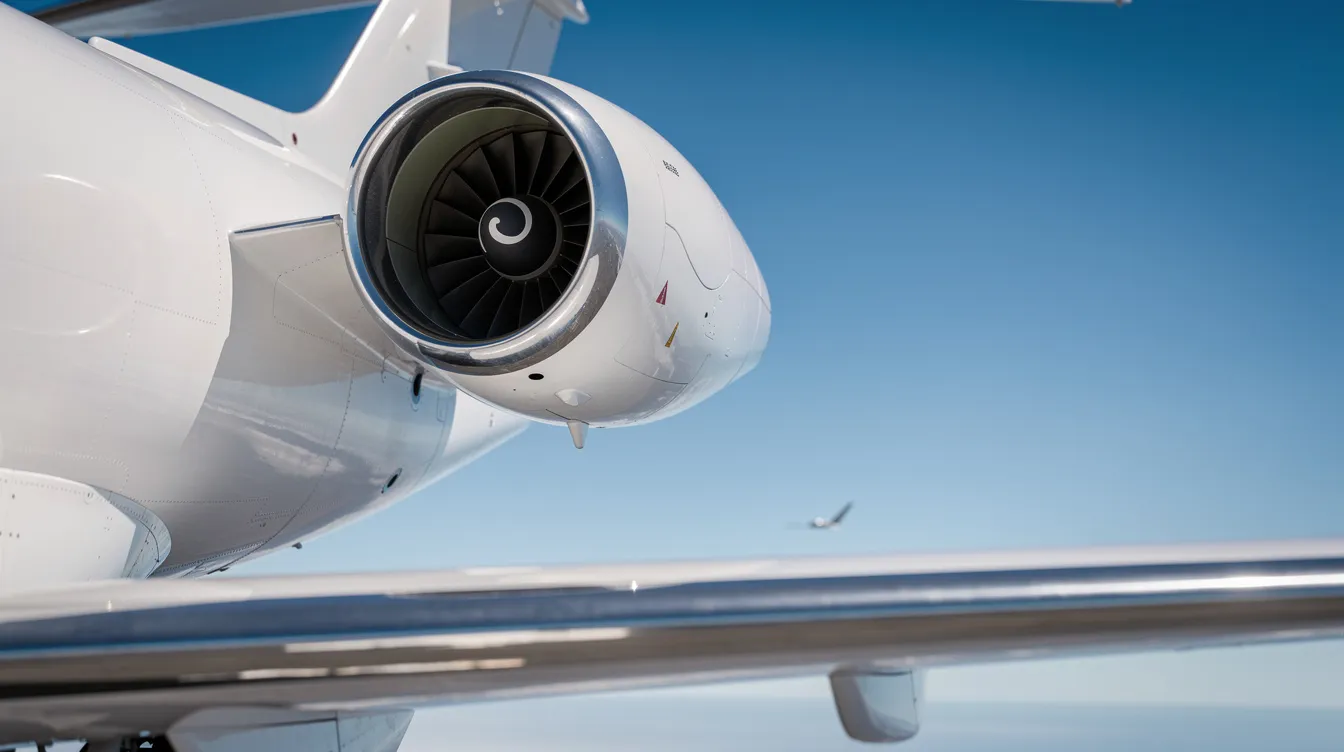
Over-the-wing engine mount (OTWEM) design reduces aerodynamic interference drag, freeing cabin space and baggage space that competitors sacrifice to aft fuselage-mounted engines.
Powerplant
Model Variants (Chronological)
HondaJet Classic (first delivery 2015): Baseline HA 420 with original avionics and a range of 1,223 nautical miles.
HondaJet APMG (~2017–2019): Advanced Performance Modification Group upgrades improving takeoff distance, payload, and short-field capability.
HondaJet Elite / Elite S (~2018–2022): Extended range, quieter cabin, improved avionics, increased baggage space.
HondaJet Elite II (certified late 2022, deliveries from 2023): Honda announced this flagship update with added range and avionics/systems improvements - increased fuel capacity, autothrottle, emergency autoland provisions, HondaJet aircraft range up to 1,547 nautical miles, and maximum cruise speed of 422 KTAS.
Resale Value Drivers
Enrollment in factory maintenance programs like FlightReady P2/P3 (airframe) and EMC² (engine coverage)
Avionics upgrades
Total time and maintenance history
These factors significantly influence what any pre-owned HondaJet commands on the market.
Key HondaJet Models for Sale: Classic, APMG, Elite, Elite S, Elite II
When browsing HondaJet aircraft listings or comparing single-pilot jets for budget-conscious buyers, understanding the differences between generations is critical. Here's what buyers typically encounter:
HondaJet Classic / Early HA 420 (2015–2017):
Used early HA-420 models typically sell for $2.3 million to $3.2 million.
These airframes often show 1,500–2,000+ total hours, original Garmin G3000 panels without later enhancements, and smaller baggage compartments.
Buyers should expect upcoming major inspections and potentially costly avionics upgrades.
The original HondaJet has a range of 1,223 nautical miles—capable, but notably shorter than later HondaJet Elite aircraft.
HondaJet APMG (2017–2019):
Factory-delivered or retrofitted with the Advanced Performance Modification Group.
Improved climb performance, better takeoff distance in hot-and-high conditions, and modest avionics improvements.
Typical listings show 1,000–1,500 hours total time, with average pricing in the $2.7M–$3.5M range.
HondaJet Elite and Elite S (2018–2023):
The Elite generation brought meaningfully improved avionics, a quieter cabin, greater baggage space, and options like CPDLC, Synthetic Vision, and Gogo AVANCE L3 connectivity.
A 2022 Elite S with approximately 1,300 total hours and full maintenance program enrollment can list around $4.0M–$5.2M.
Higher-time examples naturally trade lower.
HondaJet Elite II (2022 onward):
The new HondaJet Elite II is the current flagship.
Features advanced avionics and automation capabilities, including autothrottle and emergency autoland provisions.
It has increased fuel capacity, extending range to 1,547 nautical miles and a maximum cruise speed of 422 knots.
Low-time 2023–2026 airframes with EMC² and FlightReady P3 enrollment typically list between $5.5M and $6.5M+.
HondaJet models typically seat 4 to 8 passengers depending on configuration and whether a belted lavatory option is installed — competitive passenger capacity for the very light jet segment.
Spotlight on Real-World Listings and Serial Examples
To find Honda jets for sale, brokers and specialized aviation dealers are commonly used. Pre-owned HondaJets are often listed on major aircraft broker networks, and aircraft listings are commonly available on platforms like GlobalAir and AvBuyer, alongside other 5 million dollar private jets in the light and midsize categories. Certified Pre-Owned programs for HondaJets typically include warranties and pilot training — a significant consideration when evaluating long term maintenance exposure.
Here are representative listing profiles buyers encounter today:
2017 HA 420 with APMG retrofit, ~1,700 hours total time:
Based in the southeastern U.S., this aircraft carries older avionics but has been well-maintained with documented maintenance history.
Approaching its 1,200-hour inspection cycle, it lists in the low-$3M range.
A buyer should budget for avionics upgrades and confirm maintenance status thoroughly.
2019 Elite S, Part 135 operated, ~1,330 total hours:
Professionally managed, enrolled in FlightReady P3 and EMC² engine care.
Listing price around $3,995,000.
The structured maintenance programs make this profile attractive for buyers who want predictability and strong resale positioning.
2023 Elite II, ~230 total hours, serial in the 42000243 range:
Near-new condition with autothrottle, emergency autoland provisions, enhanced cabin management, and upgraded audio.
Full warranty coverage and EMC² enrollment.
Asking price north of $5.5M–$6.2M.
This represents the top of the pre-owned HondaJet market.
High-time 2022 Elite S, ~3,189 hours:
Despite similar equipment to the 1,330-hour example above, this aircraft lists near $2,950,000.
Illustrates how total time and cycles dramatically compress value even when maintenance programs are current.
When reviewing any jet Honda for sale listing, scrutinize logbooks, inspection intervals (600- and 1,200-hour checks), engine time since overhaul, accident history, and whether features like Synthetic Vision and Cabin Management Systems are installed. These details often determine whether you're buying a well-priced asset or inheriting expensive surprises.
HondaJet Price in 2025–2026: New vs. Pre-Owned
HondaJet pricing in 2025–2026 breaks into clear tiers shaped by variant, total time, avionics currency, and maintenance program enrollment:
Classic / Early HA 420 (2015–2017): $2.3M–$3.0M - acquisition cost is low, but long-term maintenance exposure and needed upgrades should factor into your fixed annual budget.
APMG / Early Elite (2017–2020): $3.0M–$4.5M - improved performance and slightly more modern avionics; market demand remains steady for well-maintained examples.
Elite S (2020–2022): $4.0M–$5.2M+ - later HondaJet Elite aircraft with improved avionics, connectivity, and cabin refinement command a premium.
Elite II (2023–present): $5.5M–$6.5M+ pre-owned. New HondaJet Elite II models are priced in the mid-$6 million range, with factory base pricing around $6.95M before a custom paint job or premium interior options push the total higher.
How does the HondaJet Elite II compare to buying pre-owned? A factory-fresh Elite II guarantees full warranty, current avionics, and zero wear — but depreciation can reduce aircraft value by half in five years. A well-chosen pre-owned Elite or Elite S lets someone else absorb that initial depreciation hit, though you trade warranty coverage and the latest HondaJet features for a lower purchase price.
Post-COVID market dynamics continue to influence pricing: tight inventory in the 2019–2022 model year window and sustained demand for light jets keep the HondaJet price elevated relative to historical norms, especially when compared with more budget-friendly private aircraft options.
Specifications That Drive HondaJet Value and Operating Economics
Performance
Cruise speed: The HondaJet family offers cruise speeds near 420 knots, with the Elite II reaching a maximum cruise speed of approximately 422 KTAS at FL300 under typical cruise settings.
Range: HondaJet Elite II delivers up to 1,547 nautical miles NBAA IFR range with four occupants — competitive with larger aircraft in the light jet segment and far beyond what high-performance piston aircraft can achieve.
Fuel burn: Fuel consumption is approximately 96 gallons per hour at cruise, translating to strong fuel efficiency relative to similar aircraft in the category. HondaJet engines burn approximately 96 gallons of fuel per hour - a figure that directly shapes hourly operating costs.
Service ceiling: FL430 (43,000 feet), above most weather and commercial aviation traffic.
Takeoff and landing: Takeoff distance approximately 3,699 feet at MTOW; landing distance around 2,700 feet, enabling access to shorter runways that larger jets cannot use.
Cabin and Baggage
The OTWEM design frees the aft fuselage from engine intrusion, yielding approximately 62 cubic feet of combined baggage space (53 aft + 9 nose).
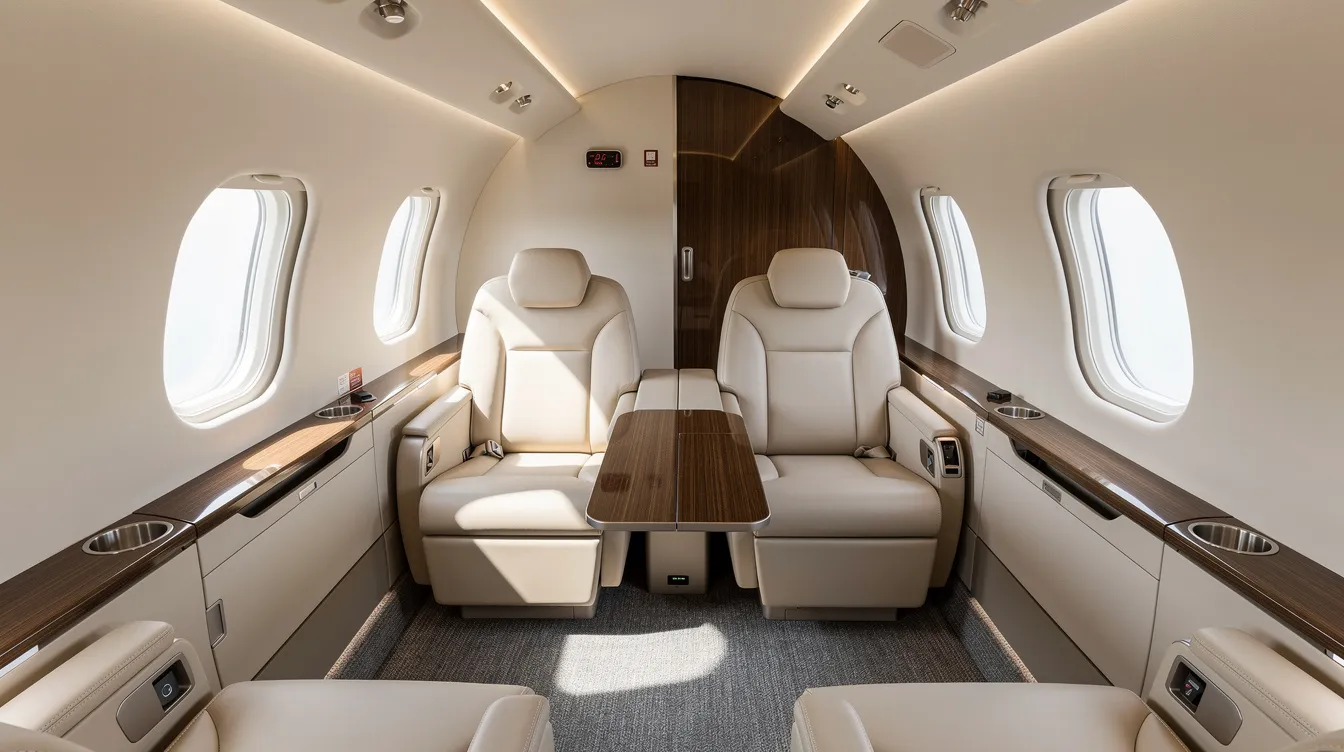
Cabin space measures roughly 17.8 feet long, 5.0 feet wide, and 4.83 feet tall — generous cabin space for the category.
Avionics
Garmin G3000-based suite with options for Synthetic Vision, CPDLC, autothrottle (Elite II), and emergency autoland — features that enhance both safety and resale value.
Pilot Operations
Single pilot certification and design for single pilot operations make the HondaJet appealing to owner-operators and small corporate flight departments alike.
Travelers focused purely on access can consider the cheapest private jet options via charter or Jet Cards.
Fixed Costs of Owning a Jet Honda (HA-420 Family)
Fixed costs are the expenses you incur whether you fly one hour or 400 hours per year. For HondaJet ownership, these represent a substantial and often underestimated portion of total annual costs.
Hangar costs: $30,000–$80,000+ annually, depending on airport and region. Premium locations like Teterboro or Van Nuys command higher rates.
Insurance (hull and liability): Varies with pilot experience, hull value, and usage profile; typically $15,000–$40,000+ annually.
Crew: Contract pilots or a salaried pilot add $80,000–$150,000+ per year. Even owner-pilots face recurring training costs.
Maintenance programs: FlightReady P2/P3 airframe coverage and GE Honda EMC² engine care are essential for predictable maintenance and protecting resale value. These programs add tens of thousands annually but prevent cash-flow shocks from unscheduled maintenance.
Management and subscriptions: Flight planning, navigation database updates, Wi-Fi subscriptions, and aircraft management fees.
Annual fixed costs for HondaJet can range from $550,000 to $900,000 for a fully crewed, professionally managed operation. A lean owner-pilot model with minimal management might hold total fixed costs in the $200,000–$350,000 range. For buyers planning to leverage specialized aircraft financing strategies, these recurring obligations should be built into long-term projections. Annual budgets for operating a HondaJet often encompass fuel, crew, and maintenance reserves—and they add up fast.
For perspective, a BlackJet Jet Card membership covering 50 hours of HondaJet-class travel involves none of these fixed line items. The contrast is stark for flyers under 200 hours per year.
Variable Costs, Fuel Burn, and Hourly HondaJet Economics
Variable costs rise directly with each flight hour: fuel, maintenance reserves, landing and handling fees, and crew per diem or day-rates.
Fuel: At approximately 96 gallons per hour and current Jet-A prices of $5–$7 per gallon, fuel alone costs roughly $480–$670 per flight hour. Fuel relative to other cost categories is the single largest variable expense.
Maintenance reserves: Engine and airframe inspection reserves are typically calculated per flight hour — essential for planning around TBO intervals on the HF120 engines (~5,000 hours) and 600-/1,200-hour airframe checks.
Landing and handling fees: Vary by airport; $100–$500+ per stop at busy FBOs.
HondaJet operating costs range from $1,200 to $1,600 per flight hour when combining fuel, maintenance reserves, landing fees, and crew costs. For context, these hourly economics are comparable to what you might see on a 12-seater private jet cost breakdown once you adjust for aircraft size and mission profile. Operating costs run $1,200 to $1,600 per flight hour across the HA 420 family — consistent whether you're flying a Classic or an Elite II, though newer models may see lower unscheduled maintenance.
Sample mission profiles:
New York (KTEB) → Miami (KFLL), ~950 NM: Approximately 2.5 hours flight time. At 96 GPH and $6/gallon fuel, fuel cost is roughly $1,440. Total direct cost including reserves: approximately $3,000–$4,000.
Los Angeles (KVNY) → Aspen (KASE), ~650 NM: Shorter stage but high-altitude arrival with elevated approach complexity. Fuel burn per hour increases in climb; total flight cost still approaches $2,500–$3,500.
Shorter stage lengths inflate effective cost per hour because climb-phase fuel burn is significantly higher than cruise burn — a factor that makes frequent short hops particularly expensive for owners. A thorough review of whether chartering a private jet is worth it for your mission profile, combined with a detailed cost comparison, often reveals the true economics.
Ownership vs. Access: When Buying a Honda Jet Makes Sense
Ownership is better for flyers exceeding 300 hours per year with consistent, predictable mission profiles. At that utilization level, fixed costs get amortized across enough hours that the effective cost per flight hour drops below most charter or Jet Card alternatives.
Chartering is often more cost-effective for under 200 hours annually. Charter avoids fixed costs like maintenance and depreciation — two of the largest financial burdens of HondaJet ownership — and structures like private jet leasing arrangements can further tailor costs to actual utilization. Typical private jet operational costs range from $500,000 to $1,200,000 per year, and total annual costs can exceed $1,200,000 for high usage.
Decision thresholds to consider:
Under 150 hours/year: Jet Card or charter almost always wins. Fixed costs alone may exceed $300K–$550K before you fly a single hour, which is why many flyers in this band compare the best jet card programs for frequent travelers instead of committing to full ownership.
150–250 hours/year: Gray zone. Run detailed projections comparing your specific routes and frequency against Jet Card hourly rates and a broader guide to jet card pricing structures.
300+ hours/year: Ownership begins to pencil out, especially if you maintain the aircraft in factory programs and fly predictable routes, but some heavy users still benchmark this against a 100-hour jet card cost analysis to preserve flexibility.
Capital perspective: A $3M–$7M purchase price ties up capital that could be deployed elsewhere. Over a 5–10 year horizon, depreciation can reduce aircraft value by half — meaning you may absorb $1.5M–$3.5M in asset depreciation alone.
Example: A business owner flying 120 hours per year between regional hubs — say Dallas, Denver, and Chicago — might spend $700K+ annually owning a pre-owned HondaJet once you include fixed costs, variable costs, and depreciation. A BlackJet 50-hour Jet Card or similarly structured 25-hour jet card program supplemented with on-demand charter could cover the same flying for meaningfully less, with zero capital at risk.
How BlackJet Delivers HondaJet-Class Travel Without Owning
BlackJet offers Jet Card programs - available in 25- and 50-hour blocks — that provide guaranteed access to HondaJet-class and comparable light jets without any of the ownership burden. The core BlackJet private jet card service lets members lock in fixed hourly rates that bundle fuel, crew, maintenance, and operational overhead into a single transparent number.
Here's what the BlackJet model eliminates:
Acquisition cost and depreciation risk
Annual fixed costs (hangar, insurance, management, crew salaries)
Maintenance scheduling, airworthiness directives, and inspection oversight
Resale complexity and market timing
BlackJet sources HondaJet aircraft, HondaJet Elite aircraft, and comparable private jet options from vetted, safety-certified operators across North America and Europe. For larger cabin needs, the BlackJet 25+ Hour Jet Card extends fixed-rate access to mid, super-mid, and large jets. Every flight is booked digitally with 24/7 real-time support.
Every BlackJet flight is carbon-neutral as standard - through verified offsets and sustainable aviation fuel where available — at no additional cost to members.
Use case: A tech executive based in San Francisco needs weekly flights to Seattle and monthly trips to Los Angeles, totaling roughly 100–150 flight hours annually. Using a BlackJet Jet Card, she books HondaJet-class aircraft via the app on 24 hours' notice, skipping commercial aviation delays and airport crowds entirely; on lighter trips she might simply buy a seat on a private jet via shared services. Her annual spend is a fraction of what HondaJet ownership would cost — and she never worries about a 1,200-hour inspection or pilot scheduling conflict.
Safety, Certification, and Sustainability Compared to Private Ownership
The HondaJet family holds full FAA and EASA certification with strong dispatch reliability. But certification alone doesn't guarantee safe operations — operator standards, pilot qualifications, and maintenance discipline do.
Owner burden: An individual owner must select a management company, monitor crew training and currency, ensure compliance with airworthiness directives and service bulletins, and coordinate inspections. Programs like EMC² and FlightReady help, but oversight responsibility ultimately rests with the owner.
BlackJet's centralized model: BlackJet vets every operator against proprietary safety benchmarks, ensuring pilot qualifications, maintenance currency, and regulatory compliance are continuously monitored — not left to a single owner's diligence.
Sustainability: BlackJet provides carbon-neutral flights through verified offsets and SAF sourcing, complementing its guidance for owner-pilots considering the cheapest small planes to own and operate. An individual owner arranging similar sustainability initiatives independently faces higher costs and logistical complexity. BlackJet's fleet-level approach negotiates SAF supply more effectively and absorbs any premium.

Frequently Asked Questions About Jet Honda for Sale
What are typical Honda jet price bands by model in 2025–2026?
Model | Price Band (USD) |
|---|
HondaJet Classic | $2.3M – $3.0M |
HondaJet APMG / Early Elite | $3.0M – $4.5M |
Elite S (2020–2022) | $4.0M – $5.2M+ |
Elite II (2023–present) | $5.5M+ pre-owned / $6.5M–$7.0M new |
HondaJet Classic models trade between $2.3M and $3.0M. HondaJet APMG and early Elite variants fall in the $3.0M–$4.5M band. Elite S airframes from 2020–2022 range from $4.0M to $5.2M+. Elite II examples start around $5.5M pre-owned, while new models list around $6.5M–$7.0M before options, placing them firmly within the broader market of private jets for sale under $10 million.
What annual budget should I expect if flying 200–300 hours per year?
Plan for $500,000 to over $1,100,000 annually.
Annual fixed costs range from $550,000 to $900,000 for a managed operation.
Variable costs add $1,200–$1,600 per flight hour on top.
Total annual costs for owning a HondaJet can exceed $900,000 even at moderate utilization.
HondaJet's operating costs include fuel, crew, and maintenance reserves.
What are the average fuel burn and cruise speed for the Elite II?
The HondaJet Elite II cruises at approximately 422 knots true airspeed.
Fuel burn at typical cruise settings runs approximately 96 gallons per hour.
These figures make the Elite II competitive with similar aircraft on fuel efficiency while outperforming most very light jets on speed and range.
Is it better to buy a new Elite II or a pre-owned HondaJet Elite?
A new HondaJet Elite II ensures full warranty, current avionics, and the latest automation — but carries a $6.5M+ price tag and immediate depreciation.
A pre-owned Elite may offer strong value if maintenance programs are current, but buyers should verify avionics currency, interior condition, and warranty transferability.
The HondaJet Elite II compares favorably on resale retention due to its newer technology and lower fleet saturation.
What should I look for in "jet Honda for sale" listings?
Prioritize maintenance status - time since last 600- or 1,200-hour inspection, engine time to overhaul, and whether the aircraft is enrolled in FlightReady P2/P3 and EMC².
Verify accident and damage history.
Check for avionics upgrades like Synthetic Vision, CPDLC, and autothrottle (Elite II only).
Examine custom paint job condition, interior wear, corrosion exposure, and number of prior owners.
Total cycles (landings) matter as much as total hours for structural wear assessment, much like when evaluating long-range private jets for sale in higher segments of the market.
How do fixed costs compare to Jet Card membership?
HondaJet ownership carries $200K–$900K+ in annual fixed costs before you fly a single hour.
A BlackJet Jet Card bundles most of these costs into a fixed hourly rate with no capital at risk — making it financially compelling for anyone flying under 200–250 hours annually, especially when contrasted with competitors such as NetJets and Flexjet jet card pricing.
Conclusion: Choosing the Smart Path to HondaJet-Level Travel
Honda Aircraft Company's HA 420 family delivers an exceptional combination of cruise speed, cabin comfort, extended range, and fuel efficiency that has earned it a loyal following in private aviation. Whether you're drawn to the accessible entry point of a HondaJet Classic or the flagship capabilities of the Elite II, the aircraft itself is rarely the issue. The real question is whether the financial and operational structure of ownership serves your goals — or works against them.
For travelers and executives flying under 250 hours per year, BlackJet's Jet Card and charter access to HondaJet-class aircraft offer a more flexible, capital-efficient path to the same performance. You gain vetted safety standards, technology-driven booking, and carbon-neutral operations—without tying up millions in a depreciating asset or managing hangar leases, crew schedules, and inspection cycles.
HondaJet ownership makes undeniable sense for high-utilization operators who fly 300+ hours annually with predictable routes. For everyone else, the smarter move is matching your travel frequency to an access model designed for exactly that purpose.
Discover how a BlackJet Jet Card can reshape your travel. Compare your projected HondaJet ownership budget against a custom Jet Card proposal — and see which path delivers greater return, both financially and in the hours you reclaim. Learn more about private jets for sale under $10 million to understand your broader options.


 Sign up with google
 Sign up with Apple