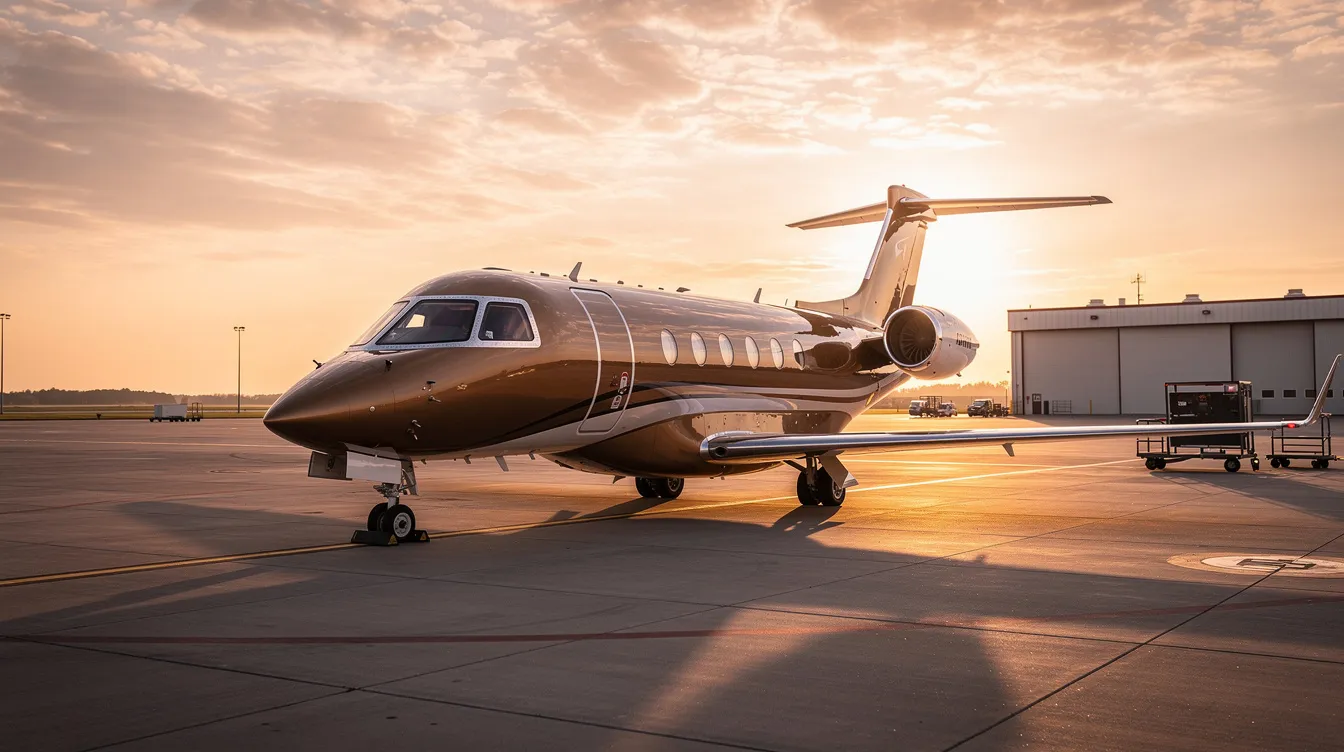
Private aviation is not a perk. It is a multiplier. For executives closing deals across time zones, entrepreneurs scouting markets on short notice, and UHNW families coordinating complex itineraries, having the first jet ready when you need it turns dead hours into productive ones. This article breaks down how BlackJet's Jet Card membership delivers that "jet one" position, how it compares to on-demand charter and ownership, what separates it from emerging personal flying technologies like the Jetson ONE, and why safety, sustainability, and concierge precision matter as much as the aircraft itself.
Key Takeaways
Private aviation is a strategic advantage, saving time and providing unmatched flexibility, privacy, and safety compared to commercial flights.
BlackJet’s Jet Card membership offers prepaid access to a global network of 7,000 private jets across multiple cabin classes, ensuring priority availability and fixed hourly rates.
Jet Cards provide predictable pricing and guaranteed access, ideal for frequent travelers, while on-demand charter suits occasional flyers.
Safety is paramount with BlackJet Certified operators meeting rigorous FAA and third-party standards, backed by real-time operational support.
The Jetson ONE represents innovative personal eVTOL flight but serves a different purpose than long-range private jets, focusing on short recreational hops.
BlackJet integrates sustainability with carbon-neutral flights through offsets and prioritizes Sustainable Aviation Fuel where possible.
Advanced digital booking platforms and personalized concierge services elevate the private jet experience from transportation to a seamless travel journey.
This comprehensive approach ensures BlackJet’s clients enjoy a true “jet one” experience—ready, reliable, responsible, and remarkable.
Why "Jet One" Access Is a Strategic Advantage, Not Just a Luxury
A round trip between New York and Miami on a commercial airline consumes roughly five to six hours of non-flying time:
Arrival at the terminal 90 to 120 minutes before departure
TSA screening that averages 10 to 30 minutes during off-peak periods but can spike past an hour during holidays
Boarding queues
Taxiing
Baggage claim
Ground transportation on the other end
Private jets cut most of that away. Passengers arrive at a private terminal, often called a Fixed Base Operator, and board in under 15 minutes. Private jet charters offer luxury, safety, and privacy that commercial cabins cannot replicate at any fare class. Private jets can be ready to take off in as little as 4 hours, which means a last-minute board meeting or site visit does not have to wait for the next scheduled flight.
Private aviation can access small regional airfields that commercial airliners cannot reach. In the United States alone, scheduled airlines serve roughly 500 airports. Private jet services utilize private terminals at more than 5,000 airports across the country, opening direct routes to destinations like Aspen, Nantucket, Tuscany's smaller strips, or remote facility locations that would otherwise require layovers and connecting flights. For frequent business travelers who value flexibility, privacy, safety, and luxury, this access is not optional; it is the baseline expectation.
BlackJet operates as a private aviation company offering Jet Card membership in 25-hour and 50-hour blocks. Clients prepay at fixed hourly rates by cabin class, receive priority access to a network of vetted aircraft and operators, and book via a 24/7 client management team or mobile platform. The model gives members their own "jet one" on standby without the capital outlay, crew obligations, or depreciation that come with owning a plane. Options like the BlackJet 25+ Hour Jet Card sit within BlackJet's broader suite of premium private jet card programs. Every trip is matched to a BlackJet Certified operator whose credentials are verified before wheels leave the ground.
This article covers the practical differences between private jet charter, Jet Card programs, and aircraft ownership. It examines BlackJet's approach to safety certification and real-time flight support. It explores how emerging technologies like the Jetson ONE fit into the broader landscape of personal flight. And it details the sustainability practices, digital tools, and concierge services that elevate each journey from transportation to a complete travel experience.
Private Jet Charter vs. Jet Cards: Your Personal "Jet One" on Demand
Private jet charter is the most flexible way to access the skies for a single trip. You choose an aircraft category based on passenger count, destination, and runway requirements. You pay per flight. For an occasional traveler booking a Los Angeles to Aspen ski weekend or a London to Nice summer getaway, on-demand charter makes sense. The private jet industry allows for on-demand charter services with diverse aircraft, and chartering through companies like BlackJet offers operational flexibility that scheduled airlines cannot match, especially when you consider a practical cost comparison of chartering a private jet.
When On-Demand Charter Makes Sense
The challenge surfaces when you fly frequently. On-demand charter pricing fluctuates with market demand. During Thanksgiving, Christmas, New Year, or events like Art Basel in Miami, hourly rates can triple. Aircraft availability drops. Older or less suitable aircraft may be the only option. For travelers making six, ten, or twenty trips per year, these variables erode the reliability that makes private aviation worth the cost.
How BlackJet's Jet Card Model Works
BlackJet's Jet Card programs solve this with prepaid blocks of flight hours. Jet cards provide prepaid access to private jets across multiple cabin types: light, midsize, super-midsize, and large cabin. A 25-hour or 50-hour card locks in fixed hourly rates by aircraft category, and those hours do not expire until used, which makes it function much like a 25-hour jet card program tailored to frequent yet flexible travelers. Private aviation offers transparent pricing structures free of hidden fees:
No ownership costs
No management fees
No crew salaries
Private aviation companies offer membership models for charter services, and BlackJet's is built to give clients a "jet one" position in the queue:
Priority aircraft sourcing
Guaranteed access even during peak holiday periods
Real-time support for schedule changes
Jet card programs facilitate access without requiring aircraft ownership and can be evaluated alongside other options by reviewing a comprehensive private jet price list and cost breakdown. Consider the alternative:
A new Gulfstream G600 costs approximately $60 to $70 million
The owner bears depreciation, hangar fees, crew salaries, insurance, maintenance, and regulatory compliance
A Jet Card buyer receives access to the same aircraft type, the same cabin quality, and the same range (the G600 covers roughly 6,500 nautical miles) without any of that burden
The day-of-travel experience is nearly identical; the financial exposure is not
Jet Card vs On-Demand Charter
The core contrast:
Jet Card provides predictable pricing and guaranteed availability in exchange for a prepaid commitment
On-demand charter provides maximum flexibility for infrequent flyers who prefer to pay per trip
During peak travel windows, Jet Card holders benefit from BlackJet's operator network and priority matching
Charter clients compete with the open market
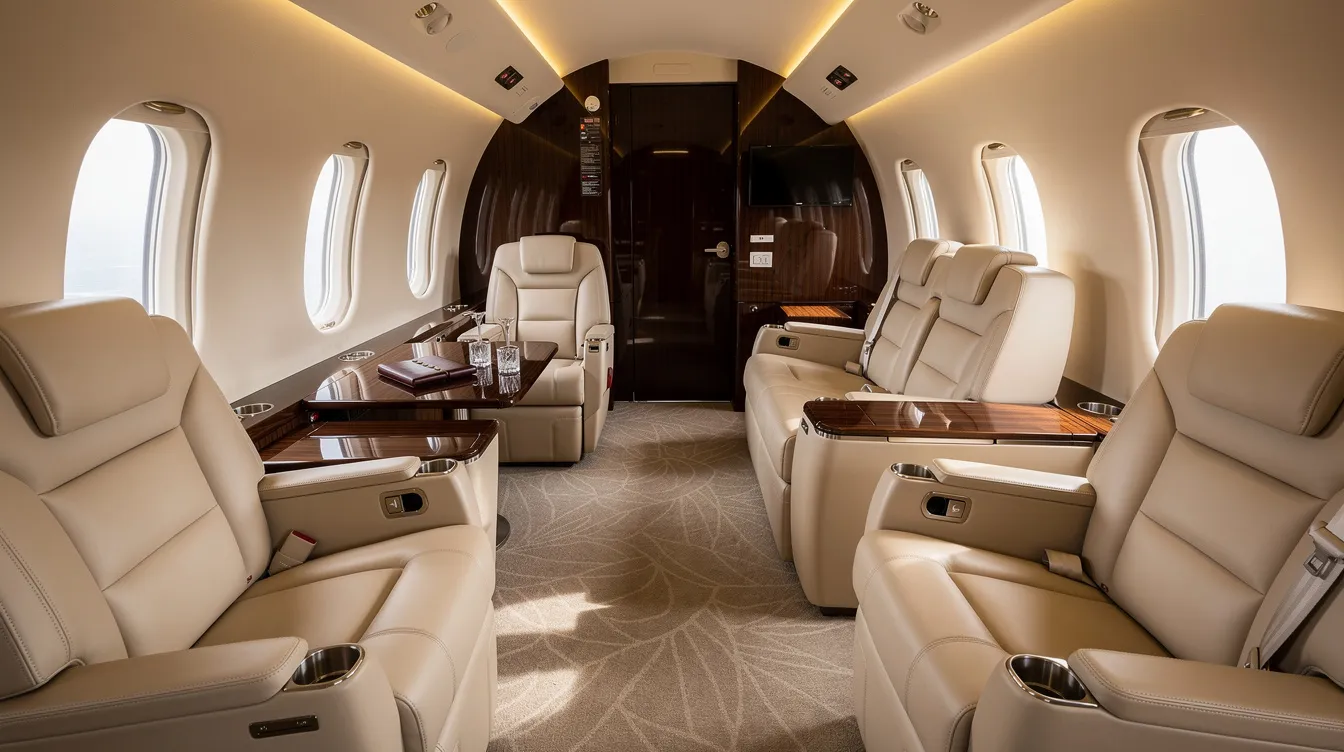
BlackJet's network includes access to 7,000 private jets worldwide, spanning every cabin class. For regional hops, a light jet like the Embraer Phenom 300 carries four to seven passengers over 1,500 to 2,000 nautical miles. For coast-to-coast flights, a super-midsize aircraft like the Citation Latitude or Challenger 350 offers a stand-up cabin and 3,000 to 4,000 nautical miles of range. For larger groups, options extend up to private jets suitable for 50 passengers and even chartered aircraft configured for around 100 passengers with bespoke amenities. For intercity routes like New York to London or Dubai to Geneva, large-cabin jets such as the Gulfstream G600 or Bombardier Global 6000 carry 10 to 14 passengers across oceans with full galley, Wi-Fi, and sleeping arrangements.
Empty Legs and Cost Efficiency
One detail that experienced private aviation clients track: empty leg flights. Empty legs are the return portion of one-way flights, when an aircraft repositions to its home base or next departure point without passengers. Roughly 30% of private planes fly empty at times, creating inventory for these repositioning segments.
Empty leg flights are typically discounted because costs have already been absorbed by the original booking
Empty leg flights can save up to 75% off standard prices and are often highlighted in guides to the cheapest ways to fly private because they dramatically reduce hourly costs
For travelers with flexible schedules, monitoring empty leg availability through BlackJet's platform can open access to premium aircraft at a fraction of the standard rate and complement a structured jet card cost per hour strategy or even a larger 100-hour jet card commitment for core travel needs.
Safety, Certification, and Real-Time Support: What Makes a True "Jet One" Experience
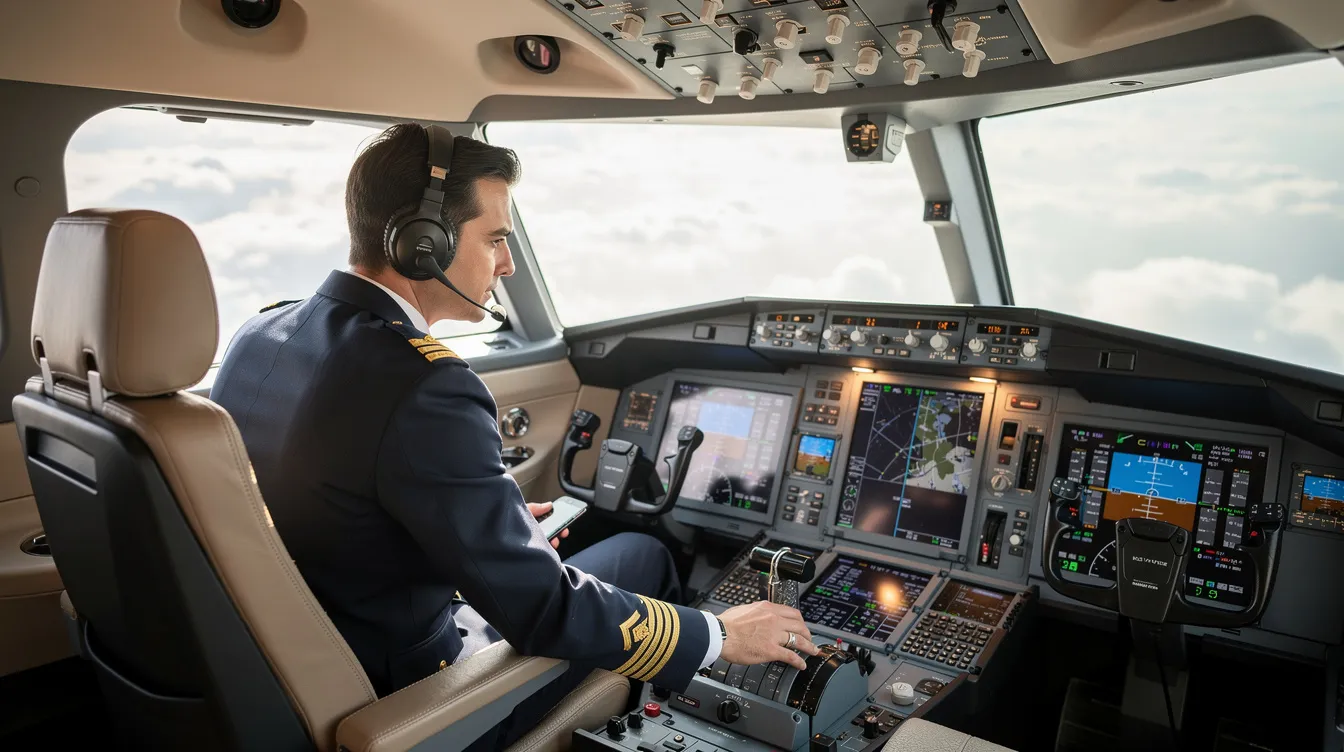
For clients routinely flying routes like New York to London, San Francisco to Tokyo, or Zurich to Dubai for high-stakes meetings, reliability is the actual luxury. A delayed departure or a mechanical issue on the ground is not an inconvenience; it is a missed closing, a lost negotiation window, or a deal that moves to a competitor. Safety and operational excellence are the foundation on which everything else rests.
BlackJet Certified: Setting the Standard
BlackJet's "BlackJet Certified" program sets the standard here. Fewer than 30% of the roughly 575 U.S. charter operators qualify under BlackJet's certification requirements. The criteria include:
FAR Part 135 compliance
Recurring third-party audits through independent rating systems like ARGUS Platinum and IS-BAO
Inspection of maintenance histories
Crew training records
Insurance verification
Pilot flight-hour thresholds
Private aviation firms ensure safety through comprehensive certification and standards; BlackJet treats these not as extras but as prerequisites. Every trip is matched with an operator whose credentials are verified in real time upon booking. Clients can view tail-specific safety data before confirming a flight.
Operational Controls and Proactive Support
Operational controls run deeper than pilot and aircraft vetting:
Crew duty hours are monitored against FAA regulations and individual operator policies
Weather briefings, NOTAM (Notice to Air Missions) analysis, and airport condition updates are reviewed automatically before every departure
If forecasted storms threaten a departure window, BlackJet's operations team proactively replans routes, repositions aircraft, or swaps operators to protect the client's schedule
The network monitors conditions at more than 12,000 airports
A Scenario: Departure Moved Up by Two Hours
A CEO in Los Angeles receives market news at 6 a.m. that requires her presence in New York by early afternoon. Her original departure was scheduled for 10 a.m. She calls BlackJet's 24/7 flight desk at 6:15 a.m. and requests an 8 a.m. departure. The operations team identifies a BlackJet Certified aircraft already positioned at Van Nuys. Crew duty times are confirmed legal. A revised itinerary is issued within 30 minutes. Ground transport is coordinated so a car meets her at Teterboro, aligned with the jet's arrival. She lands, transfers, and reaches her meeting with time to prepare. No airline could deliver that; few charter brokers could deliver it at 6 a.m. with two hours' notice.
This level of care and attention separates a true "jet one" experience from a budget charter. Low-cost or lightly regulated alternatives may quote lower hourly rates, but they often rely on older aircraft, less rigorous maintenance schedules, and minimal backup when disruptions occur. When a storm grounds flights across the Northeast or an ATC strike rearranges European airspace, the difference between a provider with a deep operator network and one without becomes the difference between making your meeting and missing it.
From Jetson One to Gulfstreams: The Future of Personal Flight and Where BlackJet Fits
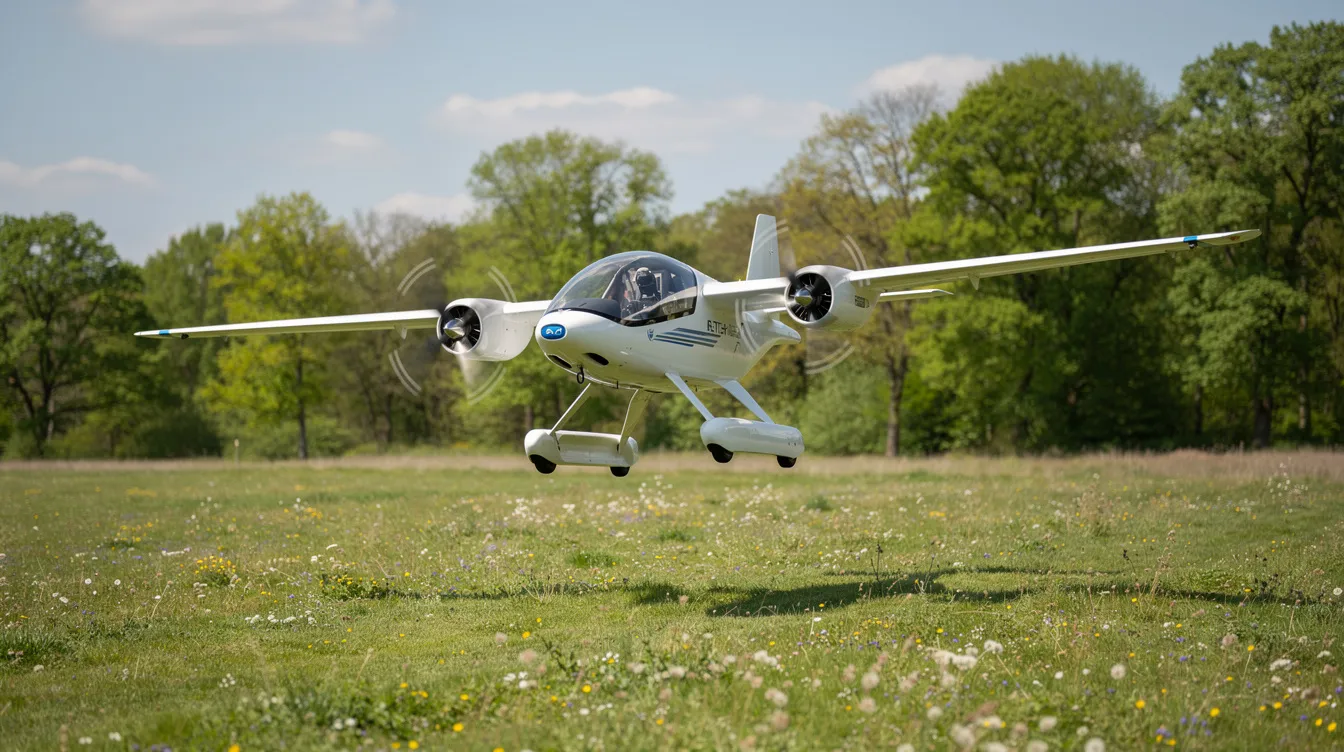
The Jetson ONE occupies a different corner of the aviation world, especially when compared with the mission profiles of small private aircraft optimized for personal and business travel. Built by a Sweden-based company with roots in Poland, this single-seat electric VTOL aircraft is constructed from aluminium and carbon fiber. It is powered by eight electric motors driving eight propellers. The Jetson ONE has a top speed of 102 km/h (roughly 63 mph) and a flight time of 20 minutes. The all-up weight of the Jetson ONE is 86 kg. In endurance testing, the aircraft covered approximately 11 miles at a cruise speed of around 60 km/h. YouTube is filled with demonstration videos showing the Jetson taking off from driveways and flying along California coastlines. Orders for Jetson ONE are being taken for 2028, and in June 2026, the aircraft received Europe's first official ultralight identification under Italian regulations, mirroring its U.S. Part 103 ultralight status.
Where the Jetson ONE Fits and Where It Does Not
The Jetson is a compelling vision of personal flying:
It is not a substitute for intercity or international travel. A single occupant, 20 minutes of flight time, and a range of roughly 11 miles do not compete with a large-cabin private jet for 20 passengers or similar aircraft carrying 10 to 14 passengers over 6,500 nautical miles. Unlike jumbo jets or long-range business aircraft, the Jetson is designed for a fundamentally different purpose. People who fly a Jetson ONE on a Saturday afternoon over their property are not the same people who need to be in London by Monday morning for a board meeting.
The contrast is worth stating plainly. BlackJet's Jet Card gives clients access to aircraft that can carry multiple passengers, their luggage, and their expectations for a productive cabin environment across continents. The Jetson ONE is a single-seat recreational craft. One is delivering efficient global transportation today; the other is pioneering a new style of short-range personal flight for a future that has not yet arrived.
How eVTOL Technology Influences Private Aviation
The technologies behind the Jetson—electric propulsion, redundant motor systems, advanced flight computers, composite airframes—are filtering into the broader aviation ecosystem, just as innovative access models like Jet Card membership pricing structures are reshaping how travelers think about paying for private aviation. Larger eVTOL aircraft designed for four to six passengers are in development at multiple manufacturers, with potential integration into feeder networks for private jets in the 2030s. The concept:
Battery energy density and regulatory certification remain the gating factors, but the trajectory is clear, much as the broader private aviation market continues to evolve with top private jet companies setting new standards for safety, service, and flexibility.
BlackJet tracks these developments alongside Sustainable Aviation Fuel (SAF) and hybrid-electric propulsion research, while maintaining a focus on the realities of private jet safety and risk management. The company's position: deliver a safe, carbon-conscious, and operationally excellent private jet charter and Jet Card experience today, and integrate new propulsion and mobility technologies as they reach commercial readiness.
Sustainability, Technology, and Concierge: Elevating the BlackJet "Jet One" Journey
Carbon Neutrality and SAF
Discerning travelers now evaluate private jet providers on environmental credentials and digital experience alongside cabin finishes and route coverage. Environmental concerns have led to demand for carbon-neutral flight options, and BlackJet has responded with a sustainability framework built into every membership.
Every BlackJet flight is carbon neutral by default through high-quality, third-party-verified offsets. The cost is absorbed by BlackJet, not passed to the member as a surcharge. Offset projects include reforestation and renewable energy initiatives, with emission calculations performed per flight based on aircraft type, distance, and fuel consumption—considerations that sit alongside comparing providers such as NetJets jet card programs and costs when evaluating the total value proposition.
Where available, the network prioritizes Sustainable Aviation Fuel, an increasingly important factor when assessing the best jet cards for frequent flyers who want both convenience and lower environmental impact. SAF is a chemically drop-in fuel that can be blended with conventional Jet A without modifying engines or airport infrastructure. Some HEFA-pathway SAFs reduce lifecycle emissions by approximately 80% compared to traditional jet fuel. The constraint is supply: global SAF production reached roughly 634 million gallons in 2025, while conventional jet fuel consumption stood at approximately 107 billion gallons, putting SAF's share at around 0.6%. These dynamics increasingly factor into comprehensive jet card pricing guides that weigh both cost and environmental performance. BlackJet seeks SAF uplift at major hubs like Van Nuys, Teterboro, Farnborough, and Geneva, but full coverage across all routes remains a work in progress for the entire industry. For clients who want to go deeper on green private jet travel, BlackJet provides transparency on offset methodology and SAF usage per trip, while also advising on budget-friendly private aircraft and access options that align with both cost and sustainability goals.
Digital Booking and Technology
Mobile booking platforms are essential for modern private jet services. BlackJet's web and mobile platform allows clients to:
The system provides route-based recommendations; for a Chicago to San Francisco trip, for example, it might suggest a super-midsize jet as the optimal balance of range, comfort, and cost versus a large cabin aircraft, or highlight the most affordable private jet options when budget efficiency is the priority. Automated notifications keep clients updated on crew status, fuel, and ground services. Corporate clients can integrate the platform with calendars and travel management tools, making booking as efficient as requesting a car service.
Concierge and Personalization
Private jet concierge services offer personalized catering and entertainment, and BlackJet's approach goes well beyond the cabin. Concierge services include full service planning for travel experiences, starting from the moment a member books a trip.
Personalized in-flight meals can be arranged through concierge services, calibrated to dietary preferences stored in the client's profile
Concierge services offer customized gift baskets for guests traveling for celebrations or corporate events
Concierge services can provide transportation like limousines at destinations, coordinated to arrive precisely as the aircraft lands so there is no gap between touching down and reaching the final destination, and can even help clients buy a seat on a private jet via shared or semi-private options when that better fits a particular trip
Pet-friendly cabin configurations are available subject to size, weight, and operator rules
Ski equipment, golf bags, and oversized luggage are handled in advance so clients board a plane that is already set up for their specific journey
Example: A Family Winter Holiday
Consider a family traveling from London to Courchevel for a winter holiday. BlackJet arranges a wide-cabin jet to Chambéry, the nearest airport with suitable runway length. A helicopter transfer from Chambéry into the Alps is coordinated as part of the same itinerary. Catering on the jet reflects the family's preferences. Children's seating is configured. Ski gear is loaded before arrival. The return leg follows the same precision. This is what a "jet one" journey looks like when every detail receives dedicated attention.
BlackJet's Jet Card membership transforms private aviation from a transaction into a travel partnership. Whether the destination is Tuscany or Tokyo, the standard does not change: your aircraft is ready when you choose to fly, your safety is certified before every departure, and your environmental footprint is offset before you land.
Frequently Asked Questions (FAQs)
What is a Jet Card and how does it differ from owning a private jet?
A Jet Card is a prepaid membership that provides access to a global network of private jets at fixed hourly rates without the financial and operational burdens of ownership. Unlike owning a jet, Jet Card holders avoid depreciation, crew management, maintenance, and insurance costs while enjoying guaranteed availability and priority service.
How quickly can I have a private jet ready to fly with BlackJet?
BlackJet can have private jets ready to take off in as little as 4 hours, providing rapid access for last-minute business or leisure travel needs.
What safety standards does BlackJet enforce?
BlackJet Certified operators meet rigorous FAA Part 135 compliance, undergo recurring third-party audits such as ARGUS Platinum and IS-BAO, and maintain strict crew training and maintenance records. Real-time operational support ensures proactive management of weather, crew hours, and airport conditions.
Can I save money using empty leg flights?
Yes, empty leg flights are discounted repositioning flights that can save up to 75% off standard private jet charter prices. They require flexible scheduling as they depend on aircraft repositioning needs.
How does BlackJet address sustainability in private aviation?
BlackJet offers carbon-neutral flights by default through high-quality offsets funded by the company. It also prioritizes the use of Sustainable Aviation Fuel (SAF) where available to reduce the environmental impact of private jet travel.
What concierge services does BlackJet provide?
BlackJet’s concierge services include personalized in-flight catering, customized gift baskets, limousine transportation at destinations, pet-friendly accommodations, and handling of special luggage like ski or golf equipment to ensure a seamless travel experience.
How does the Jetson ONE compare to BlackJet's private jets?
The Jetson ONE is a single-seat electric VTOL aircraft designed for short recreational flights with a 20-minute flight time and 11-mile range. It is not a substitute for long-range, multi-passenger private jets offered through BlackJet’s Jet Card program, which provide intercontinental travel with luxury and safety.
Is the Jet Card pricing transparent?
Yes, BlackJet offers transparent pricing with no hidden fees, no ownership costs, and no management or crew salaries passed on to members. The hourly rates are fixed by cabin class and prepaid in blocks.
Can I book and manage flights digitally?
Yes, BlackJet provides a mobile and web platform for real-time booking, Jet Card balance tracking, quote requests, and digital contract signing, making private jet access seamless and efficient.
Are pets allowed on BlackJet flights?
Yes, pets under 150 pounds may occupy a passenger seat, while larger pets must remain on the floor, subject to operator policies. BlackJet’s concierge can assist with pet accommodations to ensure comfort and compliance with regulations.
Conclusion: Elevate Your Travel with BlackJet's "Jet One" Advantage
BlackJet redefines private jet access by combining strategic convenience, rigorous safety, and sustainable innovation into a seamless membership experience. For the frequent traveler seeking more than luxury—a reliable, flexible, and responsible travel partner—BlackJet’s Jet Card offers unparalleled priority access to a global fleet of certified aircraft. Unlike emerging personal flight technologies like the Jetson ONE, BlackJet delivers proven intercontinental reach, cabin comfort, and operational excellence tailored to high-stakes business and discerning leisure travel.
With carbon-neutral flights integrated by default, transparent pricing, and personalized concierge services, every journey transcends transportation to become a curated experience. Whether you are closing deals across continents or escaping for a family holiday, BlackJet ensures your "jet one" position is more than a privilege—it’s a strategic advantage that transforms how you move through the world.
Discover how BlackJet can reshape your travel. Join our Jet Card program and step into the future of private aviation today.


 Sign up with google
 Sign up with Apple