Leasing a plane allows corporations, high-net-worth individuals, and airlines to operate business aircraft without the substantial capital outlay required for purchase. In virtually all lease arrangements, the lessor retains legal title while the lessee acquires possession and defined operational rights for terms typically spanning 12 to 120 months.
Consider the strategic differences: ownership requires a significant upfront payment and exposes you to residual-value risk. When buying an airplane, you must consider not only the large initial investment but also ongoing financial and operational commitments, including borrowing to finance the bulk of the purchase price. Charter offers flexibility, but no guaranteed availability, and understanding whether chartering a private jet is worth it depends on how often you fly, your routes, and your tolerance for variable pricing and access. An aircraft lease offers predictable access while preserving liquidity, and lessees typically pay only for the usage or time period they need. Leasing a plane requires significantly less initial capital, often just a security deposit and the first month's payment. For example, a New York-based company may lease a midsize jet for two years to meet a temporary need. Leasing typically improves cash flow over the short term compared to purchasing an aircraft outright, and allows you to pay only for what you use of the asset.
Key Takeaways
An aircraft lease transfers possession without title, allowing access to premium aircraft while preserving capital for core business investments
Wet, dry, and damp leases allocate operational control differently—understanding these distinctions determines your regulatory obligations and cost structure
Leasing often delivers superior tax benefits compared to ownership, with payments typically deductible as operating expenses for qualifying business purposes
Safety oversight, federal aviation regulations compliance, and sustainability commitments should be central criteria when selecting any lessor
For clients flying 200–500 hours annually on consistent routes, leasing frequently outperforms both charter and ownership in total cost of access
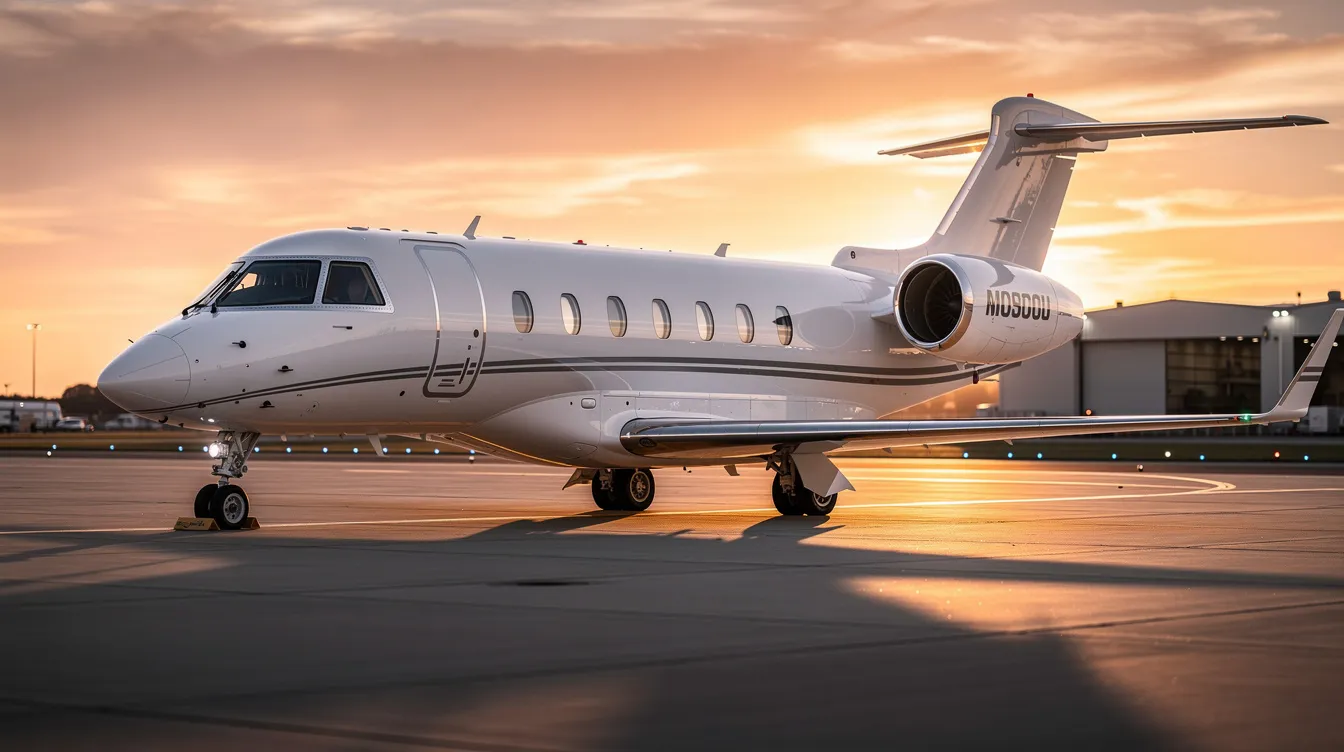
A New York-based company in 2026 might lease a Bombardier Challenger 3500—valued at $27–30 million new—for five years at monthly rates around $160,000–$200,000. This approach avoids a $10–15 million down payment while providing weekly Europe and cross-US routes with consistent scheduling, which is unavailable via charter.
Core Types of Aircraft Leases: Wet, Dry, and Damp
Aircraft leases are categorized by the type of lease arrangement —specifically, who provides crew, maintenance, and insurance—and, critically, who holds operational control under FAA, EASA, or UK CAA rules.
Wet Lease (ACMI): The lessor provides aircraft, flight crew, maintenance, and insurance, retaining operational control under their Air Operator’s Certificate. In a wet lease, the lessor supplies the aircraft, crew, maintenance, and insurance, while the lessee is responsible for fuel and airport fees. Terms typically run 1–24 months, ideal for seasonal capacity needs. A European carrier might wet-lease an Airbus A321neo for six intensive summer months at roughly 1% of the aircraft’s value per month, with rentals for models like the A320neo or B737 MAX 8 varying based on market conditions and lease duration.
Dry Lease: Only the leased aircraft is provided, usually for 2–10 years. A dry lease involves the lessor providing only the aircraft without crew, requiring the lessee to operate the aircraft under its own air operator's certificate. The lessee must hold their own AOC, source crew, manage maintenance, and carry insurance. A US firm dry-leasing a Gulfstream G450 for daily North American missions maintains full control while avoiding the burdens of a commercial certificate.
Damp Lease: The lessor furnishes aircraft, flight crew, and maintenance; the lessee provides cabin crew. This arrangement preserves brand consistency in service delivery and is particularly common in Europe.
Lease Types Overview:
Wet Lease (ACMI): The lessor provides full crew, including flight and cabin crew, retains operational control, and lease terms typically range from 1 to 24 months.
Damp Lease: The lessor supplies only flight crew (no cabin crew), maintains operational control, and has lease durations usually between 3 and 24 months.
Dry Lease: No crew is provided by the lessor; operational control is with the lessee, and lease terms generally span 2 to 10 years.
Operational control and maintenance responsibilities vary significantly between lease types. In a wet lease, the lessor manages both operational control and maintenance, while in a dry lease, these responsibilities shift to the lessee, who must operate the aircraft under their own certificate and manage all aspects of operation and upkeep.
Lease agreements often include specific penalties for excessive wear and maintenance, just as private jet charter pricing includes surcharges for repositioning, peak days, and add-on services. They typically impose restrictions, or limits, on where and how an aircraft can be operated, including flight hour limits. Exceeding these limits can result in expensive penalties, and additional charges may apply for surpassing agreed operational thresholds.
Regulatory and Legal Framework for Leasing a Plane
Regulatory compliance is non-negotiable in the aircraft leasing industry. Aircraft leases are regulated by the FAA in the Federal Aviation Regulations (FARs), making compliance essential for all parties involved. Federal aviation regulations—specifically Parts 91, 91.23 (“truth-in-leasing”), 135, and 121—govern how leases are structured and what disclosures parties must make.
Wet leases require the lessor to hold an FAA or EASA AOC and meet commercial standards. Dry leases often fall under Part 91 for personal use or Part 135 when carrying paying passengers.
Truth-in-leasing requirements mandate written FAA notification within 24 hours of dry lease inception, detailing responsibilities for crew, fuel, maintenance, and insurance. Records must be maintained for 90 days post-term.
Lessees must determine which specific FAA regulations apply to their lease arrangement to ensure full compliance. Sophisticated lessees involve aviation counsel to negotiate covenants on maintenance reserves, inspection rights, and return conditions—avoiding inadvertent reclassification that could trigger commercial certificate requirements.
Financial, Tax, and Accounting Dynamics of Leasing Planes
Leasing transforms aircraft acquisition from capital expenditure to predictable operating cost, fundamentally reshaping cash flow dynamics, and a comprehensive guide to leasing a private jet can help clarify cost structures, program types, and provider options. Leasing can also generate income for aircraft owners through leaseback or subleasing arrangements, providing a steady stream of income and potential tax advantages, especially when viewed alongside the broader private jet price list of ownership and access models.
Lease payments typically qualify as fully deductible operating expenses for business use under IRS Section 162. Lease payments are usually fixed, making budgeting easier than fluctuating maintenance costs under ownership. However, total leasing costs may include hidden fees such as maintenance reserves, insurance, and hangar fees. Ownership allows for depreciation—including potential bonus depreciation under Section 168(k)—but ties up capital and creates a different balance-sheet impact. Leasing typically improves cash flow in the short term compared to purchasing an aircraft outright and reduces concerns about residual value, as lessors spread risk across multiple aircraft and over a long time horizon.
Comparative Example:
Purchase: $10M light jet with 5-year straight-line depreciation yields $2M annual deduction, but requires a significant down payment
Lease: Same aircraft at $160,000 monthly totals $9.6M over five years, fully deductible, with preserved capital. Leasing can provide predictable revenue streams for lessors and operators, making it an attractive option for those seeking stable income.
Sale-and-leaseback arrangements allow an aircraft owner to sell their jet and immediately lease it back, unlocking capital, and can be particularly relevant for operators transitioning out of the best cheapest planes for budget-conscious owners into newer or larger models. However, if fair market value has dropped significantly from 2020–2021 peaks—as with certain aircraft models seeing 20–30% declines—this becomes less attractive.
Choosing a Lessor and Structuring Your Lease
Lessors range from global financial institutions and banks to specialized business aviation companies. Key evaluation criteria include fleet quality, safety ratings (ARGUS, Wyvern, IS-BAO), financial stability, and flexibility on custom lease terms. When structuring a lease arrangement, it is important to understand the different types of leases available, such as dry leases and wet leases, and how these operational structures impact your obligations and flexibility.
A robust agreement should specify:
Utilization assumptions (400–500 hours annually)
Geographic operation limits and limits on hours of operation, with additional charges for exceeding those limits
Insurance requirements ($100M+ hull/liability)
Maintenance responsibilities and reserves
Clear default and remedy provisions
Leasing requires operators to negotiate key terms, including the lease rate, term, security deposit, and maintenance reserves, and some counterparties may simultaneously evaluate premium private jets for sale in the UK or analyze the cost of a 12-seater private jet as a longer-term ownership or access alternative. Other considerations, such as regulatory, political, or economic factors, may also influence the choice of lessor or the structure of the lease arrangement, particularly in emerging markets where private jet charters in Karachi or similar hubs shape available operators and structures.
A mid-sized European corporation evaluating an Embraer Praetor 600 would compare proposals from a bank-affiliated lessor (stable rates), pure-play aviation firm (flexible returns), and integrated operator (in-house maintenance). Pre-lease inspections and negotiated return conditions prevent unexpected delivery costs, just as local market nuances do when structuring private jet charters in Lahore or other regional bases.
Leasing vs Owning vs Chartering: Which Makes Sense When?
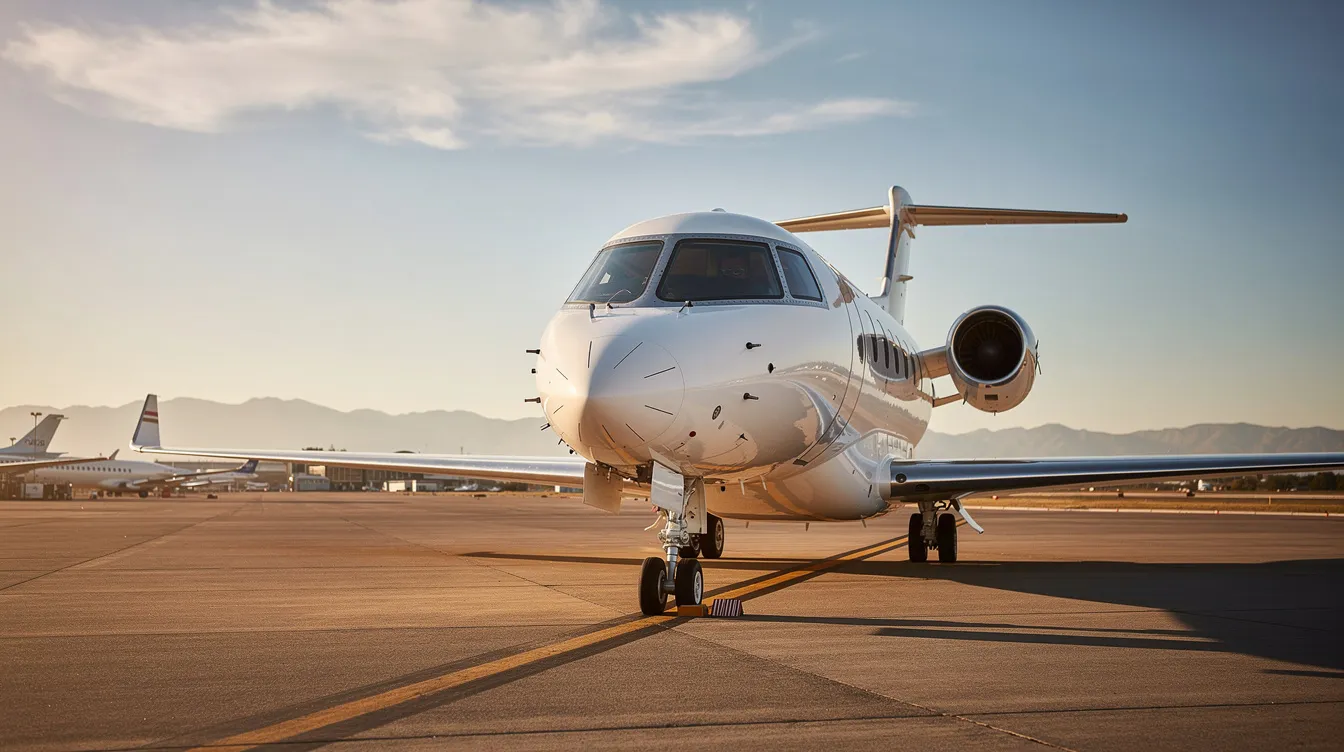
The optimal choice depends on annual flight hours, route patterns, and capital considerations.
Leasing becomes compelling for clients flying 200–500 hours annually on consistent mission profiles, offering lower upfront costs and operational flexibility, especially when paired with premium private jet cards and jet card programs that complement long-term access needs. Purchasing and owning an airplane provides full control and cabin customization, but requires significant upfront capital and exposes you to market depreciation. Owners are solely responsible for the plane's market value, which may decrease due to technological advancements or changes in demand. For frequent flyers (often 400+ hours per year), owning an airplane is cheaper in the long run than continuous leasing. Additionally, the aircraft remains a tangible asset that can be used as collateral for loans or sold to recover capital. Charter provides access to a diverse range of aircraft models without commitment, but with no guaranteed availability, and understanding how much it costs to rent a private jet helps quantify that flexibility relative to a fixed lease. Those prioritizing flexibility may instead prefer to buy a seat on a private jet via shared and semi-private services, or compare these models to the cost of chartering a small plane for fully private use when needed.
Scenario Comparison:
Executive flying NY–London at 150 hours/year: Premium jet card delivers flexibility with less complexity, while a large group might instead analyze the best private jet for 20 passengers as a charter or lease solution
Multinational operating 400+ hours on fixed city pairs: Five-year dry lease on a super-midsize jet delivers significant savings versus peak charter rates
Safety, Technology, and Sustainability in Plane Leasing
For discerning lessees, safety and sustainability performance matter as much as purchase price or monthly rate, and some choose to supplement their leases with a flexible 25+ hour jet card to secure consistent access under fixed safety and service standards, making it essential to understand the overall cost of jet cards and membership pricing.
Demand documented Safety Management Systems, current avionics (ADS-B Out, WAAS/LPV approaches), and compliance with ICAO standards. Modern telematics enable real-time tracking of hours, cycles, and maintenance status.
Leading operators now offer carbon-neutral flight programs through verified offsets and sustainable aviation fuel. A California tech company might require a 2023+ production aircraft with optimized flight-planning software and an included carbon-offset program to align leased jet usage with corporate ESG commitments, and some missions may be better served by small private jets as flexible luxury options rather than larger, more resource-intensive aircraft.
End-of-Lease Considerations and Returning a Plane
Many financial surprises occur at lease end. Return conditions typically include minimum remaining component life, engine status, inspection completion, and interior standards. Aircraft leases should have specific terms and conditions detailed in the lease agreement that outline the requirements and processes to be followed by all parties upon the return of the aircraft. The lease return process should be detailed in the lease agreement, specifying the requirements and processes to be followed by all parties upon the return of the aircraft. A well-drafted lease should also clearly outline each party's responsibilities if the aircraft sustains physical damage during the lease term.
A lessee returning a 2018 Dassault Falcon 2000LXS after seven years might face $1–2M to restore the original interior layout and update avionics to contractual standards.
Track utilization carefully throughout the term, especially if you periodically supplement a leased fleet with ad hoc large-group trips where understanding charter plane cost for 100 passengers becomes critical for budgeting. Engage an independent technical advisor 6–12 months before expiry to perform pre-return inspections and negotiate practical solutions.
FAQ: Leasing a Plane
How many flight hours per year justify leasing instead of chartering?
Leasing typically becomes an attractive option when annual utilization approaches 200–500 hours. Below 150–200 hours, premium charter or jet cards often deliver similar convenience with less commitment, and exploring the cheapest private jet options for travelers can help determine when low-cost aircraft or empty-leg flights beat long-term leases. Analyze at least 24 months of travel data before deciding, and compare lease structures with the cheapest private aircraft options available through charter, jet cards, or fractional models.
Can an individual lease a plane, or do I need a company?
Individuals can lease directly, but many high-net-worth clients form a dedicated LLC for liability protection, tax efficiency, and privacy. Business-use tax benefits require clear documentation of how flights support trade or business activities.
Are leased planes as safe as owned aircraft?
Safety depends on operator standards and maintenance programs, not ownership structure. Require proof of manufacturer maintenance schedules, third-party safety audits (ARGUS Platinum, IS-BAO Stage III), and pilot training records. Include explicit safety standards in your agreement.
How long are typical lease terms for private jets?
Business aircraft leases typically range from 3 to 10 years, with 5- and 7-year terms common for 2019–2024 production jets. Short-term arrangements of 12–36 months carry higher monthly rates. Early termination requires negotiated penalties.
Can I customize the interior of a leased plane?
Interior modifications require lessor approval. Reversible, market-friendly upgrades—updated connectivity, refreshed lighting—are typically approved. Negotiate whether you must restore the original configuration upon return or whether beneficial upgrades remain without additional charges.
Elevate your travel—effortlessly. With the right aircraft lease structure, private flight becomes a strategic asset rather than a capital burden. Explore how tailored aviation solutions can reshape your travel on your terms.
Conclusion
Leasing a plane offers a flexible, cost-effective alternative to ownership, providing access to a wide range of aircraft models without the substantial capital investment. By understanding the distinctions between wet, dry, and damp leases and carefully selecting a reputable lessor, you can optimize operational control, tax benefits, and cash flow. Engaging aviation advisors and leveraging platforms like BlackJet can help navigate lease agreements, aircraft selection, and market opportunities. BlackJet, a leader in private aviation solutions, offers innovative services that simplify access to private aircraft, helping lessees maximize the advantages of leasing. Whether for corporate missions or personal use, leasing a plane empowers you to fly on your terms while preserving financial flexibility and operational efficiency.


 Sign up with google
 Sign up with Apple