Finding a functional private jet for under $1 million is challenging in 2026. Listings exist, but the purchase price is only a fraction of the actual cost of aircraft ownership. A pre-owned Cessna Citation II advertised at $450,000 can cost $700,000 or more per year to operate if flown 200–300 hours, once you factor in fuel, crew, maintenance, hangar fees, and insurance. Private jets offer ultimate luxury and convenience—security lines avoided, direct access to regional airports, and the ability to work productively in flight—but the decision to buy versus access that luxury through other means deserves scrutiny. BlackJet's Jet Card and membership model offers a smarter path for most travelers seeking private jet access without the financial exposure of hunting for a sub-$1M aircraft.
This guide is for business owners, executives, and high-net-worth individuals considering private jet ownership or alternative access models. Understanding the true costs and alternatives is crucial to making a smart investment in private aviation.
Here is what this article covers:
What you can realistically buy under $1 million
Operating costs and hidden maintenance risks
How to match aircraft to your mission profile
When a Jet Card beats aircraft ownership outright
What Is Realistically "In Budget" Under $1 Million?
Many private jets in the sub-$1 million range are older models—aircraft under $1 million are typically 20–40 years old. You will not find a factory-new light jet or very light jet at this price. Here is what the market actually looks like:
A Cessna Citation 500 from 1976 is priced around $385,000. Cessna Citation 500-series jets can commonly be found for $500,000 to $800,000 depending on condition and hours.
The cheapest "private jet" experience may actually be a turboprop. A used 1968 Aero Commander 100 can sell for as little as $50,000, though it is propeller-driven, not jet-powered.
The Cirrus Vision Jet costs around $2 million, and models like the Phenom 100, HondaJet, and Citation Mustang typically trade well above $1M—especially newer examples. Buyers expecting an "entry-level" modern jet at this budget will need to adjust expectations.
Older business jets from manufacturers like Embraer, Hawker, and Gulfstream occasionally appear near the upper boundary of this range, but usually with significant age or hours.
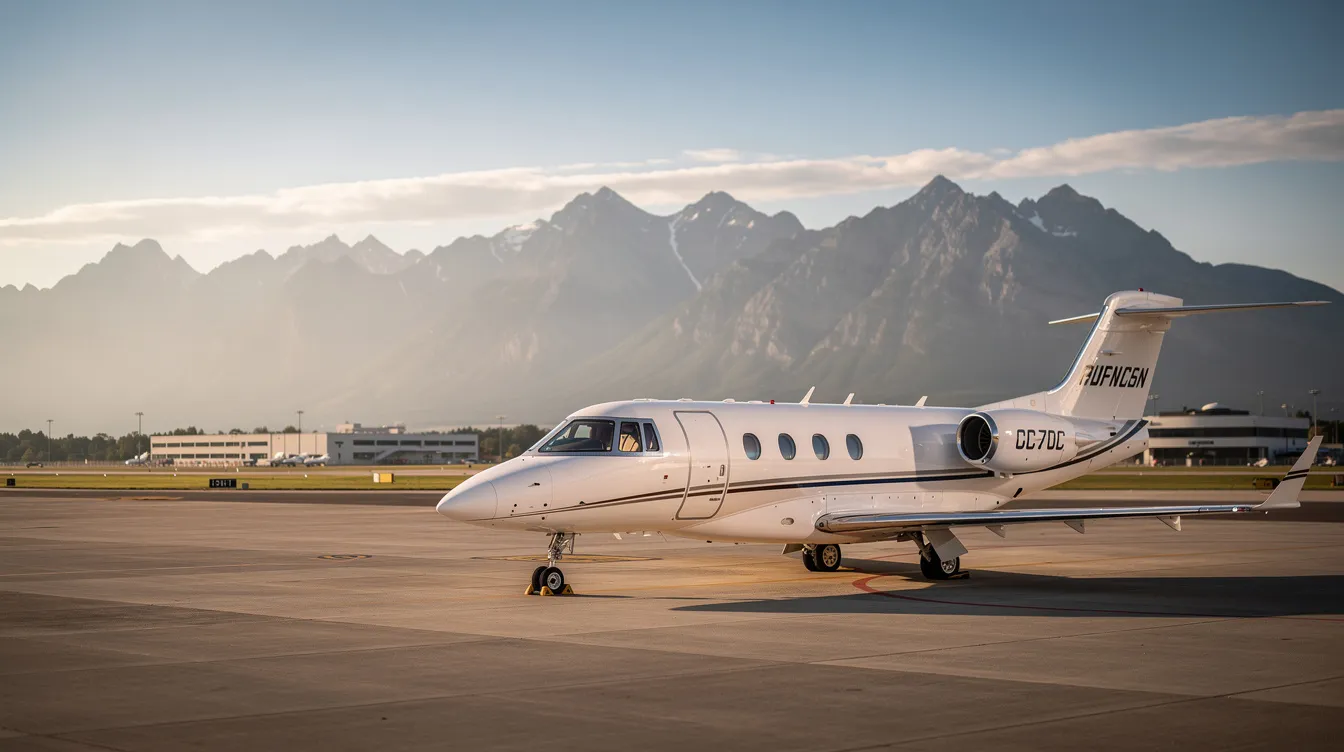
Pre-Owned Private Jets Under $1 Million: What You Can Actually Buy
Representative Models and Prices
Pre-owned private jets can be found under one million dollars, but the inventory is dominated by aircraft from the 1970s through the early 1990s. These are typically light jets or older mid-size jets with high airframe hours.
Representative models and typical asking prices: travelers focused on entry-level ownership often start by comparing the cheapest private jet options and their true operating costs before committing to a specific model.
Model | Era | Typical Price | Range (nm) | Seating |
|---|
Cessna Citation 500/501 | 1970s–1980s | $350,000–$800,000 | ~1,200 | 5–6 |
Cessna Citation II | 1979–1985 | $395,000–$900,000 | ~1,400 | 6–8 |
Learjet 35A | Late 1980s | $700,000–$800,000 | ~2,000 | 6–8 |
Learjet 60 | 1990s | Under $1,000,000 | ~2,400 | 7–8 |
A Cessna Citation II from 1979 can sell for $350,000, while older Learjet 60 models can be found for under one million dollars. Well-maintained older turboprops, such as certain King Air configurations, can trade from $800,000 to $1.2 million.
Key Considerations When Buying
These factors move the price significantly. Many aircraft delivered decades ago need substantial work before they are ready to fly reliably. Working with an experienced aircraft broker and aviation attorney is essential when pursuing pre-owned private jets for sale under 1 million.
The Hidden Costs: Why a Pre Buy Inspection Is Non-Negotiable
For any private jet under $1M, a detailed pre-buy inspection can be the difference between a bargain and a financial disaster. Older jets often come with high maintenance costs that far exceed initial expectations.
What it covers:
Cost: Inspections typically run $15,000–$50,000 or more and can uncover six-figure upcoming maintenance events such as engine overhauls or compliance with service bulletins.
Mandatory inspections: Maintenance for older jets can range from $20,000 to $50,000 for mandatory inspections alone. Maintenance costs can add thousands to annual ownership expenses beyond those baseline checks.
Insurance implications: Missing maintenance records or deferred work can make the aircraft difficult to insure. Insurance for private jets typically costs $25,000 to $50,000 annually, and gaps in records may push premiums higher or result in denial of coverage.
Post-purchase budget: Buyers should budget a significant percentage of the purchase price for immediate upgrades, cosmetic refurbishment, and regulatory compliance work.
The ground truth is that "cheap to buy" rarely means "cheap to own."
Light Jets, Very Light Jets, and Turboprops: Matching Aircraft to Mission Profile
Aircraft Categories and Mission Profiles
Understanding your mission profile—typical routes, passenger count, baggage needs, and whether flights are non-stop—determines which aircraft category makes sense, and reviewing a broader private jet price list with costs and options can help frame what each category realistically entails.
Very light jets (2–5 passengers, often single-pilot capable): Designed for short-distance travel, covering roughly 1,000–1,200 nm. Very light jets are ideal for short hops like San Francisco to Denver. Private jets can transport 2–5 passengers comfortably, and a VLJ carrying four passengers on a regional route is a common use case. Models like the Cirrus Vision or Citation Mustang fall here, though both typically sell above $1M.
Light jets (up to ~7 passengers): Greater range and performance. Light jets operate at cruise speeds of around 350–430 knots. A Cessna Citation CJ3+ can handle New York to Miami non-stop. Larger seating capacity and better comfort, though operating costs rise accordingly.
Turboprops: Turboprops often have lower fuel burn and can operate from shorter runways compared to light jets. They cruise at 250–320 knots—slower, but ideal for regional routes under 1,000 nm with significant cost advantages.
Beyond light: For long-haul flights, a heavy jet like the Gulfstream G550 is suitable, while super midsize jets fill the gap for cross-country routes. Neither category falls under $1M for purchase, though there are still compelling private jets for sale under 10 million for buyers with larger budgets.
Cabin Comfort and Trade-Offs
Cabin comfort trade-offs matter: VLJs may lack a full galley but can still offer wifi and work-friendly seating. Larger jets provide more space but cost more to acquire and operate. Most sub-$1M aircraft are older light jets with higher fuel burn and more limited avionics compared to modern alternatives.
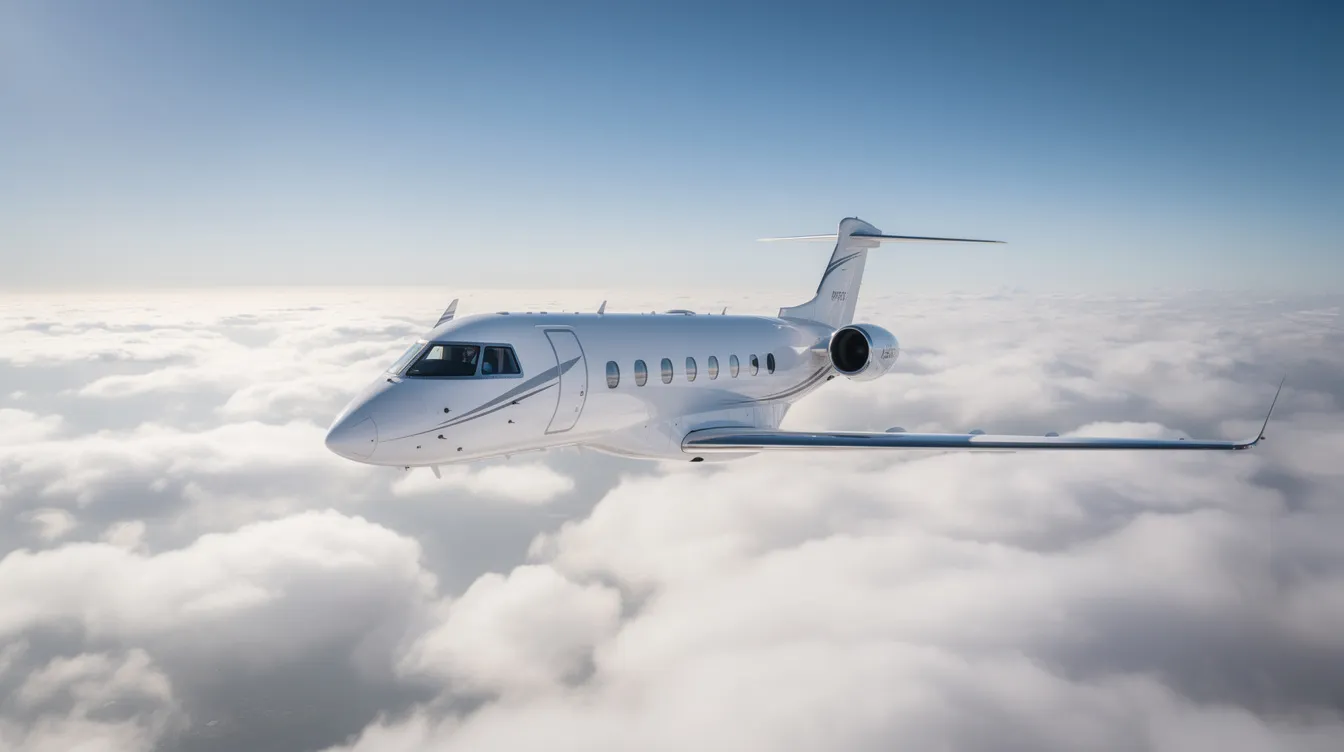
Ownership vs Access: Charter, Fractional Ownership, and Jet Cards
The romance of owning a private jet fades when you consider ongoing fixed costs, regulatory responsibilities, and asset risk—especially for aircraft under $1M that demand higher maintenance. Here is how the access models compare:
Charter
Chartering a private jet costs between $2,000 and $14,000 per hour depending on route, date, and aircraft type. Empty-leg flights offer reduced rates for flexible travel plans. Charter suits travelers flying fewer than ~50 hours per year, but availability and consistency can vary.
Fractional Ownership
Fractional ownership allows shares starting from 1/16th of a jet, providing roughly 50 hours of annual flight time. Upfront capital, monthly management fees, and hourly charges apply. It is closer to ownership than charter but still requires significant capital, and buyers should understand both fractional jet ownership depreciation and the potential tax benefits of fractional jet ownership before committing. Learn more about how fractional programs compare.
Jet Cards
A Jet Card provides prepaid access to a fleet—typically 25 or 50 hours—across cabin categories without the burden of ownership. Leasing through jet membership programs avoids extra operating costs like crew management, hangar fees, and regulatory compliance. BlackJet's premium private Jet Card programs offer guaranteed access to vetted aircraft, carbon-neutral flights, and 24/7 digital booking.
Factor | Full Ownership | Fractional | Jet Card |
|---|
Capital at risk | High | Moderate | None |
Flexibility across aircraft types | One aircraft | Limited fleet | Full fleet |
Maintenance burden | Owner | Shared | Provider |
Pilot management | Owner | Provider | Provider |
When a Jet Card Beats Buying a Sub-$1M Aircraft
Cost Comparison: Ownership vs Jet Card
Consider a business owner who needs to fly 25–75 hours per year between Dallas, Chicago, and New York, or a family doing 6–10 leisure trips annually to Aspen, Napa, or South Florida.
The financial case is clear:
Operating costs for older jets can reach $150,000 to $250,000 per year for just 100–150 flying hours. Typical annual costs of owning a private jet can exceed $200,000 to $800,000, and for higher utilization, operating costs for private jets can exceed $1 million annually, which is why many value-focused buyers explore the cheapest private aircraft and other budget-friendly options before deciding.
Hourly operation for very light jets ranges from $1,700 to $2,200. Fuel costs for private jets can average $1,000 per hour alone, so understanding Jet Card cost per hour across aircraft types is critical when comparing access models.
A 25-hour Jet Card or 50-hour Jet Card eliminates capital risk entirely while delivering access to different aircraft categories—very light jets for short hops, midsize or large cabin jets for cross-country travel. Travelers with higher utilization can evaluate whether a 100 hour Jet Card cost structure or a dedicated BlackJet 25+ Hour Jet Card aligns better with their needs.
Beyond cost, BlackJet delivers non-financial benefits that an owner of a 40-year-old aircraft cannot replicate: no downtime when your aircraft is in maintenance, no need to manage a pilot or operate under Part 135 regulations, and carbon-neutral flights through verified offsets at no extra charge. BlackJet's digital booking tools and real-time flight support provide the reliability and transparency that make the decision straightforward for most travelers.
Safety, Sustainability, and Technology: The Quiet Costs of Older Private Jets
Many planes available as private jets for sale under 1 million were certified decades ago and may lack modern avionics, navigation, and safety systems.
Safety upgrades: Bringing older aircraft into compliance with ADS-B, WAAS/LPV, and modern traffic and weather systems can add hundreds of thousands to the price. These are not optional luxuries—they are requirements to operate safely in today's airspace.
Sustainability: Older jets and some legacy light jets burn more fuel per hour than newer very light jets or advanced turboprops, increasing both operating cost and carbon footprint. Buyers researching on Google will find that performance, range, and fuel efficiency have improved dramatically in newer aircraft.
BlackJet's approach: BlackJet works only with audited operators and adheres to rigorous safety protocols. Every Jet Card flight is carbon neutral through verified offsets at no extra charge—a perfect fit for travelers who value sustainability without compromise, and frequent flyers can even explore unlimited private jet membership concepts when considering how often they travel.
Technology: Mobile booking, real-time tracking, and proactive rerouting replace the manual, owner-managed processes that come with a personally operated legacy jet. The transportation experience is seamless from request to arrival.
FAQs: Buying a Private Jet Under $1 Million vs Joining BlackJet
Can I really find a safe, reliable jet for under $1 million? You can find aircraft for sale at that price, but most are 20–40 years old with high hours. Safety and reliability depend entirely on maintenance history, avionics currency, and the results of a thorough pre buy inspection.
What is the cheapest private jet to own versus to fly on? A 1970s Cessna Citation 500 may sell for under $400,000, but annual ownership costs can dwarf the price. Flying via a Jet Card often costs less per year for travelers logging under 100 hours, especially once you understand the overall Jet Card cost and membership pricing.
How many hours per year justify full ownership? Most analyses suggest ownership breaks even against charter or Jet Card access around 150–200 hours per year—and only if the aircraft is reliable and well-maintained, which makes a clear grasp of Jet Card pricing, costs, and benefits essential for comparison.
How do Jet Cards compare to fractional ownership in cost and flexibility? Jet Cards require no upfront capital for an aircraft share, offer access across multiple fleet options, and carry no asset depreciation risk. Fractional ownership ties capital to a single aircraft type, while seasoned travelers often review the best Jet Cards for frequent flyers to benchmark flexibility and value.
How does BlackJet ensure carbon-neutral flights? Every BlackJet Jet Card flight includes verified carbon offsets at no additional cost, making each journey carbon neutral without requiring any action from the traveler.
Many buyers who start researching a jet for sale under 1 million ultimately opt for a Jet Card solution once they discuss the full cost picture, while others expand their search to 10 million dollar private jet options, compare 15 million dollar private jet features, or evaluate 20 million dollar private jets and 5 million dollar jet alternatives as their budget and mission evolve; some also weigh branded access models by reviewing NetJets Jet Card cost and programs alongside BlackJet offerings.
How to Move Forward: Explore Smarter Private Jet Access with BlackJet
While pre-owned private jets for sale under $1 million do exist in today's market, for most high-net-worth individuals and executives, a Jet Card delivers superior flexibility, safety, and financial efficiency. The ability to access premier aircraft without the burden of aging airframes, crew management, and unpredictable maintenance is a strategic advantage—not a compromise.
Assess your mission profile and annual flight hours
Compare projected ownership costs with BlackJet's Jet Card programs
Contact BlackJet for a personalized consultation: review your typical routes, aircraft preferences across light jets, midsize, and large cabin options, and receive a transparent overview of program terms
Discover how BlackJet membership can replace the complexity of ownership with effortless access to premier private jets. Explore your options today.


 Sign up with google
 Sign up with Apple