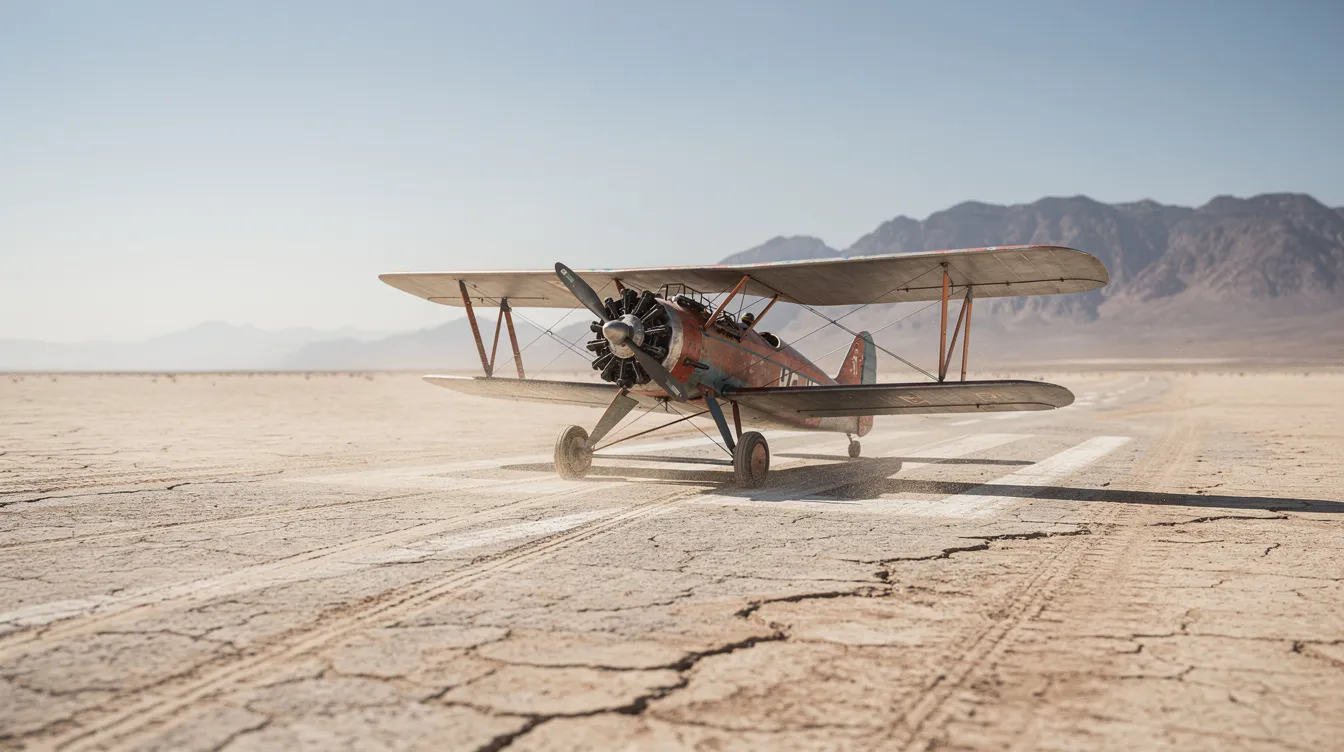
For decades, aviation enthusiasts have chased the title of the world's smallest airplane, pushing airframe design to absurd extremes. The Starr Bumble Bee II, with a wingspan barely wider than a dining table, sits at one end of the spectrum. At the other end are the practical small aircraft that BlackJet clients rely on daily for efficient, safe, and private travel.
This guide is for aviation enthusiasts, pilots, and travelers interested in the smallest planes and practical small aircraft. Understanding the evolution of small aircraft reveals both the limits of engineering and the practical benefits for modern travel.
This guide covers both the fascinating history of tiny aircraft that exist purely to break records and the modern small planes, turboprops, and light jets that turn compact aviation into a genuine strategic advantage for discerning travelers.
World's Smallest Airplane: The Story Of The Starr Bumble Bee II
The Starr Bumble Bee II remains the Guinness‑recognized holder of the smallest airplane record for piloted powered flight. Built by Robert Starr, an Arizona aircraft mechanic and designer, the Bumble Bee II was purpose‑built for experimentation and high-performance thrills rather than any practical mission.
Spec | Bumble Bee II | Cessna 172 Skyhawk |
|---|
Wingspan | ~6 ft 3 in / 1.9 m | 36 ft 1 in / 11 m |
Length | ~9 ft 4 in / 2.8 m | 27 ft 2 in / 8.3 m |
Engine | Continental C-85 (85 hp) | Lycoming IO-360 (180 hp) |
Maximum speed | ~180 mph | ~142 mph (124 KTAS) |
Range | ~20 mi | 600–700 nm |
Role | Record experimental | GA trainer/personal |
The Bumble Bee II had a wingspan of just over five feet - making the cockpit so compact that the pilot was essentially wearing the airplane. Its biplane layout used negative stagger, placing the lower wing forward to squeeze maximum lift from minimal wing area. Starr secured the record at Marana Regional Airport near Tucson, Arizona, on 2 April 1988, when the plane flew sufficient time and distance to satisfy the Guinness Book criteria for a piloted powered airplane.
Despite the impressive record, the Bumble Bee II was never equipped for practical personal use. Its fuel capacity allowed roughly 20 miles of range, its service ceiling was minimal, and the cockpit offered zero passenger accommodation.
Design And Development Of The Bumble Bee Series
Robert Starr's obsession with shrinking airplanes dates to 1952, when he served as test pilot for the Stits SA‑2A Sky Baby - then the world's smallest airplane, designed by Ray Stits. After the Sky Baby's record stood for decades before being surpassed by the Stits DS‑1 Baby Bird in the 1980s, Starr set out to reclaim the title with his own designs.
The Starr Bumble Bee (Mark I) came first, with a wingspan of 1.68 meters. It briefly held the smallest airplane title before losing it to the Baby Bird. Starr responded with the Bumble Bee II, refining every dimension downward: smaller wingspan, shorter fuselage, lighter structure, and repositioned wings with increased negative stagger plus wingtip plates to boost lift coefficient. Many small aircraft utilize Hoerner-style wingtips for efficiency, but Bumble Bee II's endplates served a more desperate aerodynamic purpose - generating enough control authority on wings barely longer than outstretched arms.
The engineering challenges were extreme: maintaining structural integrity at dangerously low weight, achieving stability at low Reynolds numbers where aerodynamic efficiency drops sharply, and providing any semblance of pilot protection. For modern BlackJet clients accustomed to carbon‑neutral, safety‑certified jets, the bumblebee represents the opposite end of the spectrum - an airplane designed for records, not comfort, safety margin, or range.
Operational History And Crash Of Bumble Bee II
The Bumble Bee II's operational life was stunningly brief:
2 April 1988: Record flight at Marana Airport. Robert Starr flew the plane at low altitude for sufficient time and distance to secure the Guinness World Record for the smallest piloted powered airplane.
5 May 1988: During what is often cited as the third flight, the Continental C-85 engine failed on the downwind leg at approximately 400 feet AGL. With virtually no glide capability from those tiny wings, the plane stalled and crashed short of the runway before landing after the engine failed on downwind.
Aftermath: The aircraft was destroyed on impact. Robert Starr was severely injured but made a full recovery, a testament to the resilience of pilots who push experimental aircraft to absolute limits.
Details of the record, aircraft measurements, and crash have been preserved through Guinness entries, Pima Air & Space Museum archives, and interviews with Starr.
The risk profile of one‑off experimental aircraft like the Bumble Bee II stands in stark contrast to modern private aviation. Today, operators in BlackJet's network fly turbine aircraft with certified crews under audited safety programs such as ARGUS and Wyvern - a world apart from single-engine experimental projects with no margin for error.
Other Record‑Breaking Tiny Aircraft: From Wee Bee To Cri‑Cri
The Bumble Bee II is the apex of a lineage of micro aircraft that stretches back to the late 1940s. Here are the most notable:
Beecraft Wee Bee (1948): Designed by William "Bill" Chana in San Diego, the Wee Bee was the smallest aircraft in the late 1940s. The Wee Bee had no enclosed cockpit for the pilot - the aviator lay prone on top of the fuselage. Wingspan was about 5.49 m (18 ft), empty weight was just 210 lb.
Stits SA‑2A Sky Baby (1952): A collaboration between Ray Stits (designer) and Robert Starr (pilot). The Stits SA-2A Sky Baby has a wingspan of 2.1 meters. It reached speeds around 185 mph using a modified Continental C-85 with water injection. Now preserved at the Smithsonian's Udvar-Hazy Center.
Stits DS‑1 Baby Bird (1984): Built by Don Stits to reclaim the title. Wingspan of 6 ft 3 in, powered by a small Hirth engine. This was the direct competitor that the Bumble Bee II had to beat.
Colomban Cri‑Cri (1973): French‑designed homebuilt by Michel Colomban, known as the world's smallest twin‑engine airplane. The Colomban Cri-Cri is powered by two tiny jet engines in certain variants, making it arguably the smallest twin‑jet aircraft. Wingspan under 5 m, empty weight just 78 kg.
Beyond piloted planes, the world of micro aviation includes extreme examples: the McDonnell XF-85 Goblin was the smallest jet-propelled parasite fighter ever built; the GEN H-4 helicopter has a rotor length of 13 feet and uses coaxial contra-rotating rotors for single‑person vertical flight; and at the far edge of miniaturization, the BF5 RC plane has a wingspan of 2.72 inches - a radio‑controlled marvel with no room for a human at all.
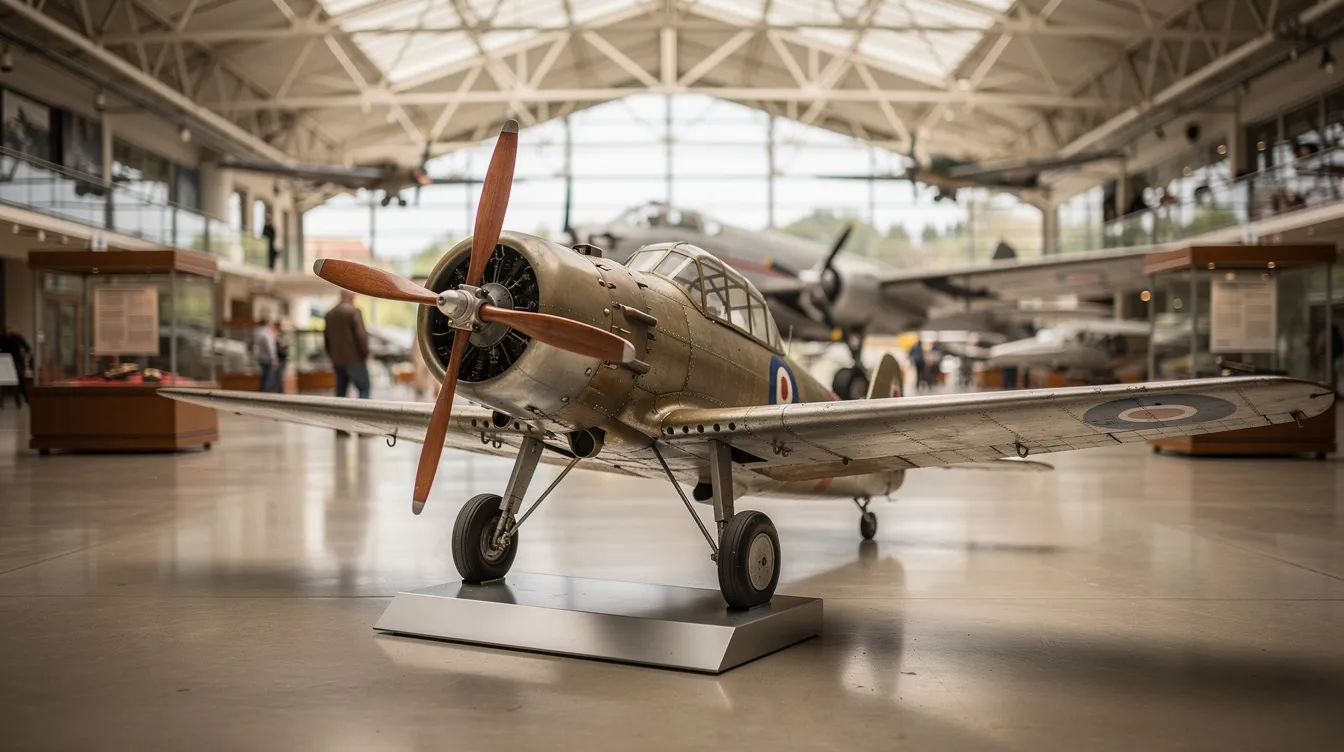
While these machines thrill aviation enthusiasts, they are entirely irrelevant to business travelers or BlackJet members seeking safe, repeatable, comfortable regional or intercity travel.
Where To See The World's Smallest Planes Today
Bumble Bee I: On display at Pima Air & Space Museum in Tucson, Arizona, alongside the Bede BD‑5J microjet - a plane just 12 feet 1 inch long, weighing only 358 pounds, capable of reaching speeds of 300 mph, and famously featured in the 1983 James Bond film Octopussy.
Beecraft Wee Bee replica: Viewable at the San Diego Air & Space Museum in Balboa Park, California, making it accessible to West Coast visitors.
Stits SA‑2A Sky Baby: Preserved at the Steven F. Udvar-Hazy Center (Smithsonian National Air and Space Museum), Virginia.
Stits DS‑1 Baby Bird: Held in private collections and EAA archives, occasionally displayed at Midwestern museums.
Check museum collections online before traveling, as some tiny aircraft rotate between display and storage. For the dedicated enthusiast, consider combining a visit to Pima Air with a privately arranged flight into Tucson - a seamless way to blend niche aviation history with efficient travel.
From The World's Smallest Airplane To Today's Best Small Aircraft You Can Actually Use
The fascination with micro aircraft proves what is physically possible, but practical small aircraft must prioritize safety features, range, payload, avionics, and comfort - areas where modern designs excel. Small aircraft are used for agricultural spraying and medical evacuations as well as personal use and business transport, demonstrating their versatility across missions, especially when paired with affordable private plane options for budding aviators.
The categories relevant to BlackJet clients include training and entry‑level pistons, high‑performance pistons, utility turboprops, and light jets. Many of these access smaller regional airports with modest runway requirements, but with vastly better performance envelopes and safety margins than anything Bumble Bee II could offer. Small aircraft are primary training vehicles for aspiring pilots and the backbone of personal aircraft ownership worldwide.
Classes Of Small Airplanes: From Two‑Seat Trainers To Light Jets
Small aircraft typically have a maximum takeoff weight of 19,000 lbs or less and can seat up to 19 passengers.
Small aircraft often feature high-wing or low-wing designs depending on the mission profile. Here is how they break down:
Single‑engine training pistons (Cessna 152, Cessna 172 Skyhawk, Piper PA‑28 Warrior): 2–4 seats, cruise 90–120 KTAS, range 400–800 nm. Ideal for flight training and short personal trips.
High‑performance pistons (Cirrus SR22T, Beechcraft Bonanza G36): 4–6 seats, cruise 170–210 KTAS. The Cirrus SR22T has a max range of 1,100 nautical miles - serious cross‑country capability.
Utility and executive turboprops (Pilatus PC‑12 NGX, Daher TBM 960, Cessna 208 Caravan): 6–9 seats, capable of short‑field operations. The Pilatus PC-12 NGX has a cruise speed of 285 KTAS, while the Daher TBM 960 can cruise at speeds up to 330 KTAS.
Very light and light jets (Cirrus Vision Jet, Embraer Phenom 100EV, HondaJet Elite II, Citation M2 Gen2): 4–7 seats, cruise 300–420 KTAS, pressurized cabins, advanced avionics. These small private jets for luxury travel balance speed, comfort, and efficiency, and the Cirrus Vision Jet costs approximately $3.3–$3.5 million new.
None of these approaches "world's smallest airplane" dimensions, but they are still considered small planes in the broader aviation market - and they are central to BlackJet's Jet Card and 25+ Hour Jet Card solutions and charter offerings.
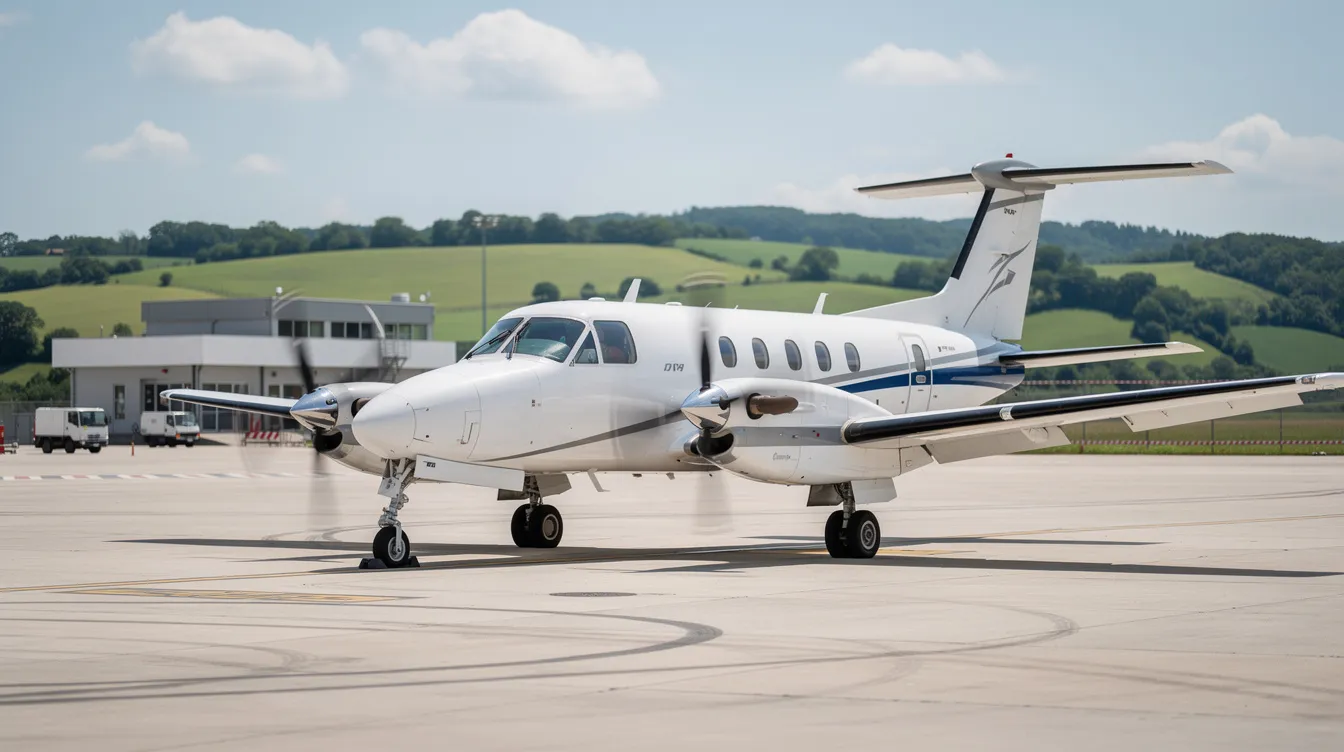
Top Small Planes For Aviation Enthusiasts And Aspiring Pilots
These are the realistic aircraft that pilots own, rent, or train in - a world apart from the extreme Bumble Bee II concept, yet still aligned with pilots searching for the cheapest new plane options that balance performance and cost.
Cessna 172 Skyhawk: The Cessna 172 Skyhawk has over 44,000 units built since 1955 and remains in production. Four seats, high wing, ~120 KTAS cruise, and a max range of 600–700 nautical miles. It dominates flight training worldwide. A new model runs roughly $400,000+, with affordable used small plane options available on the used market.
Piper PA‑28 Cherokee family: Low‑wing four‑seat light aircraft introduced in the 1960s. Durable, stable, and common in flight schools. A popular path for any aspiring flight instructor or student.
Diamond DA40 NG: Composite construction with an efficient Austro diesel engine. The Diamond DA40 NG burns approximately 5–6 gallons per hour - impressive fuel efficiency for a four‑seat airplane. Cruises around 145–150 KTAS with a strong safety record.
Cirrus SR22 series: Advanced glass cockpits, whole‑airframe parachute system (CAPS), and strong performance. The Cirrus SR22T has over 8,000 units delivered since 2003. New SR22 prices exceed $800,000.
On the aircraft sales and ownership side, hangar fees, maintenance, insurance, and fuel costs often exceed the purchase price over a decade of operation - making alternatives like Jet Cards appealing for those who value time and flexibility over wrench‑turning.
Beechcraft Bonanza And Other Premium Small Aircraft For Serious Travel
The Beechcraft Bonanza stands as a benchmark for high‑end small plane travel, with a continuous production lineage since 1947. The G36 model seats up to six, cruises around 170 KTAS with a range exceeding 900 nm, and commands new prices above $1 million. Older models offer more accessible entry points for owner-pilots seeking speed, comfort, and reliability.
Compare the Bonanza with the Cirrus SR22T or Diamond DA50 RG - all serve the same mission of fast, comfortable personal travel with varying technology and fuel types (Jet‑A diesel vs. avgas). A four‑seat SR22T can fly a 500–700 nm route like New York–Chicago nonstop at ~180 KTAS, turning a multi‑leg commercial journey into a same‑day ride, much like the cheapest private jet options for efficiency‑minded travelers that prioritize time saved over cabin size.
These aircraft are ideal for pilots who want hands‑on control, while many BlackJet members prefer to outsource flying entirely to professional crews on turboprops and jets. For those comparing options, a guide to the best small private aircraft for every need highlights how to align missions with the right platform. The contrast with the cramped, high‑risk cockpit of the Bumble Bee II could not be sharper: pressurized cabins, climate control, and room to work versus a fuselage you wear like a suit.
How Small Planes Unlock Strategic Advantages Over Commercial Airlines
Small aircraft can access thousands of smaller airports that commercial carriers ignore. Here is where the advantage compounds:
Time reclaimed: No TSA lines or boarding queues. Typical departures allow arrival 20–30 minutes before takeoff. A two‑day commercial trip often shrinks to a single‑day loop.
Airport density: Land at Teterboro for Manhattan, or Scottsdale for Phoenix, cutting ground transfer to minutes.
Runway flexibility: Turboprops like the PC‑12 NGX operate from ~3,000 ft runways, expanding access to remote destinations. Small aircraft can operate effectively in low-altitude, non-radar airspace that jets and airlines cannot reach.
Productivity and privacy: A small cabin becomes a flying conference room - a secure, quiet environment for high‑level work impossible in airline first class.
BlackJet's Jet Card model delivers these advantages with predictable hourly jet card cost, guaranteed aircraft class availability, and carbon‑neutral flights.
Safety, Technology, And Sustainability In Modern Small Aircraft
Safety: Professionally operated small aircraft use experienced, type‑rated crews under strict maintenance regimes. Whole‑airframe parachutes on Cirrus models and audited programs from ARGUS and Wyvern represent a new level of risk mitigation versus experimental record‑chasers.
Technology: Advanced avionics such as Garmin G1000/G3000 suites, synthetic vision, datalink weather, and autoland features give small turboprops and jets flight decks comparable to airliners. These innovations continue to drive improvements in situational awareness and control.
Sustainability: Fuel‑efficient turboprops, Jet‑A diesel pistons like the DA40 NG, and growing availability of Sustainable Aviation Fuel (SAF) in charter fleets are reshaping the industry's environmental footprint. Small aircraft often have lower operating costs compared to commercial jets when measured per mission. BlackJet ensures every Jet Card flight is carbon‑neutral through verified offsets and, where available, SAF uplift.
Choosing Between Owning A Small Plane And Using A Jet Card
The economics break down clearly:
Full ownership makes sense above ~200–300 flight hours per year. Even a basic single‑engine plane costs tens of thousands annually in hangar, insurance, maintenance, and engine overhaul reserves - a significant investment before fuel enters the equation, which is why many compare these expenses with the cheapest private aircraft and alternative access models.
Charter suits occasional flyers under 50–75 hours per year who want on‑demand access without fixed commitments, though pricing and availability vary, especially for larger groups where chartering planes for around 100 passengers can be a strategic choice.
Jet Cards fill the sweet spot for 75–200 hours per year: prepaid blocks at fixed rates, guaranteed aircraft class, zero crew or maintenance management. Travelers evaluating a 100-hour jet card cost structure will often find this a cost-effective alternative to ownership for most frequent travelers.
Consider a client who flies a Beechcraft Bonanza for short leisure hops but uses a BlackJet Jet Card for longer business legs where productivity, rest, and guaranteed schedules matter more than stick time. That flexibility - matching the right aircraft to each journey - is impossible when locked into a single-owned airplane.
Sample Trip Scenarios: How Small Aircraft Outperform The "World's Smallest Airplane" In Real Life
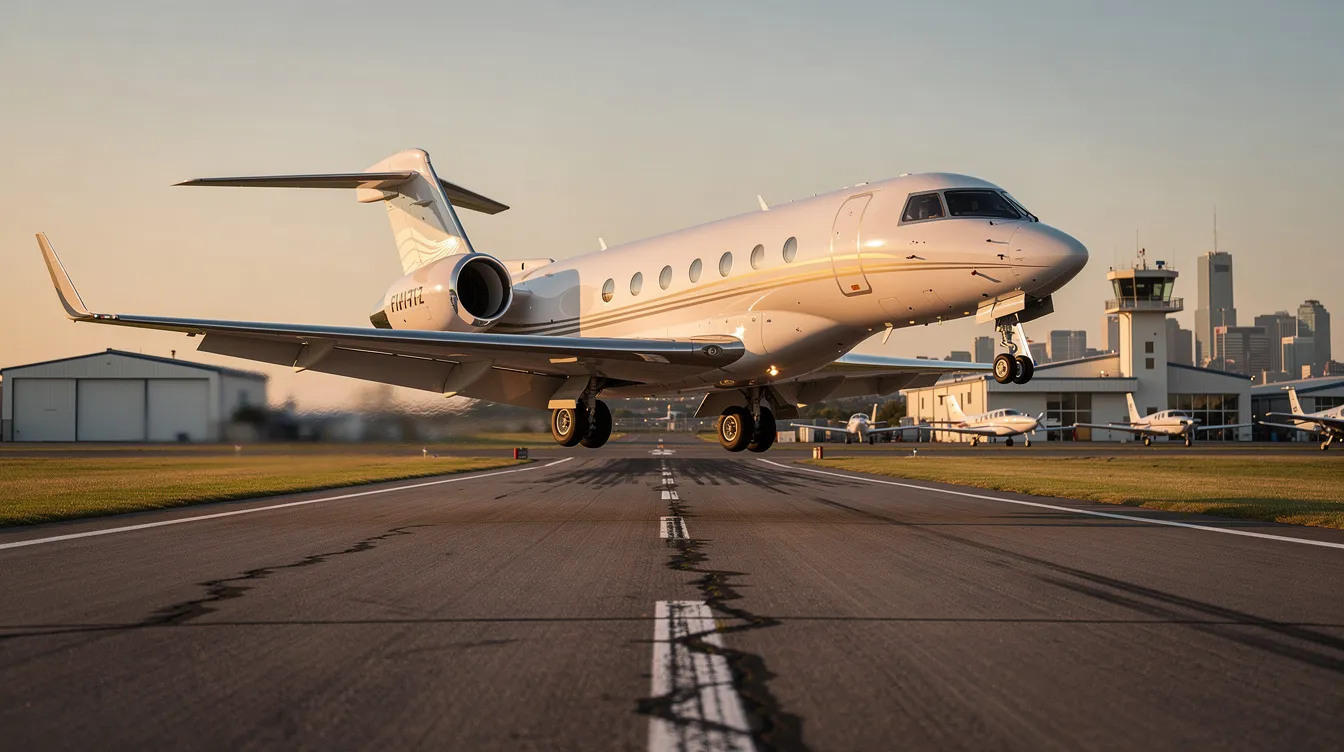
300 nm weekend (LA → Lake Tahoe): A Cirrus SR22 completes this in roughly two hours with four people and luggage. The Bumble Bee II? Neither the range nor payload - and certainly not the safety margin - for such a flight.
600–700 nm executive day trip (New York → Chicago): A HondaJet Elite II or Phenom 100EV covers the leg in under two hours with a professional crew and secure cabin for working en route. A record‑small plane is a pure stunt with no capability for this mission.
Remote airfield access (Idaho backcountry): The Cessna 206 Turbo Stationair HD has a maximum range of about 703 nautical miles and handles short, rough strips safely while carrying teams and gear. Micro aircraft with razor‑thin performance margins cannot attempt this.
Multi‑city regional tour (Dallas → Houston → Austin → Dallas): A small jet via BlackJet Jet Card makes this tri‑city loop practical in a single day, reclaiming time that commercial connections would consume across an entire life of layovers.
Record‑small planes are important historical curiosities. Modern small aircraft - and the access models around them - are what truly change how executives and high‑net‑worth individuals move through the world.
FAQs About The Smallest Planes And Modern Small Aircraft
What is the smallest airplane ever flown?
The Starr Bumble Bee II, with a wingspan of approximately 1.9 meters (6 ft 3 in) and a length of about 9 ft 4 in, holds the Guinness World Record for the smallest piloted powered airplane. Its record flight took place on 2 April 1988 in Arizona.
Is it legal to fly record‑small experimental aircraft today?
Yes, under the "experimental" certification category in the U.S. and equivalent frameworks elsewhere. However, these aircraft cannot carry passengers for hire, face strict insurance limitations, and are generally flown only for exhibition or personal recreation.
What is the smallest plane I can realistically train in?
The Cessna 152 and Piper PA‑28 Warrior are the most common two‑ and four‑seat trainers worldwide. The Cessna 172 Skyhawk is the dominant four‑seat training platform, with tens of thousands in active service.
Are small planes safe?
Safety depends on aircraft type, maintenance standards, pilot training, and operator oversight. Professionally managed charter and Jet Card operations match or exceed airline‑like safety cultures, using certified crews and audited programs. Experimental homebuilts carry significantly higher risk.
What is the most affordable way to experience small aircraft flying?
Discovery flights at local flight schools start around $150–$300. For those who prefer to be a passenger rather than a student, on‑demand charter and Jet Card programs provide access without the steep learning curve or the cost of personal ownership.
How quickly can I access a small jet via BlackJet?
BlackJet Jet Card members typically secure aircraft class availability within 12–24 hours, with same‑day options where feasible - making spontaneous travel a realistic possibility, especially when leveraging the best jet cards for frequent flyers.
Conclusion: From Bumble Bee II To BlackJet - Redefining What "Small" Really Means
The Starr Bumble Bee II will forever stand as a monument to human ingenuity - proof that a determined pilot and an 85 hp engine can defy every practical assumption about how small an airplane can be. But from Sky Baby to Wee Bee to Cri‑Cri, the history of tiny aircraft makes one truth clear: smallest does not mean best. For serious travelers, modern light aircraft, turboprops, and jets deliver the real value in time saved, safety, comfort, efficiency, and flexibility. Explore more about these practical options in our guide to the best small airplanes.
BlackJet exists at the intersection of that evolution, giving members on‑demand, carbon‑neutral access to a curated range of small aircraft categories via Jet Cards, without the risks and responsibilities of owning or operating a plane themselves. Learn more about BlackJet's premium private jet card programs and discover how tailored access to the best small aircraft can reshape your business and leisure travel.](LINK 12)


 Sign up with google
 Sign up with Apple