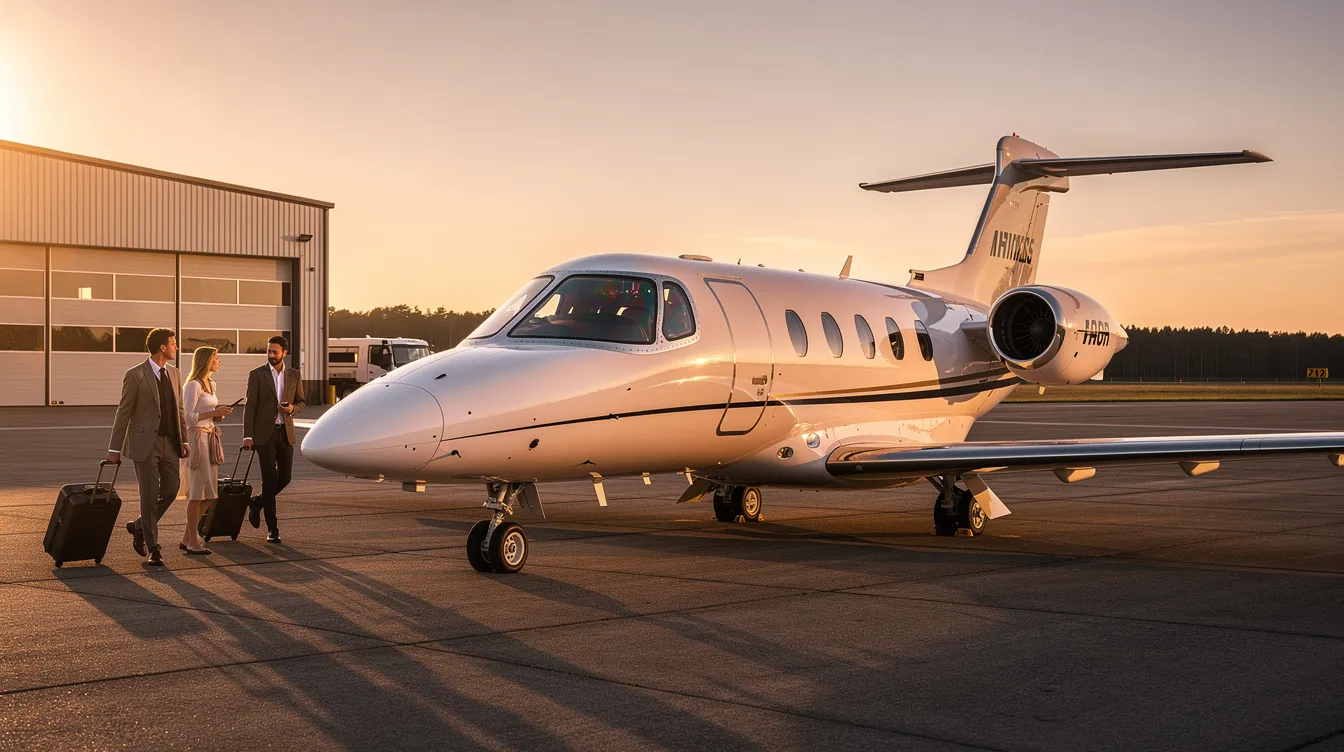
Private aviation is not simply a luxury - it is a strategic advantage for executives, entrepreneurs, and families who value time as their scarcest resource. Very light jets sit at the smallest end of the private jet aircraft category, yet they deliver an outsized return in speed, flexibility, and access. These aircraft typically seat 4 to 5 passengers, cruise at speeds between 365 and 486 mph, and can access around ten times more airports than commercial airlines - turning a grueling four-hour New York–to–Boston airline ordeal into a 45-minute flight from a private terminal.
Very light jets provide a smaller footprint for jet travel without sacrificing the core benefits of flying private: privacy, schedule control, and the ability to reach smaller airports that commercial carriers never touch. In 2025–2026, purchase prices for pre-owned very light private jets range from roughly $1.5 million to $3 million, while new models span $3 million to $8 million. Charter rates generally start at $1,800 per hour and climb depending on aircraft and route.
At BlackJet, we offer premium Jet Card programs - 25-hour and 50-hour blocks - that give members access to very light jets, light jets, and larger aircraft with carbon-neutral flights, transparent pricing, and 24/7 support, all without ownership. The rest of this article breaks down very light jet cost across three paths: owning, on-demand private jet charter, and Jet Card membership, with concrete per-hour examples and real routes.
What Counts as a Very Light Jet (VLJ)?
A very light jet is a small, pressurized aircraft with a maximum takeoff weight typically under 10,000–12,500 pounds, optimized for short trips carrying a compact passenger count. Very light jets typically seat 4 to 5 passengers and are designed for efficient single-pilot operation - many VLJs are single-pilot certified, reducing pilot costs for qualified owner-operators.
The very light jet category sits below the light jet category in size, range, and cost, and well below any midsize jet or heavy jet class. Most very light jets feature short runway performance, high fuel efficiency relative to larger jets, and a regional mission focus. Very light jets can fly non-stop up to 1,250 nautical miles, with a typical range of 1,100 to 1,300 miles, making them suitable for short to medium-range trips.
Here are the defining models in the category:
The Cirrus Vision Jet has a maximum range of 1,200 nautical miles and features a parachute safety system - a unique safety innovation in the entry-level jet segment. It is a single-engine design, often considered the most affordable aircraft in this class.
The Cessna Citation Mustang offers a maximum range of 1,150 nautical miles and remains one of the most popular very light private jets on the pre-owned market.
The Embraer Phenom 100 can fly up to 1,178 nautical miles, offering a slightly more spacious cabin for its category.
The HondaJet HA-420 has a maximum cruise speed of 486 mph, the fastest in the class, with its distinctive over-wing engine design.
Compared with light aircraft like turboprops (TBM 960 or Pilatus PC-12, such as a King Air), jets cruise faster, fly higher above weather, and sit in a different insurance cost band. Many buyers see very light jets as the logical upgrade from high-performance single-engine aircraft - gaining jet speed and cabin comfort without jumping straight to a large private jet or midsize aircraft. Owning a VLJ offers a more accessible entry into jet ownership compared to larger aircraft categories.
Acquisition Cost: How Much Does a Very Light Jet Actually Cost to Buy?
The purchase price of a very light jet varies dramatically based on model, age, and engine type. In 2025–2026, the pre-owned market spans from pre-owned Eclipse 500 jets averaging $700,000 at the low end, to late-model HondaJets listed between $3.0 million and $4.5 million.
Specific model pricing in today's market:
The Cirrus Vision Jet is the cheapest very light jet to buy new at approximately $2 million, with pre-owned late-2010s examples trading from roughly $1.9 million. This personal jet has become the cheapest private jet option for aspiring owner-operators.
The Cessna Citation Mustang sold 479 units from 2006 to 2017 before production ended. Pre-owned aircraft trade between $1.5 million and $2.5 million depending on avionics upgrades, engine programs, and total cycles.
A new Embraer Phenom 100 costs approximately $5.5 million; used Phenom 100 and 100E models trade between $2.0 million and $3.2 million.
HondaJet HA-420 examples from 2016–2021 list $3.0 million to $4.5 million depending on hours and interior specification.
What drives these differences? Total airframe time, enrollment in maintenance programs like ESP Gold or PowerAdvantage, avionics generation, damage history, and region of registration. Pre-purchase inspections are critical to assessing an aircraft's condition before any transaction, and depreciation can reduce an aircraft's market value significantly over time - particularly for older VLJs with outdated cockpit technology.
Total ownership costs extend well beyond purchase price to include operating, financing, and maintenance expenses. For most high-net-worth travelers flying under 150 hours per year, charter or smart access to the cheapest private aircraft options via Jet Cards and other programs often proves more cost-efficient than owning your own jet.
Operating Costs of Very Light Jets: Fixed and Variable
Operating costs split into two categories. Fixed costs hit your budget whether you fly or not: hangar, insurance, crew, training, and capital. Variable operating costs scale with every hour flown: fuel, maintenance reserves, and landing fees.
Typical annual fixed costs for a personally owned VLJ flying roughly 150 hours per year:
Hangar or tie-down: $20,000–$60,000 per year depending on airport and climate
Insurance (hull and liability): $20,000–$40,000 annually
Training and recurrent simulator checks: $10,000–$25,000 per year
Hiring a professional pilot can add substantially to annual ownership costs - often $80,000–$120,000 or more in salary and benefits.
Fixed annual operating costs for a VLJ can total between $300,000 and $600,000 per year once all line items are factored in.
Variable costs per flight hour typically range from $800 to $2,500 depending on the specific aircraft:
Fuel accounts for a significant portion of variable operating costs. VLJs burn 60–130 gallons per hour in typical cruise, with some configurations burning up to 200 gallons per hour at higher power settings. At roughly $6.50–$8.00 per gallon for Jet-A, fuel cost alone runs $360–$1,000+ per hour.
Maintenance reserves (engines, airframe, avionics) add $300–$600 per hour. Owners of VLJs may benefit from engine maintenance programs for predictable budgeting rather than facing large unscheduled overhaul bills.
Operating costs for the Cessna Citation Mustang run approximately $1,000 to $1,200 per hour in direct costs.
Annual operating costs for a VLJ can range significantly based on usage patterns. Owning a VLJ typically requires careful budgeting due to these substantial operational costs, and proper maintenance budgeting is critical for aircraft owners to mitigate unexpected expenses. Resources that explain jet card cost per hour can clarify how programs convert these expenses into predictable pricing. BlackJet's Jet Card model removes these fixed costs entirely, converting them into predictable per-hour charges with carbon offsets included.
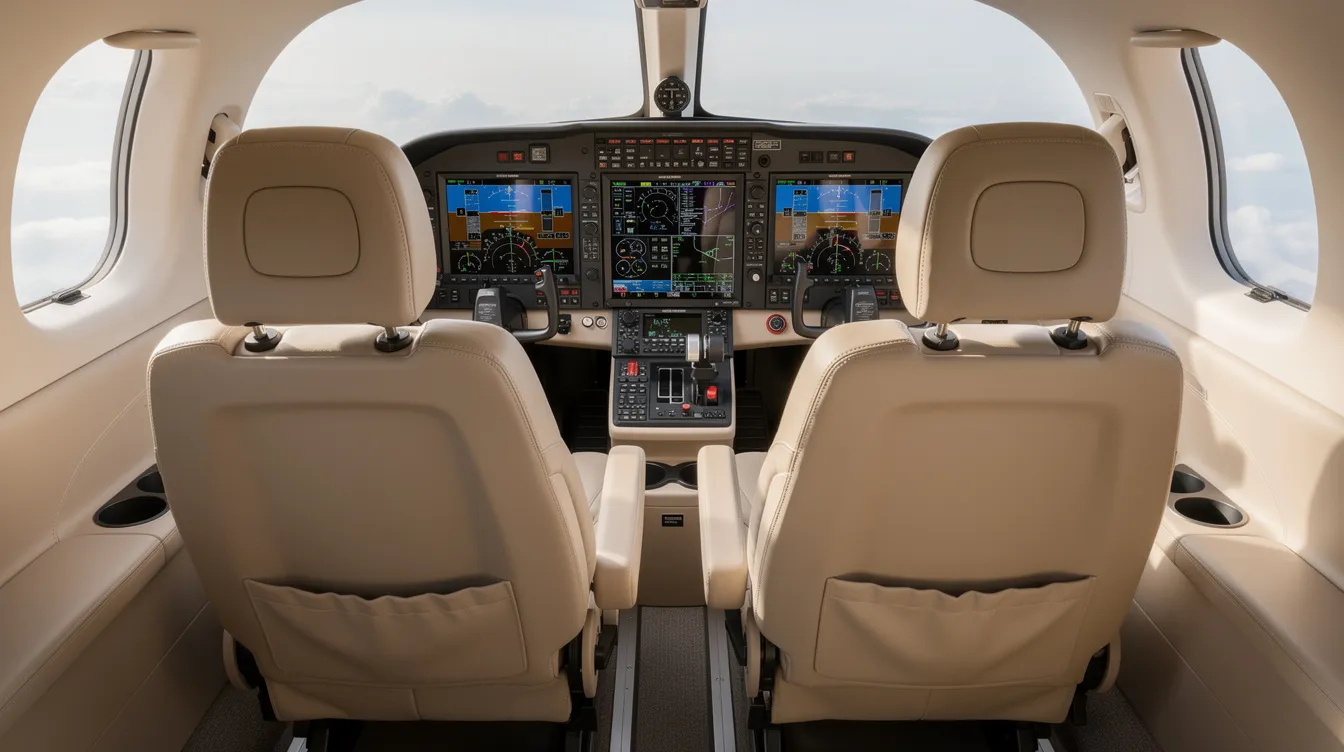
Charter Cost Per Hour for Very Light Jets vs Other Aircraft Categories
Charter cost per hour is the billed flight time rate for a specific aircraft type - distinct from the full trip total, which also layers in applicable taxes, crew expenses, and airport fees. When all costs are included, hourly rates for very light jets range from $5,648 to $6,903 on an all-in basis for many domestic missions. Base charter rates before surcharges typically start lower:
Very light jets: approximately $1,800–$3,000 per hour base rate
Light jets: roughly $2,500–$4,000 per hour
Midsize jets: commonly $4,000–$7,000 per hour
Super-mid, large jets, and ultra-long-range aircraft: $7,500–$18,000+ per hour
For a deeper breakdown of how light jet charter pricing compares, the differences become clearer at scale.
Per-hour billing usually includes a minimum flight time - typically 1.5 to 2 hours per leg - plus potential positioning flights. For travelers exploring the charter cost of a small plane, these same factors often apply across aircraft categories. Factors that push very light jet cost higher include peak holiday dates, limited aircraft availability near your departure airport, and premium FBOs at high-fee airports like Teterboro or Van Nuys.
BlackJet clients see transparent pricing: the per hour aircraft rate plus taxes, handling, and carbon-neutral surcharges are already integrated, minimizing surprises versus ad hoc charter where hidden fees can inflate the total cost by 20–40%.
Route Examples: Real Very Light Jet Trip Costs Per Hour
Numbers only matter when they map to trips you actually fly. Here are three common routes showing how very light jet cost per hour translates into real spend.
New York (TEB) to Boston (BED), day-return in a Citation Mustang: Block time runs about 0.8–1.0 hours each way, but most operators bill a 2.0-hour daily minimum per leg - 4.0 hours total. At $2,300 per hour all-in, this trip costs approximately $9,200 for 3–4 passengers. Split among four passengers, that rivals last-minute first-class tickets while saving each person roughly three hours of door-to-door flight time. The aircraft can access smaller airports on both ends, bypassing congested commercial terminals.
Los Angeles (VNY) to Napa (APC), weekend in a Phenom 100: Each leg is about 1.0–1.3 hours; typical billed time runs 3.0–3.5 hours round-trip. At $2,600 per hour average, the trip costs $7,800–$9,100 including standard ground handling. This is an ideal short-trip scenario where a very light jet flight profile delivers maximum value.
Dallas (DAL) to Aspen (ASE) in a HondaJet: Aspen's high-altitude runway adds performance considerations, but the HondaJet handles it well. With approximately 2.0 hours each way billed and an hourly rate of roughly $2,900, the trip totals about $11,600. Overnight crew fees and hotel costs may add extra.
Repositioning charges and overnight fees are the hidden variables that separate predictable Jet Card economics from ad hoc charter pricing.
For distances approaching the upper maximum range of very light jets - say, New York to Miami - stepping up to a light jet might be more cost-effective thanks to fewer fuel stops and better baggage capacity.
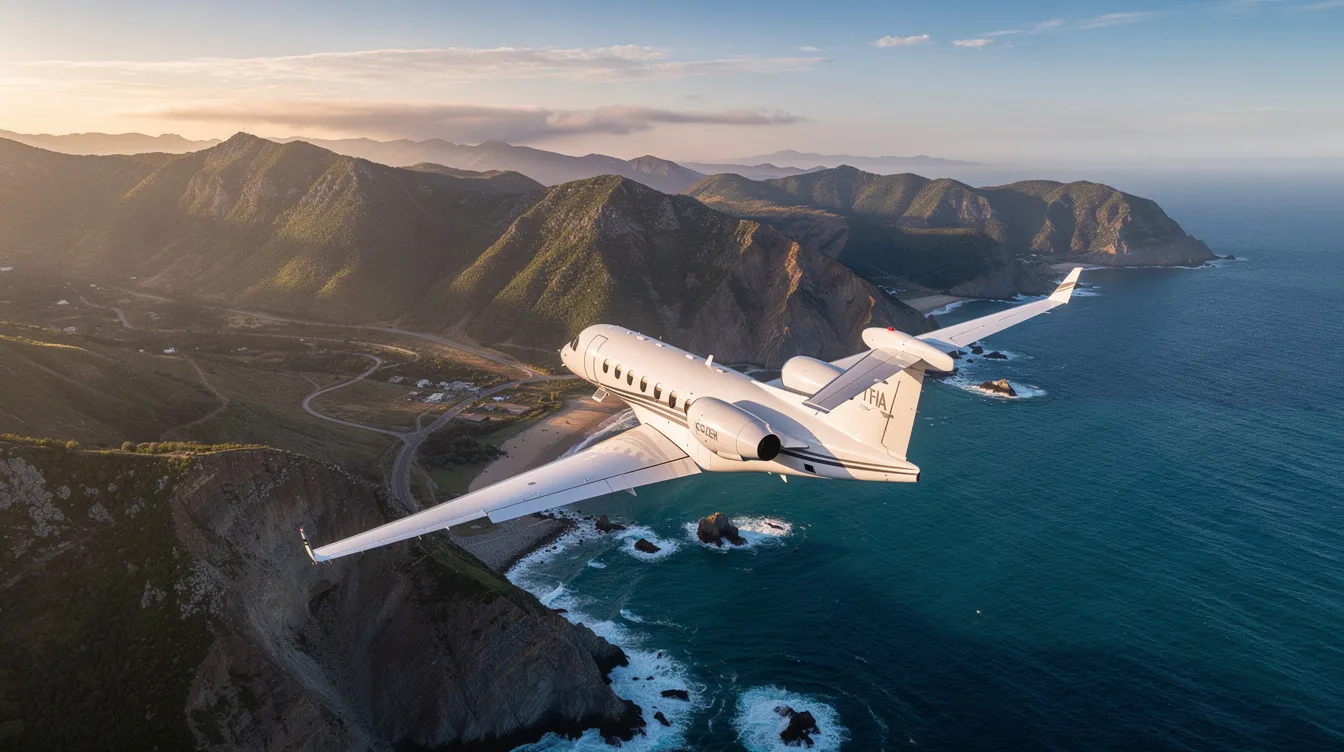
Very Light Jets vs Light Jets and Other Light Aircraft: Cost & Use-Case
The distinction between very light jets and the light jet category comes down to seats, range, and mission profile:
Aircraft Type | Seats | Typical Range (nm) | Hourly Cost | Cabin/Baggage | Notes |
|---|
Very Light Jets | 4–5 | 1,000–1,300 | $1,800–$3,000 | Compact | Optimized for short trips, small groups |
Light Jets | 6–8 | 1,500–2,000 | $2,500–$4,000 | More space | More cabin/baggage, sometimes stand-up |
Turboprops | 4–8 | 1,000–1,800 | $1,500–$2,800* | Varies | Lower speed, similar range, different feel |
Advanced turboprops (TBM 960, Pilatus PC-12) can be priced close to VLJs on a charter basis due to crew and overhead requirements.
Decision factors for choosing the right aircraft come down to practical variables: passenger count (flying with four passengers or seven changes the math entirely), distance and the need for nonstop legs, runway length at your destination, and baggage volume. Travelers comparing small private jets for flexible travel will often weigh these same trade-offs. A CEO doing monthly 500–700 nautical miles business meetings might find that a light jet actually delivers a lower cost per seat than a very light jet when consistently traveling with a team of five or six.
BlackJet advisors routinely profile routes and passenger loads to ensure matching aircraft to the mission - not simply recommending the cheapest per hour option, but the most efficient one for your specific aircraft needs.
Ownership vs Charter vs Jet Card: Which Makes Financial Sense?
Three primary paths give you access to very light jets:
Full or fractional ownership - you buy the aircraft (or a share) and absorb all fixed costs, depreciation, and risk.
Ad hoc private jet charter - pay per trip with no long-term commitment.
Jet cards and membership programs like BlackJet's 25-hour Jet Card or the broader BlackJet 25+ Hour Jet Card - prepay for block hours with predictable pricing.
Annual usage drives the financial decision:
Under 50 hours per year: ad hoc charter is typically most economical
50–150 hours per year: a Jet Card often balances cost, aircraft availability, and service level, and a detailed look at 50-hour Jet Card cost can help benchmark value across providers
200+ hours per year: fractional ownership or whole aircraft ownership may compete, especially for corporate flight departments
The effective cost per hour under full ownership - after factoring capital, depreciation, fixed costs, and variable operating costs - often reaches $3,000–$5,000+ for a very light jet at modest utilization. Charter runs $1,800–$3,000 per hour base rate. Jet cards carry a slightly higher published per-hour rate but include guaranteed availability, vetted operators, standardized safety certification, and transparent pricing with no hidden surcharges.
BlackJet Jet Cards offer prepaid hours across multiple aircraft categories - from very light jets to midsize jets and beyond - with 24/7 digital booking, guaranteed access on peak days, and carbon-neutral flights as standard. Guides to jet card pricing structures can further illuminate how different programs package hourly rates and fees. For sophisticated travelers, predictable spending often matters more than chasing the absolute lowest introductory rate.
Safety, Technology, and Sustainability: Hidden Drivers of Very Light Jet Cost
Modern avionics directly influence both acquisition price and operating costs. Garmin G1000 and G3000 suites, synthetic vision systems, envelope protection, and weather radar capabilities mean later-model VLJs command higher resale values. The Cirrus Vision Jet's Safe Return autoland and whole-airframe parachute represent innovative technology that adds cost but delivers measurable safety value - a factor that matters especially for personal use or family travel.
Aircraft certified for single-pilot operation still require recurrent simulator training and checkrides. Operators following rigorous safety standards such as IS-BAO, ARGUS, or Wyvern incur higher compliance costs but deliver lower risk for passengers meaningfully.
Sustainability is increasingly a factor in the aviation industry and the business aviation segment specifically. Carbon offset and sustainable aviation fuel programs add modest cost but reduce net emissions. Travelers comparing top affordable private planes will often factor in these environmental considerations alongside price. BlackJet ensures every flight - including on very light jets - is carbon-neutral by default, without adding complexity to member invoices. For those interested in the broader impact, our approach to green private jet travel explains how offsets integrate into Jet Card pricing.
Real-time flight tracking, mobile booking platforms, and predictive maintenance systems also cost money to operate - costs that are built into Jet Card pricing to enable fast re-accommodation and smarter aircraft matching when plans change.
Choosing the Right Very Light Jet for Your Trips and Budget
Start by defining your mission profile before comparing per-hour rates:
Average stage length: 300–800 nautical miles for most short trips
Typical passenger count: consistently 2, 3–4, or a full 5 passengers
Frequency: monthly, weekly, or seasonal bursts
Map popular very light jets to missions:
Cirrus Vision Jet: ideal for 1–3 passengers on shorter runways. An affordable aircraft for owner-operators and the cheapest private jet in this class.
Cessna Citation Mustang: proven workhorse for 2–4 passengers, common on U.S. East Coast and intra-Europe routes. A Cessna Citation with strong market trends in the pre-owned market.
Embraer Phenom 100/100EV: best when you consistently fly with 3–5 passengers and want a slightly larger cabin and baggage compartment.
HondaJet HA-420: strong choice when cabin comfort and speed matter on routes of 800–1,000 nautical miles, with fully reclining leather seats and premium interiors, making it a standout among small private jets.
BlackJet members are not locked into a single aircraft type. You can fly private on very light jets most of the year and seamlessly step up to a light jet or midsize jet when passenger load or range requires it - flexibility that can lower your annual cost per seat compared with owning one private plane.
FAQs: Very Light Jet Cost and BlackJet Access
What is the cheapest very light jet to own in 2026?
The Cirrus Vision Jet remains the most affordable new VLJ at around $2 million. On the pre-owned market, Eclipse 500 jets average approximately $700,000, though they carry higher maintenance complexity. Early Cessna Citation Mustangs start near $1.5 million. All options require careful evaluation of total cost beyond the purchase price.
How much does a very light jet cost per hour with a Jet Card vs ad hoc charter?
Base charter rates for very light jets run $1,800–$3,000 per hour, while all-in hourly rates - including applicable taxes, crew, and fees - can reach $5,648 to $6,903. Jet card pricing is typically slightly above base charter rates but includes guaranteed availability, safety vetting, and carbon offsets as standard; a deeper dive into jet card cost per hour can help you benchmark different programs.
Is a very light jet cheaper than a light jet for all trips?
Not always. For longer distances or groups exceeding four passengers, a light jet can deliver better cost per seat. Very light jets shine on short trips with smaller jets and compact groups, but reviewing a broader private jet price list and options can clarify when each category makes the most financial sense.
Can I use a Jet Card to book both very light jets and larger private jets?
Yes. BlackJet's Jet Card programs offer multi-category access. Members can book very light jets for short hops and upgrade to midsize or even a Dassault Falcon or heavy jet for long-range missions - all from the same prepaid balance, similar in concept to other top jet cards for frequent flyers.
How do carbon-neutral flights affect my per-hour rate?
BlackJet integrates carbon offsets into standard Jet Card pricing. There is no hidden add-on or surprise surcharge - every flight is carbon-neutral by default, even for clients who might otherwise consider billionaire-level private jet ownership with its substantial environmental footprint.
How BlackJet Makes Very Light Jet Access Predictable and Efficient
BlackJet's Jet Card model transforms the complexity of very light jet cost into something simple: prepaid hours that work across aircraft categories, with transparent per-hour pricing bands that include applicable taxes, standard handling, and carbon offsets. There are no hidden ownership burdens, no hangar fees, and no depreciation risk.
Our operational strengths matter when plans shift. BlackJet provides 24/7 real-time flight support with proactive rerouting, a curated network of vetted operators with rigorous safety certification, and a digital platform built for fast re-accommodation - not simply the lowest bidder on the market.
Consider a client flying 60–80 hours per year on short-haul business routes - Chicago to New York, Los Angeles to San Jose - primarily on very light jets but occasionally stepping up to a light jet for team travel. With BlackJet, every first flight and every hundredth flight receives the same standard of safety, service, and sustainability. No capital tied up in a depreciating asset. No management headaches. Just seamless access to the right aircraft for each mission, whether you charter whole aircraft or occasionally buy a seat on a private jet through shared options.
Elevate your travel - effortlessly. With BlackJet, private flight is accessible on your terms through our Jet Card programs, complete with rigorous safety, carbon-neutral performance, and unmatched flexibility. Whether you're evaluating 100-hour Jet Card cost considerations, comparing NetJets jet card pricing, exploring alternatives like Flexjet Jet Card options, or even weighing the features of a 20-million-dollar private jet or large private jets for 20 passengers, BlackJet positions Jet Cards as a flexible, capital-light solution. Our insights into the most expensive private jet options and top private jet companies can further inform your strategy. Explore BlackJet's Jet Card options and discover how refined, meaningful travel becomes your new standard.


 Sign up with google
 Sign up with Apple