For entrepreneurs, executives, and high-net-worth travelers in 2026, understanding airplane loan requirements is the difference between a strategic acquisition and a costly misstep. Here's what lenders actually evaluate, what documents you need ready, and when skipping ownership entirely may be the sharper move.
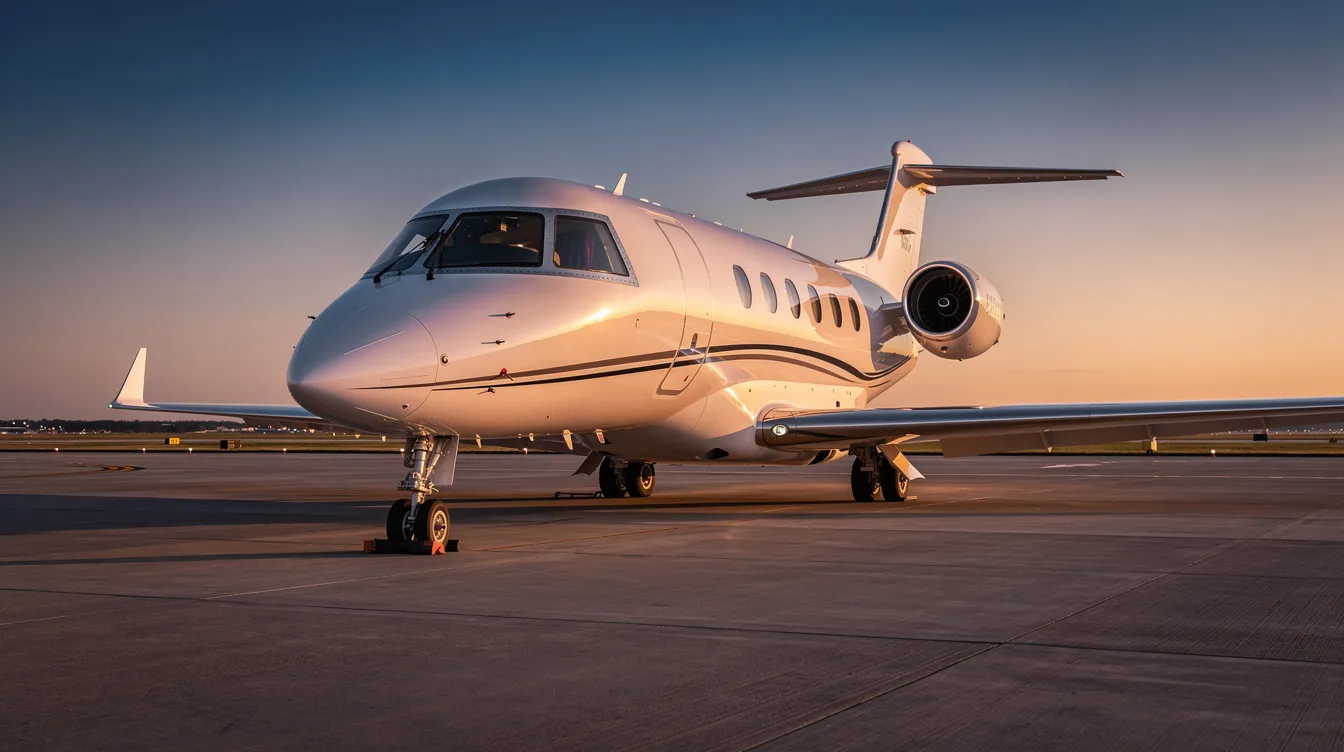
Strategic overview: airplane loans vs. smarter private jet access
Aircraft loans remain a primary tool for acquiring turboprops, business jets, and piston planes. But in the current environment, the decision to pursue aircraft financing should be weighed against alternatives that preserve capital and reduce risk, using resources that outline airplane financing options, structures, and tax strategies. The airplane loan requirements you face in 2026 center on three factors: your financial picture, the aircraft type and aircraft age, and how the plane will be used.
Buying with an aircraft loan ties up 15–30% as a down payment, saddles you with all maintenance, insurance, and crew costs, yet grants full control and eventual ownership. Leasing may lower upfront capital but introduces operating restrictions and residual value risk, which are explored in depth in comprehensive private jet leasing guides. Funding a Jet Card for 25–50 hours per year delivers prepaid access with zero ownership burden-no loan application, no hangar fees, no maintenance surprises.
Consider two real scenarios. An executive purchasing a 2018 King Air 350i at $4.5 million secures financing with 20% down ($900,000), demonstrates $2.5 million annual income, and plans to fly 250 hours per year-ownership clearly makes sense. Meanwhile, a business owner flying roughly 40 hours annually finds that a 25-hour Jet Card eliminates the entire loan process and fixed overhead, especially after reviewing jet card cost per hour comparisons against ownership. A large down payment reduces the amount borrowed, but for lighter travelers, that capital works harder elsewhere.
What is an airplane loan and when does it make sense?
An airplane loan is a specialized secured credit product used to finance piston aircraft, turboprops, jets, and sometimes helicopters. Loan terms for aircraft financing can range from 5 to 20 years depending on aircraft type, with jet financing often structured around shorter terms and balloon payments.
Unlike a car or mortgage, aircraft loans involve higher minimum amounts-often $75,000 to several million-more complex collateral evaluation, and aviation-specific underwriting tied to aircraft age and maintenance history. Commercial aircraft financing differs from personal aircraft loans; lenders treat business-use planes (particularly those operating under Part 135) as commercial credit, which alters documentation and insurance requirements.
An aircraft loan makes sense when owners fly 150–300+ hours per year, need guaranteed availability, or operate predictable routes for business purposes, though some high-usage travelers compare ownership to NetJets jet card program costs and benefits before committing capital. For frequent but lower-hour travelers-say 25–75 hours annually-the fixed costs of owning dominate. In those cases, a Jet Card or private jet charter delivers access without the weight of ownership, freeing capital for core investment priorities; understanding broader aircraft financing options and strategies can help you choose the right mix of ownership and access.
Core airplane loan requirements: your financial picture
Lenders care about your overall financial picture more than any single metric. Aircraft financing requires assessing borrower creditworthiness and collateral eligibility, but four pillars dominate the credit approval process: credit profile, income stability, debt-to-income ratio, and liquid assets.

Credit profile: Borrowers typically need a credit score of 680 or higher for aircraft loans. A credit score of 730+ qualifies for strong-tier pricing, and a credit score above 730 qualifies for better loan rates across most lenders. Some will accept high-600s for smaller planes, but only with compensating factors like a larger down payment.
Income documentation: Income stability is crucial for securing airplane loans. Required documentation for aircraft loans includes tax returns and financial statements-specifically 2–3 years of personal returns, recent pay stubs, and business financials (P&L and balance sheet) for corporate or LLC structures. Lenders want to see consistent, verifiable income that supports the payment alongside existing obligations.
Debt-to-income ratio: Lenders assess your debt-to-income ratio for loan approval, and lenders evaluate your debt-to-income ratio for loan approval across all obligations. Many aviation lenders prefer total monthly debt-including the new aircraft payment, insurance, hangar, and maintenance reserves-below 40–45% of verifiable gross income.
Liquid assets: Lenders often require liquid reserves covering 12 to 18 months of aircraft loan payments. These must be in accessible accounts-cash, money market funds, marketable securities-not tied up in retirement vehicles or illiquid real estate. This buffer matters most for larger loans above $1 million.
Aircraft-focused requirements: aircraft type, age, and usage
Lenders underwrite both you and the airplane. They weigh aircraft type, aircraft age, maintenance status, logbooks, and intended usage before granting loan approval. Aircraft loans involve verifying the aircraft's airworthiness and complete logbooks from first entry through the most recent annual inspection.
Aircraft types influence financing options and terms significantly, and large-cabin jets capable of carrying around 20 passengers—like those discussed in guides to 20-passenger private jets—often come with stricter lending criteria and higher reserves. Single-engine pistons often qualify for longer amortization and lower down payments. Light sport aircraft often have different financing terms than jets. Multi-engine pistons and turboprops introduce more risk, which lenders price into interest rates and LTV caps, so it pays to study the best small private aircraft for different missions before deciding what to finance.
Aircraft age and value significantly influence loan approval, particularly if you're considering 10-million-dollar private jet options where depreciation and resale trends matter. The aircraft market typically favors newer, well-maintained models for financing, and newer aircraft typically secure better financing rates. Many lenders prefer aircraft under 25–30 years old for turbines; certain high-demand models-late-model Cirrus SR22s, popular light jets-may qualify for the best terms due to strong resale markets. Airplanes with significant damage history may face stricter financing conditions or outright denial, and buyers weighing entry-level ownership can compare the most affordable private jet options before committing.
Aircraft financing qualifications include pilot experience and intended use considerations. Personal use under Part 91 has different underwriting than business or charter operations, which may require operating agreements, enhanced insurance endorsements, and proof of qualified management.
The role of down payment, LTV, and loan terms
Down payment size, loan-to-value ratio, and loan term length interact to determine your monthly payment and the lender's risk exposure. Getting these right can be the difference between favorable interest rates and a declined application, just as understanding how jet card pricing is structured is critical when comparing ownership with access programs.
A down payment of 15% to 30% of the purchase price is common in aircraft loans. For certified piston and turboprop aircraft with strong borrowers, 15–20% is typical. Older or specialized jets often require 25–30%. A large down payment reduces the amount you'll need to borrow; a down payment can lead to lower monthly payments, and a 20% down payment can improve loan rates significantly. Larger down payments reduce lender risk in airplane loans, and a substantial down payment demonstrates financial stability to lenders. A larger down payment can also improve loan approval chances substantially, so it should be modeled alongside the broader private jet price landscape and access options.
LTV ratios typically cap at 75–85% of appraised value, with stronger borrowers and newer aircraft securing the higher end. Interest rates for qualified buyers currently range from roughly 5–8%, depending on whether the plane is new or pre-owned.
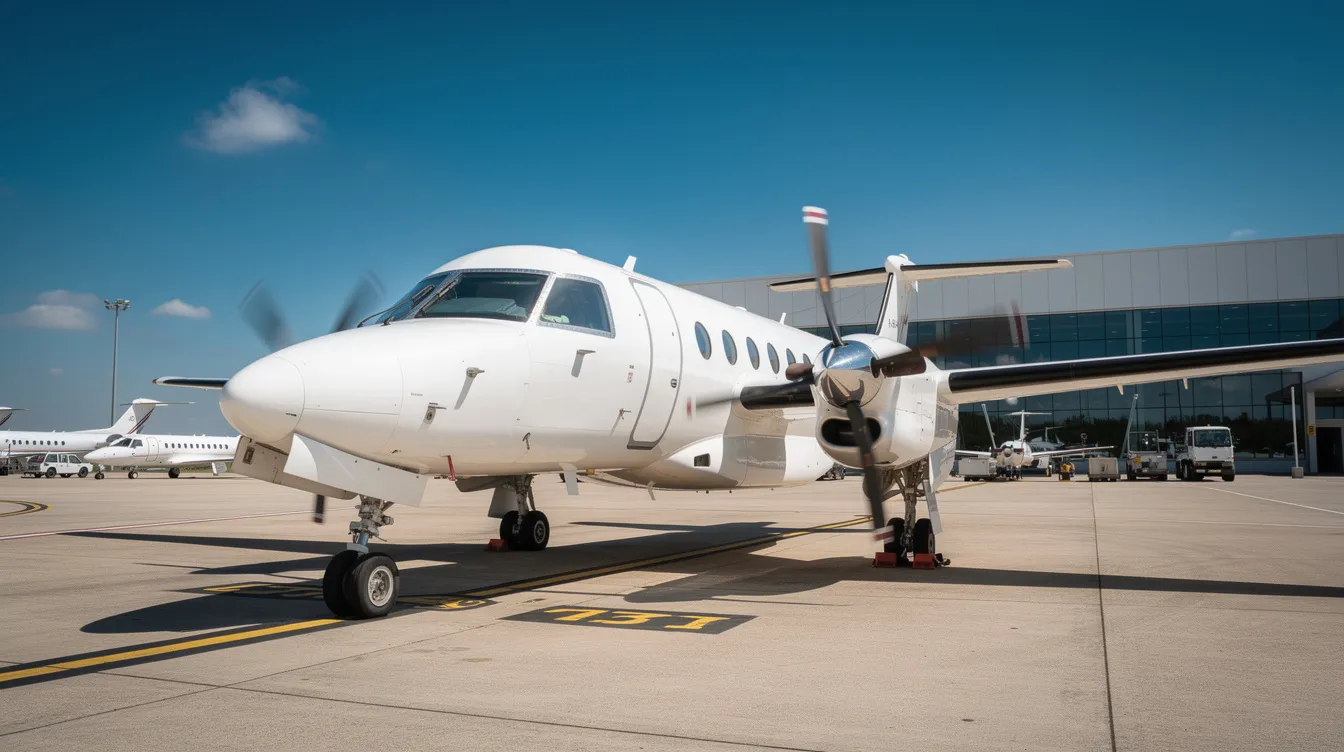
Numeric example: For a $750,000 turboprop with a 20% down payment ($150,000), the loan amount is $600,000. With a 15-year amortization at approximately 7.5% fixed, the estimated monthly payment falls in the $5,500–$6,000 range, excluding insurance, fuel, hangar, and maintenance reserves. Use a calculator to refine these numbers based on your specific factors. Budget for total ownership costs beyond the purchase price, especially if you're comparing full ownership with budget-friendly private aircraft options or flexible access models.
Documentation checklist: what you need before a loan application
Think of this as your pre-flight checklist. Having every document organized before the application process begins accelerates loan approval and signals credibility to lenders-which can help you negotiate the best terms.
Personal and financial documents:
Government-issued photo ID and pilot certificate (if applicable)
Credit authorization for the lender to pull your credit profile
Last 2–3 years of federal income tax returns, W-2s, or K-1s
Recent bank and investment statements verifying liquid assets
Business financials (P&L, balance sheet) if the entity is the buyer
Aircraft and collateral documents:
Signed purchase agreement with purchase price details
Aircraft registration (FAA N-number)
Complete maintenance logbooks-airframe, engine, propeller
Damage history and major repair records
Pre-buy inspection reports and photographs
Some lenders may request proof of aviation experience-logbook pages showing flight hours and type ratings-along with training plans or professional management details for larger aircraft. The typical aircraft purchase process includes pre-approval, inspection, and closing, though some buyers instead explore private jet leasing structures and providers to avoid traditional loan underwriting altogether. Pre-approval locks your rate for 30 days, giving you time to finalize the transaction. In many cases, approval can typically occur within 48 hours once documentation is complete. Getting pre-approved early gives you leverage when negotiating with sellers and helps you find the right lender for your situation.
Appraisal, insurance, and escrow: risk protections every lender expects
Even after you qualify personally, the lender must protect its collateral. Three mechanisms handle this: appraisal, insurance coverage, and escrow at closing.
Appraisal: An appraisal is required for financing used aircraft, a step that can be particularly important when evaluating the cheapest private aircraft suitable for financing. A qualified appraiser reviews market comps, maintenance status, engine time, and avionics condition. Appraisals must disclose deficiencies and recommended repairs, and appraisals include photographs of the aircraft. Public market information helps determine aircraft value, and the Aircraft Blue Book is used for aircraft valuation alongside current market data. If appraised value falls below the purchase price, the buyer covers the gap. Pre-purchase inspections are often required before closing an aircraft loan.
Aviation insurance: Insurance must cover hull and liability for aircraft loans. Many borrowers also benchmark coverage standards against top private jet companies known for safety and service when choosing operators or management firms. Insurers generally require hull and liability coverage naming the lender as loss payee. Lenders require insurance documentation before loan closing. The maximum deductible allowed is $2,500 or 1% of aircraft value, whichever applies per lender guidelines-this is the maximum deductible your policy can carry. Insurance protects both the aircraft owner and lender's interests across the life of the loan.
Escrow and closing: An escrow company handles purchase funds, loan proceeds, title searches, and regulatory filings. Lenders conduct title searches to ensure clear ownership of the aircraft without liens. Closing costs-including appraisal fees, insurance premiums, escrow fees, and registration-should be factored into your total transaction budget. Potential aircraft buyers should budget for additional costs beyond the purchase price and the down payment alone, or weigh those expenses against a premium BlackJet private jet card and charter experience that eliminates closing entirely.
Improving your chance of loan approval (and when to skip ownership)
Whether you pursue an airplane loan or decide ownership isn't the right plan, preparation is everything. Here are strategies to strengthen your aircraft loan application-and signs that refinancing your approach entirely makes more sense, including alternatives like unlimited private jet membership models that trade fixed loan payments for predictable subscription fees.
To improve approval odds:
Pay down revolving debt to lower your debt-to-income ratio before applying
Increase liquid assets by moving funds into accessible accounts-checking or brokerage
Correct any credit report errors well before submitting your loan application
Be flexible on aircraft age or price point; a newer, more popular model can affect lender willingness and qualify you for better terms.
Offering a larger down payment-moving from 15% to 25%, for example-can meaningfully shift the lender's risk assessment and unlock more favorable terms or longer amortization.
However, there are scenarios where owning simply isn't optimal. If you fly fewer than 50–75 hours annually, fixed costs dominate regardless of how favorable your financing options are. If maintenance complexity or resale risk concerns you, or if capital is better deployed in your core business, a Jet Card program delivers private access with a predictable, prepaid budget and zero ownership overhead; you can compare the best jet cards for frequent flyers to understand which structure fits your hours and routes.
BlackJet perspective: aircraft ownership vs. Jet Card access
Picture two travelers. One owns a light jet outright-navigating annual inspections, crew scheduling, hangar contracts, and insurance renewals. The other holds a BlackJet Jet Card, booking flights through an app, choosing the cabin class that fits each trip, and stepping aboard without a single ownership obligation, having already evaluated jet card pricing structures and benefits against traditional financing. Both fly privately. Only one carries the balance sheet weight.
BlackJet members avoid airplane loan underwriting entirely-no loan application, no appraisal risk, no prepayment penalties, no commercial versus personal use distinctions to navigate. Instead, they access multiple aircraft types and cabin classes on demand, backed by rigorous safety certification standards and vetted operators. Every BlackJet flight is carbon neutral at no extra cost-sustainability built into every journey.
Many clients intentionally defer or avoid purchasing a new aircraft by combining Jet Cards and private jet charter to cover 25–100 hours per year with predictable, prepaid budgets, often analyzing jet card cost per hour alongside charter quotes before committing. The value isn't just financial-it's the freedom to fly without the friction of ownership.
If you're still evaluating whether an airplane loan, aircraft financing, or Jet Card access best matches your flying profile, the answer starts with how you actually travel. Explore BlackJet's Jet Card programs, including the BlackJet 25+ Hour Jet Card for flexible access, and compare structures like a 100-hour jet card cost breakdown or 50-hour jet card pricing and value to discover how refined, seamless private travel becomes your new standard.
Frequently asked questions about airplane loan requirements
What credit score do I need for an airplane loan?
Many lenders look for a credit score of at least 680, while a score of 730 or higher may qualify borrowers for stronger pricing. Approval also depends on income stability, debt-to-income ratio, liquid reserves, down payment, and the aircraft’s age and condition.
How much down payment is required for an aircraft loan?
A down payment of 15% to 30% of the purchase price is common. The required amount varies with the aircraft type, its age and appraised value, and your financial profile. Putting down 20% or more may reduce the amount financed and can improve monthly payments and loan terms.
What documents do lenders require for an airplane loan?
Expect to provide tax returns, financial statements, bank or investment statements, and authorization for a credit check. Lenders may also ask for a purchase agreement, aircraft registration, maintenance logbooks, damage history, inspection reports, and details about your intended use and aviation experience.
Does a used aircraft need an appraisal and inspection?
An appraisal is generally required to finance a used aircraft, and lenders often require a pre-purchase inspection before closing. The appraisal documents the aircraft’s condition, value, deficiencies, recommended repairs, and photographs; lenders may also review market data and Aircraft Blue Book valuations.
What insurance is required before closing an aircraft loan?
Lenders typically require hull and liability insurance, with the lender named as loss payee, and proof of coverage before closing. Deductible limits vary by lender and policy; confirm the applicable requirement with your lender and aviation insurer early in the process.
Is buying an aircraft better than using a Jet Card?
Ownership can suit travelers who fly frequently, need consistent access to a particular aircraft, and are prepared to manage financing, maintenance, insurance, hangar, and crew costs. For travelers flying fewer hours or seeking flexibility across aircraft types, a Jet Card provides prepaid private jet access without a loan or ownership responsibilities. BlackJet’s Jet Card programs combine flexible booking, real-time support, rigorous safety standards, and carbon-neutral flights at no extra cost.
Conclusion: choose the right path to private flight
Airplane loan requirements reflect more than a borrower’s credit score: lenders also assess income stability, liquid reserves, down payment, aircraft value and condition, intended use, insurance, and complete documentation. Preparing these details early can make financing more straightforward and help you understand the full cost of ownership—not just the monthly payment. Review aircraft financing options and strategies and estimate total private jet ownership costs before deciding how to fund an aircraft.
For executives and frequent travelers flying 150–300 hours or more each year, ownership may provide the control and availability their operation requires. For those flying fewer hours, a Jet Card or private jet charter can offer private access without tying up capital in a down payment or taking on maintenance, insurance, and hangar obligations. Compare the options against your actual travel patterns, aircraft needs, and financial priorities before committing; our guide to Jet Cards, charter, fractional ownership, and aircraft ownership outlines the trade-offs.
Explore BlackJet’s Jet Card programs for flexible private jet access across cabin classes, supported by rigorous safety standards, real-time flight support, and carbon-neutral flights at no extra cost. Discover a more seamless way to fly—on your terms.


 Sign up with google
 Sign up with Apple