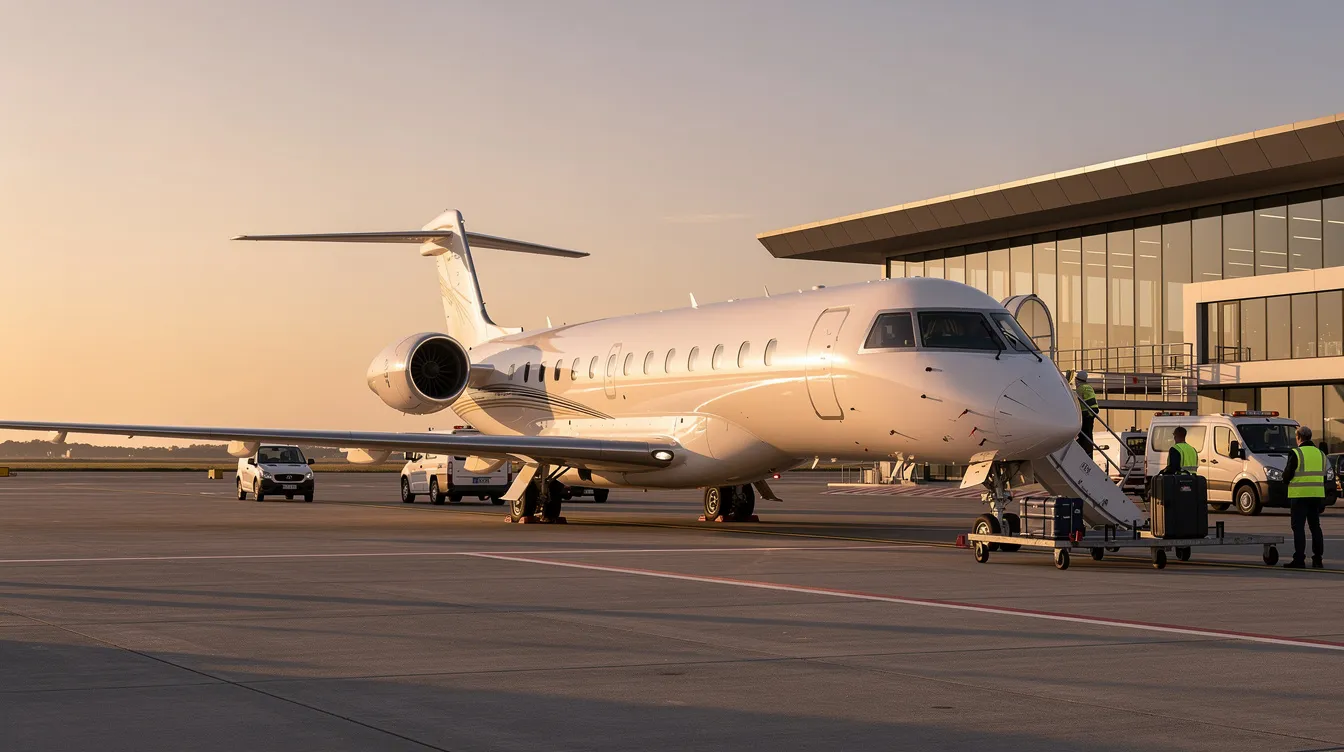
The Embraer EMB 170 sits at a compelling intersection in aviation-large enough to move an entire corporate team or sports roster in a single aircraft, yet refined enough to deliver an experience that rivals dedicated business jets. For the discerning traveler who needs more than a handful of seats, this regional jet rewritten for private use is a strategic asset, not just a plane.
This guide is for private flyers, corporate travel planners, and aviation enthusiasts considering the Embraer 170 for charter or group travel. We cover the aircraft's features, performance, comfort, and suitability for private charter operations.
Key Takeaways: Why Choose the Embraer 170 for Private Charter
The Embraer 170 uniquely bridges the gap between large business jets and commercial airliners, ideal for groups of 40 to 70 passengers seeking privacy and flexibility.
Its 2+2 seating layout eliminates middle seats, providing superior comfort with stand-up headroom and large windows that enhance the cabin experience.
With a maximum range of nearly 3,900 km and the ability to operate from short regional runways, the E170 offers operational versatility unmatched by many jets in its class.
The aircraft’s advanced fly-by-wire controls, efficient engines, and noise-reducing technology contribute to a smooth, quiet, and safe flight profile.
BlackJet integrates the Embraer 170 seamlessly into Jet Card programs, enabling predictable pricing and guaranteed availability for corporate and group travel needs.
Every Embraer 170 charter through BlackJet is carbon-neutral, combining sustainability with luxury and safety standards.
Compared to booking multiple smaller jets or commercial seats, the E170 streamlines logistics while delivering a premium onboard environment tailored to your group’s requirements.
These takeaways underscore the Embraer 170’s strategic value as a premier regional jet for discerning private aviation clients.
Strategic overview: why the Embraer 170 matters for private flyers
When a group of 40 to 70 passengers needs to travel together, the usual options are uninspiring: block-booking seats on a commercial flight, enduring hub connections, or splitting the party across multiple smaller jets. The Embraer 170 eliminates those trade-offs. Configured for private or semi-private charter, it delivers a first-class experience with the operational efficiency of an e-jet built for regional precision.
Compared with scheduled domestic service on the same route, a dedicated Embraer 170 charter saves time at every point of the journey-no security queues, no boarding delays, no layovers at congested hubs. Privacy is absolute, and the schedule bends to you, not the airline.
BlackJet clients encounter the Embraer 170 on bespoke charters and shuttle-style services for corporate groups, sports teams, and large incentive travel parties.
The aircraft is the launch member of the Embraer E-Jet family, with its first flight on 19 February 2002 and commercial service beginning in March 2004 with LOT Polish Airlines.
It has become a backbone of regional fleet operations across North America and Europe, proving itself on thousands of flights daily.
That same reliability translates directly into charter dependability: predictable performance, well-understood maintenance cycles, and global parts availability.
Embraer 170 at a glance: core specifications and performance
The Embraer 170 typically seats around 72 passengers in a standard single-class configuration and cruises at a maximum speed of Mach 0.82. Its range of approximately 3,700–3,900 km makes it ideal for regional and medium-haul sectors without refueling stops.
Seating capacity: 70–78 in single class; approximately 66 in dual-class configuration
Maximum range: ~3,889 km (2,100 nm) in long-range variant
Cruise speed: ~830–870 km h (Mach 0.75–0.82)
Maximum service ceiling: 41,000 ft (≈12,500 m)
Maximum takeoff weight (MTOW): ~35,950–37,200 kg depending on variant
Takeoff field length at MTOW: ~1,582–1,644 m (~5,200–5,400 ft)
Landing distance: ~1,228–1,241 m (~4,000 ft)
The aircraft can operate from airports with short runways and steep approach paths, which opens access to regional airports that larger airliners cannot serve. For private and corporate charters, operators often de-densify the cabin-fewer seats, more legroom, club-seating zones-transforming a standard regional airplane into a comfortable flying conference room.
Position in the Embraer E‑Jet family
The E-Jet family spans two generations. The first generation includes the E170, E175, E190, and E195; the second generation E2 variants (175‑E2, 190‑E2, 195‑E2) bring updated engines, redesigned wing tips with raked geometry, and reduced fuel burn.
The Embraer 170 (EMB170‑100 / ERJ170‑100) is the smallest first-generation member, optimized for 70–80 seat markets. Here is how it relates to its siblings:
The E175 is a stretched version of the E170, adding roughly 1.78 m of fuselage length. The E175 typically seats around 78 passengers and was first delivered to Air Canada in July 2005. Crucially, the E170 and E175 share 95% commonality in parts and systems, simplifying maintenance and crew training.
The E190 features a larger wing and more powerful engines. It can carry up to 100 passengers in a two-class configuration, serving denser regional routes.
The E195 is a further stretch of the E190 model, pushing single-class seating capacity above 108 seats.
The E2 generation brings significant efficiency gains, but notice that the 170 has no direct E2 equivalent-its niche remains served by the original airframe.
For a deeper look at the next size up, see our guide to the Embraer 175 jet.
Key aircraft features that define the Embraer 170 experience
The aircraft features that set the Embraer 170 apart center on cabin comfort, quiet operation, and confident handling qualities that matter far more to passengers than raw specifications.
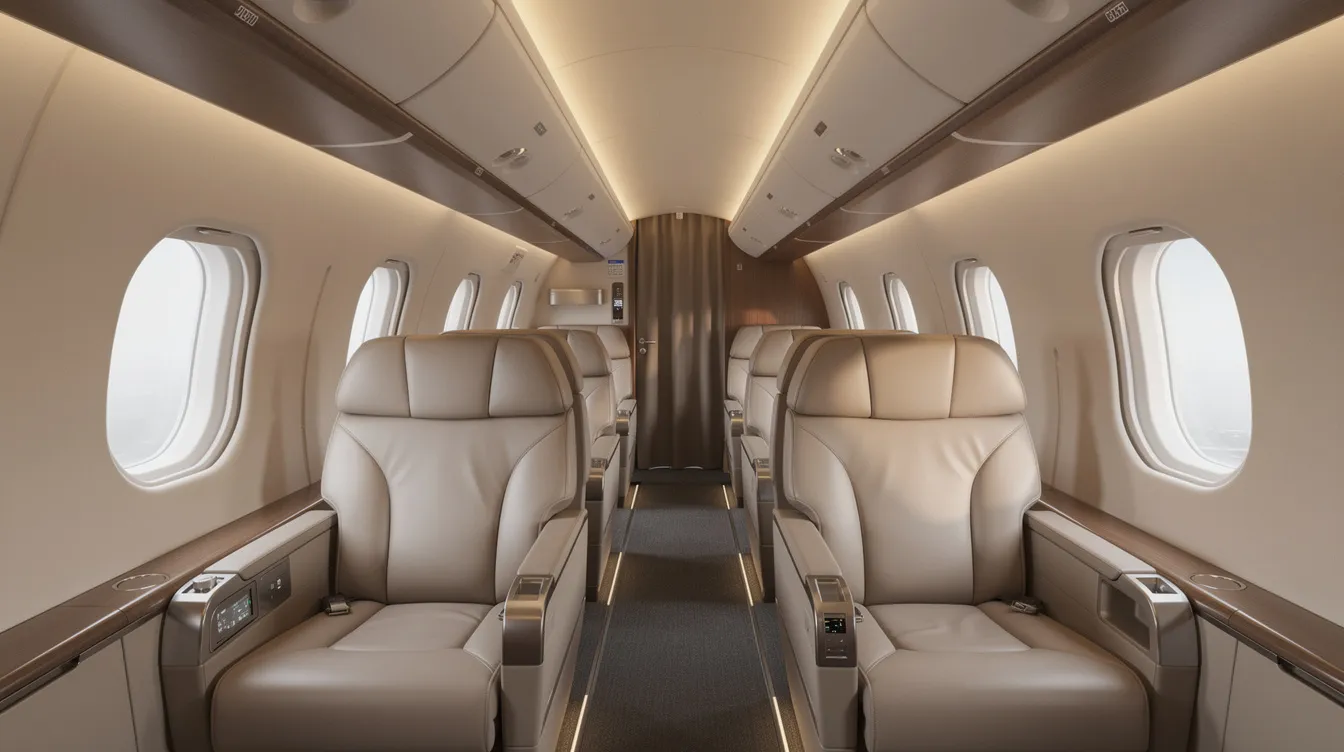
The 2+2 seating configuration means every passenger gets either a window or an aisle seat. There are no middle seats, eliminating the most common complaint in regional air travel.
The cabin design allows for stand-up headroom, with a cross-section of approximately 2.74 m wide and a ceiling height of around 2.0 m.
Large cabin windows measuring 185 sq in flood the interior with natural light-a noticeable upgrade from older regional jets.
The cabin design provides larger overhead bins for carry-on luggage, reducing the need to gate-check bags.
The E170 includes advanced fly-by-wire technology for flight controls and advanced digital avionics, reducing pilot workload and contributing to a stable, smooth ride in turbulence.
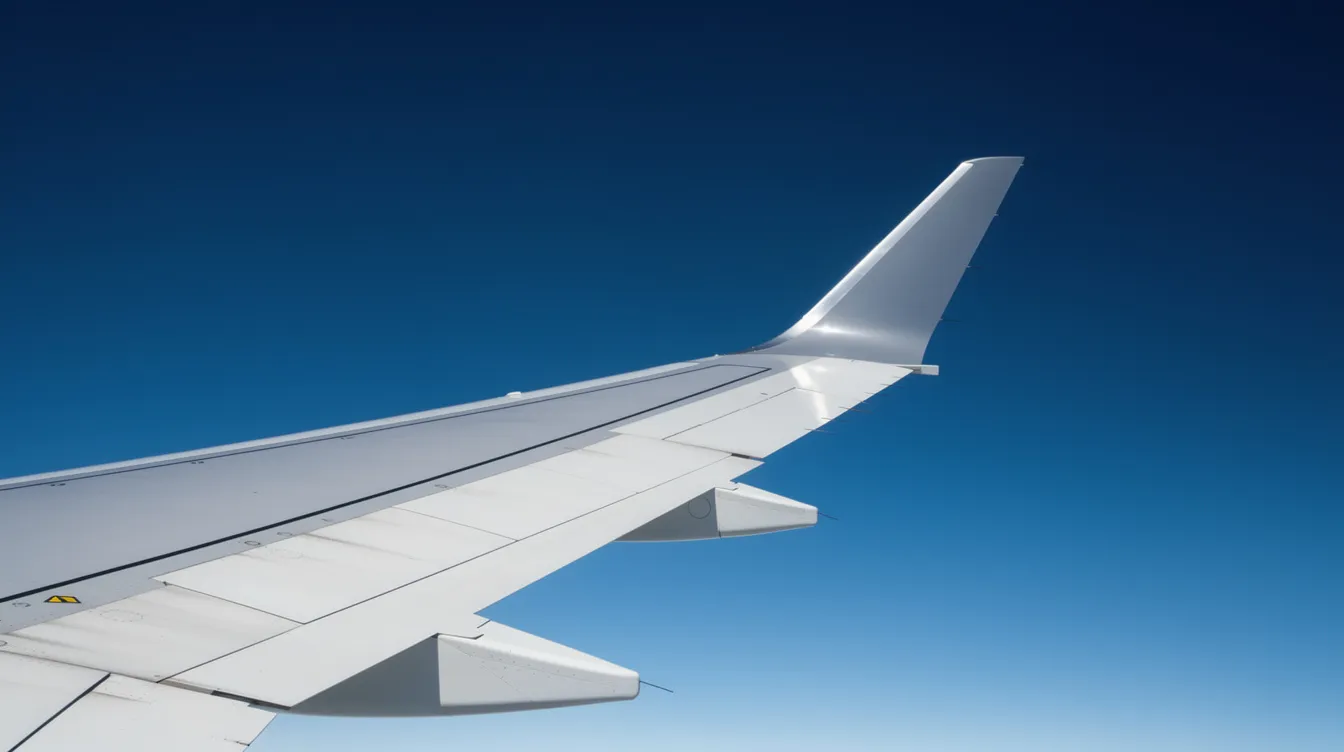
Efficient engines and winglets on the E170 reduce drag and improve fuel economy, while also allowing it to fly into noise-restricted airports thanks to noise-reducing features built into the GE CF34-8E powerplant design.
Cabin layouts and seating capacity for charter use
While airlines push the Embraer 170 toward its maximum seating capacity of 76–78, private users care more about space, privacy, and configuration flexibility. The standard layout is a starting point, not a constraint.
All-economy 2+2 layout: up to ~78 seats at 30–32 inches of pitch
Mixed business/economy: 6–12 premium seats forward with increased pitch, remainder in standard economy class
Bespoke charter configurations can reduce seating below 60, sometimes to around 30, in executive layouts with club seating, meeting areas, and premium finishes
Aisle width and generous overhead storage make the aircraft well-suited for company roadshows, sports teams, or high-end tour groups where passengers need to move, socialize, or work during the flight
For organizations considering group plane charter, the E170 hits a practical sweet point between small business jets and full-size airliners, sitting just below the cabin size of many private jets for 30 passengers.
Exterior design: long wing, winglets, and technical profile
From the ramp, the Embraer 170 presents a clean, purposeful silhouette: a low-wing configuration with a long wing and tall, straight winglets that are immediately recognizable.
The wingspan of approximately 26 m, combined with winglets at the wing tips, reduces induced drag and improves climb performance, contributing to both fuel savings and a smoother ride for passengers.
The narrow-body fuselage sits low relative to the wing root, with conventional tailplane geometry and retractable tricycle landing gear with main landing gear wheels.
Twin GE CF34-8E turbofans, each producing around 62.3 kN of thrust, power the aircraft. These engines are optimized for regional sectors: quiet, fuel-efficient, and equipped with Full Authority Digital Engine Control (FADEC).
The combination of wing design, engine choice, and moderate size gives the Embraer 170 strong short-to-medium range performance from regional airports, including fields that would be inaccessible to a Boeing 737 or Airbus A320.
Safety record and operational reliability
The Embraer 170 has never had a fatal accident in passenger service, making it one of the safest planes in the regional jet category. The broader E-Jet family has a superb safety record, continuing to operate millions of sectors worldwide with an exceptional dispatch reliability rate.
Across the entire E-Jet family, there have been 22 incidents and nine hull losses recorded-none involving passenger fatalities, and reviews did not point to a lack of inherent safety in the E170's design.
Safety investigations following the small number of incidents (runway overruns, gear anomalies) have led to procedural and maintenance improvements that benefit every operator.
The aircraft's advanced automation, system redundancy, and reliable engine controls reduce pilot workload, particularly in adverse weather.
BlackJet's partner operators meet or exceed leading safety certifications such as IS‑BAO and Part 135 air carrier standards, adding an operational layer of assurance beyond the aircraft's design safety.
Emergency exits and passenger safety layout
Exterior cues like emergency exit placement help identify different E-Jet variants at a glance.
The Embraer 170 has no overwing emergency exit. Egress is through forward and aft door-exits on each side of the fuselage-a layout enabled by its shorter cabin length.
By contrast, the E190 and E195 feature an overwing emergency exit on each side due to their longer cabins and higher seating capacity requirements.
Inside, the cabin safety layout includes floor-path lighting, clear signage, crew briefings covering exit locations, and life vests under every seat.
BlackJet ensures any Embraer 170 operated for charter complies with the latest safety equipment requirements: emergency slides, fire extinguishers, oxygen systems, first-aid kits, and defibrillator where applicable.
Operational history and global use cases
The E170 flew its first commercial service on 17 March 2004, when LOT Polish Airlines operated the Warsaw–Vienna route. Adoption across North America and Europe followed rapidly.
Major operators include regional affiliates of US mainline carriers (Envoy Air, Republic Airways, SkyWest) and European airlines such as LOT and British Airways CityFlyer.
As of 2025, all 191 E170s ordered have been delivered, with the number continuing to serve in active fleet duty across the world.
Typical mission profiles: regional business routes of 1–3 hours, connecting secondary cities to major airline hubs. The E170 is designed for operational flexibility on short- to medium-range routes, including potential deployment on city pairs served by our private jet charters in Karachi and other key markets.
The E170 is commonly used for regional airline operations and connecting smaller cities to major hubs-the same point-to-point versatility that makes it ideal for corporate shuttles, event movements, and high-capacity leisure trips in the private aviation context, alongside options where travelers buy a seat on a private jet instead of chartering the whole aircraft.
Comparing the Embraer 170 with similar aircraft
Discerning travelers sometimes compare the Embraer 170 with other regional jets: the Mitsubishi SpaceJet (called M90 during development), the Sukhoi Superjet 100, and the Airbus A220‑100.
The SpaceJet featured a more pointed nose and different cockpit window geometry compared with the E170, though its program saw extensive delays and limited deliveries.
The Superjet 100 operates in a similar size bracket but lacks winglets and uses different SaM146 engines, with a narrower global support network.
The A220‑100 offers a wider fuselage and canted wing tips, with greater payload and longer range-but at higher acquisition and operating costs, and typically requiring larger airports.
For clients, the meaningful comparison is cabin width, seat comfort, and noise levels. In real-world comfort terms, the Embraer 170 cabin feels more like a small mainline airliner than a cramped regional jet. There are no middle seats, the windows are generous, and the cabin noise profile is noticeably quieter than previous-generation regional aircraft. For a broader view of aircraft categories, explore our guide to the types of planes.
Embraer 170 in private and corporate charter operations
The E170 is frequently utilized for private and corporate charters, serving as a bridge between large-cabin business jets and full commercial airliners. It is the right-sized aircraft when exclusivity and group coherence matter.
Corporate roadshows visiting multiple cities in a single week, allowing the leadership team to board and deplane together at each stop.
Sports teams or entertainment tours requiring consistent scheduling, branded cabin service, and equipment storage
High-end incentive programs or destination events requiring 50–70 guests on the same aircraft, where it may be compared with private jet options for 50 passengers on larger VIP-configured airliners
Advantages over booking a block of commercial seats include a dedicated schedule, access to private terminals, the ability to brand the cabin and service, and a consistent on-board experience—benefits that mirror those of large-group charter for around 100 passengers on bigger aircraft. The aircraft can be positioned within BlackJet's network via our Jet Card or on-demand charter, depending on client profile and frequency of use, leveraging the wider BlackJet private aviation services.
Jet Cards and access: how BlackJet integrates the Embraer 170
BlackJet's Jet Card programs offer predictable, premium access to aircraft ranging from light jets up to regional and large-cabin types like the Embraer 170, and our resources on jet card pricing structures can help clarify how those programs are costed. Understanding jet card costs and membership pricing, and how jet cards work,k is the first step toward streamlining group travel.
Hours on a BlackJet Jet Card can be applied toward missions that scale up to larger aircraft when passenger count or baggage demand increases, making it important to understand jet card cost per hour.
Sample scenario: a 25-hour Jet Card client organizes quarterly all-hands meetings in Chicago or Texas, while another client evaluates a 100-hour jet card cost structure to support a more intensive travel schedule. An Embraer 170 is sourced to move the leadership team and guests efficiently, with fixed hourly rates that simplify budgeting, similar to the structure of the BlackJet 25+ Hour Jet Card program.
Guaranteed availability (subject to program level) and transparent pricing eliminate the uncertainty of ad-hoc charter procurement, allowing teams to plan with confidence week after week—particularly when you select from the best jet cards for frequent flyers.
Cabin experience: comfort, service, and connectivity
Many travelers are surprised by how spacious and quiet the Embraer 170 cabin feels compared with older regional jets. The E170 has better passenger comfort compared to those previous-generation aircraft, and passengers typically enjoy a smooth flying experience thanks to the wing design and engine placement.
Legroom in the Embraer 170 is considered very comfortable, especially in de-densified charter configurations where pitch can exceed 36 inches.
The absence of middle seats, combined with larger windows and higher ceiling height, creates an aisle environment where movement feels natural rather than constrained.
On chartered versions, the amenity suite may include premium catering, curated beverage lists, Wi‑Fi connectivity, and customized seating zones for meetings or relaxation.
BlackJet works with operators to tailor service levels to each client's expectations-from discreet, quiet business travel to high-touch hospitality with on-board hosts for VIP groups.
Sustainability and efficiency in the E‑Jet family
Many clients now weigh environmental impact alongside comfort and cost. The Embraer 170 and the wider e jet family are recognized for relatively low fuel burn per seat in the regional segment, especially when compared against older 50-seat jets that preceded them.
Efficient engines and aerodynamic winglets contribute to lower emissions per passenger-mile on standard regional sectors.
Newer E‑Jet E2 models push efficiency further with re-profiled wings and advanced engines; even first-generation E170s remain competitive on short segments, especially when paired with more affordable private jet options and smart routing to control total trip cost.
BlackJet's commitment: every flight arranged through us, including on Embraer 170 aircraft, is carbon-neutral-offset using verified carbon projects at no extra cost to the client. Learn more about our approach on the BlackJet sustainability page.
Safety, certification, and BlackJet's operator standards
Aircraft type safety is only one part of the picture. Operator standards, crew training, and continuing oversight are equally critical in delivering a genuinely safe experience.
BlackJet requires partner operators to hold rigorous safety audits and recognized certifications such as IS‑BAO or applicable regional equivalents, staffed by experienced Embraer 170 crews with current type ratings—standards that align with leading private jet companies for luxury travel.
Modern avionics, redundancy in hydraulic and electrical systems, and clear cockpit ergonomics on the E170 support safe decision-making at every phase of flight.
Clients benefit from 24/7 BlackJet flight support: monitoring weather, airport conditions, and operational constraints on every sector, with alternate airports pre-identified before departure.
Choosing between the Embraer 170 and traditional business jets
For certain missions, a regional jet can be more strategic than a classic super-mid or large-cabin private jet. The choice comes down to passenger count, range requirements, and per-seat economics; for smaller groups, you might instead evaluate the best private jet for 15 passengers.
The Embraer 170 excels for 40–70 passengers on corporate shuttles, team travel, and event logistics, keeping the entire group together on one aircraft, while heavier jets and VIP airliners become relevant when exploring private jets for 20 passengers.
Traditional business jets are better suited for small groups of 4–14 passengers requiring intercontinental range or ultra-premium, customized interiors with lie-flat suites.
Cost per seat on an E170 charter is significantly lower than chartering multiple mid-size jets for the same headcount. A single E170 also eliminates coordination complexity.
BlackJet advisors help match aircraft category to each trip's objectives, balancing range, runway requirements, onboard amenities, and budget. Whether the answer is a lineage-class business jet or a regional E170, the recommendation is always driven by the mission, not the margin.
FAQ: Embraer 170 and BlackJet access
What is the typical seating capacity of an Embraer 170 on charter?
In airline configuration, the E170 seats approximately 72 passengers in a standard single-class layout and up to 78 at maximum density. Charter operators commonly de-densify to 50–65 seats, or as few as 30 in full VIP configurations with club seating and meeting zones.
How fast does the Embraer 170 fly in km h?
Typical cruise speed is around 830–870 km h, with the aircraft capable of reaching Mach 0.82 at altitude. This is comparable to many larger narrow-body jets operated by major airlines.
Can I use a BlackJet Jet Card to charter an Embraer 170?
Yes. Hours from a BlackJet Jet Card can be applied toward larger aircraft like the E170 when passenger count or mission profile demands it. Fixed hourly rates and availability guarantees (by program tier) make budgeting straightforward.
What airports can the Embraer 170 operate into?
The aircraft can use runways as short as approximately 1,600 m at moderate weights, giving it access to many regional and secondary airports. For full-weight, long-range flights, slightly longer runways may be needed.
How does the Embraer 170 compare in comfort to a traditional private jet?
For groups of 40–60, the E170 delivers more total cabin space per person and a view from every seat that is either a window or an aisle. It lacks the bespoke finishes of ultra-premium large-cabin jets, but the ride quality, noise levels, and overall comfort are a generation ahead of older regional aircraft.
Is Wi‑Fi available on all Embraer 170 flights?
Not as standard on every airframe. BlackJet works with operators who can provide Wi‑Fi-equipped aircraft on request. Clients should confirm connectivity requirements at the time of booking so the appropriate aircraft is sourced.
Conclusion: Where the Embraer 170 fits in your travel strategy
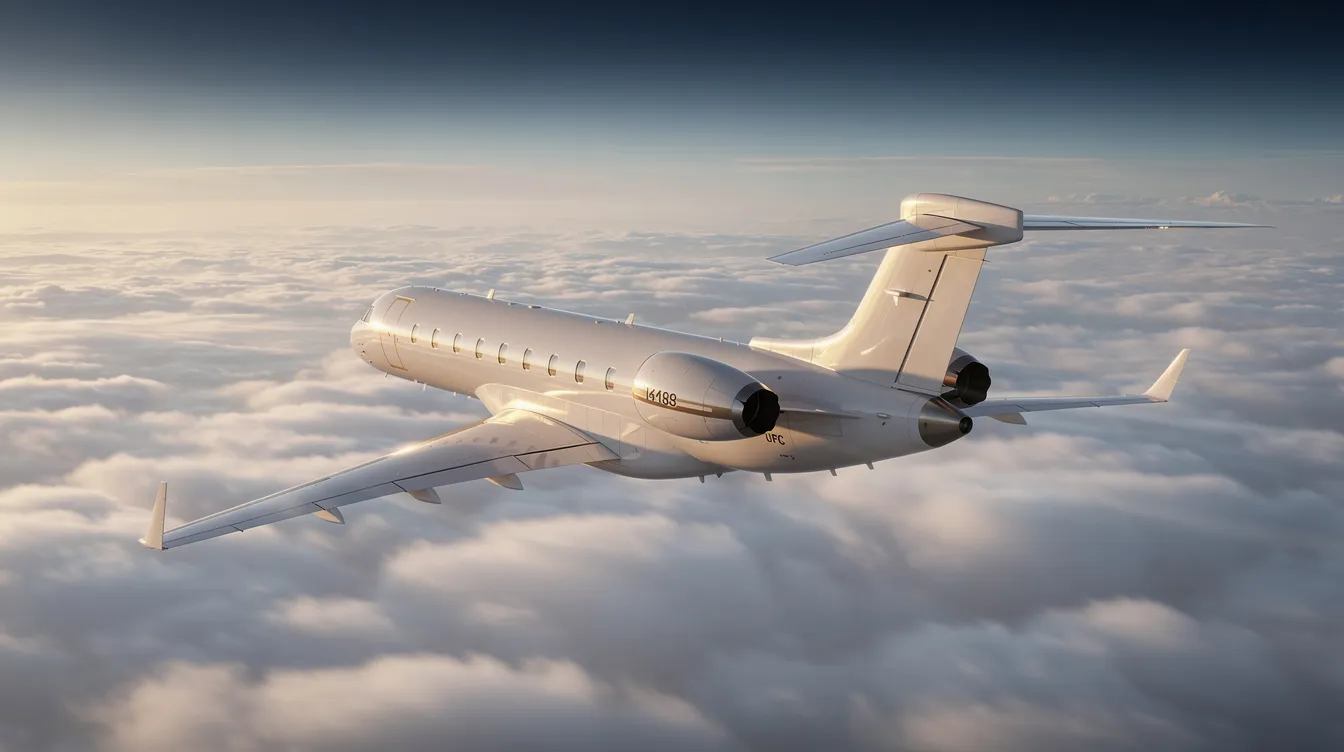
The Embraer 170 offers a rare combination: commercial-grade reliability, a proven global operating record, and near-private-jet comfort for larger groups. It is the right aircraft when you need to move 40 to 70 people on your schedule, into the airports you choose, with a level of service that scheduled airlines simply cannot match, and it fits neatly within the broader private jet price landscape covered in our market-wide cost guides.
Via BlackJet, every Embraer 170 charter is carbon-neutral, safety-audited, and tailored to your objectives. Whether you are planning a quarterly executive gathering, a cross-country tour, or a high-profile event movement, this aircraft delivers within a wider ecosystem of jet card and charter options that range from jet card cost-per-hour comparisons to full jet card pricing frameworks.
Discover how BlackJet can integrate Embraer 170 and other E‑Jet options into your travel program-speak with our team about Jet Card membership and bespoke charter solutions.


 Sign up with google
 Sign up with Apple