Private aviation is no longer just a luxury signal; for leaders, investors, and discerning families, the ultralight jet plane is time arbitrage. This guide clarifies what an ultralight jet plane really means, where recreational ultralight aviation ends, and how BlackJet Jet Cards make light jet access strategic, safe, and carbon neutral.
This guide is for executives, private flyers, and aviation enthusiasts considering ultralight jet planes or private jet access. We cover the differences between true ultralight aircraft, Very Light Jets, and BlackJet's Jet Card access. Understanding these distinctions helps travelers choose the right aviation solution for their needs.
Why Ultralight & Light Sport Jets Matter for the Modern Traveler
Consider a 2025 Dallas executive traveling to Amarillo or Lubbock. Commercial aviation may mean early arrival, TSA, hub timing, delays, and 5–7 hours consumed; a light jet can depart an FBO near Dallas, board in minutes, fly point-to-point, and put the passenger from the boardroom to the airstrip in under 30 minutes after landing. True ultralight aircraft are recreational, usually single-seat machines; executive “ultralight jet” access usually means certified Very Light Jets booked through BlackJet. With 25-hour and 50-hour Jet Cards, members gain privacy, flexibility, safety certification, and carbon-neutral flights.

What Is an Ultralight Aircraft (and What It Is Not)?
In the United States, ultralight aircraft must comply with FAA Part 103 regulations: maximum empty weight of 254 pounds, maximum fuel capacity of 5 U.S. gallons, maximum full-power top speed of 63 mph (55 kph in some summaries; the FAA rule is commonly expressed as 55 knots), and one occupant. Under FAA Part 103, ultralight aircraft do not require registration or an airworthiness certificate, and night flying is prohibited unless the aircraft is equipped with proper lights.
Most ultralight aviation involves simple propeller aircraft, trikes, or an autogyro for daytime flying in uncontrolled airspace. To qualify as a true ultralight and avoid classification as a light-sport aircraft (LSA) or experimental aircraft, the aircraft must adhere to specific weight and speed restrictions set forth by FAA regulations. In Europe, microlight aviation may allow different limits, but the spirit remains sport, freedom, fun, and personal responsibility, not business travel. Amphibious ultralights can take off and land on both water and land, but they make up less than 5% of ultralights sold due to the extra weight from floats.
Ultralight Jet Plane vs. Light Sport Aircraft & Experimental Aircraft
The phrase "ultralight jet plane" usually refers to Very Light Jets (VLJs), which are the smallest category of commercial, jet-powered aircraft, certified for single-pilot operations and weighing under 10,000 pounds.
There are four ideas to separate. Ultralight aircraft are unregistered, lightweight recreational machines. Light sport aircraft are heavier two-seat models, often up to 1,320 pounds maximum takeoff weight in the USA for landplanes, and require at least a sport pilot certificate. Experimental aircraft may be kits, test designs, or personal builds; they can be exciting, affordable, and customizable, but premium charter and Jet Card fleets avoid them because certification, insurance, and commercial use are constrained.
The phrase ultralight jet plane usually refers to Very Light Jets. Ultralight jets are formally classified as Very Light Jets (VLJs), which represent the smallest category of commercial, jet-powered aircraft. The term “ultralight jet” generally refers to the Very Light Jet (VLJ) category, certified for single-pilot operations. VLJs are specifically designed and certified for single-pilot operations, engineered to minimize weight and drag while retaining the safety standards of commercial aviation. Traditional midsize or heavy jets weigh between 20,000 and over 100,000 pounds, whereas ultralight jets weigh under 10,000 pounds and must maintain a maximum takeoff weight (MTOW) of under 10,000 pounds, well below the large-cabin aircraft that can comfortably seat around 20 private jet passengers.
Ultralight, Very Light, and Light Jets: Performance & Use Cases
Recreational ultralights often cruise around 45–60 mph, cover about 80–120 miles, and prioritize simplicity over range, making them comparable to many affordable light aircraft options favored by hobbyist pilots. Typically, ultralight aircraft are single-seat planes intended for recreational use, with a maximum empty weight of 254 pounds and a top speed capped at 63 mph as per FAA regulations.Ultralight aircraft can vary significantly in design and performance, with some models featuring advanced capabilities like higher cruise speeds and greater weight limits while still adhering to ultralight classification where local rules allow.
VLJs change the mission. The Cessna Citation Mustang, introduced in 2006, typically carries four passengers around 1,000 nautical miles; the Embraer Phenom 100 reaches about 1,178 nautical miles and cruises near 390 knots. Ultralight jets trade heavy payload and continent-spanning range for flexibility and lower operational costs, while the newest generation of private jets pushes range, speed, and cabin comfort even further for global missions. Ultralight jets differ from traditional jets by being certified for single-pilot operation and weighing under 10,000 pounds. Ultralight jets utilize downscaled, highly fuel-efficient engines compared to traditional jets, which use multiple massive turbofans.
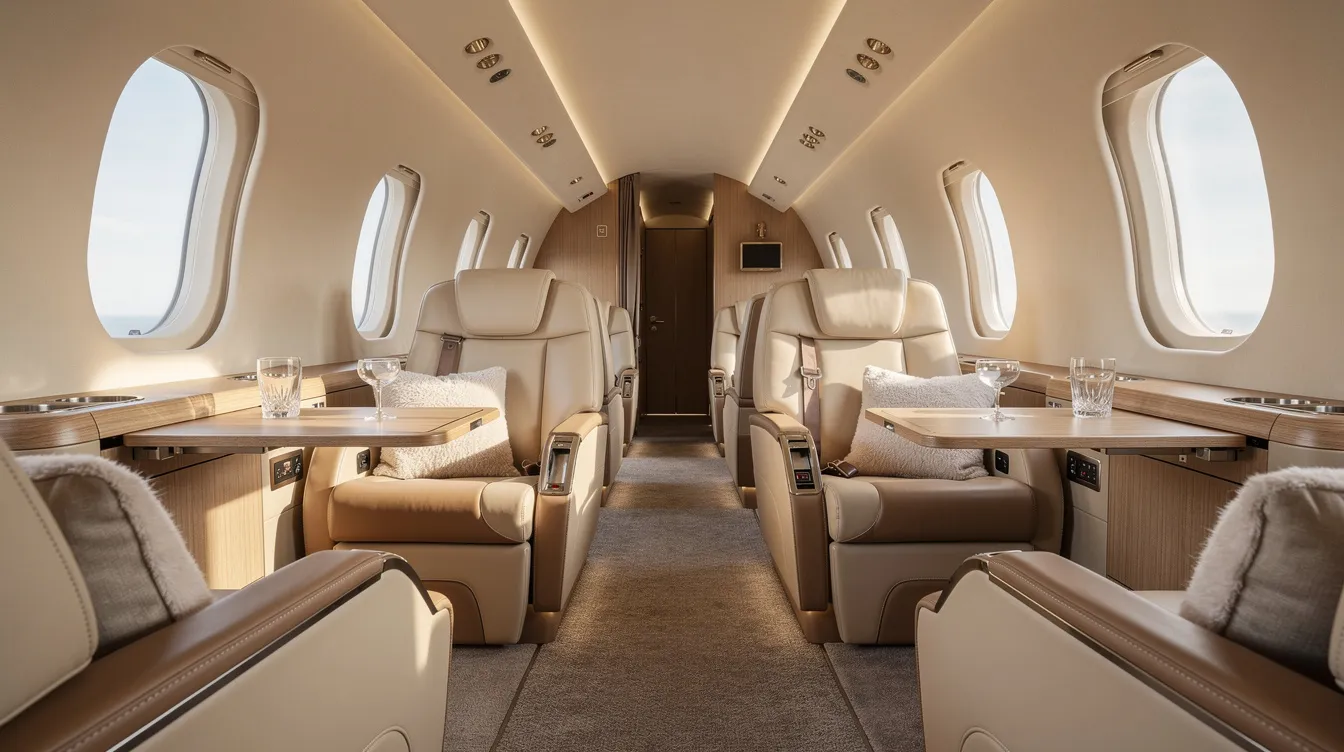
A Los Angeles founder flying to Las Vegas for meetings can turn a full airline day into a 4–5 hour doorstep-to-doorstep journey with small private jets via BlackJet, or even explore private plane rideshare options when suitable for their schedule and route. Instead of an exposed cockpit, BlackJet members expect pressurized, climate-controlled cabins, Wi‑Fi where available, refined style, and tailored aircraft selection.
Comparison Table: Ultralight Aircraft, Light Sport Aircraft, and Very Light Jets (VLJs)
Feature | Ultralight Aircraft | Light Sport Aircraft (LSA) | Very Light Jets (VLJs) |
|---|
Maximum Takeoff Weight (MTOW) | Up to 254 lbs (empty weight limit) | Up to 1,320 lbs (landplanes) | Under 10,000 lbs |
Occupants | Single-seat | Typically two-seat | 4 to 7 passengers |
Certification & Registration | Not required (unregistered) | Requires registration and a sport pilot certificate | Fully certified under FAA Part 23 or equivalent |
Engine Type | Usually, a small piston or electric | Piston or turboprop engines | Jet engines are highly fuel-efficient |
Speed | Up to 63 mph (55 knots) | Typically up to 120-140 mph | Cruise speeds ~350-400 knots |
Range | 80-120 miles | 300-600 miles | 1,000+ nautical miles |
Pilot License Required | No (under FAA Part 103) | Yes, sport pilot certificate | Professional pilots with type rating |
Use Case | Recreational flying | Sport and training | Business travel, regional private jet access |
Registration | Not registered | Registered | Registered and certified |
Licensing, Regulations, and Safety: From Part 103 to Private Jet Standards
True ultralight pilots do not need a pilot license or medical certificate if the aircraft remains within Part 103 limits, but that light regulatory touch is not BlackJet’s world. Light sport and microlight aviation usually involve pilot training, a sport pilot certificate or national license, and stronger oversight. BlackJet flights are operated by FAA Part 135 or Part 121 certified carriers, or international equivalents, with professional crews, rigorous maintenance, and audit-minded standards such as ARG/US or Wyvern-style review, aligning with the criteria in our guide to the best small private aircraft and many of the top private jets in the world for performance and luxury.
BlackJet never uses true ultralight or experimental aircraft. Our focus is on certified aircraft, professional control, dispatch discipline, and safety that meets or exceeds commercial airline maintenance and crew expectations. Ultralights usually operate from uncongested fields; BlackJet members can access major airports and select executive airfields worldwide.
Costs: Owning an Ultralight vs. Accessing Jets with a Jet Card
A basic ultralight can be a hobby investment; a BlackJet Jet Card is travel infrastructure. The cost of ultralight aircraft can vary significantly depending on whether you buy new, used, or build from a kit, with prices ranging from a few thousand dollars to over $100,000, similar to other affordable small-plane options for aspiring pilots and reflective of trends across the global private jet fleet and ownership landscape. Many ultralight aircraft kits are available for DIY enthusiasts, typically costing between $5,000 and $20,000, and they sit alongside other top affordable private planes that broaden access to personal aviation. Prices for ready-to-fly ultralight aircraft can range from approximately $2,850 for basic models to over $130,000 for advanced designs, depending on features and specifications, paralleling many budget-friendly private aircraft options.
VLJ ownership can exceed $2–3 million, with annual crew, hangar, maintenance, fuel, and insurance costs in the hundreds of thousands, reinforcing the importance of understanding the broader private jet price list and access options. BlackJet’s Jet Card model gives access to multiple cabin classes without depreciation risk, aircraft owners’ obligations, or operational burden. For executives flying 20–50+ hours per year, Jet Cards balance availability, budget control, and simplicity.
How BlackJet Jet Cards Unlock Light & Very Light Jet Travel
BlackJet Jet Cards bridge the agility of small aircraft with top-tier business aviation across multiple types of private jets, from efficient VLJs to some of the most expensive private jet options in the market when missions demand maximum range and luxury. Members choose 25-hour or 50-hour programs across light, midsize, and large cabin jets, with efficient options for regional VLJ and light jet missions. Booking is accessible through 24/7 digital tools, with real-time support and typical 24–48 hour notice windows for many domestic trips.
For instance, a Miami tech investor can fly quarterly to Caribbean islands without handling aircraft sale searches, crew schedules, hangars, or maintenance, or they might experiment with buying a single seat on a private jet when full-aircraft access is unnecessary. BlackJet curates certified operators, matches the itinerary to passenger count, and ensures every journey is carbon neutral.
Sustainability in Small-Jet and Ultralight Aviation
Ultralight aviation has low per-flight fuel burn because of small engines and low weight. Business jets burn more fuel, but efficiency improves through intelligent routing, newer airframes, and carbon programs, especially when using more affordable, efficient private jets for regional missions and taking advantage of how high private jets typically fly compared to commercial aircraft. BlackJet ensures every Jet Card flight is carbon neutral by purchasing verified offsets through recognized project standards such as Gold Standard or Verra, at no additional charge to the member.
Innovation is also reshaping the sky. Electric propulsion tests in the 2020s, microjet experimentation, and cleaner planning tools may influence short-range private travel over time, alongside a better understanding of private jet sizes and matching aircraft to each mission.
Microlight & Ultralight Communities vs. BlackJet Membership
Across the USA, Europe, and beyond, ultralight and microlight communities gather around clubs, fly-ins, builder groups, and the dream of hands-on adventure, often starting with cheaper personal aircraft options before stepping up to larger platforms, including group trips that may one day justify private jets for up to 50 passengers. Some people pursue a tl ultralight, compare models for sale, watch the weather carefully, and discover how forgiving or demanding different designs feel in the air.
BlackJet membership is different. It is do-it-for-you aviation: professionally crewed flight, catering when requested, ground coordination, and responsive support. Some members are private pilots who enjoy light sport weekends, then use BlackJet when time, family comfort, and safety are non-negotiable, sometimes graduating to larger commitments like a 100-hour jet card when their flying intensifies and relying on a solid grasp of jet card pricing, costs, and benefits to choose the right program.
FAQ: Ultralight Aircraft, Light Sport, and BlackJet Jet Cards
Does BlackJet operate ultralight or experimental aircraft?
No. BlackJet uses only certified, professionally crewed jets that meet strict safety, maintenance, and regulatory standards.
Do I need a pilot's license to use a BlackJet Jet Card?
No license, pilot training, or medical certificate is required. Every BlackJet flight is operated by professional crews.
What is the difference between ultralight, light sport aircraft, and VLJs?
An ultralight is usually a single-seat recreational aircraft with strict weight, stall, power, speed, and fuel limits. Light sport aircraft are heavier and more regulated, while VLJs are certified jet-powered aircraft for regional passenger travel.
What are microjets?
Microjets are a type of ultralight jet: minimalist, single or two-seater aircraft powered by miniature turbojet engines. Microjets strip away heavy, complex systems found on commercial jets and generally lack pressurized cabins and de-icing equipment.
Where can microjets operate?
Microjets can operate out of small, local general aviation airports due to their short takeoff and landing roll requirements. They are not the same as BlackJet’s certified member fleet.
What are ultralight jet cabins like?
Ultralight jets are designed for short-range regional trips and feature simplified, highly automated cockpits. Ultralight jets typically offer “SUV-style” cabin configurations with a height of roughly 4 to 4.5 feet and seating for 4 to 7 passengers.
How do carbon-neutral BlackJet flights work?
BlackJet measures emissions from member trips and purchases verified carbon offsets tied to climate projects. The goal is practical reduction of net environmental impact while preserving private aviation performance.
How to Choose Your Path: Recreational Ultralight vs. BlackJet Private Jet Access
Start with purpose. If you want hands-on sport flying, research ultralight schools, kit makers, local regulations, and instruction, even when training is not legally required. If you are interested in saving executive time, evaluate annual hours, routes, passenger needs, and whether a 25-hour BlackJet Jet Card or a larger block fits.
Owning a jet can create maximum control but high fixed costs; ad-hoc charter can work but may lack predictability, especially as you compare how much it costs to rent a private jet on different routes and aircraft types. BlackJet sits between them with options like a 50-hour jet card: private jet access with safety, sustainability, technology, and refined responsibility built in.
Elevate Your Travel: BlackJet Call to Action
Ultralight aircraft can be a gateway to the joy of flight. BlackJet Jet Cards are the premier tool for travelers who want the intimacy of smaller jets with the professionalism of world-class business aviation, whether they prioritize maximum flexibility or strategies to fly private as cheaply as possible.
Explore BlackJet’s Jet Card programs or consider long-range private jets if your missions routinely span continents to reshape how you move between cities and regions. Speak with a BlackJet advisor to map your routes to the right aircraft categories, cabin classes, and service profile, or compare alternatives like NetJets jet card costs and a detailed breakdown of Flexjet jet card costs and options, so every journey is as deliberate as the decisions that define your business and life.
Conclusion: Strategic Access to Ultralight and Very Light Jet Travel
Ultralight jet planes represent a unique intersection of aviation innovation, efficiency, and accessibility. While true ultralight aircraft offer recreational freedom with minimal regulatory burden, Very Light Jets (VLJs) provide certified, safe, and flexible private jet access tailored for business and discerning travelers. BlackJet’s Jet Card programs unlock this strategic advantage by combining the agility of light jets with rigorous safety standards, carbon-neutral operations, and seamless booking technology.
For executives and high-net-worth travelers, choosing the right aviation solution means balancing budget, convenience, and mission requirements, often comparing BlackJet with other top private jet companies for luxury travel. Whether exploring ultralight sport flying or leveraging BlackJet’s premium private jet access, understanding the distinctions ensures every journey is purposeful, efficient, and elevated. Embrace the future of private aviation by aligning your travel with innovation, sustainability, and uncompromising safety through BlackJet.


 Sign up with google
 Sign up with Apple


